Search Result
Results for "
urine sodium excretion
" in MedChemExpress (MCE) Product Catalog:
1
Biochemical Assay Reagents
7
Isotope-Labeled Compounds
| Cat. No. |
Product Name |
Target |
Research Areas |
Chemical Structure |
-
- HY-10450
-
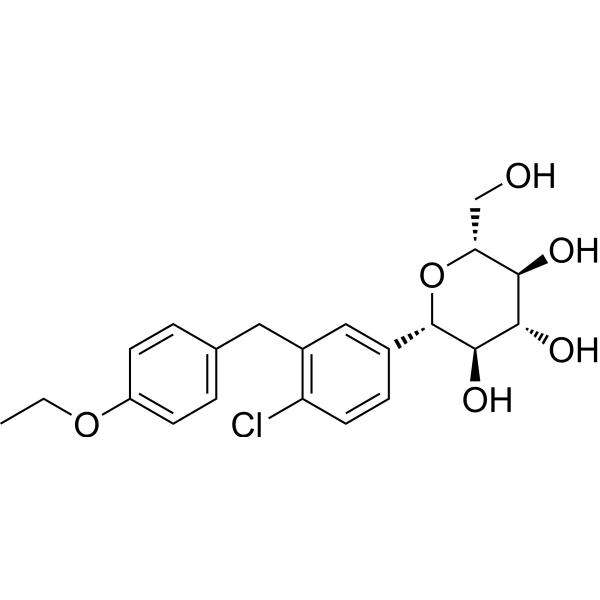
Dapagliflozin
Maximum Cited Publications
66 Publications Verification
BMS-512148
|
SGLT
|
Metabolic Disease
Cancer
|
|
Dapagliflozin (BMS-512148), a new type of agent used to treat diabetes mellitus (DM), is a competitive sodium/glucose cotransporter 2 (SGLT2) inhibitor, which results in excretion of glucose into the urine . Dapagliflozin induces HIF1 expression and attenuates renal IR injury .
|
-
-
- HY-113409
-
|
|
Endogenous Metabolite
|
Metabolic Disease
|
|
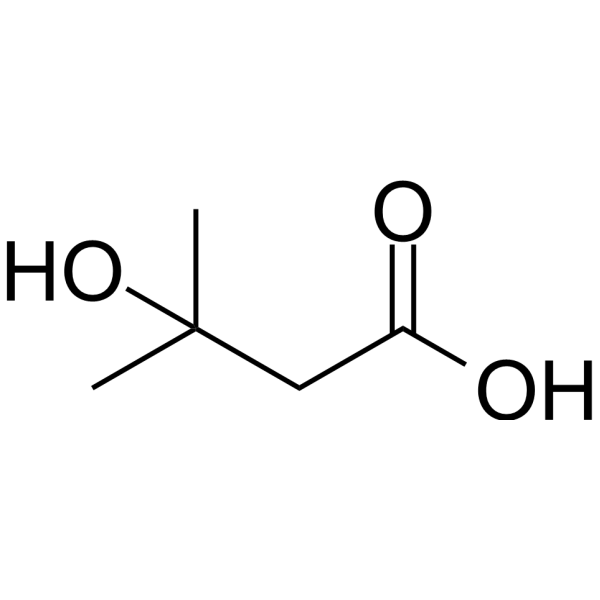
3-Hydroxyisovaleric acid is a normal endogenous metabolite excreted in the urine. The urinary excretion of 3-hydroxyisovaleric acid is early and sensitive indicator of biotin deficiency .
|
-
-
- HY-10450A
-
|
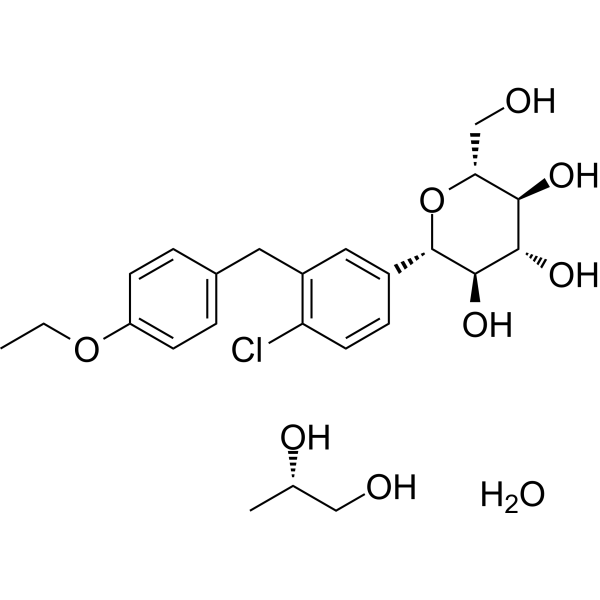
BMS-512148 (2S)-1,2-propanediol, hydrate
|
SGLT
|
Metabolic Disease
Cancer
|
|
Dapagliflozin ((2S)-1,2-propanediol, hydrate) is the S-enantiomer of Dapagliflozin 1,2-propanediol, hydrate. Dapagliflozin ((2S)-1,2-propanediol, hydrate), a new type of agent used to treat diabetes mellitus (DM), is a competitive sodium/glucose cotransporter 2 (SGLT2) inhibitor, which results in excretion of glucose into the urine . Dapagliflozin ((2S)-1,2-propanediol, hydrate) induces HIF1 expression and attenuates renal IR injury .
|
-
-
- HY-W040047
-
|
|
Endogenous Metabolite
|
Metabolic Disease
|
|
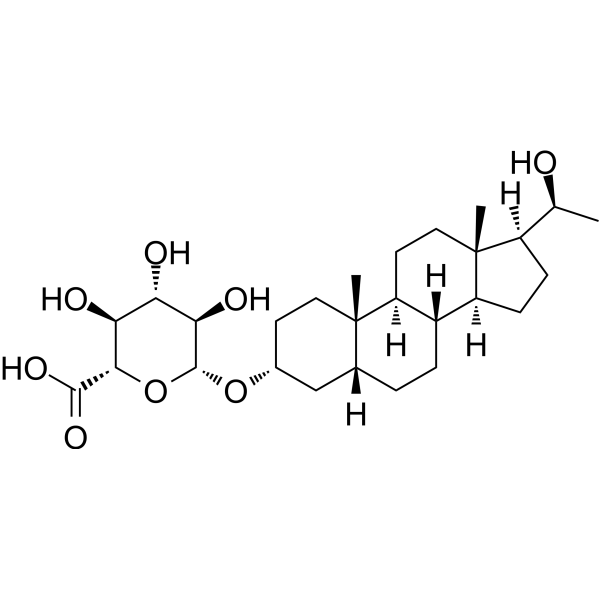
Pregnanediol 3-glucuronide is the main terminal metabolite of Progesterone (HY-N0437). Pregnanediol 3-glucuronide is the metabolite of Progesterone produced in the liver through hydroxylation and glucuronidation, with high hydrophilicity and easy excretion through urine. A decrease in the level of Pregnanediol 3-glucuronide is associated with an increased risk of thyroid cancer, while an increase is associated with the state of pregnancy. Pregnanediol 3-glucuronide is of great significance in the monitoring of female reproductive health, pregnancy assessment, and the diagnosis of endocrine diseases .
|
-
-
- HY-W041019
-
|
|
Endogenous Metabolite
|
Metabolic Disease
|
|
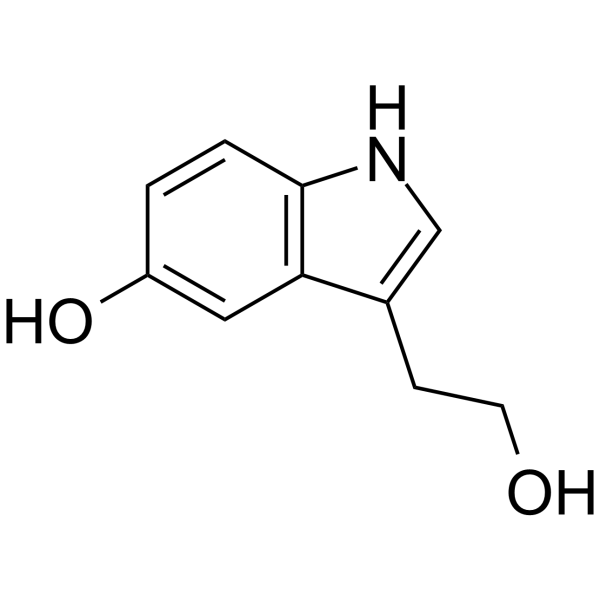
5-Hydroxytryptophol is a mammalian serotonin metabolite that can be used as a sensitive biomarker for recent alcohol intake. 5-Hydroxytryptophol is formed by alcohol-induced changes in the serotonin metabolic pathway and is excreted in the urine as a glucuronic acid conjugate. 5-Hydroxytryptophol is elevated in urine excretion and can be used clinically to monitor alcohol intake in scenarios such as alcohol relapse .
|
-
-
- HY-B0235
-
|
|
Carbonic Anhydrase
|
Metabolic Disease
|
|
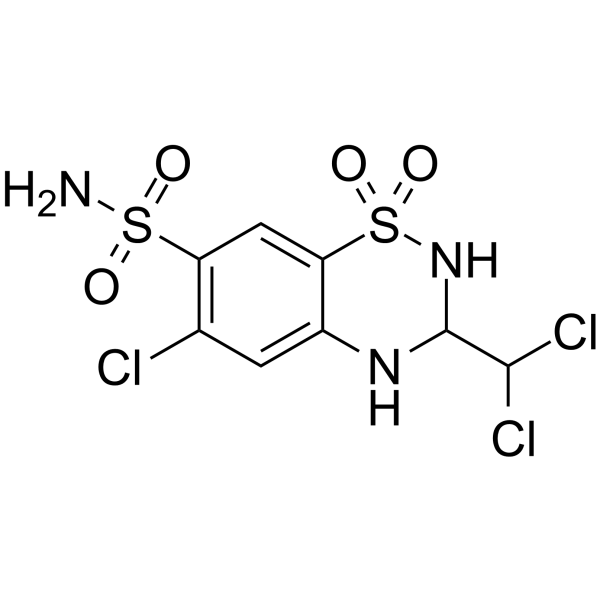
Trichlormethiazide is an orally active thiazide diuretic, with antihypertensive effect. Trichlormethiazide increases urine volume (UV), Na and K excretion and tends to improve the depressed creatinine clearance (CCRE) in acute renal failure rats model .
|
-
-
- HY-W015466
-
|
|
Endogenous Metabolite
|
Metabolic Disease
|
|
Acetylvaline is an amino acid derivative belonging to the N-acetylated amino acid family. Acetylvaline can be detected in small quantities in the urine of healthy individuals but shows significantly abnormal excretion in the urine of patients with maple syrup urine disease (MSUD). Acetylvaline can be used to detect MSUD .
|
-
-
- HY-113465
-
|
LTE4
|
Endogenous Metabolite
|
Inflammation/Immunology
|
|
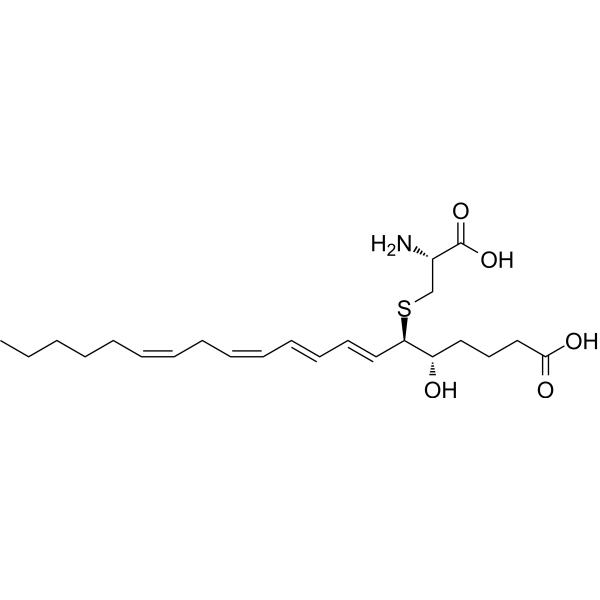
Leukotriene E4 (LTE4) is produced by the action of dipeptidase on LTD4. Leukotriene E4 is one of the constituents of slow-reacting substance of anaphylaxis (SRS-A). Leukotriene E4 accumulates in both plasma and urine and urinary excretion of Leukotriene E4 is most often used as an indicator of asthma.
|
-
-
- HY-B1713A
-
|
DL-(±)-Ornithine hydrochloride
|
Endogenous Metabolite
|
Metabolic Disease
|
|
DL-Ornithine (DL-(±)-Ornithine) hydrochloride is an amino acid and also a urea cycle promoter. DL-Ornithine hydrochloride has the characteristics of low metabolic rate and rapid excretion, and only the L-enantiomer undergoes decarboxylation. In mice inoculated with L-1210 leukemia cells, DL-Ornithine hydrochloride is excreted in urine in its original form, and its conversion to carbon dioxide within 24 h is negligible. DL-Ornithine hydrochloride is mainly used in the urea cycle to eliminate excess nitrogen in the body and protect the kidneys .
|
-
-
- HY-136182A
-
|
|
Na+/Ca2+ Exchanger
|
Cardiovascular Disease
Neurological Disease
|
|
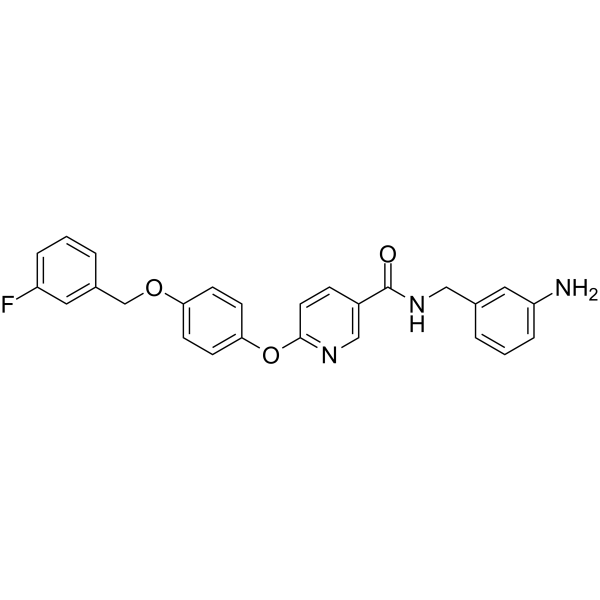
YM-244769 is a potent, selective and orally active Na +/Ca 2+ exchanger (NCX) inhibitor. YM-244769 preferentially inhibits NCX3 and suppresses the unidirectional outward NCX current (Ca 2+ entry mode), with IC50s of 18 nM and 50 nM, respectively. YM-244769 efficiently protects against hypoxia/reoxygenation-induced SH-SY5Y neuronal cell damage. YM-244769 can also increase urine volume and urinary excretion of electrolytes in mice .
|
-
-
- HY-10450R
-
|
BMS-512148 (Standard)
|
Reference Standards
SGLT
|
Metabolic Disease
Cancer
|
|
Dapagliflozin (Standard) is the analytical standard of Dapagliflozin. This product is intended for research and analytical applications. Dapagliflozin (BMS-512148), a new type of agent used to treat diabetes mellitus (DM), is a competitive sodium/glucose cotransporter 2 (SGLT2) inhibitor, which results in excretion of glucose into the urine . Dapagliflozin induces HIF1 expression and attenuates renal IR injury .
|
-
-
- HY-P2281A
-
|
Atrial natriuretic peptide (1-28) TFA
|
Endogenous Metabolite
|
Cardiovascular Disease
Metabolic Disease
|
|
Atrial natriuretic factor (1-28) (human, porcine) TFA exhibits blood pressure lowering activity by increasing sodium and urine excretion. Atrial natriuretic factor (1-28) (human, porcine) TFA inhibits the release of pituitary adrenocorticotropic hormone (ACTH) and beta-endorphin through inhibition of pro-opiomelanocortin (POMC) expression. Atrial natriuretic factor (1-28) (human, porcine) TFA increases cGMP levels in RMIC cells with an IC50 of 1.2 nM .
|
-
-
- HY-113409R
-
|
|
Reference Standards
Endogenous Metabolite
|
Metabolic Disease
|
|
3-Hydroxyisovaleric acid (Standard) is the analytical standard of 3-Hydroxyisovaleric acid. This product is used for research and analytical applications. 3-Hydroxyisovaleric acid is a normal endogenous metabolite excreted in urine. The urinary excretion of 3-Hydroxyisovaleric acid serves as an early and sensitive indicator of biotin deficiency .
|
-
-
- HY-113465S
-
|
LTE4-d5
|
Endogenous Metabolite
|
Inflammation/Immunology
|
|
Leukotriene E4-d5 is the deuterium labeled Leukotriene E4. Leukotriene E4 (LTE4) is produced by the action of dipeptidase on LTD4. Leukotriene E4 is one of the constituents of slow-reacting substance of anaphylaxis (SRS-A). Leukotriene E4 accumulates in both plasma and urine and urinary excretion of Leukotriene E4 is most often used as an indicator of asthma.
|
-
-
- HY-136182
-
|
|
Na+/Ca2+ Exchanger
|
Cardiovascular Disease
Neurological Disease
|
|
YM-244769 dihydrochloride is a potent, selective and orally active Na +/Ca 2+ exchanger (NCX) inhibitor. YM-244769 dihydrochloride preferentially inhibits NCX3 and suppresses the unidirectional outward NCX current (Ca 2+ entry mode), with IC50s of 18 nM and 50 nM, respectively. YM-244769 dihydrochloride efficiently protects against hypoxia/reoxygenation-induced SH-SY5Y neuronal cell damage. YM-244769 dihydrochloride can also increase urine volume and urinary excretion of electrolytes in mice .
|
-
-
- HY-B0235R
-
|
|
Carbonic Anhydrase
Reference Standards
|
Metabolic Disease
|
|
Trichlormethiazide (Standard) is the analytical standard of Trichlormethiazide. This product is intended for research and analytical applications. Trichlormethiazide is an orally active thiazide diuretic, with antihypertensive effect. Trichlormethiazide increases urine volume (UV), Na and K excretion and tends to improve the depressed creatinine clearance (CCRE) in acute renal failure rats model .
|
-
-
- HY-107659
-
|
|
Na+/Ca2+ Exchanger
|
Cardiovascular Disease
Neurological Disease
|
|
YM-244769 hydrochloride is a potent, selective and orally active Na +/Ca 2+ exchanger (NCX) inhibitor. YM-244769 hydrochloride preferentially inhibits NCX3 and suppresses the unidirectional outward NCX current (Ca 2+ entry mode), with IC50s of 18 nM and 50 nM, respectively. YM-244769 hydrochloride efficiently protects against hypoxia/reoxygenation-induced SH-SY5Y neuronal cell damage. YM-244769 hydrochloride can also increase urine volume and urinary excretion of electrolytes in mice .
|
-
-
- HY-118605
-
-
-
- HY-B0235A
-
|
|
Carbonic Anhydrase
|
Metabolic Disease
|
|
Trichlormethiazide sodium is an orally active thiazide diuretic, with antihypertensive effect. Trichlormethiazide sodium increases urine volume (UV), Na and K excretion and tends to improve the depressed creatinine clearance (CCRE) in acute renal failure rats model .
|
-
-
- HY-114961
-
|
15-epi PGA1
|
Prostaglandin Receptor
|
Cardiovascular Disease
|
|
15-epi Prostaglandin A1 (15-epi PGA1) is the 15(R) stereoisomer of PGA1. PGA1 causes renal vasodilation, increased urine sodium excretion, and decreased arterial pressure in hypertensive models .
|
-
-
- HY-W040047S
-
|
|
Endogenous Metabolite
Isotope-Labeled Compounds
|
Endocrinology
|
|
Pregnanediol 3-glucuronide is the main end-metabolite of Progesterone (HY-N0437). Pregnanediol 3-glucuronide is a metabolite of Progesterone formed by hydroxylation and glucuronidation in the liver, with high hydrophilicity and easy excretion through urine. Pregnanediol 3-glucuronide excretion rate of ≥ 9 μmol/24 h can serve as biochemical evidence of ovulation. Pregnanediol 3-glucuronide reflects the quality of the luteal phase, and a level of < 7 μmol/24 h may indicate anovulation or luteal insufficiency. Pregnanediol 3-glucuronide holds significant importance in monitoring female reproductive health, assessing pregnancy, and diagnosing endocrine disorders.
|
-
-
- HY-129557
-
|
|
Vasopressin Receptor
|
Neurological Disease
|
|
A-49816 is an orally active diuretic that increases urine volume and sodium and chloride excretion. A-49816 at high doses (12.5, 15, and 20 mg) caused significant salt and chloride excretion and diuresis in experimental animals .
|
-
-
- HY-W015466S
-
|
|
Endogenous Metabolite
|
Metabolic Disease
|
|
Acetylvaline- 15N is the 15N-labeled Acetylvaline (HY-W015466). Acetylvaline is an amino acid derivative belonging to the N-acetylated amino acid family. Acetylvaline can be detected in small quantities in the urine of healthy individuals but shows significantly abnormal excretion in the urine of patients with maple syrup urine disease (MSUD). Acetylvaline can be used to detect MSUD.
|
-
-
- HY-W015466R
-
|
|
Reference Standards
Endogenous Metabolite
|
Metabolic Disease
|
|
Acetylvaline (Standard) is an analytical standard for acetylvaline (HY-W015466). This product is intended for research and analytical applications. Acetylvaline is an amino acid derivative that belongs to the N-acetylated amino acid family. Acetylvaline is detected in low levels in the urine of healthy individuals, but significant abnormal excretion is observed in the urine of individuals with maple syrup urine disease (MSUD). Acetylvaline can be used to detect MSUD.
|
-
-
- HY-W015466S1
-
|
|
Isotope-Labeled Compounds
Endogenous Metabolite
|
Metabolic Disease
|
|
Acetylvaline-13C2 is the 13C-labeled Acetylvaline (HY-W015466). Acetylvaline is an amino acid derivative belonging to the N-acetylated amino acid family. Acetylvaline can be detected in small quantities in the urine of healthy individuals but shows significantly abnormal excretion in the urine of patients with maple syrup urine disease (MSUD). Acetylvaline can be used to detect MSUD.
|
-
-
- HY-120147
-
|
|
Natriuretic Peptide Receptor (NPR)
|
Cardiovascular Disease
|
|
Ethiazide is a thiazole diuretic which inhibits renal reabsorption of sodium and water, thereby increasing urine excretion, reducing fluid retention, and lowering blood volume and blood pressure. Ethiazide can be used for cardiovascular research .
|
-
-
- HY-W041019R
-
|
|
Reference Standards
Endogenous Metabolite
|
Metabolic Disease
|
|
5-Hydroxytryptophol is a mammalian serotonin metabolite that can be used as a sensitive biomarker for recent alcohol intake. 5-Hydroxytryptophol is formed by alcohol-induced changes in the serotonin metabolic pathway and is excreted in the urine as a glucuronic acid conjugate. 5-Hydroxytryptophol is elevated in urine excretion and can be used clinically to monitor alcohol intake in scenarios such as alcohol relapse .
|
-
-
- HY-10450S5
-
|
|
Isotope-Labeled Compounds
SGLT
|
Metabolic Disease
Cancer
|
|
Dapagliflozin- 13C6-1 is 13C labeled Dapagliflozin. Dapagliflozin (BMS-512148), a new type of agent used to treat diabetes mellitus (DM), is a competitive sodium/glucose cotransporter 2 (SGLT2) inhibitor, which results in excretion of glucose into the urine . Dapagliflozin induces HIF1 expression and attenuates renal IR injury .
|
-
-
- HY-10450S3
-
|
BMS-512148-13C6
|
Isotope-Labeled Compounds
|
Metabolic Disease
Cancer
|
|
Dapagliflozin- 13C6 (BMS-512148- 13C6) is 13C labeled Dapagliflozin. Dapagliflozin (BMS-512148), a new type of agent used to treat diabetes mellitus (DM), is a competitive sodium/glucose cotransporter 2 (SGLT2) inhibitor, which results in excretion of glucose into the urine . Dapagliflozin induces HIF1 expression and attenuates renal IR injury .
|
-
-
- HY-114598
-
|
|
SGLT
|
Metabolic Disease
|
|
WAY-123783 is a potent, selective and orally active sodium-dependent glucose cotransporter 2 (SGLT2) inhibitor producing activity after metabolism. WAY-123783 can increase the excretion of sugar in urine and at the same time lower the blood sugar level in db/db mice (ED50 = 9.85 mg/kg). WAY-123783 can be used for the research of metabolic disease, such as diabetes .
|
-
-
- HY-10450S2
-
|
BMS-512148-d4
|
Isotope-Labeled Compounds
SGLT
|
Metabolic Disease
Cancer
|
|
Dapagliflozin-d4 (BMS-512148-d4) is deuterium labeled Dapagliflozin. Dapagliflozin (BMS-512148), a new type of agent used to treat diabetes mellitus (DM), is a competitive sodium/glucose cotransporter 2 (SGLT2) inhibitor, which results in excretion of glucose into the urine . Dapagliflozin induces HIF1 expression and attenuates renal IR injury .
|
-
-
- HY-P2281
-
|
Atrial natriuretic peptide (1-28)
|
Endogenous Metabolite
|
Cardiovascular Disease
Metabolic Disease
|
|
Atrial natriuretic factor (1-28) (human, porcine) exhibits blood pressure lowering activity by increasing sodium and urine excretion. Atrial natriuretic factor (1-28) (human, porcine) inhibits the release of pituitary adrenocorticotropic hormone (ACTH) and beta-endorphin through inhibition of pro-opiomelanocortin (POMC) expression. Atrial natriuretic factor (1-28) (human, porcine) increases cGMP levels in RMIC cells with an IC50 of 1.2 nM .
|
-
-
- HY-129397
-
|
BPG; 2,3-Dinor-11β-PGF2α; 2,3-dinor-11-epi PGF2α
|
Prostaglandin Receptor
|
Endocrinology
|
|
2,3-Dinor-11beta-prostaglandin F2alpha (2,3-Dinor-11β-PGF2α) is a metabolite of PGD2. Urinary excretion of 2,3-Dinor-11beta-prostaglandin F2alpha is increased in patients with mast cell activation disease (MCAD) and has been used as a marker of increased PGD2 levels. 2,3-Dinor-11beta-prostaglandin F2alpha levels are also increased in the urine of patients with asthma and are positively correlated with impaired lung function.
|
-
-
- HY-102093A
-
|
|
Others
|
Others
|
|
ZD 7155 is an AT1R selective antagonist with renal function modulating activity. The effects of ZD 7155 on glomeruli and tubules were measured in 1- (N = 9) and 6-week-old (N = 13) lambs. Pretreatment with ZD 7155 after L-NAME infusion did not alter glomerular function in 1- or 6-week-old lambs. During postnatal development, Ang II modulates the effects of NO on electrolyte handling via AT1R and AT2R. In 6-week-old lambs, selective inhibition of AT1R and AT2R increased the excretion of Na+, K+, and Cl-. In 6-week-old lambs, pretreatment with ZD 7155 and PD 123319 followed by the addition of L-NAME increased urine flow rate by 200%, free water clearance by 50%, and decreased urine osmolality by 40%. The same trends of changes in these variables were also observed when L-NAME was added to ZD 7155 or PD 123319, although to a lesser extent.
|
-
-
- HY-10450AR
-
|
BMS-512148 (2S)-1,2-propanediol, hydrate (Standard)
|
Reference Standards
SGLT
|
Metabolic Disease
Cancer
|
|
Dapagliflozin ((2S)-1,2-propanediol, hydrate) (Standard) is the analytical standard of Dapagliflozin ((2S)-1,2-propanediol, hydrate). This product is intended for research and analytical applications. Dapagliflozin ((2S)-1,2-propanediol, hydrate) is the S-enantiomer of Dapagliflozin 1,2-propanediol, hydrate. Dapagliflozin ((2S)-1,2-propanediol, hydrate), a new type of agent used to treat diabetes mellitus (DM), is a competitive sodium/glucose cotransporter 2 (SGLT2) inhibitor, which results in excretion of glucose into the urine . Dapagliflozin ((2S)-1,2-propanediol, hydrate) induces HIF1 expression and attenuates renal IR injury .
|
-
-
- HY-118156
-
|
|
Others
|
Others
|
|
L-699333 is a 5-lipoxygenase (5-LO) inhibitor belonging to the thieno[2,3,4-cd]indole class. This compound has a 2-ethoxybutyric acid side chain and is a potent inhibitor of the biosynthesis of 5-HPETE and LTB4 produced from human 5-LO, with ICm values of 22 nM, 7 nM, and 3.8 pM for human neutrophils and whole blood, respectively. L-699333 has shown anti-inflammatory and antiasthmatic effects in a variety of animal models, including rat pleurisy models, antigen-induced wheezing models, and awake macaque and sheep asthma models. Its inhibition of 5-LO is highly selective, with higher ICm values or stronger competitive inhibition in FLAP binding assays compared to inhibition of human 15-LO, porcine 12-LO, and ram epididymal cyclooxygenase. The racemic enantiomer 14g of L-699333 is the most potent enantiomer to date, with inhibitory effects similar to those of the known MK-0591, which has been shown in clinical trials to inhibit the biochemical effects of LTB4 biosynthesis in vitro and LTE4 excretion in urine.
|
-
-
- HY-N9440
-
|
|
Drug Metabolite
|
Inflammation/Immunology
Cancer
|
|
7-Hydroxycoumarin glucuronide is a transport substrate and main human coumarin metabolite. 7-Hydroxycoumarin glucuronide undergoes ATP-dependent efflux transport via MRP3 and MRP4. 7-Hydroxycoumarin glucuronide undergoes active transport processes for urinary excretion and is primarily excreted into urine in humans.
|
-
-
- HY-124470
-
|
|
Others
|
Cardiovascular Disease
|
|
Amisometradine is an orally active aminouracil diuretic with a diuretic potency approximately 40% that of Mersalyl (HY-108868) (when administered intramuscularly). Amisometradine exerts its effects by promoting the excretion of sodium, chloride and a small amount of potassium, exhibits significant therapeutic effects in heart failure models, and has good tolerance with long-term administration. Compared with drugs of the same class, Amisometradine causes fewer gastrointestinal reactions; its minor side effects mainly include nausea, vomiting, diarrhea, tinnitus and deafness, and are usually not accompanied by proteinuria or abnormalities in blood and urine indicators. Amisometradine is an important tool for the study of heart failure and related diuretic mechanisms .
|
-
-
- HY-107659R
-
|
|
Reference Standards
Na+/Ca2+ Exchanger
|
Cardiovascular Disease
Neurological Disease
|
|
YM-244769 hydrochloride (Standard) is the analytical standard of YM-244769 (hydrochloride) (HY-107659). This product is intended for research and analytical applications. YM-244769 hydrochloride is a potent, selective and orally active Na+/Ca2+ exchanger (NCX) inhibitor. YM-244769 hydrochloride preferentially inhibits NCX3 and suppresses the unidirectional outward NCX current (Ca2+ entry mode), with IC50s of 18 nM and 50 nM, respectively. YM-244769 hydrochloride efficiently protects against hypoxia/reoxygenation-induced SH-SY5Y neuronal cell damage. YM-244769 hydrochloride can also increase urine volume and urinary excretion of electrolytes in mice .
|
-
| Cat. No. |
Product Name |
Type |
-
- HY-B1713A
-
|
DL-(±)-Ornithine hydrochloride
|
Biochemical Assay Reagents
|
|
DL-Ornithine (DL-(±)-Ornithine) hydrochloride is an amino acid and also a urea cycle promoter. DL-Ornithine hydrochloride has the characteristics of low metabolic rate and rapid excretion, and only the L-enantiomer undergoes decarboxylation. In mice inoculated with L-1210 leukemia cells, DL-Ornithine hydrochloride is excreted in urine in its original form, and its conversion to carbon dioxide within 24 h is negligible. DL-Ornithine hydrochloride is mainly used in the urea cycle to eliminate excess nitrogen in the body and protect the kidneys .
|
| Cat. No. |
Product Name |
Target |
Research Area |
-
- HY-P2281A
-
|
Atrial natriuretic peptide (1-28) TFA
|
Endogenous Metabolite
|
Cardiovascular Disease
Metabolic Disease
|
|
Atrial natriuretic factor (1-28) (human, porcine) TFA exhibits blood pressure lowering activity by increasing sodium and urine excretion. Atrial natriuretic factor (1-28) (human, porcine) TFA inhibits the release of pituitary adrenocorticotropic hormone (ACTH) and beta-endorphin through inhibition of pro-opiomelanocortin (POMC) expression. Atrial natriuretic factor (1-28) (human, porcine) TFA increases cGMP levels in RMIC cells with an IC50 of 1.2 nM .
|
-
- HY-P2281
-
|
Atrial natriuretic peptide (1-28)
|
Endogenous Metabolite
|
Cardiovascular Disease
Metabolic Disease
|
|
Atrial natriuretic factor (1-28) (human, porcine) exhibits blood pressure lowering activity by increasing sodium and urine excretion. Atrial natriuretic factor (1-28) (human, porcine) inhibits the release of pituitary adrenocorticotropic hormone (ACTH) and beta-endorphin through inhibition of pro-opiomelanocortin (POMC) expression. Atrial natriuretic factor (1-28) (human, porcine) increases cGMP levels in RMIC cells with an IC50 of 1.2 nM .
|
-
- HY-P5495
-
|
|
Peptides
|
Others
|
|
Uroguanylin-15 (Rat) is a biological active peptide. (Uroguanylin is a natriuretic peptide, a hormone that regulates sodium excretion by the kidney when excess NaCl is consumed. Uroguanylin and guanylin are related peptides that activate common guanylate cyclase signaling molecules in the intestine and kidney. Uroguanylin was isolated from urine and duodenum but was not detected in extracts from the colon of rats.)
|
| Cat. No. |
Product Name |
Category |
Target |
Chemical Structure |
| Cat. No. |
Product Name |
Chemical Structure |
-
- HY-113465S
-
|
|
|
Leukotriene E4-d5 is the deuterium labeled Leukotriene E4. Leukotriene E4 (LTE4) is produced by the action of dipeptidase on LTD4. Leukotriene E4 is one of the constituents of slow-reacting substance of anaphylaxis (SRS-A). Leukotriene E4 accumulates in both plasma and urine and urinary excretion of Leukotriene E4 is most often used as an indicator of asthma.
|
-
-
- HY-W040047S
-
|
|
|
Pregnanediol 3-glucuronide is the main end-metabolite of Progesterone (HY-N0437). Pregnanediol 3-glucuronide is a metabolite of Progesterone formed by hydroxylation and glucuronidation in the liver, with high hydrophilicity and easy excretion through urine. Pregnanediol 3-glucuronide excretion rate of ≥ 9 μmol/24 h can serve as biochemical evidence of ovulation. Pregnanediol 3-glucuronide reflects the quality of the luteal phase, and a level of < 7 μmol/24 h may indicate anovulation or luteal insufficiency. Pregnanediol 3-glucuronide holds significant importance in monitoring female reproductive health, assessing pregnancy, and diagnosing endocrine disorders.
|
-
-
- HY-W015466S
-
|
|
|
Acetylvaline- 15N is the 15N-labeled Acetylvaline (HY-W015466). Acetylvaline is an amino acid derivative belonging to the N-acetylated amino acid family. Acetylvaline can be detected in small quantities in the urine of healthy individuals but shows significantly abnormal excretion in the urine of patients with maple syrup urine disease (MSUD). Acetylvaline can be used to detect MSUD.
|
-
-
- HY-W015466S1
-
|
|
|
Acetylvaline-13C2 is the 13C-labeled Acetylvaline (HY-W015466). Acetylvaline is an amino acid derivative belonging to the N-acetylated amino acid family. Acetylvaline can be detected in small quantities in the urine of healthy individuals but shows significantly abnormal excretion in the urine of patients with maple syrup urine disease (MSUD). Acetylvaline can be used to detect MSUD.
|
-
-
- HY-10450S5
-
|
|
|
Dapagliflozin- 13C6-1 is 13C labeled Dapagliflozin. Dapagliflozin (BMS-512148), a new type of agent used to treat diabetes mellitus (DM), is a competitive sodium/glucose cotransporter 2 (SGLT2) inhibitor, which results in excretion of glucose into the urine . Dapagliflozin induces HIF1 expression and attenuates renal IR injury .
|
-
-
- HY-10450S3
-
|
|
|
Dapagliflozin- 13C6 (BMS-512148- 13C6) is 13C labeled Dapagliflozin. Dapagliflozin (BMS-512148), a new type of agent used to treat diabetes mellitus (DM), is a competitive sodium/glucose cotransporter 2 (SGLT2) inhibitor, which results in excretion of glucose into the urine . Dapagliflozin induces HIF1 expression and attenuates renal IR injury .
|
-
-
- HY-10450S2
-
|
|
|
Dapagliflozin-d4 (BMS-512148-d4) is deuterium labeled Dapagliflozin. Dapagliflozin (BMS-512148), a new type of agent used to treat diabetes mellitus (DM), is a competitive sodium/glucose cotransporter 2 (SGLT2) inhibitor, which results in excretion of glucose into the urine . Dapagliflozin induces HIF1 expression and attenuates renal IR injury .
|
-
Your information is safe with us. * Required Fields.
Inquiry Information
- Product Name:
- Cat. No.:
- Quantity:
- MCE Japan Authorized Agent:

