1. Search Result
Search Result
Results for "

vascular disorder

" in MedChemExpress (MCE) Product Catalog:

33

Inhibitors & Agonists

1

Screening Libraries

1

Peptides

2

Natural
Products

1

Isotope-Labeled Compounds

5

Oligonucleotides

Targets Recommended:
Cat. No. Product Name Target Research Areas Chemical Structure
  • HY-N1362
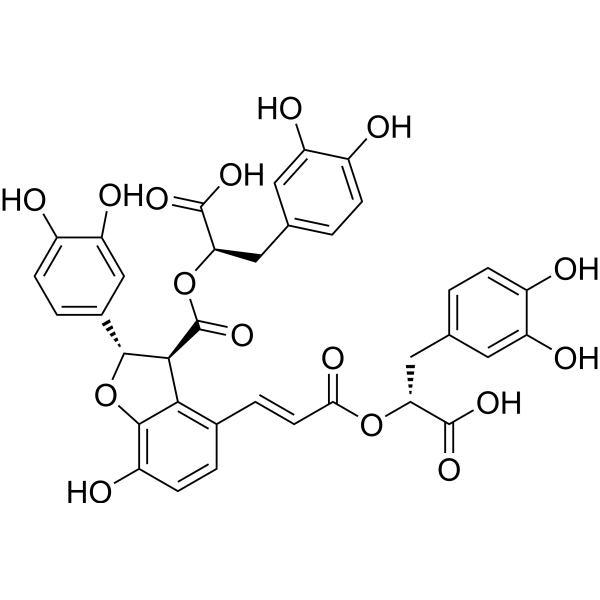
    Salvianolic acid B
    15+ Cited Publications

    Lithospermic acid B

    Autophagy Cardiovascular Disease
    Salvianolic acid B is an active ingredient of Salvia miltiorrhiza, which has been widely applied in China for the management of various microcirculation-related disorders, such as cardiovascular disease, cerebrovascular disease, and diabetic vascular complication.
    Salvianolic acid B
  • HY-B1107

    Nafronyl oxalate salt

    5-HT Receptor Cardiovascular Disease
    Naftidrofuryl oxalate (Nafronyl oxalate salt) is a drug used in the management of peripheral and cerebral vascular disorders as a vasodilator, enhance cellular oxidative capacity, and may also be a 5-HT2 receptor antagonist.
    Naftidrofuryl oxalate
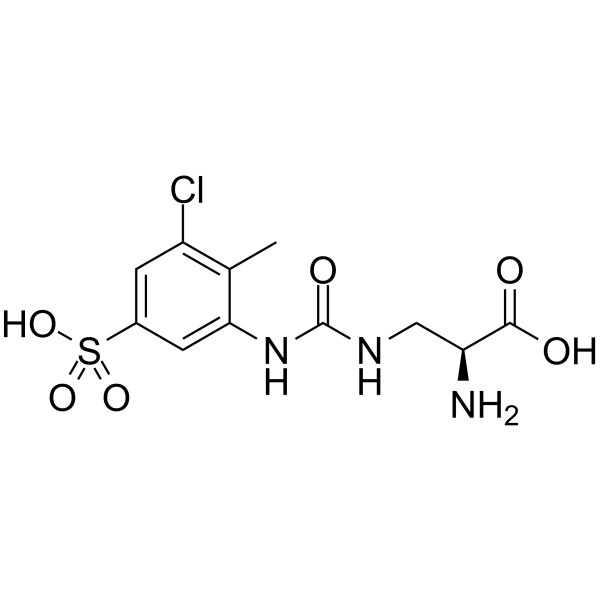
  • HY-109106A

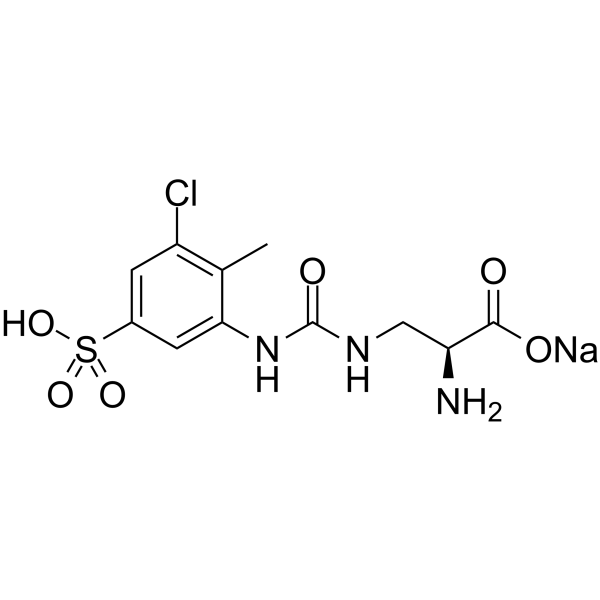
    SK-1403; AJT240; PLS240

    CaSR Endocrinology
    Upacicalcet sodium is a non-peptide calcimimetic that acts as a CaSR agonist (EC50 = 10.8 nM). Upacicalcet sodium reduces serum intact parathyroid hormone (iPTH) and serum Ca 2+ levels, reducing hypocalcemia and gastrointestinal complications. Upacicalcet sodium sodium improves vascular calcification and bone disorders in the Adenine (HY-B0152)-induced secondary hyperparathyroidism (SHPT) rat model. Upacicalcet sodium sodium inhibits cortical pore formation and reduces bone fibrosis in rats with chronic kidney disease (CKD). Upacicalcet sodium is useful for studying SHPT .
    Upacicalcet sodium
  • HY-119440

    PDGFR Cardiovascular Disease
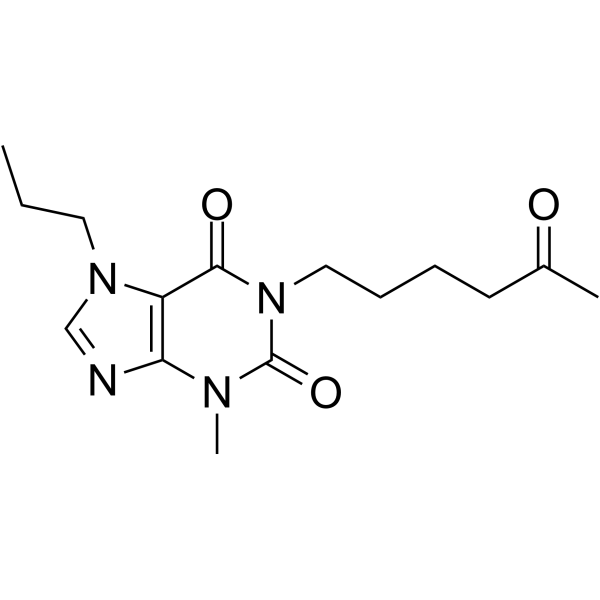
    Xanthinol is a vasodilator that can be used for the study of peripheral and cerebral vascular disorders .
    Xanthinol
  • HY-B1853

    Environmental Pollutants Apoptosis ERK Herbicide MEK Cardiovascular Disease
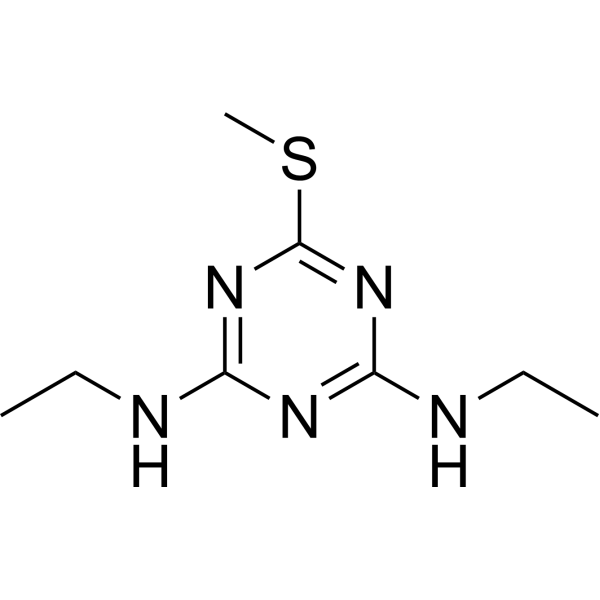
    Simetryn is a triazine herbicide that exerts teratogenicity. Simetryn inhibits photosynthesis by blocking electron transfer in the chloroplast photosystem II and activates the MEK/Erk signaling pathway. Simetryn triggers vascular and developmental abnormalities in zebrafish and tadpoles, suppresses proliferation, enhances apoptosis, and induces malformations. Simetryn serves as a tool to establish a zebrafish model for studying arteriovenous malformations and related pathogenesis. Simetryn controls paddy weeds and can be used for research on developmental and vascular disorders .
    Simetryn
  • HY-157746
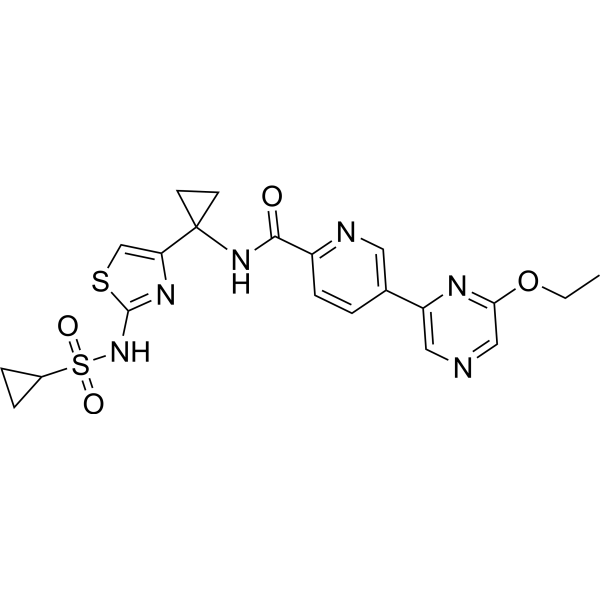
    CTPS1-IN-1
    1 Publications Verification

    DNA/RNA Synthesis Inflammation/Immunology Cancer
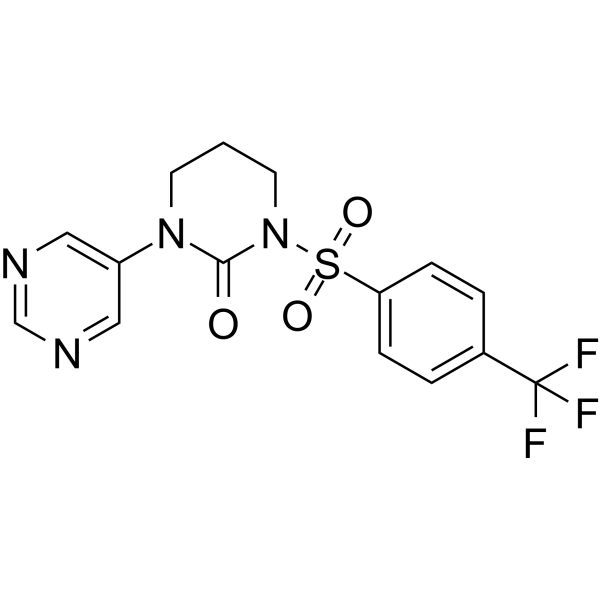
    CTPS1-IN-1 (compound R80) is a CTPS1 inhibitor. CTPS1-IN-1 has the potential to research cancer (such as promoting vascular injury or surgical recovery) and immune system diseases (such as rejection of transplanted cells and tissues, transplant-related diseases or disorders, allergies, and autoimmune diseases) .
    CTPS1-IN-1
  • HY-138802
    ML089
    1 Publications Verification

    Phosphomannose Isomerase (PMI) Metabolic Disease
    ML089 is a potent, selective, and orally available phosphomannose isomerase (PMI) inhibitor with an IC50 of 1.3 µM. ML089 can be used for the research of congenital disorder of glycosylation Ia .
    ML089
  • HY-146765

    NOD-like Receptor (NLR) Neurological Disease Inflammation/Immunology
    AMS-17 is a potent NLRP3 inhibitor, inhibiting microglia activation in vitro and in vivo. AMS-17 also inhibits cytokines such as caspase-1, TNF-α, IL-1β and inducible nitric oxide synthase (iNOS) in N9 cells. AMS-17 can be used for researching inflammation-associated neurological disorders, such as vascular dementia (VaD) .
    AMS-17
  • HY-P4123

    MMP Cardiovascular Disease Inflammation/Immunology Cancer
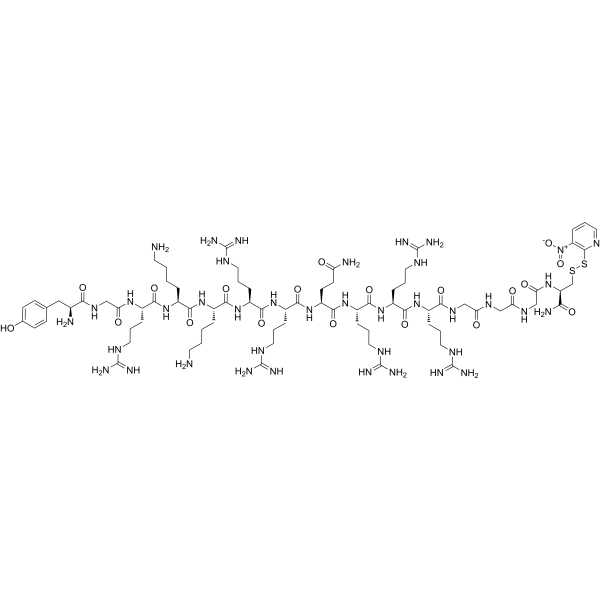
    TAT (47-57) GGG-Cys (Npys) is a cell-penetrating peptide and delivery carrier derived from TAT. TAT (47-57) GGG-Cys (Npys) facilitates the translocation of conjugated drug molecules across cell membranes. TAT (47-57) GGG-Cys (Npys) acts as a delivery carrier for MT1-MMP inhibitors. TAT (47-57) GGG-Cys (Npys) is applicable to research on diseases associated with MT1-MMP activity, such as cancer, arthritis, heart disease, and vascular disorders .
    TAT (47-57) GGG-Cys(Npys)
  • HY-N1362R

    Lithospermic acid B (Standard)

    Reference Standards Autophagy Cardiovascular Disease
    Salvianolic acid B (Standard) is the analytical standard of Salvianolic acid B. This product is intended for research and analytical applications. Salvianolic acid B is an active ingredient of Salvia miltiorrhiza, which has been widely applied in China for the management of various microcirculation-related disorders, such as cardiovascular disease, cerebrovascular disease, and diabetic vascular complication.
    Salvianolic acid B (Standard)
  • HY-148400

    TXC hydrochloride

    Ser/Thr Protease Drug Derivative Metabolic Disease
    Cetyl tranexamate (TXC) hydrochloride is an ester derivative of Tranexamic acid (HY-B0149). Cetyl tranexamate hydrochloride is an inhibitor of fibrinogen activation and can reduce the production of fibrinogen in keratinocytes induced by ultraviolet rays or damage, indirectly inhibiting the melanin production pathway. Cetyl tranexamate hydrochloride also targets melanin (dark spots) and hemoglobin (red spots), reducing vascular dilation and pigmentation by inhibiting inflammatory mediators (such as prostaglandins, platelet activating factors). Cetyl tranexamate hydrochloride can be used as a cosmetic ingredient and is suitable for epidermal pigment disorders such as photoaging, post-inflammatory hyperpigmentation (PIH), and melasma .
    Cetyl tranexamate hydrochloride
  • HY-143721

    VAP-1 Neurological Disease Metabolic Disease Inflammation/Immunology Cancer
    SSAO inhibitor-2 is a selective semicarbazide-sensitive amine oxidase (SSAO/VAP-1) inhibitor with an IC50 of < 10 nM. SSAO inhibitor-2 can be used for the research of inflammation diseases, diabetes and diabetes-related diseases, mental disorders, pain-related diseases, ischemic diseases, vascular diseases, ocular diseases, fibrosis, neuroinflammatory diseases, cancer, and tissue transplant rejection .
    SSAO inhibitor-2
  • HY-158821A

    TGF-beta/Smad Neurological Disease
    ISTH0036 sodium is a phosphorothioate LNA-modified antisense oligonucleotide gapmer that selectively targets and downregulates TGF-β2 mRNA. ISTH0036 sodium suppresses TGF-β2 expression, reduces choroidal neovascularization and vascular leakage, inhibits fibrosis, blocks epithelial-to-mesenchymal transition, and inhibits angiogenesis while promoting bleb survival. ISTH0036 sodium exhibits long-lasting, dose-dependent ocular tissue distribution and target engagement in rabbit and non-human primate eyes. ISTH0036 sodium can be used for the study of various ocular disorders, such as glaucoma and neovascular retinal diseases .
    ISTH0036 sodium
  • HY-W726640

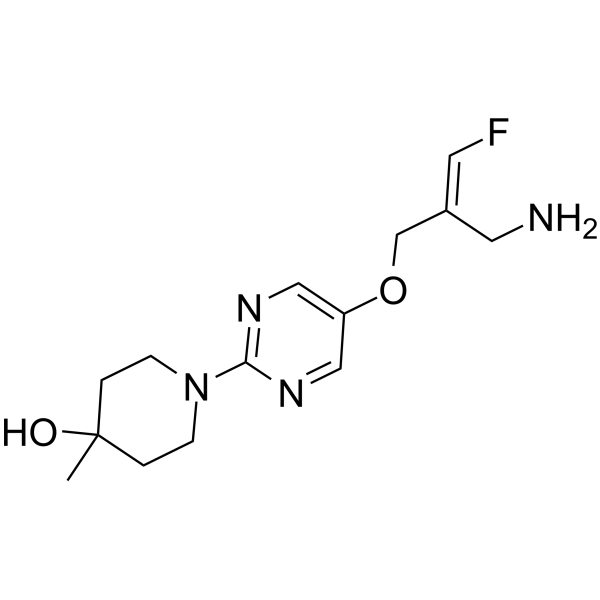
    MAPKAPK2 (MK2) Cardiovascular Disease Metabolic Disease
    Peraquinsin is a MK2 activator. Peraquinsin can be used for the research of vascular disorder or endothelial barrier disorder. Peraquinsin also is an antihypertensive agent .
    Peraquinsin
  • HY-177282

    Somatostatin Receptor Cardiovascular Disease Neurological Disease Inflammation/Immunology Cancer
    SST1 receptor antagonist-2 (Example 2) is a piperazine derivative and a somatostatin receptor 1 (SST1) antagonist. SST1 receptor antagonist-2 can be used in the research of psychiatric diseases, neurodegenerative diseases, tumors, as well as vascular disorders and immunological diseases .
    SST1 receptor antagonist-2
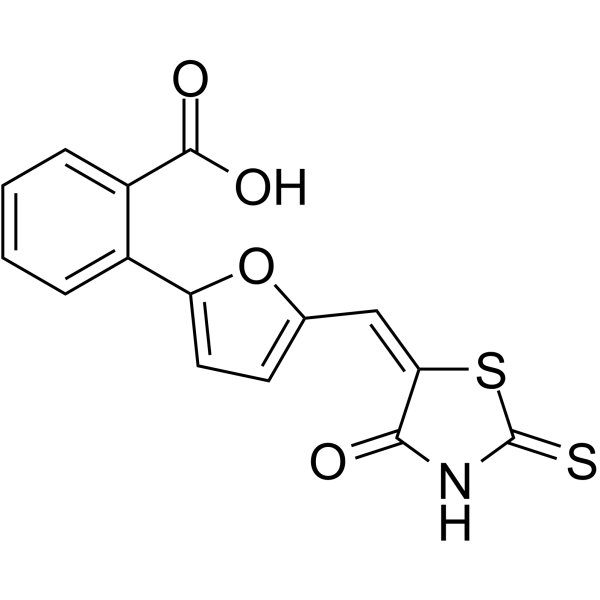
  • HY-124044

    Phosphatase Cardiovascular Disease
    ML 086 is a highly selective PHOSPHO1 phosphatase inhibitor (IC50=0.14 μM). ML 086 is promising for research of hereditary vascular calcification disorders (e.g., generalized arterial calcification of infancy) and spinal ligament ossification .
    ML 086
  • HY-109171R

    NT-814 (Standard); BAY3427080 (Standard)

    Reference Standards Neurokinin Receptor Cardiovascular Disease Neurological Disease
    Elinzanetant (Standard) is the analytical standard of Elinzanetant. This product is intended for research and analytical applications. Elizanetant (NT-814) is an orally active, selective NK-1,3 receptor antagonist. Elizanetant can reduce the levels of estradiol and progesterone, and is used in the study of vascular motor symptoms and sleep disorders related to menopause in women .
    Elinzanetant (Standard)
  • HY-109106

    SK-1403 free acid; AJT240 free acid; PLS240 free acid

    CaSR Endocrinology
    Upacicalcet is a non-peptide calcimimetic that acts as a CaSR agonist (EC50 = 10.8 nM). Upacicalcet reduces serum intact parathyroid hormone (iPTH) and serum Ca2+ levels, reducing hypocalcemia and gastrointestinal complications. Upacicalcet improves vascular calcification and bone disorders in the Adenine (HY-B0152)-induced secondary hyperparathyroidism (SHPT) rat model. Upacicalcet inhibits cortical pore formation and reduces bone fibrosis in rats with chronic kidney disease (CKD). Upacicalcet is useful for studying SHPT .
    Upacicalcet
  • HY-158821

    TGF-beta/Smad Neurological Disease
    ISTH0036 is a phosphorothioate LNA-modified antisense oligonucleotide gapmer that selectively targets and downregulates TGF-β2 mRNA. ISTH0036 suppresses TGF-β2 expression, reduces choroidal neovascularization and vascular leakage, inhibits fibrosis, blocks epithelial-to-mesenchymal transition, and inhibits angiogenesis while promoting bleb survival. ISTH0036 exhibits long-lasting, dose-dependent ocular tissue distribution and target engagement in rabbit and non-human primate eyes. ISTH0036 can be used for the study of various ocular disorders, such as glaucoma and neovascular retinal diseases .
    ISTH0036
  • HY-135816

    Casein Kinase Pim Inflammation/Immunology Cancer
    CK2/PIM1-IN-1 is an inhibitor of CK2 and PIM1, with IC50s of 3.787 μM and 4.327 μM for CK2 and PIM1, respectively. CK2/PIM1-IN-1 is developed for the research of proliferative disorders such as cancer, as well as other kinase-associated conditions including inflammation, pain, vascular disorders, pathogenic infections and certain immunological disorders .
    CK2/PIM1-IN-1
  • HY-B1853R

    Herbicide Reference Standards ERK MEK Apoptosis Cardiovascular Disease
    Simetryn (Standard) is the analytical standard of Simetryn (HY-B1853). This product is intended for research and analytical applications. Simetryn is a triazine herbicide that exerts teratogenicity. Simetryn inhibits photosynthesis by blocking electron transfer in the chloroplast photosystem II and activates the MEK/Erk signaling pathway. Simetryn triggers vascular and developmental abnormalities in zebrafish and tadpoles, suppresses proliferation, enhances apoptosis, and induces malformations. Simetryn serves as a tool to establish a zebrafish model for studying arteriovenous malformations and related pathogenesis. Simetryn controls paddy weeds and can be used for research on developmental and vascular disorders .
    Simetryn (Standard)
  • HY-109171S

    NT-814-d3; BAY3427080-d3

    Isotope-Labeled Compounds Neurokinin Receptor Cardiovascular Disease Neurological Disease
    Elinzanetant-d3 (NT-814-d3) is deuterium labeled Elinzanetant. Elizanetant (NT-814) is an orally active, selective NK-1,3 receptor antagonist. Elizanetant can reduce the levels of estradiol and progesterone, and is used in the study of vascular motor symptoms and sleep disorders related to menopause in women .
    Elinzanetant-d3
  • HY-109106B

    (Rac)-SK-1403 free acid; (Rac)-AJT240 free acid; (Rac)-PLS240 free acid

    CaSR Endocrinology
    (Rac)-Upacicalcet is the racemate of Upacicalcet (HY-109106). Upacicalcet is a non-peptide calcimimetic that acts as a CaSR agonist (EC50 = 10.8 nM). Upacicalcet reduces serum intact parathyroid hormone (iPTH) and serum Ca2+ levels, reducing hypocalcemia and gastrointestinal complications. Upacicalcet improves vascular calcification and bone disorders in the Adenine (HY-B0152)-induced secondary hyperparathyroidism (SHPT) rat model. Upacicalcet inhibits cortical pore formation and reduces bone fibrosis in rats with chronic kidney disease (CKD). Upacicalcet is useful for studying SHPT .
    (Rac)-Upacicalcet
  • HY-148115

    LPL Receptor Inflammation/Immunology
    S1p receptor agonist 2 (compound 1) is an agonist of S1P5 receptor, exhibits selectivity over the S1P1 and/or S1P3 receptors. S1p receptor agonist 2 can be used for endogenous SIP signaling system research, and alleviating or preventing CNS disorders research, such as neurodegenerative disorders .
    S1p receptor agonist 2
  • HY-19138

    Potassium Channel Cardiovascular Disease
    SR 47063 is an ATP-sensitive potassium channel (KATP) agonist. SR 47063 selectively activates KATP channels in vascular smooth muscle cells (IC50: 8.1 nM in human saphenous vein, 3.86 nM in rat aorta). SR 47063 promotes potassium efflux and cellular hyperpolarization to induce vasorelaxation. SR 4706 is promising for research of hypertension and related cardiovascular disorders .
    SR 47063
  • HY-180341

    Platelet-activating Factor Receptor (PAFR) Inflammation/Immunology
    UR-12633 is a platelet-activating factor (PAF) antagonist. UR-12633 can effectively reverse hypotension, inhibit coagulation abnormalities, increased vascular permeability, and metabolic disorders in rodent models of endotoxic shock. UR-12633 can be used for research on endotoxic shock .
    UR-12633
  • HY-186046

    Glutathione Peroxidase Cardiovascular Disease Inflammation/Immunology
    MPO-IN-10 is an orally active, selective, and irreversible inhibitor of myeloperoxidase (MPO), with an IC50 of 0.080 μM against human MPO. MPO-IN-10 exhibits higher selectivity for extracellular MPO over intracellular (neutrophil) MPO. MPO-IN-10 can be used in the study of inflammatory diseases such as vascular disorders .
    MPO-IN-10
  • HY-135446

    Endothelin Receptor Cardiovascular Disease Endocrinology
    BQ-610 is a selective antagonist of the endothelin A receptor (ETA receptor). BQ-610 specifically blocks the ETA receptor, competitively inhibiting the binding of endothelin-1 (ET-1) (a vasoconstrictive peptide) to the receptor, thereby blocking the effects of ET-1 such as vascular smooth muscle contraction, cell mitosis, and inhibition of hormone secretion. BQ-610 significantly alleviates cerebral vasospasm in rabbits. BQ-610 blocks the bronchial epithelial and pulmonary vascular cell proliferation caused by cigarette smoke in rat models. BQ-610 can delay the natural luteal regression in the cow's uterus. BQ-610 can be used for research on vasospasm, abnormal cell proliferation, and reproductive endocrine disorders .
    BQ-610
  • HY-128613

    TZ-md

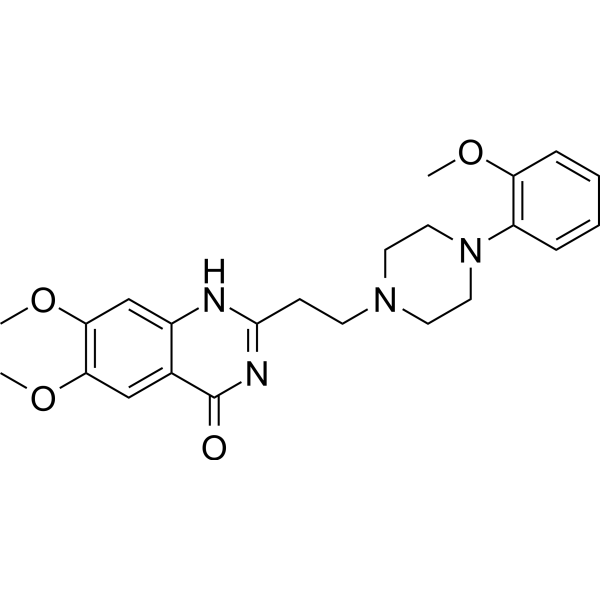
    Adrenergic Receptor Mitochondrial Metabolism Neurological Disease Metabolic Disease
    Terazosin-md (compound TZ-md), a derivative of both Alfuzosin (HY-B0192) and Terazosin (HY-B0371), is an orally active α1-adrenergic receptor antagonist. Terazosin-md has the functions of improving mitochondrial metabolism, degrading various pathological protein accumulations and improving the function of vascular endothelial cells. Terazosin-md shows effect in a mouse model with Alzheimer's disease. Terazosin-md can be used for research in Alzheimer's disease and related complications, and diseases associated with protein accumulation and metabolic disorders .
    Terazosin-md
  • HY-158821B

    TGF-beta/Smad Neurological Disease
    ISTH0036 sodium scrambled negative control is the sequence scrambled negative control of ISTH0036 sodium (HY-158821A). ISTH0036 sodium is a phosphorothioate LNA-modified antisense oligonucleotide gapmer that selectively targets and downregulates TGF-β2 mRNA. ISTH0036 sodium suppresses TGF-β2 expression, reduces choroidal neovascularization and vascular leakage, inhibits fibrosis, blocks epithelial-to-mesenchymal transition, and inhibits angiogenesis while promoting bleb survival. ISTH0036 sodium exhibits long-lasting, dose-dependent ocular tissue distribution and target engagement in rabbit and non-human primate eyes. ISTH0036 sodium can be used for the study of various ocular disorders, such as glaucoma and neovascular retinal diseases.
    ISTH0036 sodium scrambled negative control
  • HY-158821D

    Fluorescent Dye TGF-beta/Smad Neurological Disease
    Cy3 labled ISTH0036 sodium is a Cy3 labled ISTH0036 sodium (HY-158821A). ISTH0036 sodium is a phosphorothioate LNA-modified antisense oligonucleotide gapmer that selectively targets and downregulates TGF-β2 mRNA. ISTH0036 sodium suppresses TGF-β2 expression, reduces choroidal neovascularization and vascular leakage, inhibits fibrosis, blocks epithelial-to-mesenchymal transition, and inhibits angiogenesis while promoting bleb survival. ISTH0036 sodium exhibits long-lasting, dose-dependent ocular tissue distribution and target engagement in rabbit and non-human primate eyes. ISTH0036 sodium can be used for the study of various ocular disorders, such as glaucoma and neovascular retinal diseases.
    Cy3 labled ISTH0036 sodium
  • HY-158821C

    Fluorescent Dye TGF-beta/Smad Neurological Disease
    FAM labled ISTH0036 sodiumis a FAM labled ISTH0036 sodium (HY-158821A). ISTH0036 sodium is a phosphorothioate LNA-modified antisense oligonucleotide gapmer that selectively targets and downregulates TGF-β2 mRNA. ISTH0036 sodium suppresses TGF-β2 expression, reduces choroidal neovascularization and vascular leakage, inhibits fibrosis, blocks epithelial-to-mesenchymal transition, and inhibits angiogenesis while promoting bleb survival. ISTH0036 sodium exhibits long-lasting, dose-dependent ocular tissue distribution and target engagement in rabbit and non-human primate eyes. ISTH0036 sodium can be used for the study of various ocular disorders, such as glaucoma and neovascular retinal diseases.
    FAM labled ISTH0036 sodium
  • HY-182306

    VEGFR Cardiovascular Disease
    VEGFR-2 ligand-1, Sorafenib (HY-10201) derivative, is a vascular endothelial growth factor receptor 2 (VEGFR2) ligand. VEGFR-2 ligand-1 binds to the ATP-binding pocket of VEGFR2, forms hydrophobic contacts and hydrogen bonds with key binding-site residues. VEGFR-2 ligand-1 can be used for the research angiogenesis-related pathologies .
    VEGFR-2 ligand-2

Inquiry Online

Your information is safe with us. * Required Fields.

Salutation


Country or Region *

Applicant Name *


Organization Name *

Department *


Email Address *


Product Name *

Cat. No.


Requested quantity *

Phone Number *


Remarks

Inquiry Online

Inquiry Information

Product Name:
Cat. No.:
Quantity:
MCE Japan Authorized Agent:

