



Apoptosis
Apoptosis
Apoptosis is a distinctive form of cell death exhibiting specific morphological and biochemical characteristics, including cell membrane blebbing, chromatin condensation, genomic DNA fragmentation, and exposure of specific phagocytosis signaling molecules on the cell surface. Cells undergoing apoptosis differ from those dying through necrosis. Necrotic cells are usually recognized by the immune system as a danger signal and, thus, resulting in inflammation; in contrast, apoptotic death is quiet and orderly.
There are two major pathways of apoptotic cell death induction: The intrinsic pathway, also called the Bcl-2-regulated or mitochondrial pathway, is activated by various developmental cues or cytotoxic insults, such as viral infection, DNA damage and growth-factor deprivation, and is strictly controlled by the BCL-2 family of proteins. The extrinsic or death-receptor pathway is triggered by ligation of death receptors (members of the tumor necrosis factor (TNF) receptor family, such as Fas or TNF receptor-1 (TNFR1)) that contain an intracellular death domain, which can recruit and activate caspase-8 through the adaptor protein Fas-associated death domain (FADD; also known as MORT1) at the cell surface. This recruitment causes subsequent activation of downstream (effector) caspases, such as caspase-3, -6 or -7, without any involvement of the BCL-2 family.
Studies suggest that alterations in cell survival contribute to the pathogenesis of a number of human diseases, including cancer, viral infections, autoimmune diseases, neurodegenerative disorders, and AIDS (acquired immunodeficiency syndrome). Treatments designed to specifically alter the apoptotic threshold may have the potential to change the natural progression of some of these diseases.
All Product Categories
-
Apoptosis Inhibitors
(904)
View all products
-
Apoptosis Agonists
(7)
View all products
-
Apoptosis Antagonists
(9)
View all products
-
Apoptosis Activators
(363)
View all products
-
Apoptosis Modulators
(60)
View all products
-
Apoptosis Inducers
(7944)
View all products
-
Apoptosis Degrader
(1)
View all products
-
Apoptosis Controls
(33)
View all products
-
Apoptosis Related Products (9888)
Related Products (9888)

-
Antibodies (120)
-
ProAlk01
 0 ImagesCat. No.: HY-183623CAS No.: 1296670-84-2ProAlk01 is a protein alkylating agent that serves as a toxin payload for ADCs. ProAlk01 localizes to the cytoplasm and exerts cytotoxic effects mainly by alkylating cytoplasmic proteins rather than binding to DNA. ProAlk01 induces cell cycle arrest, apoptosis, and immunogenic cell death. ProAlk01 can be used in the research of solid tumors.
-
TL02-59 dihydrochloride
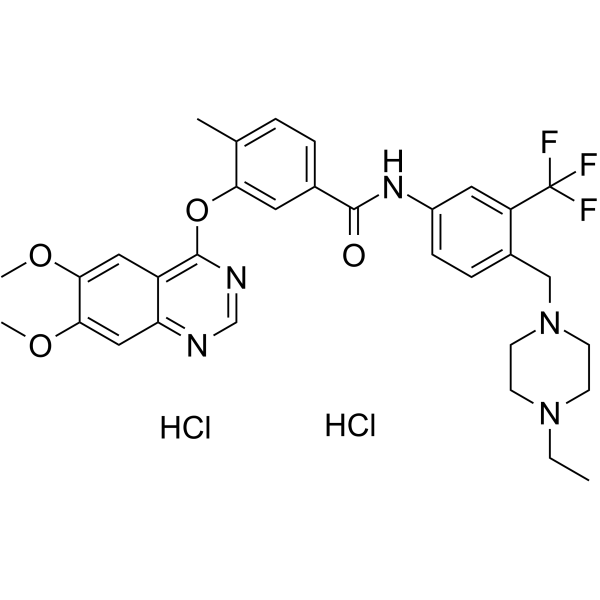 0 ImagesCat. No.: HY-112852ACAS No.: 2415263-06-6
-
SM-433 hydrochloride
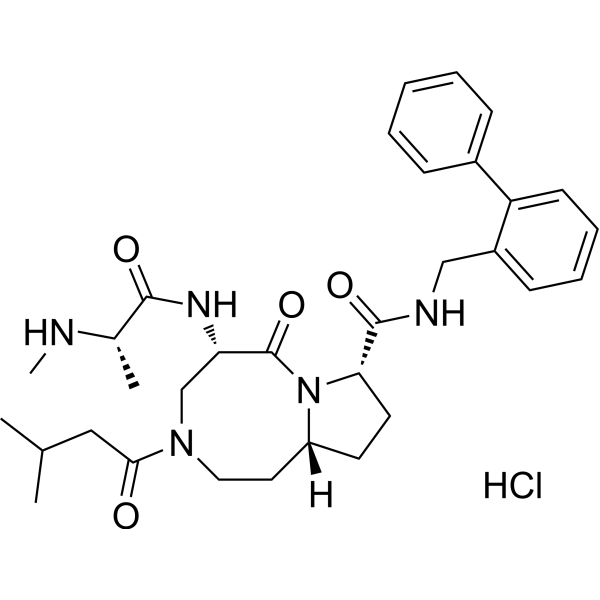 0 ImagesCat. No.: HY-138059APurity: 98.55%
-
CEP-14513
 0 ImagesCat. No.: HY-111277CAS No.: 856693-04-4CEP-14513 is an ALK inhibitor with an IC50 of 4 nM. CEP-14513 also inhibits insulin receptor, VEGFR2, TIE2 and DLK kinases, but does not inhibit MET, IKKβ, or CDK1/2/5. CEP-14513 induces cancer cell apoptosis. CEP-14513 is applicable to research related to non-small cell lung cancer, anaplastic large cell lymphoma, inflammatory myofibroblastic tumor, and diffuse large B-cell lymphoma.
-
Meclizine dihydrochloride monohydrate
 0 ImagesCat. No.: HY-B0349BCAS No.: 31884-77-2Synonyms: Meclozine dihydrochloride monohydrateMeclizine (Meclozine) dihydrochloride monohydrate, an antihistamine, reversibly inhibits the interaction of histamine at the H1 receptors. Meclizine dihydrochloride is a member of the piperazine class of H1 antagonists. Meclizine dihydrochloride monohydrate is an effective anti-motion sickness agent. Meclizine dihydrochloride monohydrate crosses the blood-brain barrier. Meclizine dihydrochloride monohydrate is an agonist ligand for mouse constitutive androstane receptor (CAR) and an inverse agonist for Human CAR. Meclizine dihydrochloride monohydrate can be used for the research of polyQ toxicity disorders, such as Huntington's disease.
-
Anticancer agent 81
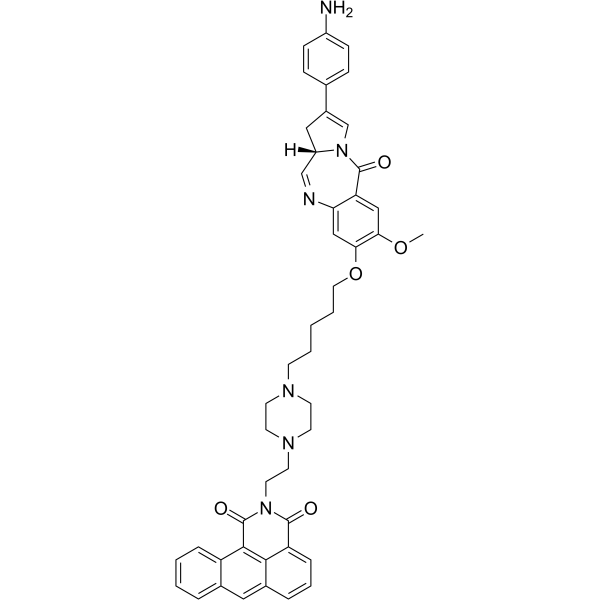 0 ImagesCat. No.: HY-151207CAS No.: 2820286-56-2Anticancer agent 81 (Compound 37b3) is an anticancer agent and can induce tumor cell cycle arrest and apoptosis. Anticancer agent 81 can be used as a payload to conjugate with Trastuzumab (HY-P9907) to obtain the antibody–agent conjugate (ADC) T-PBA. T-PBA maintained its mode of target and internalization ability of Trastuzumab.
-
Degarelix acetate hydrate
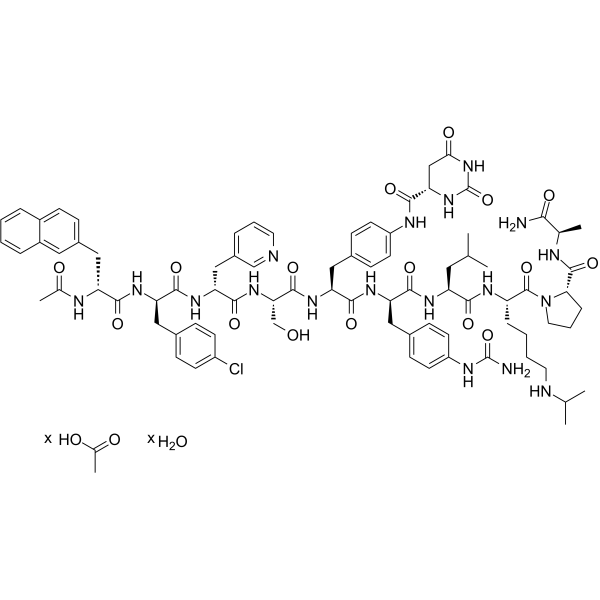 0 ImagesCat. No.: HY-16168BCAS No.: 934246-14-7Synonyms: FE 200486 acetate hydrateDegarelix acetate hydrate (FE 200486 acetate hydrate) is a competitive and reversible gonadotropin-releasing hormone receptor (GnRHR/LHRHR) antagonist. Degarelix acetate hydrate can be used for prostate cancer research.
-
RMS3
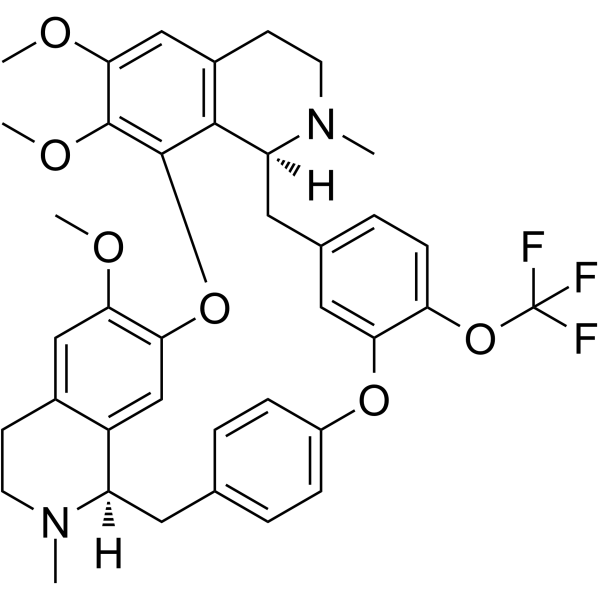 0 ImagesCat. No.: HY-146096CAS No.: 2497686-66-3RMS3, a tetrandrine analogue, is a potent P-glycoprotein (P-gp) inhibitor. RMS3 has markedly antiproliferative and cytotoxic effects on cancer cells. RMS3 causes PARP cleavage, a marker for cells undergoing apoptosis. RMS3 has strong anticancer property.
-
β-Glucuronide-dPBD-PEG5-NH2 TFA
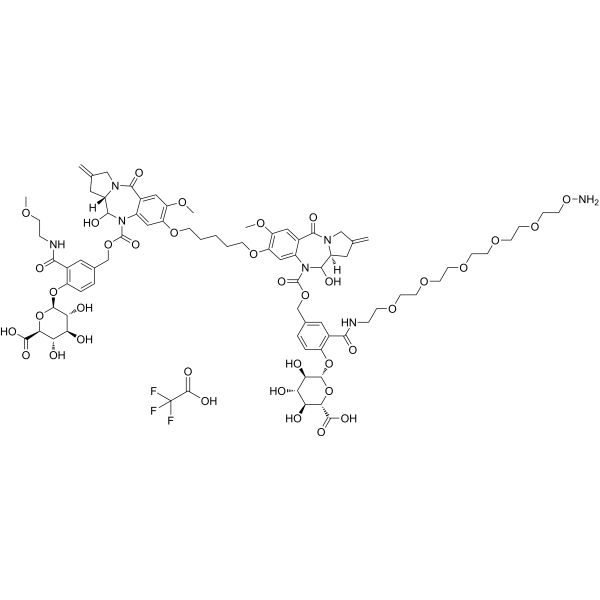 0 ImagesCat. No.: HY-145736ACAS No.: 2246364-63-4β-Glucuronide-dPBD-PEG5-NH2 TFA is the β-glucuronide-linked pyrrolobenzodiazepine dimer, which binds to the prenylated antibody for synthesis of antibody-drug conjugate (ADC) cIRCR201-dPBD.β-glucuronide-linkage as a cleavable linker. β-Glucuronide-dPBD-PEG5-NH2 TFA, as a proagent of cIRCR201-dPBD, reduces side effects. β-Glucuronide-dPBD-PEG5-NH2 TFA can induce apoptosis and arrest cell cycle. β-Glucuronide-dPBD-PEG5-NH2 TFA has antitumor activity.
-
RMS5
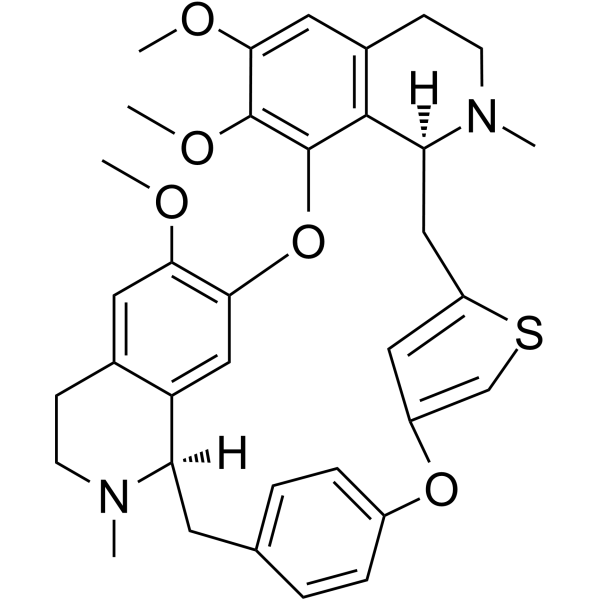 0 ImagesCat. No.: HY-146097CAS No.: 2497686-68-5RMS5, a tetrandrine analogue, is a potent P-glycoprotein (P-gp) inhibitor. RMS5 has markedly antiproliferative and cytotoxic effects on cancer cells. RMS5 slightly diminishes the expression of the anti-apoptotic Bcl-2 family proteins Bcl-XL and Mcl-1. RMS3 causes PARP cleavage, a marker for cells undergoing apoptosis. RMS5 has strong anticancer property.
-
Vatalanib hydrochloride
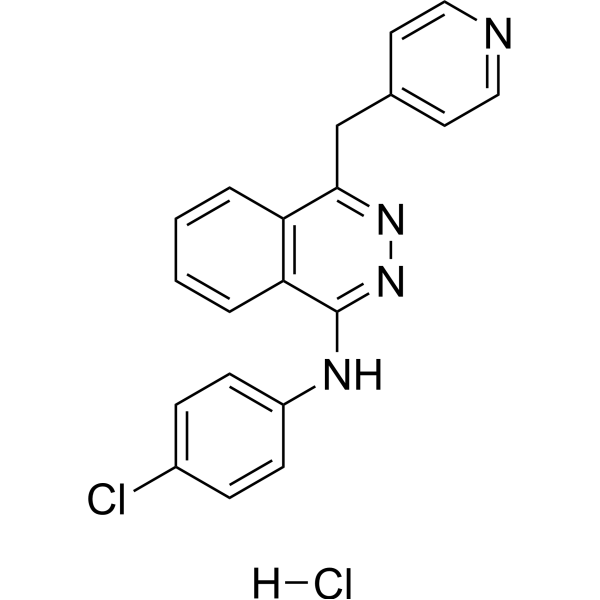 0 ImagesCat. No.: HY-12018ACAS No.: 212141-52-1Synonyms: PTK787 hydrochloride; ZK-222584 hydrochloride; CGP-797870 hydrochlorideVatalanib (PTK787; ZK-222584; CGP-797870) hydrochloride is a BBB-permeable VEGFR2/KDR inhibitor with an IC50 of 37 nM.
-
SNX-7081
 0 ImagesCat. No.: HY-111165CAS No.: 908111-22-8SNX-7081 is an Hsp90 inhibitor with Ki and IC50 values of 26 nM and 44 nM, respectively. SNX-7081 blocks the nuclear translocation of NF-κB, inhibits the production of pro-inflammatory cytokines, attenuates the ERK/JNK and PDGF signaling pathways, and suppresses LPS (HY-D1056)-induced nitric oxide production. SNX-7081 inhibits DNA repair, induces G2/M cell cycle arrest, and triggers apoptosis via downregulation of MYC/nucleolin and activation of Fas. SNX-7081 can be used in research related to rheumatoid arthritis and cancer.
-
PWT-33597
 0 ImagesCat. No.: HY-15960ACAS No.: 1246203-36-0Synonyms: VDC-597; SN33597PWT-33597 (VDC-597) is a dual inhibitor of PI3Kα and mTOR, which can effectively block the signaling downstream of PI3K and mTOR. PWT-33597 is capable of inducing tumor cell apoptosis and inhibiting tumor growth. PWT-33597 has anti-tumor activity and can be used in the research of tumors such as renal cell carcinoma.
-
Dexrazoxane monohydrochloride
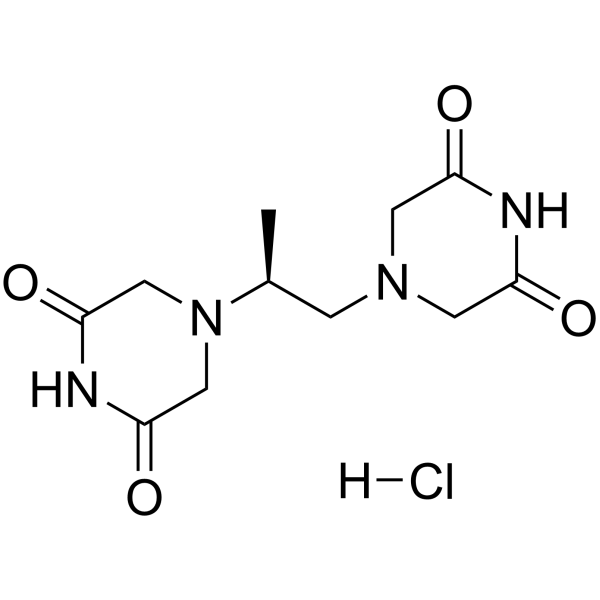 0 ImagesCat. No.: HY-110075CAS No.: 1263283-43-7Dexrazoxane monohydrochloride is the hydrochloride of Dexrazoxane (HY-B0581). Dexrazoxane can prevent or reduce cardiac damage and is an iron chelator and apoptosis inducer. Dexrazoxane has cardioprotective, anti-inflammatory, antioxidant, anti-tumor and neuroprotective activities and inhibits ferroptosis.
-
β-Glucuronide-dPBD-PEG5-NH2
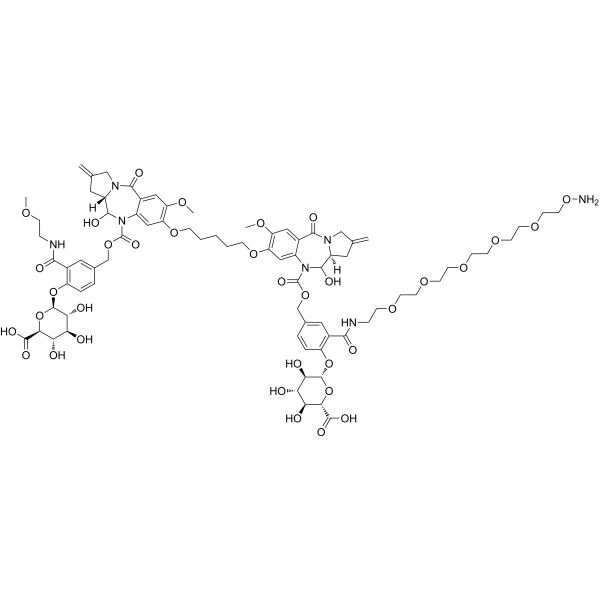 0 ImagesCat. No.: HY-145736CAS No.: 2246363-68-6β-Glucuronide-dPBD-PEG5-NH2 is the β-glucuronide-linked pyrrolobenzodiazepine dimer, which binds to the prenylated antibody for synthesis of antibody-drug conjugate (ADC) cIRCR201-dPBD. β-glucuronide-linkage as a cleavable linker. β-Glucuronide-dPBD-PEG5-NH2, as a proagent of cIRCR201-dPBD, reduces side effects. β-Glucuronide-dPBD-PEG5-NH2 can induce apoptosis and arrest cell cycle. β-Glucuronide-dPBD-PEG5-NH2 has antitumor activity.
-
DpC hydrochloride
 0 ImagesCat. No.: HY-114243ACAS No.: 1382469-40-0DpC hydrochloride is a selective, orally active iron chelator with anticancer activity. DpC hydrochloride acts on signaling pathway-related targets such as JNK, NF-κB, and its activity is competitively inhibited by another iron chelator Dp44mT (HY-18973). By chelating intracellular iron and copper ions in tumor cells to form redox-active complexes, DpC hydrochloride induces oxidative stress, activates the JNK, NF-κB pathways and downregulates IκBα, upregulates the expressions of neuroglobin and cytoglobin, activates caspase 3/9 to induce tumor cell apoptosis. It also overcomes P-glycoprotein-mediated multidrug resistance through a lysosome-targeting mechanism, and exhibits broad-spectrum synergistic effects when combined with various chemotherapeutic agents. DpC hydrochloride inhibits tumor metastasis and increases TNF-α levels in the tumor microenvironment to enhance endogenous immune responses. DpC hydrochloride is applicable to the research of various malignancies including neuroblastoma, pancreatic cancer, prostate cancer, lung cancer, and breast cancer.
-
Tuspetinib hydrate
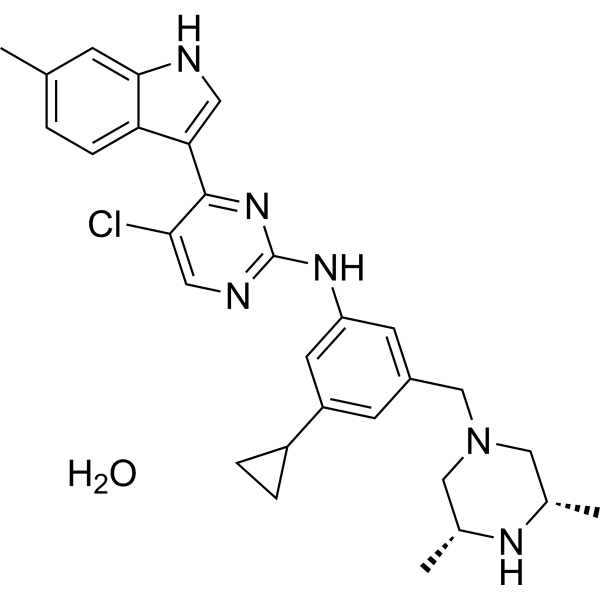 0 ImagesCat. No.: HY-145015ACAS No.: 2758339-04-5Synonyms: HM43239 hydrateTuspetinib (HM43239) hydrate is an orally active and selective FLT3 inhibitor with IC50s of 1.1 nM, 1.8 nM and 1.0 nM for FLT3 WT, FLT3 internal tandem duplication (ITD) and FLT3 D835Y kinases, respectively. Tuspetinib hydrate inhibits the kinase activity of FLT3 as a reversible type I inhibitor and modulates p-STAT5, p-ERK, SYK, JAK1/2, and TAK1. Tuspetinib hydrate inhibits the proliferation and induces the apoptosis of leukemic cells.
-
JN122
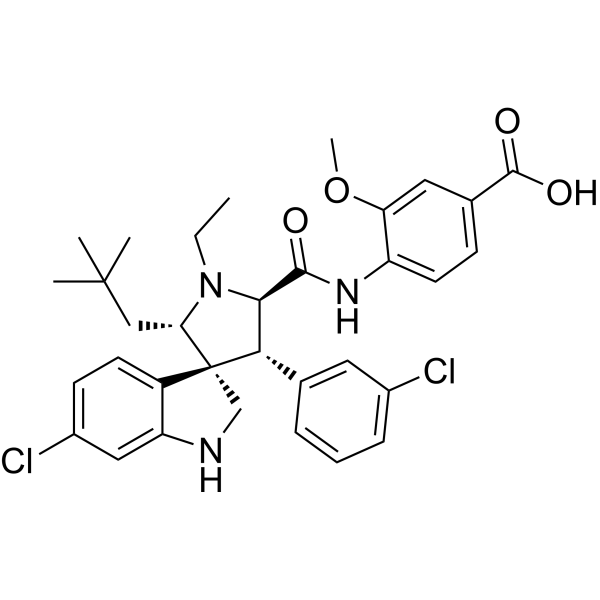 0 ImagesCat. No.: HY-163083CAS No.: 3035577-19-3JN122, a spiroindoline-containing molecule, is a MDM2 inhibitor. JN122 Inhibits MDM2/p53 protein–protein interaction and exerts robust in vivo antitumor efficacy. JN122 has antiproliferative activity in HCT-116 cells and HEK-293 cells with IC50 values of 39.6 nM and 4.28μM, respectively. JN122 can promote activation of p53 and its target genes, inhibited cell cycle progression, and induced cell apoptosis.
-
Zoledronic acid disodium tetrahydrate
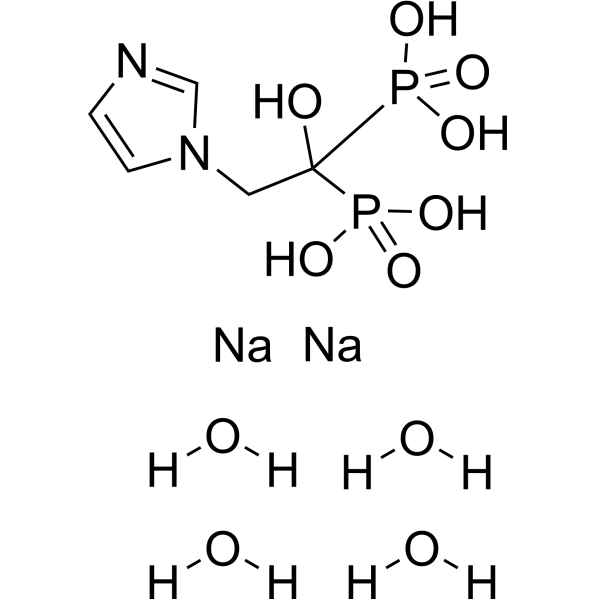 0 ImagesCat. No.: HY-13777BCAS No.: 165800-07-7Synonyms: Zoledronate disodium tetrahydrate; CGP 42446 disodium tetrahydrate; CGP42446A disodium tetrahydrate; ZOL 446 disodium tetrahydrateZoledronic Acid (Zoledronate) disodium tetrahydrate is a third-generation bisphosphonate (BP), with potent anti-resorptive activity. Zoledronic Acid disodium tetrahydrate inhibits the differentiation and apoptosis of osteoclasts. Zoledronic Acid disodium tetrahydrate also has anti-cancer effects.
-
Fluvastatin sodium monohydrate
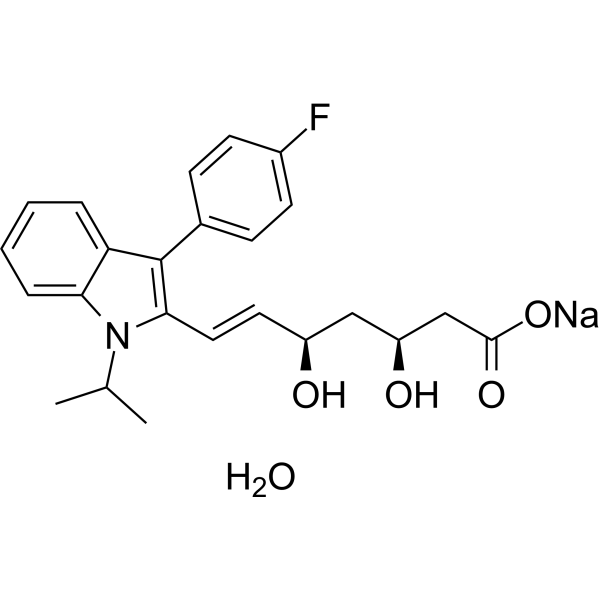 0 ImagesCat. No.: HY-14664DCAS No.: 201541-53-9Synonyms: XU 62-320 monohydrateFluvastatin (XU 62-320) sodium monohydrate is a first fully synthetic, competitive HMG-CoA reductaseinhibitor with an IC50 of 8 nM. Fluvastatin (sodium monohydrate) protects vascular smooth muscle cells against oxidative stress through the Nrf2-dependent antioxidant pathway.




