



Apoptosis
Apoptosis
Apoptosis is a distinctive form of cell death exhibiting specific morphological and biochemical characteristics, including cell membrane blebbing, chromatin condensation, genomic DNA fragmentation, and exposure of specific phagocytosis signaling molecules on the cell surface. Cells undergoing apoptosis differ from those dying through necrosis. Necrotic cells are usually recognized by the immune system as a danger signal and, thus, resulting in inflammation; in contrast, apoptotic death is quiet and orderly.
There are two major pathways of apoptotic cell death induction: The intrinsic pathway, also called the Bcl-2-regulated or mitochondrial pathway, is activated by various developmental cues or cytotoxic insults, such as viral infection, DNA damage and growth-factor deprivation, and is strictly controlled by the BCL-2 family of proteins. The extrinsic or death-receptor pathway is triggered by ligation of death receptors (members of the tumor necrosis factor (TNF) receptor family, such as Fas or TNF receptor-1 (TNFR1)) that contain an intracellular death domain, which can recruit and activate caspase-8 through the adaptor protein Fas-associated death domain (FADD; also known as MORT1) at the cell surface. This recruitment causes subsequent activation of downstream (effector) caspases, such as caspase-3, -6 or -7, without any involvement of the BCL-2 family.
Studies suggest that alterations in cell survival contribute to the pathogenesis of a number of human diseases, including cancer, viral infections, autoimmune diseases, neurodegenerative disorders, and AIDS (acquired immunodeficiency syndrome). Treatments designed to specifically alter the apoptotic threshold may have the potential to change the natural progression of some of these diseases.
All Product Categories
-
Apoptosis Inhibitors
(904)
View all products
-
Apoptosis Agonists
(7)
View all products
-
Apoptosis Antagonists
(9)
View all products
-
Apoptosis Activators
(363)
View all products
-
Apoptosis Modulators
(60)
View all products
-
Apoptosis Inducers
(7944)
View all products
-
Apoptosis Degrader
(1)
View all products
-
Apoptosis Controls
(33)
View all products
-
Apoptosis 관련 제품 (9888)
관련 제품 (9888)

-
Antibodies (120)
-
Antiproliferative agent-23
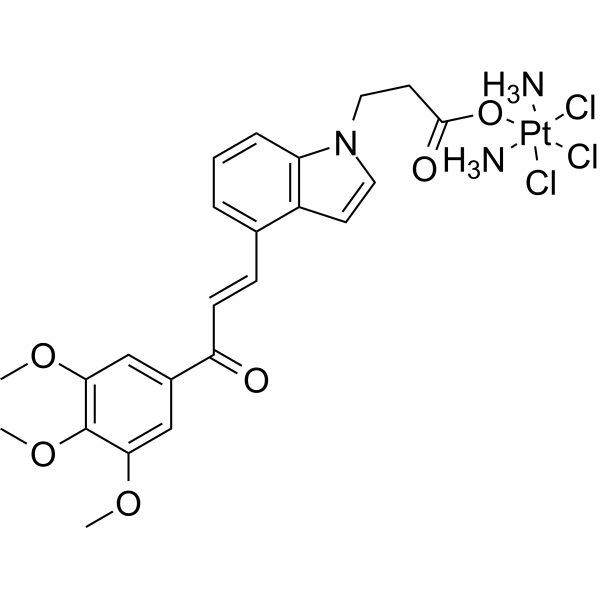 0 ImagesCat. No.: HY-149918CAS No.: 3049213-47-7Antiproliferative agent-23 is a microtubule-destabilizing agent (MDA) and efficiently disturbes the tubulin-microtubule system. Antiproliferative agent-23 induces apoptosis via a mitochondrion-dependent pathway by downregulating the Bcl-2 protein, upregulating Bax and Cyt c proteins, and activating the caspase cascade. Antiproliferative agent-23 initiates reactive oxygen species (ROS)-mediated endoplasmic reticulum stress in A549/CDDP cells (cisplatin resistant cancer cell line) via the PERK/ATF4/CHOP signaling pathway. Antiproliferative agent-23 has anti-tumor activity.
-
TM5441 sodium
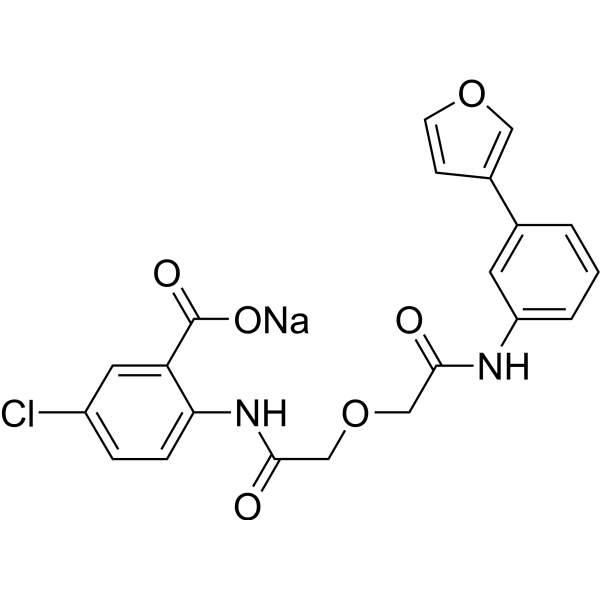 0 ImagesCat. No.: HY-101761ACAS No.: 2319722-53-5TM5441 is an orally bioavailable inhibitor of plasminogen activator inhibitor-1 (PAI-1), has IC50 values between 13.9 and 51.1 μM. TM5441 induces intrinsic apoptosis in several human cancer cell lines. TM5441 attenuates Nω-nitro-l-arginine methyl ester-induced cardiac hypertension and vascular senescence.
-
Rebastinib tosylate
 0 ImagesCat. No.: HY-13024ACAS No.: 1033893-29-6Synonyms: DCC-2036 tosylateRebastinib tosylate (DCC-2036 tosylate) is an orally active, non-ATP-competitive Bcr-Abl inhibitor, with IC50 values of 0.8 nM and 4 nM against Abl1WT and Abl1T315I, respectively. Rebastinib tosylate potently inhibits CYP2C8 (IC50 = 0.0533 μM) and CYP2C9 (IC50 = 2.54 μM). Rebastinib tosylate allosterically inhibits Tie2 with an IC50 of 0.63 nM. Rebastinib tosylate inhibits the transcriptional activity of FoxO1. Rebastinib tosylate inhibits SRC family kinases, KDR and FLT3 kinases. Rebastinib tosylate induces Apoptosis. Rebastinib tosylate exerts anti-tumor activity in breast cancer. Rebastinib tosylate exerts anti-angiogenic effects. Rebastinib tosylate increases myotube diameter and improves reduced contractility. Rebastinib tosylate can be used in research related to triple-negative breast cancer, luminal breast cancer, pancreatic neuroendocrine tumors, muscle atrophy, cancer cachexia, chronic myeloid leukemia, and B-lymphocytic leukemia.
-
Dacarbazine citrate
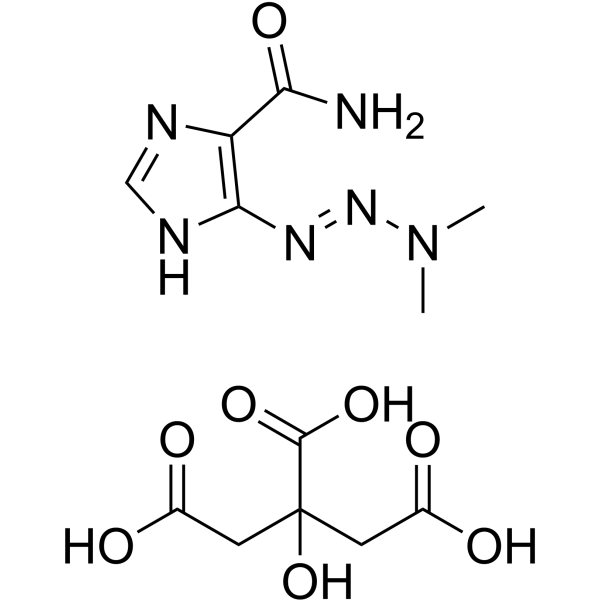 0 ImagesCat. No.: HY-B0078ACAS No.: 64038-56-8Synonyms: Imidazole Carboxamide citrateDacarbazine citrate is a cell cycle nonspecific antineoplastic alkylating agent. Dacarbazine citrate inhibits T and B lymphoblastic response, with IC50 values of 50 and 10 μg/mL, respectively. Dacarbazine Citrate can be used for the research of apoptosis and various cancers such as metastatic malignant melanoma.
-
Peginterferon beta-1a
 0 ImagesCat. No.: HY-108790CAS No.: 1211327-92-2Synonyms: Peginterferon β-1aPeginterferon beta-1a (Peginterferon β-1a) is the first pegylated interferon beta-1a molecule. Peginterferon beta-1a induces cancer cells apoptosis and shows anti-tumor activities in nude mice models. Peginterferon beta-1a can be used for the research of cancer and multiple sclerosis (RMS).
-
Estramustine phosphate
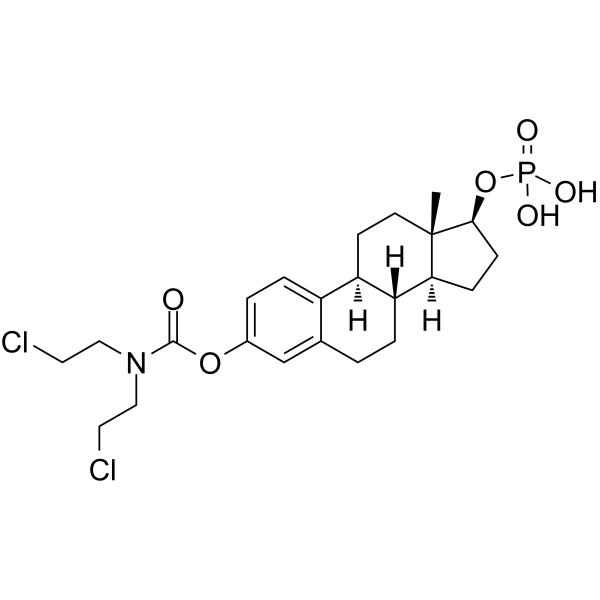 0 ImagesEstramustine phosphate, an estradiol analog, is an orally active antimicrotubule chemotherapy agent. Estramustine phosphate depolymerises microtubules by binding to microtubule associated proteins (MAPs) and/or to tubulin. Estramustine phosphate can interfere mitosis, trigger cell death and induce apoptosis, which can be used for the research of cancer like prostate cancer.
-
L-Methionine-d1
 0 ImagesCat. No.: HY-N0326S13CAS No.: 74334-17-1L-Methionine-d1 is the deuterium labeled L-Methionine (HY-N0326). L-Methionine is an L-isomer of orally active Methionine, an essential amino acid. Methionine is a strong liver antidote that acts as a liver protector. L-Methionine can inhibit cell proliferation and induce cell apoptosis. L-Methionine has antitumor and antioxidant activity.
-
Thalidomide-NH-C4-NH-Boc
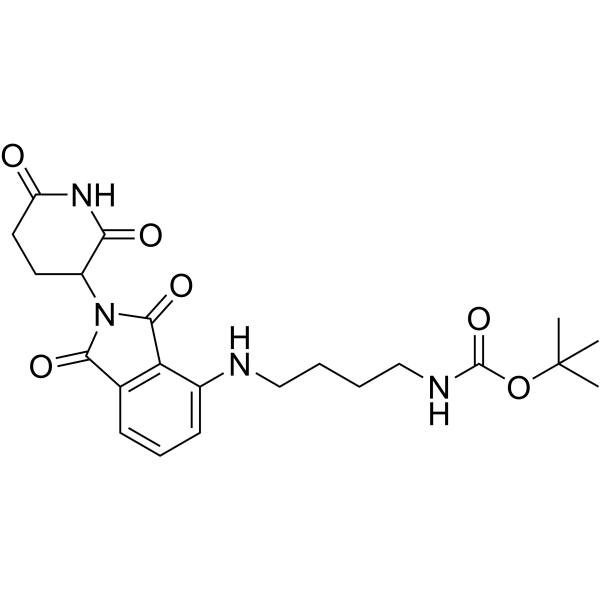 0 ImagesThalidomide-NH-C4-NH-Boc (compound 15) is a synthesized E3 ligase ligand-linker conjugate that incorporates the Thalidomide based cereblon ligand and a linker used in PROTAC technology.
-
Daunorubicin citrate
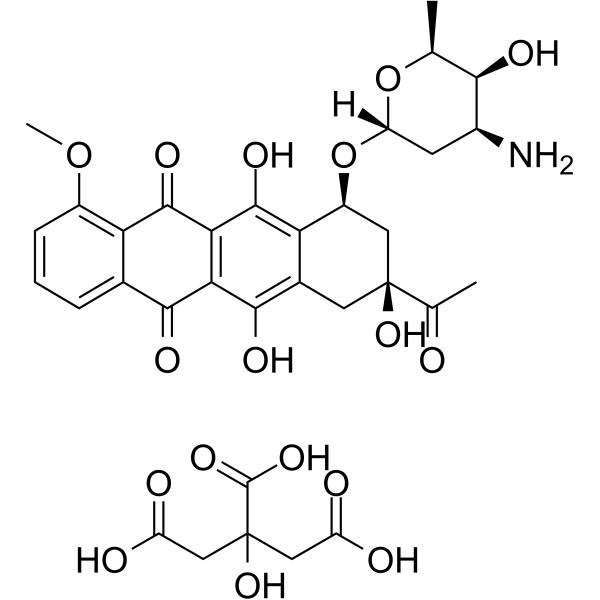 0 ImagesCat. No.: HY-108876CAS No.: 1884557-85-0Synonyms: Daunomycincitrate; RP 13057citrate; RubidomycincitrateDaunorubicin (Daunomycin) citrate is a topoisomerase II inhibitor with potent anti-tumor activity. Daunorubicin citrate inhibits DNA and RNA synthesis. Daunorubicin citrate is a cytotoxin that inhibits cancer cell viability and induces apoptosis and necrosis. Daunorubicin citrate is also an anthracycline antibiotic. Daunorubicin citrate can be used in the research of infection and variety of cancers, including leukemia, non-Hodgkin lymphomas, Ewing's sarcoma, Wilms' tumor.
-
Antitumor agent-62
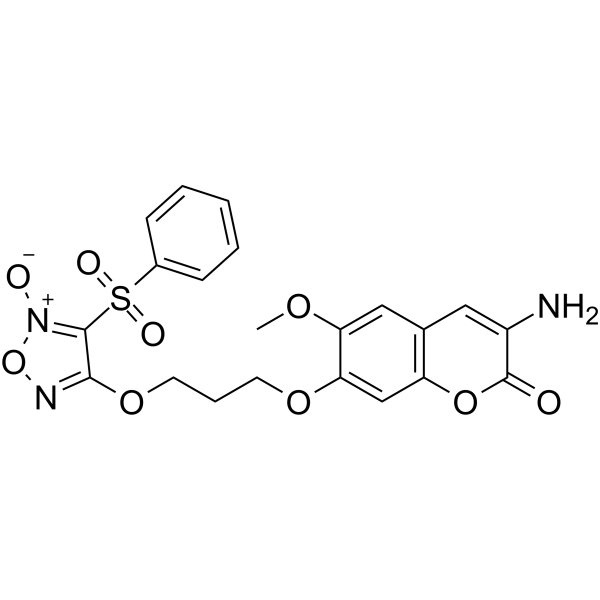 0 ImagesCat. No.: HY-146093CAS No.: 2460735-29-7
-
RN-0001
 0 ImagesCat. No.: HY-P11489CAS No.: 252731-57-0RN-0001 is a cyclophilin (Cyp) inhibitor with Ki values of 4.1 nM and 12.0 nM against CypA and CypD, respectively, and an EC50 of 916 nM for CypD. RN-0001 binds directly to CypD, inhibits the peptidyl-prolyl cis-trans isomerase activities of CypD and CypA, and prevents CypD-dependent mitochondrial permeability transition pore opening. RN-0001 improves mitochondrial function, reduces ROS production, inhibits the expression of lipogenic markers, blocks the nuclear translocation of NF-κB p65, and decreases the release of activated caspase-3 and cytochrome c. RN-0001 can be used in the research of alcohol-associated liver disease.
-
Fenoldopam hydrochloride
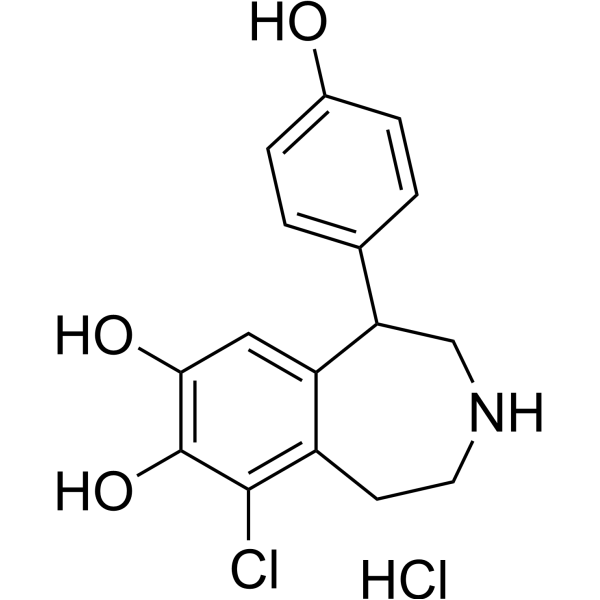 0 ImagesCat. No.: HY-110021CAS No.: 181217-39-0Synonyms: SKF 82526 hydrochlorideFenoldopam (SKF 82526) hydrochloride is a D1 receptor agonist and a novel lysine-specific demethylase 1 (LSD1) inhibitor (IC50=0.8974 μM). Fenoldopam hydrochloride shows anti-hypertensive effects, anti-cancer cell proliferation activity and can induce cells apoptosis.
-
Pitavastatin sodium
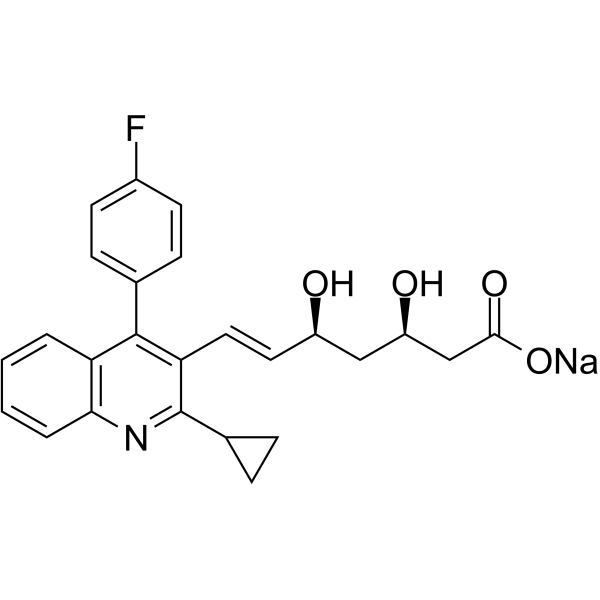 0 ImagesCat. No.: HY-B0144BCAS No.: 574705-92-3Synonyms: NK-104 sodiumPitavastatin (NK-104) sodium is a potent hydroxymethylglutaryl-CoA (HMG-CoA) reductase inhibitor. Pitavastatin sodium inhibits cholesterol synthesis from acetic acid with an IC50 of 5.8 nM in HepG2 cells. Pitavastatin sodium is an efficient hepatocyte low-density lipoprotein-cholesterol (LDL-C) receptor inducer. Pitavastatin sodium also possesses anti-atherosclerotic, anti-asthmatic, anti-osteoarthritis, antineoplastic, neuroprotective, hepatoprotective and reno-protective effects.
-
Amantadine sulfate
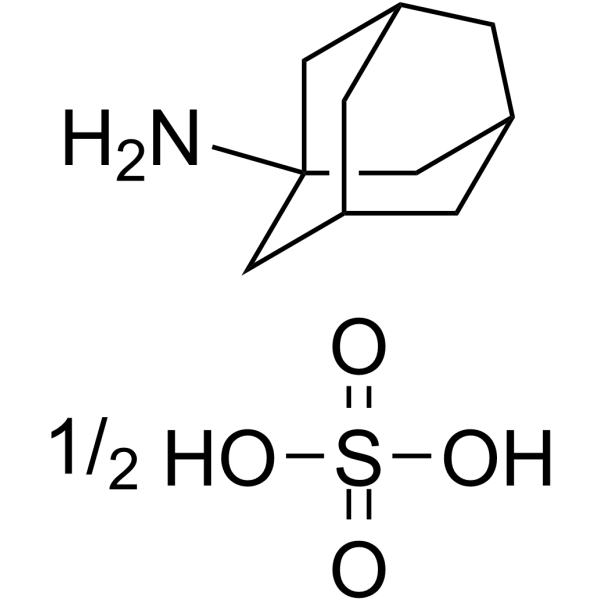 0 ImagesCat. No.: HY-B0402BCAS No.: 31377-23-8Synonyms: 1-Adamantanamine sulfate; 1-Aminoadamantane sulfateAmantadine (1-Adamantanamine) sulfate is an orally avtive and potent antiviral agent with activity against influenza A viruses. Amantadine sulfate inhibits several ion channels such as NMDA and M2, and also inhibits Coronavirus ion channels. Amantadine sulfate also has anti-orthopoxvirus and anticancer activity. Amantadine sulfate can be used for Parkinson's disease, postoperative cognitive dysfunction (POCD) and COVID-19 research.
-
E7974
 0 ImagesCat. No.: HY-13614CAS No.: 610787-07-0E7974 is a selective inhibitor of α-tubulin (α-tubulin) with an IC50 of 3.9 μM. E7974 disrupts mitotic spindle formation, induces G2-M phase cell cycle arrest, initiates apoptosis, activates caspase-3, and induces poly (ADP-ribose) polymerase cleavage. E7974 reduces the area of choroidal neovascularization in mouse models, and exerts anti-angiogenic effects when loaded in modified micelles. E7974 can be used in research related to cancer and choroidal neovascularization.
-
Diallyl Trisulfide (Standard)
 0 ImagesCat. No.: HY-117235RCAS No.: 2050-87-5Diallyl Trisulfide (Standard) is the analytical standard of Diallyl Trisulfide. This product is intended for research and analytical applications. Diallyl Trisulfide is an orally active anticancer agent that can be isolated from garlic. Diallyl Trisulfide has the ability to induce apoptosis and exhibits anticancer, anti-inflammatory, antioxidant, and antibacterial activities. Diallyl Trisulfide can be used to study a variety of cancers, including liver, colon and prostate cancer[1][2][3][4].
-
Irbesartan hydrochloride
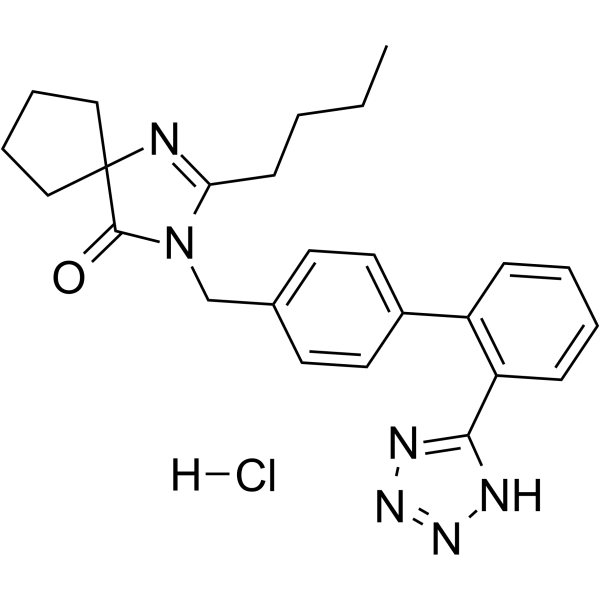 0 ImagesCat. No.: HY-B0202ACAS No.: 329055-23-4Synonyms: SR-47436 hydrochloride; BMS-186295 hydrochlorideIrbesartan (SR-47436) hydrochloride is an orally active Ang II type 1 (AT1) receptor blocker (ARB). Irbesartan hydrochloride can relax the blood vessels, low blood pressure and increase the supply of blood and oxygen to the heart. Irbesartan hydrochloride can be used for the research of high blood pressure, heart failure, and diabetic kidney disease.
-
SS28
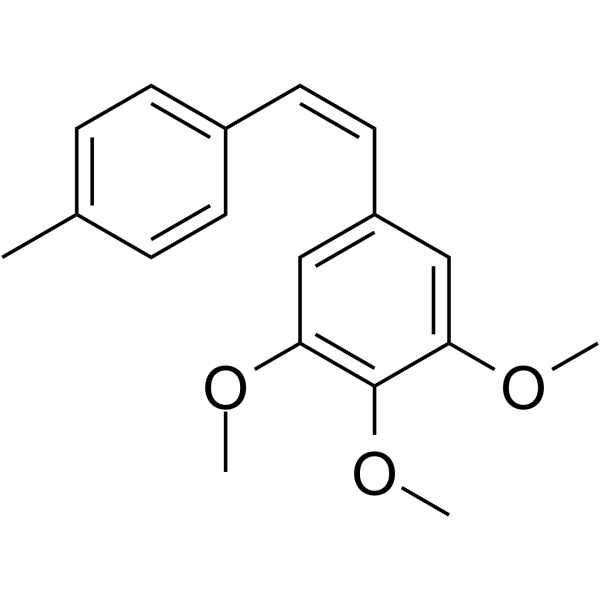 0 ImagesCat. No.: HY-100761CAS No.: 141172-08-9SS28, a SRT501 analog with oral bioavailability, inhibits tubulin polymerization to cause cell cycle arrest at G2/M phase. SS28 results in apoptosis rather than necrosis tubulin.
-
Avadomide hydrochloride
 0 ImagesCat. No.: HY-100507ACAS No.: 1398053-45-6Synonyms: CC 122 hydrochlorideAvadomide hydrochloride (CC 122 hydrochloride) is the hydrochloride form of Avadomide (HY-100507). Avadomide hydrochloride is an orally active cereblon modulator. Avadomide hydrochloride modulates cereblon E3 ligase activity, inhibits NF-κB pathway, arrests the cell cycle at G1 phase, and thus induces apoptosis in cancer cell PDAC. Avadomide hydrochloride exhibits potent antitumor and immunomodulatory activities.




