



EGFR
Epidermal growth factor receptor; ErbB-1; HER1
The EGFR family of receptor tyrosine kinases (RTK) comprises four distinct receptors: the EGFR (also known as ErbB-1/HER1), ErbB-2 (neu, HER2), ErbB-3 (HER3) and ErbB-4 (HER4). All EGFR family members are characterized by a modular structure consisting of an extracellular ligand-binding domain, a single hydrophobic transmembrane region, and the intracellular part harbouring the highly conserved tyrosine kinase domain. The ErbB family of receptor tyrosine kinases (RTKs) couples binding of extracellular growth factor ligands to intracellular signaling pathways regulating diverse biologic responses, including proliferation, differentiation, cell motility, and survival. Ten growth factors and their ErbB specificities are: EGF, amphiregulin (AR), and TGF bind ErbB-1; betacellulin, and epiregulin bind both ErbB-1 and ErbB-4; the neuregulins (also called heregulins and Neu differentiation factors) NRG-1 and NRG-2 bind ErbB-3 and ErbB-4; and NRG-3 and NRG-4 bind ErbB-4. No known ligand binds ErbB-2. The three best characterized signaling pathways induced through ErbBs are Ras-mitogen-activated protein kinase (Ras-MAPK), phosphatidylinositol 3 kinase-protein kinase B (PI3K-PKB/Akt), and phospholipase C-protein kinase C (PLC-PKC) pathways.
EGFR Isoform Specific Products
All Product Categories
-
EGFR Inhibitors
(1036)
View all products
-
EGFR Agonists
(4)
View all products
-
EGFR Antagonists
(5)
View all products
-
EGFR Activators
(8)
View all products
-
EGFR Modulators
(7)
View all products
-
EGFR Chemicals
(3)
View all products
-
EGFR Inducers
(4)
View all products
-
EGFR Degraders
(45)
View all products
-
EGFR Controls
(6)
View all products
-
EGFR Substrate
(1)
View all products
-
EGFR Ligands
(19)
View all products
-
ErbB2/HER2 Proteins
(39)
View all products
-
ErbB3/HER3 Proteins
(15)
View all products
-
EGFR Proteins
(46)
View all products
-
ErbB4/HER4 Proteins
(10)
View all products
-
EGFR Related Products (1260)
Related Products (1260)

-
Recombinant Proteins (110)
-
Antibodies (19)
-
EGFR Isoform Comparison
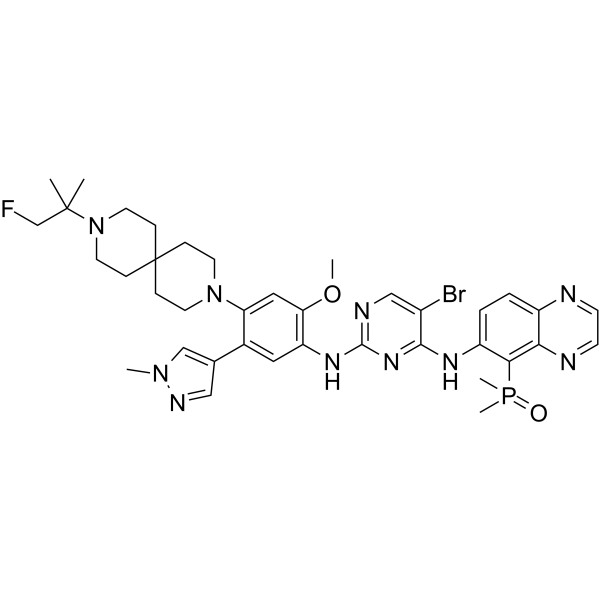
-
EGFR-IN-38
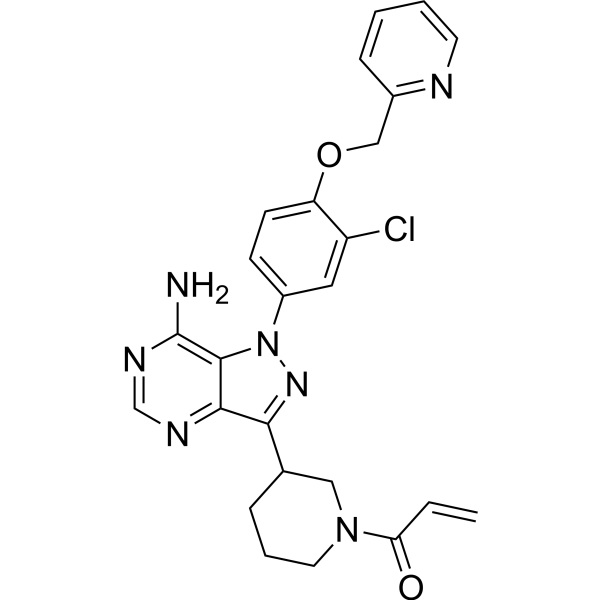 0 ImagesCat. No.: HY-144055CAS No.: 2711105-50-7EGFR-IN-38 is a potent inhibitor of EGFR. EGFR-IN-38 is an anti-tumor agent with low toxic side effects. EGFR-IN-33 is an acrylamide derivative compound. Overexpression and mutation of the epidermal growth factor receptor (EGFR) has been clearly demonstrated to lead to uncontrollable cell growth and is associated with the progression of most cancer diseases, especially NSCLC. EGFR-IN-38 has the potential for the research of diseases associated with EGFR mutations (extracted from patent WO2021185348A1, compound 4).
-
SG3376
 0 ImagesCat. No.: HY-160087CAS No.: 2139261-06-4SG3376 is an antibody-drug conjugate (ADC) targeting human epidermal growth factor receptor 2 (HER2). SG3376 is promising for research of HER2-overexpressing cancers (e.g., breast, gastric cancer).
-
EGFR-IN-75
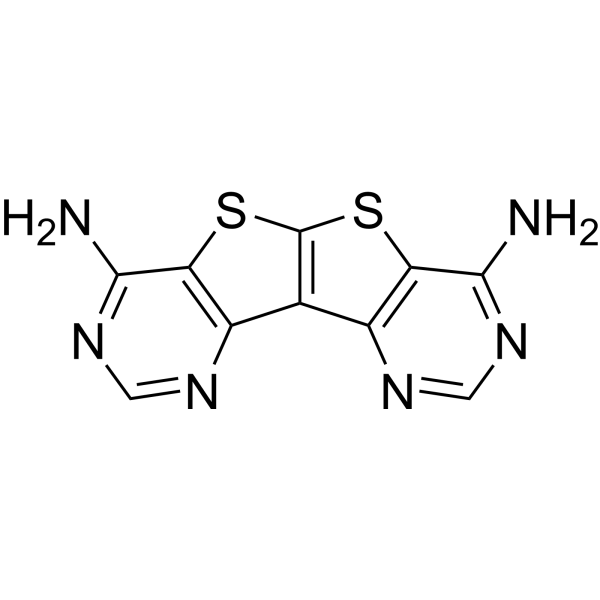 0 ImagesCat. No.: HY-152144EGFR-IN-75 is an EGFRWT and EGFRT790M inhibitor with IC50 values of 0.28 μM and 5.02 μM, respectively. EGFR-IN-75 shows anticancer and antioxidant activity.
-
EGFR/HER2-IN-7
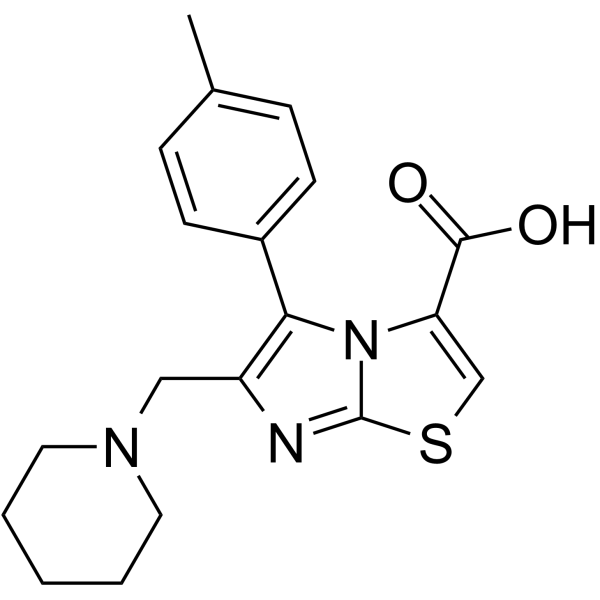 0 ImagesCat. No.: HY-151158CAS No.: 2820126-28-9EGFR/HER2-IN-7 is a potent anticancer agent with high selectivity against MCF-7 breast cancer cells. EGFR/HER2-IN-7 is a EGFR/HER2 kinase and DHFR inhibitor, with IC50s of 0.18 μM (EGFR), 0.146 μM (HER2), respectively. EGFR/HER2-IN-7 shows moderate inhibition on DHFR (IC50=0.907 μM).
-
H2Mab-139
 0 ImagesCat. No.: HY-P991980Synonyms: H2Mab-141, H2Mab-19H2Mab-139 (H2Mab-141;H2Mab-19) is an anti-HER2 monoclonal antibody. H2Mab-139 specifically binds to HER2 on various cancer cells. H2Mab-139 can detect HER2 overexpression in colorectal cancer via flow cytometry and immunohistochemical analysis. H2Mab-139 exhibits anti-tumor activity in mouse oral cancer and breast cancer xenografts. H2Mab-139 is applicable to research related to multiple cancers including colon cancer, oral cancer, and breast cancer.
-
EGFR kinase inhibitor 5
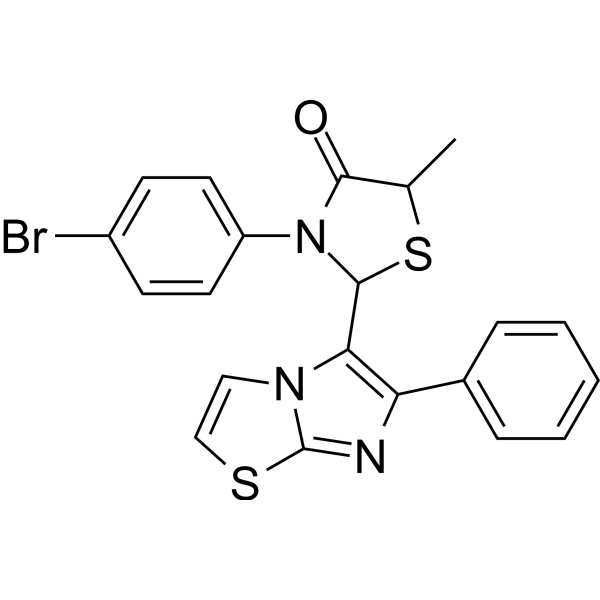 0 ImagesCat. No.: HY-162482EGFR kinase inhibitor 5 (Compound 4c) is an orally active inhibitor for epidermal growth factor receptor (EGFR) kinase, with IC50 of 18.35 μM. EGFR kinase inhibitor 5 induces apoptosis. EGFR kinase inhibitor 5 exhibits anticancer and anti-inflammatory activity with low toxicity (LD50 range: 500-2000 mg/kg).
-
Trastuzumab deruxtecan (DAR4)
 0 ImagesCat. No.: HY-138298CCAS No.: 1826843-81-5Synonyms: T-DXd (DAR4); DS-8201 (DAR4); DS-8201a (DAR4)Trastuzumab deruxtecan (DAR4) (T-DXd (DAR4); DS-8201 (DAR4); DS-8201a (DAR4)) is a low-drug-load derivative control preparation of Trastuzumab deruxtecan (HY-138298A) with a drug-to-antibody ratio (DAR) of 4. Trastuzumab deruxtecan (T-DXd; DS-8201a; DS-8201) is an anti-human epidermal growth factor receptor 2 (HER2) antibody-drug conjugate (ADC). Trastuzumab deruxtecan is composed of a humanized anti-HER2 antibody, an enzymatically cleavable peptide-linker, a topoisomerase I inhibitor (a toxin component of Dxd), and the drug-linker conjugate for ADC is Deruxtecan (HY-13631E). Trastuzumab deruxtecan can be used for the research of HER2-positive breast cancer and gastric cancer.
-
RET-IN-19
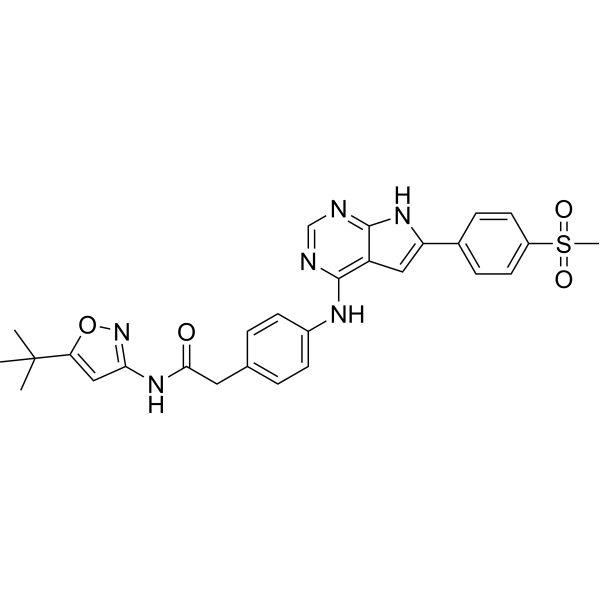 0 ImagesCat. No.: HY-151377CAS No.: 2484919-71-1RET-IN-19 (compound 59) is a potent RET inhibitor, with IC50 values of 6.8 and 13.51 nM against RET-wt and RET V804M, respectively. RET-IN-19 shows anticancer activity. RET-IN-19 can be used for non-small cell lung cancer (NSCLC) research.
-
EGFRvIII peptide (PEPvIII)
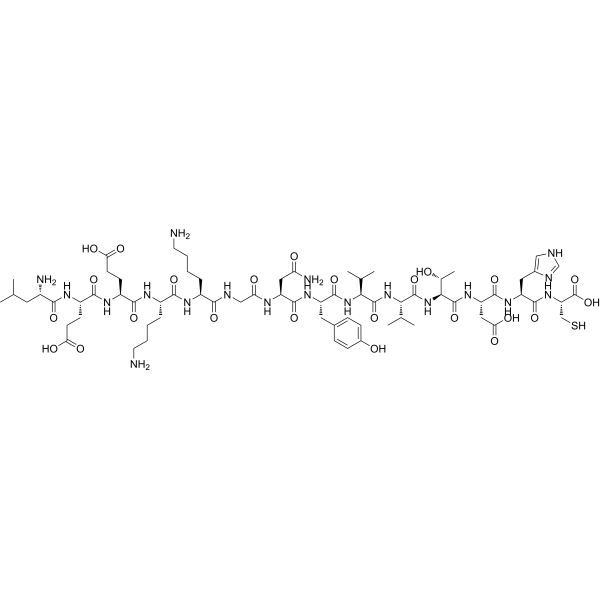 0 ImagesCat. No.: HY-P1828CAS No.: 129112-17-0EGFRvIII peptide (PEPvIII) is a tumor-specific mutation that is widely expressed in glioblastoma multiforme (GBM) and other neoplasms and its expression enhances tumorigenicity. EGFRvIII peptide represents a truly tumor-specific target for antitumor immunotherapy.

-
PP487
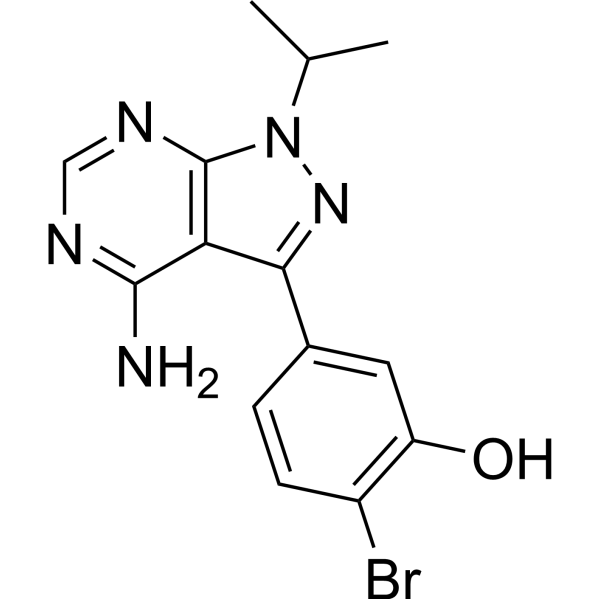 0 ImagesCat. No.: HY-15268CAS No.: 1092787-12-6
-
EGFR/VEGFR2-IN-9
 0 ImagesCat. No.: HY-178942EGFR/VEGFR2-IN-9 (Compound 9b) is an inhibitor of VEGFR-2 (IC50 = 1.325 μM) and EGFR (IC50 = 1.891 μM). EGFR/VEGFR2-IN-9 significantly inhibits the proliferation of multiple cancer cell lines, particularly leukemia cells. EGFR/VEGFR2-IN-9 upregulates the expression levels of Bax, caspase-3, and p53, while downregulating the expression of Bcl-2. EGFR/VEGFR2-IN-9 induces apoptosis and arrests the cell cycle in the G1 phase. EGFR/VEGFR2-IN-9 can be used to investigate anti-tumor angiogenesis and multi-drug resistant cancers.
-
Lapatinib-d7 dihydrochloride
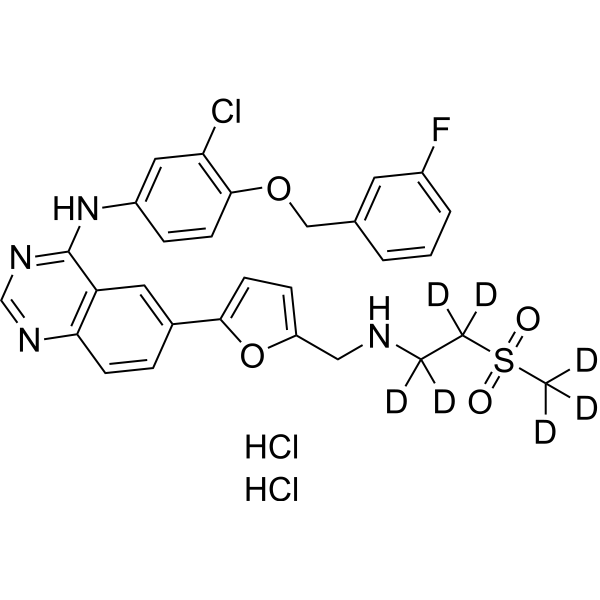 0 ImagesCat. No.: HY-50898S1Synonyms: GW572016-d7 dihydrochloride; GW2016-d7 dihydrochloride
-
EGFR T790M/FAK-IN-2
 0 ImagesCat. No.: HY-183120CAS No.: 2143104-11-2EGFR T790M/FAK-IN-2 is an orally active dual FAK and EGFRT790M kinase inhibitor, with an IC50 of 1.03 nM against FAK and an IC50 of 3.89 nM against EGFRT790M. EGFR T790M/FAK-IN-2 exerts antiproliferative effects in drug-resistant cancer cells overexpressing FAK, inducing apoptosis and cell cycle arrest. EGFR T790M/FAK-IN-2 exhibits antitumor activity in a pancreatic cancer xenograft mouse model. EGFR T790M/FAK-IN-2 can be used for the research of pancreatic cancer, breast cancer and non-small cell lung cancer.
-
IGF-1R modulator 1
 0 ImagesCat. No.: HY-402309CAS No.: 2375424-89-6IGF-1R modulator 1 (Example 5) is an IGF-1R modulator, with EC50s of 0.29 μM (FGFR1), 0.25 μM (IGF1R), 0.34 μM (TrkA), 0.39 μM (TrkB). IGF-1R modulator 1 can be used for research of diseases characterised by impaired signalling of neurotrophins and/or other trophic factors, such as Alzheimer's disease.

-
EGFR C797S Recombinant Human Active Protein Kinase
 0 ImagesCat. No.: HY-E70695EGFR is a driver of tumorigenesis. EGFR is mainly found in an auto-inhibited, dimerization-incompetent, state at the plasma membrane (PM). Ligand binding promotes receptor dimerization, which determines a series of structural rearrangements that are conveyed to the cytoplasmic domain allowing the formation of asymmetric dimers between the two juxtaposed catalytic domains. EGFR has multiple mutants. EGFR C797S Recombinant Human Active Protein Kinase is a recombinant EGFR C797S protein that can be used to study EGFR C797S-related functions.
-
EGFR-IN-165
 0 ImagesCat. No.: HY-175011EGFR-IN-165 is a potent EGFR inhibitor. EGFR-IN-165 demonstrates superior potency with IC50s of 17.18 and 64.74 nM against EGFRL858R/T790M and EGFRWT; 2.17 and 6.2 μM against NCI-H1975 cells and A431 cells. EGFR-IN-165 significantly inhibits the migration and induces G1 phase cell cycle arrest and cell apoptosis. EGFR-IN-165 can be used for the study of cancers such as non-small cell lung cancer, colorectal cancer, and head and neck squamous cell carcinoma.
-
EGFR-IN-81
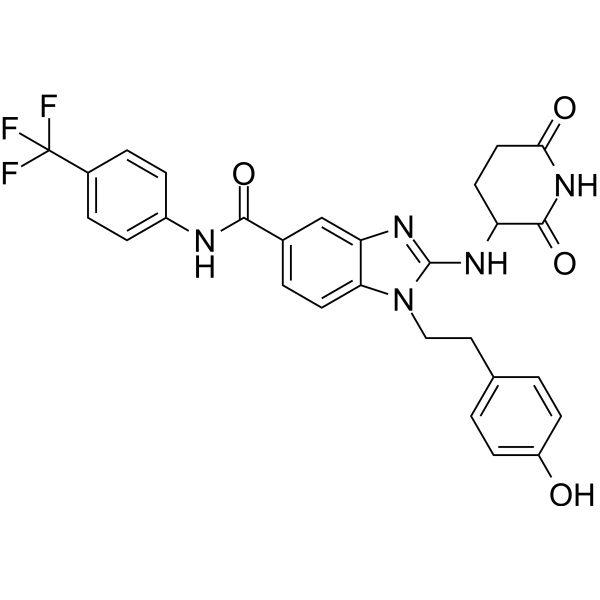 0 ImagesCat. No.: HY-155118CAS No.: 2968419-65-8




