EGFR/ErbB1/HER1
EGFR/ErbB1/HER1 is an ErbB/HER receptor protein-tyrosine kinase that links extracellular growth-factor recognition to intracellular signaling through a ligand-binding ectodomain, transmembrane segment, catalytic kinase domain, and tyrosine-containing cytoplasmic tail[1]. Mechanistically, ligand-stabilized receptor dimerization activates kinase signaling, trans-autophosphorylation, and downstream pathways that regulate mammalian cell growth, survival, proliferation, and differentiation[1][2]. In cancer models, ErbB1 and ErbB2 are overexpressed in tumors including breast, colorectal, ovarian, and non-small-cell lung cancers, making EGFR signaling a practical axis for tumor biology experiments[1]. Compared with related isoforms, ErbB1 and ErbB4 bind EGF-family ligands, whereas ErbB2 is an orphan co-receptor and ErbB3 lacks tyrosine kinase activity[3]. EGFR and ErbB2 also couple to distinct mitogenic signaling pathways, supporting isoform-specific experimental design[4]. For inhibitor studies, EGFR-TKIs such as erlotinib, gefitinib, afatinib, and icotinib are used in EGFR-mutated advanced NSCLC, where meta-analysis reported superior response and one-year progression-free survival versus chemotherapy[5]. In EGFR-positive experimental systems, ZD1839 blocked EGFR autophosphorylation and EGF-induced PLC-γ1, ERK MAPK, and PKB/Akt activation, supporting pathway-level pharmacologic interrogation[6].
References:
- [1]. Roskoski R Jr. The ErbB/HER receptor protein-tyrosine kinases and cancer. Biochem Biophys Res Commun. 2004 Jun 18;319(1):1-11. [Content Brief]
- [2]. Oda K, et al. A comprehensive pathway map of epidermal growth factor receptor signaling. Mol Syst Biol. 2005;1:2005.0010. [Content Brief]
- [3]. Di Fiore PP, et al. EGF receptor and erbB-2 tyrosine kinase domains confer cell specificity for mitogenic signaling. Science. 1990 Apr 6;248(4951):79-83. [Content Brief]
- [4]. Anderson NG, et al. ZD1839 (Iressa), a novel epidermal growth factor receptor (EGFR) tyrosine kinase inhibitor, potently inhibits the growth of EGFR-positive cancer cell lines with or without erbB2 overexpression. Int J Cancer. 2001 Dec 15;94(6):774-82. [Content Brief]
- [5]. Liang W, et al. Network meta-analysis of erlotinib, gefitinib, afatinib and icotinib in patients with advanced non-small-cell lung cancer harboring EGFR mutations. PLoS One. 2014 Feb 12;9(2):e85245. [Content Brief]
- [6]. Hao X, et al. Electromagnetic Functional Properties of Flexible Picosecond Laser-Induced Graphene Films Modified with Silver Nanoparticles. ACS Appl Mater Interfaces. 2026 May 27;18(20):28957-28968. [Content Brief]
All Product Categories
-
EGFR/ErbB1/HER1 Inhibitors
(342)
View all products
-
EGFR/ErbB1/HER1 Antagonist
(1)
View all products
-
EGFR/ErbB1/HER1 Activator
(1)
View all products
-
EGFR/ErbB1/HER1 Modulator
(1)
View all products
-
EGFR/ErbB1/HER1 Inducer
(1)
View all products
-
EGFR/ErbB1/HER1 Degraders
(12)
View all products
-
EGFR Proteins
(47)
View all products
-
EGFR/ErbB1/HER1 Related Products (361)
Related Products (361)

-
Recombinant Proteins (47)
-
Antibodies (10)
-
Osimertinib
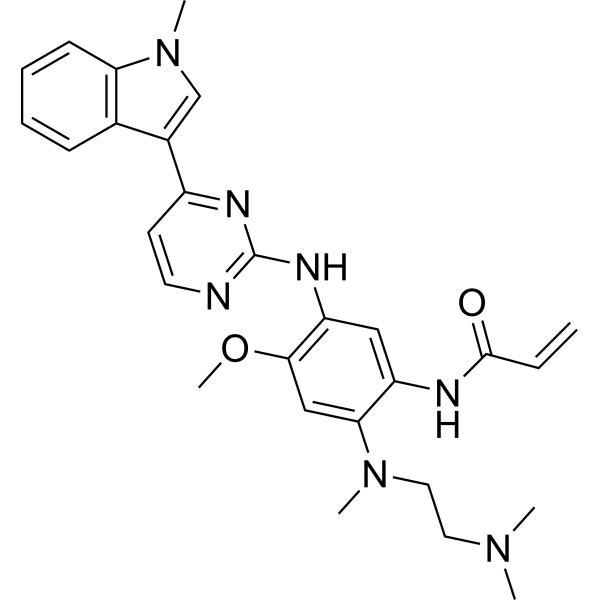 0 ImagesSynonyms: AZD-9291; MereletinibOsimertinib (AZD9291) is a covalent, orally active, irreversible, and mutant-selective EGFR inhibitor with an apparent IC50 of 12 nM against L858R and 1 nM against L858R/T790M, respectively. Osimertinib overcomes T790M-mediated resistance to EGFR inhibitors in lung cancer.

-
Gefitinib
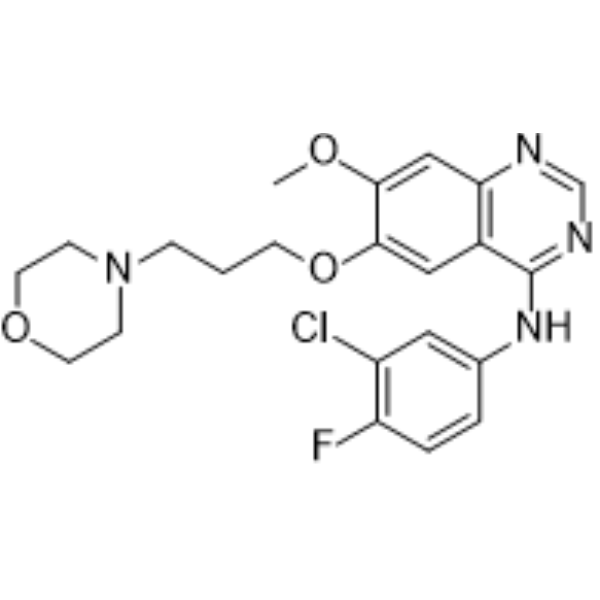 0 ImagesSynonyms: ZD1839Gefitinib (ZD1839) is a potent, selective and orally active EGFR tyrosine kinase inhibitor with an IC50 of 33 nM. Gefitinib selectively inhibits EGF-stimulated tumor cell growth (IC50 of 54 nM) and that blocks EGF-stimulated EGFR autophosphorylation in tumor cells. Gefitinib also induces autophagy and cell apoptosis, which can be used for cancer related research, such as Lung cancer and breast cancer .
-
Erlotinib
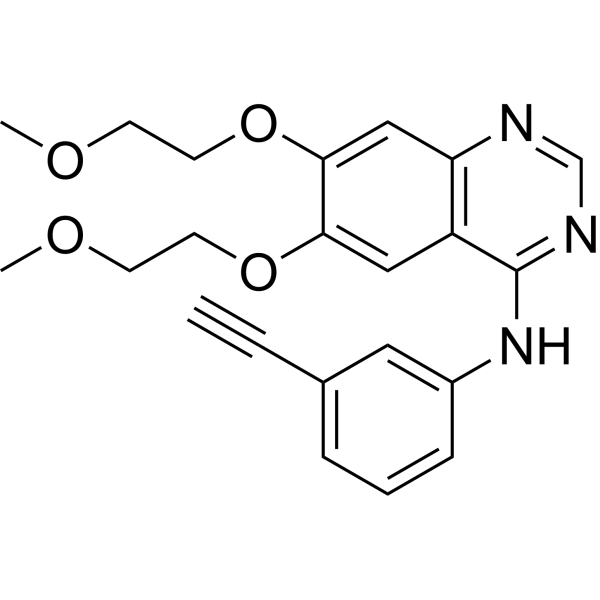 0 ImagesSynonyms: CP-358774; NSC 718781; OSI-774Erlotinib (CP-358774) is a selective, orally active EGFR tyrosine kinase inhibitor. Erlotinib also acts as a substrate and inhibitor of OATP2B1, with an IC50 of approximately 0.079 μM for inhibiting OATP2B1-mediated uptake of estrone 3-sulfate. Erlotinib blocks EGFR phosphorylation, downstream signal transduction, as well as the growth and proliferation of cancer cells. Erlotinib inhibits MMP-10-mediated renal injury, fibrotic lesions, the ERK1/2, GSK-3β and β-catenin signaling pathways, fibronectin, α-SMA, collagen deposition, and renal injury markers. Erlotinib is metabolized via CYP3A to produce the active metabolite OSI-420. Erlotinib can be used in research related to non-small cell lung cancer, gastric cancer, papillary renal cell carcinoma, pancreatic cancer, renal fibrosis, and other conditions.
-
Afatinib
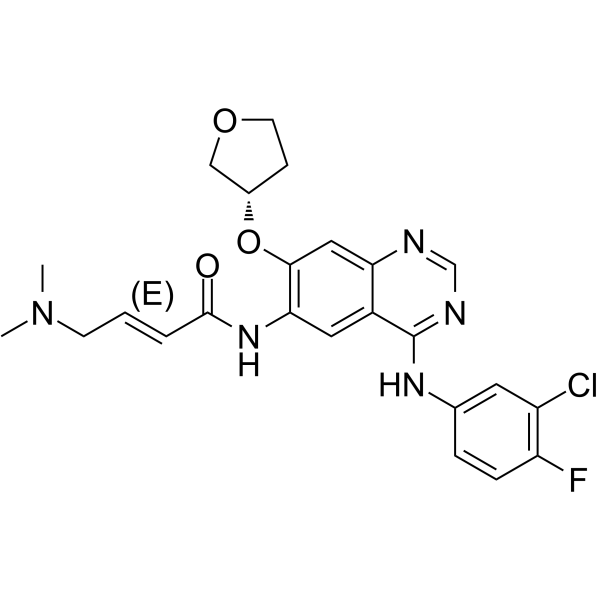 0 ImagesSynonyms: BIBW 2992Afatinib (BIBW 2992) is an orally active, potent and irreversible dual specificity inhibitor of ErbB family (EGFR and HER2), with IC50 values of 0.5 nM, 0.4 nM, 10 nM and 14 nM for EGFRwt, EGFRL858R, EGFRL858R/T790M and HER2, respectively. Afatinib can be used for the research of esophageal squamous cell carcinoma (ESCC), non-small cell lung cancer (NSCLC) and gastric cancer.
-
BL-B01D1
 0 ImagesCat. No.: HY-164702Purity: 98.40%Synonyms: Izalontamab BrengitecanBL-B01D1 (Izalontamab Brengitecan) is a bispecific antibody-drug conjugate (ADC) targeting EGFR and HER3, formed by conjugating the EGFR/HER3 bispecific antibody Izalontamab (HY-P99676) to a novel TOP-I inhibitor payload Deruxtecan 2-hydroxypropanamide (HY-153891) via a cleavable linker (Mc-Gly-Gly-Phe-Gly). BL-B01D1 binds to EGFR and HER3 on the surface of tumor cells, mediates endocytosis and releases the payload, inhibits topoisomerase I, blocks DNA replication and RNA synthesis, and disrupts DNA structure. BL-B01D1 induces cell cycle S-phase arrest, apoptosis, antibody-dependent cell-mediated cytotoxicity, and tumor cell death. BL-B01D1 can be used for cancer research.
-
Dacomitinib
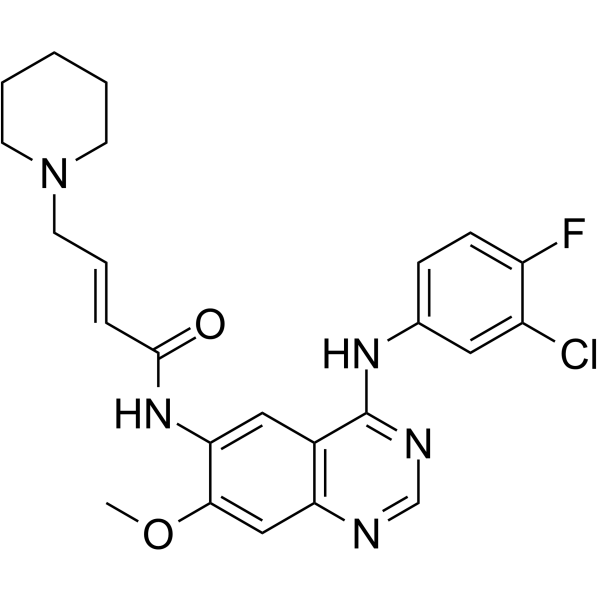 0 ImagesSynonyms: PF-00299804; PF-299804
-
Osimertinib mesylate
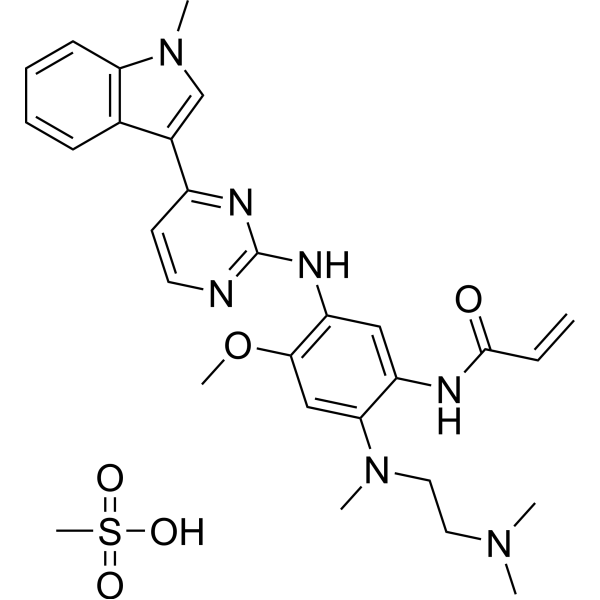 0 ImagesSynonyms: AZD-9291 mesylate; Mereletinib mesylateOsimertinib mesylate (AZD9291 mesylate) is a covalent, orally active, irreversible, and mutant-selective EGFR inhibitor with an apparent IC50 of 12 nM against L858R and 1 nM against L858R/T790M. Osimertinib overcomes T790M-mediated resistance to EGFR inhibitors in lung cancer.
-
Lazertinib
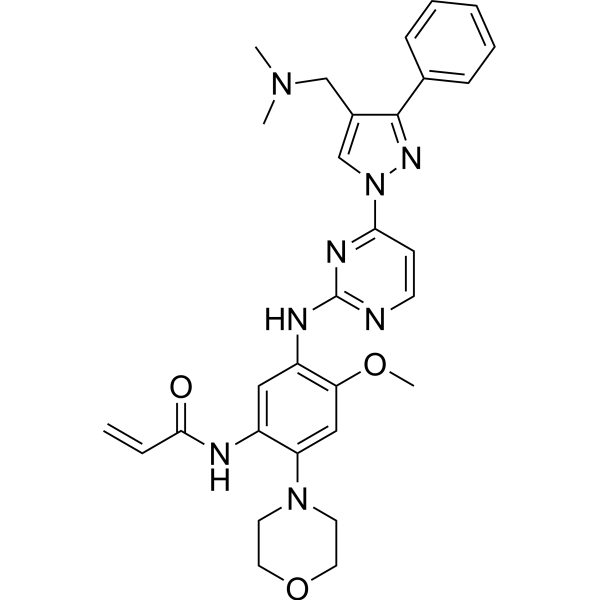 0 ImagesSynonyms: YH25448; GNS-1480Lazertinib (YH25448; GNS-1480) is an orally active, blood-brain barrier permeable third-generation EGFR tyrosine kinase inhibitor, as well as an ABCB1/ABCG2 inhibitor and a TRPA1 activator. Lazertinib exhibits IC50 values of 0.4 mM and 0.2 mM against human ABCB1 and ABCG2, respectively. By inhibiting mutant EGFR signaling, EGFR phosphorylation and the downstream ERK/AKT pathway, as well as upregulating surface expression of EGFR/MET, Lazertinib induces cell cycle arrest, apoptosis, spontaneous calcium responses, hyperexcitability of dorsal root ganglion (DRG) neurons, and TRPA1-dependent pain-like behaviors. Lazertinib competitively binds to the substrate-binding sites of ABCB1/ABCG2, stimulates their ATPase activity without altering their expression or plasma membrane localization, thereby enhancing ADCC activity, acting as a chemosensitizer, and reversing ABCB1-mediated multidrug resistance. It exerts antitumor activity as a single agent or in combination with other drugs. Lazertinib is applicable to research related to non-small cell lung cancer, multidrug-resistant cancers, and paresthesia.
-
NSC 228155
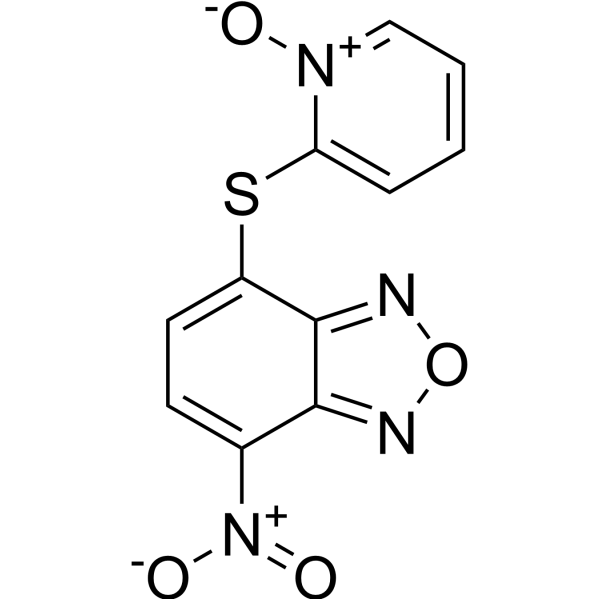 0 ImagesNSC 228155 is an activator of EGFR, binds to the extracellular region of EGFR and enhance tyrosine phosphorylation of EGFR. NSC 228155 is also a potent inhibitor of KIX-KID interaction, inhibits kinase-inducible domain (KID) from CREB and KID-interacting domain (KIX) from CBP, with an IC50 of 0.36 μM.
-
Petosemtamab
 0 ImagesSynonyms: MCLA 158Petosemtamab (MCLA 158) is an anti- EGFR (Kd: 0.22 nM) and anti-LGR5 (Kd: 0.86 nM) monoclonal antibody (mAb). Petosemtamab leads to EGFR signaling blockade and receptor degradation in LGR5+ cancer cells. Petosemtamab can be used in the research of solid tumors, such as head and neck squamous cell carcinoma (HNSCC), metastatic colorectal cancer (CRC).
-
Erlotinib Hydrochloride
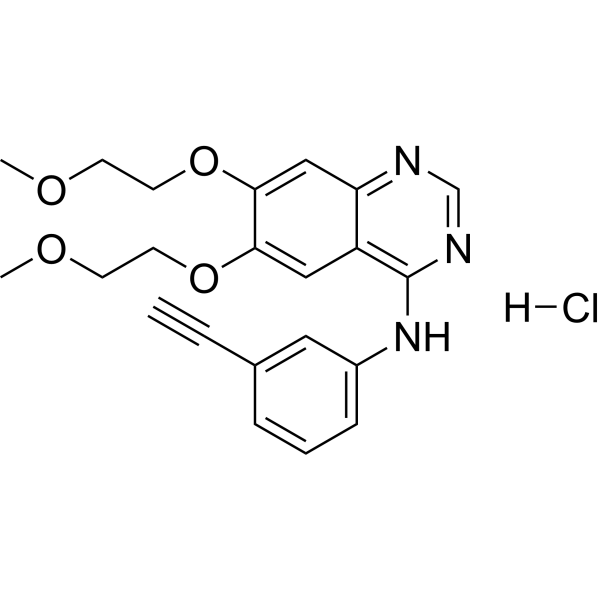 0 ImagesSynonyms: CP-358774 hydrochloride; NSC 718781 hydrochloride; OSI-774 hydrochlorideErlotinib (CP-358774) Hydrochloride is a selective, orally active EGFR tyrosine kinase inhibitor. Erlotinib Hydrochloride also acts as a substrate and inhibitor of OATP2B1, with an IC50 of approximately 0.079 μM for inhibiting OATP2B1-mediated uptake of estrone 3-sulfate. Erlotinib Hydrochloride blocks EGFR phosphorylation, downstream signal transduction, as well as the growth and proliferation of cancer cells. Erlotinib Hydrochloride inhibits MMP-10-mediated renal injury, fibrotic lesions, the ERK1/2, GSK-3β and β-catenin signaling pathways, as well as the deposition of fibronectin, α-SMA, collagen and renal injury markers. Erlotinib Hydrochloride is metabolized via CYP3A to produce the active metabolite OSI-420. Erlotinib Hydrochloride can be used in research related to non-small cell lung cancer, gastric cancer, papillary renal cell carcinoma, EGFR inhibitor resistance and renal fibrosis.
-
Afatinib dimaleate
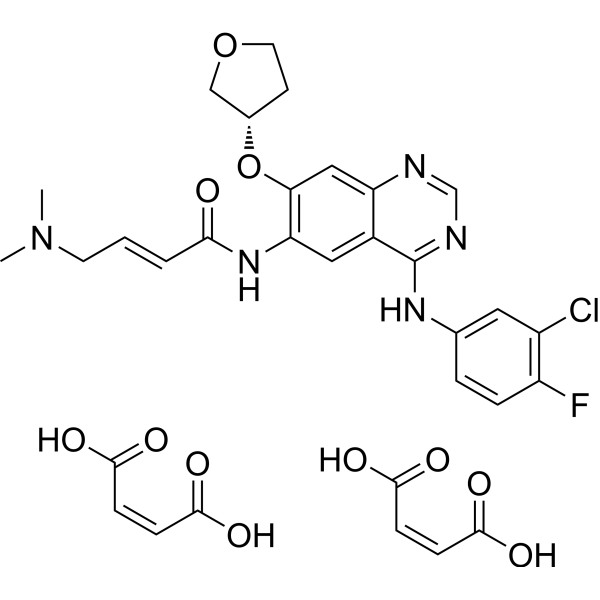 0 ImagesSynonyms: BIBW 2992MA2Afatinib (BIBW 2992) dimaleate is an orally active, potent and irreversible dual specificity inhibitor of ErbB family (EGFR and HER2), with IC50 values of 0.5 nM, 0.4 nM, 10 nM and 14 nM for EGFRwt, EGFRL858R, EGFRL858R/T790M and HER2, respectively. Afatinib dimaleate can be used for the research of esophageal squamous cell carcinoma (ESCC), non-small cell lung cancer (NSCLC) and gastric cancer.