



NSC 228155
Based on 25 publication(s) in Google Scholar
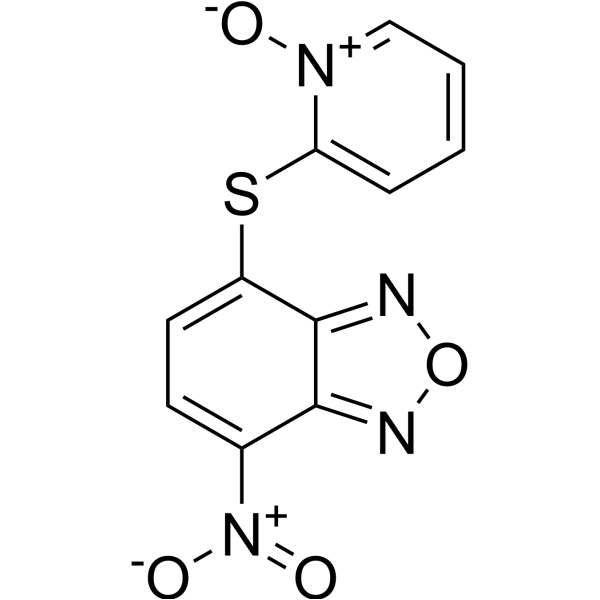
NSC 228155 is an activator of EGFR, binds to the extracellular region of EGFR and enhance tyrosine phosphorylation of EGFR. NSC 228155 is also a potent inhibitor of KIX-KID interaction, inhibits kinase-inducible domain (KID) from CREB and KID-interacting domain (KIX) from CBP, with an IC50 of 0.36 μM.
Nos produits utilisent uniquement pour la recherche. Nous ne vendons pas aux patients.
- Pureté : 99.58%
- CAS No.: 113104-25-9
- Formule: C11H6N4O4S
- Masse moléculaire:290.25
-
Stockage:Powder -20°C, 3 years , 4°C, 2 years ; In solvent -80°C, 1 year , -20°C, 6 months

To place orders, for customer services and technical support, please contact: MedChemExpress USA
Tel: 609-228-6898 E-mail: [email protected] [email protected]


-
 Activité biologique
-
Chemical Information
-
Solvant et solubilité
- Protocole
- Pureté et documentation
- Références
-
 Help & FAQs


-
HY-50895
GefitinibEGFR Inhibitor -
HY-50896
ErlotinibEGFR Tyrosine Kinase Inhibitor -
HY-18739
Phorbol 12-myristate 13-acetatePKC Activator -
HY-100403
Ro 67-7476mGluR1 PAM -
HY-10221
VorinostatHDAC Inhibitor -
HY-13259
MG-132Proteasome Inhibitor -
HY-18982
AnisomycinProtein Synthesis Inhibitor -
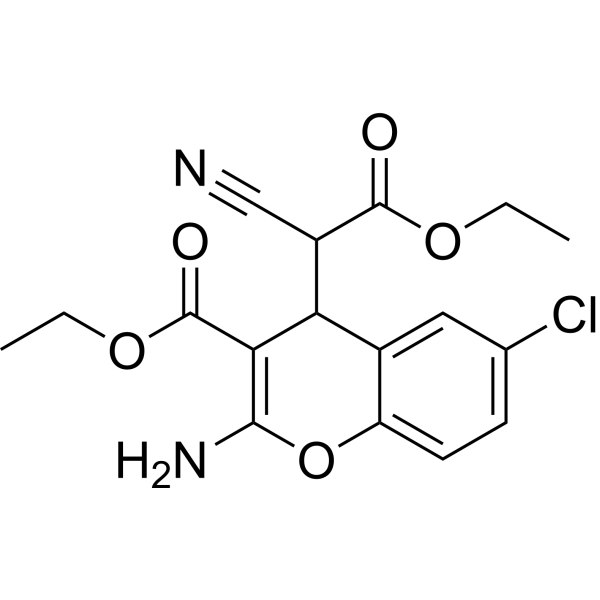
HY-18749
SC79Akt Activator -
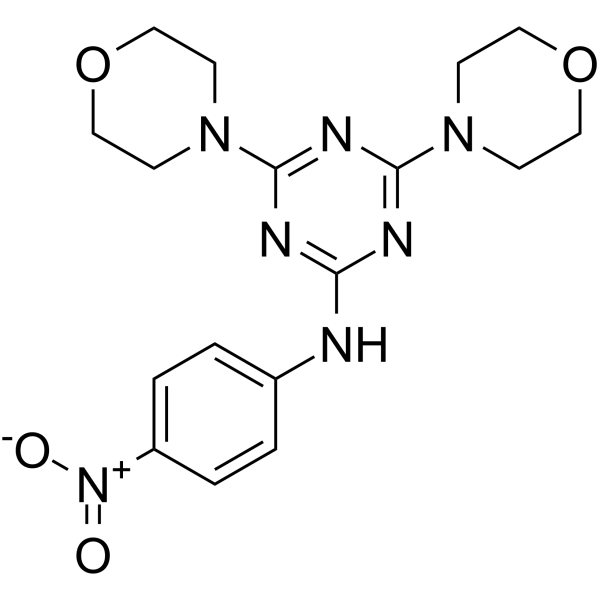
HY-B0795
MHY1485mTOR Activator -
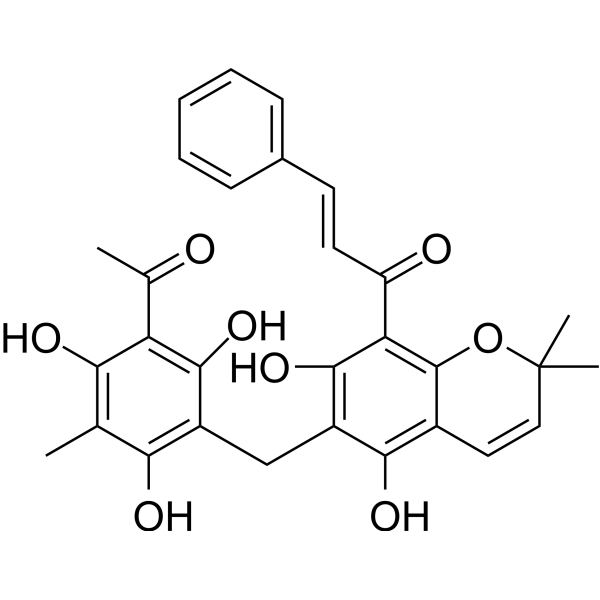
HY-18980
RottlerinPKC Inhibitor -
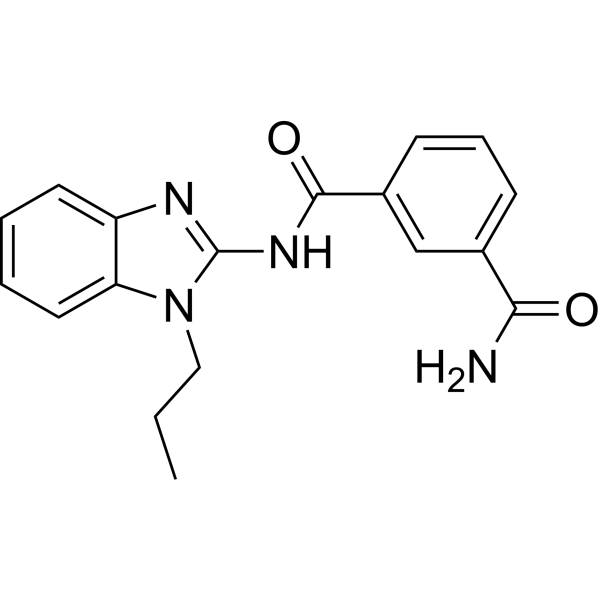
HY-103490
TakinibTAK1 Inhibitor -

HY-101084R
NSC 228155 (Standard)EGFR Activator
Publications Citing Use of MedChemExpress (MCE) NSC 228155
More- Cell Death Differ. 2026 Jan 15. [Abstract]
- Cell Death Dis. 2021 Sep 13;12(9):845. [Abstract]
- Int J Biol Sci. 2022 May 16;18(9):3636-3652. [Abstract]
- Phytomedicine. 2025 Nov 25:148:157357. [Abstract]
- Phytomedicine. 2025 Jul:142:156787. [Abstract]
- Phytomedicine. 2025 Apr:139:156463. [Abstract]
- Phytother Res. 2025 Mar 26. [Abstract]
- J Ethnopharmacol. 2025 Aug 29:352:120241. [Abstract]
- J Agric Food Chem. 2024 Jul 3;72(26):14727-14746. [Abstract]
- Eur J Pharmacol. 2022 Sep 5:930:175154. [Abstract]
- Int Immunopharmacol. 2026 Jun 1:178:116568. [Abstract]
- J Integr Med. 2025 Sep 4:S2095-4964(25)00137-2. [Abstract]
- J Integr Med. 2024 Nov;22(6):696-708. [Abstract]
- Sci Rep. 2026 Mar 6;16(1):12255. [Abstract]
- J Drug Target. 2024 Jun;32(5):570-584. [Abstract]
- FASEB J. 2021 Feb;35(2):e21311. [Abstract]
- Endocrinology. 2023 Mar 13;164(5):bqad042. [Abstract]
- J Gastroenterol Hepatol. 2026 May 13. [Abstract]
- Am J Cancer Res. 2020 Mar 1;10(3):816-837. [Abstract]
- Clin Breast Cancer. 2026 Sep;26(9):154-163.
- Biochem Biophys Res Commun. 2025 Oct 10:784:152645. [Abstract]
- Cytojournal. 2024 Nov 23:21:52. [Abstract]
- Folia Histochem Cytobiol. 2026 Aug 26.
- Am J Transl Res. 2021 Jun 15;13(6):6055-6065. [Abstract]
- J Physiol Investig. 2026 Jan 1;69(1):42-56. [Abstract]
 Customer Validation & Images

-
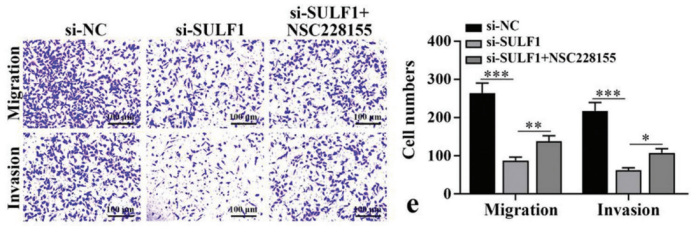
Cell Migration/Invasion Assay
-
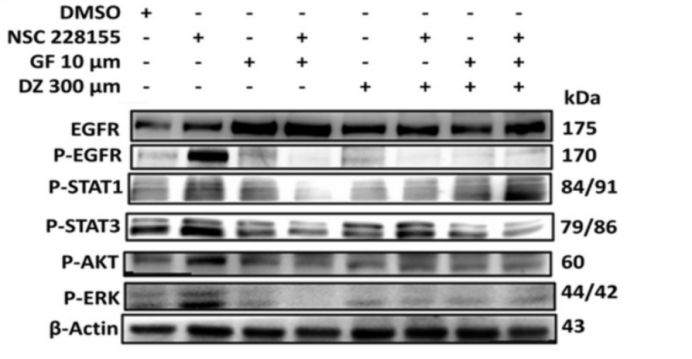
WB
Voir tous les produits spécifiques à Isoform EGFR
More

Activité biologique
Description
|
CBP/p300 |
EGFR |
KIX-KID 0.36 μM (IC50) |
Cellular Effect
|
Cell Line

|
Type | Value | Description | References |
|---|---|---|---|---|
| HEK-293T | IC50 |
2.09 μM
Compound: 1, NSC228155
|
Inhibition of CREB (unknown origin)-mediated gene transcription in HEK293T cells preincubated for 30 mins followed by forskolin addition measured after 5 hrs by luciferase reporter gene assay
Inhibition of CREB (unknown origin)-mediated gene transcription in HEK293T cells preincubated for 30 mins followed by forskolin addition measured after 5 hrs by luciferase reporter gene assay
|
[PMID: 23953193] |
| HEK-293T | IC50 |
6.14 μM
Compound: 1, NSC228155
|
Inhibition of Herpesvirus VP16-CREB (unknown origin)-mediated gene transcription in HEK293T cells by luciferase reporter gene assay
Inhibition of Herpesvirus VP16-CREB (unknown origin)-mediated gene transcription in HEK293T cells by luciferase reporter gene assay
|
[PMID: 23953193] |
In Vitro
NSC 228155 (100 μM) enhances EGFR tyrosine phosphorylation via the action of SOD1[1].
NSC 228155 (Compound 1) inhibits CREB- and VP16-CREB-mediated gene transcription in living HEK 293T cells with IC50s of 2.09 and 6.14 μM, respectively[2].
NSC 228155 is not selective against CREB-mediated gene transcription in living HEK 293T cells[2].
MedChemExpress (MCE) has not independently confirmed the accuracy of these methods. They are for reference only.


Chemical Information
-
CAS No. 113104-25-9
-
Appearance Solid
-
Masse moléculaire 290.25
-
Formule C11H6N4O4S
-
Color Light yellow to orange
-
SMILES
[O-][N+]1=CC=CC=C1SC2=CC=C([N+]([O-])=O)C3=NON=C32
-
Livraison
Room temperature in continental US; may vary elsewhere.
-
Stockage
Powder -20°C 3 years 4°C 2 years In solvent -80°C 1 year -20°C 6 months


Publications (25)
-
Journal Impact Factor
-
Most Recent
-
Cell Death Differ
EGFR orchestrates neutrophil activation and NETosis via CEBPβ-dependent PGLYRP1 induction. [Abstract]2026 Jan 15. PMID: 41540251 -
Cell Death Dis
LPCAT1 reprogramming cholesterol metabolism promotes the progression of esophageal squamous cell carcinoma. [Abstract]2021 Sep 13;12(9):845. PMID: 34518524 -
Int J Biol Sci
Daidzein Synergizes with Gefitinib to Induce ROS/JNK/c-Jun Activation and Inhibit EGFR-STAT/AKT/ERK Pathways to enhance Lung Adenocarcinoma cells chemosensitivity. [Abstract]2022 May 16;18(9):3636-3652. PMID: 35813479
NSC 228155 purchased from MedChemExpress. Usage Cited in: Int J Biol Sci. 2022 May 16;18(9):3636-3652. [Abstract]
Confirmation of EGFR inhibition, immunoblotting of A549 cancer cells whole cell lysates treated with Gefitinib (10µM), or Daidzein (300µM), and combination of the two drugs in the presence or absence EGFR activator NSC 228155 (2 µM).
-
Phytomedicine
Quercetin ameliorates doxorubicin-induced atrial fibrillation via EGFR-mediated restoration of autophagic flux. [Abstract]2025 Nov 25:148:157357. PMID: 41056856 -
Phytomedicine
Procyanidin C1 ameliorates aging-related skin fibrosis through targeting EGFR to inhibit TGFβ/SMAD pathway. [Abstract]2025 Jul:142:156787. PMID: 40315640 -
Phytomedicine
6-C-methylquercetin in Baeckea frutescens exerts anti-prostate cancer effect via ErbB/PI3K/AKT pathway. [Abstract]2025 Apr:139:156463. PMID: 39922146 -
Phytother Res
Emodin Promotes Peripheral Nerve Repair by Modulating Inflammasome Activation Through Autophagy via the EGFR/PI3K/AKT/mTOR Pathway. [Abstract]2025 Mar 26. PMID: 40135386 -
J Ethnopharmacol
Integrated network pharmacology and experimental validation reveal EGFR/p53/Bcl-2-mediated anti-hepatocellular carcinoma effects of Zedoary Turmeric Oil. [Abstract]2025 Aug 29:352:120241. PMID: 40615101 -
J Agric Food Chem
Ginsenoside-Rh2 Promotes Functional Recovery after Spinal Cord Injury by Enhancing TFEB-Mediated Autophagy. [Abstract]2024 Jul 3;72(26):14727-14746. PMID: 38907713 -
Eur J Pharmacol
The hypoxia-inducible factor 1 inhibitor LW6 mediates the HIF-1α/PD-L1 axis and suppresses tumor growth of hepatocellular carcinoma in vitro and in vivo. [Abstract]2022 Sep 5:930:175154. PMID: 35868447 -
Int Immunopharmacol
Vitamin E alleviates experimental autoimmune prostatitis by inhibiting the EGFR/MAPK pathway to reduce M1 macrophage polarization. [Abstract]2026 Jun 1:178:116568. PMID: 41915990 -
J Integr Med
Astragaloside IV delayed the epithelial-mesenchymal transition in peritoneal fibrosis by inhibiting the activation of EGFR and PI3K-AKT pathways. [Abstract]2025 Sep 4:S2095-4964(25)00137-2. PMID: 40975639 -
J Integr Med
Jiedu recipe, a compound Chinese herbal medicine, suppresses hepatocellular carcinoma metastasis by inhibiting the release of tumor-derived exosomes in a hypoxic microenvironment. [Abstract]2024 Nov;22(6):696-708. PMID: 39521704 -
Sci Rep
The network pharmacology prediction and experiment validation of Astragalus membranaceus for alleviating silicosis fibrosis via decreasing MMP9 and EGFR expression. [Abstract]2026 Mar 6;16(1):12255. PMID: 41792373 -
J Drug Target
Trimethyl chitosan-cysteine-based nanoparticles as an effective delivery system for portulacerebroside A in the management of hepatocellular carcinoma cells in vitro and in vivo. [Abstract]2024 Jun;32(5):570-584. PMID: 38625591 -
FASEB J
Endothelial cell secreted metalloproteinase-2 enhances neural stem cell N-cadherin expression, clustering, and migration. [Abstract]2021 Feb;35(2):e21311. PMID: 33417253 -
Endocrinology
2023 Mar 13;164(5):bqad042. PMID: 36929849 -
J Gastroenterol Hepatol
Hederagenin Alleviates Ulcerative Colitis via Suppressing the Activation of EGFR/p38 MAPK Signaling. [Abstract]2026 May 13. PMID: 42128880 -
Am J Cancer Res
α1,6-Fucosyltransferase (FUT8) regulates the cancer-promoting capacity of cancer-associated fibroblasts (CAFs) by modifying EGFR core fucosylation (CF) in non-small cell lung cancer (NSCLC). [Abstract]2020 Mar 1;10(3):816-837. PMID: 32266093 -
-
Biochem Biophys Res Commun
2025 Oct 10:784:152645. PMID: 40972364 -
Cytojournal
Investigating the anti-cancer potential of sulfatase 1 and its underlying mechanism in non-small cell lung cancer. [Abstract]2024 Nov 23:21:52. PMID: 39737127
NSC 228155 purchased from MedChemExpress. Usage Cited in: Cytojournal. 2024 Nov 23:21:52. [Abstract]
Cell migration and invasion levels measured with Transwell assay. the si-SULF1 + NSC228155 (100 μM) group showed considerably augmented cell migration and invasion.
-
-
Am J Transl Res
EGFR/EGFRvIII partly regulates the tumourigenesis of glioblastoma through the SOX9-GLUT3 axis. [Abstract]2021 Jun 15;13(6):6055-6065. PMID: 34306344 -
J Physiol Investig
Pectolinarigenin Induces Mitochondrion-dependent Apoptosis, Causes G2/M Arrest, and Inhibits Migration and Invasion in Rheumatoid Arthritis-Fibroblast-like Synoviocytes. [Abstract]2026 Jan 1;69(1):42-56. PMID: 41606826


Solvant et solubilité
In Vitro:
DMSO : 16 mg/mL (55.12 mM; Need ultrasonic; Hygroscopic DMSO has a significant impact on the solubility of product, please use newly opened DMSO)
Please refer to the solubility information to select the appropriate solvent. Once prepared, please aliquot and store the solution to prevent product inactivation from repeated freeze-thaw cycles.
Storage method and period of stock solution: -80°C, 1 year; -20°C, 6 months. When stored at -80°C, please use it within 1 year. When stored at -20°C, please use it within 6 months.
Please refer to the solubility information to select the appropriate solvent. Once prepared, please aliquot and store the solution to prevent product inactivation from repeated freeze-thaw cycles.
Storage method and period of stock solution: -80°C, 1 year; -20°C, 6 months. When stored at -80°C, please use it within 1 year. When stored at -20°C, please use it within 6 months.
Concentration (start) × Volume (start) = Concentration (final) × Volume (final)
In Vivo:
Select the appropriate dissolution method based on your experimental animal and administration route.
- For the following dissolution methods, please ensure to first prepare a clear stock solution using an In Vitro approach and then sequentially add co-solvents:
- To ensure reliable experimental results, the clarified stock solution can be appropriately stored based on storage conditions. As for the working solution for In Vivo experiments, it is recommended to prepare freshly and use it on the same day.
- The percentages shown for the solvents indicate their volumetric ratio in the final prepared solution. If precipitation or phase separation occurs during preparation, heat and/or sonication can be used to aid dissolution.
For the following dissolution methods, please prepare the working solution directly:
It is recommended to prepare fresh solutions and use them promptly within a short period of time.
The percentages shown for the solvents indicate their volumetric ratio in the final prepared solution. If precipitation or phase separation occurs during preparation, heat and/or sonication can be used to aid dissolution.
Add each solvent one by one: 15% Cremophor EL 85% Saline
Solubility: 2 mg/mL (6.89 mM); Suspended solution; Need ultrasonic
In Vivo Dissolution Calculator
Please enter the basic information of animal experiments:
-
-
-
-
Recommended: Prepare an additional quantity of animals to account for potential losses during experiments.
Please enter your animal formula composition:
-
%DMSO +
Recommended: Keep the proportion of DMSO in working solution below 2% if your animal is weak.
-
%+
-
+%Tween-80 + +
-
%Saline +
The co-solvents required include: DMSO, . All of co-solvents are available by MedChemExpress (MCE). , Tween 80. All of co-solvents are available by MedChemExpress (MCE).
Working solution concentration: 0.22 mg/mL
Method for preparing stock solution: mg drug dissolved in μL DMSO. Stock solution concentration: mg/mL.
1. Take μL DMSO stock solution;
2. Add μL .
μL , mix evenly;
3. Then add μL Tween 80, mix evenly;
4. Then add μL
Please ensure that the stock solution in the first step is dissolved to a clear state, and add co-solvents in sequence. You can use ultrasonic heating (ultrasonic cleaner, recommended frequency 20-40 kHz), vortexing, etc. to assist dissolution.


Pureté et documentation
-
Fiche technique (278 KB)
-
SDS (254 KB)
- English - EN (254 KB)
- Français - FR (254 KB)
- Deutsch - DE (254 KB)
- Norwegian - NO (254 KB)
- Español - ES (254 KB)
- Swedish - SV (254 KB)
- Italian - IT (254 KB)
- Korean - KR (254 KB)
- Portuguese - PT (254 KB)
-
Instruction de manipulation (2659 KB)
Références
[1]. Sakanyan V, et al. Activation of EGFR by small compounds through coupling the generation of hydrogen peroxide to stable dimerization of Cu/Zn SOD1. Sci Rep. 2016 Feb 17;6:21088. [Content Brief]
[2]. Xie F, et al. Identification, synthesis and evaluation of substituted benzofurazans as inhibitors of CREB-mediated gene transcription. Bioorg Med Chem Lett. 2013 Oct 1;23(19):5371-5. [Content Brief]


Complete Stock Solution Preparation Table
Please refer to the solubility information to select the appropriate solvent. Once prepared, please aliquot and store the solution to prevent product inactivation from repeated freeze-thaw cycles.
Storage method and period of stock solution: -80°C, 1 year; -20°C, 6 months. When stored at -80°C, please use it within 1 year. When stored at -20°C, please use it within 6 months.
| Optional Solvent | Concentration Solvent Mass | 1 mg | 5 mg | 10 mg | 25 mg |
|---|---|---|---|---|---|
| DMSO | 1 mM | 3.4453 mL | 17.2265 mL | 34.4531 mL | 86.1326 mL |
| 5 mM | 0.6891 mL | 3.4453 mL | 6.8906 mL | 17.2265 mL | |
| 10 mM | 0.3445 mL | 1.7227 mL | 3.4453 mL | 8.6133 mL | |
| 15 mM | 0.2297 mL | 1.1484 mL | 2.2969 mL | 5.7422 mL | |
| 20 mM | 0.1723 mL | 0.8613 mL | 1.7227 mL | 4.3066 mL | |
| 25 mM | 0.1378 mL | 0.6891 mL | 1.3781 mL | 3.4453 mL | |
| 30 mM | 0.1148 mL | 0.5742 mL | 1.1484 mL | 2.8711 mL | |
| 40 mM | 0.0861 mL | 0.4307 mL | 0.8613 mL | 2.1533 mL | |
| 50 mM | 0.0689 mL | 0.3445 mL | 0.6891 mL | 1.7227 mL |


NSC 228155 Related Classifications
HY-101084 Related Classifications
 Powered by Bioz