



ErbB2/HER2
The ErbB2/HER2 receptor is a member of the ErbB receptor tyrosine kinase family, lacking a direct ligand yet serving as a critical dimerization partner for other ErbB receptors[1][2]. Mechanistically, HER2 homodimers and heterodimers activate multiple downstream pathways including PI3K/Akt, MAPK/ERK, and NF-κB signaling, influencing cell proliferation, survival, and transcriptional regulation[3][2][4]. Compared with related isoforms such as HER3, which requires ligand binding for activation, HER2’s constitutive activity confers robust signaling capacity and amplifies oncogenic potential[1][5][4]. In disease models, HER2 overexpression is observed in 15-20% of breast cancers and in experimental prolactinoma, driving hormone secretion and cellular proliferation[6][7][8]. The receptor also interacts with calmodulin, which modulates its phosphorylation and downstream kinase activity, linking calcium signaling to HER2-mediated pathways[6]. Experimental inhibitors such as trastuzumab, pertuzumab, lapatinib, and AZD8931 selectively target HER2-containing dimers, modulating receptor activation and sensitizing cancer cells to chemotherapy[9][2][4]. The distinct signaling patterns induced by HER2 homodimers versus HER2-containing heterodimers influence therapeutic responses, with Akt activation levels correlating with drug resistance[2][4]. Collectively, HER2 functions as a signaling hub, with isoform-specific interactions and pharmacologic modulation providing a platform for both mechanistic and translational research[1][2].
Verweise:
- [1]. Khalili M, et al. Underserved Does Not Mean Undeserved: Unfurling the HCV Care in the Safety Net. Dig Dis Sci. 2018 Dec;63(12):3250-3252. [Content Brief]
- [2]. Ali SR, et al. Nerve Density and Neuronal Biomarkers in Cancer. Cancers (Basel). 2022 Oct 1;14(19):4817. [Content Brief]
- [3]. Kurokawa H, et al. ErbB (HER) receptors can abrogate antiestrogen action in human breast cancer by multiple signaling mechanisms. Clin Cancer Res. 2003;9(1 Pt 2):511S-515S. [Content Brief]
- [4]. Zhang Y, et al. HER/ErbB receptor interactions and signaling patterns in human mammary epithelial cells. BMC Cell Biol. 2009;10:78.
- [5]. Li H, et al. The ErbB2/Neu/HER2 receptor is a new calmodulin-binding protein. Biochem J. 2004 Jul 1;381(Pt 1):257-66. [Content Brief]
- [6]. Fukuoka H, et al. HER2/ErbB2 receptor signaling in rat and human prolactinoma cells: strategy for targeted prolactinoma therapy. Mol Endocrinol. 2011 Jan;25(1):92-103. [Content Brief]
- [7]. Hoeferlin LA, et al. Challenges in the treatment of triple negative and HER2-overexpressing breast cancer. J Surg Sci. 2013;1:3-7. [Content Brief]
- [8]. Hickinson DM, et al. AZD8931, an equipotent, reversible inhibitor of signaling by epidermal growth factor receptor, ERBB2 (HER2), and ERBB3: a unique agent for simultaneous ERBB receptor blockade in cancer. Clin Cancer Res. 2010 Feb 15;16(4):1159-69. [Content Brief]
- [9]. Menendez JA, et al. Trastuzumab in combination with heregulin-activated Her-2 (erbB-2) triggers a receptor-enhanced chemosensitivity effect in the absence of Her-2 overexpression. J Clin Oncol. 2006;24(23):3735-3746.
- [10]. Drago JZ, et al. Beyond HER2: Targeting the ErbB receptor family in breast cancer. Cancer Treat Rev. 2022 Sep;109:102436. [Content Brief]
- [11]. Menendez JA, et al. Trastuzumab in combination with heregulin-activated Her-2 (erbB-2) triggers a receptor-enhanced chemosensitivity effect in the absence of Her-2 overexpression. J Clin Oncol. 2006;24(23):3735-3746.
All Product Categories
-
ErbB2/HER2 Inhibitors
(140)
View all products
-
ErbB2/HER2 Agonists
(2)
View all products
-
ErbB2/HER2 Antagonist
(1)
View all products
-
ErbB2/HER2 Activator
(1)
View all products
-
ErbB2/HER2 Modulator
(1)
View all products
-
ErbB2/HER2 Degraders
(4)
View all products
-
ErbB2/HER2 Ligands
(6)
View all products
-
ErbB2/HER2 Proteins
(40)
View all products
-
ErbB2/HER2 Verwandte Produkte (161)
Verwandte Produkte (161)

-
Recombinant Proteins (40)
-
Antibodies (1)
-
Trastuzumab
 0 ImagesSynonyms: Anti-Human HER2, Humanized AntibodyTrastuzumab is a humanized IgG1 monoclonal antibody that selectively binds to HER2 with high affinity. Trastuzumab can be used for the research of HER2-positive metastatic breast cancer and gastric cancer. (Note: The product specifications below only indicate the effective content of Trastuzumab. The component ratio of this product is Trastuzumab : excipients = 1:0.6-1:0.9.)
-
Afatinib
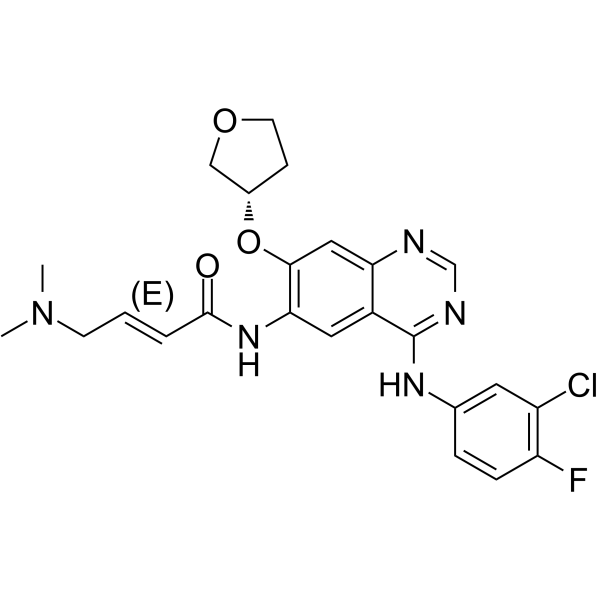 0 ImagesSynonyms: BIBW 2992Afatinib (BIBW 2992) is an orally active, potent and irreversible dual specificity inhibitor of ErbB family (EGFR and HER2), with IC50 values of 0.5 nM, 0.4 nM, 10 nM and 14 nM for EGFRwt, EGFRL858R, EGFRL858R/T790M and HER2, respectively. Afatinib can be used for the research of esophageal squamous cell carcinoma (ESCC), non-small cell lung cancer (NSCLC) and gastric cancer.
-
Tucatinib
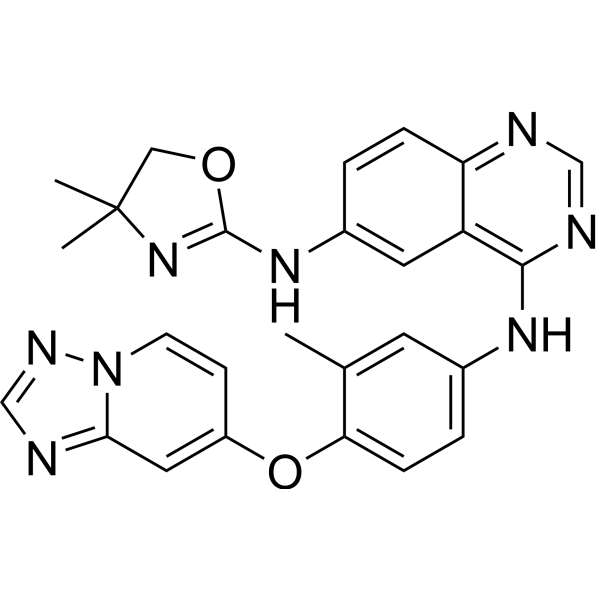 0 ImagesSynonyms: Irbinitinib; ARRY-380; ONT-380Tucatinib (Irbinitinib) is a potent, orally active and selective HER2 inhibitor with an IC50 of 8 nM.
-
Disitamab vedotin
 0 ImagesSynonyms: RC48Disitamab vedotin (RC48) is a HER2-targeted antibody-drug conjugate (ADC), formed by conjugation of the humanized anti-HER2 antibody Disitamab (HY-P99854) with drug-linker VcMMAE (HY-15575). VcMMAE consists of a cleavable MC-Val-Cit-PAB linker and the microtubule inhibitor MMAE (HY-15162). After binding to HER2 and undergoing endocytosis, Disitamab vedotin releases MMAE in lysosomes, which further inhibits microtubule assembly, arrests mitosis and induces apoptosis, while also exerting a bystander effect. Disitamab vedotin can be used in studies of HER2-positive breast cancer.
-
Canertinib
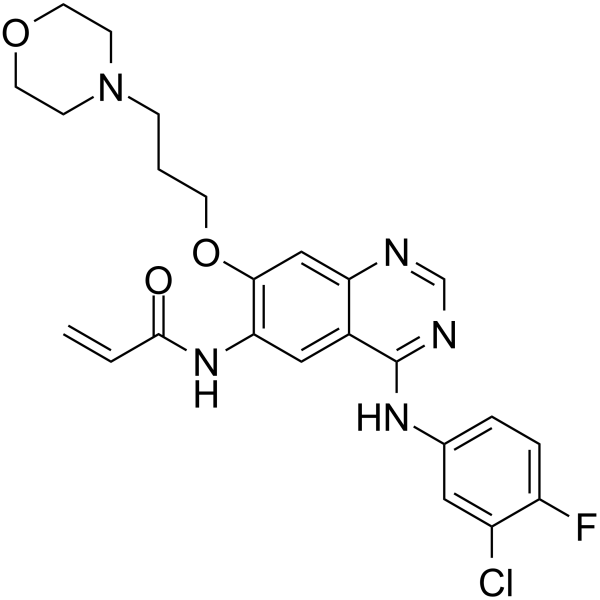 0 ImagesSynonyms: CI-1033; PD-183805

-
Zanidatamab
 0 ImagesSynonyms: ZW 25; ZW-49 AntibodyZanidatamab (ZW25) is a humanised, bispecific monoclonal antibody targeting 2 distinct HER2 epitopes (ECD2 and ECD4). Zanidatamab has anti-tumour activity.
-
Dacomitinib
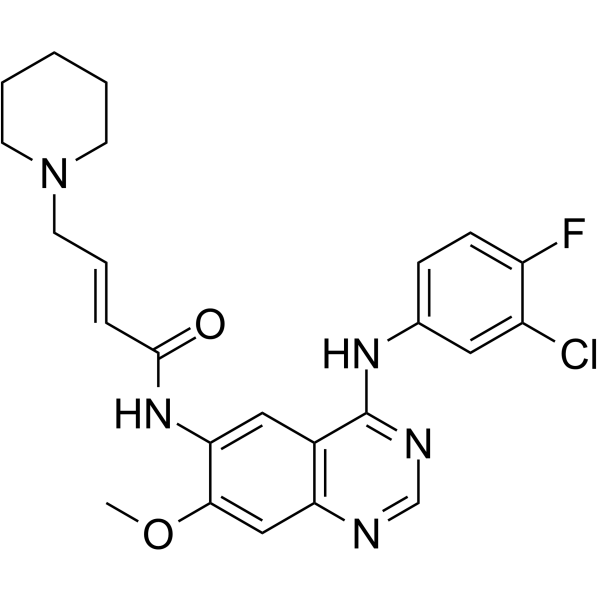 0 ImagesSynonyms: PF-00299804; PF-299804
-
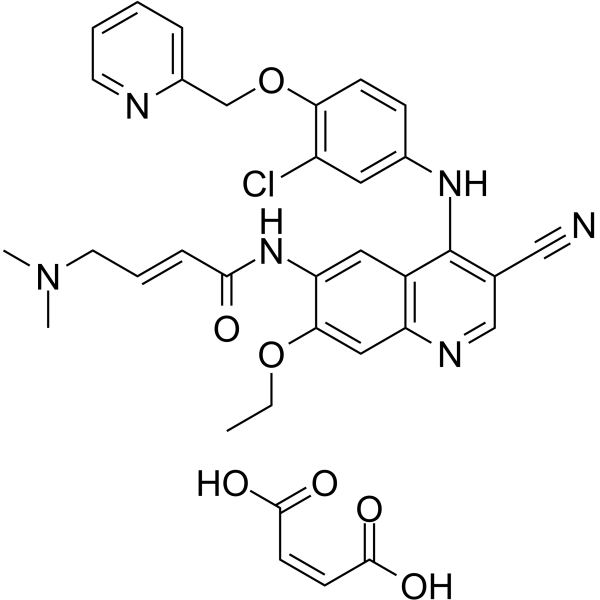
Afatinib dimaleate
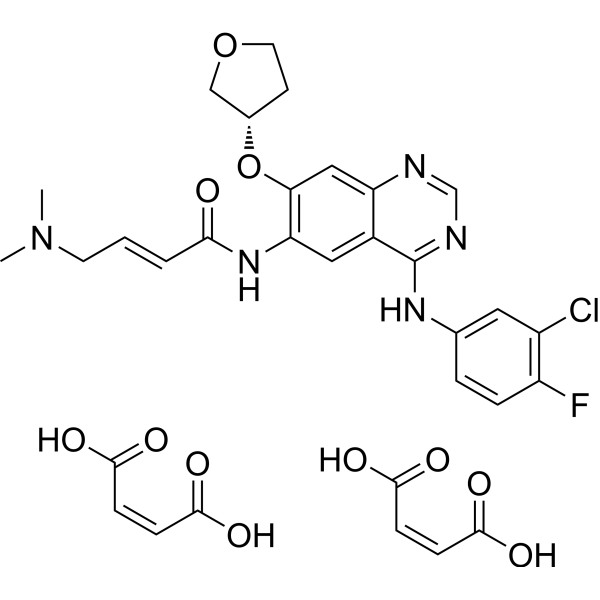 0 ImagesSynonyms: BIBW 2992MA2Afatinib (BIBW 2992) dimaleate is an orally active, potent and irreversible dual specificity inhibitor of ErbB family (EGFR and HER2), with IC50 values of 0.5 nM, 0.4 nM, 10 nM and 14 nM for EGFRwt, EGFRL858R, EGFRL858R/T790M and HER2, respectively. Afatinib dimaleate can be used for the research of esophageal squamous cell carcinoma (ESCC), non-small cell lung cancer (NSCLC) and gastric cancer.
-
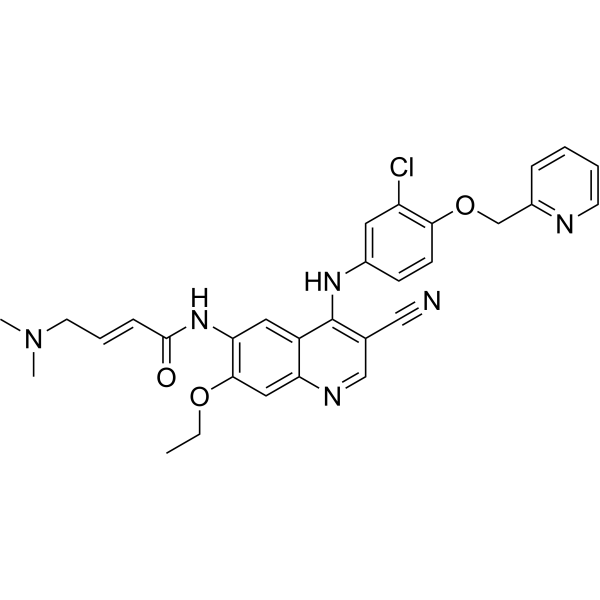
Pyrotinib
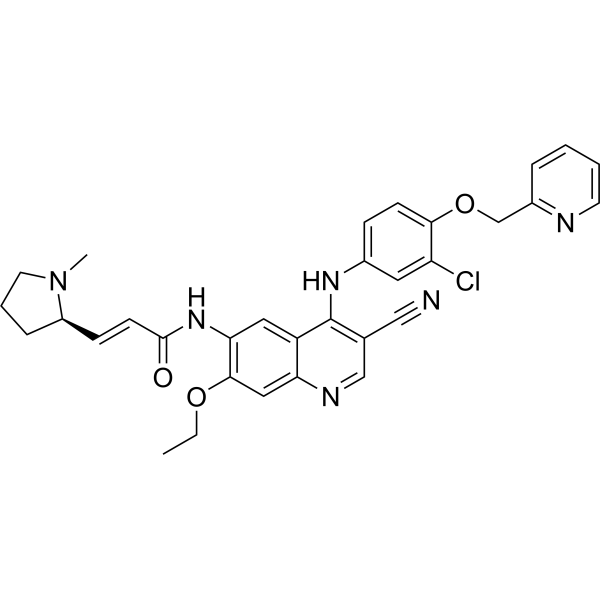 0 ImagesSynonyms: SHR-1258Pyrotinib (SHR-1258) is a potent and selective EGFR/HER2 dual inhibitor with IC50s of 13 and 38 nM, respectively.
-
Sunvozertinib
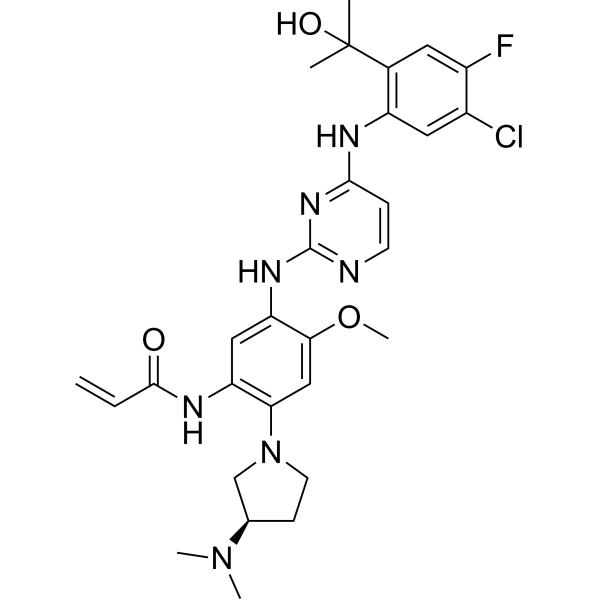 0 ImagesSynonyms: DZD9008Sunvozertinib (DZD9008) is a potent ErbBs (EGFR, Her2, especially mutant forms) and BTK inhibitor. Sunvozertinib shows IC50s of 20.4, 20.4, 1.1, 7.5, and 80.4 nM for EGFR exon 20 NPH insertion, EGFR exon 20 ASV insertion, EGFR L858R and T790M mutations, and Her2 Exon20 YVMA, and EGFR WT A431, respectively (patent WO2019149164A1, example 52).
-
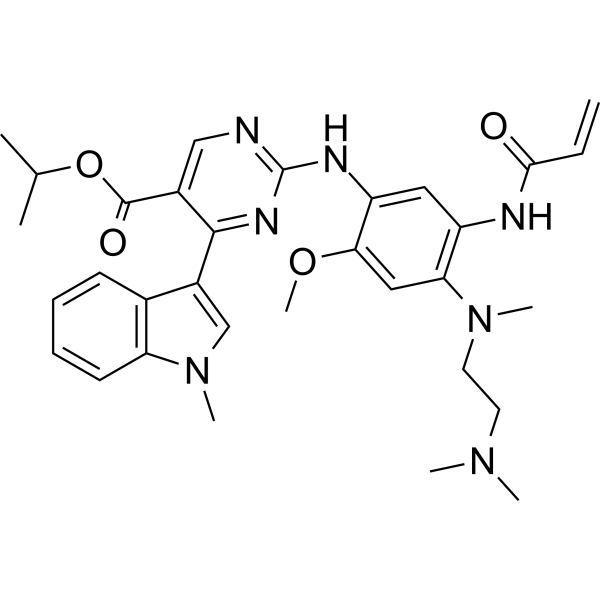
Mubritinib
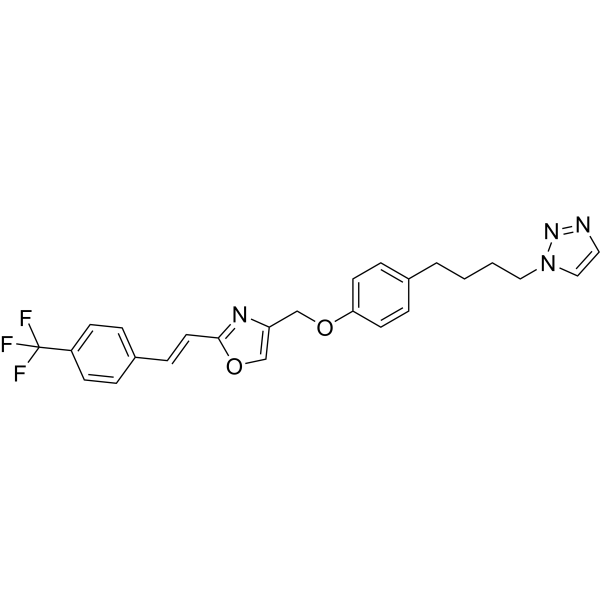 0 ImagesSynonyms: TAK-165Mubritinib (TAK-165) is a potent and selective EGFR2/HER2 inhibitor with an IC50 of 6 nM.
-
Disitamab
 0 ImagesSynonyms: RC48-0Disitamab (RC48-0) is a humanized monoclonal antibody targeting HER2. Disitamab can be used in the synthesis of antibody-drug conjugates (ADCs), Disitamab vedotin (HY-P9985).
-
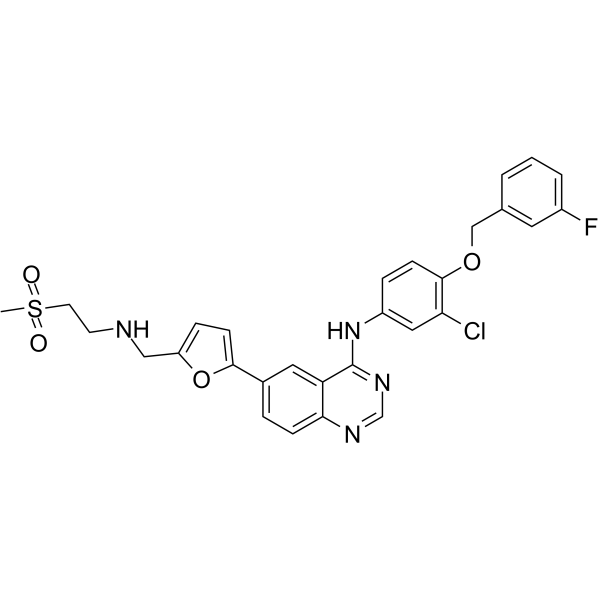
Lapatinib ditosylate
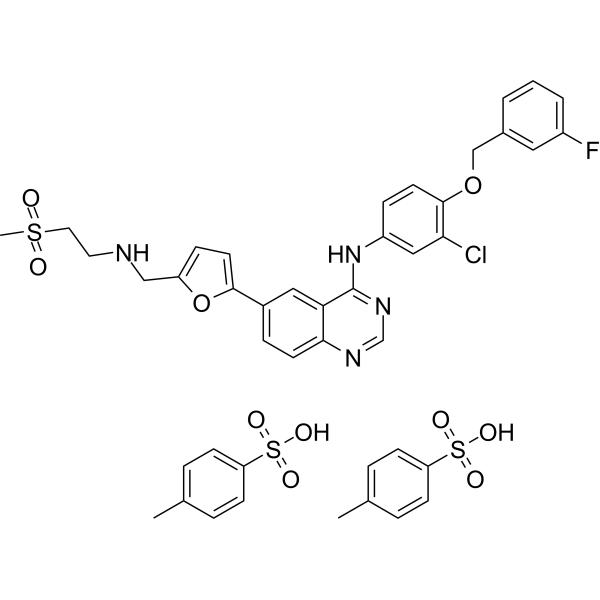 0 ImagesSynonyms: GW572016 ditosylate; GW2016 ditosylate




