



eIF4
Eukaryotic translation initiation factor 4 (eIF4) is a translation initiation complex that regulates the recruitment of ribosomes to messenger RNA (mRNA) during cap-dependent protein synthesis[1][2]. The eIF4 complex consists primarily of eIF4E, eIF4A, and eIF4G, where eIF4E binds the 5′ mRNA cap structure, eIF4A functions as an RNA helicase, and eIF4G serves as a scaffold connecting translation initiation components[1][3]. Mechanistically, eIF4 activity controls translation initiation through regulation of mRNA circularization, ribosome recruitment, and scanning of the 5′ untranslated region[2][4]. Dysregulation of eIF4-dependent translation contributes to cancer development by promoting selective protein synthesis programs that support cell proliferation and survival[5]. In cancer models, increased eIF4E expression or enhanced eIF4E activity is associated with altered translation of growth-related mRNAs and tumor progression[5][6]. Compared with related translation initiation factors, eIF4E is distinguished by its specific recognition of the mRNA 5′ cap, whereas eIF4A and eIF4G perform helicase and scaffolding functions within the same initiation complex[1][3]. For experimental applications, genetic depletion of eIF4 components and pharmacological inhibition of eIF4E-eIF4G interaction are used to investigate translational regulation and disease-associated protein synthesis[6][7]. Small-molecule inhibitors targeting eIF4A or compounds disrupting eIF4E-mediated initiation have been developed as tools to study translation-dependent cellular processes and cancer biology[7][8].
References:
- [1]. Gingras AC, et al. eIF4 initiation factors: effectors of mRNA recruitment to ribosomes and regulators of translation. Annual Review of Biochemistry. 1999;68:913-963. [Content Brief]
- [2]. Sonenberg N, et al. Regulation of translation initiation in eukaryotes: mechanisms and biological targets. Cell. 2009;136(4):731-745. [Content Brief]
- [3]. Hinnebusch AG. The scanning mechanism of eukaryotic translation initiation. Annual Review of Biochemistry. 2014;83:779-812. [Content Brief]
- [4]. Jackson RJ, et al. The mechanism of eukaryotic translation initiation and principles of its regulation. Nature Reviews Molecular Cell Biology. 2010;11(2):113-127. [Content Brief]
- [5]. Silvera D, et al. Translational control in cancer. Nature Reviews Cancer. 2010;10(4):254-266. [Content Brief]
- [6]. Truitt ML, et al. New frontiers in translational control of the cancer genome. Nature Reviews Cancer. 2016;16(5):288-304. [Content Brief]
- [7]. Pelletier J, et al. Targeting the eIF4F translation initiation complex: a critical nexus for cancer development[J]. Cancer research, 2015, 75(2): 250-263.
- [8]. Wolfe AL, et al. RNA G-quadruplexes cause eIF4A-dependent oncogene translation in cancer. Nature. 2014;513(7516):65-70. [Content Brief]
-
eIF4 Related Products (35)
Related Products (35)

-
Antibodies (5)
- 1
- 2
-
ATPγS tetralithium salt
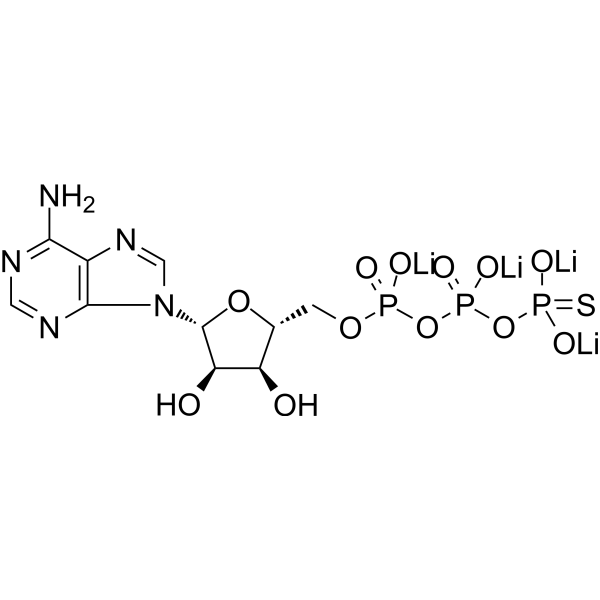 0 ImagesCat. No.: HY-108666CAS No.: 93839-89-5Synonyms: Adenosine-5'-O-3-thiotriphosphate tetralithium salt; Adenosine 5'-[γ-thio]triphosphate tetralithium saltATPγS (tetralithium salt) is a P2Y11 receptor agonist, an antioxidant and a neuroprotective agent. ATPγS (tetralithium salt) can be used as a substrate for the nucleotide hydrolysis and RNA unwinding activities of eukaryotic translation initiation factor eIF4A. ATPγS (tetralithium salt) is active in ATP hydrolysis.
-
4EGI-1
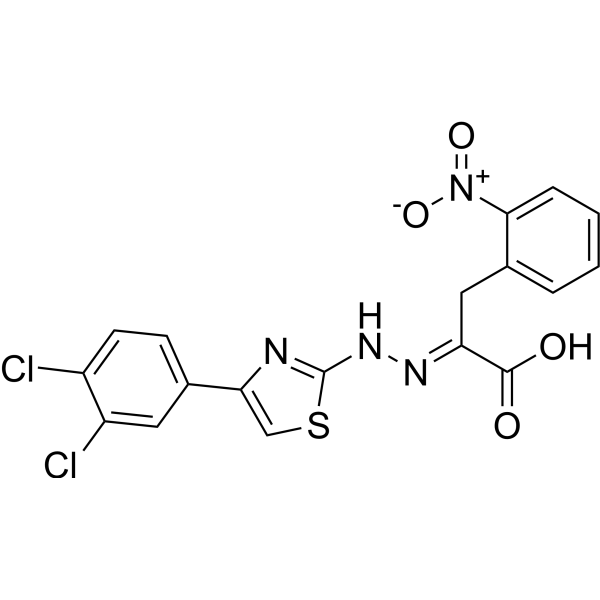 0 Images4EGI-1 is an inhibitor of eIF4E/eIF4G interaction, with a Kd of 25 μM against eIF4E binding.
-
Rocaglamide
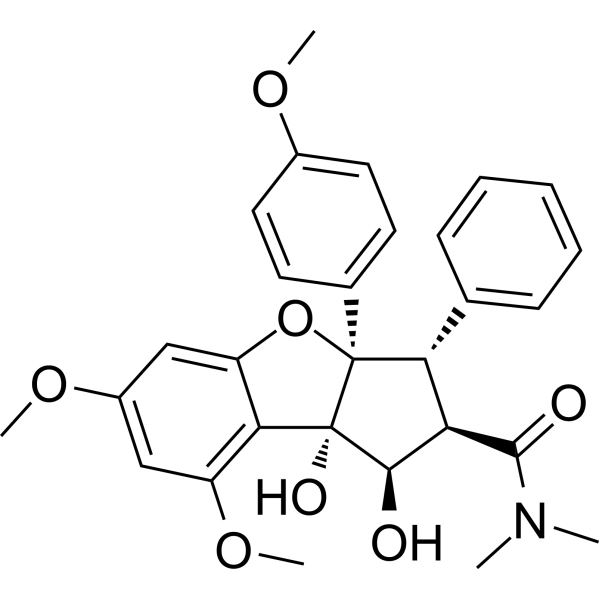 0 ImagesSynonyms: Roc-ARocaglamide (Roc-A) is isolated from the genus Aglaia and can be used for coughs, injuries, asthma and inflammatory skin diseases. Rocaglamide is a potent inhibitor of NF-κB activation in T-cells. Rocaglamide is a potent and selective heat shock factor 1 (HSF1) activation inhibitor with an IC50 of ~50 nM. Rocaglamide inhibits the function of the translation initiation factor eIF4A. Rocaglamide also has anticancer properties in leukemia.
-
Zotatifin
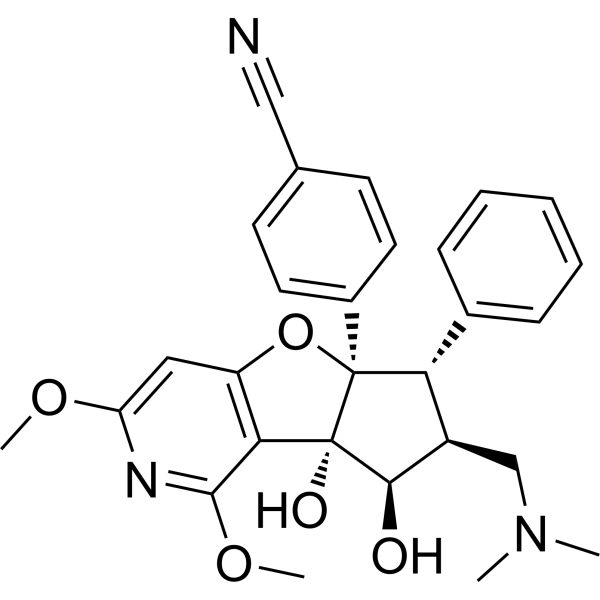 0 ImagesSynonyms: eFT226Zotatifin (eFT226) is a potent, selective, and well-tolerated eIF4A inhibitor. Zotatifin promotes eIF4A binding to specific mRNA sequences with recognition motifs in the 5’-UTRs (IC50=2 nM) and interferes with the assembly of the eIF4F initiation complex. Zotatifin shows robust antiviral effects, it effectively reduces viral infectivity by inhibiting SARS-CoV-2 NP protein biogenesis (IC90=37 nM). Zotatifin induces cell apoptosis.
-
Silvestrol
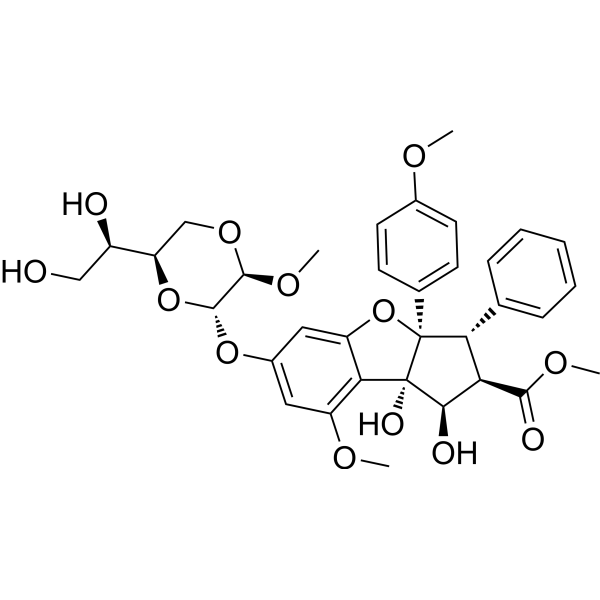 0 ImagesSynonyms: (-)-Silvestrol
-
eIF4A3-IN-8
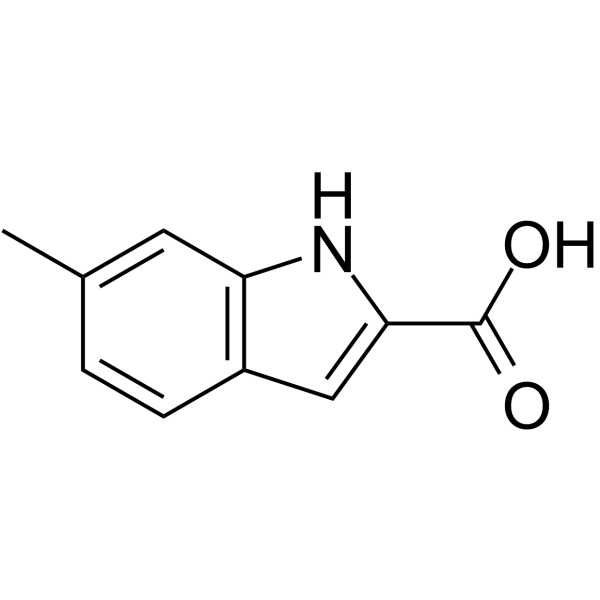 0 ImageseIF4A3-IN-8 serves as a negative control targeting eukaryotic initiation factor 4A3 (eIF4A3), with an IC50 > 100 μM; it exhibits no significant activity.
-
PROTAC MNK1 degrader-1
 0 ImagesSynonyms: P11-2PROTAC MNK1 degrader-1 is a selective MNK1 PROTAC degrader with a DC50 of 11.92 nM, and a Dmax > 96% in MV4-11 cells. PROTAC MNK1 degrader-1 significantly reduces p-eIF4E (IC50: 22.07 nM), induces apoptosis, and arrests the cell cycle at the G1 phase. PROTAC MNK1 degrader-1 has potent antitumor activity. PROTAC MNK1 degrader-1 has robust antileukemic efficacy in MV4-11 xenograft mice model with acceptable drug safety.
-
(S)-DMP2
 0 ImagesCat. No.: HY-187368(S)-DMP2 is a benzoxaborole-derived photoaffinity probe that efficiently enriches eukaryotic translation initiation factor 4E (eIF4E) with stereoselectivity. (S)-DMP2 acts as a cap-binding competitive inhibitor that competes with the 7-methylguanosine cap of mRNA for binding at the cap-binding pocket of eIF4E, covalently modifies residues within this pocket, and impairs the cap-binding ability of eIF4E. (S)-DMP2 is applicable to research on eIF4E-related mechanisms and diseases.
-
m7GpppAmpG ammonium solution (100 mM)
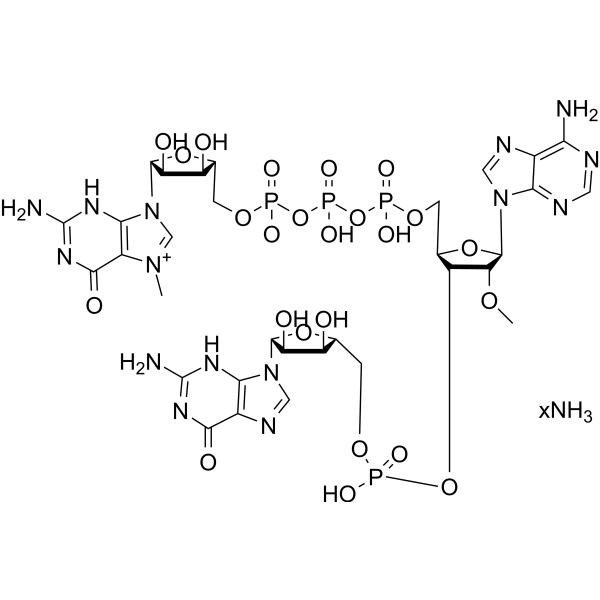 0 ImagesSynonyms: m7G(5')ppp(5')(2'OMeA)pG ammoniumm7GpppAmpG ammonium (m7G(5')ppp(5')(2'OMeA)pG ammonium) is a trinucleotide 5′ end cap analog. m7GpppAmpG ammonium binds to eIF4E with a KD value of 45.6 nM. m7GpppAmpG ammonium caps RNA with a capping efficiency of 90%. m7GpppAmpG ammonium enhances mRNA stability and translation efficiency. m7GpppAmpG ammonium is used in mRNA therapeutic research.
-
CR-1-31-B
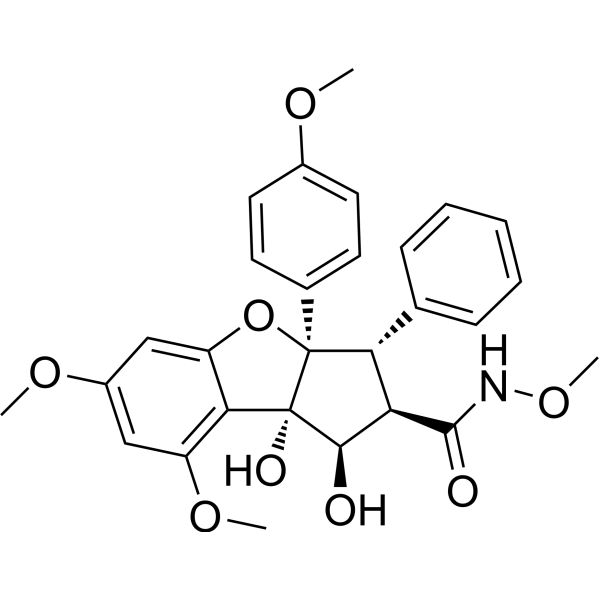 0 ImagesCR-1-31-B is a synthetic rocaglate and a potent eIF4A inhibitor. CR-1-31-B exhibits powerful inhibitory effects over eIF4A by perturbing the interaction between eIF4A and RNA, sequentially impeding initiation during protein synthesis. CR-1-31-B perturbs association of Plasmodium falciparum eIF4A (PfeIF4A) with RNA. CR-1-31-B induces apoptosis of neuroblastoma and gallbladder cancer cells.
-
4E1RCat
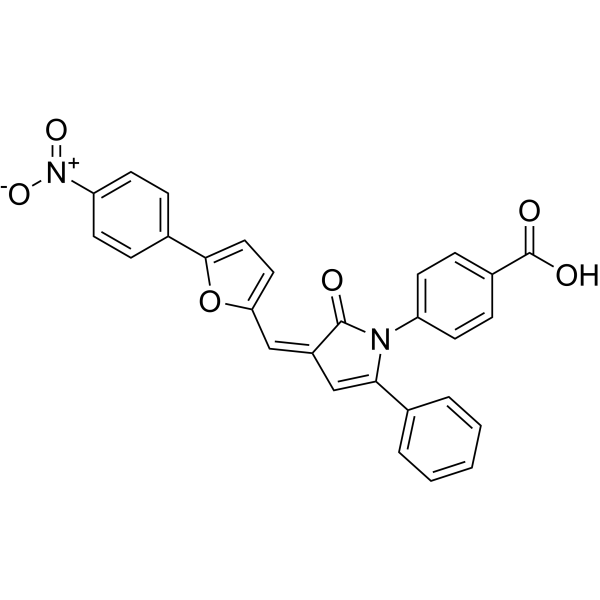 0 Images4E1RCat is an inhibitor of cap-dependent translation, and inhibits eIF4E:eIF4GI interaction, with an IC50 an of ~4 μM.
-
eIF4A3-IN-1
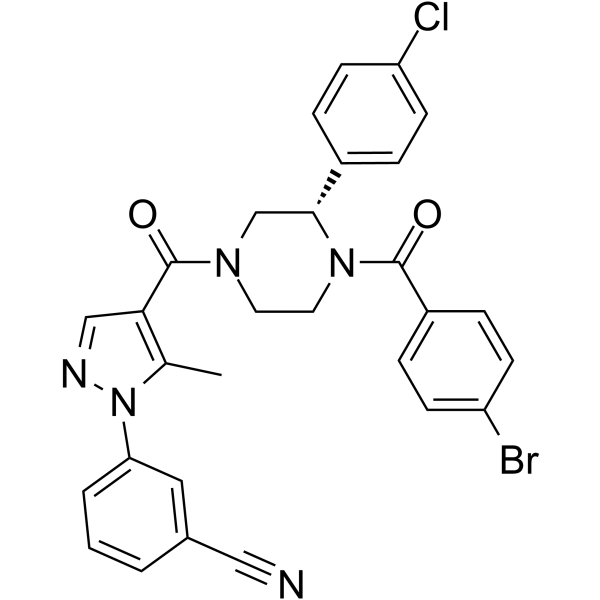 0 ImageseIF4A3-IN-1 is a selective eIF4A3 inhibitor (IC50: 0.26 μM; Kd: 0.043 μM) with cellular nonsense-mediated RNA decay (NMD) inhibitory activity. eIF4A3-IN-1 can specifically bind to the non-ATP binding site of eIF4A3. eIF4A3-IN-1 has anti-tumor and analgesic activities.
-
SBI-0640756
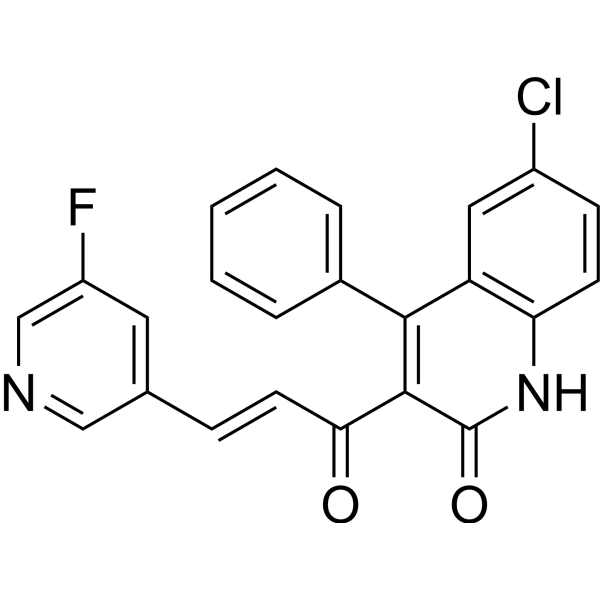 0 ImagesSynonyms: SBI-756SBI-0640756 (SBI-756) is an inhibitor of eIF4G1 and disrupts the eIF4F complex.
-
eIF4A3-IN-2
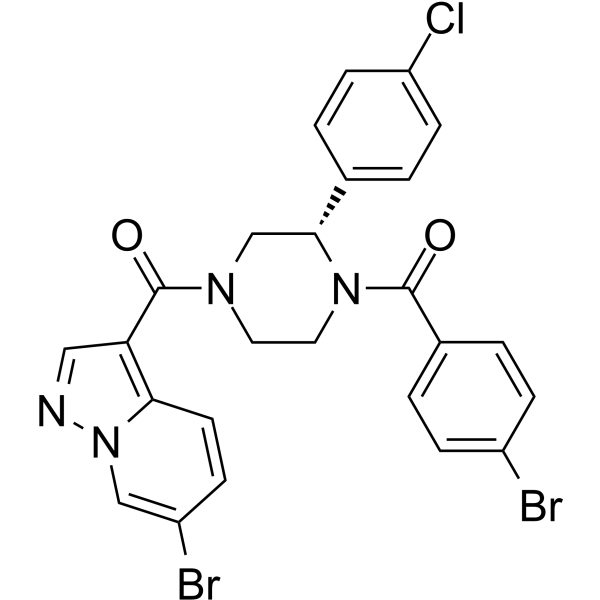 0 ImageseIF4A3-IN-2 is a highly selective and noncompetitive eukaryotic initiation factor 4A-3 (eIF4A3) inhibitor with an IC50 of 110 nM.
-
Ganoderma lucidum polysaccharide
 0 ImagesCat. No.: HY-159059Ganoderma Lucidum/Reishi Extract is a Ganoderma lucidum extract. Ganoderma Lucidum/Reishi Extract reduces the expression of c-Myc, BCL-2, BCL-XL, TERT, PDGFB, eIF4G, Survivin, β-catenin, and eIF4E. Ganoderma Lucidum/Reishi Extract downregulates the gene expression of MMP-9. Ganoderma Lucidum/Reishi Extract upregulates the expression of IL8. Ganoderma Lucidum/Reishi Extract is applicable to the research of inflammatory breast cancer. Ganoderma Lucidum is used in the research of various diseases, such as allergy, arthritis, hypertension, neurasthenia, inflammation, and cancer.
-
eIF4E-IN-2
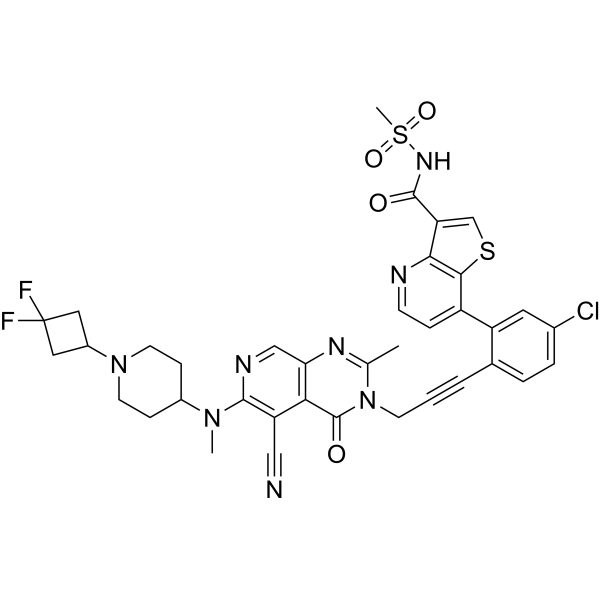 0 ImageseIF4E-IN-2 is a potent inhibitor of eukaryotic initiation factor 4e (eIF4e) with an IC50 of 13 nM. eIF4E-IN-2 inhibits MDA-MB-361 cells proliferation. eIF4E-IN-2 can be used for the study of breast cancer.
-
Briciclib
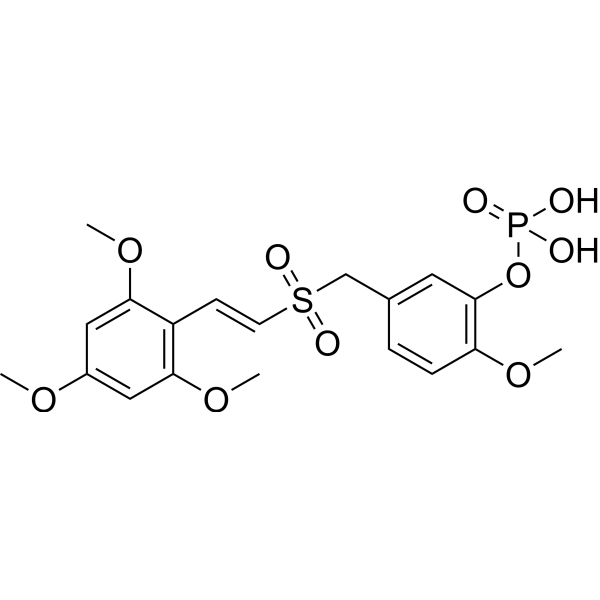 0 ImagesSynonyms: ON 014185Briciclib (ON 014185) is a eukaryotic translation initiation factor 4E (eIF4E) inhibitor. Briciclib exhibits broad-spectrum anti-cancer activity, including in mantle cell leukemia, breast cancer, gastric cancer, and esophageal cancer cells. Briciclib reduces the expression of cyclin D1 and c-Myc, and enhances the expression of P53 and Cleaved Caspase 3 pro-apoptotic proteins. Briciclib can be used for the study of hematological system tumors and solid tumors.
-
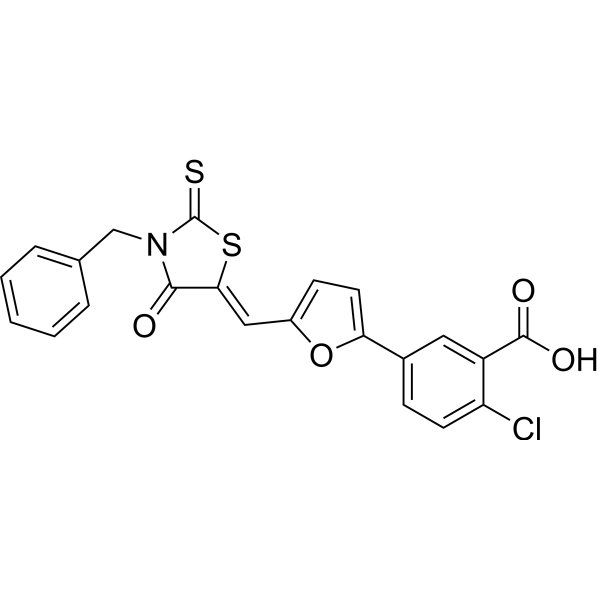
β-S-ARCA triammonium
 0 ImagesCat. No.: HY-145969APurity: 99.48%Synonyms: 3’-O-Me-m7G(5')ppp(5')G triammoniumβ-S-ARCA (3'-O-Me-m7G(5')ppp(5')G) triammonium is a mRNA 7-methylguanosine (m7G) cap analog carrying a phosphorothioate (PS) moiety. β-S-ARCA triammonium binds eIF4E via electrostatic interactions between its β-sulfur atom and positively charged Arg and Lys residues in the protein binding site. β-S-ARCA triammonium prevents the decapping by Dcp2, increases the mRNA half-life, enhances cap-dependent translation, and increases protein expression in cells. β-S-ARCA triammonium has been applied in researching experimental mRNA-based anticancer vaccines.
-
(Z)-4EGI-1
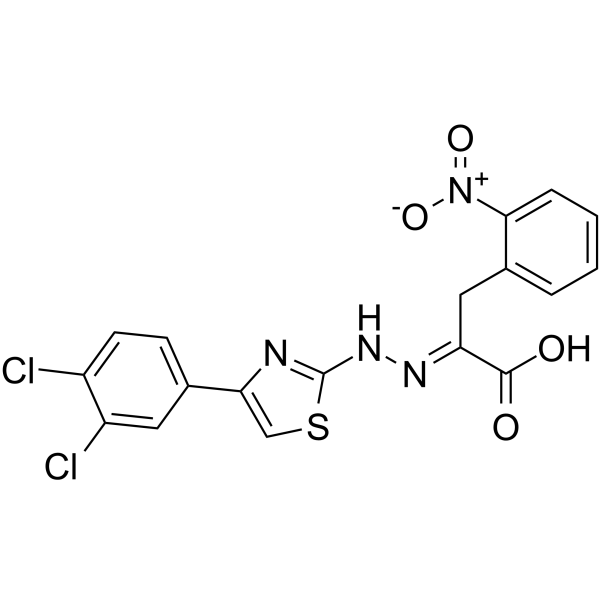 0 Images(Z)-4EGI-1 is the Z-isomer of 4EGI-1 and is an inhibitor of eIF4E/eIF4G interaction and of translation initiation. (Z)-4EGI-1 effectively binds to eIF4E with an IC50 of 43.5 μM and a Kd value of 8.74 μM. (Z)-4EGI-1 has anticancer activity.
- 1
- 2




