



FAK Inhibitor
-
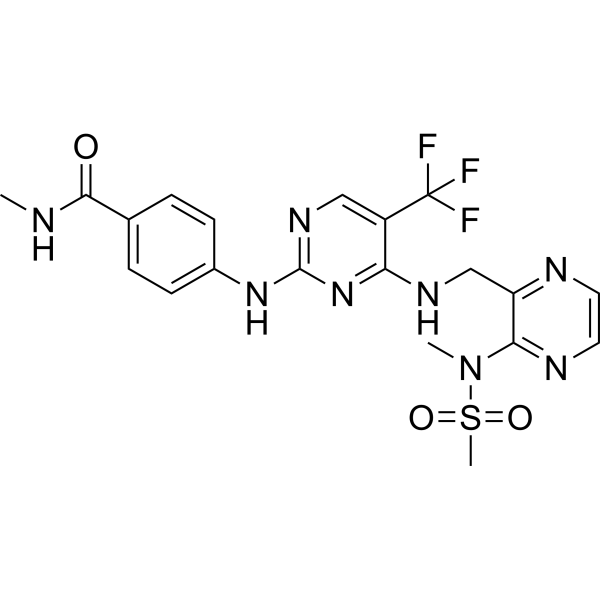
PF-573228
 0 Images
PF-573228 is a potent and selective FAK inhibitor with IC50 of 4 nM for purified recombinant catalytic fragment of FAK.
-
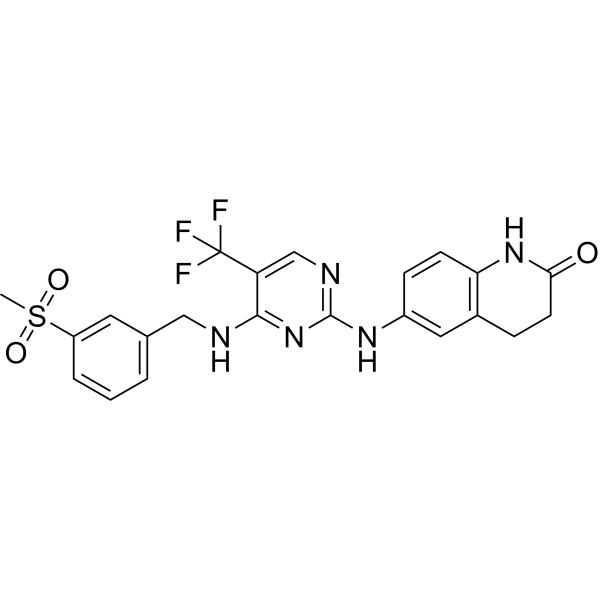
PF-562271
 0 ImagesSynonyms: VS-6062
PF-562271 (VS-6062) is an orally active, ATP-competitive, reversible FAK/Pyk2 inhibitor, with an IC50 of 1.5 nM for FAK and 13 nM for Pyk2. PF-562271 induces tumor regression, and inhibits tumor growth, invasion and metastasis. PF-562271 exerts no effect on tumor necrosis, angiogenesis or apoptosis in an orthotopic mouse model of pancreatic ductal adenocarcinoma. When combined with Sunitinib (HY-10255A), PF-562271 reduces tumor vascularization, decreases serum alpha-fetoprotein levels and improves cachexia. PF-562271 can be used in research related to prostate cancer, breast cancer, pancreatic cancer, colon cancer, glioblastoma, lung cancer, pancreatic ductal adenocarcinoma and hepatocellular carcinoma.
-
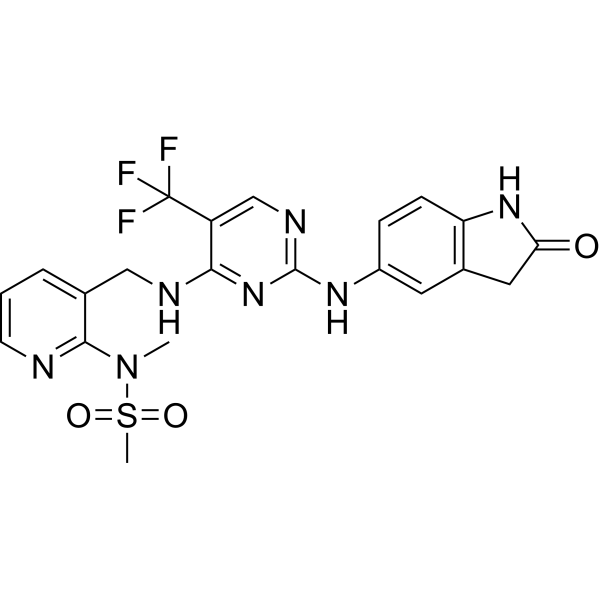
Ifebemtinib
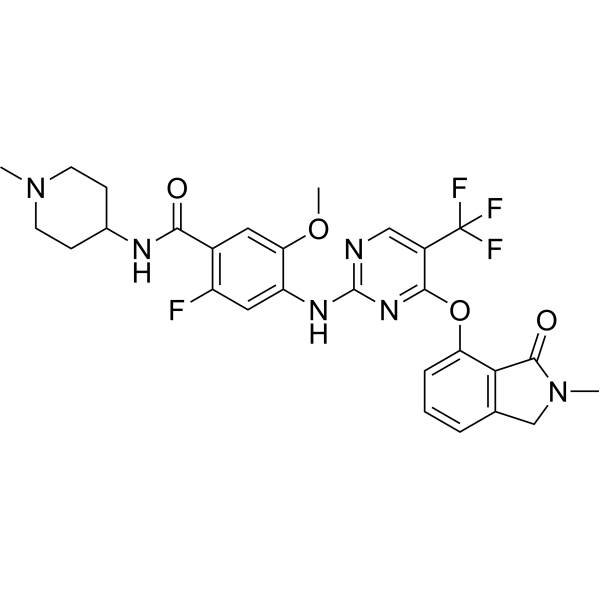 0 ImagesSynonyms: BI-853520; IN-10018
Ifebemtinib (BI 853520) is an orally active and potent focal adhesion kinase (FAK) inhibitor (recombinant FAK IC50=1 nM). Ifebemtinib shows anti-proliferative activity against cancer cells. Ifebemtinib inhibits FER Kinase and FES Kinase with IC50s of 900 nM and 1040 nM, respectively.
-
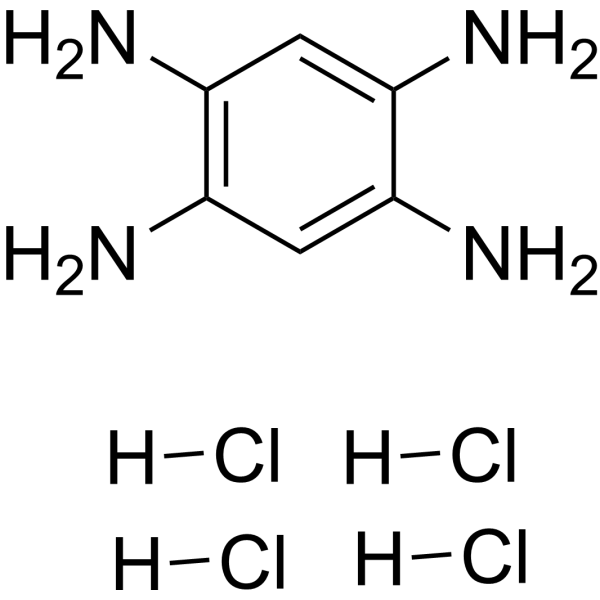
Keracyanin chloride
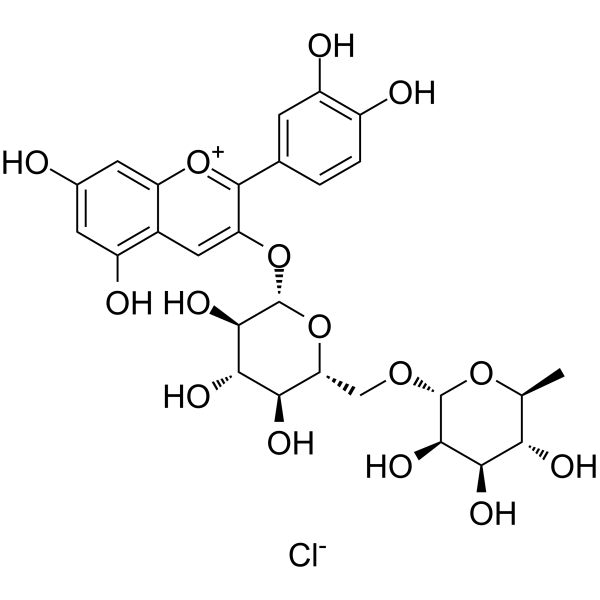 0 ImagesSynonyms: Cyanidin 3-rutinoside chloride; Cyanidin 3-O-rutinoside chloride; Sambucin chloride
Keracyanin chloride inhibits NF-κB/FAK/MAPK signaling pathway. Keracyanin chloride exhibits antioxidant, anti-inflammatory and hypoglycemic effects, and is orally active.
-
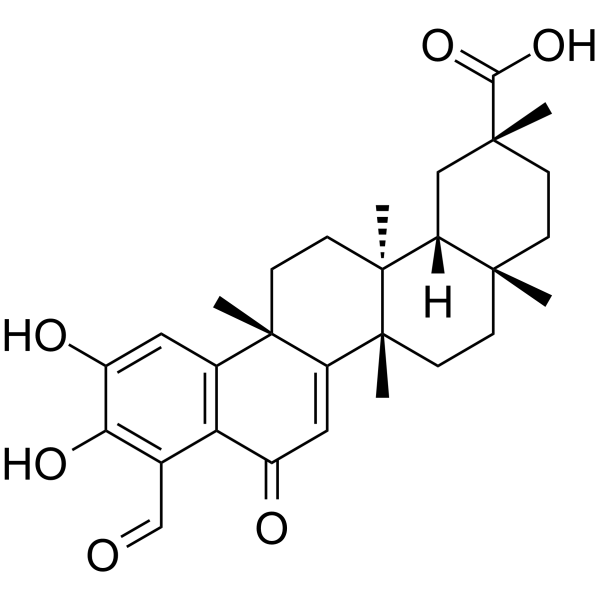
Demethylzeylasteral
 0 Images
Demethylzeylasteral is an orally active triterpenoid compound isolated from Tripterygium wilfordii, which has functions such as anti-inflammatory, anti-tumor, anti fertility, estrogen metabolism regulation, immune suppression, and immune system regulation [1][2].
-
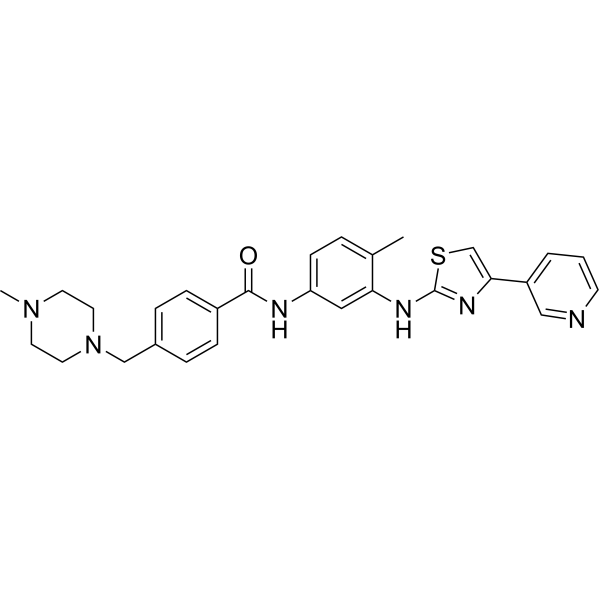
Masitinib
 0 ImagesSynonyms: AB1010
Masitinib (AB1010) is a potent, orally bioavailable, and selective inhibitor of c-Kit (IC50=200 nM for human recombinant c-Kit). It also inhibits PDGFRα/β (IC50s=540/800 nM), Lyn (IC50= 510 nM for LynB), Lck, and, to a lesser extent, FGFR3 and FAK. Masitinib (AB1010) has anti-proliferative, pro-apoptotic activity and low toxicity.
-
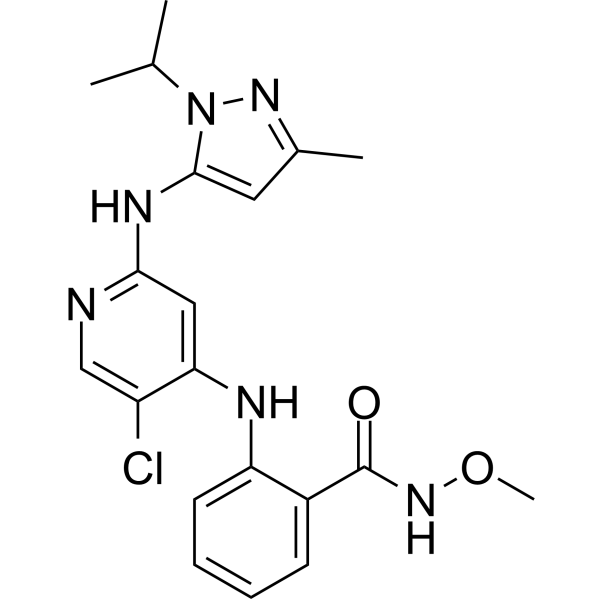
GSK2256098
 0 Images
GSK2256098 is a selective FAK kinase inhibitor, which inhibits growth and survival of pancreatic ductal adenocarcinoma cells.
-
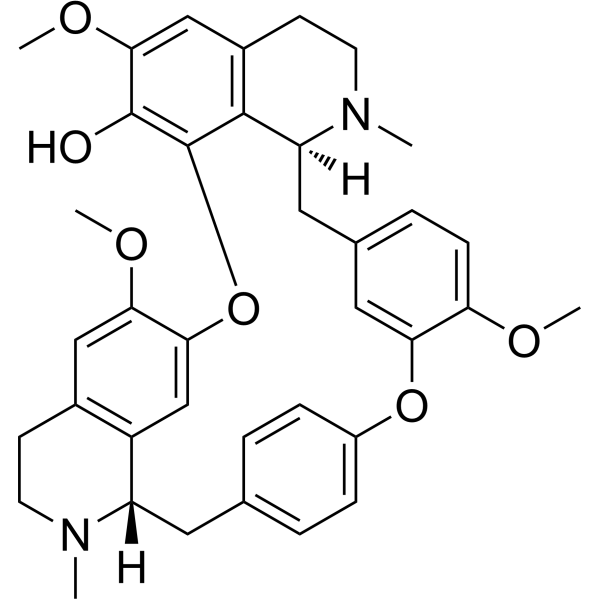
Fangchinoline
 0 Images
Fangchinoline is isolated from Stephania tetrandra with extensive biological activities, such as enhancing immunity, anti-inflammatory sterilization and anti-atherosclerosis. Fangchinoline, a novel HIV-1 inhibitor, inhibits HIV-1 replication by impairing gp160 proteolytic processing. Fangchinoline targets Focal adhesion kinase (FAK) and suppresses FAK-mediated signaling pathway in tumor cells which highly expressed FAK. Fangchinoline induces apoptosis and adaptive autophagy in bladder cancer.
-
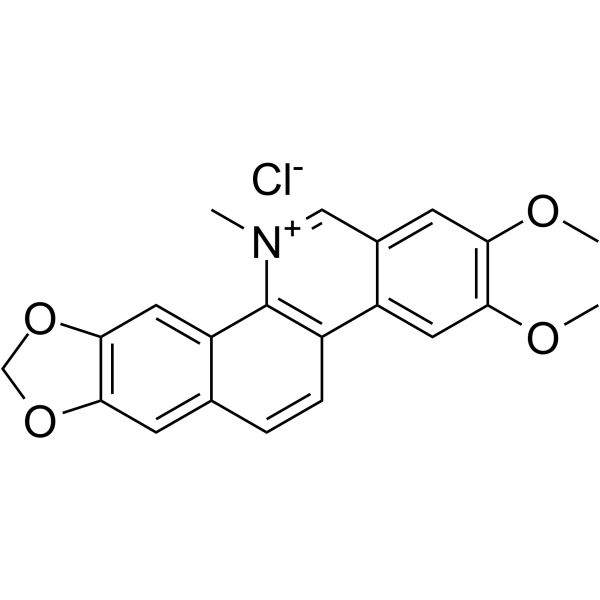
Nitidine chloride
 0 Images
Nitidine chloride, a potential anti-malarial lead compound derived from Zanthoxylum nitidum (Roxb) DC, exerts potent anticancer activity through diverse pathways, including inducing apoptosis, inhibiting STAT3 signaling cascade, DNA topoisomerase 1 and 2A, ERK and c-Src/FAK associated signaling pathway, also has anti-inflammatory activity. Nitidine chloride inhibits LPS-induced inflammatory cytokines production via MAPK and NF-kB pathway.
-
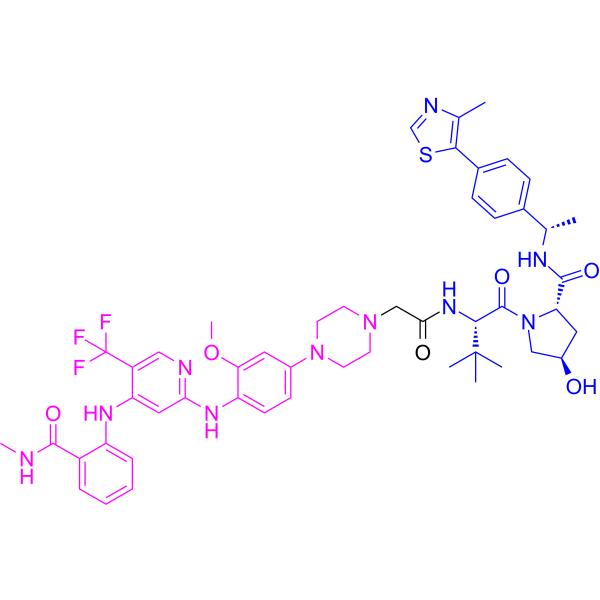
GSK215
 0 Images
GSK215 is a potent and selective PROTAC focal adhesion kinase (FAK) degrader with a pDC50 of 8.4. GSK215 is designed by a binder for the VHL E3 ligase and the FAK inhibitor VS-4718. GSK215 induces rapid and prolonged FAK degradation, giving a long-lasting effect on FAK levels and a marked pharmacokinetic/pharmacodynamics (PK/PD) disconnect.
-
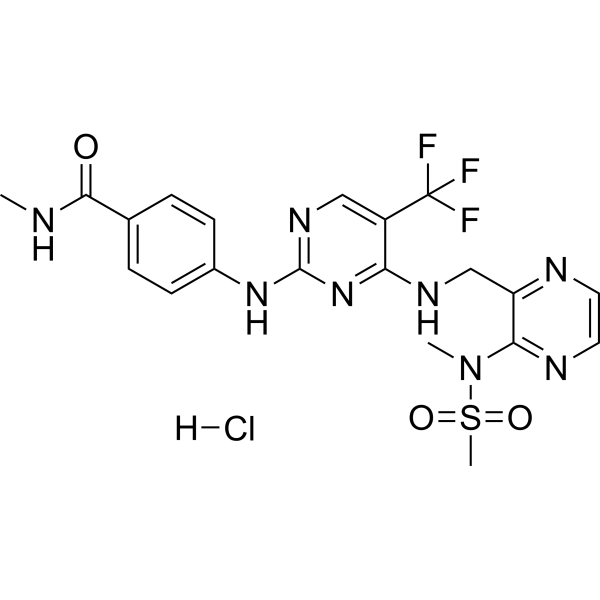
Defactinib hydrochloride
 0 ImagesSynonyms: VS-6063 hydrochloride; PF 04554878 hydrochloride
-
PRT062607 Hydrochloride
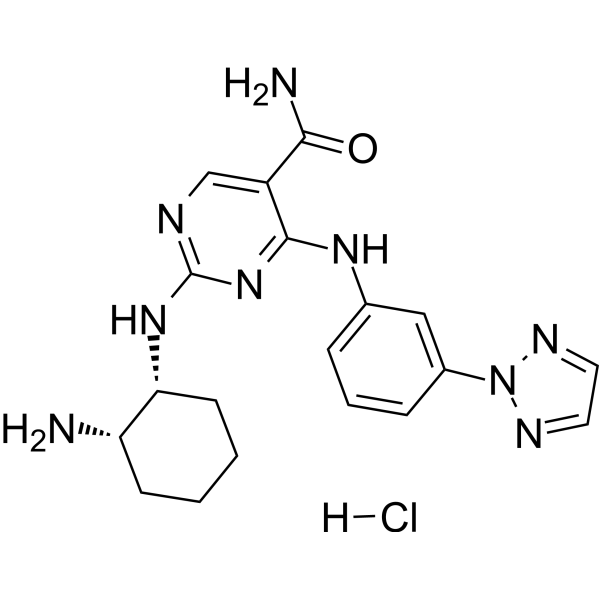 0 ImagesSynonyms: P505-15 Hydrochloride
-
NVP-TAE 226
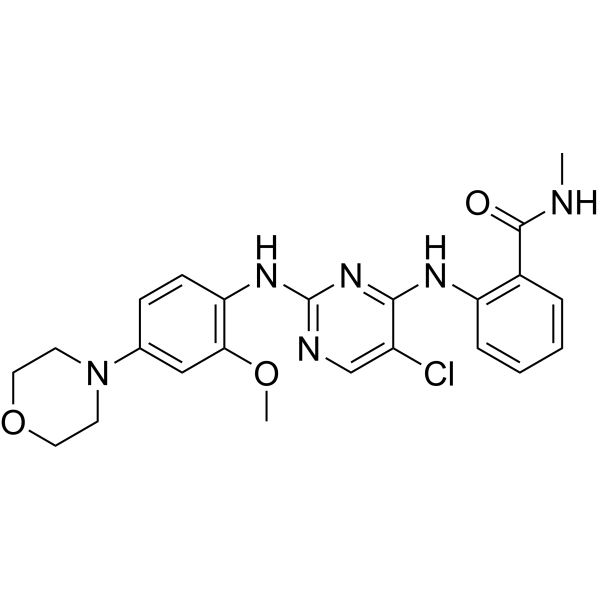 0 ImagesSynonyms: TAE226
NVP-TAE 226 (TAE226) is a potent and ATP-competitive dual FAK and IGF-1R inhibitor with IC50s of 5.5 nM and 140 nM, respectively. NVP-TAE 226 (TAE226) also effectively inhibits Pyk2 and insulin receptor (InsR) with IC50s of 3.5 nM and 44 nM, respectively.
-
Squalamine
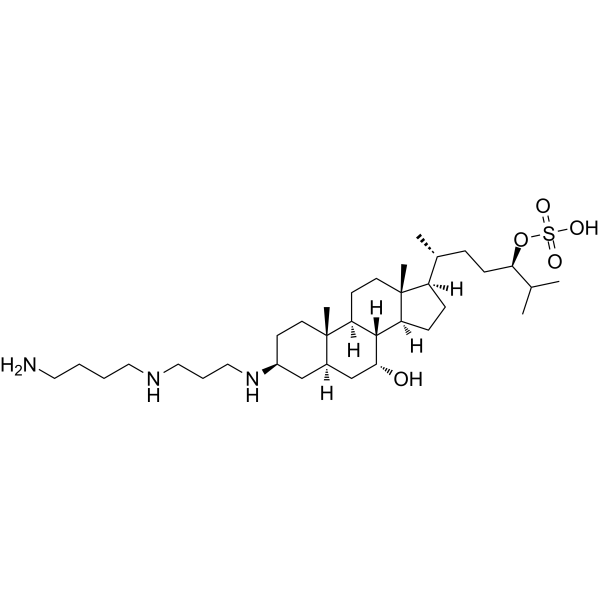 0 ImagesSynonyms: MSI-1256; ENT-01 free acid
Squalamine (MSI-1256) is an aminosterol compound with broad-spectrum antiviral activity. Squalamine makes cells less conducive to certain viral replication by altering the electrostatic interactions in the inner membrane of host cells. Squalamine also has antibacterial and antitumor activities. Squalamine has broad-spectrum antibacterial activity against Gram-negative and Gram-positive bacteria, fungi and protozoa. Squalamine inhibits tumor-related angiogenesis and the growth of human breast cancer cells. Squalamine restores the function of enteric nervous system in Parkinson,s disease mouse models.
-
PND-1186 hydrochloride
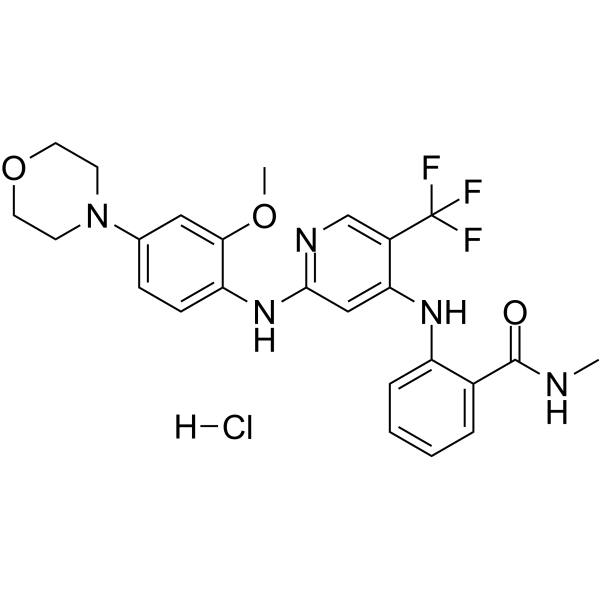 0 ImagesSynonyms: VS-4718 hydrochloride; SR-2516 hydrochloride



