1. シグナル伝達
  2. Metabolic Enzyme/Protease
  3. Endogenous Metabolite

Endogenous Metabolite

Endogenous metabolites refer to the collective set of small-molecule chemical substances present within organelles, cells, organs, biological fluids, or entire organisms; their molecular weights are typically less than 1500 Da. These endogenous metabolites—including lipids, amino acids, short peptides, nucleic acids, carbohydrates, alcohols, and organic acids—not only participate in signal transduction governing genomic function but also receive upstream signals from the environment, thereby bridging the interrelationships among genotype, environment, and phenotype. Based on their biological functions, microbial endogenous metabolites can be broadly classified into two categories: primary metabolites and secondary metabolites. Primary metabolites are the core molecules essential for supporting microbial growth and proliferation; they serve to provide energy to the microbes or act as precursors and cofactors for the synthesis of biological macromolecules. In contrast, microbial secondary metabolites are a class of low-molecular-weight products that are not strictly essential for microbial growth. Nevertheless, microbial secondary metabolites include numerous substances—such as antibiotics, anti-tumor agents, and cholesterol-lowering agents—that are of critical importance to human health[1][2][3]. Furthermore, the metabolome of a biological organism is influenced by a variety of endogenous factors, including age, sex, body composition, genetic background, and underlying pathological states. The small-molecule metabolites within an organism are diverse and highly distinct; their levels are typically subject to the synergistic regulation of a vast array of enzymes and transport proteins, undergoing processes of synthesis, transformation, degradation, and compartmentalized distribution. Metabolomics research based on endogenous metabolites has been widely applied in the fields of metabolic disorders, neurodegenerative diseases, cancer, cardiovascular diseases, and infectious diseases, where these metabolites hold potential utility as biomarkers or therapeutic targets[1][2][3].

製品番号 製品名 製品効果 純度 構造式
  • HY-129459
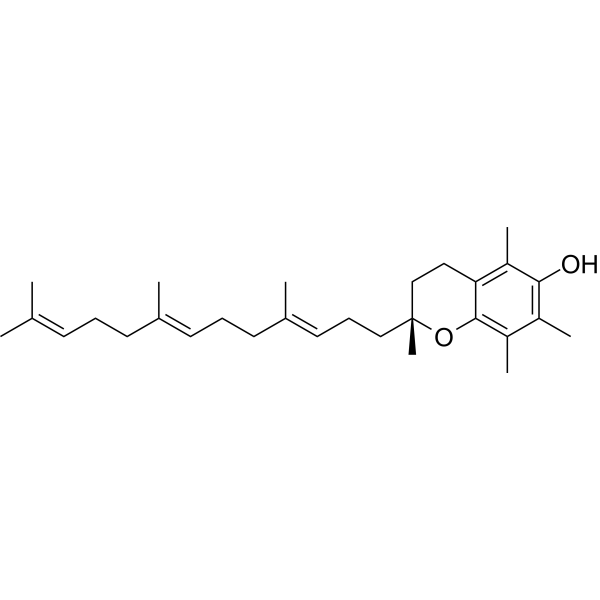
    α-Tocotrienol

    α-トコトリエノール

    99.70%
    α-Tocotrienol is an isoform of vitamin E and found in vegetables, fruits, seeds, nuts, grains, and oils. Vitamin E plays a role as an antioxidant, in lowering cholesterol and other lipids, as a neuroprotective and anticancer agent, and in cardiovascular disease protection.
    α-Tocotrienol
  • HY-W009444
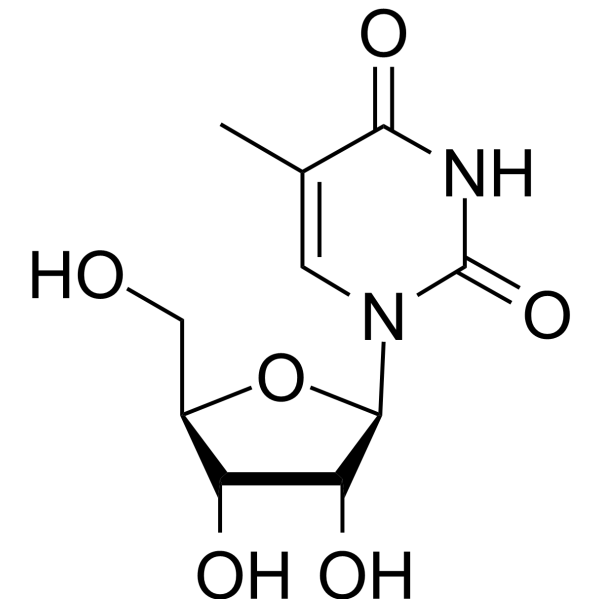
    5-Methyluridine

    5-Methyluridine

    99.89%
    5-Methyluridine (m5U) is an RNA modified nucleotide generated by RNA methyltransferases (such as TrmA and RumA), which mainly targets specific uracil sites in RNA molecules such as the T arm of tRNA and rRNA. 5-Methyluridine relies on enzyme recognition of RNA secondary/tertiary structures (such as the T loop of tRNA or the specific stem-loop structure of rRNA) and participates in physiological processes such as translation accuracy and ribosome function by stabilizing RNA folding or regulating base pairing.
    5-Methyluridine
  • HY-P2806
    Pyruvate Kinase, Microorganism

    ピルビン酸キナーゼ 微生物由来

    Pyruvate Kinase, Microorganism (PK) is a glycolytic enzyme that catalyzes the conversion of phosphoenolpyruvate and ADP to pyruvate and ATP.
    Pyruvate Kinase, Microorganism
  • HY-P2875
    Hemicellulase
    Hemicellulase is a hemicellulose-targeting hydrolase that breaks down the binding of glucose and polymers to water molecules present in plant fibers. Hemicellulase specifically degrades hemicellulose (such as xylan and mannan) in plant cell walls by hydrolyzing β-1,4-xylosidic bonds and ester bonds (such as acetyl and ferulic acid ester bonds). Hemicellulase relies on the synergistic action of the glycoside hydrolase (GH) and carbohydrate esterase (CE) families to achieve efficient hydrolysis through acid-base catalysis (such as Glu/Asp residues) and substrate binding pockets. Hemicellulase can be used in the food industry (such as improving bread texture), biofuel production (lignocellulose pretreatment) and paper industry (biobleaching).
    Hemicellulase
  • HY-N1428R
    Citric acid (standard)
    Citric acid (Standard) is the analytical standard of Citric acid (HY-N1428). This product is intended for research and analytical applications. Citric acid is a natural preservative and food tartness enhancer. Citric acid induces apoptosis and cell cycle arrest at G2/M phase and S phase in HaCaT cells. Citric acid cause oxidative damage of the liver by means of the decrease of antioxidative enzyme activities. Citric acid is also an acidulant, emulsifier, sequestrant and buffering agent widely used across many industries.
    Citric acid (standard)
  • HY-Y0252R
    L-Proline (Standard)
    L-Proline (Standard) is the analytical standard of L-Proline. This product is intended for research and analytical applications. L-Proline is one of the twenty amino acids used in living organisms as the building blocks of proteins.
    L-Proline (Standard)
  • HY-112537S1
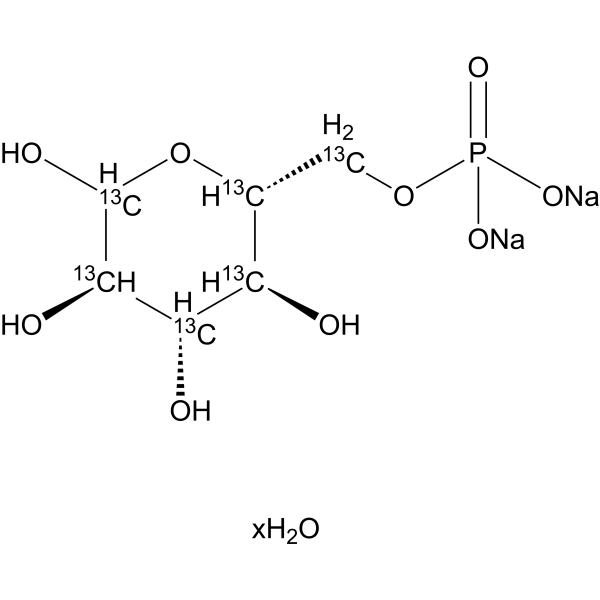
    D-Glucose 6-Phosphate-13C6 (disodium xhydrate) 99.6%
    D-Glucose 6-Phosphate-13C6 disodium xhydrate is a 13C-labeled D-Glucose 6-phosphate disodium xhydrate. D-Glucose 6-phosphate disodium xhydrate is a key central node metabolite in sugar metabolism, serving as the initial metabolite of glycolysis and pentose phosphate pathway, and also a substrate for glycogen synthesis. D-Glucose 6-phosphate disodium xhydrate can act as a metabolic stress signal, especially when phosphoglucomutase (PGI) is inhibited, activating the mTOR pathway, promoting protein synthesis, and thereby participating in the remodeling process of the heart. D-Glucose 6-phosphate disodium xhydrate can be used in research related to non-insulin-dependent diabetes and heart failure.
    D-Glucose 6-Phosphate-<sup>13</sup>C<sub>6</sub> (disodium xhydrate)
  • HY-Y0252S1
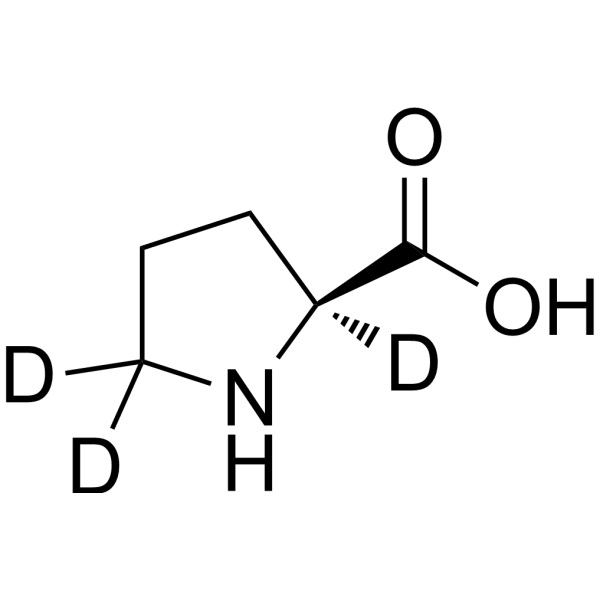
    L-Proline-d3 99.56%
    L-Proline-d3 is the deuterium labeled L-Proline. L-Proline is one of the twenty amino acids used in living organisms as the building blocks of proteins.
    L-Proline-d<sub>3</sub>
  • HY-W011824
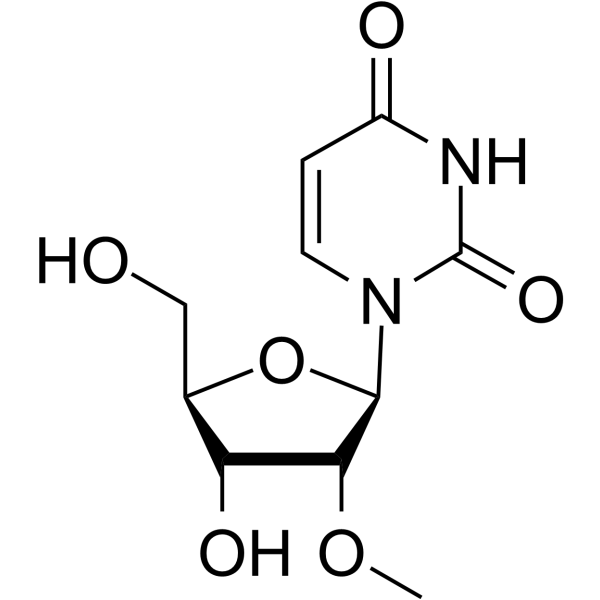
    2′-O-Methyluridine

    2′-O-Methyluridine

    99.92%
    2’-O-Methyluridine is a modified nucleoside that can be found in T. thermophile tRNA. 2’-O-Methyluridine level in serum is decreased in patients with breast cancer.
    2′-O-Methyluridine
  • HY-N2021A
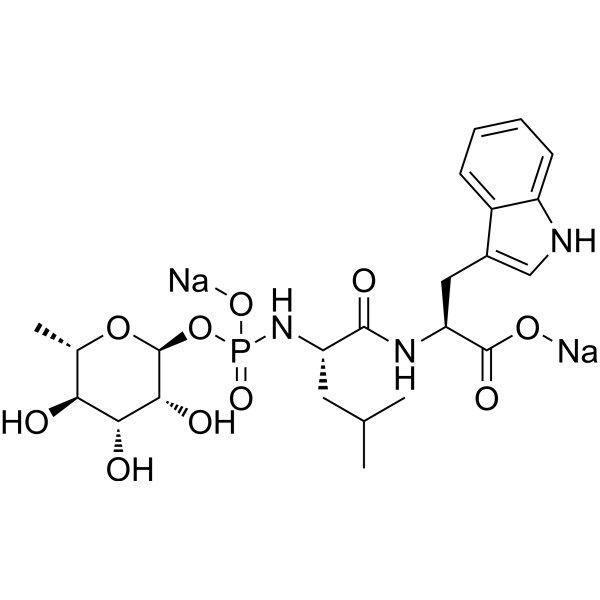
    Phosphoramidon disodium 99.83%
    Phosphoramidon disodium, a microbial metabolite, is a specific metalloprotease thermolysin inhibitor with an IC50 of 0.4 μg/mL. Phosphoramidon disodium also inhibits endothelin-converting enzyme (ECE), neutral endopeptidase (NEP), and angiotensin-converting enzyme (ACE) with IC50 values of 3.5, 0.034, and 78 μM, respectively.
    Phosphoramidon disodium
  • HY-A0129
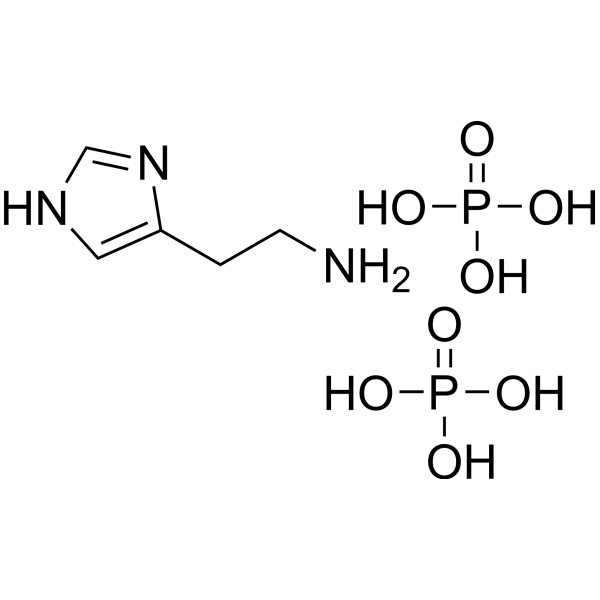
    Histamine phosphate

    Histamine (phosphate)

    99.34%
    Histamine phosphate is the agonist for histamine receptor and a vasodilator. Histamine phosphate is an organic nitrogen compound that participates in local immune responses, regulates intestinal physiological functions, and acts as a neurotransmitter. Histamine phosphate affects p38 MAPK/Akt signaling pathway, exhibits antitumor, antioxidant and anti-inflammatory activities. Histamine phosphate can be used in the research of acute myeloid leukemia, malignant melanoma, and renal cell carcinoma.
    Histamine phosphate
  • HY-126854
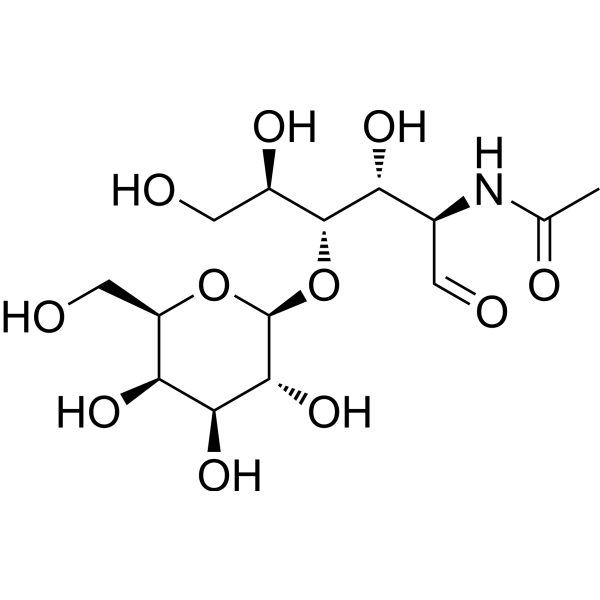
    N-Acetyllactosamine

    N-Acetyllactosamine

    99.95%
    N-Acetyllactosamine (N-Acetyl-D-lactosamine), a nitrogen-containing disaccharide, is a galectin-3 inhibitor, which is an important component of various oligosaccharides such as glycoproteins and sialyl Lewis X. N-Acetyllactosamine can be used as the starting material for the synthesis of various oligosaccharides. N-Acetyllactosamine has prebiotic effects.
    N-Acetyllactosamine
  • HY-113147AS
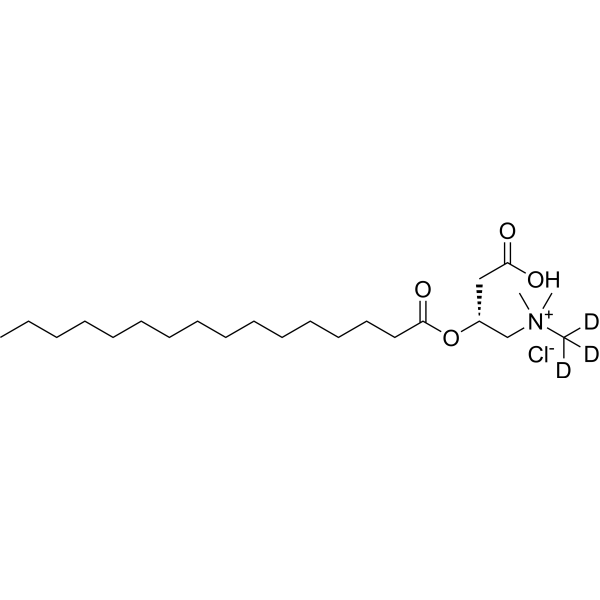
    L-Palmitoylcarnitine-d3 hydrochloride 99.94%
    L-Palmitoylcarnitine-d3 hydrochloride is the deuterium labeled L-Palmitoylcarnitine hydrochloride. L-Palmitoylcarnitine hydrochloride, a long-chain acylcarnitine and a fatty acid metabolite, accumulates in the sarcolemma and deranges the membrane lipid environment during ischaemia. L-Palmitoylcarnitine hydrochloride inhibits KATP channel activity, without affecting the single channel conductance, through interaction with Kir6.2.
    L-Palmitoylcarnitine-d<sub>3</sub> hydrochloride
  • HY-P2857
    Glucoamylase, Aspergillus niger

    Amyloglucosidase, Aspergillus niger

    Amyloglucosidase, Aspergillus niger (Amyloglucosidase, Aspergillus niger) is a starch-hydrolyzing enzyme with high catalytic efficiency towards soluble starch and raw starch. Amyloglucosidase, Aspergillus niger hydrolyzes α-1,4 and α-1,6 glycosidic linkages in starch and similar substrates, and primarily releases β-glucose molecules from the non-reducing ends. Amyloglucosidase, Aspergillus niger participates in glycogen metabolism and is associated with type II glycogen storage disease. Amyloglucosidase, Aspergillus niger converts starch into glucose, and is applicable to the industrial production of high-fructose syrup, ethanol and other fermented products.
    Glucoamylase, Aspergillus niger
  • HY-111095B
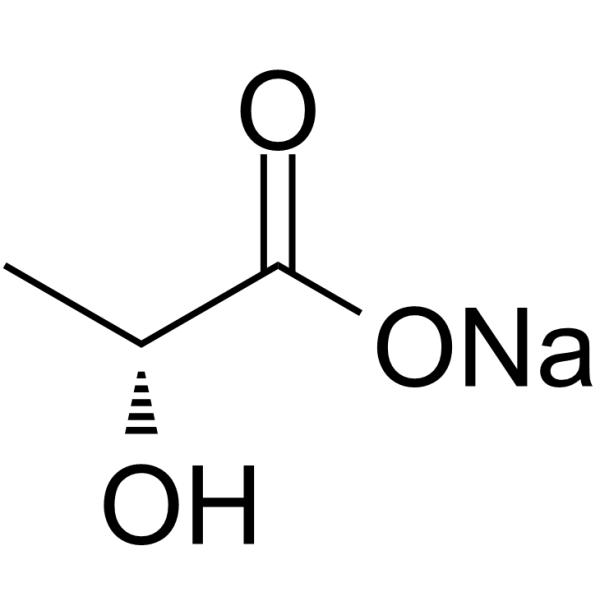
    D-(-)-Lactic acid sodium 99.91%
    D-(-)-Lactic acid ((R)-2-Hydroxypropionic acid) sodium is an orally active, toxic optical isomer of Lactic acid (HY-B2227), mainly derived from overproduction by intestinal bacteria or exogenous intake. D-(-)-Lactic acid sodium can induce intoxication, characterized by severe metabolic acidosis accompanied by neurological symptoms.
    D-(-)-Lactic acid sodium
  • HY-B1438
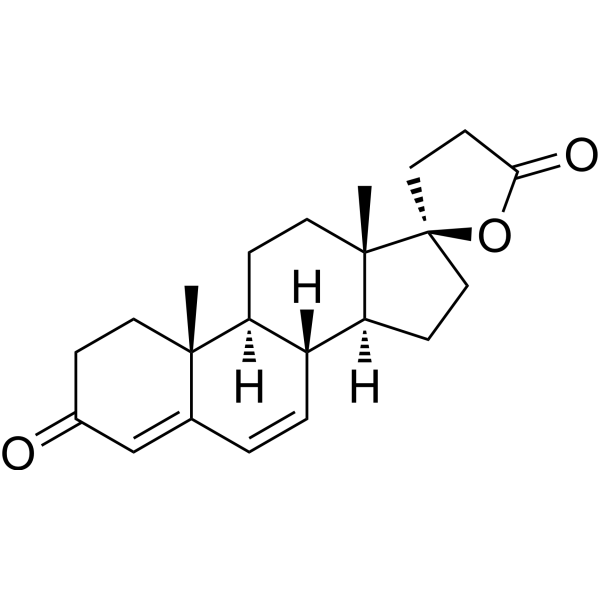
    Canrenone

    Canrenone

    99.54%
    Canrenone (Aldadiene) is an aldosterone antagonist extensively used as a diuretic agent.
    Canrenone
  • HY-Y0079
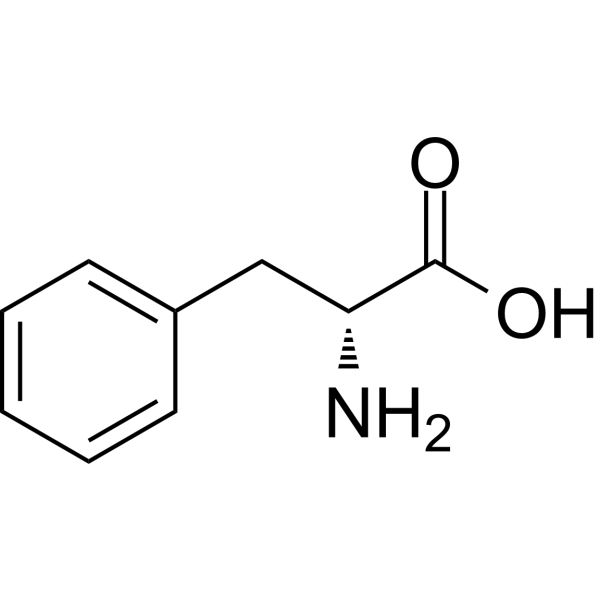
    D-Phenylalanine

    D-フェニルアラニン

    99.91%
    D-Phenylalanine is an atypical D-amino acid and an inhibitor of bacterial biofilm formation. D-Phenylalanine mainly replaces D-alanine (D-Ala) by incorporating into the fourth and fifth positions of bacterial peptidoglycan (PG), changing the cell wall structure, enhancing bacterial acid resistance and affecting biofilm formation. D-Phenylalanine may promote the secretion of peptide tyrosine tyrosine (PYY) in mammals by activating the intestinal GPR109B receptor. D-Phenylalanine can inhibit the maturation of microbial biofilms and promote the release of specific hormones. It can be used for antibacterial preservation, improving the yield of probiotics in the food industry, and studying appetite regulation and blood sugar control in metabolic diseases such as diabetes.
    D-Phenylalanine
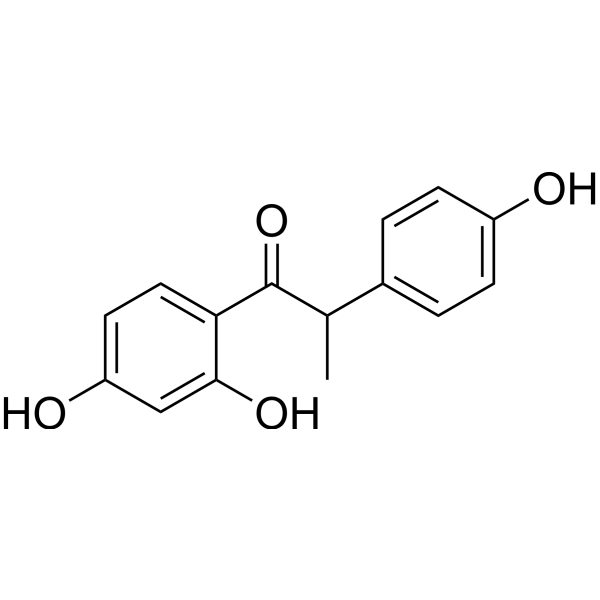
  • HY-N4075
    O-Desmethylangolensin 98.54%
    O-Desmethylangolensin is a metabolite of soy isoflavone, daidzein metabolized by gut microbiota. O-Desmethylangolensin possesses antioxidant activity.
    O-Desmethylangolensin
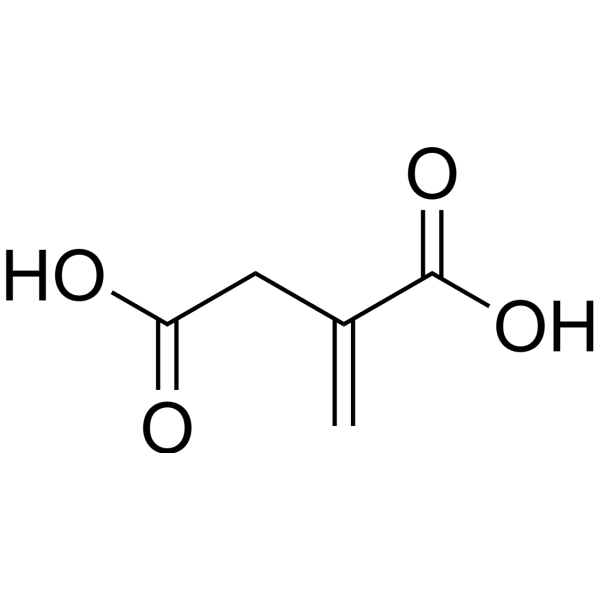
  • HY-Y0520R
    Itaconic acid (Standard)
    Itaconic acid (Standard) is the analytical standard of Itaconic acid. This product is intended for research and analytical applications. Itaconic acid, a precursor of polymers, chemicals, and fuels, can be synthesized by many fungi. Itaconic acid also is a macrophage-specific metabolite. Itaconic acid mediates crosstalk between macrophage metabolism and peritoneal tumors. Itaconic acid has anti-inflammatory, anti-microbial and immunomodulatory effect.
    Itaconic acid (Standard)
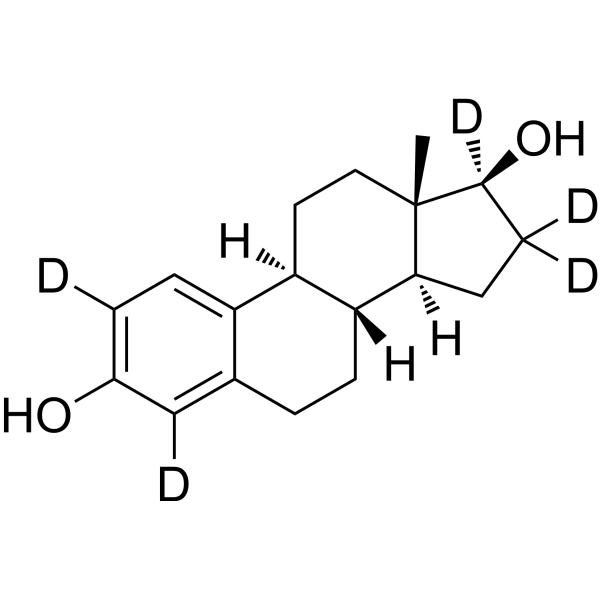
  • HY-B0141S2
    Estradiol-d5

    Estradiol-d5

    99.73%
    Estradiol-d5 is deuterium labeled Estradiol. Estradiol is a steroid sex hormone vital to the maintenance of fertility and secondary sexual characteristics in females. Estradiol upregulates IL-6 expression through the estrogen receptor β (ERβ) pathway.
    Estradiol-d<sub>5</sub>
製品番号 製品名 / Synonyms Application Reactivity

Your Search Returned No Results.

Sorry. There is currently no product that acts on isoform together.

Please try each isoform separately.