



Microtubule/Tubulin
Microtubules are a component of the cytoskeleton, found throughout the cytoplasm. These tubular polymers of tubulin can grow as long as 50 micrometres, with an average length of 25 µm, and are highly dynamic. The outer diameter of a microtubule is about 24 nm while the inner diameter is about 12 nm. Microtubules are found in eukaryotic cells and are formed by the polymerization of a dimer of two globular proteins, alpha and beta tubulin. Tubulin is one of several members of a small family of globular proteins. The tubulin superfamily includes five distinct families, the alpha-, beta-, gamma-, delta-, and epsilon-tubulins and a sixth family which is present only in kinetoplastid protozoa. The most common members of the tubulin family are α-tubulin and β-tubulin, the proteins that make up microtubules. Microtubules are very important in a number of cellular processes. They are involved in maintaining the structure of the cell.
All Product Categories
-
Microtubule/Tubulin Inhibitors
(811)
View all products
-
Microtubule/Tubulin Agonists
(2)
View all products
-
Microtubule/Tubulin Activators
(19)
View all products
-
Microtubule/Tubulin Modulators
(19)
View all products
-
Microtubule/Tubulin Inducers
(5)
View all products
-
Microtubule/Tubulin Degraders
(3)
View all products
-
Microtubule/Tubulin Controls
(19)
View all products
-
Microtubule/Tubulin Ligands
(5)
View all products
-
Microtubule/Tubulin Related Products (996)
Related Products (996)

-
Antibodies (69)
-
2-Methoxyestradiol
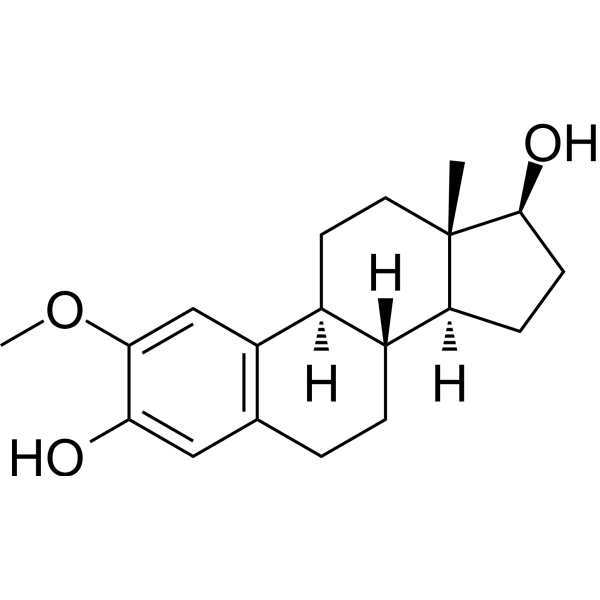 0 Images2-Methoxyestradiol (2-ME2), an orally active endogenous metabolite of 17β-estradiol (E2), is an apoptosis inducer and an angiogenesis inhibitor with potent antineoplastic activity. 2-Methoxyestradiol also destablize microtubules. 2-Methoxyestradio, also a potent superoxide dismutase (SOD) inhibitor and a ROS-generating agent, induces autophagy in the transformed cell line HEK293 and the cancer cell lines U87 and HeLa.
-
Methylene Blue
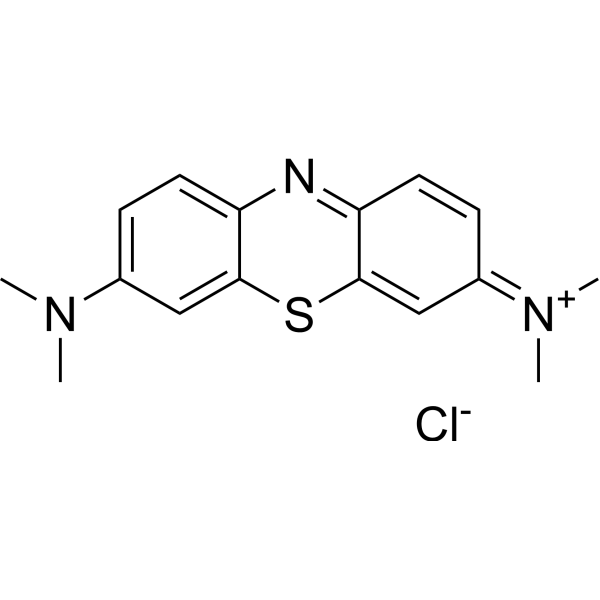 0 ImagesMethylene blue (Basic Blue 9) is a guanylyl cyclase (sGC), monoamine oxidase A (MAO-A) and NO synthase (NOS) inhibitor. Methylene blue is a vasopressor and is often used as a dye in several medical procedures. Methylene blue through the nitric oxide syntase/guanylate cyclase signalling pathway to reduce prepulse inhibition. Methylene blue is a REDOX cycling compound and able to cross the blood-brain barrier. Methylene blue is a Tau aggregation inhibitor. Methylene Blue is a photosensitizer and redox agent. Methylene blue reduces cerebral edema, attenuated microglial activation and reduced neuroinflammation.
-
Vincristine
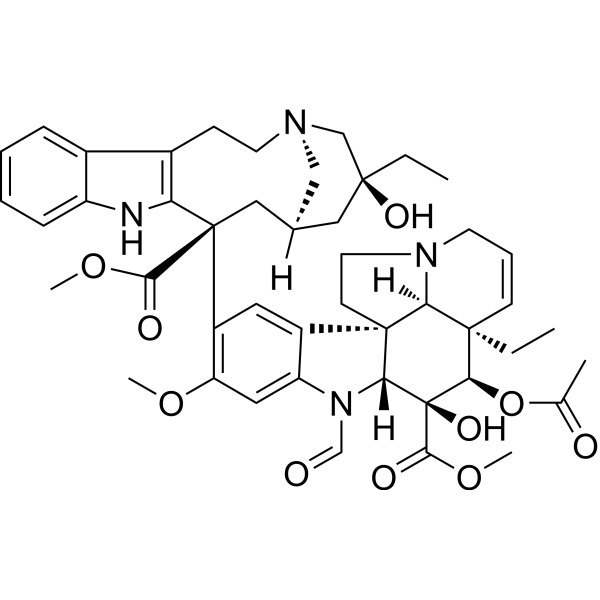 0 ImagesSynonyms: Leurocristine; NSC-67574; 22-OxovincaleukoblastineVincristine (Leurocristine; NSC-67574; 22-Oxovincaleukoblastine) is a microtubule inhibitor that disrupts microtubule polymerization by binding to β-tubulin (with a Ki of 85 nM in bovine), arrests the cell cycle and induces apoptosis. Vincristine inhibits cell replication, tumor blood flow and the proliferation of various cancer cells, while triggering effects such as oxidative stress, inflammation, calcium overload, epithelial-mesenchymal transition and peripheral neuropathic pain. Vincristine upregulates the expression of various transporters and nuclear receptors, and enriches gastric cancer stem-like cells. Vincristine is used in research related to various tumors including acute lymphoblastic leukemia, lymphoma, melanoma, gastric cancer, solid tumors and sarcomas.
-
Trastuzumab vedotin
 0 ImagesCat. No.: HY-164992Purity: 98.05%Synonyms: MRG002; Trastuzumab MMAETrastuzumab vedotin (MRG002; Trastuzumab MMAE) is an antibody-drug conjugate and cytotoxin targeting HER2, with a Kd of 7.50E-11 M for human HER2. After binding to HER2, Trastuzumab vedotin undergoes internalization and lysosomal trafficking, delivering a cytotoxic payload to HER2-expressing cells and inducing tumor regression in in vivo xenograft models with HER2-expressing tumors. The anti-tumor activity of Trastuzumab vedotin is enhanced when used in combination with anti-PD-1 antibodies, and it exhibits preclinical anti-tumor activity in drug-resistant breast cancer, gastric cancer, and urothelial carcinoma PDX models. Trastuzumab vedotin has low antibody-dependent cellular cytotoxicity activity and can be used in studies related to HER2-positive breast cancer, HER2-positive gastric cancer, and unresectable locally advanced or metastatic HER2-positive urothelial carcinoma.
-
Mebendazole
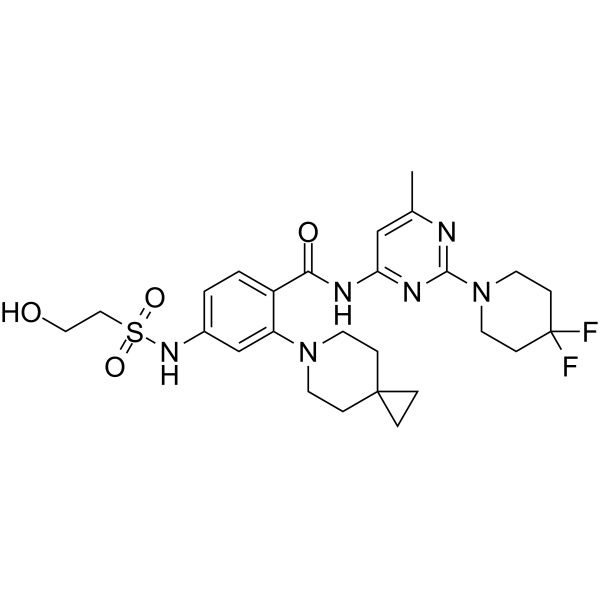
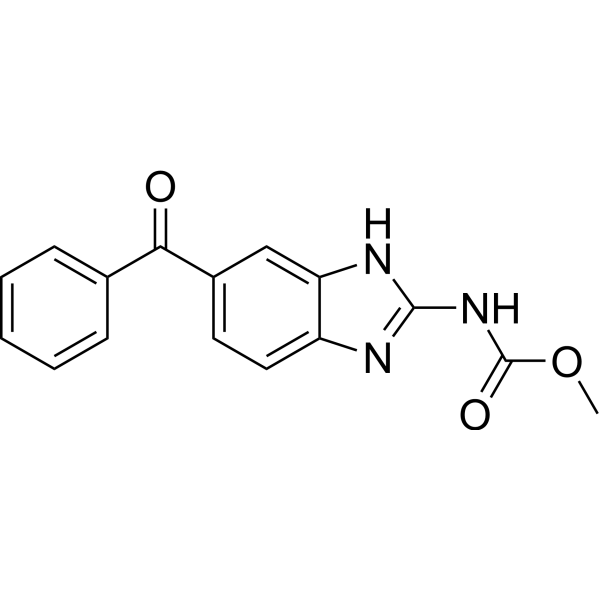 0 ImagesMebendazole is a highly effective, broad-spectrum antihelmintic against nematode infestations. Mebendazole also exhibits inhibitory effect against glioblastoma multiforme (GBM), inhibits Hedgehog pathway and tubulin polymerization. Mebendazole is orally active and can cross CNS penetration.
-
ADC Control Human IgG1-vcMMAE (DAR4, solution)
 0 ImagesCat. No.: HY-164153Purity: 98.08%ADC Control Human IgG1-vcMMAE (DAR4, solution) is a humanized monoclonal antibody that is an isotype control of ADC human IgG1-vcMMAE and can inhibit tubulin polymerization. The antibody portion is Human IgG1 kappa, Isotype Control (HY-P99001), and the drug-linker conjugate for ADC is vcMMAE (HY-15575).
-
Fenbendazole
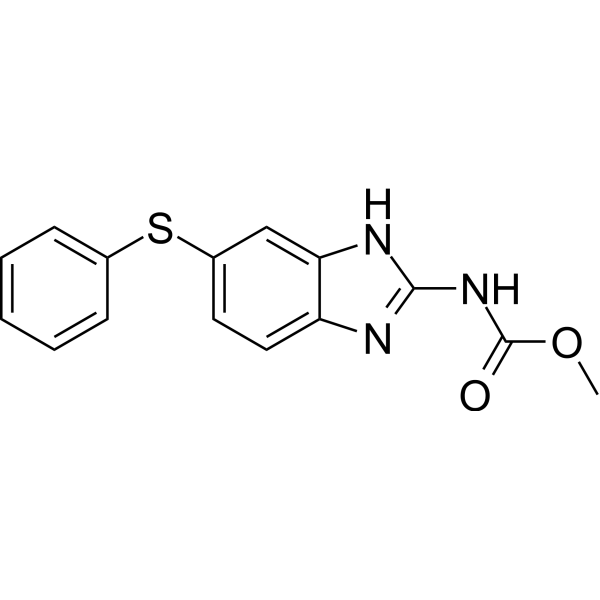 0 ImagesFenbendazole is an orally active benzimidazole anthelmintic agent, with a broad antiparasitic range. Fenbendazole is a microtubule destabilizing agent and acts on helminthes primarily by binding to tubulin and disrupting the tubulin microtubule equilibrium. Fenbendazole stabilizes the transcriptional activator HIF-1α. Fenbendazole possesses an efficient anti-proliferative activity and induces apoptosis. Fenbendazole causes cell-cycle arrest and mitotic cell death, and has antitumor activity in mice xenografted with wild-type p53.
-
Albendazole
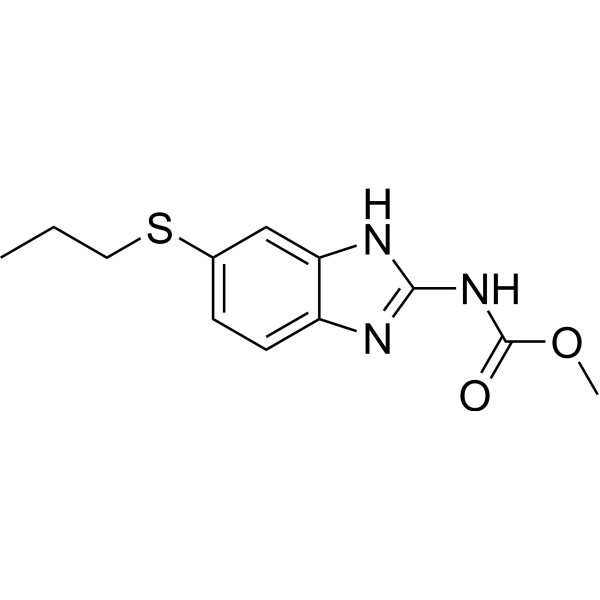 0 ImagesSynonyms: SKF-62979Albendazole (SKF-62979) is an orally active and broad-spectrum parasiticide with high effectiveness and low host toxicity, is used for the research of gastrointestinal parasites in humans and animals. Albendazole induces apoptosis and autophagy in cancer cells. Albendazole also inhibits tubulin polymerization and HIF-1α, VEGF expression, has antioxidant activity, and inhibits the glycolytic process in cancer cells.
-
Mc-MMAE
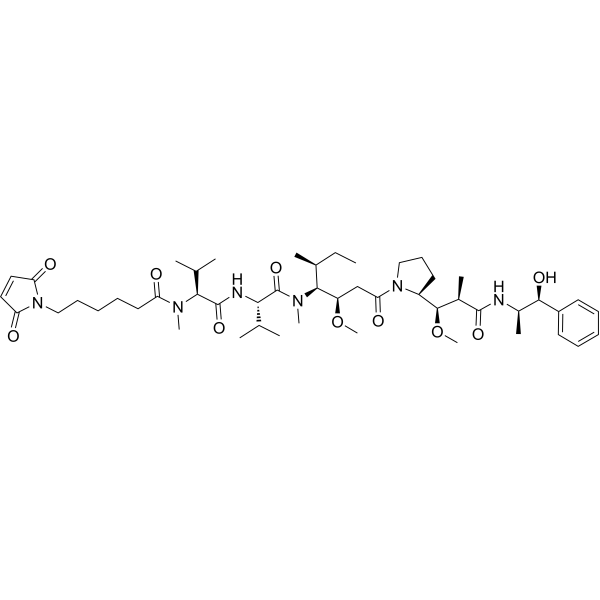 0 ImagesSynonyms: Maleimidocaproyl-monomethylauristatin EMc-MMAE is a protective group (maleimidocaproyl)-conjugated monomethyl auristatin E (MMAE), which is a potent tubulin inhibitor. Mc-MMAE is a agent-linker conjugate for ADC.
-
LND1002
 0 ImagesSynonyms: NH2-PEG3-VC-PAB-MMAENH2-PEG3-VC-PAB-MMAE is a drug-linker conjugate for ADC, consisting of a cleavable ADC linker (NH2-PEG3-VC-PAB) and a potent tubulin inhibitor Monomethyl auristatin E (MMAE) (HY-15162). NH2-PEG3-VC-PAB-MMAE can be used in the synthesis of antibody-drug conjugates (ADCs).
-
Combretastatin A4
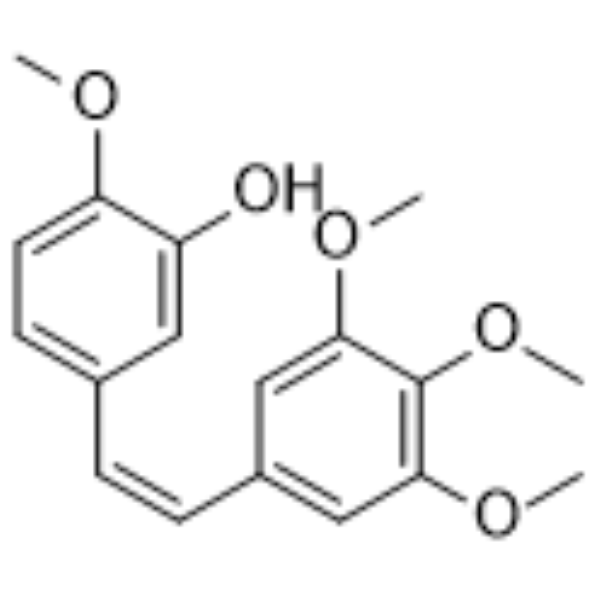 0 ImagesSynonyms: CRC 87-09Combretastatin A4 is a microtubule-targeting agent that binds β-tubulin with Kd of 0.4 μM.
-
Docetaxel Trihydrate
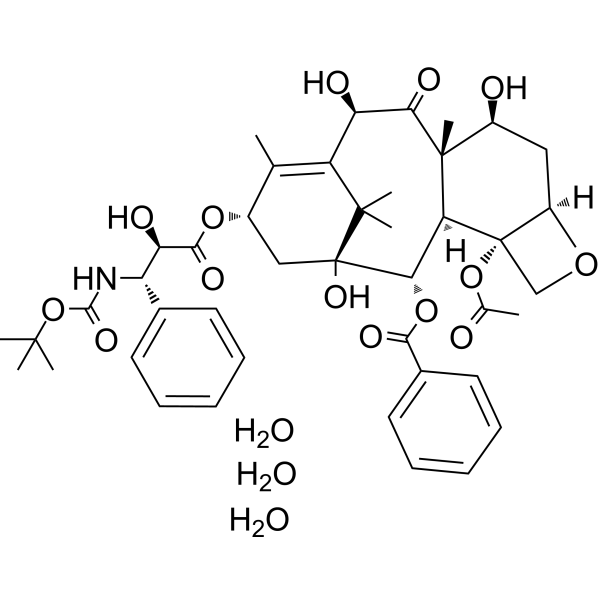 0 ImagesSynonyms: RP-56976 TrihydrateDocetaxel Trihydrate (RP-56976 Trihydrate) is an antineoplastic agent and inhibits microtubule depolymerization with an IC50 value of 0.2 μM. Docetaxel Trihydrate is a semisynthetic analog of taxol and attenuates the effects of bcl-2 and bcl-xL gene expression. Docetaxel Trihydrate arrests the cell cycle at G2/M and leads to cell apoptosis.
-
Monomethyl auristatin E (Standard)
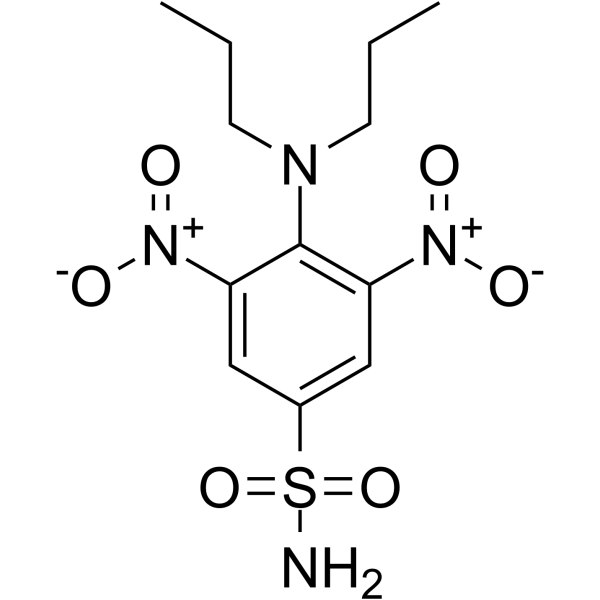
 0 ImagesSynonyms: MMAE (Standard); SGD-1010 (Standard); Vedotin (Standard)Monomethyl auristatin E (MMAE) (Standard) is the analytical standard of Monomethyl auristatin E (HY-15162). This product is intended for research and analytical applications. Monomethyl auristatin E is a synthetic derivative of dolastatin 10 and functions as a potent mitotic inhibitor by inhibiting tubulin polymerization. MMAE is widely used as a cytotoxic component of antibody-drug conjugates (ADCs) against several different cancer types.
-
Ixabepilone
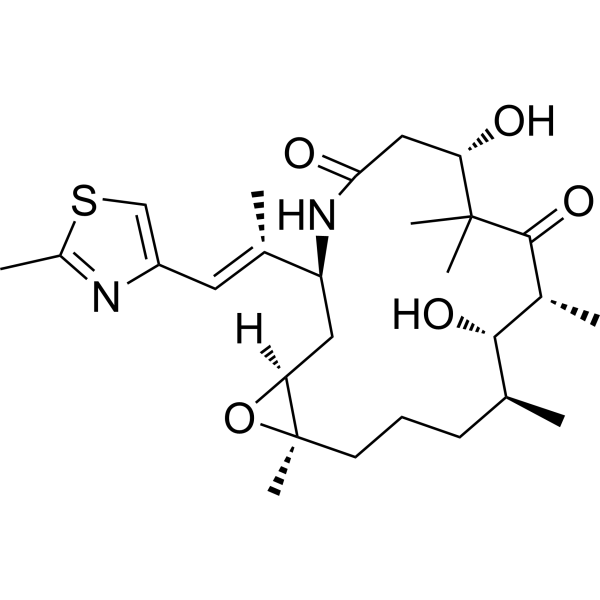 0 ImagesSynonyms: BMS-247550; Aza-epothilone BIxabepilone (BMS-247550) is an orally bioavailable microtubule inhibitor, which binds to tubulin and promotes tubulin polymerization and microtubule stabilization, thereby arrests cells in the G2-M phase of the cell cycle and induces tumor cell apoptosis.
-
Maytansine
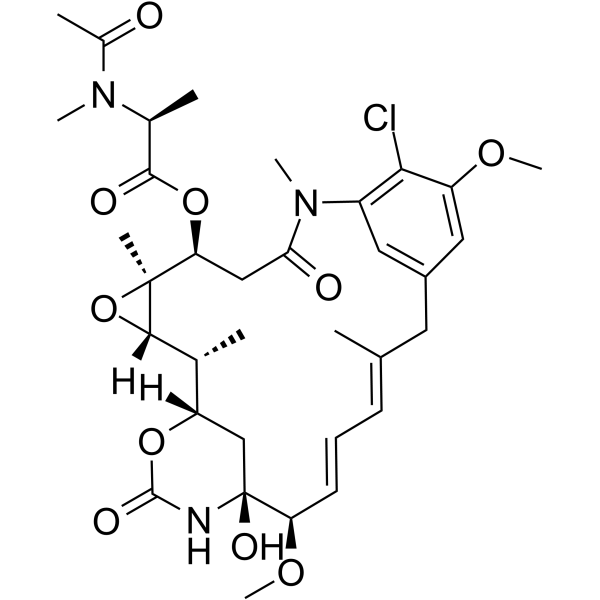 0 ImagesSynonyms: NSC 153858Maytansine is a highly potent microtubule-targeted compound that induces mitotic arrest and kills tumor cells at subnanomolar concentrations.
-
N-Boc-dolaproine
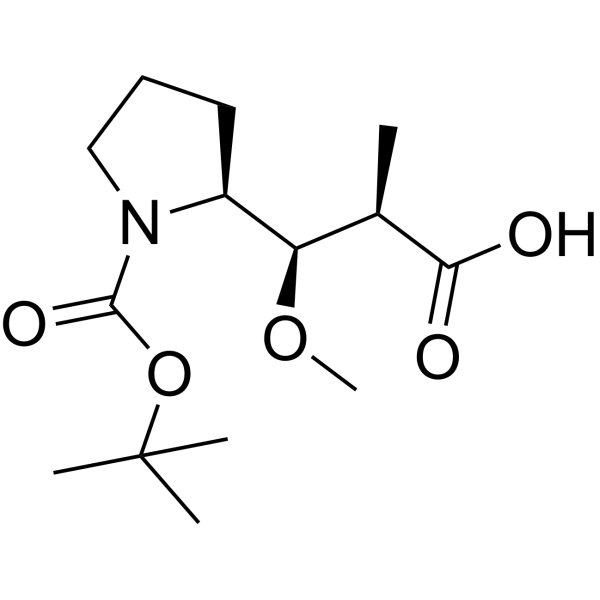 0 ImagesSynonyms: (2R,3R)-BOC-dolaproineN-Boc-dolaproine ((2R,3R)-BOC-dolaproine) is the amino acid residue of the pentapeptide Dolastatin 10 (HY-15580). Dolastatin 10 inhibits tubulin polymerization and mitosis and has anticancer activity.
-
Podofilox
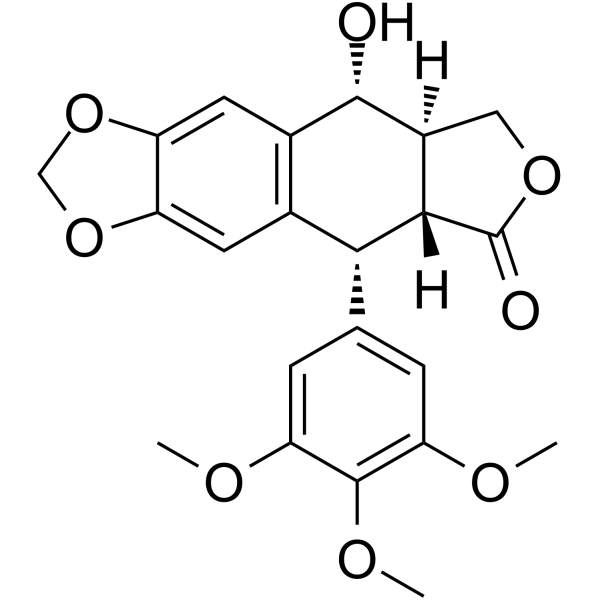 0 ImagesPodofilox (Podophyllotoxin) is a potent inhibitor of microtubule assembly and DNA topoisomerase II.
-
Tusamitamab ravtansine
 0 ImagesSynonyms: SAR-408701; HuMAb2-3-SPDB-DM4Tusamitamab ravtansine (SAR-408701) is a targeted ADC against tumor cells expressing CEACAM5, composed of a humanized anti-CEACAM5 monoclonal antibody covalently linked to the potent cytotoxic agent, maytansinoid DM4 (HY-12454), via a cleavable linker. Tusamitamab ravtansine has an average drug-to-antibody ratio (DAR) of 3.8.




