



Microtubule/Tubulin Inhibitor
-
Monomethyl auristatin E
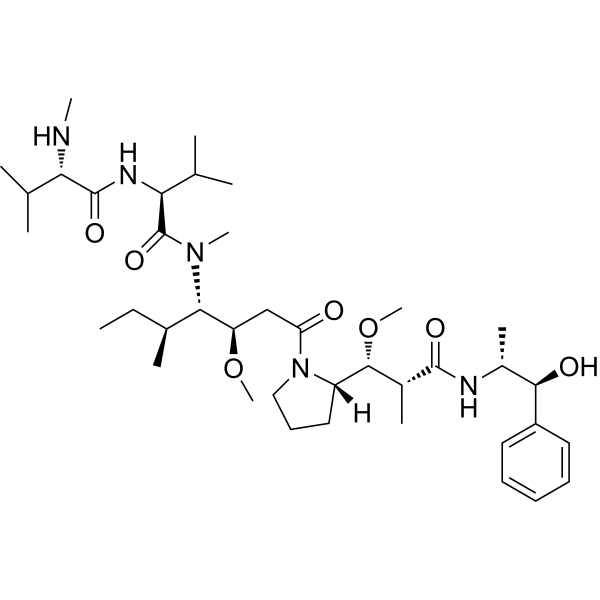 0 ImagesSynonyms: MMAE; SGD-1010
Monomethyl auristatin E (MMAE; SGD-1010) is a synthetic derivative of dolastatin 10 and functions as a potent mitotic inhibitor by inhibiting tubulin polymerization. MMAE is widely used as a cytotoxic component of antibody-drug conjugates (ADCs) to treat several different cancer types.
-
Nocodazole
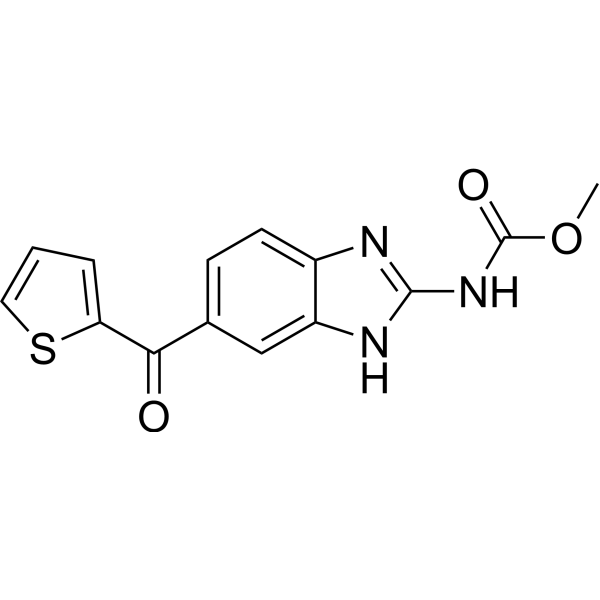 0 ImagesSynonyms: Oncodazole; R17934
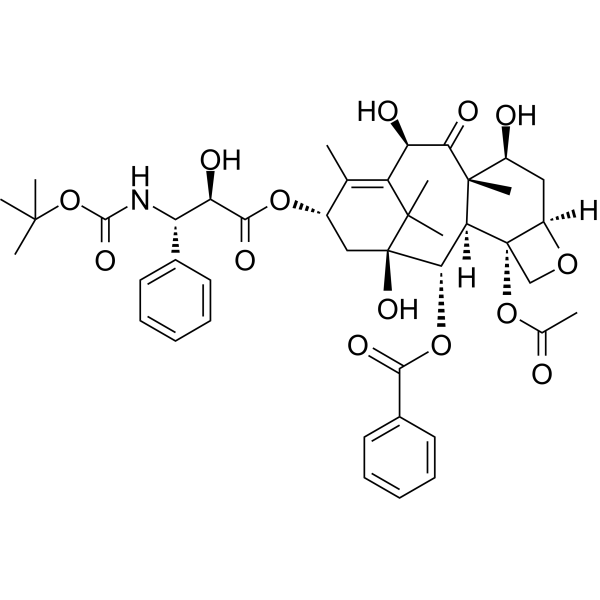
-
VcMMAE
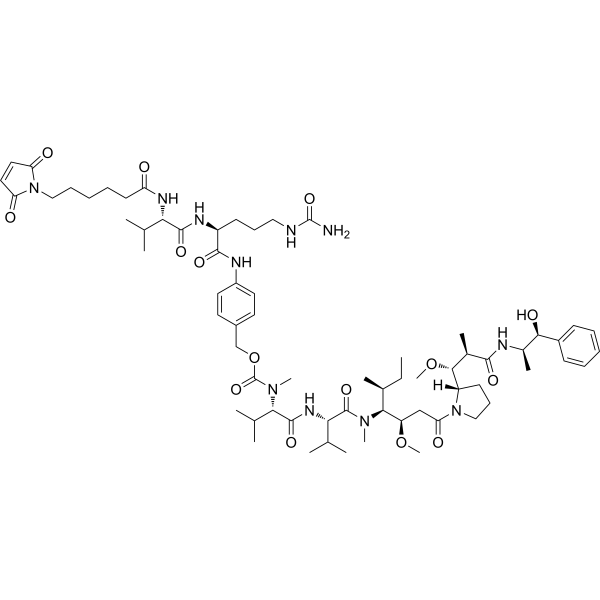 0 ImagesSynonyms: MC-Val-Cit-PAB-MMAE; mc-vc-PAB-MMAE; Vedotin
VcMMAE (mc-vc-PAB-MMAE) is a agent-linker conjugate for ADC with potent antitumor activity by using the anti-mitotic agent, monomethyl auristatin E (MMAE, a tubulin inhibitor), linked via the lysosomally cleavable dipeptide, valine-citrulline (vc).
-
Mertansine
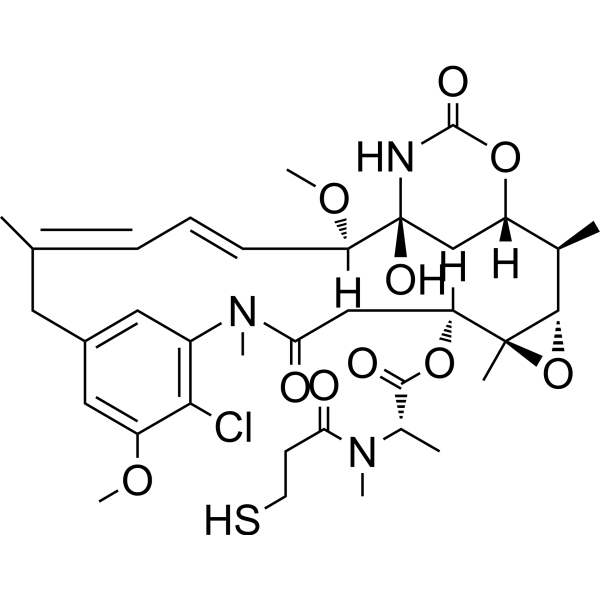 0 ImagesSynonyms: DM1; Maytansinoid DM1
Mertansine (DM1) is a microtubulin inhibitor and is an antibody-conjugatable maytansinoid that is developed to overcome systemic toxicity associated with maytansine and to enhance tumor-specific delivery. Mertansine can be attached to a monoclonal antibody with a linker to create an antibody-drug conjugate (ADC).
-
McMMAF
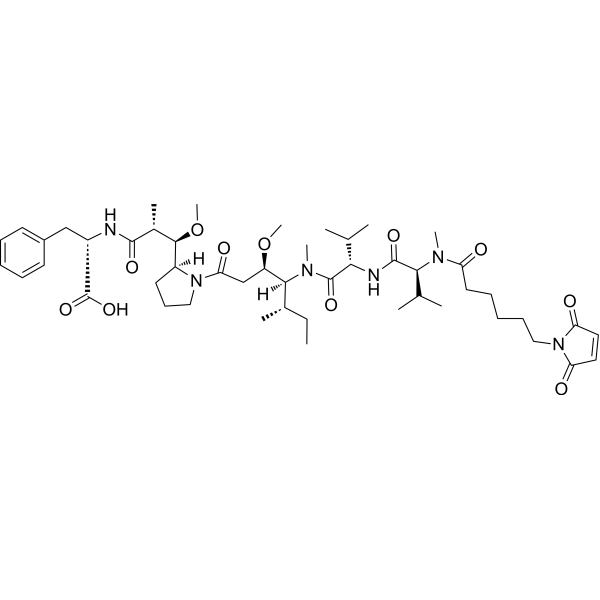 0 ImagesSynonyms: Maleimidocaproyl monomethylauristatin F
McMMAF (Maleimidocaproyl monomethylauristatin F) is a drug-linker conjugate for ADCs, formed by coupling the potent microtubule inhibitor Monomethyl auristatin F (MMAF) (HY-15579) with a maleimidocaproyl (mc) linker. McMMAF can be conjugated with anti-BCMA antibodies to form J6M0-mcMMAF, promoting apoptosis and inhibiting tumor growth.
-
Colchicine
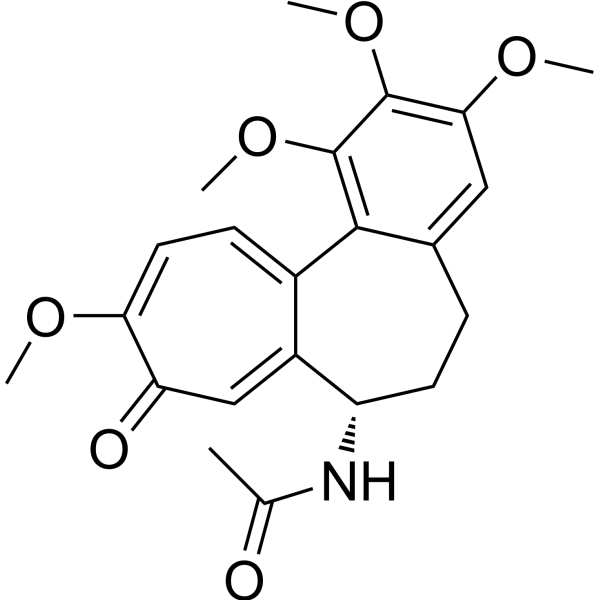 0 Images
Colchicine, an orally active alkaloid, is a potent tubulin inhibitor and a microtubule disrupting agent. Colchicine inhibits microtubule polymerization with an IC50 of 3 nM. Colchicine is also a competitive antagonist of the α3 glycine receptors (GlyRs). Colchicine prevents non-steroidal anti-inflammatory drug (NSAID)-induced small intestinal injury by inhibiting activation of the NLRP3 inflammasome. Colchicine has extensive anti-inflammatory, immunosuppressive and strong anti-fibrosis effects and has the potential for gouty arthritis research.
-
Vincristine sulfate
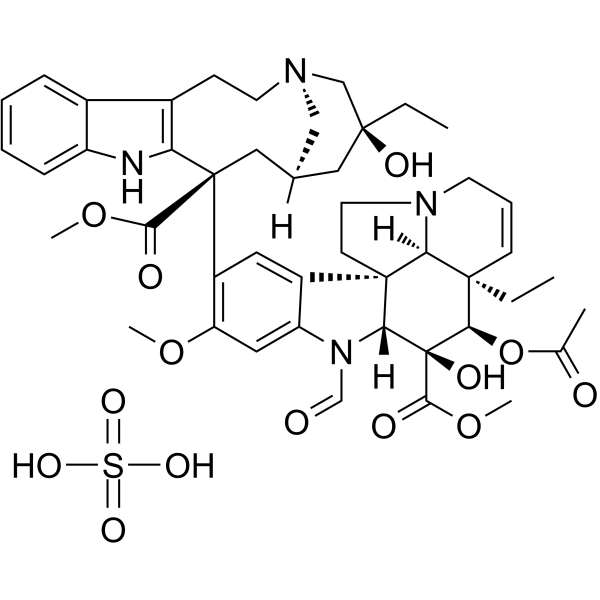 0 ImagesSynonyms: Leurocristine sulfate; NSC-67574 sulfate; 22-Oxovincaleukoblastine sulfate
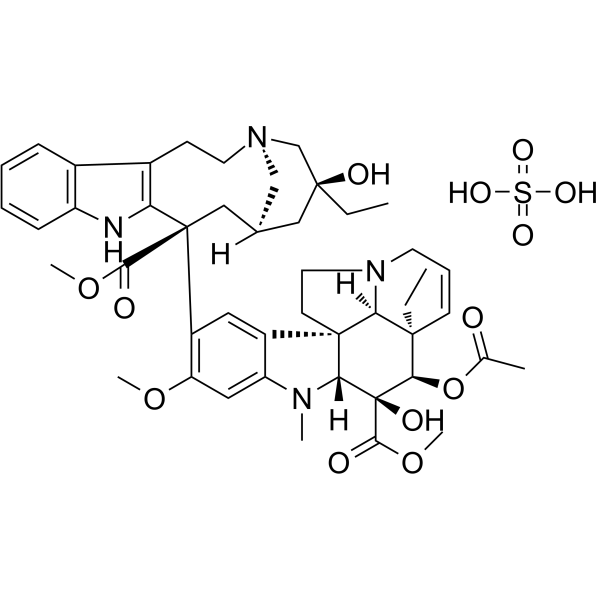
Vincristine (Leurocristine; NSC-67574; 22-Oxovincaleukoblastine) sulfate is a microtubule inhibitor that disrupts microtubule polymerization by binding to β-tubulin (with a Ki of 85 nM in bovine), arrests the cell cycle and induces apoptosis. Vincristine sulfate inhibits cell replication, tumor blood flow and the proliferation of various cancer cells, while triggering effects such as oxidative stress, inflammation, calcium overload, epithelial-mesenchymal transition and peripheral neuropathic pain. Vincristine sulfate upregulates the expression of various transporters and nuclear receptors, and enriches gastric cancer stem-like cells. Vincristine sulfate is used in research related to various tumors including acute lymphoblastic leukemia, lymphoma, melanoma, gastric cancer, solid tumors and sarcomas.
-
Nab-Paclitaxel
 0 ImagesCat. No.: HY-P99974Purity: 99.9%Synonyms: Nanoparticle albumin-bound Paclitaxel; Nanoparticle albumin-bound ABI-007
Nab-Paclitaxel (Nanoparticle albumin-bound Paclitaxel) is an albumin-bound nanoparticle formulation of Paclitaxel (HY-B0015). Nab-Paclitaxel is composed of albumin and the active pharmaceutical ingredient Paclitaxel, in which human albumin is used as an excipient to disperse and stabilize particles and carry the main drug. Nab-Paclitaxel is a solvent-free taxane with higher response rates and improved tolerability. Nab-Paclitaxel displays less toxicity and greater antitumor activity. Nab-Paclitaxel is more readily available for tumor cell uptake in three rhabdomyosarcoma, seven neuroblastoma cell lines, and one ostersarcoma cell line Nab-Paclitaxel can be studied in cancer research for example breast cancer and solid tumors. (The product specifications below only indicate the effective content of Paditaxel, the actual albumin quality depends on the batch; the ratio of each ingredient in this product is Paditaxel: albumin -1:7~1:11).
-
MMAF
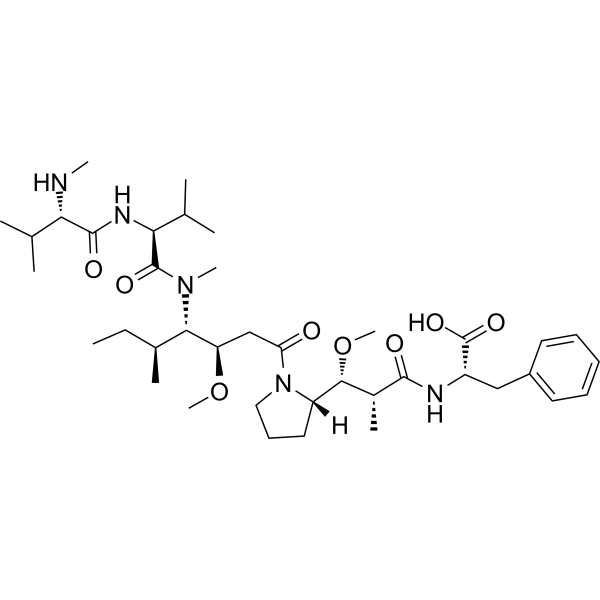 0 ImagesSynonyms: Monomethylauristatin F
MMAF (Monomethylauristatin F) is a potent tubulin polymerization inhibitor and is used as a antitumor agent. MMAF (Monomethylauristatin F) is widely used as a cytotoxic component of antibody-drug conjugates (ADCs) such as vorsetuzumab mafodotin and SGN-CD19A.
-
Eribulin
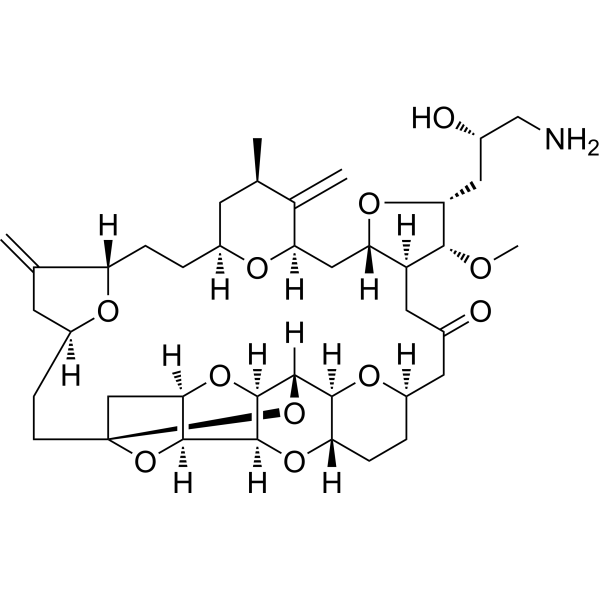 0 ImagesSynonyms: B1939; E7389; ER-086526
Eribulin (E7389) is a microtubule targeting agent that is used for the research of metastatic breast cancer. Eribulin inhibits the proliferation of cancer cells by binding microtubule proteins and microtubules.
-
Vinorelbine ditartrate
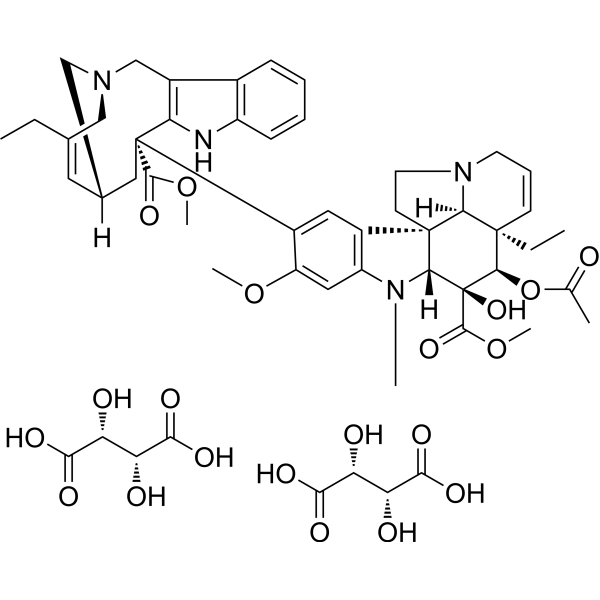 0 ImagesSynonyms: KW-2307; Nor-5'-anhydrovinblastine ditartrate
Vinorelbine (ditartrate) is an anti-mitotic agent which inhibits the proliferation of Hela cells with IC50 of 1.25 nM.
-
MMAE-d8
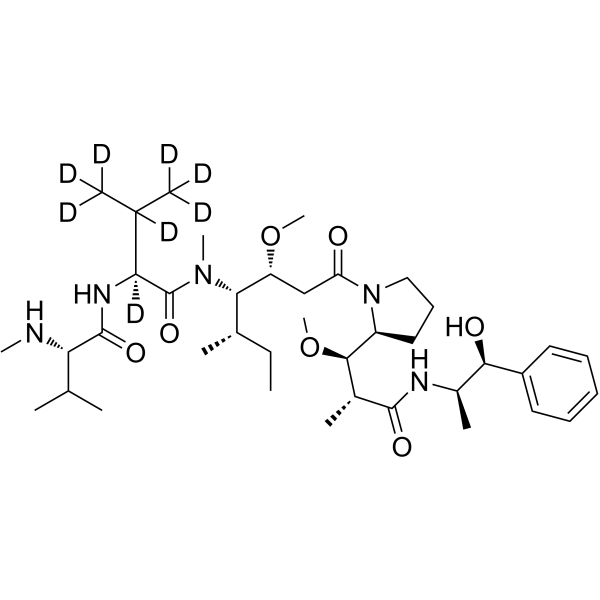 0 ImagesSynonyms: Monomethyl auristatin E-d8; Deuterated labeled MMAE
MMAE-d8 is a deuterated labeled MMAE, a potent mitotic inhibitor and a tubulin inhibitor.
-
Eribulin mesylate
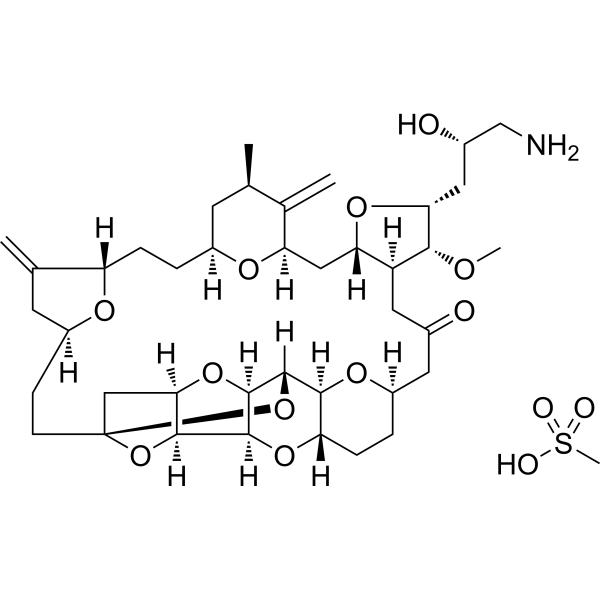 0 ImagesSynonyms: B1939 mesylate; E7389 mesylate; ER-086526 mesylate
-
Telisotuzumab vedotin
 0 ImagesCat. No.: HY-141601CAS No.: 1714088-51-3Synonyms: ABBV-399
Telisotuzumab vedotin (ABBV-399) (Teliso-V) is an anti-c-Met antibody-drug conjugate. Telisotuzumab vedotin consists of an anti-c-Met monoclonal antibody Telisotuzumab (ABT-700) (HY-P99391) and Monomethyl Auristatin E (HY-15162). Telisotuzumab vedotin exerts antitumor activity with acceptable toxicity in vivo. Telisotuzumab vedotin can be used for non-small cell lung cancer (NSCLC) research.
-
DM4
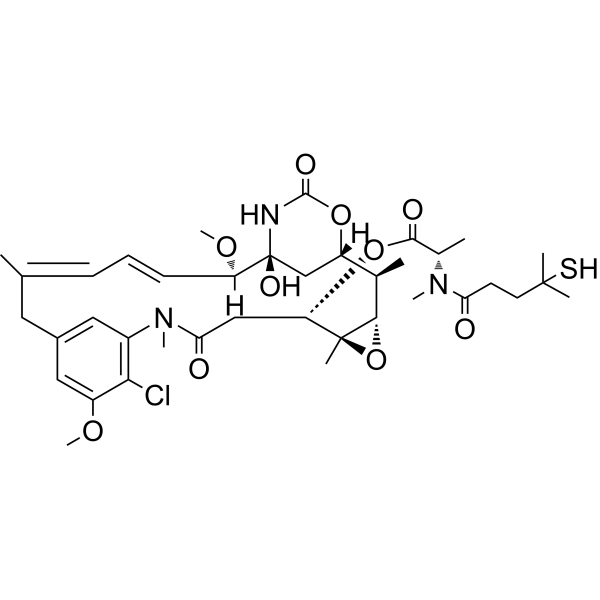 0 ImagesSynonyms: Ravtansine
DM4 is is an antitubulin agent that inhibit cell division. DM4 can be used in the preparation of antibody agent conjugate.
-
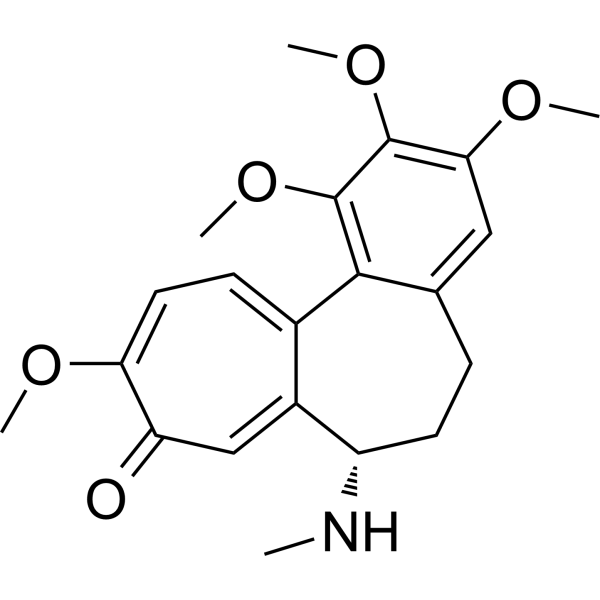
Demecolcine
 0 Images
Demecolcine is a potent mitotic inhibitor with an IC50 value of 2.4 μM for inhibition of tubulin polymerization. Colcemid (Demecolcine) can interact with tubulin dimers to induce anti-mitotic action and inhibit microtubule growth. Colcemid (Demecolcine) can be used for inflammatory disorders and cancer research.
-
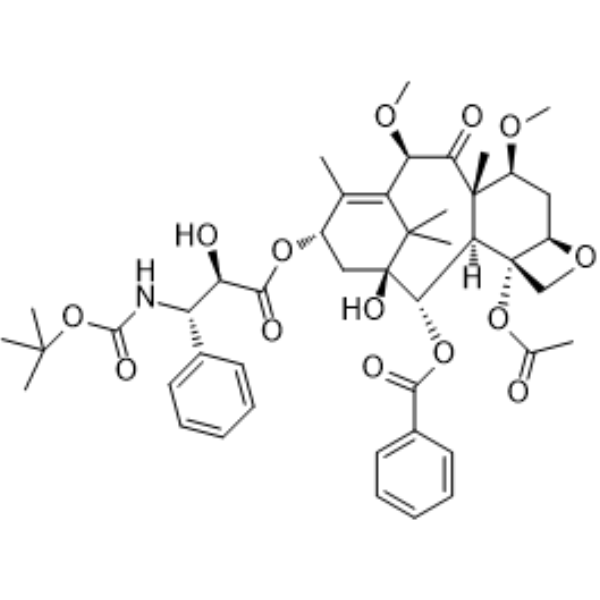
Cabazitaxel
 0 ImagesSynonyms: XRP6258; RPR-116258A; taxoid XRP6258
Cabazitaxel is a semi-synthetic derivative of the natural taxoid 10-deacetylbaccatin III with potential antineoplastic activity.



