



GCGR
Glucagon Receptor
GCGR (glucagon receptor) is in the G protein-coupled receptor family, that is important in controlling blood glucose levels. The glucagon receptor is a 62 kDa protein that is activated by glucagon and is a member of the class B G-protein coupled family of receptors, coupled to G alpha i, Gs and to a lesser extent G alpha q. Stimulation of the receptor results in activation of adenylate cyclase and increased levels of intracellular cAMP. In humans, the glucagon receptor is encoded by the GCGR gene. Glucagon receptors are mainly expressed in liver and in kidney with lesser amounts found in heart, adipose tissue, spleen, thymus, adrenal glands, pancreas, cerebral cortex, and gastrointestinal tract.
All Product Categories
-
GCGR Related Products (198)
Related Products (198)

-
Recombinant Proteins (15)
-
Antibodies (3)
-
UNC0321
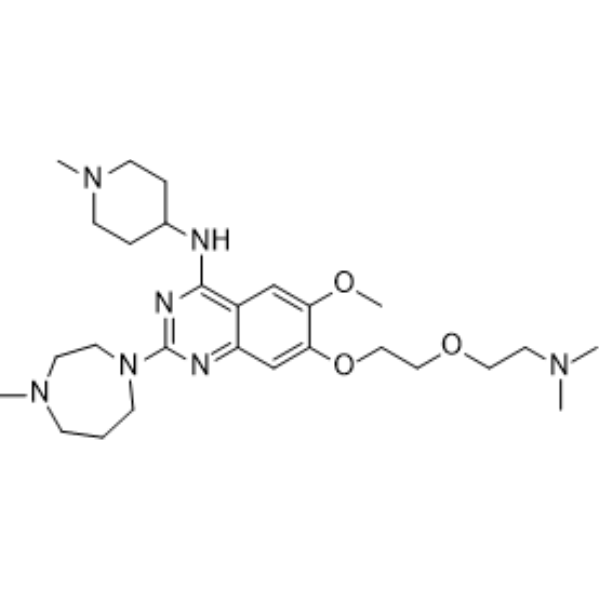 0 ImagesUNC0321 is a potent and selective histone methyltransferase G9a inhibitor with a Ki of 63 pM and with assay-dependent IC50 values of 6-9 nM. UNC0321 also inhibits GLP with assay-dependent IC50 values of 15-23 nM. UNC0321 has anti-apoptotic activity and has potential application in diabetic vascular complications.
-
Dasiglucagon acetate
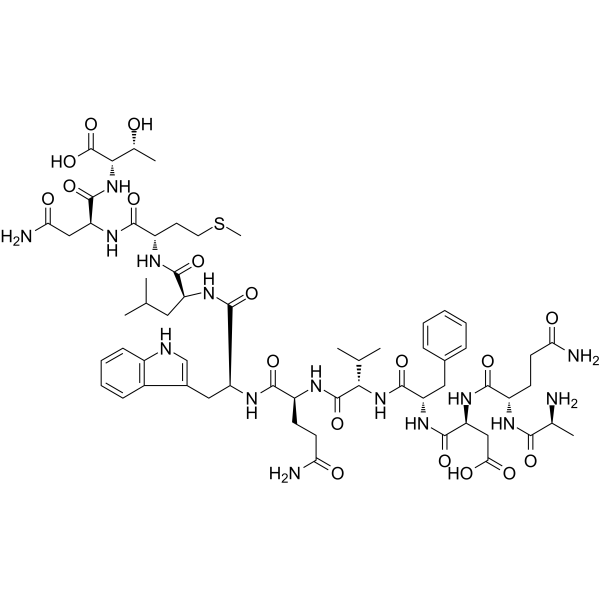
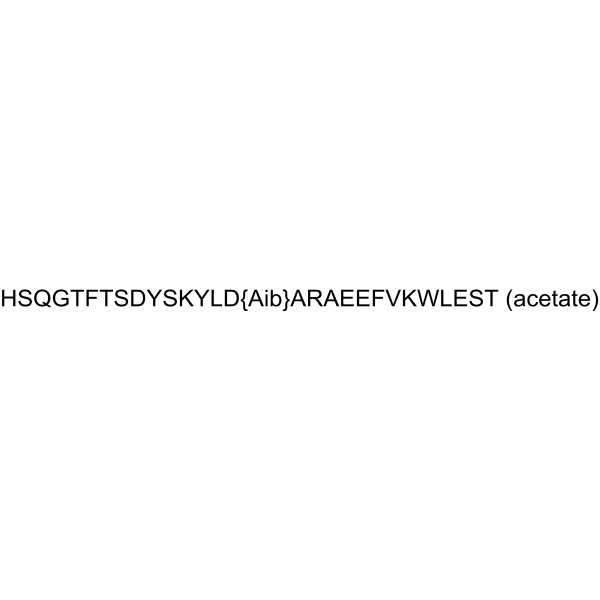 0 ImagesCat. No.: HY-P3469APurity: 99.88%Dasiglucagon acetate is a human glucagon analog, and can increase plasma glucose. Dasiglucagon can be used in hypoglycemia research.
-
GLP-2(3-33)
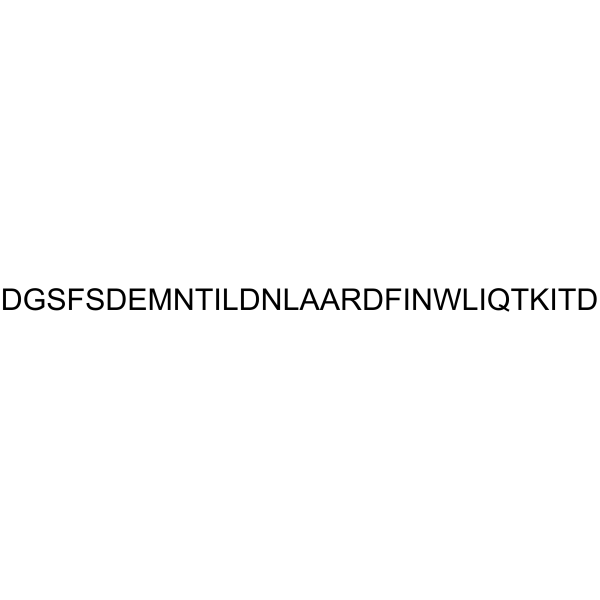 0 ImagesGLP-2(3-33), generated naturally by dipeptidylpeptidase IV (DPPIV), acts as a partial agonist on GLP-2 receptor (EC50=5.8 nM).
-
Glepaglutide acetate
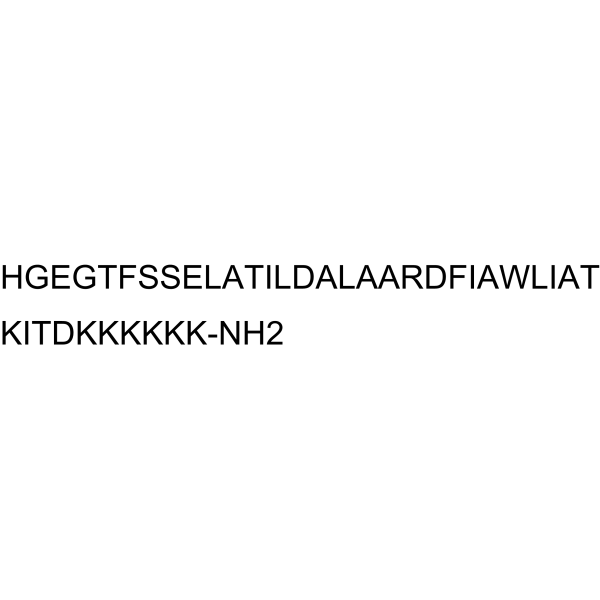 0 ImagesCat. No.: HY-P2221BPurity: 99.48%Synonyms: ZP1848 acetateGlepaglutide (ZP1848) acetate, a long-acting GLP-2 analogue, is a potent GLP-2R agonist. Glepaglutide acetate reduces faecal output and increases intestinal absorption. Glepaglutide acetate alleviates small intestinal inflammation. Glepaglutide acetate can be used in the research of inflammatory bowel disease (IBD) and Crohn’s disease.
-
Liraglutide-13C5,15N tetraTFA
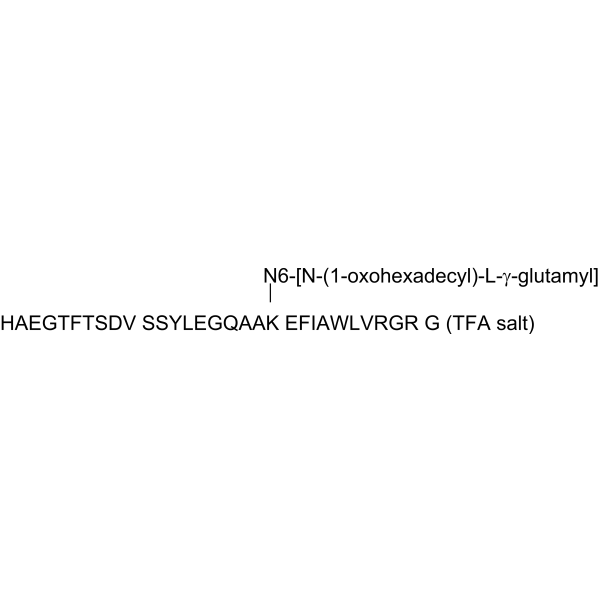 0 ImagesCat. No.: HY-P0014S1Liraglutide-13C6,15 tetraTFA is the 13C and 15N labeled Liraglutide (HY-P0014). Liraglutide is a glucagon-like peptide-1 (GLP-1) receptor agonist used for the study of type 2 diabetes mellitus.
-
PF-06291874
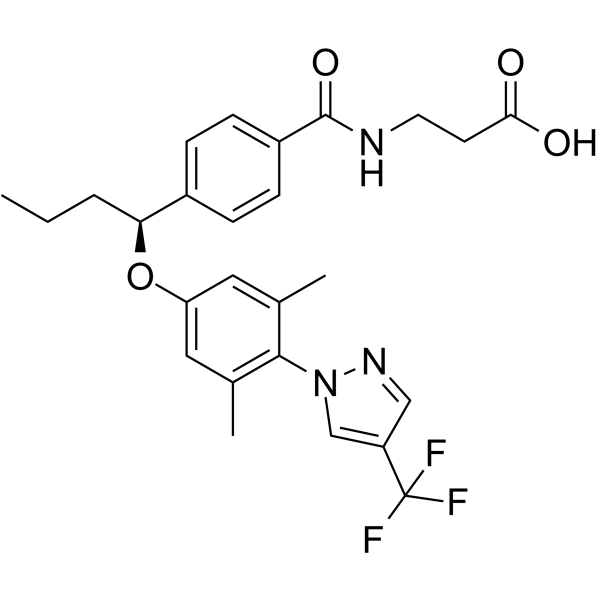 0 ImagesSynonyms: Glucagon receptor antagonists-4PF-06291874 is a highly potent, non-peptide and orally active glucagon receptor antagonist. PF-06291874 is under the study for type 2 diabetes mellitus (T2DM).
-
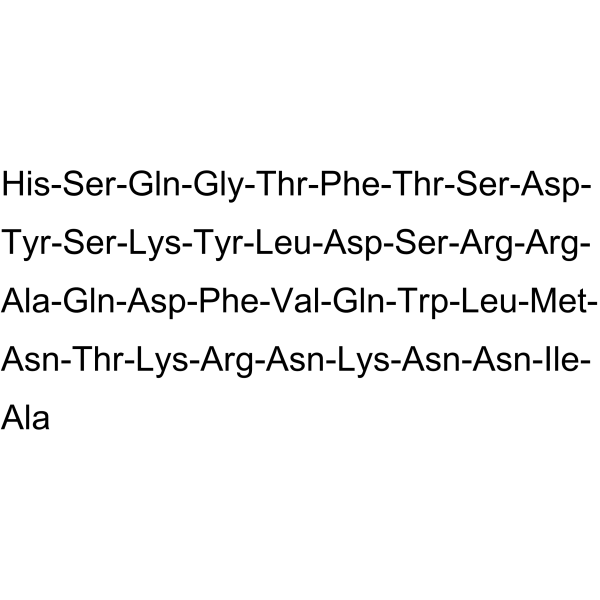
GLP-1(28-36)amide
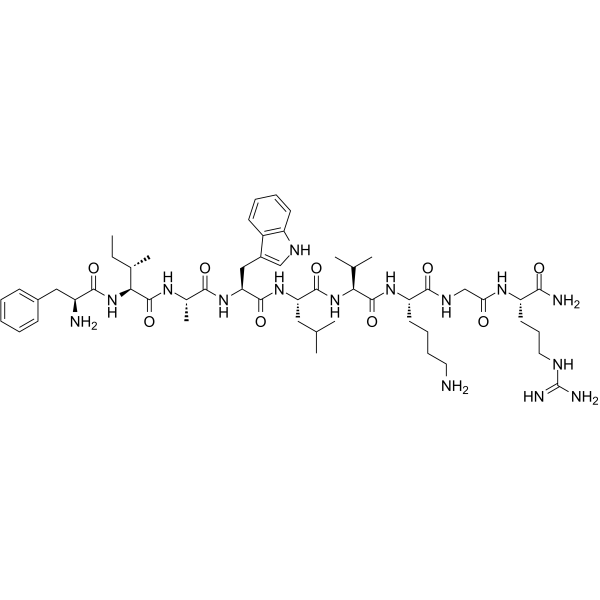 0 ImagesGLP-1(28-36)amide, a C-terminal nonapeptide of GLP-1, is a major product derived from the cleavage of GLP-1 by the neutral endopeptidase (NEP). GLP-1(28-36)amide is an antioxidant and targets to mitochondrion, inhibits mitochondrial permeability transition (MPT). GLP-1(28-36)amide has anti-diabetic and cardioprotection effects.
-
Glucagon-like peptide 1 (1-37), human TFA
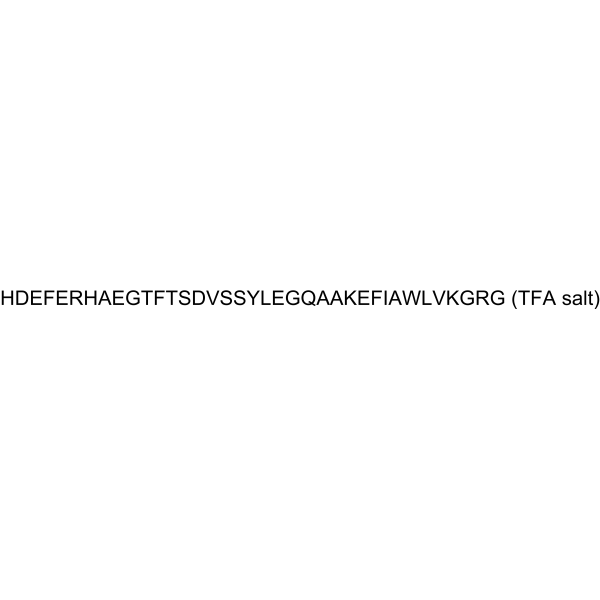 0 ImagesCat. No.: HY-P1145APurity: 99.55%Synonyms: HuGLP-1 TFAGlucagon-like peptide 1 (1-37), human (TFA) is a highly potent agonist of the GLP-1 receptor.
-
GLP-1 moiety from Dulaglutide
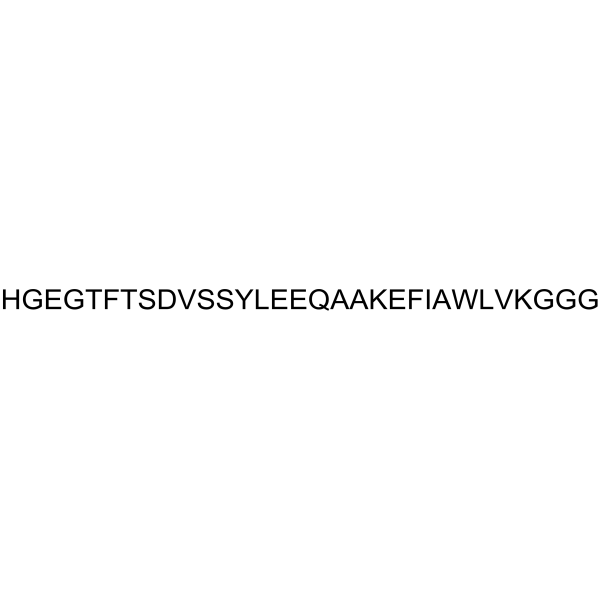 0 ImagesSynonyms: [Gly8,36,Glu22]-GLP-1 (7-37)GLP-1 moiety from Dulaglutide ([Gly8,36,Glu22]-GLP-1 (7-37)) is a 31-amino acid fragment derived from Dulaglutide (HY-P0120). GLP-1 moiety from Dulaglutide is a DPP-4-modified GLP-1 analog carrying the [Gly8,36,Glu22] sequence mutation, which acts as a GLP-1 receptor agonist. GLP-1 moiety from Dulaglutide covalently links to the human IgG4 Fc fragment and constitutes a part of the dulaglutide recombinant fusion protein. GLP-1 moiety from Dulaglutide exhibits glucose-dependent insulinotropic activity. GLP-1 moiety from Dulaglutide can be used in research related to type 2 diabetes.
-
VU0453379
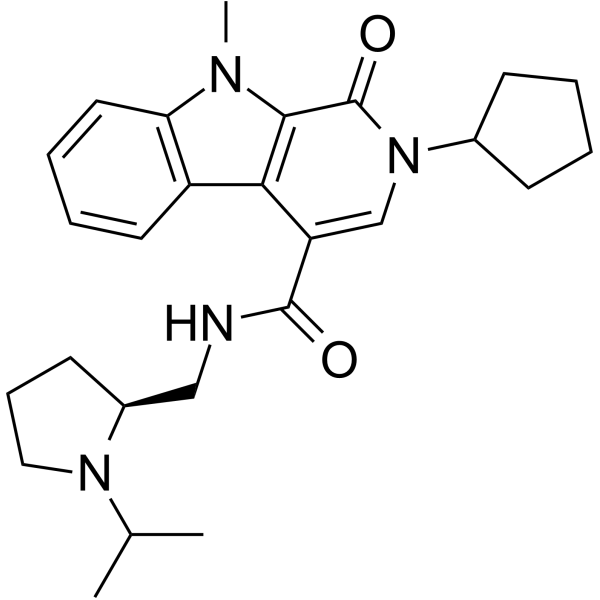 0 ImagesVU0453379 is a blood-brain barrier permeable GLP-1R positive allosteric modulator (PAM) with an EC50 value of 1.3 μM. VU0453379 potentiates the actions of endogenous GLP-1 and synthetic peptide agonists, and promotes GLP-1 receptor internalization. VU0453379 stimulates insulin secretion from primary mouse islets. VU0453379 enhances the function of endogenous GLP-1R and reverses catalepsy in animal models. VU0453379 is useful for research on Parkinson's disease and type 2 diabetes.
-
Pemvidutide
 0 ImagesSynonyms: ALT-801
-
Survodutide TFA
 0 ImagesCat. No.: HY-P4146APurity: 99.39%Synonyms: BI 456906 TFASurvodutide (BI 456906) TFA is a potent, selective glucagon receptor/GLP-1 receptor (GCGR/GLP-1R) dual agonist with EC50s of 0.52 nM and 0.33 nM in CHO-K1 cells, respectively. Survodutide TFA, a 29-amino-acid peptide, is a potent acylated peptide containing a C18 fatty acid. Survodutide TFA has robust anti-obesity efficacy achieved by increasing energy expenditure and decreasing food intake.
-
L-168049
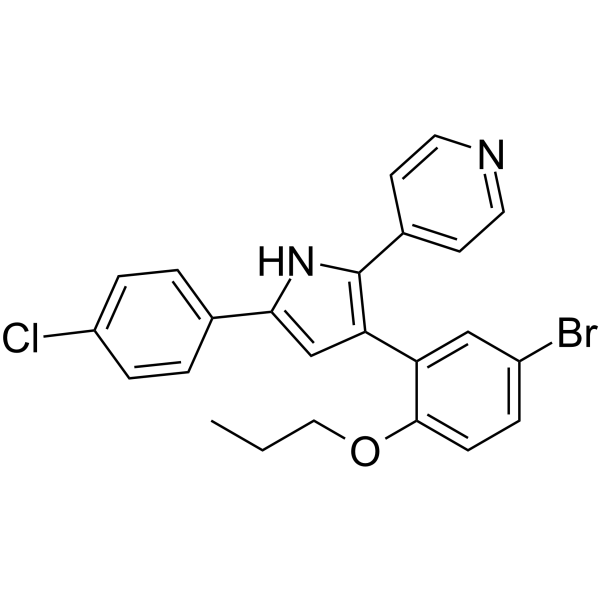 0 ImagesL-168049 is a potent, selective, orally active and non-competitive glucagon receptor antagonist with IC50s of 3.7 nM, 63 nM, and 60 nM for human, murine, and canine glucagon receptors, respectively.
-
Glepaglutide
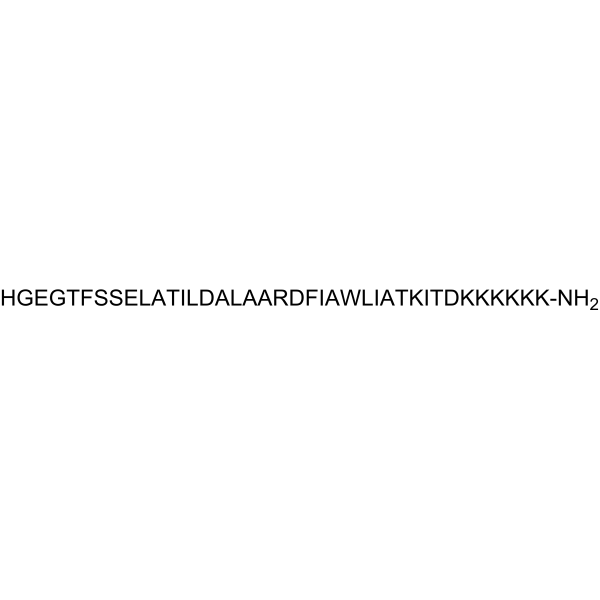 0 ImagesSynonyms: ZP1848Glepaglutide (ZP1848), a long-acting GLP-2 analogue, is a potent GLP-2R agonist. Glepaglutide reduces faecal output and increases intestinal absorption. Glepaglutide alleviates small intestinal inflammation. Glepaglutide can be used in the research of inflammatory bowel disease (IBD) and Crohn’s disease.
-
Bamadutide
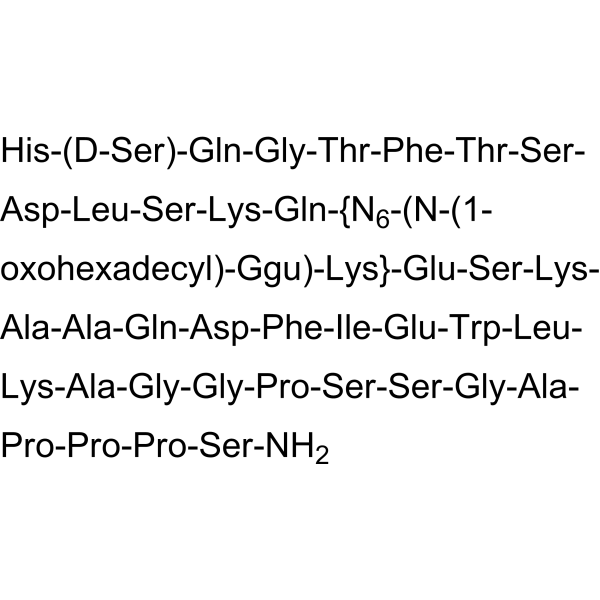 0 ImagesSynonyms: SAR425899Bamadutide (SAR425899) is a potent dual glucagon-like peptide-1 receptor/glucagon receptor (GLP-1R/GCGR) agonist. Bamadutide improves post-meal blood glucose control by significantly enhancing β-cell function and slowing down the rate of glucose absorption in the body. Bamadutide can be used for the research of metabolic diseases such as type 2 diabetes.
-
[Des-His1,Glu9]-Glucagon amide TFA
![[Des-His1,Glu9]-Glucagon amide TFA](https://file.medchemexpress.com/product_pic/hy-p1143a.gif "Click to View [Des-His1,Glu9]-Glucagon amide TFA Product Detail") 0 ImagesCat. No.: HY-P1143APurity: 98.36%[Des-His1,Glu9]-Glucagon amide TFA is a potent and peptide antagonist of the glucagon receptor, with a pA2 of 7.2. [Des-His1,Glu9]-Glucagon amide TFA is potentially useful in the study of the pathogenesis of diabetes.
0 ImagesCat. No.: HY-P1143APurity: 98.36%[Des-His1,Glu9]-Glucagon amide TFA is a potent and peptide antagonist of the glucagon receptor, with a pA2 of 7.2. [Des-His1,Glu9]-Glucagon amide TFA is potentially useful in the study of the pathogenesis of diabetes.




