Delivery of temperature sensitive items including proteins and kits will be paused on 6/19 for the Juneteenth holiday. For urgent orders please contact customer service.
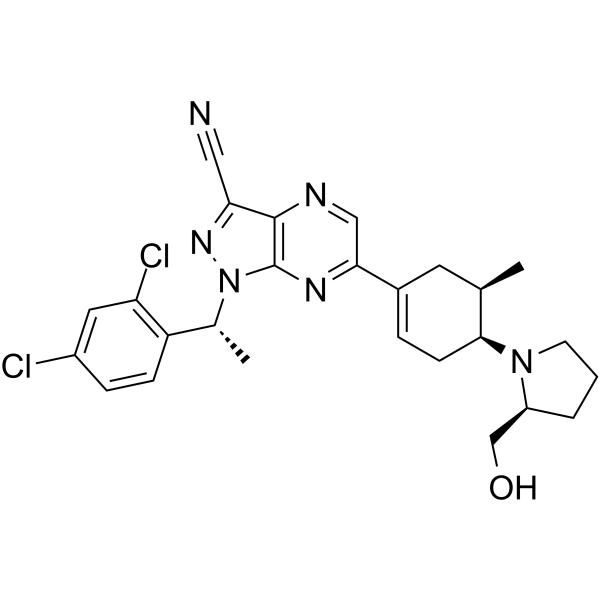
Tivumecirnon (FLX475) is an orally active, selective CCR4 antagonist. Tivumecirnon blocks the binding of CCR4 to its ligands, CCL17 and CCL22, thereby reducing Treg infiltration into the tumor microenvironment. Tivumecirnon has antitumor activity [4].
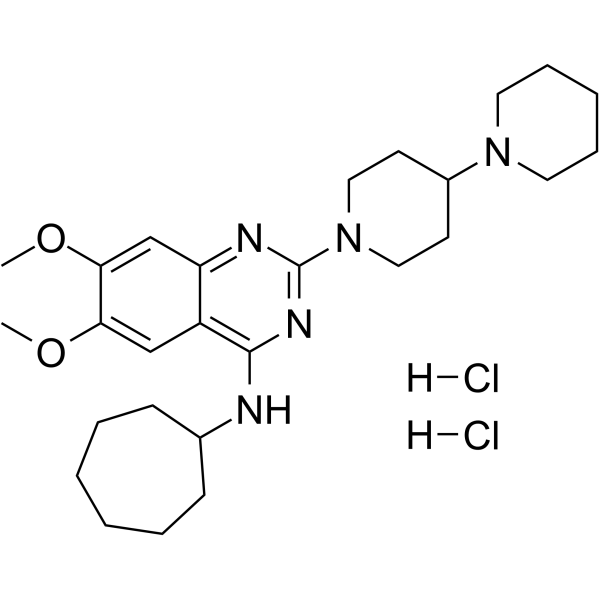
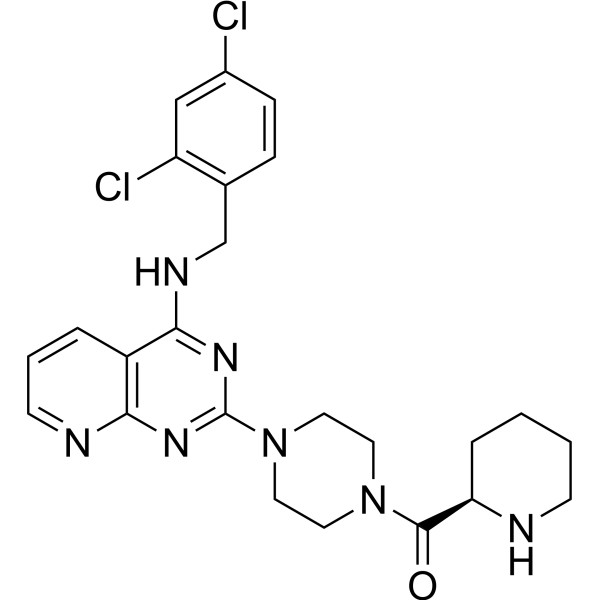
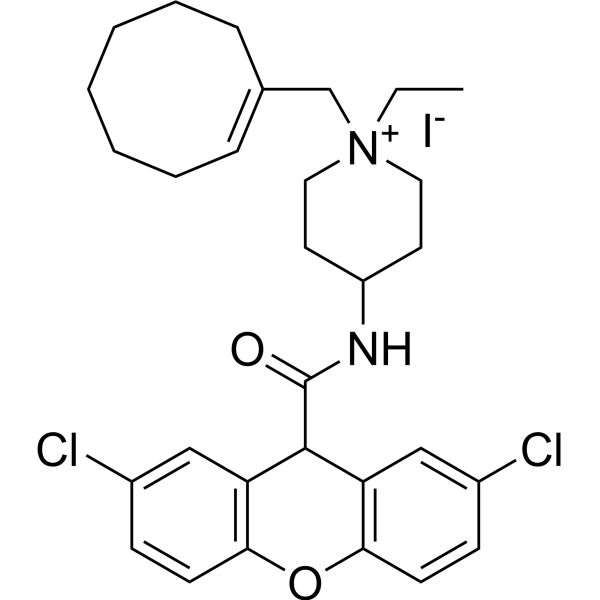
C-021 dihydrochloride is a potent CC chemokine receptor-4(CCR4) antagonist. C-021 dihydrochloride potently inhibits functional chemotaxis in human and mouse with IC50s of 140 nM and 39 nM, respectively. C-021 dihydrochloride effectively prevents human CCL22-derived [ 35S]GTPγS from binding to the receptor with an IC50 of 18 nM .
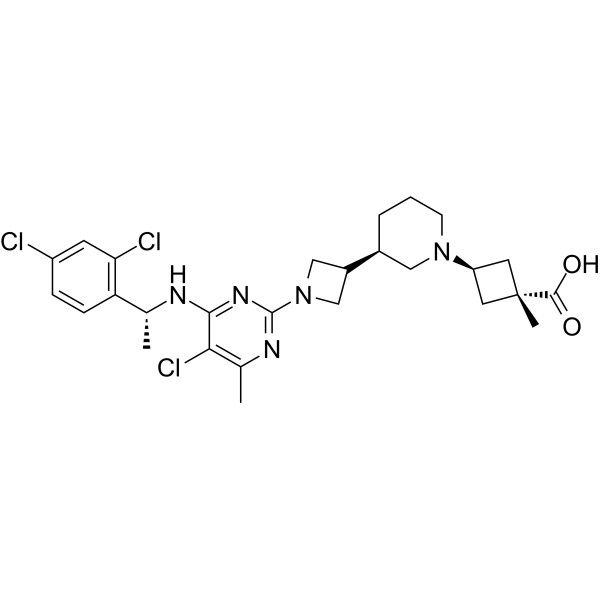
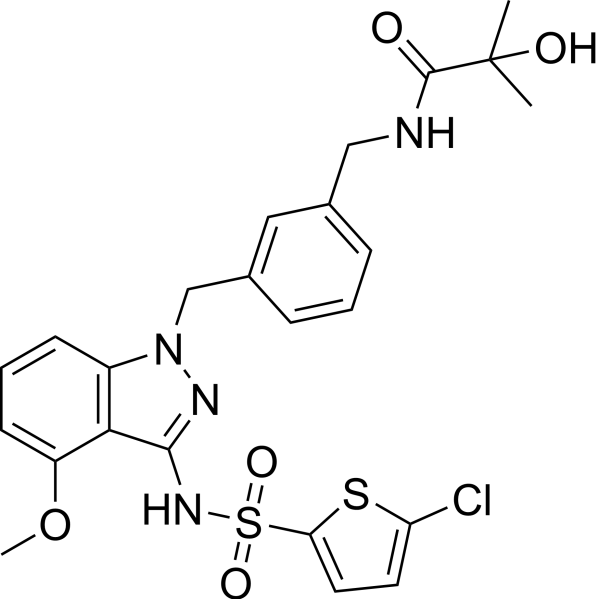
Zelnecirnon (RPT193) is an orally active inhibitor of CCR4, blocks the recruitment of Th2 inflammatory immune cells into inflamed tissues. Zelnecirnon can be used for allergic inflammation in atopic dermatitis, asthma, and other diseases research .
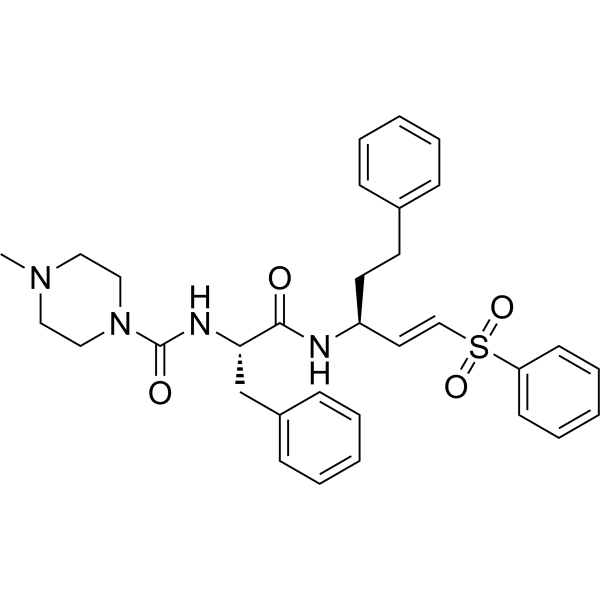
K777 is a potent, orally active and irreversible cysteine protease inhibitor. K777 is also a potent CYP3A4 inhibitor with an IC50 of 60 nM. K777 irreversibly inhibits Cruzain, the major cysteine protease of Trypansoma cruzi, and cathepsins B and L. K777 is a broad-spectrum antiviral by targeting cathepsin-mediated cell entry. K777 inhibits SARS-CoV and EBOV pseudovirus entry with IC50 values of 0.68 nM and 0.87 nM, respectively .
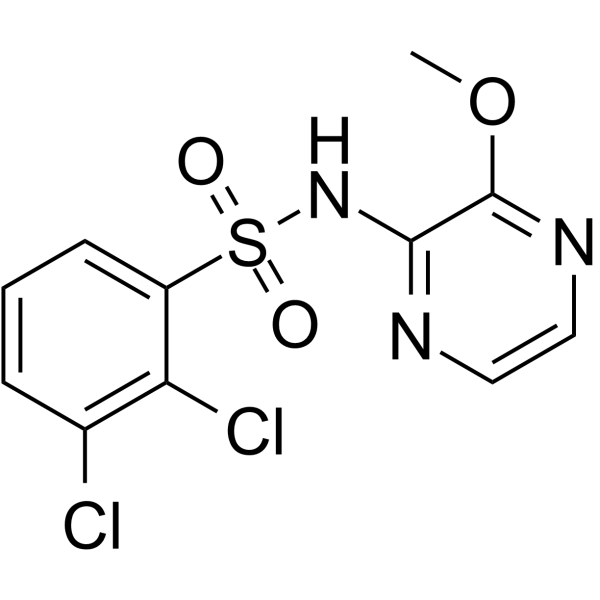
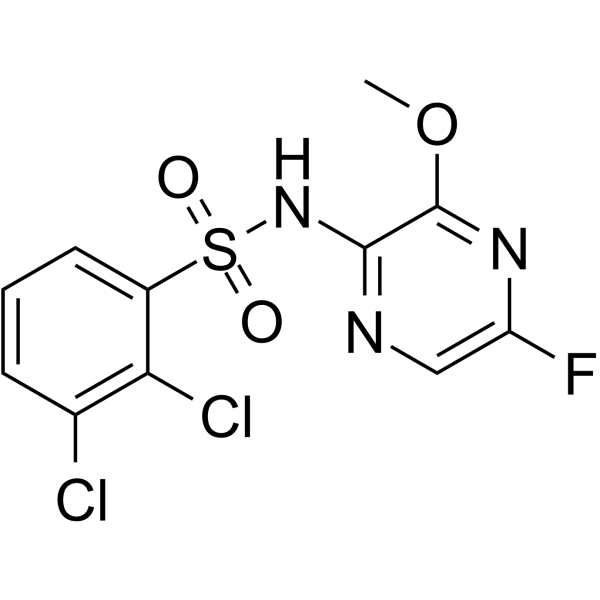
AZD2098 is a potent and selective CC-chemokine receptor 4(CCR4) inhibitor with pIC50s of 7.8, 8.0, 8.0 and 7.6 for human, rat, mouse and dog respectively, used for asthma research .
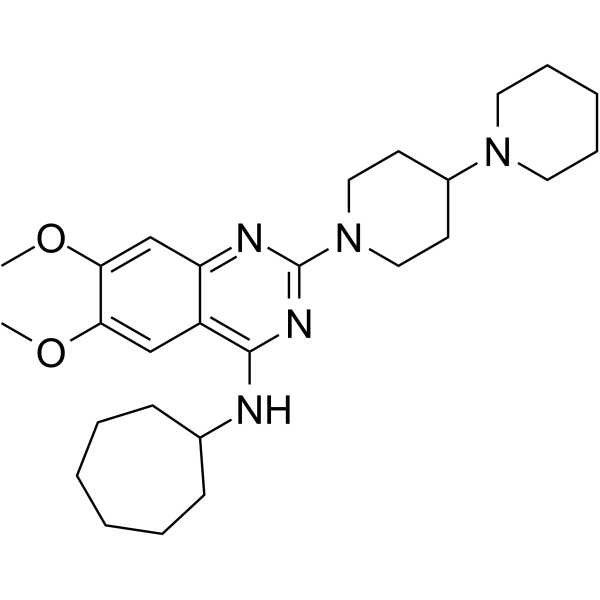
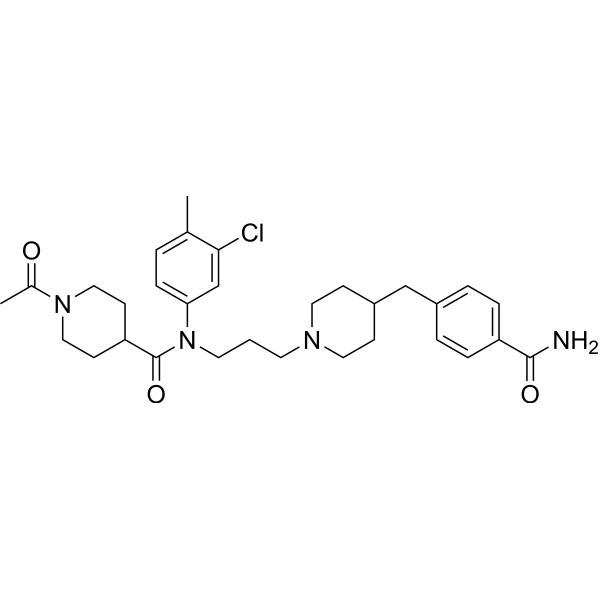
CCR4 antagonist 4 (compound 22) is a selective and potent antagonist of the CC chemokine receptor-4(CCR4), with an IC50 of 0.02 μM. CCR4 antagonist 4 also blocks MDC-mediated chemotaxis (IC50: 0.007 μM) and Ca 2+ mobilization (IC50: 0.003 μM). CCR4 antagonist 4 can be used for allergic inflammation research .
C-021 is a potent CC chemokine receptor-4(CCR4) antagonist. C-021 potently inhibits functional chemotaxis in human and mouse with IC50s of 140 nM and 39 nM, respectively. C-021 effectively prevents human CCL22-derived [ 35S]GTPγS from binding to the receptor with an IC50 of 18 nM .
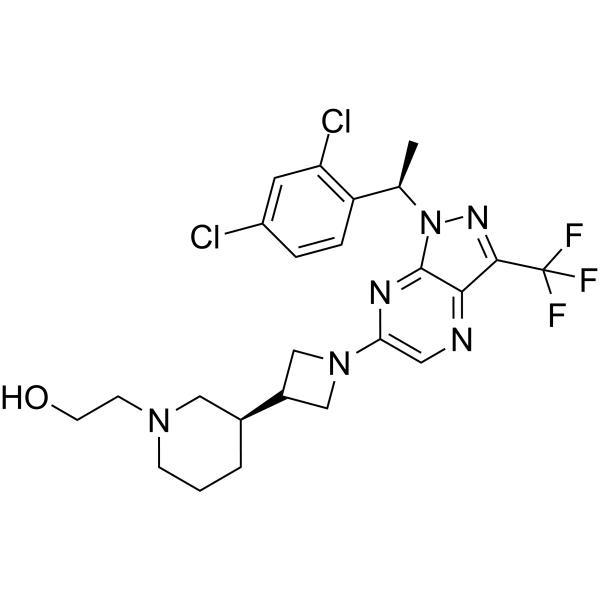
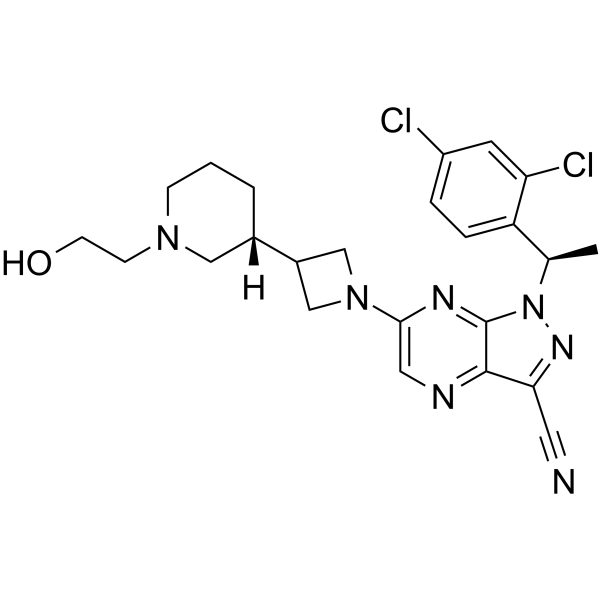
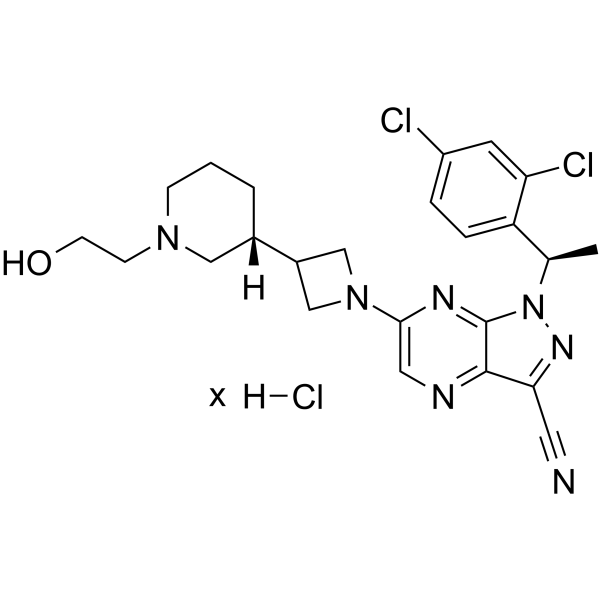
CCR4-351 is an orally active, potent and selective CCR4 antagonist. CCR4-351, featuring a novel piperidinyl-azetidine motif, has IC50s of 22 nM and 50 nM in the calcium flux and CTX assay. CCR4-351 has antitumor activity .
Mogamulizumab (KW-0761) is a recombinant anti-CCR4 monoclonal antibody (MAb). Mogamulizumab can eliminate tumor cells by antibody-dependent cellular cytotoxicity (ADCC). Mogamulizumab can be used in the research of cancers, adult T-cell leukemia/lymphoma (ATLL), cutaneous T-cell lymphoma (CTCL) .
J-113863 is a potent and selective CCR1 antagonist with IC50 values of 0.9 nM and 5.8 nM for human and mouse CCR1 receptors, respectively. J-113863 is also a potent antagonist of the human CCR3 (IC50 of 0.58 nM) , but a weak antagonist of the mouse CCR3 (IC50 of 460 nM). J-113863 is inactive against CCR2, CCR4 and CCR5, as well as the LTB4 or TNF-α receptors. Anti-inflammatory effect .
CCR4 antagonist 3 is a potent chemokine receptor 4(CCR4) antagonist with an IC50 value of 1.7 μM for [ 125I]TARC (thymus and activation regulated chemokine). CCR4 antagonist 3 inhibits binding of radiolabeled TARC and macrophage-derived chemokine (MDC) to CCR4 receptors on the surface of CEM cells. CCR4 antagonist 3 also inhibits the in vitro migration of CEM cells mediated by TARC (IC50 = 6.4 μM) .
TAK-220 is a selective and orally bioavailable CCR5 antagonist, with IC50s of 3.5 nM and 1.4 nM for inhibition on the binding of RANTES and MIP-1α to CCR5, respectively, but shows no effect on the binding to CCR1, CCR2b, CCR3, CCR4, or CCR7; TAK-220 also selectively inhibits HIV-1, with EC50s of 1.2 nM (HIV-1 KK), 0.72 nM (HIV-1 CTV), 1.7 nM (HIV-1 HKW), 1.7 nM (HIV-1 HNK), 0.93 nM (HIV-1 HTN), and 0.55 nM (HIV-1 HHA), and EC90s of 12 nM (HIV-1 KK), 5 nM (HIV-1 CTV), 12 nM (HIV-1 HKW), 28 nM (HIV-1 HNK), 15 nM (HIV-1 HTN), and 4 nM (HIV-1 HHA) in PBMCs.
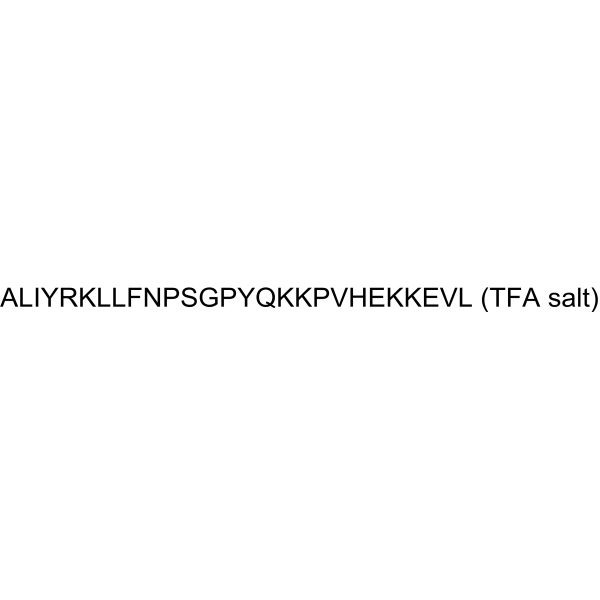
CKLF1-C19 is the C-terminal peptide of human chemokine-like factor 1 (CKLF1). CKLF1-C19 interacts with CCR4, and inhibits chemotaxis induced by both CKLF1 and CCL17. CKLF1-C19 can suppress allergic lung inflammation via inhibiting chemotaxis mediated by CCR3 and CCR4 .
Denikitug (GS-1811; JTX-1811) is a humanized monoclonal antibody against CCR8 receptor with a KD of 16.8 pM. Denikitug specifically binds to human CCR8, inhibits CCL1-induced downstreamCCR8 signaling. Denikitug selectively depletes cells expressing CCR8 via antibody-dependent cellular cytotoxicity (ADCC). Denikitug promotes anti-tumor immunity and can be used for the research of cancer and immunology .
CKLF1-C27, a C-terminal peptide of CKLF1, binds to CCR4 receptor and activates ERK1/2 pathway. CKLF1-C27 can abrogate the effect of CKLF1 on cells by competing for CCR4 receptor. CKLF1-C27 shows great effect on promoting proliferation on HUVECs. CKLF1-C27 has the potential for psoriasis research .
CCR4 antagonist 2 (Compound 31) is a novel potent, orally bioavailable small molecule antagonists of CC chemokine receptor 4(CCR4) that inhibits Treg trafficking into the Tumor Microenvironment without suppressing the number of Treg in healthy tissues.
CCR4 antagonist 2 (Compound 31) exhibits IC50 values of Ca 2+flux and (chemotaxis) CTX are 40 nM and 70 nM, respectively .
CCR4-351 hydrochloride is an orally active, potent and selective CCR4 antagonist. CCR4-351 hydrochloride, featuring a novel piperidinyl-azetidine motif, has IC50s of 22 nM and 50 nM in the calcium flux and CTX assay. CCR4-351 hydrochloride has antitumor activity .
Human CCR4 mRNA encodes the human C-C motif chemokine receptor 4 (CCR4) protein, a member of G protein-coupled receptors family. CCR4 is a receptor for the CC chemokine - MIP-1, RANTES, TARC and MCP-1. Chemokines are a group of small polypeptide, structurally related molecules that regulate cell trafficking of various types of leukocytes. The chemokines also play fundamental roles in the development, homeostasis, and function of the immune system, and they have effects on cells of the central nervous system as well as on endothelial cells involved in angiogenesis or angiostasis.
CCR4 Human Pre-designed siRNA Set A contains three designed siRNAs for CCR4 gene (Human), as well as a negative control, a positive control, and a FAM-labeled negative control.
Ccr4 Rat Pre-designed siRNA Set A contains three designed siRNAs for Ccr4 gene (Rat), as well as a negative control, a positive control, and a FAM-labeled negative control.
Ccr4 Mouse Pre-designed siRNA Set A contains three designed siRNAs for Ccr4 gene (Mouse), as well as a negative control, a positive control, and a FAM-labeled negative control.
K777 tosylate is a potent, orally active and irreversible cysteine protease inhibitor. K777 tosylate is also a potent CYP3A4 inhibitor with an IC50 of 60 nM. K777 tosylate irreversibly inhibits Cruzain, the major cysteine protease of Trypansoma cruzi, and cathepsins B and L. K777 tosylate is a broad-spectrum antiviral by targeting cathepsin-mediated cell entry. K777 tosylate inhibits SARS-CoV and EBOV pseudovirus entry with IC50 values of 0.68 nM and 0.87 nM, respectively .
CKLF1-C27, a C-terminal peptide of CKLF1, binds to CCR4 receptor and activates ERK1/2 pathway. CKLF1-C27 can abrogate the effect of CKLF1 on cells by competing for CCR4 receptor. CKLF1-C27 shows great effect on promoting proliferation on HUVECs. CKLF1-C27 has the potential for psoriasis research .
C-021 (dihydrochloride) (Standard) is the analytical standard of C-021 (dihydrochloride). This product is intended for research and analytical applications. C-021 dihydrochloride is a potent CC chemokine receptor-4 (CCR4) antagonist. C-021 dihydrochloride potently inhibits functional chemotaxis in human and mouse with IC50s of 140 nM and 39 nM, respectively. C-021 dihydrochloride effectively prevents human CCL22-derived [35S]GTPγS from binding to the receptor with an IC50 of 18 nM .
C-021 (Standard) is the analytical standard of C-021. This product is intended for research and analytical applications. C-021 is a potent CC chemokine receptor-4 (CCR4) antagonist. C-021 potently inhibits functional chemotaxis in human and mouse with IC50s of 140 nM and 39 nM, respectively. C-021 effectively prevents human CCL22-derived [35S]GTPγS from binding to the receptor with an IC50 of 18 nM .
AT008 is an anti-GPCR monoclonal antibody that blocks the binding of chemokine ligands to its cell surface receptor CCR4. AT008 can be studied in research for certain haematological and solid cancers.
ST45177901 is a CC chemokine receptor 4(CCR4) antagonist. The combination of ST45177901 and Sorafenib (HY-10201) effectively inhibits the chemotaxis of Treg cells via the CCL22/CCL17-CCR4 signaling pathway, thereby significantly suppressing the growth and metastasis of tumor cells. ST45177901 is applicable to liver cancer research .
GSK2239633A (Standard) is the analytical standard of GSK2239633A (HY-100183). This product is intended for research and analytical applications. GSK2239633A is a CC-chemokine receptor 4 (CCR4) antagonist, which inhibits the binding of [125I]-TARC to human CCR4 with a pIC50 of 7.96.
Noct Mouse Pre-designed siRNA Set A contains three designed siRNAs for Noct gene (Mouse), as well as a negative control, a positive control, and a FAM-labeled negative control.
CNOT6 Human Pre-designed siRNA Set A contains three designed siRNAs for CNOT6 gene (Human), as well as a negative control, a positive control, and a FAM-labeled negative control.
J-113863 (Standard) is the analytical standard of J-113863 (HY-103360). This product is intended for research and analytical applications. J-113863 is a potent and selective CCR1 antagonist with IC50 values of 0.9 nM and 5.8 nM for human and mouse CCR1 receptors, respectively. J-113863 is also a potent antagonist of the human CCR3 (IC50 of 0.58 nM) , but a weak antagonist of the mouse CCR3 (IC50 of 460 nM). J-113863 is inactive against CCR2, CCR4 and CCR5, as well as the LTB4 or TNF-α receptors. Anti-inflammatory effect .
HFB101110 is a human-derived inhibitor and Treg depleter that specifically targets CCR8. It does not bind to the homologous CCR4 receptor and is mainly used in research on solid tumors, renal cell carcinoma and colorectal cancer. HFB101110 blocks hCCL1 binding by interacting with the N-terminal extracellular domain of hCCR8, thereby inhibiting hCCL1-induced calcium influx, chemotaxis and downstream signaling pathways. Meanwhile, HFB101110 can mediate ADCC effects to specifically deplete CCR8-positive cells, including intratumoral Tregs. HFB101110 exhibits favorable anti-tumor activity and pharmacokinetic properties .
Noct Rat Pre-designed siRNA Set A contains three designed siRNAs for Noct gene (Rat), as well as a negative control, a positive control, and a FAM-labeled negative control.
CKLF1-C19 is the C-terminal peptide of human chemokine-like factor 1 (CKLF1). CKLF1-C19 interacts with CCR4, and inhibits chemotaxis induced by both CKLF1 and CCL17. CKLF1-C19 can suppress allergic lung inflammation via inhibiting chemotaxis mediated by CCR3 and CCR4 .
CKLF1-C27, a C-terminal peptide of CKLF1, binds to CCR4 receptor and activates ERK1/2 pathway. CKLF1-C27 can abrogate the effect of CKLF1 on cells by competing for CCR4 receptor. CKLF1-C27 shows great effect on promoting proliferation on HUVECs. CKLF1-C27 has the potential for psoriasis research .
CKLF1-C27, a C-terminal peptide of CKLF1, binds to CCR4 receptor and activates ERK1/2 pathway. CKLF1-C27 can abrogate the effect of CKLF1 on cells by competing for CCR4 receptor. CKLF1-C27 shows great effect on promoting proliferation on HUVECs. CKLF1-C27 has the potential for psoriasis research .
Mogamulizumab (KW-0761) is a recombinant anti-CCR4 monoclonal antibody (MAb). Mogamulizumab can eliminate tumor cells by antibody-dependent cellular cytotoxicity (ADCC). Mogamulizumab can be used in the research of cancers, adult T-cell leukemia/lymphoma (ATLL), cutaneous T-cell lymphoma (CTCL) .
Denikitug (GS-1811; JTX-1811) is a humanized monoclonal antibody against CCR8 receptor with a KD of 16.8 pM. Denikitug specifically binds to human CCR8, inhibits CCL1-induced downstreamCCR8 signaling. Denikitug selectively depletes cells expressing CCR8 via antibody-dependent cellular cytotoxicity (ADCC). Denikitug promotes anti-tumor immunity and can be used for the research of cancer and immunology .
AT008 is an anti-GPCR monoclonal antibody that blocks the binding of chemokine ligands to its cell surface receptor CCR4. AT008 can be studied in research for certain haematological and solid cancers.
HFB101110 is a human-derived inhibitor and Treg depleter that specifically targets CCR8. It does not bind to the homologous CCR4 receptor and is mainly used in research on solid tumors, renal cell carcinoma and colorectal cancer. HFB101110 blocks hCCL1 binding by interacting with the N-terminal extracellular domain of hCCR8, thereby inhibiting hCCL1-induced calcium influx, chemotaxis and downstream signaling pathways. Meanwhile, HFB101110 can mediate ADCC effects to specifically deplete CCR8-positive cells, including intratumoral Tregs. HFB101110 exhibits favorable anti-tumor activity and pharmacokinetic properties .
CCR4 Protein-VLP, Human (HEK293, His) is recommended for animal immunization, ELISA. It is not recommended for receptor-ligand interaction detection and SPR/BLI assay since there are other irrelevant membrane proteins of the host on the VLP envelope, and the receptor-ligand interaction will have strong background interference. High requirements for chips and experimental protocols are needed for SPR/BLI assays. If VLP control is required, it is recommended HY-P701236. Tags can only be detected under denaturing conditions.
CCR4 protein-VLP is a multifunctional entity that acts as a high-affinity receptor for CC-type chemokines and specifically binds CCL17/TARC, CCL22/MDC, and CKLF1. It mediates chemotactic responses through G(i) protein and activates the phosphatidylinositol-calcium second messenger system. CCR4 Protein, Human (Cell-Free, His) is the recombinant human-derived CCR4, expressed by E. coli Cell-free, with N-10*His labeled tag. The total length of CCR4 Protein, Human (Cell-Free, His) is 360 a.a..
Human CCR4 mRNA encodes the human C-C motif chemokine receptor 4 (CCR4) protein, a member of G protein-coupled receptors family. CCR4 is a receptor for the CC chemokine - MIP-1, RANTES, TARC and MCP-1. Chemokines are a group of small polypeptide, structurally related molecules that regulate cell trafficking of various types of leukocytes. The chemokines also play fundamental roles in the development, homeostasis, and function of the immune system, and they have effects on cells of the central nervous system as well as on endothelial cells involved in angiogenesis or angiostasis.
CCR4 Human Pre-designed siRNA Set A contains three designed siRNAs for CCR4 gene (Human), as well as a negative control, a positive control, and a FAM-labeled negative control.
Ccr4 Rat Pre-designed siRNA Set A contains three designed siRNAs for Ccr4 gene (Rat), as well as a negative control, a positive control, and a FAM-labeled negative control.
Ccr4 Mouse Pre-designed siRNA Set A contains three designed siRNAs for Ccr4 gene (Mouse), as well as a negative control, a positive control, and a FAM-labeled negative control.
Noct Mouse Pre-designed siRNA Set A contains three designed siRNAs for Noct gene (Mouse), as well as a negative control, a positive control, and a FAM-labeled negative control.
CNOT6 Human Pre-designed siRNA Set A contains three designed siRNAs for CNOT6 gene (Human), as well as a negative control, a positive control, and a FAM-labeled negative control.
Noct Rat Pre-designed siRNA Set A contains three designed siRNAs for Noct gene (Rat), as well as a negative control, a positive control, and a FAM-labeled negative control.
Inquiry Online
Your information is safe with us. * Required Fields.
Western blot analysis of extracts from THP-1(lane 2(20μg), Jurkat (lane 3(20μg) and NIH3T3(lane 4(20μg) using FOXO1A (HY-P80132) Rabbit mAb. Proteins were transferred
to a PVDF membrane and blocked with 5% non-fat milk in TBST for 2 hour at room temperature. The primary antibody (1/1000) and Loading control antibody (Beta Actin, HY-P80438, 1/10000) was
used in 5% non-fat milk in TBST at 4°C overnight. Goat Anti-Mouse/Rabbit IgG-HRP Secondary Antibody (1/10000) was used for 1 hour at room temperature.
Western blot analysis of extracts from THP-1(lane 2(20μg), Jurkat (lane 3(20μg) and NIH3T3(lane 4(20μg) using FOXO1A (HY-P80132) Rabbit mAb. Proteins were transferred
to a PVDF membrane and blocked with 5% non-fat milk in TBST for 2 hour at room temperature. The primary antibody (1/1000) and Loading control antibody (Beta Actin, HY-P80438, 1/10000) was
used in 5% non-fat milk in TBST at 4°C overnight. Goat Anti-Mouse/Rabbit IgG-HRP Secondary Antibody (1/10000) was used for 1 hour at room temperature.
Western blot analysis of extracts from THP-1(lane 2(20μg), Jurkat (lane 3(20μg) and NIH3T3(lane 4(20μg) using FOXO1A (HY-P80132) Rabbit mAb. Proteins were transferred
to a PVDF membrane and blocked with 5% non-fat milk in TBST for 2 hour at room temperature. The primary antibody (1/1000) and Loading control antibody (Beta Actin, HY-P80438, 1/10000) was
used in 5% non-fat milk in TBST at 4°C overnight. Goat Anti-Mouse/Rabbit IgG-HRP Secondary Antibody (1/10000) was used for 1 hour at room temperature.
Western blot analysis of extracts from THP-1(lane 2(20μg), Jurkat (lane 3(20μg) and NIH3T3(lane 4(20μg) using FOXO1A (HY-P80132) Rabbit mAb. Proteins were transferred
to a PVDF membrane and blocked with 5% non-fat milk in TBST for 2 hour at room temperature. The primary antibody (1/1000) and Loading control antibody (Beta Actin, HY-P80438, 1/10000) was
MedchemExpress Validation 03
Western blot analysis of extracts from THP-1(lane 2(20μg), Jurkat (lane 3(20μg) and NIH3T3(lane 4(20μg) using FOXO1A (HY-P80132) Rabbit mAb. Proteins were transferred
MedchemExpress Validation 04
Western blot analysis of extracts from THP-1(lane 2(20μg), Jurkat (lane 3(20μg) and NIH3T3(lane 4(20μg) using FOXO1A (HY-P80132) Rabbit mAb. Proteins were transferred
to a PVDF membrane and blocked with 5% non-fat milk in TBST for 2 hour at room temperature. The primary antibody (1/1000) and Loading control antibody (Beta Actin, HY-P80438, 1/10000) was
used in 5% non-fat milk in TBST at 4°C overnight. Goat Anti-Mouse/Rabbit IgG-HRP Secondary Antibody (1/10000) was used for 1 hour at room temperature.
MedchemExpress Validation
Western blot analysis of extracts from THP-1(lane 2(20μg), Jurkat (lane 3(20μg) and NIH3T3(lane 4(20μg) using FOXO1A (HY-P80132) Rabbit mAb. Proteins were transferred
to a PVDF membrane and blocked with 5% non-fat milk in TBST for 2 hour at room temperature. The primary antibody (1/1000) and Loading control antibody (Beta Actin, HY-P80438, 1/10000) was
used in 5% non-fat milk in TBST at 4°C overnight. Goat Anti-Mouse/Rabbit IgG-HRP Secondary Antibody (1/10000) was used for 1 hour at room temperature.
Western blot analysis of extracts from THP-1(lane 2(20μg), Jurkat (lane 3(20μg) and NIH3T3(lane 4(20μg) using FOXO1A (HY-P80132) Rabbit mAb. Proteins were transferred
to a PVDF membrane and blocked with 5% non-fat milk in TBST for 2 hour at room temperature. The primary antibody (1/1000) and Loading control antibody (Beta Actin, HY-P80438, 1/10000) was
used in 5% non-fat milk in TBST at 4°C overnight. Goat Anti-Mouse/Rabbit IgG-HRP Secondary Antibody (1/10000) was used for 1 hour at room temperature.
MedchemExpress Validation
Western blot analysis of extracts from THP-1(lane 2(20μg), Jurkat (lane 3(20μg) and NIH3T3(lane 4(20μg) using FOXO1A (HY-P80132) Rabbit mAb. Proteins were transferred
to a PVDF membrane and blocked with 5% non-fat milk in TBST for 2 hour at room temperature. The primary antibody (1/1000) and Loading control antibody (Beta Actin, HY-P80438, 1/10000) was
used in 5% non-fat milk in TBST at 4°C overnight. Goat Anti-Mouse/Rabbit IgG-HRP Secondary Antibody (1/10000) was used for 1 hour at room temperature.
MedchemExpress Validation
Western blot analysis of extracts from THP-1(lane 2(20μg), Jurkat (lane 3(20μg) and NIH3T3(lane 4(20μg) using FOXO1A (HY-P80132) Rabbit mAb. Proteins were transferred
to a PVDF membrane and blocked with 5% non-fat milk in TBST for 2 hour at room temperature. The primary antibody (1/1000) and Loading control antibody (Beta Actin, HY-P80438, 1/10000) was
used in 5% non-fat milk in TBST at 4°C overnight. Goat Anti-Mouse/Rabbit IgG-HRP Secondary Antibody (1/10000) was used for 1 hour at room temperature.
MedchemExpress Validation
Western blot analysis of extracts from THP-1(lane 2(20μg), Jurkat (lane 3(20μg) and NIH3T3(lane 4(20μg) using FOXO1A (HY-P80132) Rabbit mAb. Proteins were transferred
to a PVDF membrane and blocked with 5% non-fat milk in TBST for 2 hour at room temperature. The primary antibody (1/1000) and Loading control antibody (Beta Actin, HY-P80438, 1/10000) was
used in 5% non-fat milk in TBST at 4°C overnight. Goat Anti-Mouse/Rabbit IgG-HRP Secondary Antibody (1/10000) was used for 1 hour at room temperature.
MedchemExpress Validation
Western blot analysis of extracts from THP-1(lane 2(20μg), Jurkat (lane 3(20μg) and NIH3T3(lane 4(20μg) using FOXO1A (HY-P80132) Rabbit mAb. Proteins were transferred
to a PVDF membrane and blocked with 5% non-fat milk in TBST for 2 hour at room temperature. The primary antibody (1/1000) and Loading control antibody (Beta Actin, HY-P80438, 1/10000) was
used in 5% non-fat milk in TBST at 4°C overnight. Goat Anti-Mouse/Rabbit IgG-HRP Secondary Antibody (1/10000) was used for 1 hour at room temperature.
MedchemExpress Validation
Western blot analysis of extracts from THP-1(lane 2(20μg), Jurkat (lane 3(20μg) and NIH3T3(lane 4(20μg) using FOXO1A (HY-P80132) Rabbit mAb. Proteins were transferred
to a PVDF membrane and blocked with 5% non-fat milk in TBST for 2 hour at room temperature. The primary antibody (1/1000) and Loading control antibody (Beta Actin, HY-P80438, 1/10000) was
used in 5% non-fat milk in TBST at 4°C overnight. Goat Anti-Mouse/Rabbit IgG-HRP Secondary Antibody (1/10000) was used for 1 hour at room temperature.
MedchemExpress Validation
Western blot analysis of extracts from THP-1(lane 2(20μg), Jurkat (lane 3(20μg) and NIH3T3(lane 4(20μg) using FOXO1A (HY-P80132) Rabbit mAb. Proteins were transferred
to a PVDF membrane and blocked with 5% non-fat milk in TBST for 2 hour at room temperature. The primary antibody (1/1000) and Loading control antibody (Beta Actin, HY-P80438, 1/10000) was
used in 5% non-fat milk in TBST at 4°C overnight. Goat Anti-Mouse/Rabbit IgG-HRP Secondary Antibody (1/10000) was used for 1 hour at room temperature.
MedChemExpress values your privacy and your trust is important to us. We use cookies to enhance your website experience. Some cookies are necessary to run the website.
Privacy and Cookie Policy