



C-021 dihydrochloride
Based on 4 publication(s) in Google Scholar
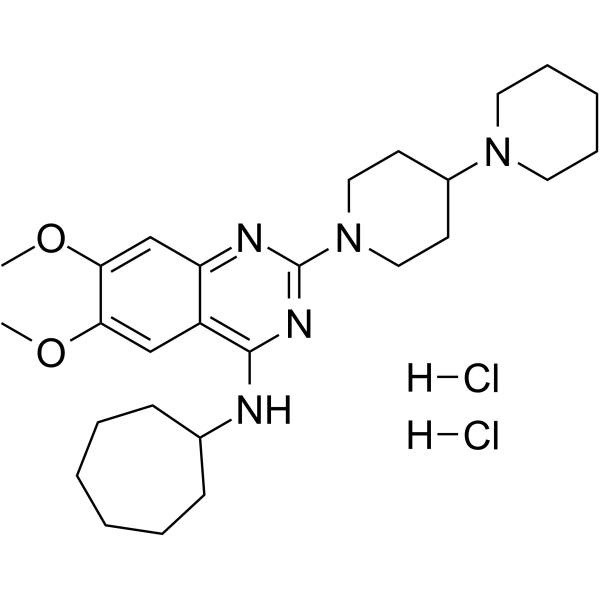
C-021 dihydrochloride is a potent CC chemokine receptor-4 (CCR4) antagonist. C-021 dihydrochloride potently inhibits functional chemotaxis in human and mouse with IC50s of 140 nM and 39 nM, respectively. C-021 dihydrochloride effectively prevents human CCL22-derived [35S]GTPγS from binding to the receptor with an IC50 of 18 nM.
For research use only. We do not sell to patients.
- Purity : 99.73%
- CAS No.: 1784252-84-1
- Formula: C27H43Cl2N5O2
- Molecular Weight:540.57
-
Storage:
4°C, sealed storage, away from moisture
* In solvent : -80°C, 6 months; -20°C, 1 month (sealed storage, away from moisture)

To place orders, for customer services and technical support, please contact: MedChemExpress USA
Tel: 609-228-6898 E-mail: [email protected] [email protected]


-
 Biological Activity
-
Chemical Information
-
Solvent & Solubility
- Protocols
- Purity & Documentation
- References
-
 Help & FAQs


-
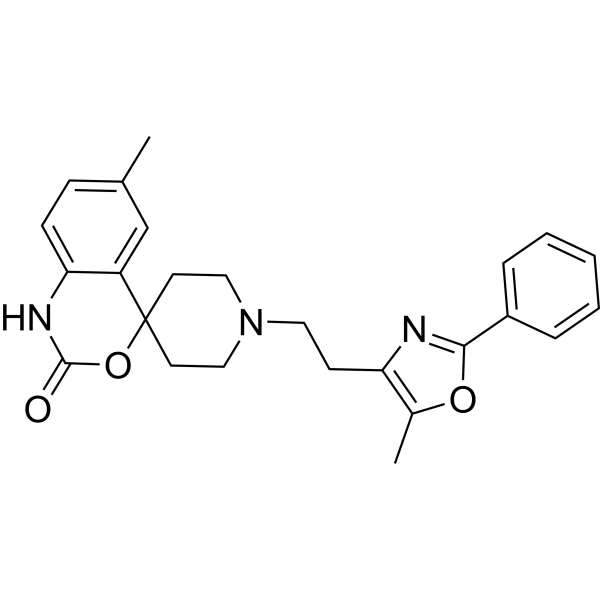
HY-15418
RS 504393CCR2 Antagonist -
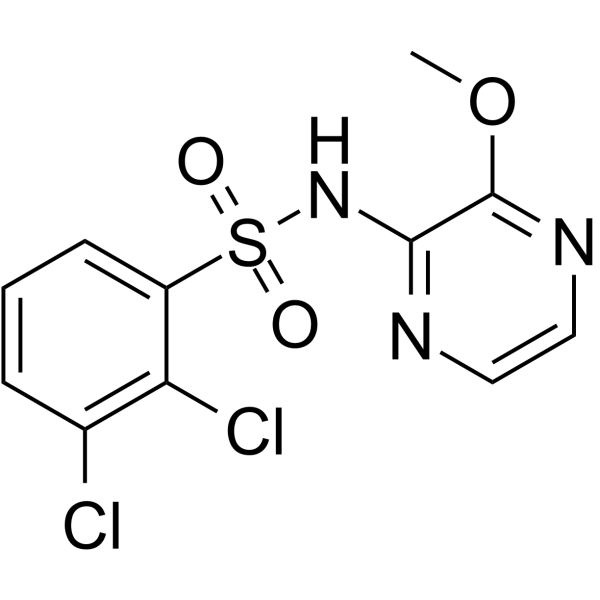
HY-U00064
AZD2098 -
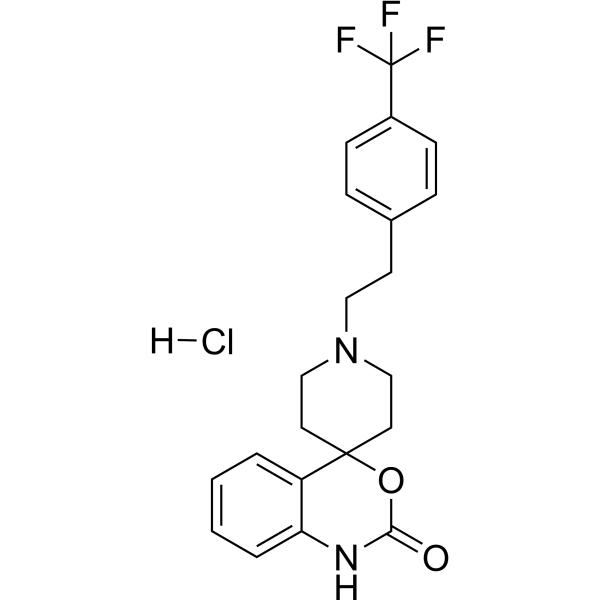
HY-18611
Abaucin hydrochlorideCCR2antagonist -
HY-50674
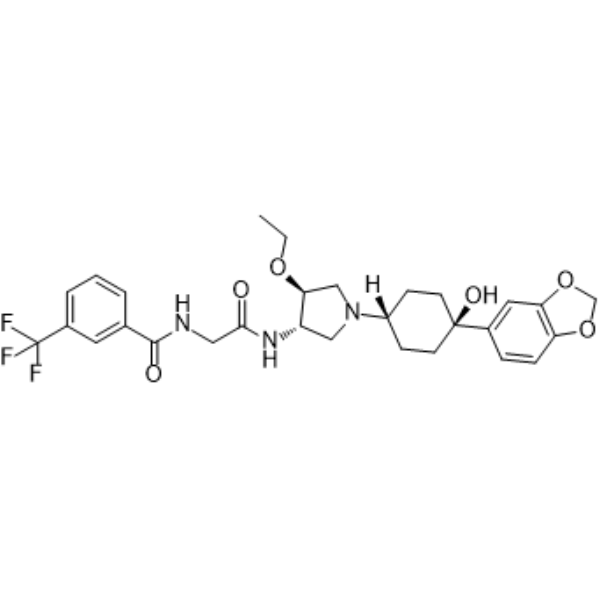
INCB3344CCR2 Antagonis -
HY-D1055
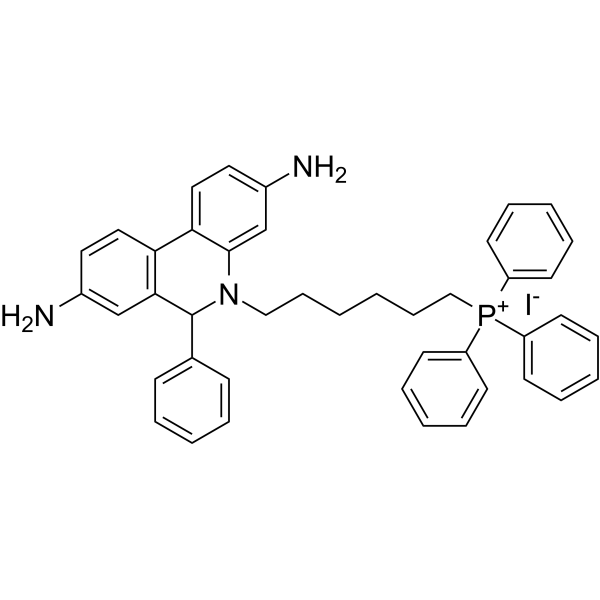
MitoSOX RedMitochondrial ROS Indicator -
HY-148494
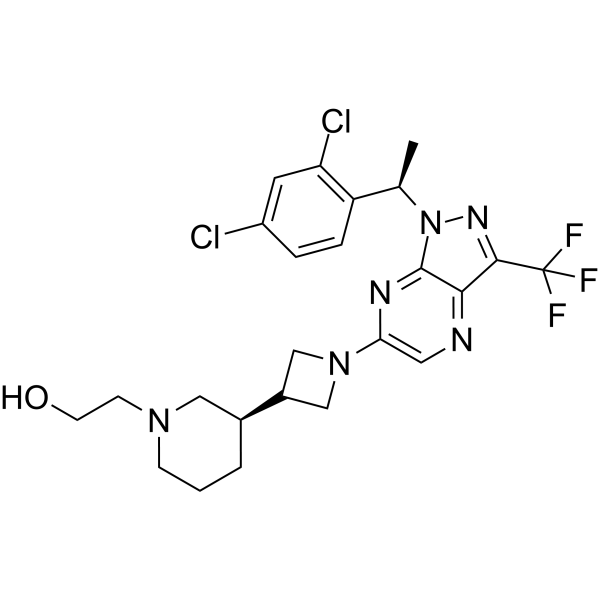
TivumecirnonCCR4 Antagonist -
HY-148074
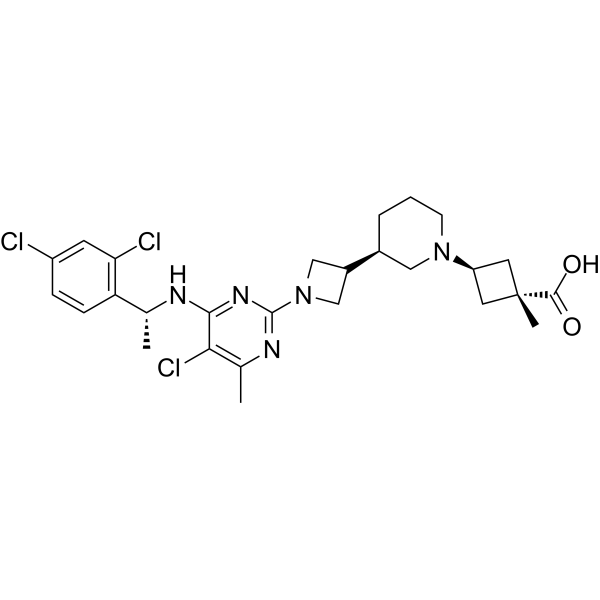
ZelnecirnonCCR4 Inhibitor -
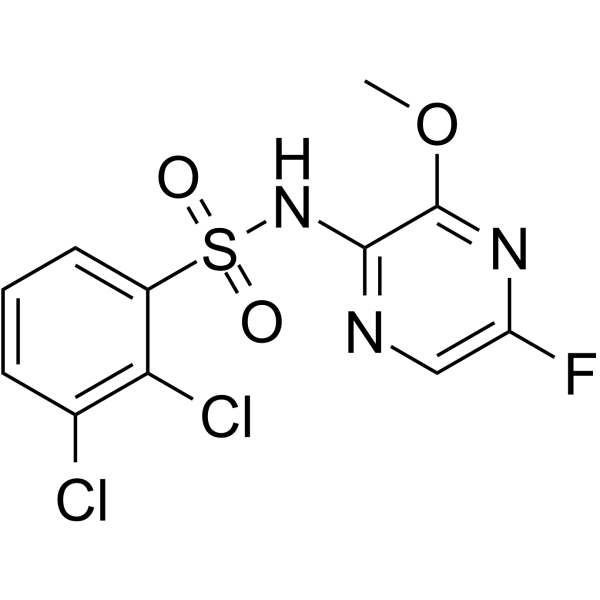
HY-109511
AZD-1678CCR4 Receptor Antagonist -
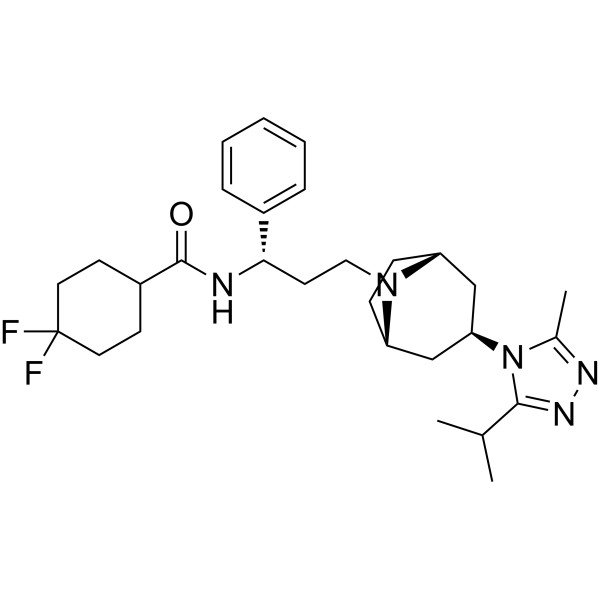
HY-13004
MaravirocCCR5 Antagonist -
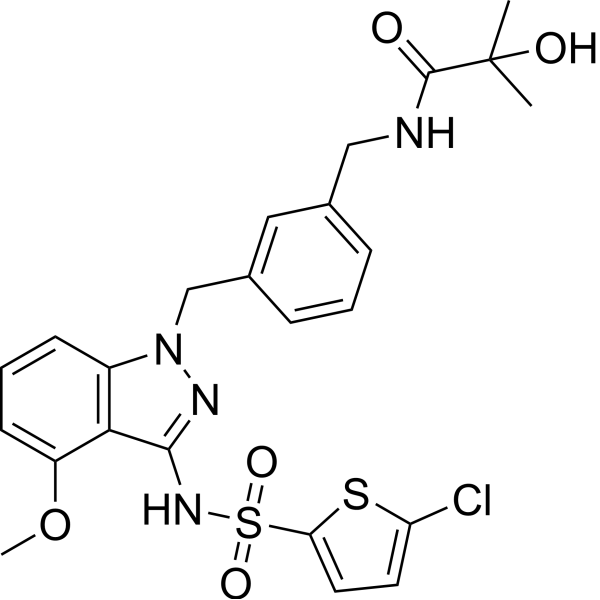
HY-100183
GSK2239633ACCR4 Antagonist -

HY-P3982
CKLF1-C19CCR4 Agonsit -
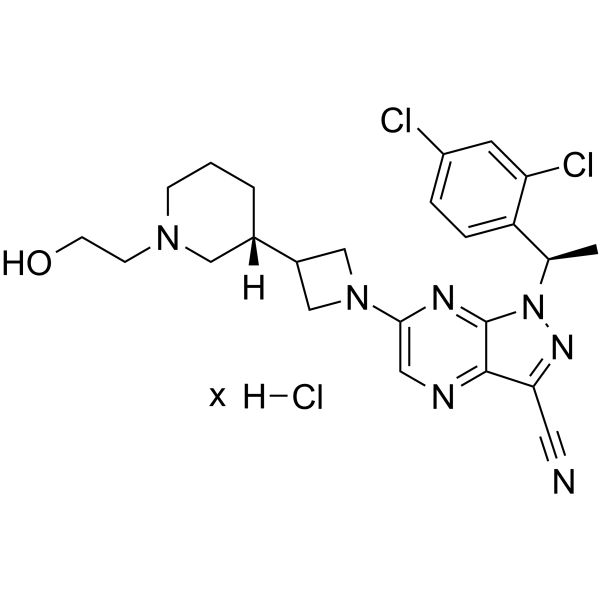
HY-131349A
CCR4-351 hydrochlorideCCR4 Antagonist
Publications Citing Use of MedChemExpress (MCE) C-021 dihydrochloride
More

Biological Activity
Description
IC50 & Target
[1]|
CCR4 |
In Vitro
The in vitro oxidative metabolic stability of C-021 (Compound 1b) is evaluated by measuring the rate of drug consumption in human liver microsomes (HML), thus providing intrinsic clearance values (CLint). C-021 exhibits CLint value of 17,377 mL/h/kg[1].
MedChemExpress (MCE) has not independently confirmed the accuracy of these methods. They are for reference only.
In Vivo
C-021 (1 mg/kg; i.p.; daily; for 3 days) significantly less microgliosis in acute liver failuremice[2].
MedChemExpress (MCE) has not independently confirmed the accuracy of these methods. They are for reference only.
-
Animal Model:Male C57Bl/6 mice (20-25 g) with acute liver failure[2]
-
Dosage:1 mg/kg
-
Administration:i.p.; daily; for 3 days
-
Result:Significantly less microgliosis, and significantly reduced the pERK1/2 to tERK1/2 ratio.


Chemical Information
-
CAS No. 1784252-84-1
-
Appearance Solid
-
Molecular Weight 540.57
-
Formula C27H43Cl2N5O2
-
Color White to light yellow
-
SMILES
COC1=CC2=NC(N3CCC(N4CCCCC4)CC3)=NC(NC5CCCCCC5)=C2C=C1OC.[H]Cl.[H]Cl
-
Shipping
Room temperature in continental US; may vary elsewhere.
-
Storage
4°C, sealed storage, away from moisture
* In solvent : -80°C, 6 months; -20°C, 1 month (sealed storage, away from moisture)


Publications (4)
-
Journal Impact Factor
-
Most Recent
-
J Immunother Cancer
2024 Dec 4;12(12):e009629. PMID: 39631847 -
-
Biochem Pharmacol
CCL17 drives fibroblast activation in the progression of pulmonary fibrosis by enhancing the TGF-β/Smad signaling. [Abstract]2023 Apr:210:115475. PMID: 36870575 -


Solvent & Solubility
In Vitro:
DMSO : 83.33 mg/mL (154.15 mM; Need ultrasonic; Hygroscopic DMSO has a significant impact on the solubility of product, please use newly opened DMSO)
H2O : 27.0285 mg/mL (50.00 mM; Need ultrasonic and warming)
Please refer to the solubility information to select the appropriate solvent. Once prepared, please aliquot and store the solution to prevent product inactivation from repeated freeze-thaw cycles.
Storage method and period of stock solution: -80°C, 6 months; -20°C, 1 month (sealed storage, away from moisture). When stored at -80°C, please use it within 6 months. When stored at -20°C, please use it within 1 month.
* Note: If you choose water as the stock solution, please dilute it to the working solution, then filter and sterilize it with a 0.22 μm filter before use.
Please refer to the solubility information to select the appropriate solvent. Once prepared, please aliquot and store the solution to prevent product inactivation from repeated freeze-thaw cycles.
Storage method and period of stock solution: -80°C, 6 months; -20°C, 1 month (sealed storage, away from moisture). When stored at -80°C, please use it within 6 months. When stored at -20°C, please use it within 1 month.
* Note: If you choose water as the stock solution, please dilute it to the working solution, then filter and sterilize it with a 0.22 μm filter before use.
Concentration (start) × Volume (start) = Concentration (final) × Volume (final)
In Vivo:
Select the appropriate dissolution method based on your experimental animal and administration route.
- For the following dissolution methods, please ensure to first prepare a clear stock solution using an In Vitro approach and then sequentially add co-solvents:
- To ensure reliable experimental results, the clarified stock solution can be appropriately stored based on storage conditions. As for the working solution for In Vivo experiments, it is recommended to prepare freshly and use it on the same day.
- The percentages shown for the solvents indicate their volumetric ratio in the final prepared solution. If precipitation or phase separation occurs during preparation, heat and/or sonication can be used to aid dissolution.
Add each solvent one by one: 10% DMSO 40% PEG300 5% Tween-80 45% Saline
Solubility: 5 mg/mL (9.25 mM); Clear solution; Need ultrasonic
This protocol yields a clear solution of 5 mg/mL.
Taking 1 mL working solution as an example, add 100 μL DMSO stock solution (50.0 mg/mL) to 400 μL PEG300, and mix evenly; then add 50 μL Tween-80 and mix evenly; then add 450 μL Saline to adjust the volume to 1 mL.
Preparation of Saline: Dissolve 0.9 g sodium chloride in ddH₂O and dilute to 100 mL to obtain a clear Saline solution.
Add each solvent one by one: 10% DMSO 90% (20% SBE-β-CD in Saline)
Solubility: ≥ 5 mg/mL (9.25 mM); Clear solution
This protocol yields a clear solution of ≥ 5 mg/mL (saturation unknown).
Taking 1 mL working solution as an example, add 100 μL DMSO stock solution (50.0 mg/mL) to 900 μL 20% SBE-β-CD in Saline, and mix evenly.
Preparation of 20% SBE-β-CD in Saline (4°C, storage for one week): 2 g SBE-β-CD powder is dissolved in 10 mL Saline, completely dissolve until clear.
In Vivo Dissolution Calculator
Please enter the basic information of animal experiments:
-
-
-
-
Recommended: Prepare an additional quantity of animals to account for potential losses during experiments.
Working solution concentration: 0.22 mg/mL
This product has good water solubility, please refer to the measured solubility data in water/PBS/Saline for details.


Purity & Documentation
-
Data Sheet (278 KB)
-
SDS (394 KB)
- English - EN (394 KB)
- Français - FR (394 KB)
- Deutsch - DE (394 KB)
- Norwegian - NO (394 KB)
- Español - ES (394 KB)
- Swedish - SV (394 KB)
- Italian - IT (394 KB)
- Korean - KR (394 KB)
- Portuguese - PT (394 KB)
-
Handling Instructions (2659 KB)
References
[1]. Yokoyama K, et al. Potent and orally bioavailable CCR4 antagonists: Synthesis and structure-activity relationship study of 2-aminoquinazolines. Bioorg Med Chem. 2009 Jan 1;17(1):64-73. [Content Brief]
[2]. Matthew McMillin, et al. Neuronal CCL2 is upregulated during hepatic encephalopathy and contributes to microglia activation and neurological decline. J Neuroinflammation. 2014 Jul 10;11:121. [Content Brief]


Complete Stock Solution Preparation Table
Please refer to the solubility information to select the appropriate solvent. Once prepared, please aliquot and store the solution to prevent product inactivation from repeated freeze-thaw cycles.
Storage method and period of stock solution: -80°C, 6 months; -20°C, 1 month (sealed storage, away from moisture). When stored at -80°C, please use it within 6 months. When stored at -20°C, please use it within 1 month.
| Optional Solvent | Concentration Solvent Mass | 1 mg | 5 mg | 10 mg | 25 mg |
|---|---|---|---|---|---|
| H2O / DMSO | 1 mM | 1.8499 mL | 9.2495 mL | 18.4990 mL | 46.2475 mL |
| 5 mM | 0.3700 mL | 1.8499 mL | 3.6998 mL | 9.2495 mL | |
| 10 mM | 0.1850 mL | 0.9249 mL | 1.8499 mL | 4.6247 mL | |
| 15 mM | 0.1233 mL | 0.6166 mL | 1.2333 mL | 3.0832 mL | |
| 20 mM | 0.0925 mL | 0.4625 mL | 0.9249 mL | 2.3124 mL | |
| 25 mM | 0.0740 mL | 0.3700 mL | 0.7400 mL | 1.8499 mL | |
| 30 mM | 0.0617 mL | 0.3083 mL | 0.6166 mL | 1.5416 mL | |
| 40 mM | 0.0462 mL | 0.2312 mL | 0.4625 mL | 1.1562 mL | |
| DMSO | 60 mM | 0.0308 mL | 0.1542 mL | 0.3083 mL | 0.7708 mL |
| 80 mM | 0.0231 mL | 0.1156 mL | 0.2312 mL | 0.5781 mL | |
| 100 mM | 0.0185 mL | 0.0925 mL | 0.1850 mL | 0.4625 mL |
* Note: If you choose water as the stock solution, please dilute it to the working solution, then filter and sterilize it with a 0.22 μm filter before use.


C-021 dihydrochloride Related Classifications
HY-103364A Related Classifications
 Powered by Bioz