Search Result
Results for "
Oseltamivir carboxylate-d3
" in MedChemExpress (MCE) Product Catalog:
-
- HY-13318
-
|
GS 4071; Ro 64-0802; Oseltamivir carboxylate
|
Influenza Virus
Drug Metabolite
|
Infection
Neurological Disease
|
|
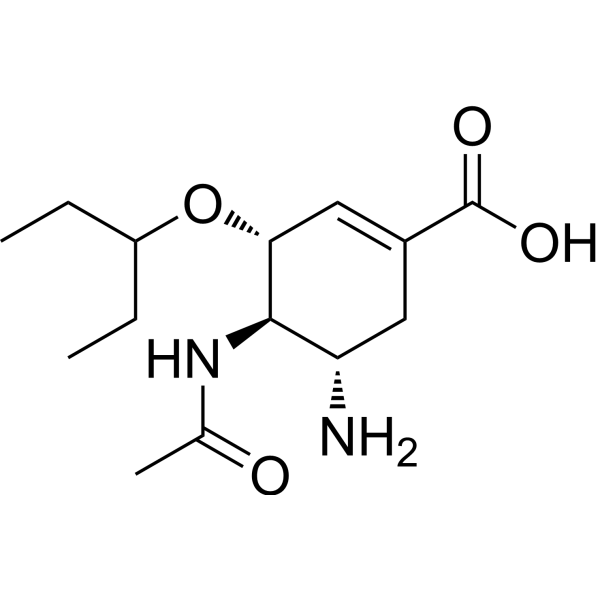
Oseltamivir acid (GS 4071), the active metabolite of Oseltamivir phosphate, is an orally bioavailable, potent and selective inhibitor of influenza virus neuraminidase (IC50=2 nM) with activity against both influenza A and B viruses. Oseltamivir acid has an extremely weak ability to penetrate the BBB under normal physiological conditions, but its blood-brain barrier penetration is significantly enhanced under inflammatory conditions [3] .
|
-
-
- HY-17016
-
|
GS 4104 phosphate
|
Influenza Virus
|
Infection
Cancer
|
|
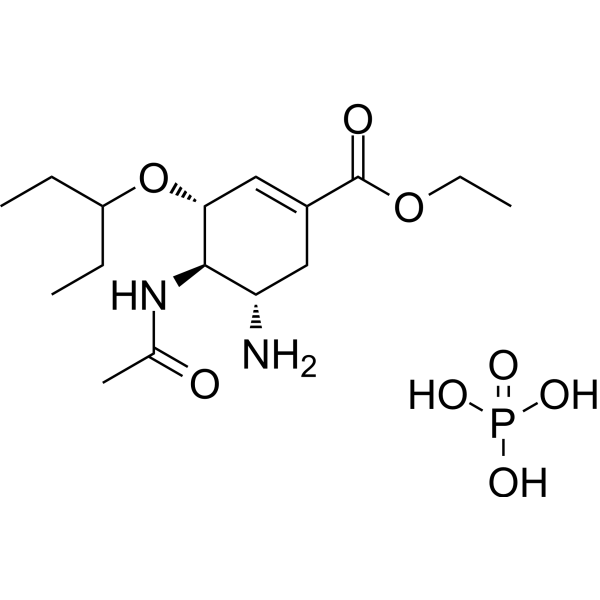
Oseltamivir phosphate (GS 4104) is a neuraminidase inhibitor recommended for the treatment and prophylaxis of influenza A and B.
|
-
-
- HY-13317
-
|
GS 4104
|
Influenza Virus
|
Infection
Cancer
|
|
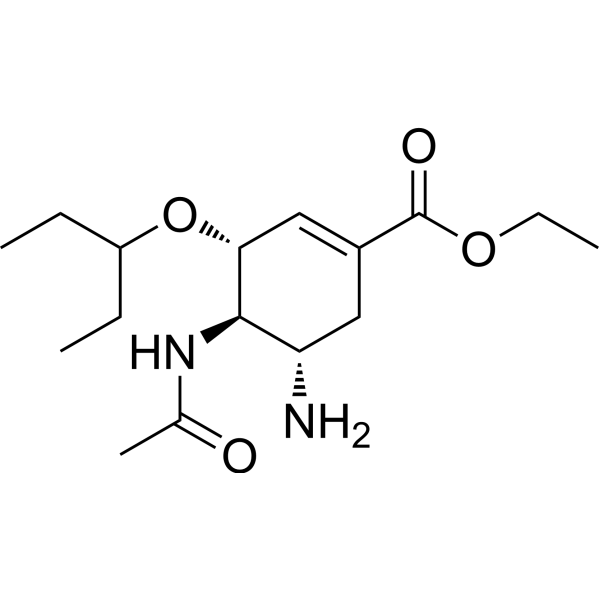
Oseltamivir (GS 4104) is an orally active influenza virus neuraminidase inhibitor (NAI). Oseltamivir inhibits influenza A/H3N2, A/H1N2, A/H1N1, and B viruses with mean IC50s of 0.67, 0.9, 1.34 and 13 nM, respectively .
|
-
-
- HY-N7922
-
|
Decarboxyellagic acid
|
Influenza Virus
p38 MAPK
EGFR
Akt
Reactive Oxygen Species (ROS)
Apoptosis
|
Infection
Neurological Disease
|
|
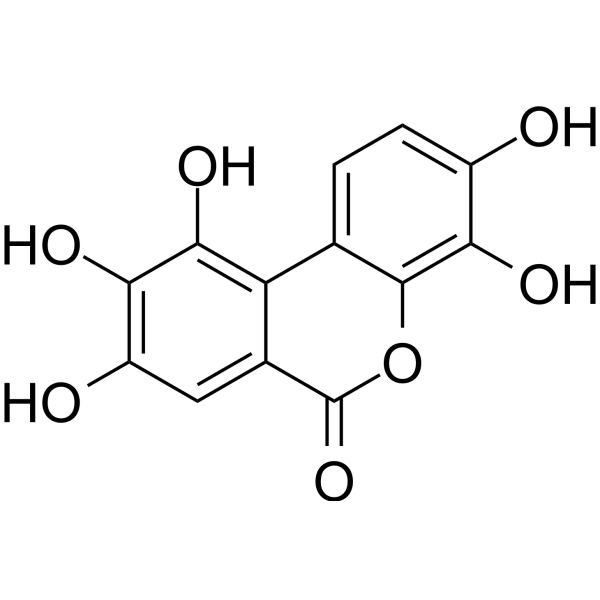
Urolithin M5 (Decarboxyellagic acid) is an orally active influenza virus neuraminidase inhibitor and neuroprotective agent, with IC50 values of 174.8 μM (HK68), 191.5 μM (pdm09), 243.2 μM (WSN) and 257.1 μM (PR8) against four influenza virus neuraminidases, respectively. Urolithin M5 inhibits viral neuraminidase activity, thereby blocking influenza virus replication (including oseltamivir (HY-13317)-resistant strains), protecting infected mammals from death and improving pulmonary edema. Urolithin M5 forms a hydrogen-bond stabilized complex with IGF1R, and binds to MAPK14, AKT1, NFKB1 and EGFR. Urolithin M5 reduces reactive oxygen species production, inhibits neuronal apoptosis, restores mitochondrial transmembrane potential, and promotes neurite outgrowth of damaged neuronal cells. Urolithin M5 can be used in research related to influenza virus infection and Alzheimer's disease .
|
-
-
- HY-114118S1
-
|
|
Isotope-Labeled Compounds
GLP Receptor
Insulin Receptor
α-synuclein
Apoptosis
p38 MAPK
Autophagy
Bcl-2 Family
|
Neurological Disease
Metabolic Disease
Cancer
|
|
Semaglutide-d8 tetraTFA is the deuterium labeled Semaglutide (HY-114118). Semaglutide is a long-acting, selective, competitive GLP-1R agonist that can penetrate the blood-brain barrier. After activating GLP-1R, Semaglutide promotes insulin secretion, inhibits gastric emptying and appetite, and at the same time enhances autophagy, inhibits oxidative stress and apoptosis. Semaglutide also regulates mitochondrial function and lipid metabolism (such as reducing de novo lipogenesis in the liver). Semaglutide has activities such as lowering blood sugar, reducing weight, neuroprotection (such as improving motor function in Parkinson's disease models, reducing α-synuclein aggregation) and improving hepatic steatosis. Semaglutide can be used for the study of neurodegenerative diseases and liver diseases such as type 2 diabetes, obesity, Parkinson's disease, metabolic associated fatty liver disease (MASLD), and cancer [3] .
|
-

-
- HY-114118S
-
|
|
Isotope-Labeled Compounds
GLP Receptor
Insulin Receptor
α-synuclein
Apoptosis
p38 MAPK
Autophagy
Bcl-2 Family
|
Neurological Disease
Metabolic Disease
Cancer
|
|
Semaglutide-d8 is the deuterium labeled Semaglutide (HY-114118). Semaglutide is a long-acting, selective, competitive GLP-1R agonist that can penetrate the blood-brain barrier. After activating GLP-1R, Semaglutide promotes insulin secretion, inhibits gastric emptying and appetite, and at the same time enhances autophagy, inhibits oxidative stress and apoptosis. Semaglutide also regulates mitochondrial function and lipid metabolism (such as reducing de novo lipogenesis in the liver). Semaglutide has activities such as lowering blood sugar, reducing weight, neuroprotection (such as improving motor function in Parkinson's disease models, reducing α-synuclein aggregation) and improving hepatic steatosis. Semaglutide can be used for the study of neurodegenerative diseases and liver diseases such as type 2 diabetes, obesity, Parkinson's disease, metabolic associated fatty liver disease (MASLD), and cancer [3] .
|
-

-
- HY-13318S
-
|
GS 4071-d3; Ro 64-0802-d3; Oseltamivir carboxylate-d3
|
Isotope-Labeled Compounds
Influenza Virus
Drug Metabolite
|
Infection
|
|
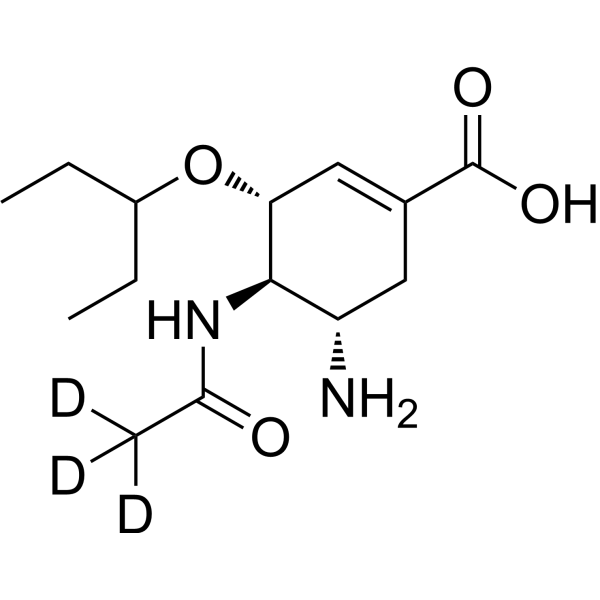
Oseltamivir acid-d3 is a deuterium labeled Oseltamivir acid (HY-13318). Oseltamivir acid, the active metabolite of Oseltamivir phosphate, is an orally bioavailable, potent and selective inhibitor of influenza virus neuraminidase (IC50=2 nM) with activity against both influenza A and B viruses. Oseltamivir acid has an extremely weak ability to penetrate the BBB under normal physiological conditions, but its blood-brain barrier penetration is significantly enhanced under inflammatory conditions .
|
-
-
- HY-14818A
-
|
CS-8958
|
Influenza Virus
|
Infection
|
|
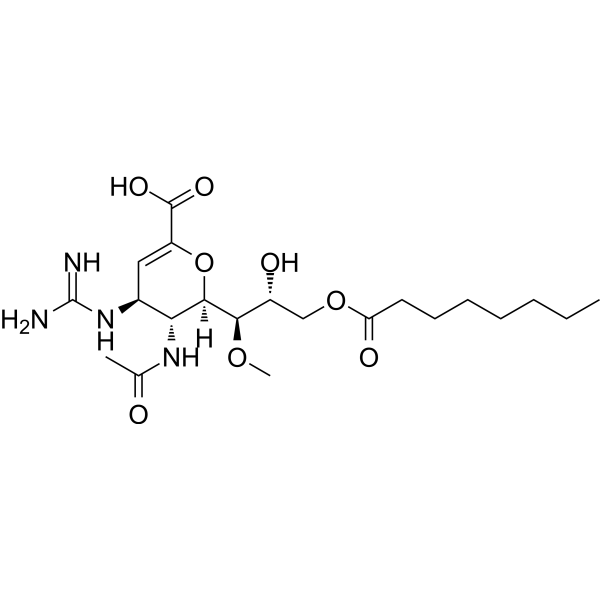
Laninamivir octanoate (CS-8958), a proagent of Laninamivir, is a long-acting neuraminidase (NA) inhibitor with anti-influenza virus activity. Laninamivir octanoate shows anti-influenza activity against Oseltamivir-resistant viruses, and also against the pandemic influenza viruses .
|
-
-
- HY-13317S
-
|
|
Influenza Virus
|
Infection
|
|
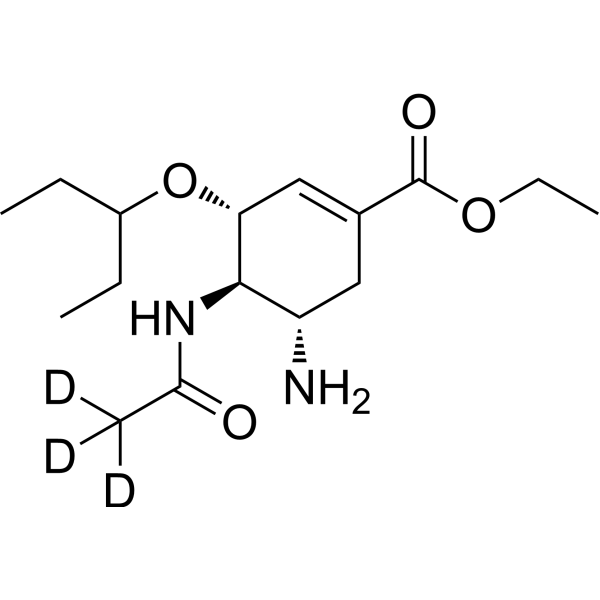
Oseltamivir-d3 is a deuterium labeled Oseltamivir. Oseltamivir is an influenza virus neuraminidase inhibitor (NAI). Oseltamivir inhibits influenza A/H3N2, A/H1N2, A/H1N1, and B viruses with mean IC50s of 0.67, 0.9, 1.34 and 13 nM, respectively. Anti-influenza A and B agent .
|
-
-
- HY-13318A
-
|
GS 4071 hydrochloride; Ro 64-0802 hydrochloride; Oseltamivir carboxylate hydrochloride
|
Drug Metabolite
|
Infection
|
|
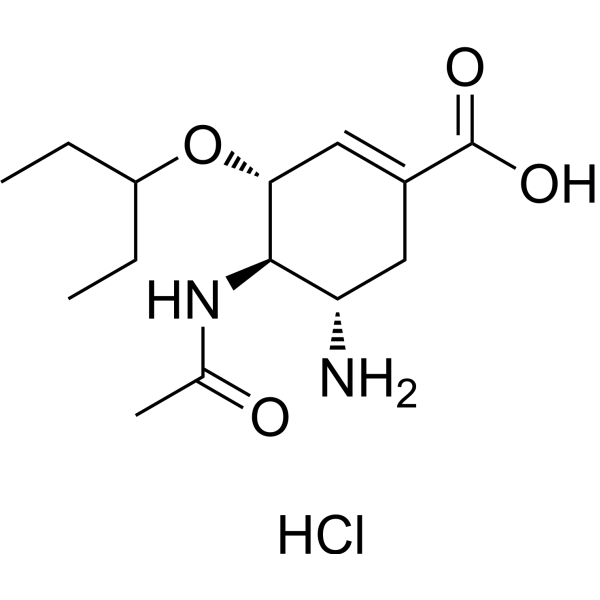
Oseltamivir acid hydrochloride is an active metabolite of the antiviral agent Oseltamivir (HY-13317) ethylester. Oseltamivir acid hydrochloride belongs to baseline toxicants in toxicity ratio analysis .
|
-
-
- HY-N10686
-
|
|
Carboxylesterase (CES)
|
Cancer
|
|
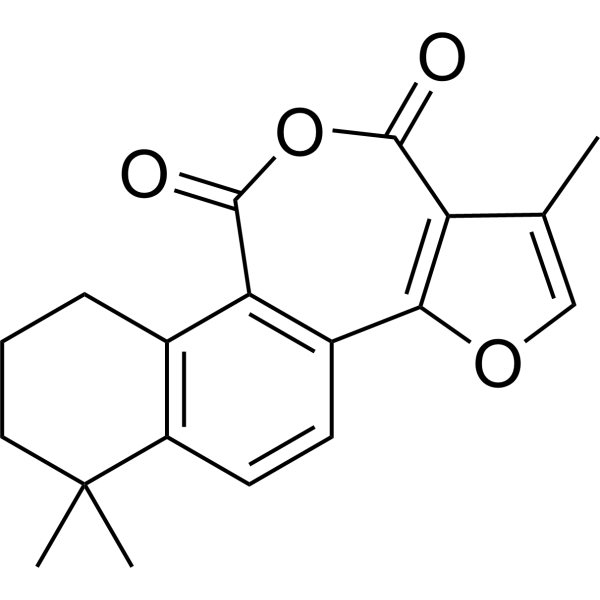
Tanshinone IIA anhydride, present in root extracts of Salvia miltiorrhiza, acts as an inhibitor of human carboxylesterase (CE). Tanshinone IIA anhydride has a Ki value of 1.9 nM against hCE1 and a Ki value of 1.4 nM against hiCE. Tanshinone IIA anhydride forms a stable covalent complex with serine Ser221 at the active site of hCE1, blocking the catalytic cycle of carboxylesterase, and the activity of the inactivated enzyme cannot recover spontaneously. Tanshinone IIA anhydride is applicable in metabolism-related studies .
|
-
-
- HY-13317R
-
|
GS 4104 (Standard)
|
Reference Standards
Influenza Virus
|
Infection
|
|
Oseltamivir (Standard) is the analytical standard of Oseltamivir. This product is intended for research and analytical applications. Oseltamivir (GS 4104) is an orally active influenza virus neuraminidase inhibitor (NAI). Oseltamivir inhibits influenza A/H3N2, A/H1N2, A/H1N1, and B viruses with mean IC50s of 0.67, 0.9, 1.34 and 13 nM, respectively .
|
-

-
- HY-172515
-
-

-
- HY-147331
-
|
|
Antibiotic
Carboxylesterase (CES)
|
Neurological Disease
|
|
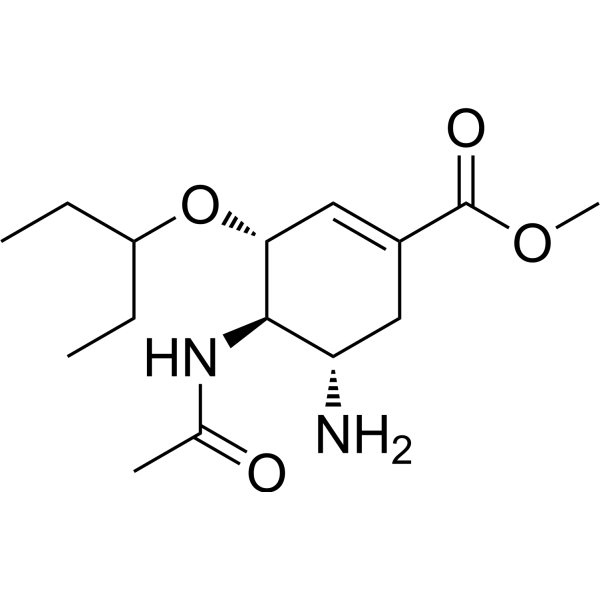
Oseltamivir acid methyl ester is a precursor form of the neuraminidase inhibitor and antiviral oseltamivir acid. Oseltamivir acid methyl ester is converted to oseltamivir acid by carboxylesterase 1 (CES1) .
|
-
-
- HY-Z1483
-
-

-
- HY-131069A
-
|
|
Influenza Virus
|
Infection
|
|
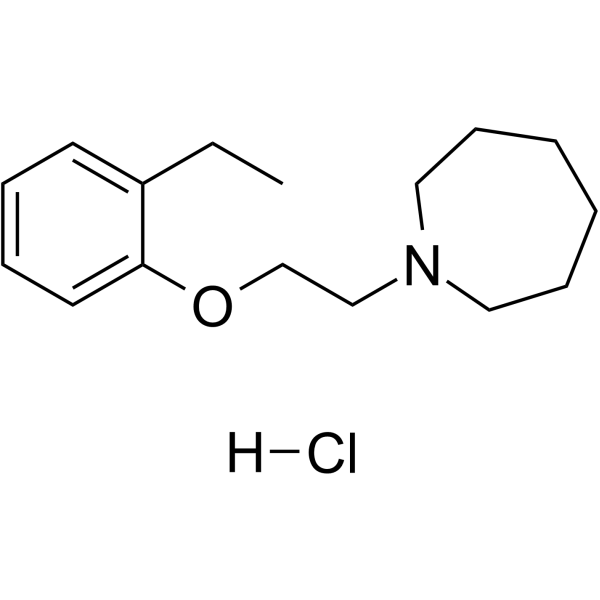
MBX2329, a potent influenza virus inhibitor, specifically inhibits hemagglutinin (HA)-mediated viral entry with HIV/HA(H5) displaying IC90 of 8.6 μM. MBX2329 inhibits a wide spectrum of influenza A viruses, which includes the 2009 pandemic influenza virus A/H1N1/2009, highly pathogenic avian influenza (HPAI) virus A/H5N1, and oseltamivir-resistant A/H1N1 strains .
|
-
-
- HY-13318R
-
|
GS 4071 (Standard); Ro 64-0802 (Standard); Oseltamivir carboxylate (Standard)
|
Reference Standards
Influenza Virus
Drug Metabolite
|
Infection
|
|
Oseltamivir acid (Standard) is the analytical standard of Oseltamivir acid. This product is intended for research and analytical applications. Oseltamivir acid (GS 4071), the active metabolite of Oseltamivir phosphate, is an orally bioavailable, potent and selective inhibitor of influenza virus neuraminidase (IC50=2 nM) with activity against both influenza A and B viruses .
|
-

-
- HY-17016R
-
|
GS 4104 phosphate (Standard)
|
Reference Standards
Influenza Virus
|
Infection
|
|
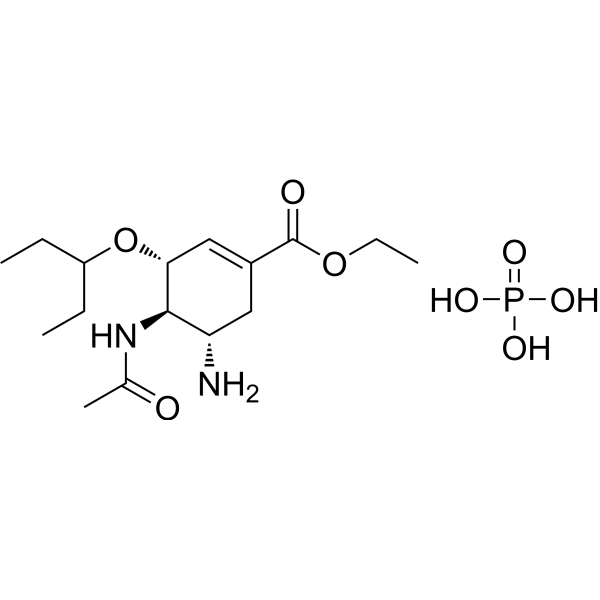
Oseltamivir (phosphate) (Standard) is the analytical standard of Oseltamivir (phosphate). This product is intended for research and analytical applications. Oseltamivir phosphate (GS 4104) is a neuraminidase inhibitor recommended for the treatment and prophylaxis of influenza A and B.
|
-
-
- HY-Z3896
-
-

-
- HY-147331A
-
|
|
Antibiotic
Carboxylesterase (CES)
|
Neurological Disease
|
|
Oseltamivir acid methyl ester hydrochloride is a precursor form of the neuraminidase inhibitor and antiviral oseltamivir acid. Oseltamivir acid methyl ester hydrochloride is converted to oseltamivir acid by carboxylesterase 1 (CES1) .
|
-

-
- HY-112543
-
|
|
Influenza Virus
|
Infection
|
|
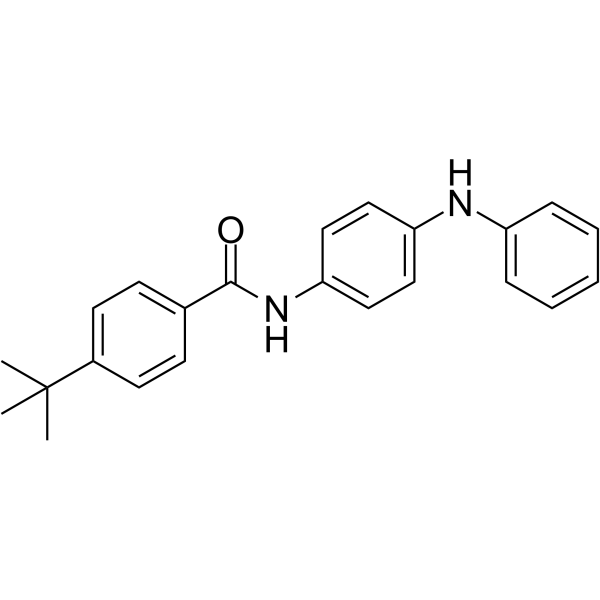
S119-8 is a broad spectrum inhibitor of influenza A and B viruses, showing activity against multiple influenza B viruses and an oseltamivir-resistant influenza A virus, but does not inhibit a non-influenza virus, vesicular stomatitis nirus (VSV) .
|
-
-
- HY-43575
-
|
|
Influenza Virus
|
Infection
|
|
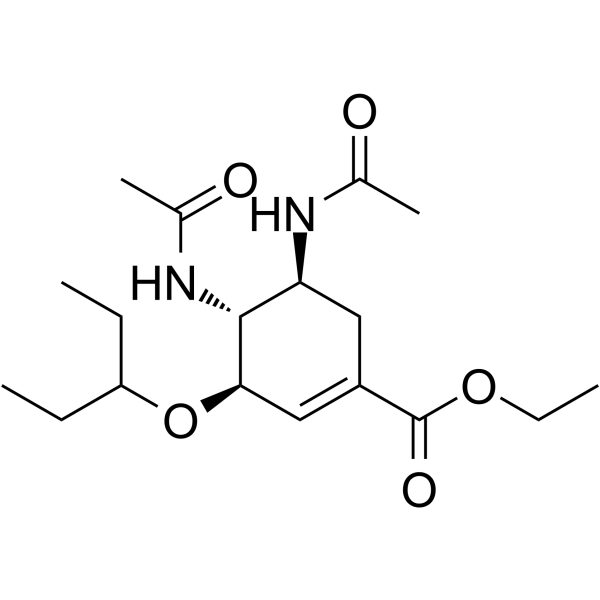
Oseltamivir-acetate is an impurity of Oseltamivir. Oseltamivir is a neuraminidase inhibitor recommended for the treatment and prophylaxis of influenza A and B .
|
-
-
- HY-129150
-
|
|
Influenza Virus
|
Infection
|
|
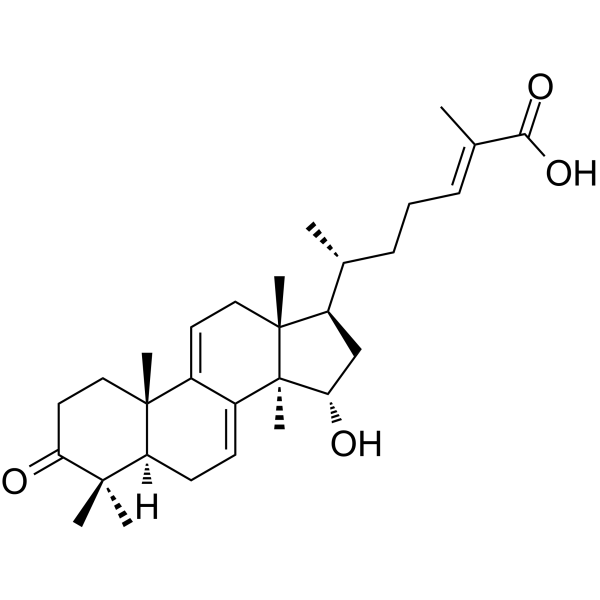
Ganoderic acid TR is a broad-spectrum inhibitor of influenza neuraminidase enzymes (NAs). Ganoderic acid TR has IC50 values of 10.9 and 4.6 μM for H5N1 and H1N1 NAs, respectively. Ganoderic acid TR is limited by cytotoxicity and shows only weak activity against Oseltamivir (HY-13317)-resistant H1N1 viruses and influenza B viruses .
|
-
-
- HY-13317S3
-
|
|
Influenza Virus
|
Infection
|
|
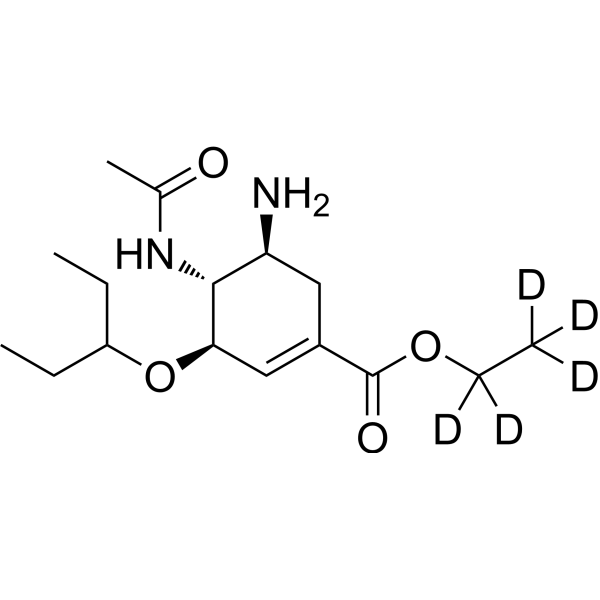
Oseltamivir-d5 is the deuterium labeled Oseltamivir . Oseltamivir is an influenza virus neuraminidase inhibitor (NAI). Oseltamivir inhibits influenza A/H3N2, A/H1N2, A/H1N1, and B viruses with mean IC50 of 0.67, 0.9, 1.34 and 13 nM, respectively. Anti-influenza A and B agent .
|
-
-
- HY-13317S4
-
|
|
Isotope-Labeled Compounds
|
Infection
|
|
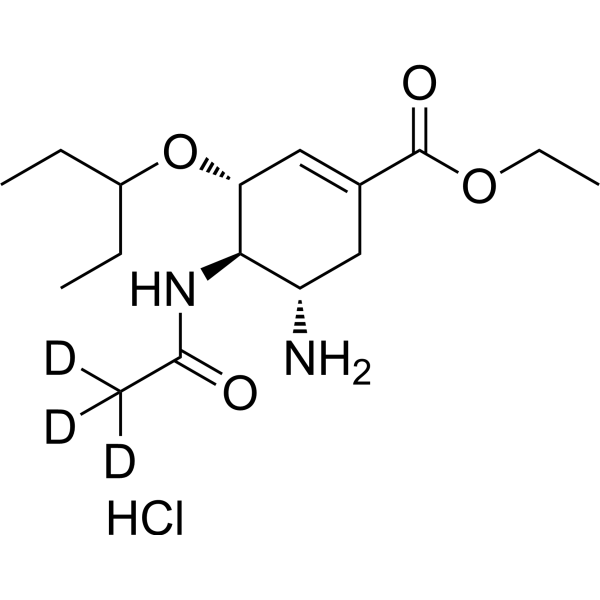
Oseltamivir-d3 hydrochloride is the deuterium-labeled Oseltamivir (HY-13317) . Oseltamivir is an influenza virus neuraminidase inhibitor (NAI). Oseltamivir inhibits influenza A/H3N2, A/H1N2, A/H1N1, and B viruses with mean IC50s of 0.67, 0.9, 1.34 and 13 nM, respectively. Anti-influenza A and B agent .
|
-
-
- HY-143780S
-
-
-
- HY-13317S1
-
|
|
Influenza Virus
|
Infection
|
|
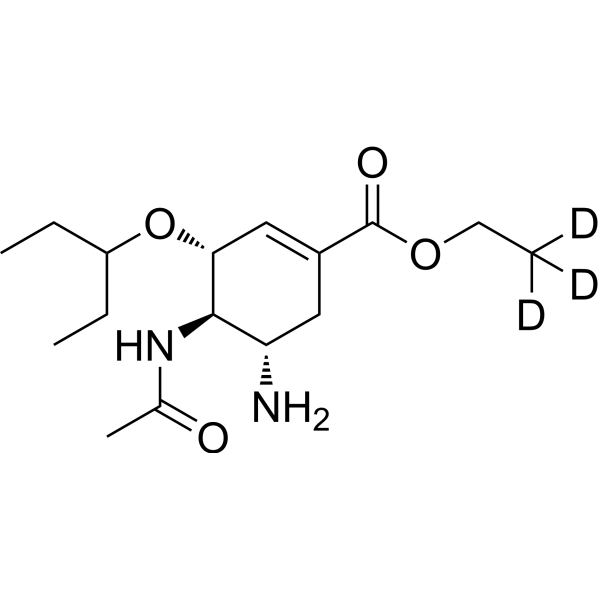
Oseltamivir-d3-1 is the deuterium labeled Oseltamivir . Oseltamivir is an influenza virus neuraminidase inhibitor (NAI). Oseltamivir inhibits influenza A/H3N2, A/H1N2, A/H1N1, and B viruses with mean IC50s of 0.67, 0.9, 1.34 and 13 nM, respectively. Anti-influenza A and B agent .
|
-
-
- HY-17016S
-
|
GS 4104-d5 phosphate
|
Isotope-Labeled Compounds
Influenza Virus
|
Infection
|
|
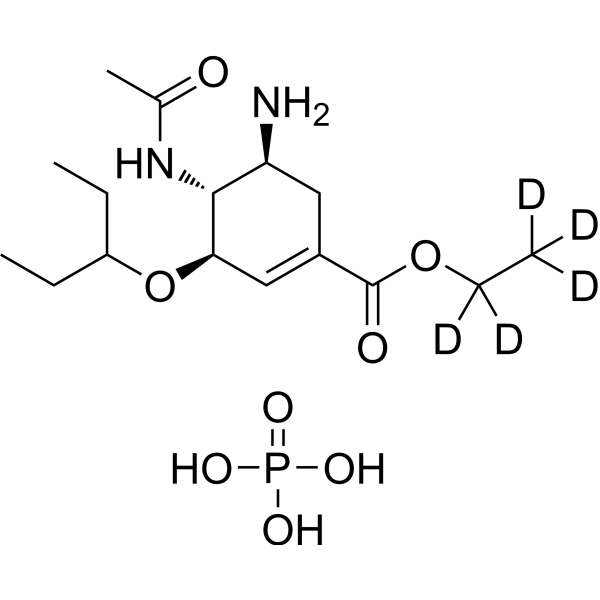
Oseltamivir-d5 (phosphate) is the deuterium labeled Oseltamivir phosphate. Oseltamivir phosphate (GS 4104) is a neuraminidase inhibitor recommended for the treatment and prophylaxis of influenza A and B .
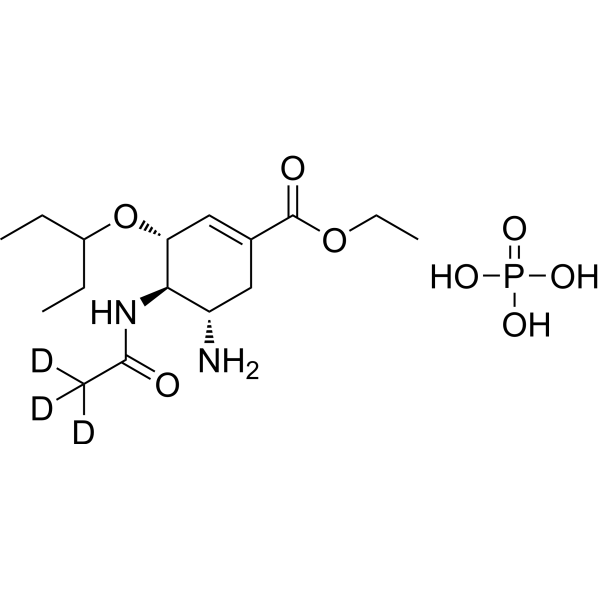
|
-
-
- HY-17016S1
-
|
GS 4104-d3 phosphate
|
Isotope-Labeled Compounds
Influenza Virus
|
Infection
|
|
Oseltamivir-d3 (phosphate)eis the deuterium labeled Oseltamivir phosphate. Oseltamivir phosphate (GS 4104) is a neuraminidase inhibitor recommended for the treatment and prophylaxis of influenza A and B.
|
-
-
- HY-178856
-
|
Oseltamivir carboxylate
-C2-cholesterol
|
Influenza Virus
|
Infection
|
|
Cholesterol-conjugated OC prodrug (Compound 1b) is an orally active cholesterol-bound prodrug of Oseltamivir carboxylate (HY-13318). Cholesterol-conjugated OC prodrug has a protective effect against influenza virus infection. The Oseltamivir carboxylate released by the Cholesterol-conjugated OC prodrug has a longer duration of circulation than the Oseltamivir carboxylate released from Oseltamivir (HY-13317). Cholesterol-conjugated OC prodrug can be used in influenza research .
|
-

-
- HY-17016S3
-
|
GS 4104-13C,d3 phosphate
|
Isotope-Labeled Compounds
Influenza Virus
|
Infection
Cancer
|
|
Oseltamivir- 13C,d3 (phosphate) (GS 4104- 13C,d3 (phosphate)) is 13C labeled Oseltamivir (phosphate). Oseltamivir phosphate (GS 4104) is a neuraminidase inhibitor recommended for the treatment and prophylaxis of influenza A and B.
|
-

-
- HY-13318S1
-
|
GS 4071-13C,d3; Ro 64-0802-13C,d3; Oseltamivir carboxylate-13C,d3
|
Isotope-Labeled Compounds
Drug Metabolite
Influenza Virus
|
Infection
|
|
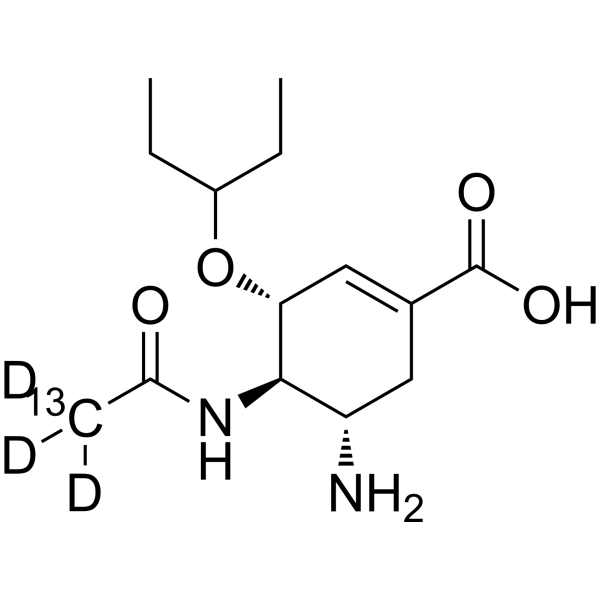
Oseltamivir acid-13C,d3 (GS 4071-13C,d3; Ro 64-0802-13C,d3) is a 13C- and deuterium-labeled Oseltamivir acid (HY-13318). Oseltamivir acid is the active metabolite of Oseltamivir phosphate and inhibits influenza virus neuraminidase (IC50=2 nM). Oseltamivir acid is orally active and can be used to study influenza A/B infections [3] .
|
-
-
- HY-162680
-
|
|
Influenza Virus
|
Infection
|
|
OSC-GCDI(P) is a broad-spectrum orally active anti-influenza virus agent that exhibits significant inhibitory effects against both wild-type and Oseltamivir (HY-13317) resistant (H275Y) influenza virus strains in mouse infection models. OSC-GCDI(P) is capable of preventing not only wild-type influenza viruses but also OS-resistant variants with NA(H275Y) .
|
-

-
- HY-W005294S
-
|
|
Isotope-Labeled Compounds
|
Others
|
|
Methyl 2-(2-(((benzyloxy)carbonyl)amino)propan-2-yl)-5-hydroxy-1-methyl-6-oxo-1,6-dihydropyrimidine-4-carboxylate-d3 is the deuterium labeled Methyl 2-(2-(((benzyloxy)carbonyl)amino)propan-2-yl)-5-hydroxy-1-methyl-6-oxo-1,6-dihydropyrimidine-4-carboxylate .
|
-

-
- HY-Z3651
-
|
|
Influenza Virus
|
Infection
|
|
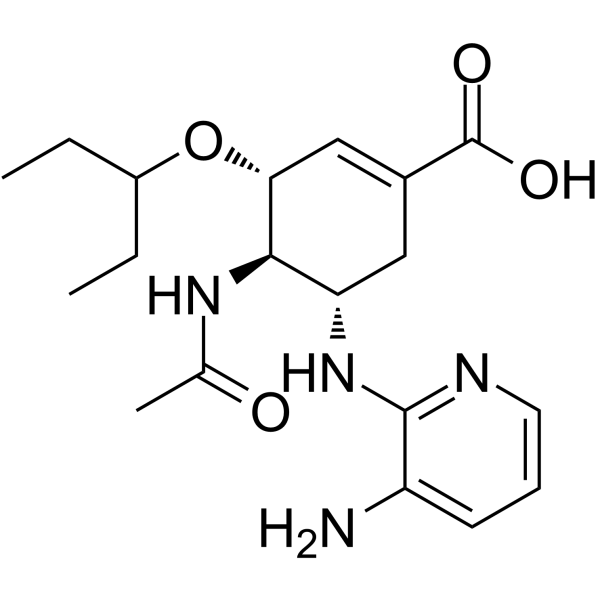
Oseltamivir impurity-1 (Page 2, Row 4, Column 3), a carboxylic acid derivative, is an impurity of Oseltamivir (HY-13317). Oseltamivir impurity-1 shows antiviral effect on multiple influenza virus strains .
|
-

-
- HY-146004
-
|
|
Influenza Virus
|
Infection
|
|
Influenza A virus-IN-4 (compound 23b), an Oseltamivir derivative, is a potent inhibitor of neuraminidase. Influenza A virus-IN-4 exerts powerful inhibitions on influenza viruses .
|
-
-
- HY-14818C
-
|
CS-8958 hydrate
|
Influenza Virus
|
Infection
|
|
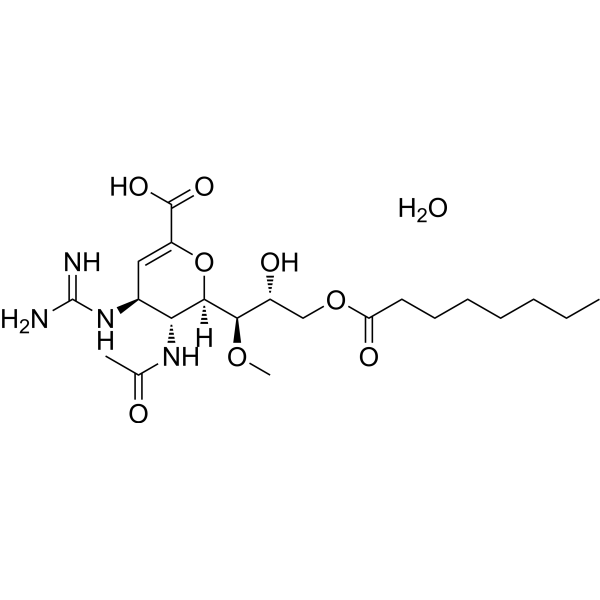
Laninamivir octanoate hydrate (CS-8958 hydrate), a prodrug of Laninamivir, is a long-acting neuraminidase (NA) inhibitor with anti-influenza virus activity. Laninamivir octanoate hydrate shows anti-influenza activity against Oseltamivir-resistant viruses, and also against the pandemic influenza viruses .
|
-
-
- HY-156288
-
|
|
Influenza Virus
|
Infection
|
|
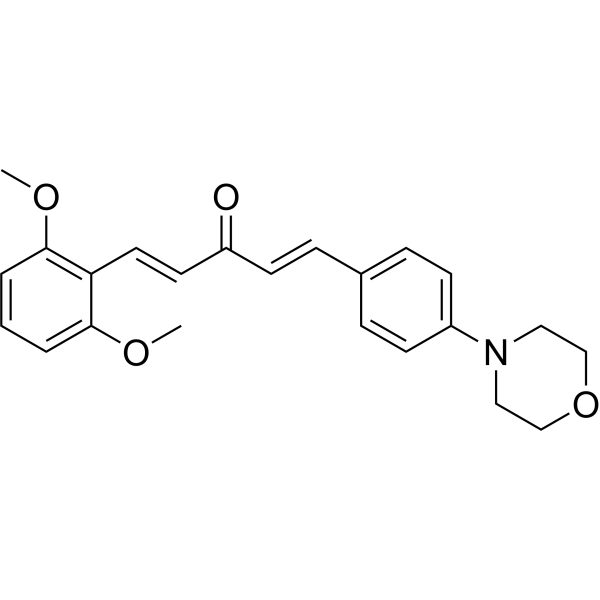
Anti-Influenza agent 5 (Compound IIB-2), chalcone-like derivative, is an influenza nuclear export inhibitor. Anti-Influenza agent 5 has inhibitory effects on oseltamivir-resistant strains. Anti-Influenza agent 5 can impede virus proliferation by blocking the export of influenza virus nucleoprotein .
|
-
-
- HY-151967
-
|
|
Influenza Virus
|
Infection
|
|
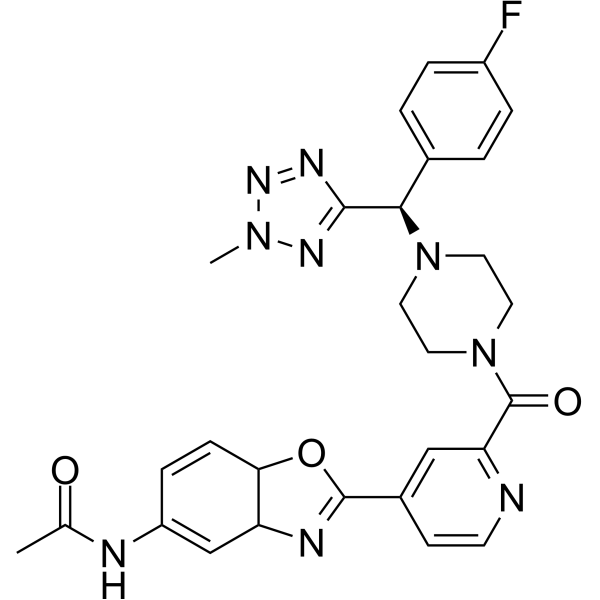
Anti-IAV agent 1 (Compound (R)-1a) is an orally active anti-influenza A virus (IAV) agent with IC50s of 0.03 and 0.06 μM against IAV H1N1 and Oseltamivir-resistant IAV H1N1 strains, respectively .
|
-
-
- HY-146001
-
|
|
Influenza Virus
|
Inflammation/Immunology
|
|
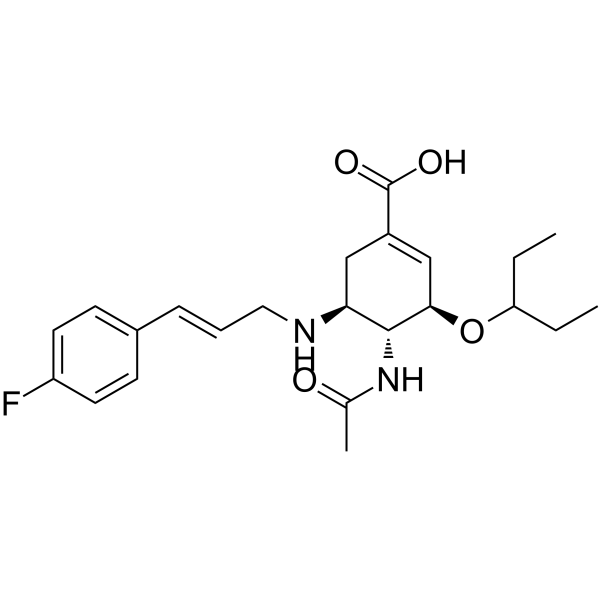
Influenza virus-IN-4 (compound 11e) is a potent influenza virus neuraminidase inhibitor with IC50s of 3.4, 0.094, 0.79, 0.077 µM for H5N1, H5N2, H5N6, H5N8, respectively. Influenza virus-IN-4 shows NA (neuraminidase enzyme)-inhibitory activity. Influenza virus-IN-4 shows low cytotoxicity with an CC50 of >200 µM. Influenza virus-IN-4 shows no obvious toxicity at the dose of 1500 mg/kg in mice .
|
-
-
- HY-146000
-
|
|
Influenza Virus
|
Inflammation/Immunology
|
|
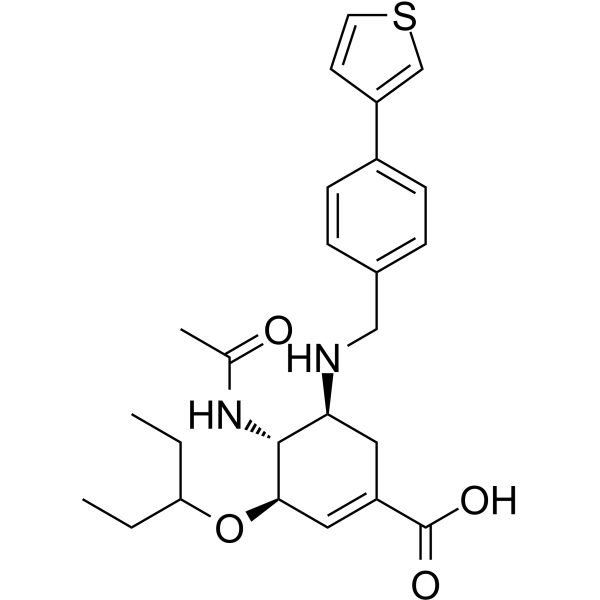
Influenza virus-IN-3 (compound 9) is a potent and selective influenza virus inhibitor with IC50s of 0.88, 0.10, 5.5, 0.51 µM for H5N1, H5N2, H5N6, H5N8, respectively. Influenza virus-IN-3 shows antiviral and NA (neuraminidase enzyme)-inhibitory activity. Influenza virus-IN-3 shows low cytotoxicity with an CC50 of >200 µM .
|
-
-
- HY-155476
-
|
|
Influenza Virus
|
Infection
|
|
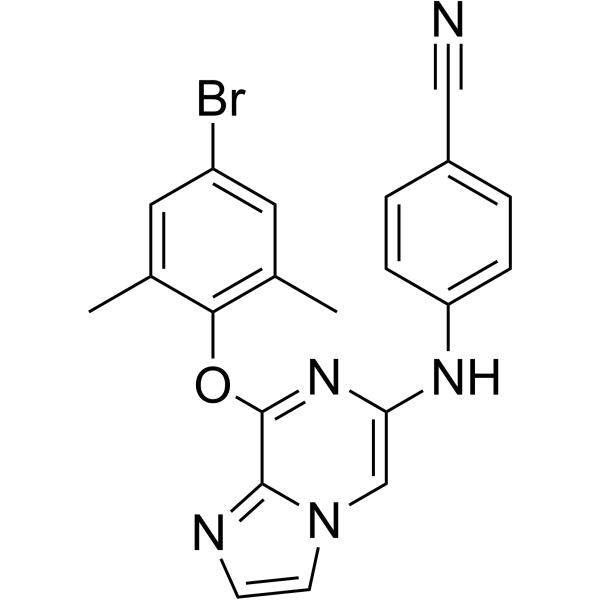
Influenza virus-IN-8 (compound A4) is an inhibitor of influenza virus (Influenza Virus) that induces viral nucleoprotein (NP) aggregation and prevents its nuclear accumulation. Influenza virus-IN-8 has broad-spectrum anti-influenza activity and can inhibit the replication and transcription of influenza A virus. Influenza virus-IN-8 also inhibits Oseltamivir (HY-13317)-resistant H1N1/pdm09 strains .
|
-
-
- HY-162492
-
|
|
Influenza Virus
|
Infection
|
|
Influenza A virus-IN-14 (Compound 37) is an inhibitor for influenza virus type A (IAV), which inhibits H1N1 with an EC50 of 23 nM. Influenza A virus-IN-14 exhibits low cytotoxicity with CC50 of more than 100 μM. Influenza A virus-IN-14 inhibits cytopathic effect and improves the survival rates of cell Calu3. Influenza A virus-IN-14 exhibits synergistic activity with the neuraminidase inhibitor Oseltamivir (HY-13317). Influenza A virus-IN-14 exhibits poor pharmacokinetic properties in CD-1 mouse .
|
-

-
- HY-W653877
-
-

-
- HY-Z3579
-
-

-
- HY-W654302
-
|
|
Influenza Virus
|
Infection
|
|
Oseltamivir-fructosyl exhibits antiviral activity against influenza viruses and has inhibitory effects on various types of bacteria such as streptococcus and serratia marcescens.
|
-

-
- HY-W654301
-
-

-
- HY-114118S1
-
|
|
Isotope-Labeled Compounds
GLP Receptor
Insulin Receptor
α-synuclein
Apoptosis
p38 MAPK
Autophagy
Bcl-2 Family
|
Neurological Disease
Metabolic Disease
Cancer
|
|
Semaglutide-d8 tetraTFA is the deuterium labeled Semaglutide (HY-114118). Semaglutide is a long-acting, selective, competitive GLP-1R agonist that can penetrate the blood-brain barrier. After activating GLP-1R, Semaglutide promotes insulin secretion, inhibits gastric emptying and appetite, and at the same time enhances autophagy, inhibits oxidative stress and apoptosis. Semaglutide also regulates mitochondrial function and lipid metabolism (such as reducing de novo lipogenesis in the liver). Semaglutide has activities such as lowering blood sugar, reducing weight, neuroprotection (such as improving motor function in Parkinson's disease models, reducing α-synuclein aggregation) and improving hepatic steatosis. Semaglutide can be used for the study of neurodegenerative diseases and liver diseases such as type 2 diabetes, obesity, Parkinson's disease, metabolic associated fatty liver disease (MASLD), and cancer [3] .
|
-
- HY-114118S
-
|
|
Isotope-Labeled Compounds
GLP Receptor
Insulin Receptor
α-synuclein
Apoptosis
p38 MAPK
Autophagy
Bcl-2 Family
|
Neurological Disease
Metabolic Disease
Cancer
|
|
Semaglutide-d8 is the deuterium labeled Semaglutide (HY-114118). Semaglutide is a long-acting, selective, competitive GLP-1R agonist that can penetrate the blood-brain barrier. After activating GLP-1R, Semaglutide promotes insulin secretion, inhibits gastric emptying and appetite, and at the same time enhances autophagy, inhibits oxidative stress and apoptosis. Semaglutide also regulates mitochondrial function and lipid metabolism (such as reducing de novo lipogenesis in the liver). Semaglutide has activities such as lowering blood sugar, reducing weight, neuroprotection (such as improving motor function in Parkinson's disease models, reducing α-synuclein aggregation) and improving hepatic steatosis. Semaglutide can be used for the study of neurodegenerative diseases and liver diseases such as type 2 diabetes, obesity, Parkinson's disease, metabolic associated fatty liver disease (MASLD), and cancer [3] .
|
| 製品番号 |
製品名 |
Category |
Target |
構造式 |
-
- HY-N7922
-
|
Decarboxyellagic acid
|
Structural Classification
Canarium album (Lour.) Rauesch.
Phenols
Polyphenols
Plants
Burseraceae
Source Classification
|
Influenza Virus
p38 MAPK
EGFR
Akt
Reactive Oxygen Species (ROS)
Apoptosis
|
|
Urolithin M5 (Decarboxyellagic acid) is an orally active influenza virus neuraminidase inhibitor and neuroprotective agent, with IC50 values of 174.8 μM (HK68), 191.5 μM (pdm09), 243.2 μM (WSN) and 257.1 μM (PR8) against four influenza virus neuraminidases, respectively. Urolithin M5 inhibits viral neuraminidase activity, thereby blocking influenza virus replication (including oseltamivir (HY-13317)-resistant strains), protecting infected mammals from death and improving pulmonary edema. Urolithin M5 forms a hydrogen-bond stabilized complex with IGF1R, and binds to MAPK14, AKT1, NFKB1 and EGFR. Urolithin M5 reduces reactive oxygen species production, inhibits neuronal apoptosis, restores mitochondrial transmembrane potential, and promotes neurite outgrowth of damaged neuronal cells. Urolithin M5 can be used in research related to influenza virus infection and Alzheimer's disease .
|
-
-
- HY-N10686
-
-
-
- HY-129150
-
-
-
- HY-114118S1
-
|
|
|
Semaglutide-d8 tetraTFA is the deuterium labeled Semaglutide (HY-114118). Semaglutide is a long-acting, selective, competitive GLP-1R agonist that can penetrate the blood-brain barrier. After activating GLP-1R, Semaglutide promotes insulin secretion, inhibits gastric emptying and appetite, and at the same time enhances autophagy, inhibits oxidative stress and apoptosis. Semaglutide also regulates mitochondrial function and lipid metabolism (such as reducing de novo lipogenesis in the liver). Semaglutide has activities such as lowering blood sugar, reducing weight, neuroprotection (such as improving motor function in Parkinson's disease models, reducing α-synuclein aggregation) and improving hepatic steatosis. Semaglutide can be used for the study of neurodegenerative diseases and liver diseases such as type 2 diabetes, obesity, Parkinson's disease, metabolic associated fatty liver disease (MASLD), and cancer [3] .
|
-
-
- HY-114118S
-
|
|
|
Semaglutide-d8 is the deuterium labeled Semaglutide (HY-114118). Semaglutide is a long-acting, selective, competitive GLP-1R agonist that can penetrate the blood-brain barrier. After activating GLP-1R, Semaglutide promotes insulin secretion, inhibits gastric emptying and appetite, and at the same time enhances autophagy, inhibits oxidative stress and apoptosis. Semaglutide also regulates mitochondrial function and lipid metabolism (such as reducing de novo lipogenesis in the liver). Semaglutide has activities such as lowering blood sugar, reducing weight, neuroprotection (such as improving motor function in Parkinson's disease models, reducing α-synuclein aggregation) and improving hepatic steatosis. Semaglutide can be used for the study of neurodegenerative diseases and liver diseases such as type 2 diabetes, obesity, Parkinson's disease, metabolic associated fatty liver disease (MASLD), and cancer [3] .
|
-
-
- HY-13318S
-
|
|
|
Oseltamivir acid-d3 is a deuterium labeled Oseltamivir acid (HY-13318). Oseltamivir acid, the active metabolite of Oseltamivir phosphate, is an orally bioavailable, potent and selective inhibitor of influenza virus neuraminidase (IC50=2 nM) with activity against both influenza A and B viruses. Oseltamivir acid has an extremely weak ability to penetrate the BBB under normal physiological conditions, but its blood-brain barrier penetration is significantly enhanced under inflammatory conditions .
|
-
-
- HY-13317S
-
|
|
|
Oseltamivir-d3 is a deuterium labeled Oseltamivir. Oseltamivir is an influenza virus neuraminidase inhibitor (NAI). Oseltamivir inhibits influenza A/H3N2, A/H1N2, A/H1N1, and B viruses with mean IC50s of 0.67, 0.9, 1.34 and 13 nM, respectively. Anti-influenza A and B agent .
|
-
-
- HY-13317S3
-
|
|
|
Oseltamivir-d5 is the deuterium labeled Oseltamivir . Oseltamivir is an influenza virus neuraminidase inhibitor (NAI). Oseltamivir inhibits influenza A/H3N2, A/H1N2, A/H1N1, and B viruses with mean IC50 of 0.67, 0.9, 1.34 and 13 nM, respectively. Anti-influenza A and B agent .
|
-
-
- HY-13317S4
-
|
|
|
Oseltamivir-d3 hydrochloride is the deuterium-labeled Oseltamivir (HY-13317) . Oseltamivir is an influenza virus neuraminidase inhibitor (NAI). Oseltamivir inhibits influenza A/H3N2, A/H1N2, A/H1N1, and B viruses with mean IC50s of 0.67, 0.9, 1.34 and 13 nM, respectively. Anti-influenza A and B agent .
|
-
-
- HY-143780S
-
|
|
|
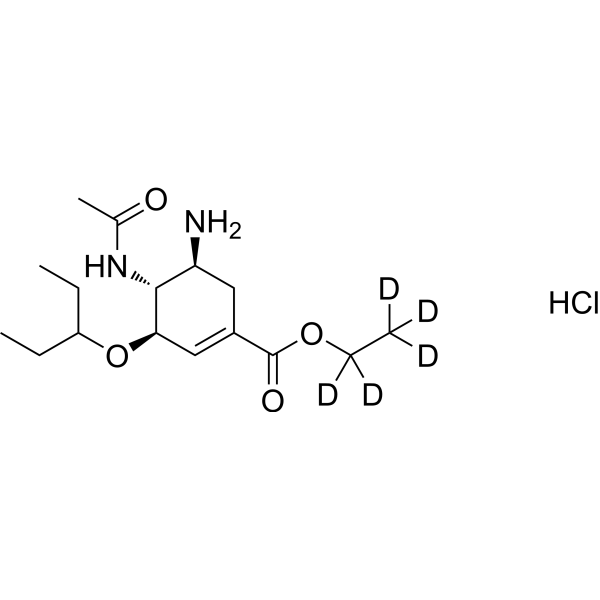
Oseltamivir-d5 (hydrochloride) is the deuterium labeled Oseltamivir hydrochloride .
|
-
-
- HY-13317S1
-
|
|
|
Oseltamivir-d3-1 is the deuterium labeled Oseltamivir . Oseltamivir is an influenza virus neuraminidase inhibitor (NAI). Oseltamivir inhibits influenza A/H3N2, A/H1N2, A/H1N1, and B viruses with mean IC50s of 0.67, 0.9, 1.34 and 13 nM, respectively. Anti-influenza A and B agent .
|
-
-
- HY-17016S
-
|
|
|
Oseltamivir-d5 (phosphate) is the deuterium labeled Oseltamivir phosphate. Oseltamivir phosphate (GS 4104) is a neuraminidase inhibitor recommended for the treatment and prophylaxis of influenza A and B .
|
-
-
- HY-17016S1
-
|
|
|
Oseltamivir-d3 (phosphate)eis the deuterium labeled Oseltamivir phosphate. Oseltamivir phosphate (GS 4104) is a neuraminidase inhibitor recommended for the treatment and prophylaxis of influenza A and B.
|
-
-
- HY-17016S3
-
|
|
|
Oseltamivir- 13C,d3 (phosphate) (GS 4104- 13C,d3 (phosphate)) is 13C labeled Oseltamivir (phosphate). Oseltamivir phosphate (GS 4104) is a neuraminidase inhibitor recommended for the treatment and prophylaxis of influenza A and B.
|
-
-
- HY-13318S1
-
|
|
|
Oseltamivir acid-13C,d3 (GS 4071-13C,d3; Ro 64-0802-13C,d3) is a 13C- and deuterium-labeled Oseltamivir acid (HY-13318). Oseltamivir acid is the active metabolite of Oseltamivir phosphate and inhibits influenza virus neuraminidase (IC50=2 nM). Oseltamivir acid is orally active and can be used to study influenza A/B infections [3] .
|
-
-
- HY-W005294S
-
|
|
|
Methyl 2-(2-(((benzyloxy)carbonyl)amino)propan-2-yl)-5-hydroxy-1-methyl-6-oxo-1,6-dihydropyrimidine-4-carboxylate-d3 is the deuterium labeled Methyl 2-(2-(((benzyloxy)carbonyl)amino)propan-2-yl)-5-hydroxy-1-methyl-6-oxo-1,6-dihydropyrimidine-4-carboxylate .
|
-
-
- HY-W653877
-
|
|
|
Oseltamivir-d3 Phosphate is the deuterium labeled Oseltamivir Phosphate.
|
-
-
- HY-W654301
-
|
|
|
(3S,4R,5R)-Oseltamivir-d5 Phosphate is deuterium labeled (3S,4R,5R)-Oseltamivir Phosphate .
|
-
入力情報は安全に管理されます. ※ 必須入力項目.
Inquiry Information
- 製品名:
- 製品番号:
- 数量:
- MCE 日本正規代理店:





