


Search Result
Results for "
Aggregated amyloid-beta
" in MedChemExpress (MCE) Product Catalog:
1
Isotope-Labeled Compounds
| Cat. No. |
Product Name |
Target |
Research Areas |
Chemical Structure |
-
- HY-101855
-
|
Anle138b
|
Amyloid-β
|
Neurological Disease
|
|
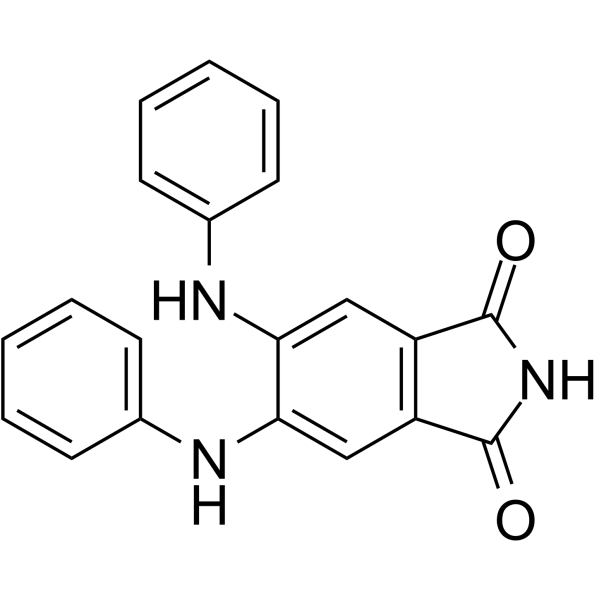
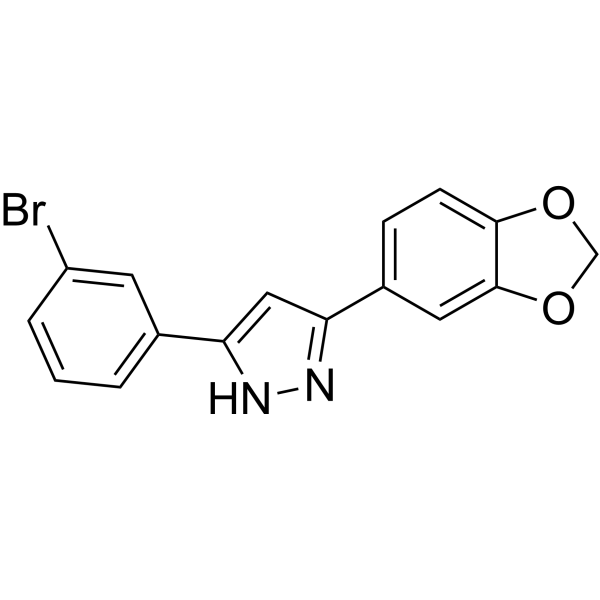
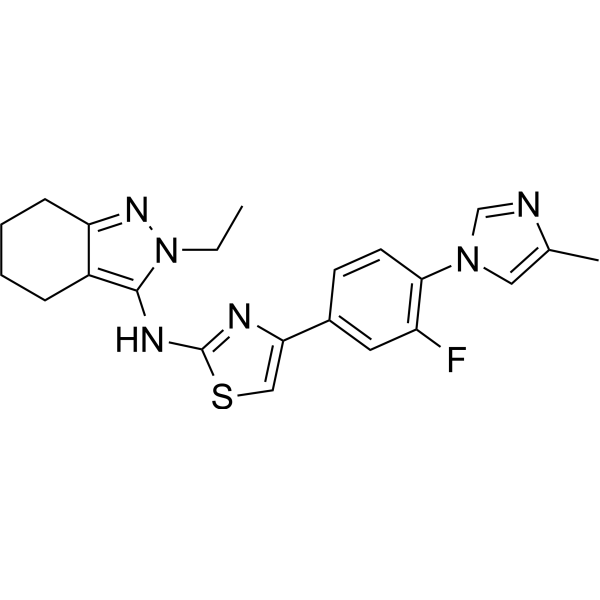
Emrusolmin (Anle138b), an oligomeric aggregation inhibitor, blocks the formation of pathological aggregates of prion protein (PrPSc) and of α-synuclein (α-syn). Emrusolmin strongly inhibits oligomer accumulation, neuronal degeneration, and disease progression in vivo. Emrusolmin has low toxicity and an excellent oral bioavailability and blood-brain-barrier penetration. Emrusolmin blocks Aβ channels and rescues disease phenotypes in a mouse model for amyloid pathology .
|
-
-
- HY-P9967
-
|
BIIB037
|
Amyloid-β
|
Neurological Disease
|
|
Aducanumab (BIIB037) is a human monoclonal antibody that selectively targets aggregated amyloid-beta (Aβ). Aducanumab shows blood-brain-barrier penetration, and can be used for Alzheimer's disease (AD) research .
|
-
-
- HY-N7046
-
|
Silibinin B
|
Amyloid-β
Apoptosis
JNK
p38 MAPK
|
Neurological Disease
Cancer
|
|
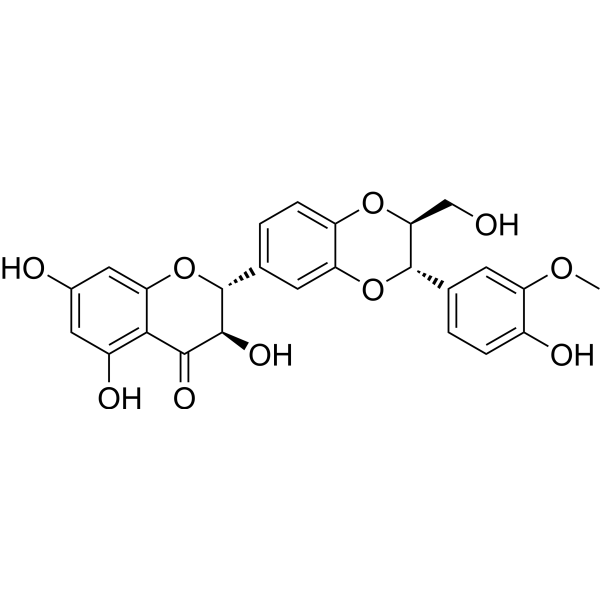
Silybin B (Silibinin B) is an orally active amyloid-β aggregation inhibitor and ATR pathway activator that can cross the blood-brain barrier. Silybin B inhibits Aβ fibril formation and promotes amorphous aggregate formation, while activating the ATR-mediated DNA damage repair pathway and inhibiting JNK/p38 MAPK signaling. Silybin B can reduce Cisplatin (HY-17394)-induced neuronal DNA damage and apoptosis. Silybin B has anti-oxidative stress, cell cycle regulation and neuroprotective activities. Silybin B is mainly used in the study of Alzheimer's disease and Cisplatin chemotherapy-related neurotoxicity .
|
-
-
- HY-N7368
-
|
|
Adenosine Deaminase
Bacterial
Caspase
|
Infection
Neurological Disease
Inflammation/Immunology
Cancer
|
|
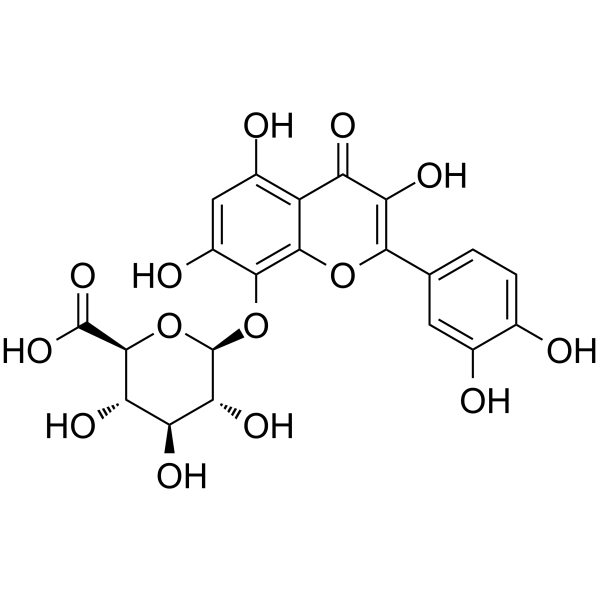
Hibifolin is a flavonol glycoside that can be isolated from Helicteres isora. Hibifolin is an inhibitor of adenosine deaminase (ADA) (Ki = 49.92 μM). Hibifolin protects neurons against β-amyloid-induced neurotoxicity. Hibifolin possesses a potent protective activity against cell death induced by aggregated Aβ. Hibifolin can abolish Aβ-induced caspase-3 and caspase-7 activation. Hibifolin induces Akt phosphorylation in cortical neurons. Hibifolin is also a natural sortase A (SrtA) inhibitor (IC50 = 31.2 μM) through direct binding to SrtA protein. Hibifolin attenuates the pathogenic behavior of Staphylococcus aureus including adhesion, invasion, and biofilm formation. Hibifolin improves the survival of pneumonia induced by Staphylococcus aureus in mouse model and alleviates pathological damage. Hibifolin shows a synergistic antibacterial effect with Cefotaxime (HY-A0088A) .
|
-
-
- HY-P990109
-
|
|
Amyloid-β
|
Neurological Disease
|
|
Aducanumab (Mouse IGG2a) is a monoclonal antibody that selectively targets aggregated amyloid-beta (Aβ). The variable region of Aducanumab (Mouse IGG2a) is consistent with that of Aducanumab (HY-P9967), while the constant region is of Mouse IGG2a sequence. Aducanumab (Mouse IGG2a) has strong selectivity for Aβ fibrils with EC50s of >1 μM and 0.2 nM for monomeric Aβ1-40 and fibrillar Aβ1-42, respectively. Aducanumab (Mouse IGG2a) can be used for Alzheimer's disease (AD) research .
|
-
-
- HY-P991480
-
|
|
Transmembrane Glycoprotein
Tau Protein
Amyloid-β
|
Neurological Disease
Cancer
|
|
ONC-841 is a blood-brain barrier-permeable, humanized monoclonal antibody targeting SIGLEC10. As an immune checkpoint inhibitor, ONC-841 restores the functions of immune effector cells such as T cells and enhances anti-tumor immune responses by blocking inhibitory signals mediated by SIGLEC10. ONC-841 restores the phagocytic and migratory activities of microglia, and promotes the phagocytosis of Amyloid-β and Tau protein aggregates by microglia. ONC-841 is applicable to research related to solid tumors and Alzheimer's disease .
|
-
-
- HY-P3688A
-
|
Aβ (1-38) TFA; Aβ38 TFA
|
Amyloid-β
|
Neurological Disease
|
|
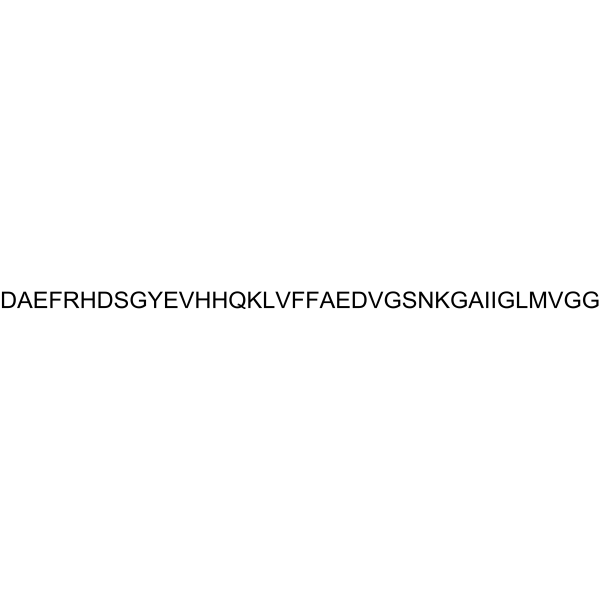
β-Amyloid (1-38) (Aβ (1-38)) TFA is a β-Amyloid (Aβ) peptide. β-Amyloid (1-38) TFA interferes with the conversion of Aβ(1-42) to a β-sheet-rich aggregate. β-Amyloid (1-38)TFA reverses the negative impact of Aβ(1-42) on long-term potentiation in acute hippocampal slices and on membrane conductance in primary neurons, and mitigates an Aβ(1-42) phenotype in Caenorhabditis elegans .
|
-
-
- HY-103442
-
|
DAPH
|
EGFR
Amyloid-β
|
Neurological Disease
Cancer
|
|
CGP52411 (DAPH) is a high selective, potent, orally active and ATP-competitive EGFR inhibitor with an IC50 of 0.3 μM. CGP52411 blocks the toxic influx of Ca 2+ ions into neuronal cells, and dramatic inhibits and reverses the formation of β-amyloid (Aβ42) fibril aggregates associated with Alzheimer's disease .
|
-
-
- HY-150049
-
|
|
Amyloid-β
|
Neurological Disease
|
|
γ-Secretase modulator 13 (compound 4) is a gamma-secretase modulator (GSMs) that inhibits the production of the aggregated amyloid β-peptide Aβ42 with an IC50 value of 163 nM. γ-Secretase modulator 13 can be used in the study of Alzheimer's disease .
|
-
-
- HY-P3688
-
|
Aβ (1-38); Aβ38
|
Amyloid-β
|
Neurological Disease
|
|
β-Amyloid (1-38) (Aβ (1-38)) is a β-Amyloid (Aβ) peptide. β-Amyloid (1-38) interferes with the conversion of Aβ(1-42) to a β-sheet-rich aggregate. β-Amyloid (1-38) reverses the negative impact of Aβ(1-42) on long-term potentiation in acute hippocampal slices and on membrane conductance in primary neurons, and mitigates an Aβ(1-42) phenotype in Caenorhabditis elegans .
|
-
-
- HY-177906
-
|
|
Fluorescent Dye
Amyloid-β
|
Neurological Disease
|
|
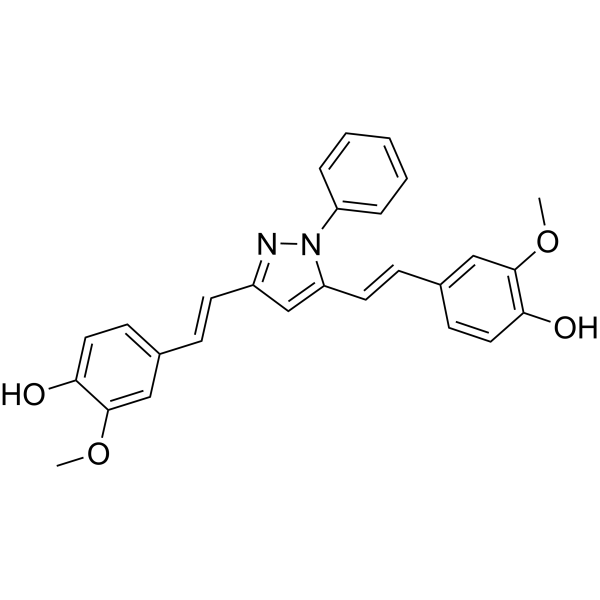
h-FTAA is a luminescent conjugated oligothiophene (LCO) probe. h-FTAA can selectively bind to amyloid protein aggregates (such as Aβ plaques) and distinguish different conformations of the protein aggregates through changes in fluorescence signals. h-FTAA significantly reduces the neurotoxicity of Aβ1-42 and the Arctic mutant Aβ (AβArc), thereby protecting SH-SY5Y neuroblastoma cells. h-FTAA can be used to dynamically track the formation and maturation process of Aβ plaques .
|
-
-
- HY-176925
-
|
|
α-synuclein
Amyloid-β
|
Neurological Disease
|
|
α-Synuclein aggregate binder 2 (Compound 1) is a specific alpha-synuclein binder with a Ki of 1.6 nM. α-Synuclein aggregate binder 2 has a weak binding affinity for β-amyloid aggregates with a Ki of 295 nM. α-Synuclein aggregate binder 2 can be used as a tracer in Parkinson's disease .
|
-
-
- HY-174305
-
|
|
Amyloid-β
|
Neurological Disease
|
|
Aβ42-IN-7 (Compound CT-01) is a brain-penetrant and selective amyloid-β42 (Aβ42) inhibitor. Aβ42-IN-7 inhibits Aβ42’s assembly into neurotoxic soluble oligomers and extracellular fibrillary aggregates. Aβ42-IN-7 exerts neuroprotective effects by reducing amyloid-mediated neuronal toxicity. Aβ42-IN-7 can be used in research on Alzheimer’s disease (AD) .
|
-
-
- HY-158204
-
|
|
Lipoxygenase
Amyloid-β
Reactive Oxygen Species (ROS)
Apoptosis
|
Neurological Disease
Metabolic Disease
Inflammation/Immunology
|
|
CNB-001 is a potent and orally active 5-lipoxygenase (5-LOX) inhibitor. CNB-001 can decreases 5-LOX expression and increase proteasome activity. CNB-001 can inhibit accumulation of soluble Amyloid-β and ubiquitinated aggregated proteins. CNB-001 can inhibit apoptosis, ROS production and stabilize mitochondrial membrane potential. CNB-001 can reduce insulin resistance and increase glucose uptake. CNB-001 also exhibits anti-ischemic, anti-inflammatory effects. CNB-001 can be used for the researches of inflammation, neurological and metabolic disease, such as Alzheimer's disease, stroke and diabetes .
|
-
-
- HY-P10037
-
|
|
Amyloid-β
|
Neurological Disease
|
|
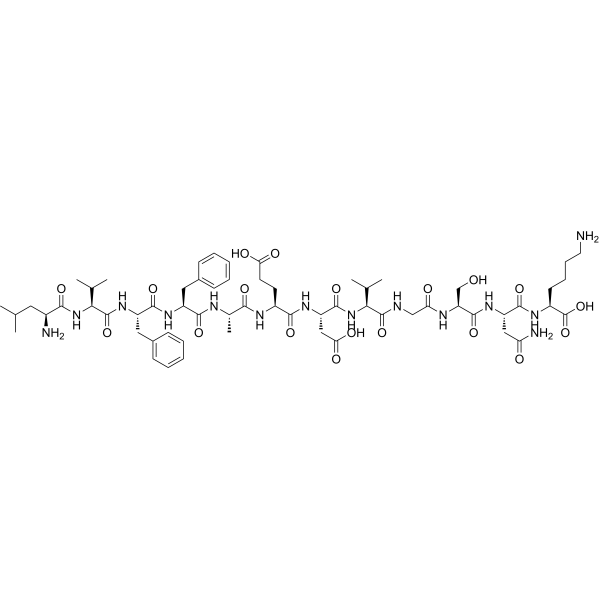
β Amyloid(17-28) human is a β-amyloid peptide (Abeta), a lipid-induced amyloid core fragment. β Amyloid(17-28) human enhances aggregation of full-length β Amyloid40, producing toxic aggregates in Alzheimer's disease (AD) .
|
-
-
- HY-P1474
-
|
amyloid β-Protein (22-35)
|
Amyloid-β
|
Neurological Disease
|
|
β-Amyloid 22-35 (Amyloid β-Protein 22-35), the residues 22-35 fragment ofβ-amyloid protein, has a cytotoxic effect on cultured neurons from the rat hippocampus in serum-free medium. β-Amyloid 22-35 forms aggregates and typical amyloid fibrils resembling those of the β-amyloid protein in neutral buffer solution) .
|
-
-
- HY-P1474A
-
|
amyloid β-Protein (22-35) TFA
|
Amyloid-β
|
Neurological Disease
|
|
β-Amyloid 22-35 (Amyloid β-Protein 22-35) TFA, the residues 22-35 fragment ofβ-amyloid protein, has a cytotoxic effect on cultured neurons from the rat hippocampus in serum-free medium. β-Amyloid 22-35 TFA forms aggregates and typical amyloid fibrils resembling those of the β-amyloid protein in neutral buffer solution) .
|
-
-
- HY-P5906
-
|
Citrullinated Aβ (1-40); Citrullinated Aβ40
|
Amyloid-β
|
Neurological Disease
|
|
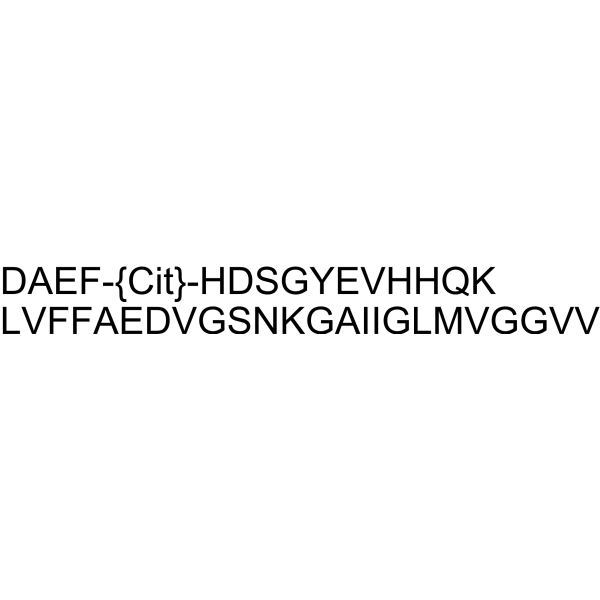
Citrullinated amyloid-β (1-40) peptide (human) (Citrullinated Aβ (1-40)) is a modified form of β-Amyloid (1-40) (HY-P0265) with a citrullination at the Arg5 site. Citrullinated amyloid-β (1-40) peptide (human) exhibits increased transient formation of soluble oligomers and insoluble aggregates composed of distorted parallel β-sheets compared with unmodified β-Amyloid (1-40) .
|
-
-
- HY-151554
-
|
|
Amyloid-β
|
Others
|
|
SQ-3 is a quinoline analogue, displays moderate selectivity for α-syn aggregates (Ki=39.3 nM) over β-amyloid (Aβ) aggregates (Ki=230 nM). [ 18F]SQ3 has basic properties as a lead compound for the development of a useful α-syn imaging probe .
|
-
-
- HY-D1684
-
|
|
Amyloid-β
|
Neurological Disease
|
|
DCDAPH (Compound 2c) is a novel smart NIRF probe for detection of β-amyloid (Aβ) plaques (λex/λem=597/665 nm in PBS). DCDAPH shows high affinity for Aβ aggregates (Ki=37 nM, Kd=27 nM). DCDAPH shows good blood brain barrier permeation and can meet most of the requirements for the detection of Aβ plaques both in vitro and in vivo .
|
-
-
- HY-157382
-
|
|
Cholinesterase (ChE)
Amyloid-β
MMP
|
Neurological Disease
|
|
AChE-IN-51 (compound 8C) is an orally active, non-competitive inhibitor of AChE and BChE (IC50: 84 nM, 97 nM). It also inhibits MMP-2 and amyloid Aβ1-42 aggregates (IC50: 724 nM, 302 nM). AChE-IN-51 has low cytotoxicity and in silico predicted blood-brain barrier permeability. Can be used for research on diseases such as Alzheimer's disease (AD) .
|
-
-
- HY-N7046R
-
|
Silibinin B (Standard)
|
Reference Standards
JNK
Amyloid-β
p38 MAPK
Apoptosis
|
Neurological Disease
Cancer
|
|
Silybin (Silibinin B) (Standard) is the analytical standard of Silybin B (HY-N7046). This product is intended for research and analytical applications. Silybin B (Silibinin B) is an orally active amyloid-β aggregation inhibitor and ATR pathway activator, that can cross the blood-brain barrier. Silybin B inhibits Aβ fibril formation and promotes amorphous aggregate formation, while activating the ATR-mediated DNA damage repair pathway and inhibiting JNK/p38 MAPK signaling. Silybin B can reduce Cisplatin (HY-17394)-induced neuronal DNA damage and apoptosis. Silybin B has anti-oxidative stress, cell cycle regulation and neuroprotective activities. Silybin B is mainly used in the study of Alzheimer's disease and Cisplatin chemotherapy-related neurotoxicity .
|
-
-
- HY-N7046S
-
|
Silibinin B-d3
|
Isotope-Labeled Compounds
Amyloid-β
Apoptosis
JNK
p38 MAPK
|
Neurological Disease
Cancer
|
|
Silybin B-d3 (Silibinin B-d3) is a deuterated Silybin B (HY-N7046). Silybin B (Silibinin B) is an orally active amyloid-β aggregation inhibitor and ATR pathway activator, that can cross the blood-brain barrier. Silybin B inhibits Aβ fibril formation and promotes amorphous aggregate formation, while activating the ATR-mediated DNA damage repair pathway and inhibiting JNK/p38 MAPK signaling. Silybin B can reduce Cisplatin (HY-17394)-induced neuronal DNA damage and apoptosis. Silybin B has anti-oxidative stress, cell cycle regulation and neuroprotective activities. Silybin B is mainly used in the study of Alzheimer's disease and Cisplatin chemotherapy-related neurotoxicity .
|
-
-
- HY-N7368R
-
|
|
Reference Standards
Adenosine Deaminase
Bacterial
Caspase
|
Neurological Disease
Inflammation/Immunology
Cancer
|
|
Hibifolin (Standard) is the analytical standard of Hibifolin. This product is intended for research and analytical applications. Hibifolin is a flavonol glycoside that can be isolated from Helicteres isora. Hibifolin is an inhibitor of adenosine deaminase (ADA) (Ki = 49.92 μM). Hibifolin protects neurons against β-amyloid-induced neurotoxicity. Hibifolin possesses a potent protective activity against cell death induced by aggregated Aβ. Hibifolin can abolish Aβ-induced caspase-3 and caspase-7 activation. Hibifolin induces Akt phosphorylation in cortical neurons. Hibifolin is also a natural sortase A (SrtA) inhibitor (IC50 = 31.2 μM) through direct binding to SrtA protein. Hibifolin attenuates the pathogenic behavior of Staphylococcus aureus including adhesion, invasion, and biofilm formation. Hibifolin improves the survival of pneumonia induced by Staphylococcus aureus in mouse model and alleviates pathological damage. Hibifolin shows a synergistic antibacterial effect with Cefotaxime (HY-A0088A) .
|
-
-
- HY-183660
-
|
|
Autophagy
Amyloid-β
Tau Protein
|
Neurological Disease
|
|
F-SLOH is a brain-penerant and orally active TFEB activator and amyloid-β inhibitor with an IC50 of 3.4 μM against amyloid-β. F-SLOH promotes nuclear translocation of TFEB, driving autophagy and lysosomal biogenesis. F-SLOH reduces amyloid-β oligomers and Tau aggregates via autophagy lysosomal degradation pathway. F-SLOH can be used for the research of Alzheimer’s disease .
|
-
-
- HY-W569115
-
|
|
Tau Protein
|
Neurological Disease
|
|
JNJ-64326067 is an aggregated tau-binding agent with blood-brain barrier permeability, with a Ki of 2.4 nM. JNJ-64326067 selectively binds to aggregated tau protein but does not bind to aggregated β-amyloid protein, and shows no significant off-target binding to the tested receptors, ion channels, transporters, kinases or monoamine oxidases. JNJ-64326067 is applicable to the research of Alzheimer's disease .
|
-
-
- HY-108010
-
|
|
Amyloid-β
|
Neurological Disease
|
|
Aftobetin is a non-invasive molecular probe used for the early diagnosis of Alzheimer's disease (AD). Aftobetin can specifically bind to the aggregated β-amyloid peptide (Aβ) in the lens of the eye, enabling the early diagnosis of AD through a rapid and painless detection method .
|
-
-
- HY-182328
-
|
|
Amyloid-β
|
Neurological Disease
|
|
BTA-EG6 is a brain-penetrant aggregated amyloid-β (Aβ) peptide binder with a Kd of 290 nM for Aβ1-42. BTA-EG6 binds to aggregated Aβ and forms protein-resistive coatings that block interactions between Aβ and catalase. BTA-EG6 protects neuroblastoma cells from Aβ-induced toxicity and oxidative stress, and inhibits Aβ-induced increases in cellular hydrogen peroxide (H2O2) levels. BTA-EG6 can be used for the research of alzheimer’s disease (AD) .
|
-
-
- HY-117521
-
|
|
γ-secretase
Amyloid-β
|
Neurological Disease
|
|
EVP-0015962 is an orally active, blood-brain barrier-permeable γ-secretase inhibitor with an IC50 of 3.9 μM. EVP-0015962 alters γ-secretase-mediated cleavage of amyloid precursor protein, reduces Aβ42 production and increases Aβ38 production. EVP-0015962 reduces Aβ aggregates, amyloid plaques and inflammatory markers in the brains of mice, and improves their cognitive impairment. EVP-0015962 can be used for the research of Alzheimer's disease .
|
-
-
- HY-150050
-
|
|
Amyloid-β
|
Neurological Disease
|
|
gamma-secretase modulator 5 (compound 22d) is a brain-penetrant gamma-secretase modulator (GSMs) that inhibits the production of the aggregated amyloid β-peptide Aβ42 with an IC50 value of 60 nM. gamma-secretase modulator 5 can be used in the study of Alzheimer's disease .
|
-
-
- HY-169268
-
|
|
Amyloid-β
|
Neurological Disease
|
|
Aβ-IN-10 (Compound Alz -5) is a bifunctional copper chelator and an inhibitor for beta-amyloid (Aβ), that interacts with Aβ aggregates and reduces the neurotoxicity. Aβ-IN-10 exhibits antioxidant efficacy, reveals moderate cytotoxicity with the presence of CuCl2 in SH-SY5Y and HepG2 with IC50 of 65.5, 31.2 μM. Aβ-IN-10 reduces the increase of cell stiffness caused by Aβ .
|
-
-
- HY-103442R
-
|
DAPH (Standard)
|
Reference Standards
EGFR
Amyloid-β
|
Neurological Disease
Cancer
|
|
CGP52411 (Standard) is the analytical standard of CGP52411 (HY-103442). This product is intended for research and analytical applications. CGP52411 (DAPH) is a high selective, potent, orally active and ATP-competitive EGFR inhibitor with an IC50 of 0.3 μM. CGP52411 blocks the toxic influx of Ca2+ ions into neuronal cells, and dramatic inhibits and reverses the formation of β-amyloid (Aβ42) fibril aggregates associated with Alzheimer's disease .
|
-
-
- HY-101855R
-
|
Anle138b (Standard)
|
Reference Standards
Amyloid-β
|
Neurological Disease
|
|
Emrusolmin (Standard) (Anle138b (Standard)) is the analytical standard of Emrusolmin (HY-101855). This product is intended for research and analytical applications. Emrusolmin (Anle138b), an oligomeric aggregation inhibitor, blocks the formation of pathological aggregates of prion protein (PrPSc) and of α-synuclein (α-syn). Emrusolmin strongly inhibits oligomer accumulation, neuronal degeneration, and disease progression in vivo. Emrusolmin has low toxicity and an excellent oral bioavailability and blood-brain-barrier penetration. Emrusolmin blocks Aβ channels and rescues disease phenotypes in a mouse model for amyloid pathology .
|
-
| Cat. No. |
Product Name |
Type |
-
- HY-D1684
-
|
|
Fluorescent Dyes
|
|
DCDAPH (Compound 2c) is a novel smart NIRF probe for detection of β-amyloid (Aβ) plaques (λex/λem=597/665 nm in PBS). DCDAPH shows high affinity for Aβ aggregates (Ki=37 nM, Kd=27 nM). DCDAPH shows good blood brain barrier permeation and can meet most of the requirements for the detection of Aβ plaques both in vitro and in vivo .
|
| Cat. No. |
Product Name |
Target |
Research Area |
-
- HY-P3688A
-
|
Aβ (1-38) TFA; Aβ38 TFA
|
Amyloid-β
|
Neurological Disease
|
|
β-Amyloid (1-38) (Aβ (1-38)) TFA is a β-Amyloid (Aβ) peptide. β-Amyloid (1-38) TFA interferes with the conversion of Aβ(1-42) to a β-sheet-rich aggregate. β-Amyloid (1-38)TFA reverses the negative impact of Aβ(1-42) on long-term potentiation in acute hippocampal slices and on membrane conductance in primary neurons, and mitigates an Aβ(1-42) phenotype in Caenorhabditis elegans .
|
-
- HY-P3688
-
|
Aβ (1-38); Aβ38
|
Amyloid-β
|
Neurological Disease
|
|
β-Amyloid (1-38) (Aβ (1-38)) is a β-Amyloid (Aβ) peptide. β-Amyloid (1-38) interferes with the conversion of Aβ(1-42) to a β-sheet-rich aggregate. β-Amyloid (1-38) reverses the negative impact of Aβ(1-42) on long-term potentiation in acute hippocampal slices and on membrane conductance in primary neurons, and mitigates an Aβ(1-42) phenotype in Caenorhabditis elegans .
|
-
- HY-P10037
-
|
|
Amyloid-β
|
Neurological Disease
|
|
β Amyloid(17-28) human is a β-amyloid peptide (Abeta), a lipid-induced amyloid core fragment. β Amyloid(17-28) human enhances aggregation of full-length β Amyloid40, producing toxic aggregates in Alzheimer's disease (AD) .
|
-
- HY-P1474
-
|
amyloid β-Protein (22-35)
|
Amyloid-β
|
Neurological Disease
|
|
β-Amyloid 22-35 (Amyloid β-Protein 22-35), the residues 22-35 fragment ofβ-amyloid protein, has a cytotoxic effect on cultured neurons from the rat hippocampus in serum-free medium. β-Amyloid 22-35 forms aggregates and typical amyloid fibrils resembling those of the β-amyloid protein in neutral buffer solution) .
|
-
- HY-P1474A
-
|
amyloid β-Protein (22-35) TFA
|
Amyloid-β
|
Neurological Disease
|
|
β-Amyloid 22-35 (Amyloid β-Protein 22-35) TFA, the residues 22-35 fragment ofβ-amyloid protein, has a cytotoxic effect on cultured neurons from the rat hippocampus in serum-free medium. β-Amyloid 22-35 TFA forms aggregates and typical amyloid fibrils resembling those of the β-amyloid protein in neutral buffer solution) .
|
-
- HY-P5906
-
|
Citrullinated Aβ (1-40); Citrullinated Aβ40
|
Amyloid-β
|
Neurological Disease
|
|
Citrullinated amyloid-β (1-40) peptide (human) (Citrullinated Aβ (1-40)) is a modified form of β-Amyloid (1-40) (HY-P0265) with a citrullination at the Arg5 site. Citrullinated amyloid-β (1-40) peptide (human) exhibits increased transient formation of soluble oligomers and insoluble aggregates composed of distorted parallel β-sheets compared with unmodified β-Amyloid (1-40) .
|
-
- HY-P5331
-
|
|
Peptides
|
Others
|
|
[Asn23]-beta-Amyloid (1-42), iowa mutation is a biological active peptide. (Several mutations in the beta amyloid precursor gene cause autosomal dominant Alzheimer's Disease in a number of kindreds. The Iowa mutation, where Asp 23 is replaced with Asn, is associated with severe cerebral amyloid beta-protein angiopathy (CAA). The affected individuals share a missense mutation in APP at position 694. The mutated beta-amyloid peptide aggregates more rapidly and forms toxic fibrils.)
|
-
- HY-P5365
-
|
|
Peptides
|
Others
|
|
[Asn23] β-Amyloid (1-40), Iowa mutation is a biological active peptide. (Several mutations in the beta amyloid precursor gene cause autosomal dominant Alzheimer's Disease in a number of kindreds. The Iowa mutation, where Asp 23 is replaced with Asn, is associated with severe cerebral amyloid beta-protein angiopathy (CAA). The affected individuals share a missense mutation in APP at position 694. The mutated beta-amyloid peptide aggregates more rapidly and forms toxic fibrils.)
|
| Cat. No. |
Product Name |
Target |
Research Area |
Image |
-
- HY-P9967
-
|
BIIB037
|
Amyloid-β
|
Neurological Disease
|
|
Aducanumab (BIIB037) is a human monoclonal antibody that selectively targets aggregated amyloid-beta (Aβ). Aducanumab shows blood-brain-barrier penetration, and can be used for Alzheimer's disease (AD) research .
|
-
(5)
-
- HY-P990109
-
|
|
Amyloid-β
|
Neurological Disease
|
|
Aducanumab (Mouse IGG2a) is a monoclonal antibody that selectively targets aggregated amyloid-beta (Aβ). The variable region of Aducanumab (Mouse IGG2a) is consistent with that of Aducanumab (HY-P9967), while the constant region is of Mouse IGG2a sequence. Aducanumab (Mouse IGG2a) has strong selectivity for Aβ fibrils with EC50s of >1 μM and 0.2 nM for monomeric Aβ1-40 and fibrillar Aβ1-42, respectively. Aducanumab (Mouse IGG2a) can be used for Alzheimer's disease (AD) research .
|
-
(5)
-
- HY-P991480
-
|
|
Transmembrane Glycoprotein
Tau Protein
Amyloid-β
|
Neurological Disease
Cancer
|
|
ONC-841 is a blood-brain barrier-permeable, humanized monoclonal antibody targeting SIGLEC10. As an immune checkpoint inhibitor, ONC-841 restores the functions of immune effector cells such as T cells and enhances anti-tumor immune responses by blocking inhibitory signals mediated by SIGLEC10. ONC-841 restores the phagocytic and migratory activities of microglia, and promotes the phagocytosis of Amyloid-β and Tau protein aggregates by microglia. ONC-841 is applicable to research related to solid tumors and Alzheimer's disease .
|
-
(5)
| Cat. No. |
Product Name |
Category |
Target |
Chemical Structure |
-
- HY-N7046
-
-
-
- HY-N7368
-
|
|
Flavonols
Flavonoids
other families
Neurological Disease
Classification of Application Fields
Phenols
Polyphenols
Plants
Inflammation/Immunology
Disease Research Fields
Source Classification
|
Adenosine Deaminase
Bacterial
Caspase
|
|
Hibifolin is a flavonol glycoside that can be isolated from Helicteres isora. Hibifolin is an inhibitor of adenosine deaminase (ADA) (Ki = 49.92 μM). Hibifolin protects neurons against β-amyloid-induced neurotoxicity. Hibifolin possesses a potent protective activity against cell death induced by aggregated Aβ. Hibifolin can abolish Aβ-induced caspase-3 and caspase-7 activation. Hibifolin induces Akt phosphorylation in cortical neurons. Hibifolin is also a natural sortase A (SrtA) inhibitor (IC50 = 31.2 μM) through direct binding to SrtA protein. Hibifolin attenuates the pathogenic behavior of Staphylococcus aureus including adhesion, invasion, and biofilm formation. Hibifolin improves the survival of pneumonia induced by Staphylococcus aureus in mouse model and alleviates pathological damage. Hibifolin shows a synergistic antibacterial effect with Cefotaxime (HY-A0088A) .
|
-
-
- HY-N7046R
-
|
Silibinin B (Standard)
|
Flavanonols
Structural Classification
Flavonoids
Glycine soya
Phenols
Polyphenols
Cyamopsis tetragonoloba (L.) Taub.
Plants
Compositae
Source Classification
|
Reference Standards
JNK
Amyloid-β
p38 MAPK
Apoptosis
|
|
Silybin (Silibinin B) (Standard) is the analytical standard of Silybin B (HY-N7046). This product is intended for research and analytical applications. Silybin B (Silibinin B) is an orally active amyloid-β aggregation inhibitor and ATR pathway activator, that can cross the blood-brain barrier. Silybin B inhibits Aβ fibril formation and promotes amorphous aggregate formation, while activating the ATR-mediated DNA damage repair pathway and inhibiting JNK/p38 MAPK signaling. Silybin B can reduce Cisplatin (HY-17394)-induced neuronal DNA damage and apoptosis. Silybin B has anti-oxidative stress, cell cycle regulation and neuroprotective activities. Silybin B is mainly used in the study of Alzheimer's disease and Cisplatin chemotherapy-related neurotoxicity .
|
-
-
- HY-N7368R
-
|
|
Flavonols
Structural Classification
Flavonoids
other families
Phenols
Polyphenols
Plants
Source Classification
|
Reference Standards
Adenosine Deaminase
Bacterial
Caspase
|
|
Hibifolin (Standard) is the analytical standard of Hibifolin. This product is intended for research and analytical applications. Hibifolin is a flavonol glycoside that can be isolated from Helicteres isora. Hibifolin is an inhibitor of adenosine deaminase (ADA) (Ki = 49.92 μM). Hibifolin protects neurons against β-amyloid-induced neurotoxicity. Hibifolin possesses a potent protective activity against cell death induced by aggregated Aβ. Hibifolin can abolish Aβ-induced caspase-3 and caspase-7 activation. Hibifolin induces Akt phosphorylation in cortical neurons. Hibifolin is also a natural sortase A (SrtA) inhibitor (IC50 = 31.2 μM) through direct binding to SrtA protein. Hibifolin attenuates the pathogenic behavior of Staphylococcus aureus including adhesion, invasion, and biofilm formation. Hibifolin improves the survival of pneumonia induced by Staphylococcus aureus in mouse model and alleviates pathological damage. Hibifolin shows a synergistic antibacterial effect with Cefotaxime (HY-A0088A) .
|
-
| Cat. No. |
Product Name |
Chemical Structure |
-
- HY-N7046S
-
|
|
|
Silybin B-d3 (Silibinin B-d3) is a deuterated Silybin B (HY-N7046). Silybin B (Silibinin B) is an orally active amyloid-β aggregation inhibitor and ATR pathway activator, that can cross the blood-brain barrier. Silybin B inhibits Aβ fibril formation and promotes amorphous aggregate formation, while activating the ATR-mediated DNA damage repair pathway and inhibiting JNK/p38 MAPK signaling. Silybin B can reduce Cisplatin (HY-17394)-induced neuronal DNA damage and apoptosis. Silybin B has anti-oxidative stress, cell cycle regulation and neuroprotective activities. Silybin B is mainly used in the study of Alzheimer's disease and Cisplatin chemotherapy-related neurotoxicity .
|
-
Your information is safe with us. * Required Fields.
Inquiry Information
- Product Name:
- Cat. No.:
- Quantity:
- MCE Japan Authorized Agent:

