1. Search Result
Search Result
Results for "

Arachidonic Acid Metabolism

" in MedChemExpress (MCE) Product Catalog:

30

Inhibitors & Agonists

1

Biochemical Assay Reagents

8

Natural
Products

1

Isotope-Labeled Compounds

Targets Recommended:
Cat. No. Product Name Target Research Areas Chemical Structure
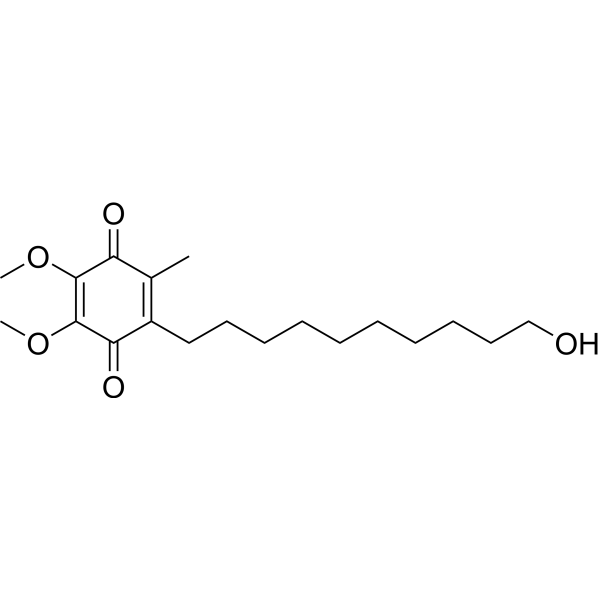
  • HY-N0303
    Idebenone
    Maximum Cited Publications
    10 Publications Verification

    Mitochondrial Metabolism Apoptosis Neurological Disease
    Idebenone, a well-appreciated mitochondrial protectant, exhibits protective efficacy against neurotoxicity and can be used for the research of Alzheimer's disease, Huntington's disease. Idebenone (oxidised form) has a dose-dependent inhibitory effect on the enzymatic metabolism of arachidonic acid in astroglial homogenates (IC50=16.65 μM) . Idebenone, a coenzyme Q10 analog and an antioxidant, induces apoptotic cell death in the human dopaminergic neuroblastoma SHSY-5Y cells . Idebenone quickly crosses the blood-brain barrier.
    Idebenone
  • HY-12642
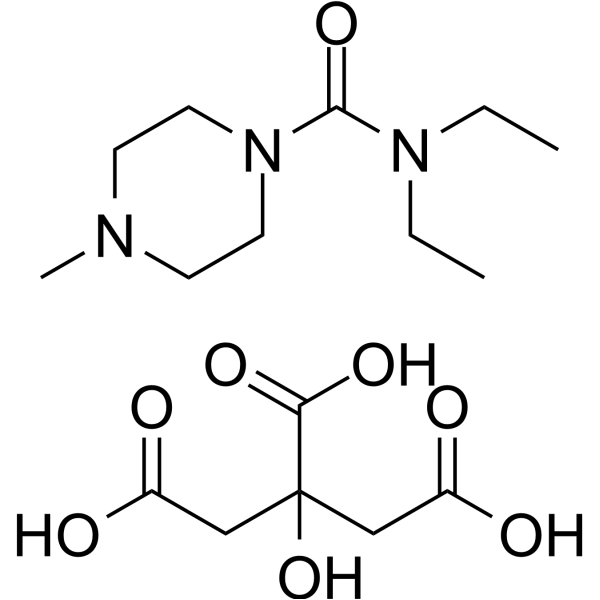
    Diethylcarbamazine citrate
    1 Publications Verification

    Parasite Bacterial TNF Receptor Interleukin Related Infection Metabolic Disease Inflammation/Immunology
    Diethylcarbamazine citrate is an orally active microfilaricidal agent used originally in onchocerciasis and lymphatic filiariasis. Diethylcarbamazine citrate reduces eosinophil trafficking to the lung tissue and exerts anti-allergic effects. Diethylcarbamazine citrate reduces serum levels of leptin, TNF-α, IL-6, MCP-1, glucose, insulin, and triglycerides, and ameliorates insulin resistance without altering body, liver, or adipose tissue weights. Diethylcarbamazine citrate enhances reactive oxygen intermediate expression by polymorphonuclear neutrophils, increases lymphocyte proliferation, and inhibits actinomycetoma lesion development. Diethylcarbamazine citrate can be used for the researches of bronchial asthma, insulin resistance and infection .
    Diethylcarbamazine citrate
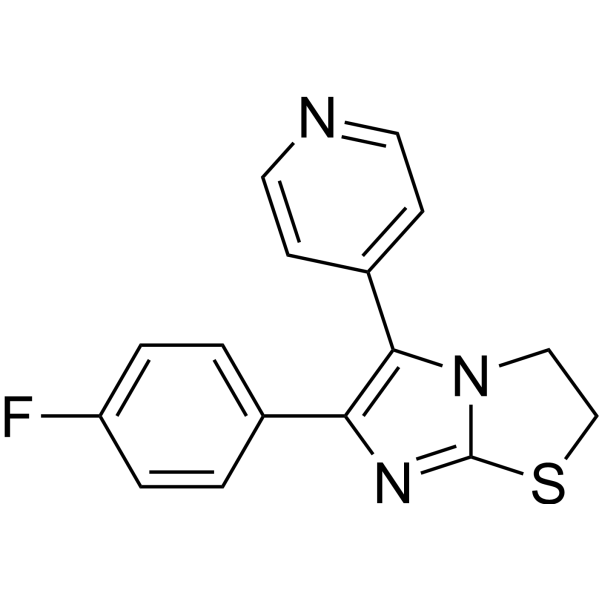
  • HY-12511
    SKF-86002
    3 Publications Verification

    p38 MAPK Inflammation/Immunology
    SKF-86002 is an orally active p38 MAPK inhibitor, with anti-inflammatory, anti-arthritic and analgesic activities. SKF-86002 inhibits lipopolysaccharide (LPS)-stimulate human monocyte IL-1 and TNF-α production (IC50 = 1 μM). SKF-86002 inhibits lipoxygenase- and cyclooxygenase-mediated metabolism of arachidonic acid .
    SKF-86002
  • HY-W089800

    trans-2-Nonen-1-al

    COX Lipoxygenase Apoptosis Cardiovascular Disease Inflammation/Immunology
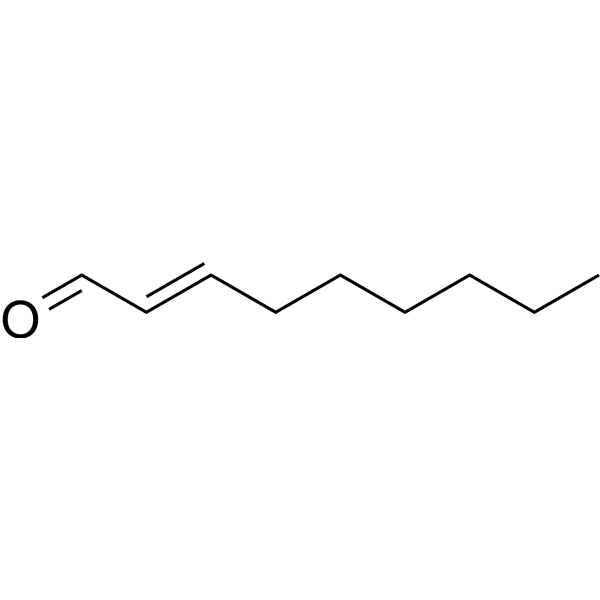
    trans-2-Nonenal (trans-2-Nonen-1-al) is an endogenous peroxidation product of polyunsaturated fatty acids, acting as an inhibitor of COX and 12-LOX, as well as an inducer of apoptosis. trans-2-Nonenal is also a malodorous compound secreted by the human body, and its content gradually increases with aging. trans-2-Nonenal inhibits the activities of multiple enzymes such as platelet membrane-bound PTPase, preferentially covalently modifies proteins at lysine residues to form immunogenic adducts, and regulates platelet Arachidonic acid (HY-109590) metabolism. trans-2-Nonenal also exhibits significant cytotoxicity, reduces the viability of keratinocytes, promotes their apoptosis, and effectively decreases the thickness of epidermal models and the number of proliferating cells. trans-2-Nonenal is commonly used in studies of thrombotic, atherosclerotic diseases, renal adenocarcinoma, etc. .
    trans-2-Nonenal
  • HY-113331
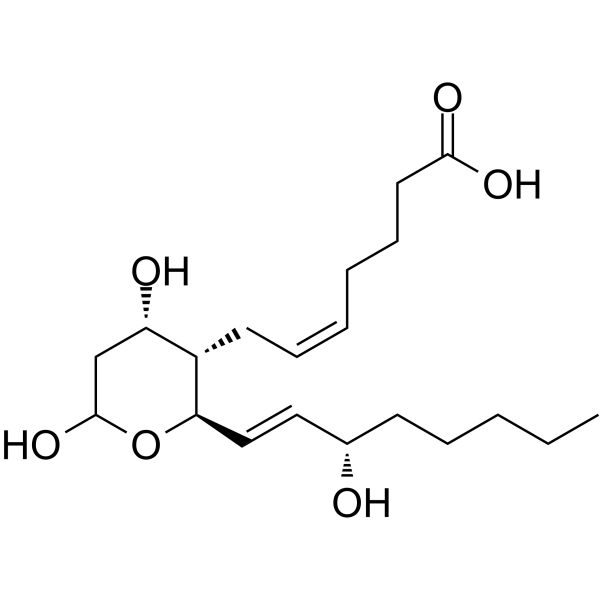
    Thromboxane B2
    1 Publications Verification

    Prostaglandin Receptor Cardiovascular Disease Inflammation/Immunology
    Thromboxane B2 is a prostaglandin derivative that is released during anaphylaxis. Thromboxane B2 induces arterial contraction and platelet aggregation. Thromboxane B2 is a biological inactive product and circulating catabolite of thromboxane A2. Thromboxane B2 levels in peripheral venous blood and coronary sinus blood can be used as a diagnostic marker for angina. Thromboxane B2 level in serum is also associated with inhibition of COX-1 activity inhibition in platelets. Thromboxane B2 is a major product of prostaglandin endoperoxide metabolism. Thromboxane B2 produces dose-related decreases in airflow rate, tidal volume and dynamic lung compliance, whilst simultaneously increasing pulmonary airway resistance in dog model. Thromboxane B2 appears to be a naturally occurring bronchoactive metabolite in the bioconversion of arachidonic acid .
    Thromboxane B2
  • HY-113330
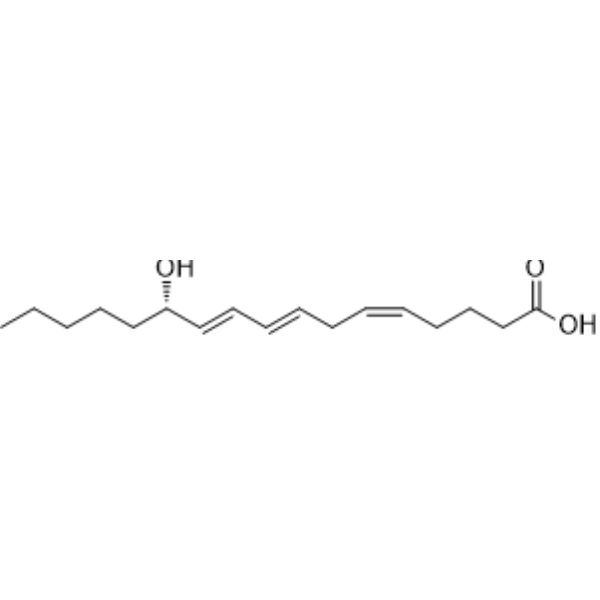
    12S-HHT
    1 Publications Verification

    12(S)-HHTrE

    Leukotriene Receptor Endogenous Metabolite Inflammation/Immunology
    12S-HHT (12(S)-HHTrE) is an enzymatic product of prostaglandin H2 (PGH2) derived from cyclooxygenase (COX)-mediated arachidonic acid metabolism. 12S-HHT is an endogenous ligand for BLT2 that fully activates BLT2 in vivo. 12S-HHT suppresses UV-induced IL-6 synthesis in keratinocytes, exerting an anti-inflammatory activity .
    12S-HHT
  • HY-W011297

    Arachidonic Acid methyl ester

    PKC Metabolic Disease
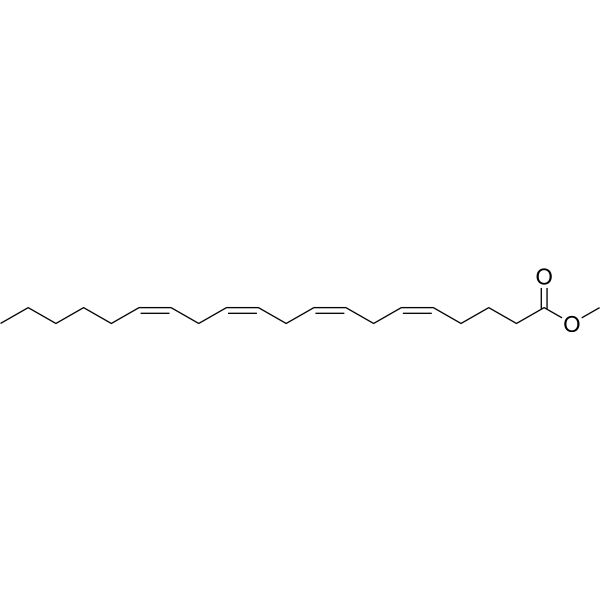
    Methyl arachidonate is a protein kinase C activator and also an orally active substrate that undergoes esterase-mediated hydrolysis. Methyl arachidonate indirectly activates protein kinase C via eicosanoid metabolites generated through the arachidonic acid metabolic pathway, exerting effects via cyclooxygenase products at low concentrations and via lipoxygenase products at high concentrations. Methyl arachidonate can be used in studies related to lipodystrophy .
    Methyl arachidonate
  • HY-116953

    LXB4

    Endogenous Metabolite Inflammation/Immunology
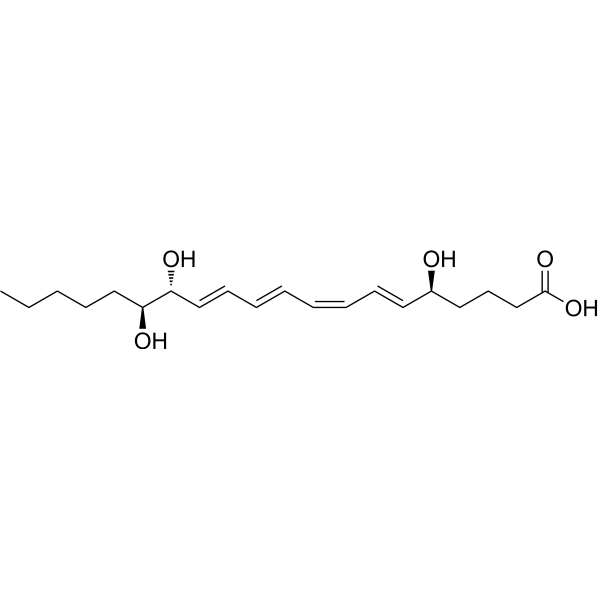
    Lipoxin B4 (LXB4) is a structurally distinct product of arachidonic acid metabolism. Lipoxin B4 reduces leukocyte infiltration and mucus secretion in the nasal mucosa and decreases mast cell and eosinophil degranulation in the upper airway. Lipoxin B4 decreases airway inflammation, mucus metaplasia and hyper- responsiveness in the lower airway. Lipoxin B4 shows mucosal protective actions and has the potential for the research of allergic inflammation in the upper and lower airways .
    Lipoxin B4
  • HY-116763

    COX LOX-1
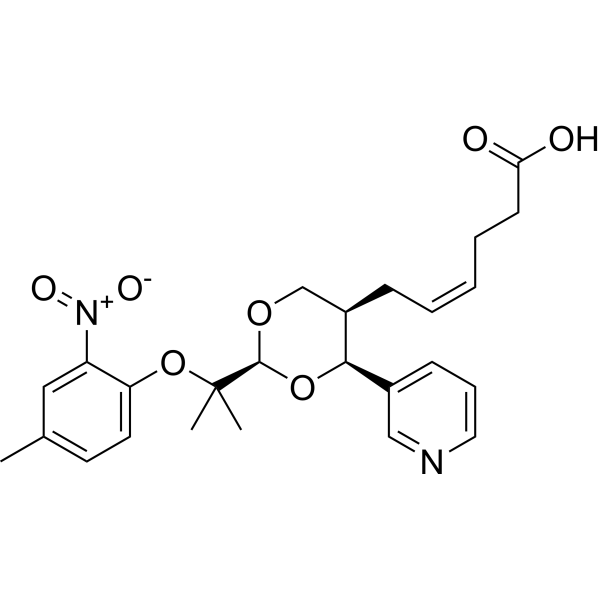
    COX-2/5-LOX-IN-4 (Compound 1) is a dual inhibitor that acts on both COX-2 and 5-LOX, with IC50 values of 0.05 μM for COX-2 and 0.003 μM for 5-LOX. By inhibiting the arachidonic acid metabolism pathway, COX-2/5-LOX-IN-4 reduces the production of prostaglandins and leukotrienes, alleviating inflammatory responses. In a rat ear edema model, intravenous administration (0.01 and 0.1 mg/kg) reduced edema by 41% and 44%, respectively, demonstrating significant anti-inflammatory effects. COX-2/5-LOX-IN-4 shows promise for studying the mechanisms of inflammatory diseases .
    COX-2/5-LOX-IN-4
  • HY-14165

    BAY X 1005; DG-031

    FLAP Leukotriene Receptor Cardiovascular Disease Inflammation/Immunology
    Veliflapon (BAY X 1005; DG-031) is an orally active and selective 5-lipoxygenase activating protein (FLAP) inhibitor . Veliflapon inhibits the synthesis of the leukotrienes B4 and C4 .
    Veliflapon
  • HY-112621

    LTA4 methyl ester

    Biochemical Assay Reagents Inflammation/Immunology
    Leukotriene A4 methyl ester (LTA4 methyl ester) is synthesized in mast cells, eosinophils, and neutrophils from arachidonic acid by 5-lipoxygenase (5-LO), which exhibits both lipoxygenase and LTA4 synthase activities. LTA4 is rapidly metabolized by LTA4 hydrolase or LTC4 synthase to LTB4 or LTC4, respectively. LTA4, from leukocytes, is known to undergo transcellular metabolism in platelets, erythrocytes, and endothelial cells. Further metabolism of LTA4 by 15-LO leads to lipoxin biosynthesis. LTA4 as a free acid is highly unstable. The methyl ester is stable and can be readily hydrolyzed to the free acid as needed.
    Leukotriene A4 methyl ester
  • HY-W777283

    Isotope-Labeled Compounds Apoptosis Mitochondrial Metabolism Neurological Disease
    Idebenone- 13C,d3 is the deuterium labeled and 13C-labeled Idebenone (HY-N0303). Idebenone, a well-appreciated mitochondrial protectant, exhibits protective efficacy against neurotoxicity and can be used for the research of Alzheimer's disease, Huntington's disease. Idebenone (oxidised form) has a dose-dependent inhibitory effect on the enzymatic metabolism of arachidonic acid in astroglial homogenates (IC50=16.65 μM) . Idebenone, a coenzyme Q10 analog and an antioxidant, induces apoptotic cell death in the human dopaminergic neuroblastoma SHSY-5Y cells . Idebenone quickly crosses the blood-brain barrier.
    Idebenone-13C,d3
  • HY-160431

    PPAR NF-κB COX Drug Metabolite Metabolic Disease
    8(9)-EET is one of the main metabolites produced by the metabolism of arachidonic acid (HY-109590) through the cytochrome P450 epoxide pathway. 8(9)-EET is an effective substrate for COX-1 and COX-2. 8(9)-EET activates PPARα in HEK293 cells and inhibits the activity of NF-κB induced by IL-1β in a PPARα-dependent and -independent manner. The (8S,9R)-isomer of 8(9)-EET ([(8S,9R)-EET]) causes vasoconstriction, thereby reducing renal plasma flow and glomerular filtration rate .
    8(9)-EET
  • HY-19594

    WIN 13146

    Parasite Infection
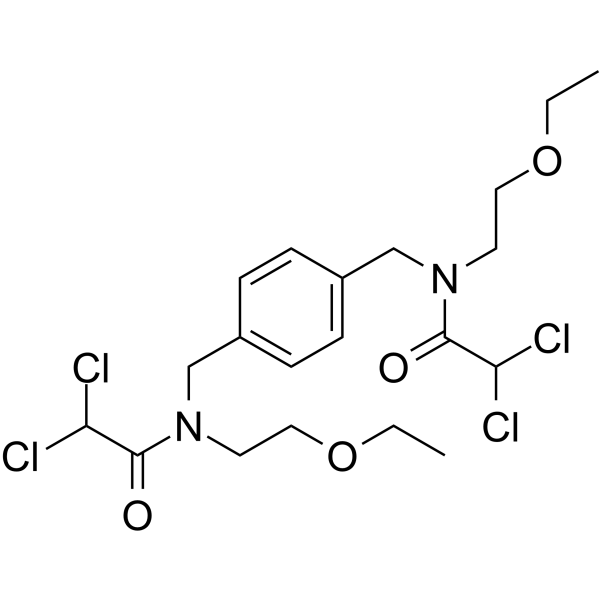
    Teclozan (WIN 13146) is an antiprotozoal agent, class in benzylamine derivatives. Teclozan intervenes in the phospholipid metabolism preventes the formation of arachidonic acid. Teclozan acts in the intestinal lumen being effective in Anti-G. intestinalis. Teclozan can be used for the research of protozoan infections .
    Teclozan
  • HY-N0303R

    Reference Standards Mitochondrial Metabolism Apoptosis Neurological Disease
    Idebenone (Standard) is the analytical standard of Idebenone. This product is intended for research and analytical applications. Idebenone, a well-appreciated mitochondrial protectant, exhibits protective efficacy against neurotoxicity and can be used for the research of Alzheimer's disease, Huntington's disease. Idebenone (oxidised form) has a dose-dependent inhibitory effect on the enzymatic metabolism of arachidonic acid in astroglial homogenates (IC50=16.65 μM) . Idebenone, a coenzyme Q10 analog and an antioxidant, induces apoptotic cell death in the human dopaminergic neuroblastoma SHSY-5Y cells . Idebenone quickly crosses the blood-brain barrier.
    Idebenone (Standard)
  • HY-12956B

    Prostaglandin F2β; PGF2β

    Endogenous Metabolite Others
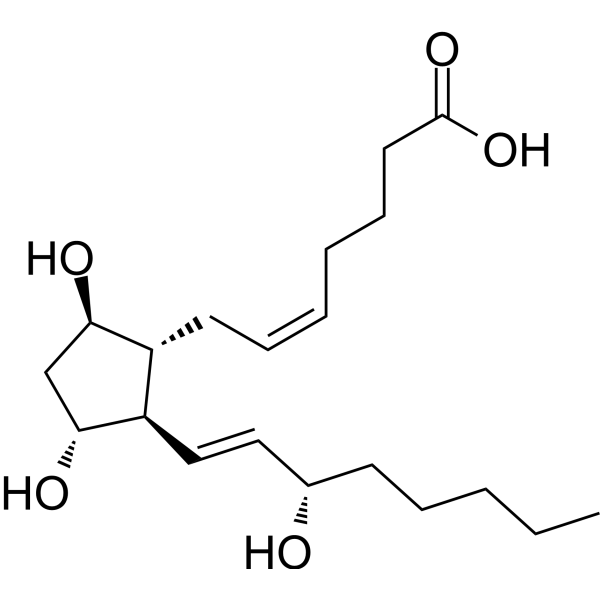
    (5R)-Dinoprost is a metabolite produced by cyclooxygenase metabolism of arachidonic acid. (5R)-Dinoprost (Prostaglandin F2β) induces dose-dependent release of hexose containing mucin .
    (5R)-Dinoprost
  • HY-114850A

    Prostaglandin F2β tromethamine; PGF2β tromethamine

    Endogenous Metabolite Others
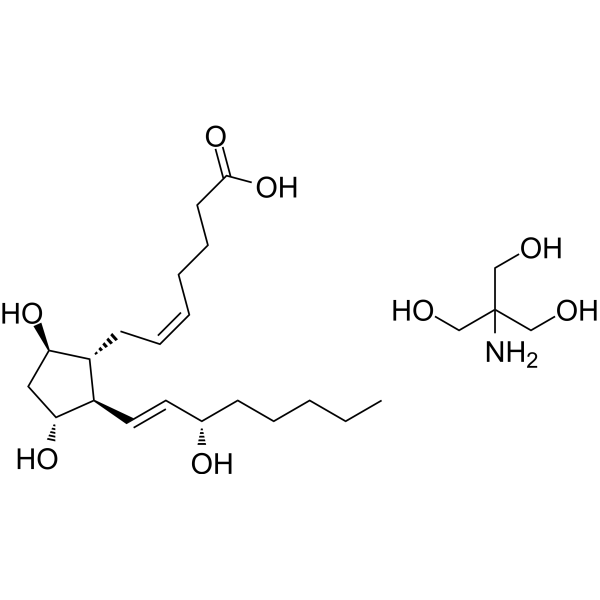
    (5R)-Dinoprost tromethamine (Prostaglandin F2β tromethamine) is a metabolite produced by the metabolism of arachidonic acid cyclooxygenase. (5R)-Dinoprost tromethamine induces dose-dependent release of hexosaccharide containing mucin .
    (5R)-Dinoprost tromethamine
  • HY-116281

    Prostaglandin Receptor Cardiovascular Disease
    ICI D1542 is a selective and potent inhibitor of thromboxane A2 (TXA2) synthase and the thromboxane A2 receptor (TP-receptor). ICI D1542 is effective at preventing thrombus formation by redirection of arachidonic acid metabolism .
    ICI D1542
  • HY-108641

    p38 MAPK Inflammation/Immunology
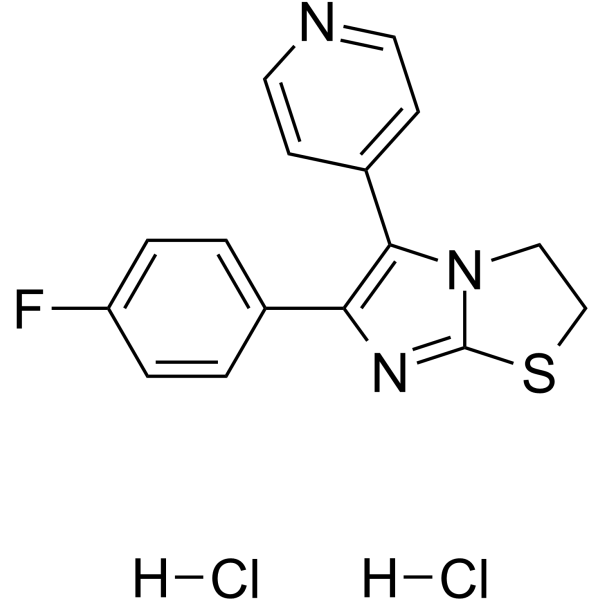
    SKF-86002 dihydrochloride is an orally active p38 MAPK inhibitor, with anti-inflammatory, anti-arthritic and analgesic activities. SKF-86002 dihydrochloride inhibits lipopolysaccharide (LPS)-stimulate human monocyte IL-1 and TNF-α production (IC50 = 1 μM). SKF-86002 dihydrochloride inhibits lipoxygenase- and cyclooxygenase-mediated metabolism of arachidonic acid .
    SKF-86002 dihydrochloride
  • HY-12511R

    p38 MAPK Inflammation/Immunology
    SKF-86002 (Standard) is the analytical standard of SKF-86002. This product is intended for research and analytical applications. SKF-86002 is an orally active p38 MAPK inhibitor, with anti-inflammatory, anti-arthritic and analgesic activities. SKF-86002 inhibits lipopolysaccharide (LPS)-stimulate human monocyte IL-1 and TNF-α production (IC50 = 1 μM). SKF-86002 inhibits lipoxygenase- and cyclooxygenase-mediated metabolism of arachidonic acid .
    SKF-86002 (Standard)
  • HY-19594R

    WIN 13146 (Standard)

    Reference Standards Parasite Infection
    Teclozan (Standard) is the analytical standard of Teclozan. This product is intended for research and analytical applications. Teclozan (WIN 13146) is an antiprotozoal agent, class in benzylamine derivatives. Teclozan intervenes in the phospholipid metabolism preventes the formation of arachidonic acid. Teclozan acts in the intestinal lumen being effective in Anti-G. intestinalis. Teclozan can be used for the research of protozoan infections .
    Teclozan (Standard)
  • HY-12642R

    Reference Standards Parasite Bacterial TNF Receptor Interleukin Related Infection Metabolic Disease Inflammation/Immunology
    Diethylcarbamazine citrate (Standard) is the analytical standard of Diethylcarbamazine citrate (HY-12642). This product is intended for research and analytical applications. Diethylcarbamazine citrate is an orally active microfilaricidal agent used originally in onchocerciasis and lymphatic filiariasis. Diethylcarbamazine citrate reduces eosinophil trafficking to the lung tissue and exerts anti-allergic effects. Diethylcarbamazine citrate reduces serum levels of leptin, TNF-α, IL-6, MCP-1, glucose, insulin, and triglycerides, and ameliorates insulin resistance without altering body, liver, or adipose tissue weights. Diethylcarbamazine citrate enhances reactive oxygen intermediate expression by polymorphonuclear neutrophils, increases lymphocyte proliferation, and inhibits actinomycetoma lesion development. Diethylcarbamazine citrate can be used for the researches of bronchial asthma, insulin resistance and infection .
    Diethylcarbamazine citrate (Standard)
  • HY-118779

    Platelet-activating Factor Receptor (PAFR) Cardiovascular Disease Metabolic Disease
    Rhazimine is an indole alkaloid that is a dual inhibitor of arachidonic acid metabolism and platelet activating factor-induced platelet aggregation .
    Rhazimine
  • HY-121586

    Bay g 6575

    Lipoxygenase Cardiovascular Disease
    Nafazatrom (Bay g 6575) is an orally active cardioprotective agent that protects against ischemic damage. Nafazatrom dose-dependently inhibits neutrophil aggregation, superoxide anion generation, arachidonic acid metabolism, and to a lesser extent the release of β-glucosidase, platelet aggregation or arachidonic acid in vitro. Acid metabolism has no significant effect. In a dog ischemia-reperfusion model, Nafazatrom (10 mg/kg; po) reduced infarct size and the occurrence of arrhythmias and rescued ischemic myocardial function without affecting any hemodynamic changes. The basis of Nafazatrom's cardioprotection may be inhibition of neutrophil function and cellular infiltration in vitro .
    Nafazatrom
  • HY-130497

    12-Oxo-LTB4

    Endogenous Metabolite Inflammation/Immunology
    12-Oxo-leukotriene B4 (12-Oxo-LTB4) is an intermediate in the lipoxygenase-catalyzed path of Arachidonic acid (HY-109590) metabolism. 12-Oxo-leukotriene B4 is crucial in Leukotriene B4 metabolism and is involved in inflammation reactions . 12-Oxo-leukotriene B4 stimulates calcium levels in human neutrophils with an EC50 of 33 nM. 12-Oxo-leukotriene B4 induces migration of neutrophils with EC50 of 170 nM .
    12-Oxo-leukotriene B4
  • HY-125396

    11-Deoxy-PGF2β

    Endogenous Metabolite Others
    11-Deoxyprostaglandin F2β (11-deoxy PGF2β) is an analog of PGF2β (HY-12956B). PGF2β is a metabolite produced by cyclooxygenase metabolism of arachidonic acid. PGF2β induces dose-dependent release of hexose containing mucin .
    11-Deoxyprostaglandin F2β
  • HY-N16449

    Drug Metabolite Metabolic Disease
    Arachidonoylmorpholine is a metabolic regulatory molecule related to arachidonic acid metabolism. The level of Arachidonoylmorpholine will increase when the function of the intestinal flora is disrupted. Arachidonoylmorpholine is promising for research of pig gut health, such as post-weaning diarrhea (PWD) in piglets .
    Arachidonoylmorpholine
  • HY-N19724

    Fungal Lipoxygenase COX Infection
    Buddledin A is a 5-LOX inhibitor (IC50 = 50.4 μM) and a COX inhibitor (IC50 = 13.7 μM). Buddedin A inhibits arachidonic acid metabolism via the 5-LOX and COX pathways, suppresses fungal growth, and exerts toxic effects on fish. Buddedin A may play an ecological role in protecting plant roots and stem barks from fungal infection. Buddedin A can be used in studies related to fungal infections .
    Buddledin A
  • HY-N17462

    Monoamine Oxidase Inflammation/Immunology
    Methyl 9-hydroxyoctadeca-10,12,15-trienoate is a soybean lipoxygenase (LOX) inhibitor. Methyl 9-hydroxyoctadeca-10,12,15-trienoate inhibits TPA (HY-18739)-induced ear edema/inflammation in mice. Methyl 9-hydroxyoctadeca-10,12,15-trienoate can be used for the research of inflammation .
    Methyl 9-hydroxyoctadeca-10,12,15-trienoate
  • HY-179488

    PPAR NF-κB COX Drug Metabolite Metabolic Disease
    (±)8(9)-EET is one of the main metabolites produced by the metabolism of arachidonic acid (HY-109590) through the cytochrome P450 epoxide pathway. (±)8(9)-EET is an effective substrate for COX-1 and COX-2. (±)8(9)-EET activates PPARα in HEK293 cells and inhibits the activity of NF-κB induced by IL-1β in a PPARα-dependent and -independent manner. The (8S,9R)-isomer of (±)8(9)-EET ([(8S,9R)-EET]) causes vasoconstriction, thereby reducing renal plasma flow and glomerular filtration rate .
    (±)8(9)-EET

Inquiry Online

Your information is safe with us. * Required Fields.

Salutation


Country or Region *

Applicant Name *


Organization Name *

Department *


Email Address *


Product Name *

Cat. No.


Requested quantity *

Phone Number *


Remarks

Inquiry Online

Inquiry Information

Product Name:
Cat. No.:
Quantity:
MCE Japan Authorized Agent:

