



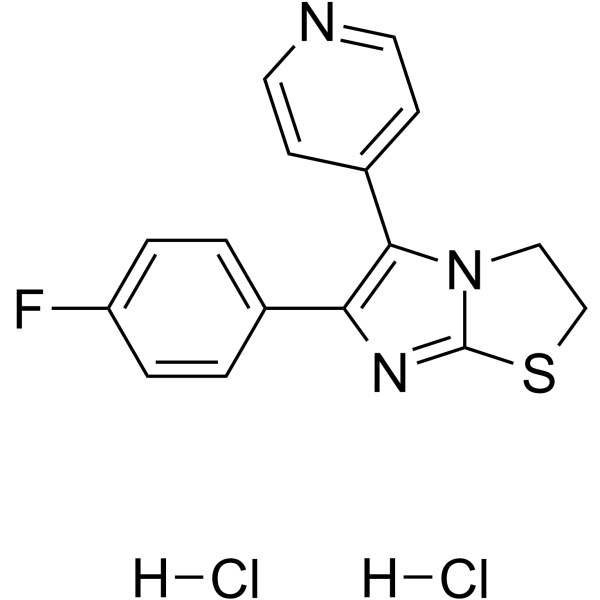
SKF-86002 dihydrochloride
Based on 3 publication(s) in Google Scholar
SKF-86002 dihydrochloride is an orally active p38 MAPK inhibitor, with anti-inflammatory, anti-arthritic and analgesic activities. SKF-86002 dihydrochloride inhibits lipopolysaccharide (LPS)-stimulate human monocyte IL-1 and TNF-α production (IC50 = 1 μM). SKF-86002 dihydrochloride inhibits lipoxygenase- and cyclooxygenase-mediated metabolism of arachidonic acid.
For research use only. We do not sell to patients.
- CAS No.: 116339-68-5
- Formula: C16H14Cl2FN3S
- Molecular Weight:370.27
-
Storage:
Please store the product under the recommended conditions in the Certificate of Analysis.

To place orders, for customer services and technical support, please contact: MedChemExpress USA
Tel: 609-228-6898 E-mail: [email protected] [email protected]


-
 Biological Activity
-
Chemical Information
- Protocols
- Purity & Documentation
- References
-
 Help & FAQs


-
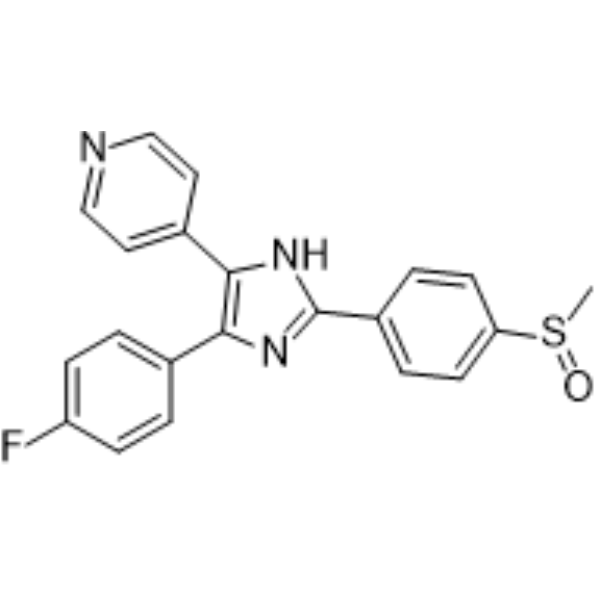
HY-10256
Adezmapimodp38 MAPK Inhibitor -
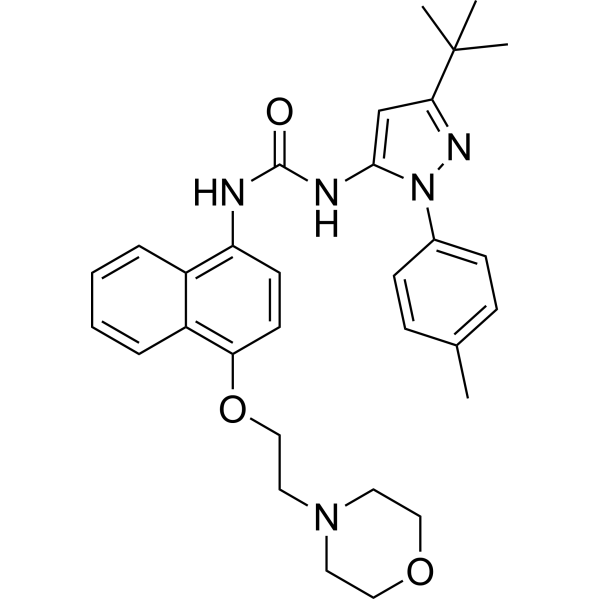
HY-10320
Doramapimodp38 MAPK Inhibitor -
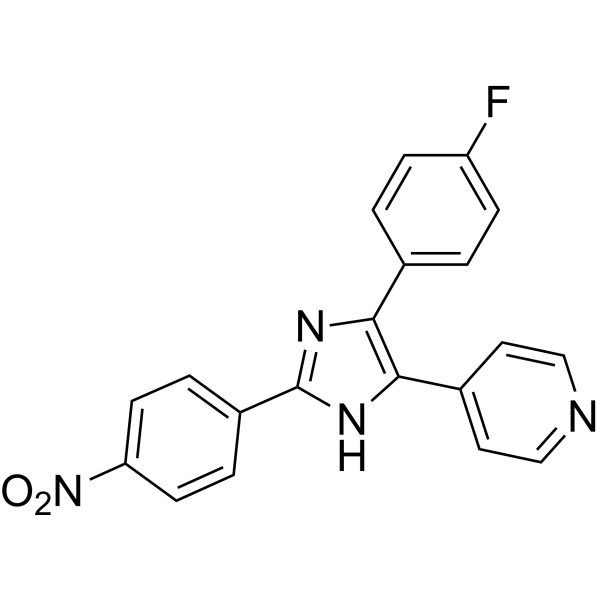
HY-10578
PD 169316p38 MAP Kinase Inhibitor -
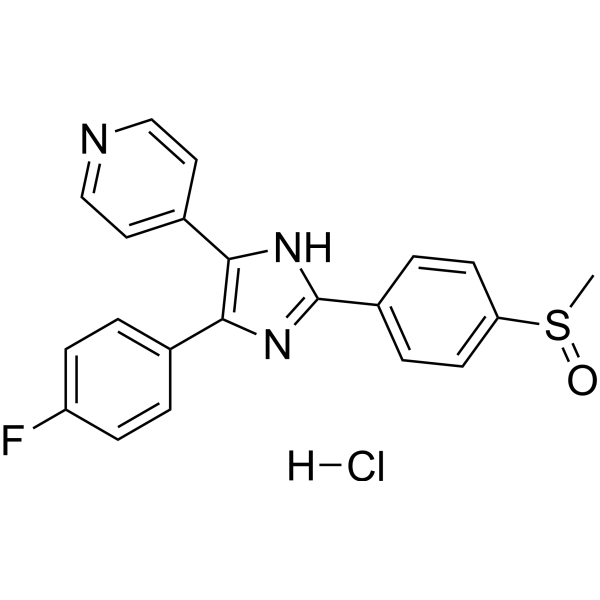
HY-10256A
Adezmapimod hydrochloridep38 MAPK Inhibitor -
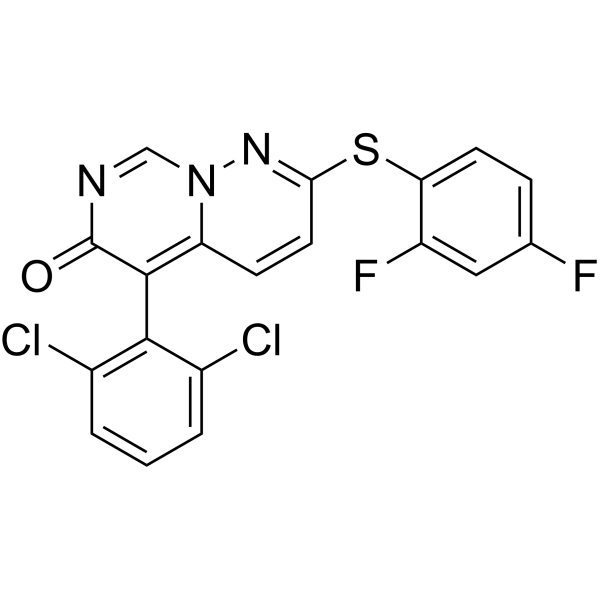
HY-10328
Neflamapimodp38α Inhibitor -
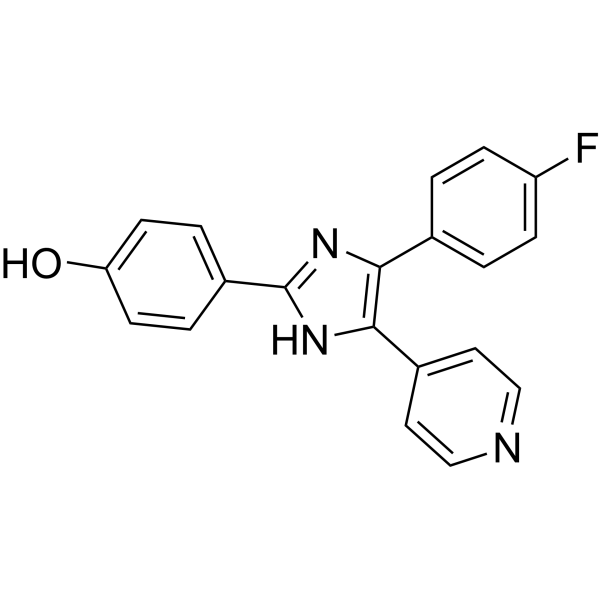
HY-10295
SB 202190p38 MAPK Inhibitor -
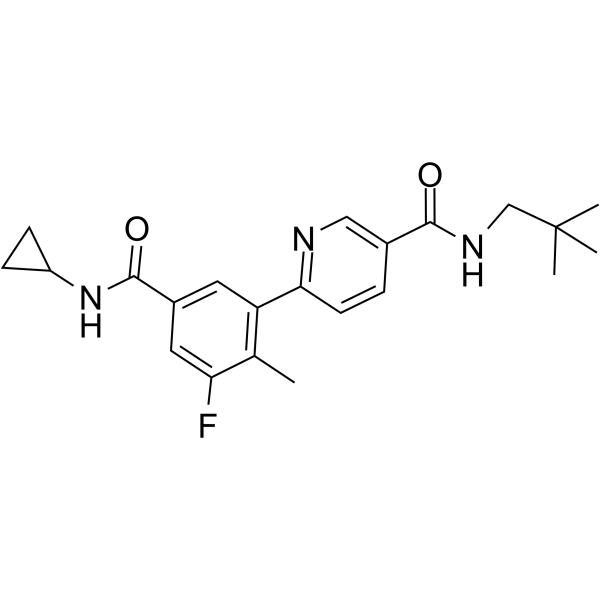
HY-10402
Losmapimodp38α/β MAPK Inhibitor -
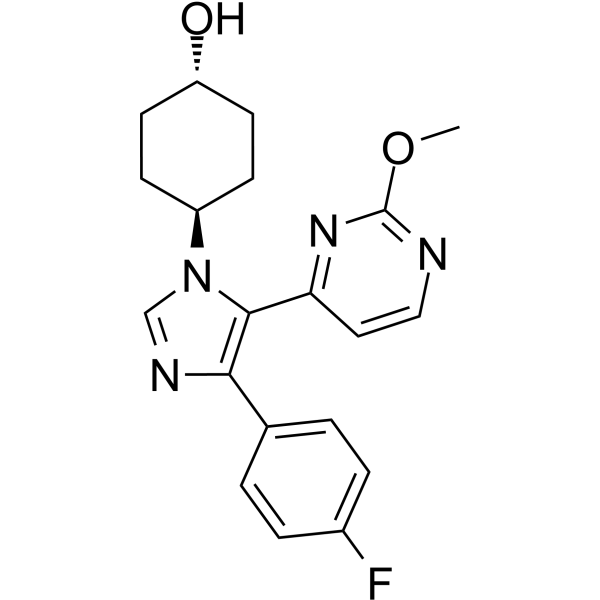
HY-11068
SB 239063p38 MAPK Inhibitor -
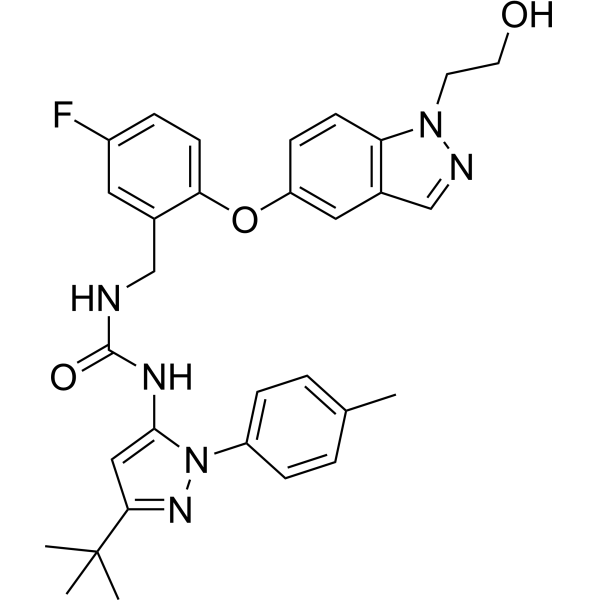
HY-16782
PexmetinibTie-2/p38 MAPK Inhibitor -
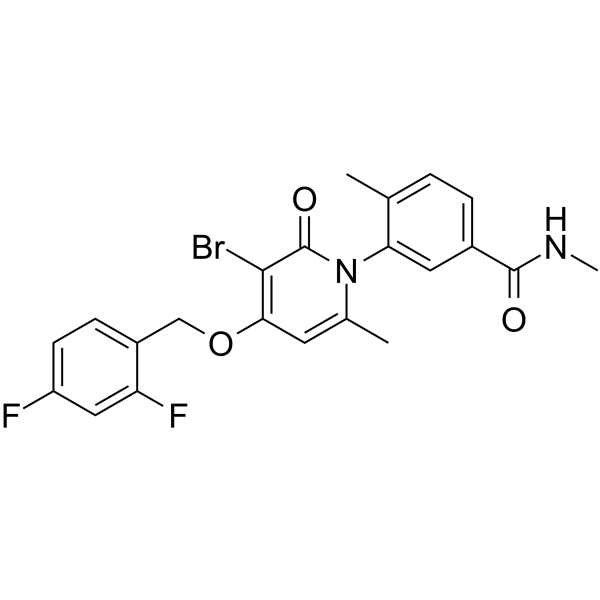
HY-10403
PH-797804p38α/β Inhibitor -
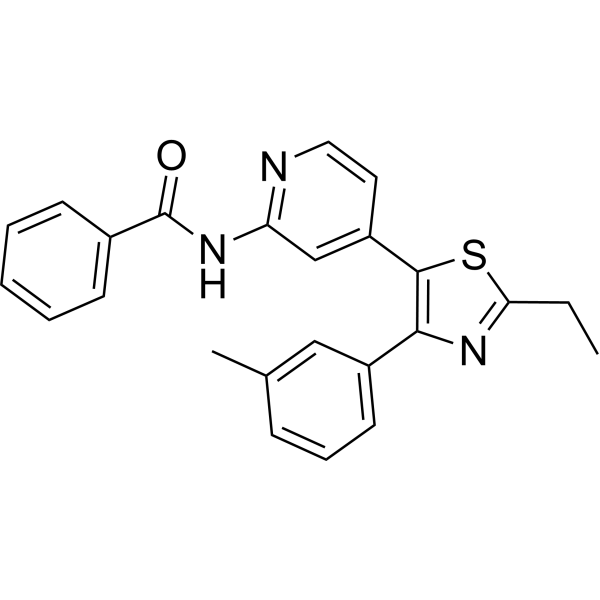
HY-10456
TAK-715p38 MAPK Inhibitor -
HY-15505
RWJ-67657p38α/β Inhibitor
Publications Citing Use of MedChemExpress (MCE) SKF-86002 dihydrochloride
More

Biological Activity
Description
In Vitro
SKF-86002 dihydrochloride (10 μM; 1 hour) inhibits apoptosis induced by stress stimulation with UV irradiation (UV)[1].
SKF-86002 dihydrochloride does not inhibit UV-induced apoptosis in undifferentiated HL-60 cells[1].
SKF-86002 dihydrochloride (10 μM; 72 hours) prevent IL-4-induced monocyte or U937 cell CD23 surface expression and protein formation with no effect on CD23 mRNA levels[4].
MedChemExpress (MCE) has not independently confirmed the accuracy of these methods. They are for reference only. Further protocols information, click here.
-
Cell Line:U937 cells
-
Concentration:10 μM
-
Incubation Time:72 hours
-
Result:Reduced CD23 levels on IL-4-treated U937 cells.
In Vivo
MedChemExpress (MCE) has not independently confirmed the accuracy of these methods. They are for reference only.
-
Animal Model:Lewis rats, with adjuvant-induced arthritis (AA)[5]
-
Dosage:10 mg/kg, 30 mg/kg, 90 mg/kg
-
Administration:Oral administration, daily, for 22 days
-
Result:Significantly decreased hindleg volumes after injection of adjuvant.


Chemical Information
-
CAS No. 116339-68-5
-
Molecular Weight 370.27
-
Formula C16H14Cl2FN3S
-
SMILES
[H]Cl.FC1=CC=C(C2=C(C3=CC=NC=C3)N4C(SCC4)=N2)C=C1.[H]Cl
-
Shipping
Room temperature in continental US; may vary elsewhere.
-
Storage
Please store the product under the recommended conditions in the Certificate of Analysis.


Publications (3)
-
Journal Impact Factor
-
Most Recent
-
Sci Transl Med
Inhibition of p38α MAPK restores neuronal p38γ MAPK and ameliorates synaptic degeneration in a mouse model of DLB/PD. [Abstract]2023 May 10;15(695):eabq6089. PMID: 37163617 -
Stem Cells
β-Arrestin 2 and Epac2 Cooperatively Mediate DRD1-Stimulated Proliferation of Human Neural Stem Cells and Growth of Human Cerebral Organoids. [Abstract]2022 Sep 26;40(9):857-869. PMID: 35772103 -
J Stroke Cerebrovasc Dis
Blockage of p38MAPK in astrocytes alleviates brain damage in a mouse model of embolic stroke through the CX43/AQP4 axis. [Abstract]2024 Dec;33(12):108085. PMID: 39393507

Protocols
-
Cell Cytotoxicity Assay
Cytotoxicity assays are usually based on the assessment of cell membrane damage, which can also be indirectly detected by measuring cell viability. Detection methods include MTT assay, CKK-8 assay, LDH assay and ATP assay, etc.
-
Research Protocol for Inflammation-related Diseases
The NLRP3 inflammasome is a cytosolic innate immune signaling platform that integrates priming signals and danger-signal activation to promote caspase-1 activation, maturation of IL-1β and IL-18, and gasdermin D-mediated pyroptotic cell death. The core experimental logic is to determine whether inflammatory disease phenotypes are driven by increased NLRP3 expression, ASC-containing inflammasome assembly, caspase-1 cleavage, GSDMD cleavage, and extracellular release of IL-1β/IL-18 rather than by nonspecific cell injury alone. The pathway is strongly linked to inflammation-related disease phenotypes because monosodium urate crystals activate NALP3/NLRP3 inflammasome signaling in gout-like crystal inflammation, cholesterol crystals activate NLRP3 inflammasomes in atherogenesis models, and DSS-induced intestinal inflammation has been reported to involve NLRP3 inflammasome activity. However, experimental colitis studies also show context-dependent protective effects of NLRP3 inflammasome co


Purity & Documentation
References
[1]. Frasch SC, et al. p38 mitogen-activated protein kinase-dependent and -independent intracellular signal transduction pathways leading to apoptosis in human neutrophils. J Biol Chem. 1998 Apr 3;273(14):8389-97. [Content Brief]
[2]. Griswold DE, et al. SK&F 86002: a structurally novel anti-inflammatory agent that inhibits lipoxygenase- and cyclooxygenase-mediated metabolism of arachidonic acid. Biochem Pharmacol. 1987 Oct 15;36(20):3463-70. [Content Brief]
[3]. Lee JC, et al. A protein kinase involved in the regulation of inflammatory cytokine biosynthesis. Nature. 1994;372(6508):739-746. [Content Brief]
[4]. L A Marshall, et al. Inhibitors of the p38 mitogen-activated kinase modulate IL-4 induction of low affinity IgE receptor (CD23) in human monocytes. J Immunol. 1998 Dec 1;161(11):6005-13. [Content Brief]
[5]. M J DiMartino, et al. Pharmacologic characterization of the antiinflammatory properties of a new dual inhibitor of lipoxygenase and cyclooxygenase. Agents Actions. 1987 Feb;20(1-2):113-23. [Content Brief]

Calculators
Concentration (start) × Volume (start) = Concentration (final) × Volume (final)


SKF-86002 dihydrochloride Related Classifications
HY-108641 Related Classifications
 Powered by Bioz