Search Result
Results for "
Butyric acid
" in MedChemExpress (MCE) Product Catalog:
7
Biochemical Assay Reagents
10
Isotope-Labeled Compounds
| Cat. No. |
Product Name |
Target |
Research Areas |
Chemical Structure |
-
- HY-B0350A
-
-
-
- HY-N0186
-
|
IndoleButyric acid
|
Environmental Pollutants
Endogenous Metabolite
|
Others
|
|
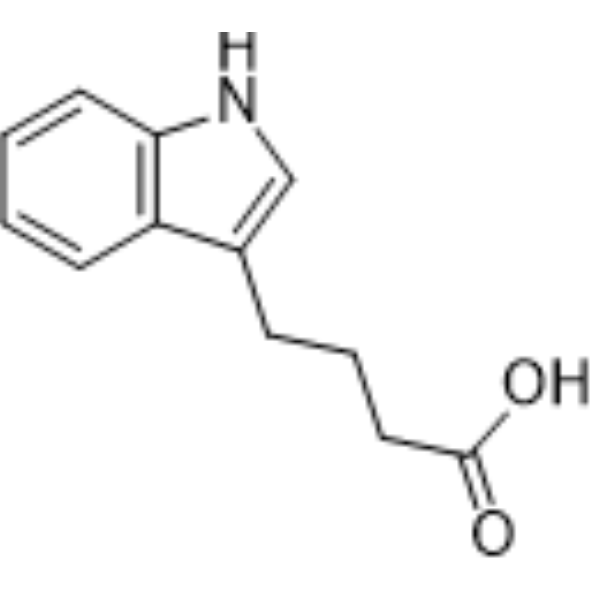
Indole-3-butyric acid (3-indolebutyric acid) is a plant growth auxin and a good rooting agent. It can promote herbs and woody ornamental plant rooting and used for improving fruit rate. Indole 3-butyric acid is an auxin precursor, and is converted to indole 3-acetic acid (IAA) in a peroxisomal β-oxidation process .
|
-
-
- HY-W011404
-
|
Glyceryl tributyrate
|
Apoptosis
TNF Receptor
Interleukin Related
|
Metabolic Disease
Cancer
|
|
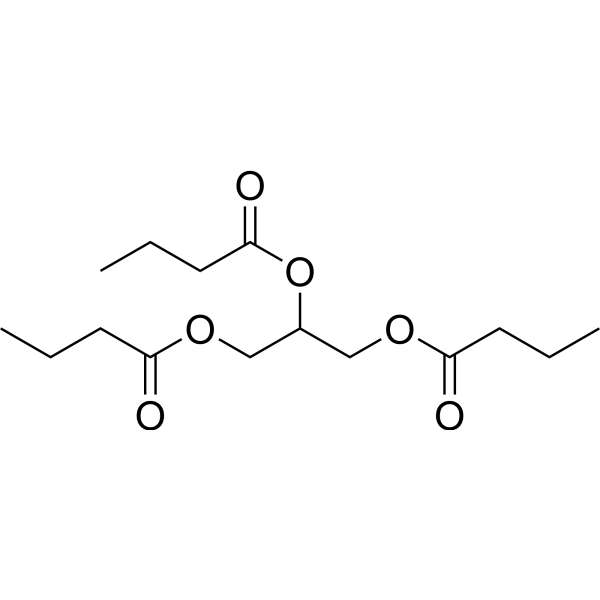
Tributyrin (Glyceryl tributyrate), a neutral short-chain fatty acid triglyceride, is a stable and rapidly absorbed proagent of Butyric Acid. Tributyrin diffuses through biological membranes and is metabolized by intracellular lipases, releasing effective butyrate directly into the cell in vivo. Tributyrin has potent antiproliferative, proapoptotic and differentiation-inducing effects .
|
-
-
- HY-W014449
-
|
|
Biochemical Assay Reagents
|
Others
|
|
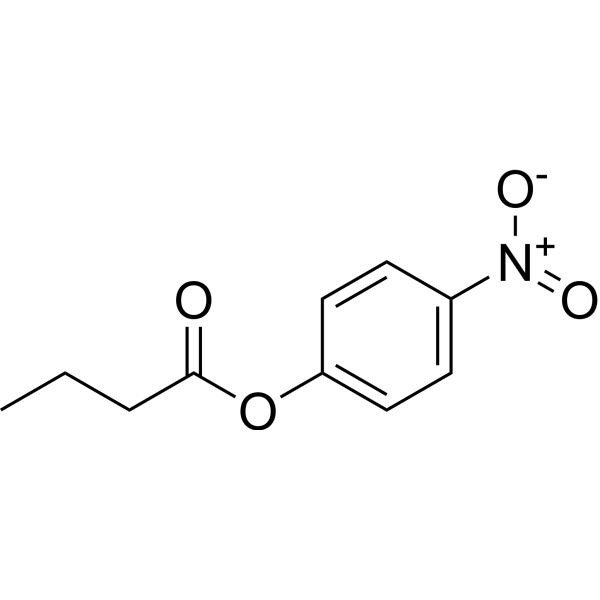
4-Nitrophenyl butyrate consists of butyric acid chains esterified with 4-nitrophenol groups, thus giving it a yellow color. This compound is commonly used as a substrate in enzyme assays to measure esterase and lipase activity. When these enzymes cleave the ester bond, the nitrophenol group is released and the color changes from yellow to orange. Thus, the rate of color change can be used to determine enzyme activity. In addition, 4-Nitrophenyl butyrate can also be used as organic synthesis reagent and dye intermediate.
|
-
-
- HY-112730
-
|
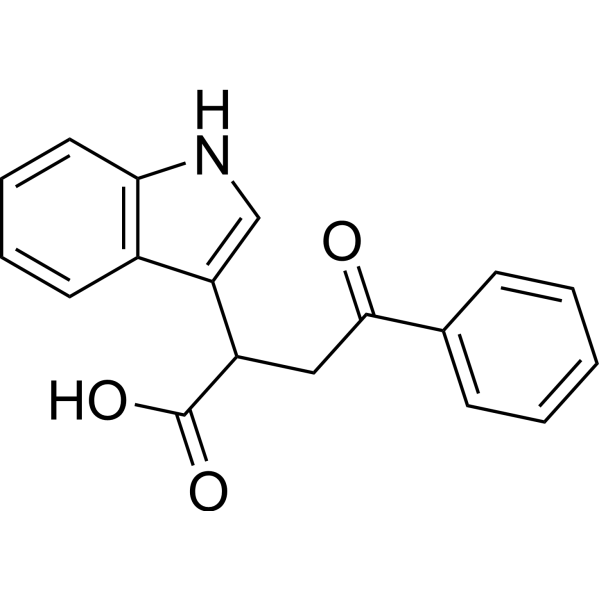
2-(1H-Indol-3-yl)-4-oxo-4-phenyl-Butyric acid
|
Phytohormone
|
Others
|
|
PEO-IAA is an indole-3-acetic acid (IAA) antagonist. PEO-IAA is an auxin antagonist that binds to transport inhibitor response 1/auxin signaling F-box proteins (TIR1/AFBs).
|
-
-
- HY-116688
-
|
|
Amino Acid Derivatives
|
Others
|
|
2-Hydroxy-4-(methylthio)butyric acid (2-Hydroxy-4-(Methylthio)-Butanoic Acid) is an orally active source of methionine. 2-Hydroxy-4-(methylthio)butyric acid reduces the expression of multiple mRNAs (BHMT, MTR, MAT1A, SAHH, and PCK1). 2-Hydroxy-4-(methylthio)butyric acid increases milk production in periparturient cows .
|
-

-
- HY-134426
-
|
|
Endogenous Metabolite
|
Metabolic Disease
|
|
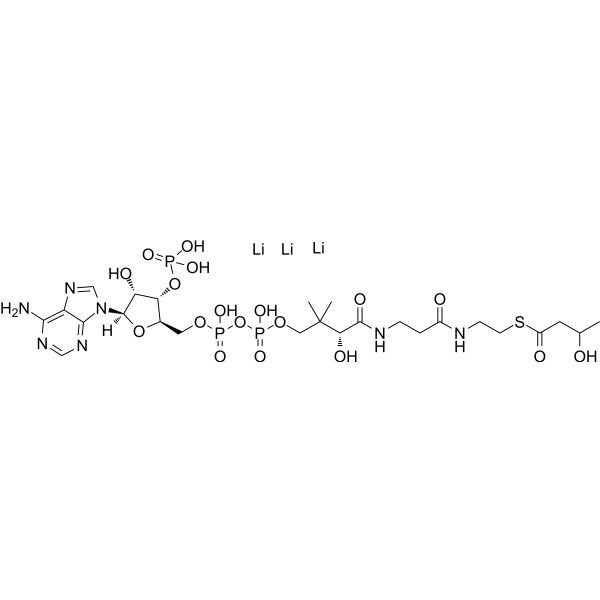
DL-β-Hydroxybutyryl coenzyme A lithium is an intermediate in the fermentation of butyric acid and the metabolism of lysine and tryptophan, and is produced from β-hydroxybutyric acid by short-chain-CoA synthase .
|
-
-
- HY-141466
-
|
|
Endogenous Metabolite
Histone Acetyltransferase
|
Infection
Metabolic Disease
Inflammation/Immunology
|
|
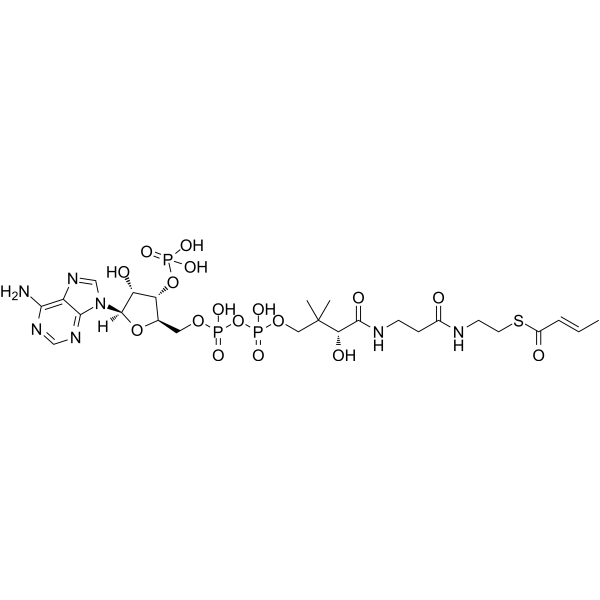
Crotonyl-CoA, a high-energy acyl donor, is an intermediate in the fermentation of butyric acid, and in the metabolism of lysine and tryptophan. Crotonyl-CoA is important in the metabolism of fatty acids and amino acids. Crotonyl-CoA acts as a substrate for p300’s histone crotonyltransferase activity, competing with acetyl-CoA for p300-mediated histone acylation reactions. Crotonyl-CoA regulates global and gene-specific histone crotonylation levels in cells, with cellular concentration changes altering histone crotonylation at regulatory elements of activated genes. Crotonyl-CoA serves as the substrate for crotonyl-CoA reductase/carboxylase (CCRC)-catalyzed NADPH-mediated reduction and carbon dioxide trapping to form unusual alkylmalonyl-CoA polyketide synthase extender units. Crotonyl-CoA can be used for the research of LPS-induced inflammatory response .
|
-
-
- HY-141466A
-
|
|
Endogenous Metabolite
Histone Acetyltransferase
|
Infection
Metabolic Disease
Inflammation/Immunology
|
|
Crotonyl-CoA tetrasodium, a high-energy acyl donor, is an intermediate in the fermentation of butyric acid, and in the metabolism of lysine and tryptophan. Crotonyl-CoA tetrasodium is important in the metabolism of fatty acids and amino acids. Crotonyl-CoA tetrasodium acts as a substrate for p300’s histone crotonyltransferase activity, competing with acetyl-CoA for p300-mediated histone acylation reactions. Crotonyl-CoA tetrasodium regulates global and gene-specific histone crotonylation levels in cells, with cellular concentration changes altering histone crotonylation at regulatory elements of activated genes. Crotonyl-CoA tetrasodium serves as the substrate for crotonyl-CoA reductase/carboxylase (CCRC)-catalyzed NADPH-mediated reduction and carbon dioxide trapping to form unusual alkylmalonyl-CoA polyketide synthase extender units. Crotonyl-CoA tetrasodium can be used for the research of LPS-induced inflammatory response .
|
-

-
- HY-W750796
-
|
Butanoic acid-13C4 sodium
|
Isotope-Labeled Compounds
Endogenous Metabolite
|
|
|
Butyric acid-13C4 sodium (Butanoic acid-13C4 sodium) is a stable isotope labeled compound with the activity of promoting cell proliferation and regulating gene expression. Butyric acid-13C4 sodium can be used in metabolic research and compound development to help scientists gain a deeper understanding of the role of short-chain fatty acids in organisms. Butyric acid-13C4 sodium also plays an important role in nutrition and intestinal health research, especially in the regulation of probiotic function and intestinal microbiota.
|
-

-
- HY-100812
-
|
|
GABA Receptor
|
Neurological Disease
Endocrinology
|
|
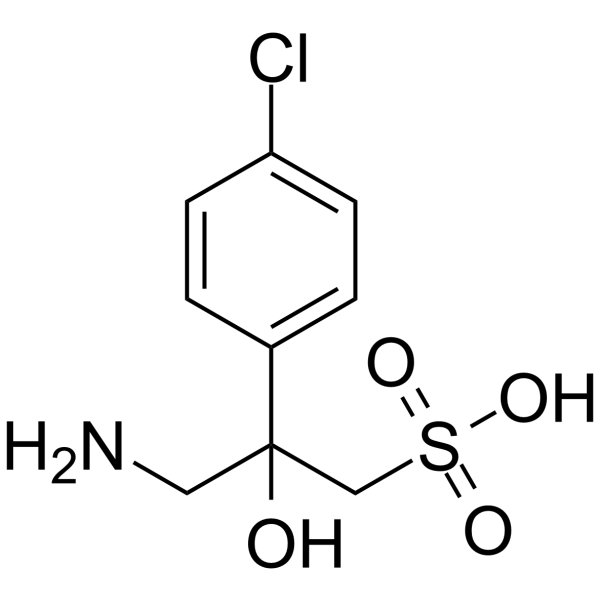
2-Hydroxysaclofen is a potent γ-amino-butyric-acid-B (GABAB) receptor antagonist. 2-Hydroxysaclofen can abolish nicotine-induced hypolocomotor effects and increases the antinociceptive effects. 2-Hydroxysaclofen can stimulate luteinizing hormone (LH) secretion in female rats .
|
-
-
- HY-132261
-
|
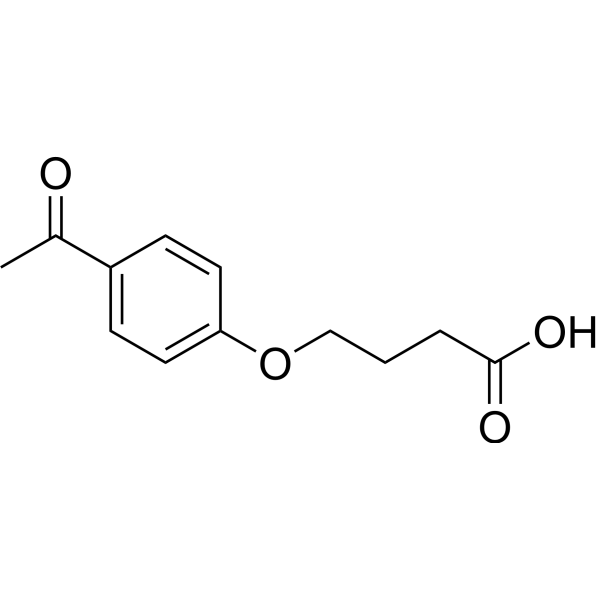
4-(4-Acetyl-phenoxy)-Butyric acid
|
ADC Linker
|
Cancer
|
|
AcBut (4-(4-Acetyl-phenoxy)-butyric acid) is a cleavable linker for Ozogamicin synthesis, and Ozogamicin is a drug-linker conjugate for ADC .
|
-
-
- HY-N0186R
-
|
IndoleButyric acid (Standard)
|
Reference Standards
Endogenous Metabolite
|
Others
|
|
Indole-3-butyric acid (Standard) is the analytical standard of Indole-3-butyric acid. This product is intended for research and analytical applications. Indole-3-butyric acid (3-indolebutyric acid) is a plant growth auxin and a good rooting agent. It can promote herbs and woody ornamental plant rooting and used for improving fruit rate. Indole 3-butyric acid is an auxin precursor, and is converted to indole 3-acetic acid (IAA) in a peroxisomal β-oxidation process .
|
-

-
- HY-N0186A
-
|
IndoleButyric acid potassium
|
Endogenous Metabolite
|
Others
|
|
Indole-3-butyric acid (Indolebutyric acid) potassium is a plant growth auxin and a good rooting agent. It can promote herbs and woody ornamental plant rooting and used for improving fruit rate. Indole 3-butyric acid potassium is an auxin precursor, and is converted to indole 3-acetic acid (IAA) in a peroxisomal β-oxidation process .
|
-

-
- HY-138177
-
|
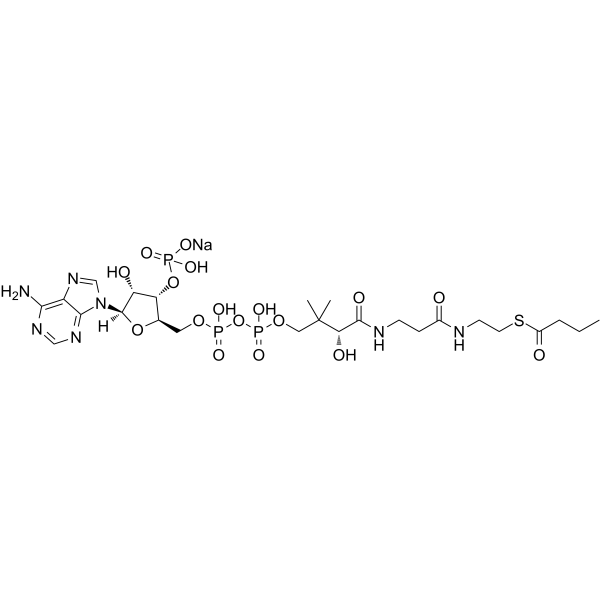
Butyryl CoA sodium
|
Bacterial
|
Others
|
|
Butyryl-Coenzyme A (Butyryl CoA) sodium is a coenzyme A-containing derivative of Butyric acid. Butyryl-Coenzyme A sodium is responsible for the final step of Butyrate production in bacteria .
|
-
-
- HY-N0186B
-
|
IBA
|
Biochemical Assay Reagents
|
Others
|
|
Indole-3-butyric acid,suitable for plant cell culture (IBA) is a plant auxin and a good rooting agent. Indole-3-butyric acid,suitable for plant cell culture can promote rooting of herbaceous and woody ornamental plants and is used to increase fruiting rate. Indole-3-butyric acid is an auxin precursor that is converted into indole 3-acetic acid (IAA) during peroxisomal β-oxidation. Indole-3-butyric acid,suitable for plant cell culture can be used for cell culture .
|
-

-
- HY-134493
-
|
Butyrate-Cholecalciferol; Butyrate-Colecalciferol
|
VD/VDR
|
Metabolic Disease
Inflammation/Immunology
Cancer
|
|
Butyrate-Vitamin D3 (Butyrate-Cholecalciferol) is a derivative of vitamin D3 in which a hydroxyl group in the vitamin D3 molecule is replaced by a butyric acid group. Butyrate-Vitamin D3 affects gene expression and cell function and has certain anti-inflammatory effects. Butyrate-Vitamin D3 can be used in the study of immune regulation, metabolic diseases and cancer .
|
-

-
- HY-141479D
-
|
Butyryl CoA trilithium
|
Drug Intermediate
|
Others
|
|
Butyryl-Coenzyme A (Butyryl CoA) trilithium is a short-chain acyl CoA that can synthesize Butyric acid (HY-B0350) .
|
-

-
- HY-120508
-
|
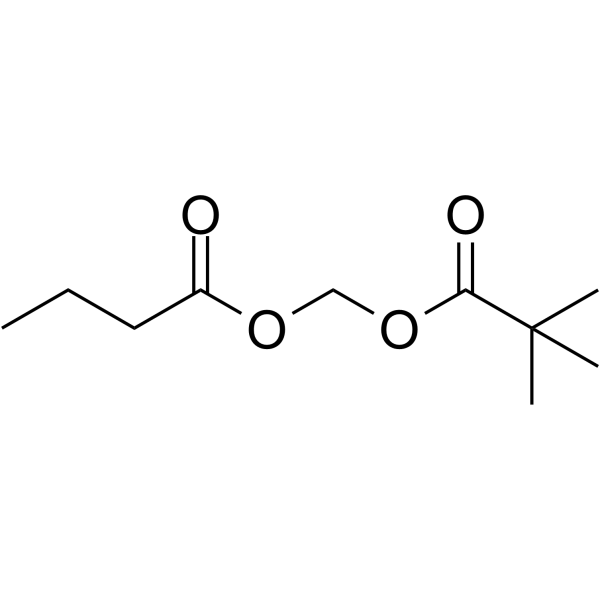
AN-9; Pivalyloxymethyl butyrate
|
HDAC
Bcr-Abl
Apoptosis
|
Inflammation/Immunology
Cancer
|
|
Pivanex (AN-9), a derivative of Butyric acid, is an orally active HDAC inhibitor. Pivanex down-regulates bcr-abl protein and enhances apoptosis. Pivanex has antimetastic and antiangiogenic properties .
|
-
-
- HY-B0350AG
-
|
Butanoic acid sodium; Butyric acid sodium
|
HDAC
Autophagy
Apoptosis
Endogenous Metabolite
|
Cancer
|
|
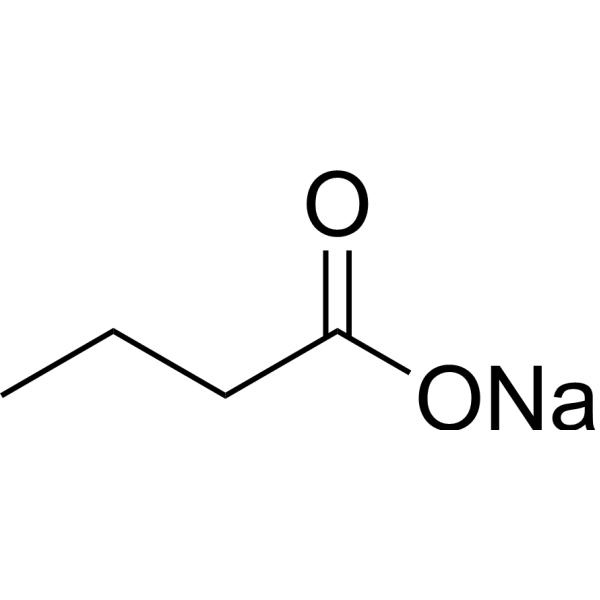
Sodium butyrate (GMP) refers to Sodium butyrate (HY-B0350A) of GMP grade. Small molecules of GMP grade can be used as adjuvants in cell therapy. Sodium Butyrate (sodium butanoate) is an inhibitor of HDAC, possessing anti-tumor activity .
|
-

-
- HY-141465
-
|
|
Endogenous Metabolite
|
Metabolic Disease
|
|
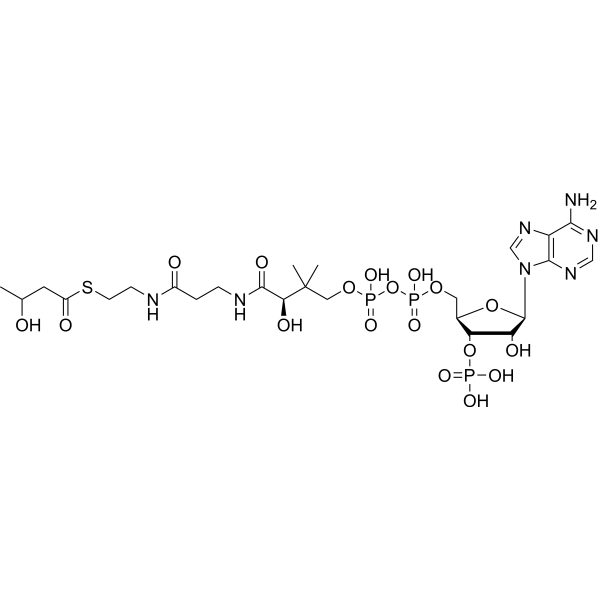
3-Hydroxybutyryl-CoA is a metabolite which can be found in mouse or E.coli, et al. 3-Hydroxybutyryl-CoA has a 3-hydroxybutanoyl as the S-acyl component, and is an intermediate in the fermentation of butyric acid, and in the metabolism of lysine and tryptophan .
|
-
-
- HY-79046
-
|
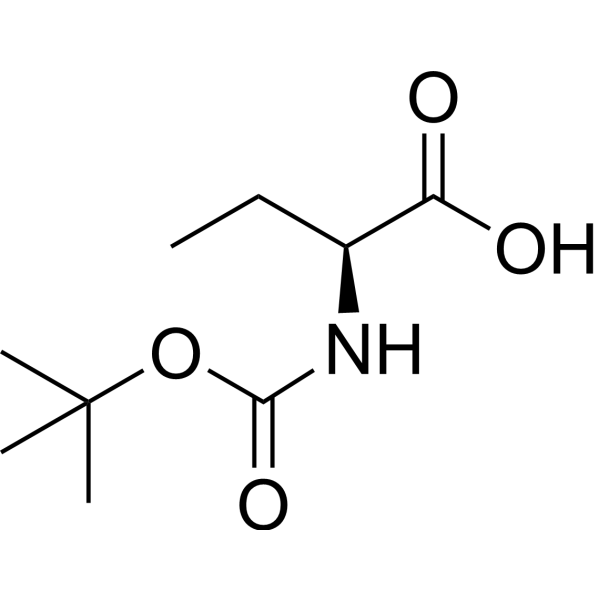
Butanoic acid, 2-[[(1,1-dimethylethoxy)carbonyl]amino]-, (S)-; Butyric acid, 2-(carboxyamino)-, N-tert-butyl ester, L- (8CI); (2S)-2-(tert-Butoxycarbonylamino)butanoic acid; (2S)-2-[[(1,1-Dimethylethoxy)carbonyl]amino]butanoic acid
|
Amino Acid Derivatives
|
Others
|
|
Boc-L-2-aminobutanoic acid is an alanine derivative .
|
-
-
- HY-166309
-
|
|
Endogenous Metabolite
Histone Acetyltransferase
|
Infection
Metabolic Disease
Inflammation/Immunology
|
|
Crotonyl-CoA tetralithium, a high-energy acyl donor, is an intermediate in the fermentation of butyric acid, and in the metabolism of lysine and tryptophan. Crotonyl-CoA tetralithium is important in the metabolism of fatty acids and amino acids. Crotonyl-CoA tetralithium acts as a substrate for p300’s histone crotonyltransferase activity, competing with acetyl-CoA for p300-mediated histone acylation reactions. Crotonyl-CoA tetralithium regulates global and gene-specific histone crotonylation levels in cells, with cellular concentration changes altering histone crotonylation at regulatory elements of activated genes. Crotonyl-CoA tetralithium serves as the substrate for crotonyl-CoA reductase/carboxylase (CCRC)-catalyzed NADPH-mediated reduction and carbon dioxide trapping to form unusual alkylmalonyl-CoA polyketide synthase extender units. Crotonyl-CoA tetralithium can be used for the research of LPS-induced inflammatory response .
|
-

-
- HY-W112057
-
-
-
- HY-18573
-
|
|
Phytohormone
|
Others
|
|
Naxillin is a non-auxin-like molecule, which can promote the lateral root branching in the basal meristem of the root, through the conversion of the auxin precursor indole-3-butyric acid (IBA) to the active auxin indole-3-acetic acid (IAA) .
|
-

-
- HY-178358
-
|
|
Drug Derivative
|
Others
|
|
JAX-44 is a potent root architecture modulator. JAX-44 maintains primary root length while substantially increasing lateral root numbers, thereby optimizing the plant’s overall root system. JAX-44 is the metabolic precursor of JAX-77 (HY-178359) and can be converted to Indole-3-butyric acid (IBA) (HY-N0186). JAX-44 can be used for auxin biology and root development research .
|
-

-
- HY-W011404R
-
|
Glyceryl tributyrate (Standard)
|
Apoptosis
Reference Standards
TNF Receptor
Interleukin Related
|
Metabolic Disease
Cancer
|
|
Tributyrin (Glyceryl tributyrate), a neutral short-chain fatty acid triglyceride, is a stable and rapidly absorbed proagent of Butyric Acid. Tributyrin diffuses through biological membranes and is metabolized by intracellular lipases, releasing effective butyrate directly into the cell in vivo. Tributyrin has potent antiproliferative, proapoptotic and differentiation-inducing effects .
|
-

-
- HY-W015487
-
|
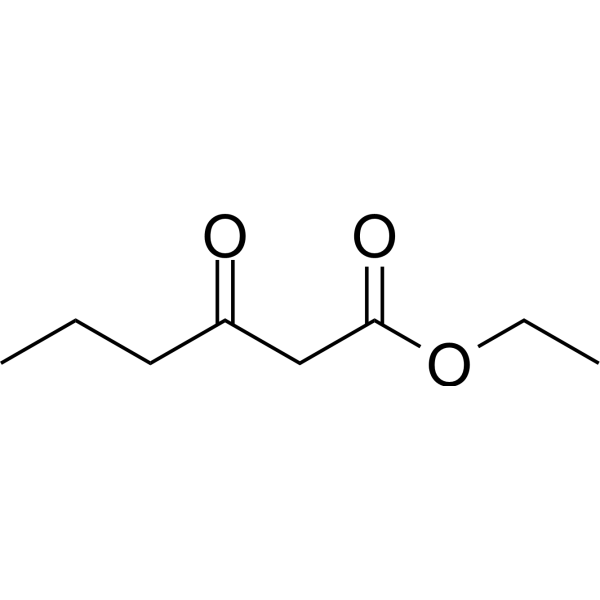
Ethyl 3-oxohexanoate
|
Biochemical Assay Reagents
|
Others
|
|
Ethyl butyrylacetate is an organic compound belonging to the class of esters. Synthesized by the reaction of ethyl acetate, butyric acid and acetic anhydride. Ethyl butyrylacetate has a fruity aroma and is commonly used as a flavoring agent in various food and beverages such as candies, ice cream and soft drinks. It is also used as a fragrance ingredient in perfumes and personal care products. In addition to its use in the food and fragrance industries, Ethyl butyrylacetate is also used in industrial settings, such as in the production of solvents.
|
-
-
- HY-163009
-
|
|
Others
|
Others
|
|
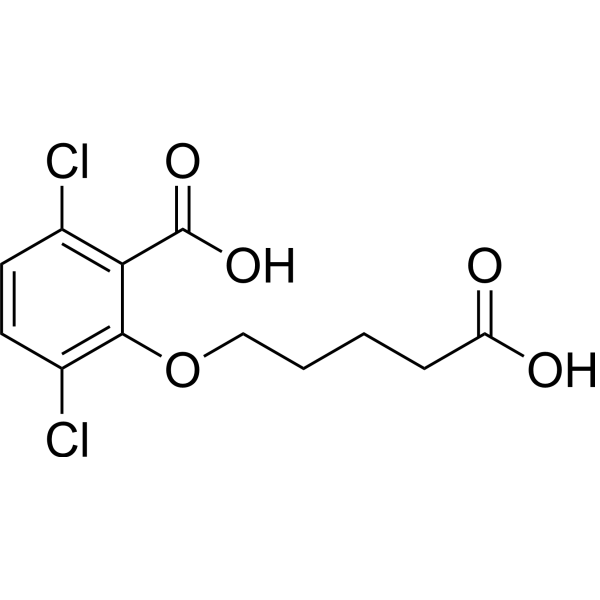
Dicamba-butyric acid is an immunizing and heterologous hapten .
|
-
-
- HY-W001942S
-
-
-
- HY-157190
-
-
-
- HY-172530
-
|
|
Biochemical Assay Reagents
|
Neurological Disease
|
|
Heptanoyl-coenzyme A (Heptanoyl-CoA) tetrasodium is a derivative of CoA. Heptanoyl-coenzyme A tetrasodium is an inhibitor of butyryl-CoA acetate-CoA transferase (BUT) and inhibits butyric acid synthesis. Heptanoyl-coenzyme A tetrasodium blocks the improvements in motor function induced by the isoquinoline alkaloid Berberine (HY-N0716) .
|
-

-
- HY-N12784
-
|
|
Others
|
Others
|
|
(6S,9R)-2-Hydroxy-4-(2,6,6-trimethyl-4-oxo-cyclohex-2-enyl)-butyric acid is a hemiterpenoid and can be isolated from Sedum sarmentosum .
|
-

-
- HY-N2021AR
-
-

-
- HY-141479A
-
|
Butyryl CoA trisodium
|
Drug Intermediate
|
Others
|
|
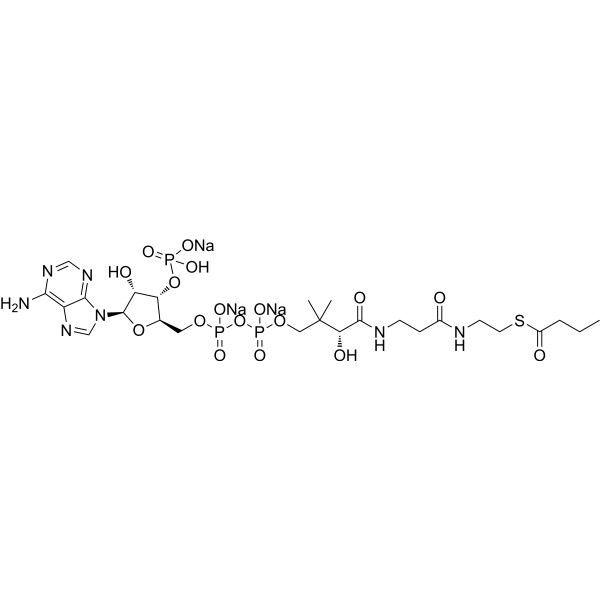
Butyryl-Coenzyme A (Butyryl CoA) trisodium is a short-chain acyl CoA that can synthesize Butyric acid (HY-B0350) .
|
-
-
- HY-Z1085
-
|
|
GABA Receptor
|
Others
|
|
Deschloro-Zopiclone is an impurity of Zopiclone. Zopiclone is the first non-benzodiazepine compound, which can enhance the activity of inhibitory neurotransmitter gamma amino butyric acid in the brain .
|
-

-
- HY-W355238S
-
-
-
- HY-139251
-
|
1-Myristin-2-palmitin-3-butyrin
|
Endogenous Metabolite
|
Others
|
|
1-Myristoyl-2-palmitoyl-3-butyryl-rac-glycerol is a triacylglycerol, which is composed of a myristic acid, a palmitic acid and a butyric acid. 1-Myristoyl-2-palmitoyl-3-butyryl-rac-glycerol is the component of human milk .
|
-

-
- HY-W001942S2
-
-
-
- HY-158948
-
|
1-Palmitin-2-vaccenate-3-butyrin; 1-Palmitoyl-2-cis-vaccenoyl-3-butyroyl-rac-glycerol; TG(16:0/18:1(11Z)/4:0)
|
Biochemical Assay Reagents
|
Metabolic Disease
|
|
1-Palmitoyl-2-11(Z)-octadecenoyl-3-butyroyl-rac-glycerol (1-Palmitin-2-vaccenate-3-butyrin) is a triacylglycerol that contains Palmitic acid (HY-N0830), cis-Vaccenic acid (HY-113427A), and Butyric acid (HY-B0350).
|
-

-
- HY-W715850
-
|
Ethyl 3-oxohexanoate-d5
|
Isotope-Labeled Compounds
Biochemical Assay Reagents
|
Others
|
|
Ethyl butyrylacetate-d5 (Ethyl 3-oxohexanoate-d5) is the deuterium labeled Ethyl butyrylacetate (HY-W015487). Ethyl butyrylacetate is an organic compound belonging to the class of esters. Synthesized by the reaction of ethyl acetate, butyric acid and acetic anhydride. Ethyl butyrylacetate has a fruity aroma and is commonly used as a flavoring agent in various food and beverages such as candies, ice cream and soft drinks. It is also used as a fragrance ingredient in perfumes and personal care products. In addition to its use in the food and fragrance industries, Ethyl butyrylacetate is also used in industrial settings, such as in the production of solvents.
|
-

-
- HY-N0186S3
-
|
IndoleButyric acid-d2
|
Isotope-Labeled Compounds
Endogenous Metabolite
|
Others
|
|
Indole-3-butyric acid-d2 (Indolebutyric acid-d2) is the deuterium labeled Indole-3-butyric acid (HY-N0186). Indole-3-butyric acid (3-indolebutyric acid) is a plant growth auxin and a good rooting agent. It can promote herbs and woody ornamental plant rooting and used for improving fruit rate. Indole 3-butyric acid is an auxin precursor, and is converted to indole 3-acetic acid (IAA) in a peroxisomal β-oxidation process .
|
-

-
- HY-141479B
-
|
Butyryl CoA lithium hydrate
|
Drug Intermediate
|
Others
|
|
Butyryl-Coenzyme A (Butyryl CoA) lithium hydrate is a short-chain acyl CoA that can synthesize Butyric acid (HY-B0350) .
|
-

-
- HY-141479C
-
|
Butyryl CoA triammonium
|
Drug Intermediate
|
Others
|
|
Butyryl-Coenzyme A (Butyryl CoA) triammonium is a short-chain acyl CoA that can synthesize Butyric acid (HY-B0350) .
|
-

-
- HY-170626
-
-

-
- HY-W723781
-
-

-
- HY-W723834
-
-

-
- HY-178359
-
|
|
Drug Derivative
|
Others
|
|
JAX-77 is a potent root architecture modulator. JAX-77 maintains primary root length while substantially increasing lateral root numbers, thereby optimizing the plant’s overall root system. JAX-77 is the key intermediate metabolite formed from the hydrolysis of JAX-44 (HY-178358) and can be converted to Indole-3-butyric acid (IBA) (HY-N0186). JAX-77 can be used for auxin biology and root development research .
|
-

-
- HY-W039173S
-
|
4-(Methylamino)Butyric acid-d9 hydrochloride
|
Isotope-Labeled Compounds
|
Others
|
|
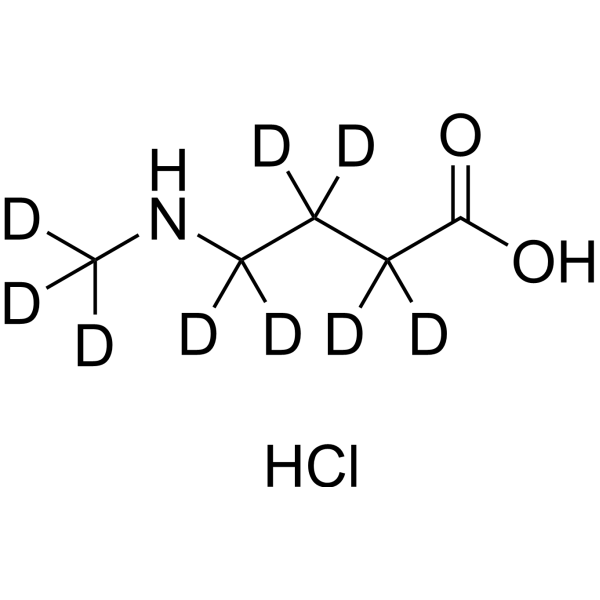
4-(Methylamino)butanoic acid-d9 hydrochloride is the deuterium labeled 4-(Methylamino)butanoic acid hydrochloride .
|
-
-
- HY-170618
-
-

- HY-170465
-
|
TG(18:0/18:0/4:0); 1,2-Distearoyl-3-butyryl-rac-glycerol
|
Biochemical Assay Reagents
|
Cancer
|
|
1,2-Distearoyl-3-butyryl-glycerol (TG(18:0/18:0/4:0)) is a is a triacylglycerol that contains Stearic acid (HY-B2219) and Butyric acid (HY-B0350) .
|
-

- HY-170623
-
|
|
Biochemical Assay Reagents
|
Metabolic Disease
|
|
1-Palmitoyl-2-stearoyl-3-butyryl-rac-glycerol is a triacylglycerol containing Palmitic acid (HY-N0830), Stearic acid (HY-B2219), and Butyric acid (HY-B0350) at the sn-1, sn-2, and sn-3 positions, respectively. It has been used to determine the stereospecificity and typoselectivity of lipases.1
|
-

- HY-134058
-
|
|
Biochemical Assay Reagents
|
Others
|
|
3-Heptanol is a biotransformation product of n-heptane. 3-Heptanol can act as the building block in the synthesis of 4-(3-adamantan-1-yl-ureido)-butyric acid and cyclohexanecarboxylic acid derivatives as sEH inhibitors. 3-Heptanol can be used as a solvent to form microenvironments around single-walled carbon nanotubes. 3-Heptanol can be used in the preperation of substituted pyrimidine derivatives as C1 domain-targeted isophthalate analogs to study their binding affinities towards PKCα isoform .
|
-

- HY-134058S
-
|
Butylethylcarbinol-d4
|
Isotope-Labeled Compounds
Biochemical Assay Reagents
|
Others
|
|
3-Heptanol-d4 (Butylethylcarbinol-d4) is the deuterium labeled 3-Heptanol (HY-134058). 3-Heptanol is a biotransformation product of n-heptane. 3-Heptanol can act as the building block in the synthesis of 4-(3-adamantan-1-yl-ureido)-butyric acid and cyclohexanecarboxylic acid derivatives as sEH inhibitors. 3-Heptanol can be used as a solvent to form microenvironments around single-walled carbon nanotubes. 3-Heptanol can be used in the preperation of substituted pyrimidine derivatives as C1 domain-targeted isophthalate analogs to study their binding affinities towards PKCα isoform .
|
-

| Cat. No. |
Product Name |
Type |
-
- HY-B0350AG
-
|
Butanoic acid sodium; Butyric acid sodium
|
Fluorescent Dyes
|
|
Sodium butyrate (GMP) refers to Sodium butyrate (HY-B0350A) of GMP grade. Small molecules of GMP grade can be used as adjuvants in cell therapy. Sodium Butyrate (sodium butanoate) is an inhibitor of HDAC, possessing anti-tumor activity .
|
| Cat. No. |
Product Name |
Type |
-
- HY-N0186
-
|
IndoleButyric acid
|
Biochemical Assay Reagents
|
|
Indole-3-butyric acid (3-indolebutyric acid) is a plant growth auxin and a good rooting agent. It can promote herbs and woody ornamental plant rooting and used for improving fruit rate. Indole 3-butyric acid is an auxin precursor, and is converted to indole 3-acetic acid (IAA) in a peroxisomal β-oxidation process .
|
-
- HY-W014449
-
|
|
Biochemical Assay Reagents
|
|
4-Nitrophenyl butyrate consists of butyric acid chains esterified with 4-nitrophenol groups, thus giving it a yellow color. This compound is commonly used as a substrate in enzyme assays to measure esterase and lipase activity. When these enzymes cleave the ester bond, the nitrophenol group is released and the color changes from yellow to orange. Thus, the rate of color change can be used to determine enzyme activity. In addition, 4-Nitrophenyl butyrate can also be used as organic synthesis reagent and dye intermediate.
|
-
- HY-134426
-
|
|
Biochemical Assay Reagents
|
|
DL-β-Hydroxybutyryl coenzyme A lithium is an intermediate in the fermentation of butyric acid and the metabolism of lysine and tryptophan, and is produced from β-hydroxybutyric acid by short-chain-CoA synthase .
|
-
- HY-N0186R
-
|
IndoleButyric acid (Standard)
|
Biochemical Assay Reagents
|
|
Indole-3-butyric acid (Standard) is the analytical standard of Indole-3-butyric acid. This product is intended for research and analytical applications. Indole-3-butyric acid (3-indolebutyric acid) is a plant growth auxin and a good rooting agent. It can promote herbs and woody ornamental plant rooting and used for improving fruit rate. Indole 3-butyric acid is an auxin precursor, and is converted to indole 3-acetic acid (IAA) in a peroxisomal β-oxidation process .
|
-
- HY-N0186B
-
|
IBA
|
Biochemical Assay Reagents
|
|
Indole-3-butyric acid,suitable for plant cell culture (IBA) is a plant auxin and a good rooting agent. Indole-3-butyric acid,suitable for plant cell culture can promote rooting of herbaceous and woody ornamental plants and is used to increase fruiting rate. Indole-3-butyric acid is an auxin precursor that is converted into indole 3-acetic acid (IAA) during peroxisomal β-oxidation. Indole-3-butyric acid,suitable for plant cell culture can be used for cell culture .
|
-
- HY-B0350AG
-
|
Butanoic acid sodium; Butyric acid sodium
|
Biochemical Assay Reagents
|
|
Sodium butyrate (GMP) refers to Sodium butyrate (HY-B0350A) of GMP grade. Small molecules of GMP grade can be used as adjuvants in cell therapy. Sodium Butyrate (sodium butanoate) is an inhibitor of HDAC, possessing anti-tumor activity .
|
-
- HY-W015487
-
|
Ethyl 3-oxohexanoate
|
Biochemical Assay Reagents
|
|
Ethyl butyrylacetate is an organic compound belonging to the class of esters. Synthesized by the reaction of ethyl acetate, butyric acid and acetic anhydride. Ethyl butyrylacetate has a fruity aroma and is commonly used as a flavoring agent in various food and beverages such as candies, ice cream and soft drinks. It is also used as a fragrance ingredient in perfumes and personal care products. In addition to its use in the food and fragrance industries, Ethyl butyrylacetate is also used in industrial settings, such as in the production of solvents.
|
| Cat. No. |
Product Name |
Target |
Research Area |
-
- HY-79046
-
|
Butanoic acid, 2-[[(1,1-dimethylethoxy)carbonyl]amino]-, (S)-; Butyric acid, 2-(carboxyamino)-, N-tert-butyl ester, L- (8CI); (2S)-2-(tert-Butoxycarbonylamino)butanoic acid; (2S)-2-[[(1,1-Dimethylethoxy)carbonyl]amino]butanoic acid
|
Amino Acid Derivatives
|
Others
|
|
Boc-L-2-aminobutanoic acid is an alanine derivative .
|
-
- HY-W112057
-
| Cat. No. |
Product Name |
Category |
Target |
Chemical Structure |
| Cat. No. |
Product Name |
Chemical Structure |
-
- HY-W750796
-
|
|
|
Butyric acid-13C4 sodium (Butanoic acid-13C4 sodium) is a stable isotope labeled compound with the activity of promoting cell proliferation and regulating gene expression. Butyric acid-13C4 sodium can be used in metabolic research and compound development to help scientists gain a deeper understanding of the role of short-chain fatty acids in organisms. Butyric acid-13C4 sodium also plays an important role in nutrition and intestinal health research, especially in the regulation of probiotic function and intestinal microbiota.
|
-
-
- HY-W001942S
-
|
|
|
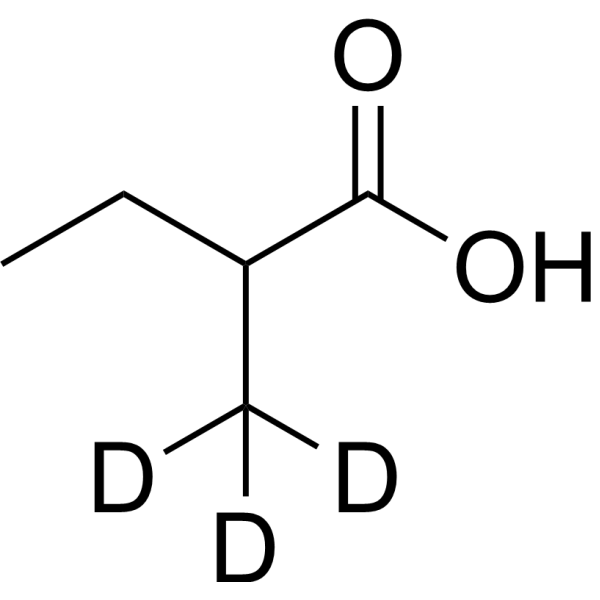
DL-2-Methyl-d3-butyric acid is the deuterium labeled DL-2-Methyl-butyric acid .
|
-
-
- HY-W355238S
-
|
|
|
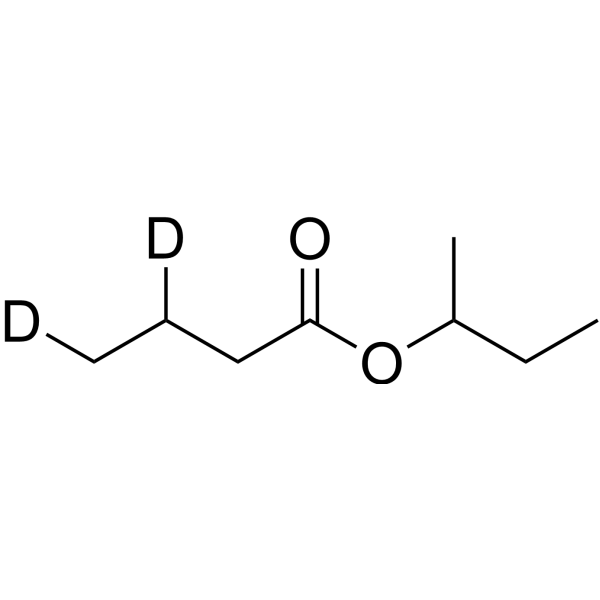
Sec-butyl butyrate-d2 is deuterated labeled Sec-butyl butyrate.
|
-
-
- HY-W001942S2
-
|
|
|
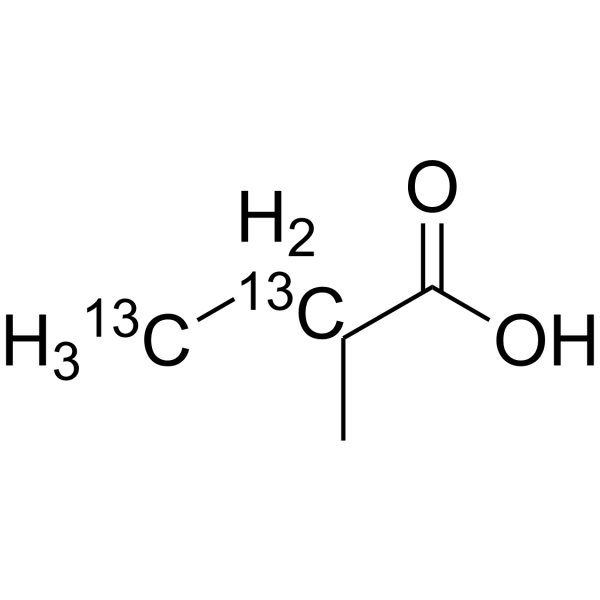
DL-2-Methylbutyric acid- 13C2 is 13C labeled DL-2-Methylbutyric acid.
|
-
-
- HY-W715850
-
|
|
|
Ethyl butyrylacetate-d5 (Ethyl 3-oxohexanoate-d5) is the deuterium labeled Ethyl butyrylacetate (HY-W015487). Ethyl butyrylacetate is an organic compound belonging to the class of esters. Synthesized by the reaction of ethyl acetate, butyric acid and acetic anhydride. Ethyl butyrylacetate has a fruity aroma and is commonly used as a flavoring agent in various food and beverages such as candies, ice cream and soft drinks. It is also used as a fragrance ingredient in perfumes and personal care products. In addition to its use in the food and fragrance industries, Ethyl butyrylacetate is also used in industrial settings, such as in the production of solvents.
|
-
-
- HY-N0186S3
-
|
|
|
Indole-3-butyric acid-d2 (Indolebutyric acid-d2) is the deuterium labeled Indole-3-butyric acid (HY-N0186). Indole-3-butyric acid (3-indolebutyric acid) is a plant growth auxin and a good rooting agent. It can promote herbs and woody ornamental plant rooting and used for improving fruit rate. Indole 3-butyric acid is an auxin precursor, and is converted to indole 3-acetic acid (IAA) in a peroxisomal β-oxidation process .
|
-
-
- HY-W723781
-
|
|
|
Sodium butyrate-d3 (Butanoic acid-d3 sodium) is the deuterium labeled Sodium butyrate (HY-B0350A). Sodium Butyrate (sodium butanoate) is an inhibitor of HDAC, possessing anti-tumor activity .
|
-
-
- HY-W723834
-
|
|
|
Sodium butyrate-d5 (Butanoic acid-d5 sodium) is the deuterium labeled Sodium butyrate (HY-B0350A). Sodium Butyrate (sodium butanoate) is an inhibitor of HDAC, possessing anti-tumor activity .
|
-
-
- HY-W039173S
-
|
|
|
4-(Methylamino)butanoic acid-d9 hydrochloride is the deuterium labeled 4-(Methylamino)butanoic acid hydrochloride .
|
-
-
- HY-134058S
-
|
|
|
3-Heptanol-d4 (Butylethylcarbinol-d4) is the deuterium labeled 3-Heptanol (HY-134058). 3-Heptanol is a biotransformation product of n-heptane. 3-Heptanol can act as the building block in the synthesis of 4-(3-adamantan-1-yl-ureido)-butyric acid and cyclohexanecarboxylic acid derivatives as sEH inhibitors. 3-Heptanol can be used as a solvent to form microenvironments around single-walled carbon nanotubes. 3-Heptanol can be used in the preperation of substituted pyrimidine derivatives as C1 domain-targeted isophthalate analogs to study their binding affinities towards PKCα isoform .
|
-
| Cat. No. |
Product Name |
Target |
Research Areas |
Chemical Structure |
-
- HY-B0350AG
-
|
Butanoic acid sodium; Butyric acid sodium
|
HDAC
Autophagy
Apoptosis
Endogenous Metabolite
|
Cancer
|
|
Sodium butyrate (GMP) refers to Sodium butyrate (HY-B0350A) of GMP grade. Small molecules of GMP grade can be used as adjuvants in cell therapy. Sodium Butyrate (sodium butanoate) is an inhibitor of HDAC, possessing anti-tumor activity .
|
-
Your information is safe with us. * Required Fields.
Inquiry Information
- Product Name:
- Cat. No.:
- Quantity:
- MCE Japan Authorized Agent:








