1. Search Result
Search Result
Results for "

Copper diacetate monohydrate (Standard)

" in MedChemExpress (MCE) Product Catalog:

98

Inhibitors & Agonists

1

Fluorescent Dyes

1

Biochemical Assay Reagents

1

Peptides

8

Natural
Products

5

Click Chemistry

Targets Recommended:
Cat. No. Product Name Target Research Areas Chemical Structure
  • HY-50896R

    CP-358774 (Standard); NSC 718781 (Standard); OSI-774 (Standard)

    Reference Standards EGFR Autophagy Cancer
    Erlotinib (Standard) is the analytical standard of Erlotinib. This product is intended for research and analytical applications. Erlotinib (CP-358774) is a directly acting EGFR tyrosine kinase inhibitor, with an IC50 of 2 nM for human EGFR. Erlotinib reduces EGFR autophosphorylation in intact tumor cells with an IC50 of 20 nM. Erlotinib is used for the treatment of non-small cell lung cancer . Erlotinib is a click chemistry reagent, itcontains an Alkyne group and can undergo copper-catalyzed azide-alkyne cycloaddition (CuAAc) with molecules containing Azide groups.
    Erlotinib (Standard)
  • HY-12008R

    CP-358774 hydrochloride (Standard); NSC 718781 hydrochloride (Standard); OSI-774 hydrochloride (Standard)

    Reference Standards EGFR Autophagy Cancer
    Erlotinib (Hydrochloride) (Standard) is the analytical standard of Erlotinib (Hydrochloride). This product is intended for research and analytical applications. Erlotinib Hydrochloride (CP-358774 Hydrochloride) inhibits purified EGFR kinase with an IC50 of 2 nM. Erlotinib (Hydrochloride) is a click chemistry reagent, it contains an Alkyne group and can undergo copper-catalyzed azide-alkyne cycloaddition (CuAAc) with molecules containing Azide groups.
    Erlotinib Hydrochloride (Standard)
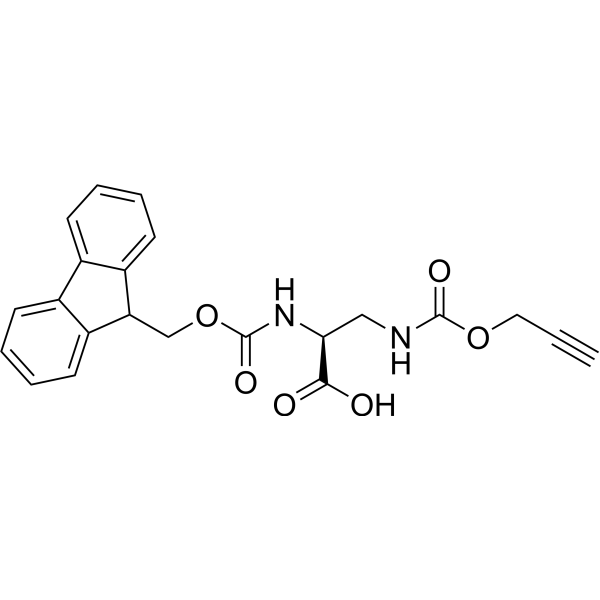
  • HY-151781

    ADC Linker Others
    Fmoc-L-Dap(Poc)-OH is a click chemistry reagent containing an azide group. Amino acid building block suitable for side chain Click conjugation with standard protocols and together with tetrazine linkers in copper-free Click conjugation (Diels-Alder) .
    Fmoc-L-Dap(Poc)-OH
  • HY-B1306R

    p-Aminohippuric acid (Standard)

    Reference Standards Biochemical Assay Reagents Neurological Disease Metabolic Disease
    4-Aminohippuric acid (p-Aminohippuric acid) (Standard) is the analytical standard of 4-Aminohippuric acid (HY-B1306). This product is intended for research and analytical applications. 4-Aminohippuric acid (p-Aminohippuric acid) is a coordination ligand for metal ions (such as Cu 2+, Fe 3+, Hg 2+) and a functionalization reagent for nanomaterials. 4-Aminohippuric acid can coordinate with metal ions or modify the surface of materials such as carbon nanotubes and gold nanoparticles through amino and carboxyl groups. 4-Aminohippuric acid can form stable complexes with metal ions or participate in the synthesis of nanomaterials as a reducing agent/stabilizer, enriching metal ions or giving nanoparticles peroxidase-mimicking activity. 4-Aminohippuric acid can be used to construct highly sensitive electrochemical sensors or colorimetric sensors to detect and quantitatively analyze heavy metal ions such as copper, iron, and mercury in environmental water samples and biological samples. 4-Aminohippuric acid may also be a biomarker for attention-deficit/hyperactivity disorder (ADHD) .
    4-Aminohippuric acid (Standard)
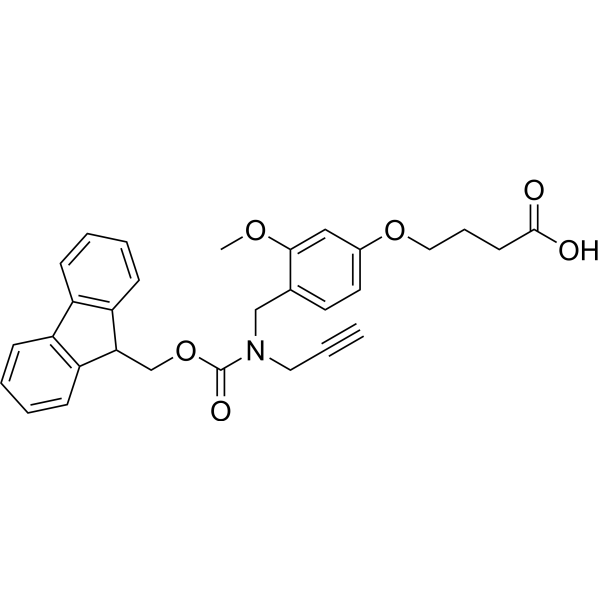
  • HY-151637

    Amino Acid Derivatives Others
    Fmoc-N-propargyl-MPBA is a propargyl-substituted MPBA linker derived from 4-hydroxy-3-methoxybenzaldehyde. Fmoc-N-propargyl-MPBA can be elongated using standard Fmoc-based solid phase chemistry and linked to supports by standard coupling procedures . Fmoc-N-propargyl-MPBA is a click chemistry reagent, it contains an Alkyne group and can undergo copper-catalyzed azide-alkyne cycloaddition (CuAAc) with molecules containing Azide groups.
    Fmoc-N-propargyl-MPBA
  • HY-17395AR

    TDT 067 (Standard)

    Reference Standards Fungal Bacterial Antibiotic Infection
    Terbinafine (Standard) is the analytical standard of Terbinafine. This product is intended for research and analytical applications. Terbinafine (TDT 067) is an orally active and potent antifungal agent. Terbinafine is a potent non-competitive inhibitor of squalene epoxidase from Candida, with a Ki of 30 nM. Terbinafine also shows antibacterial activity against certain Gram-positive and Gram-negative bacteria . Terbinafine is a click chemistry reagent, it contains an Alkyne group and can undergo copper-catalyzed azide-alkyne cycloaddition (CuAAc) with molecules containing Azide groups.
    Terbinafine (Standard)
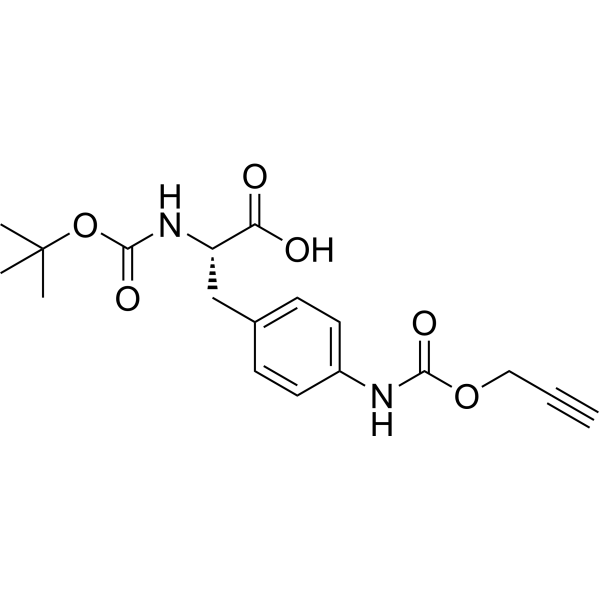
  • HY-151824

    ADC Linker Others
    Boc-L-Phe(4-NH-Poc)-OH is a click chemistry reagent containing an azide group. Used as an orthogonally protected building block in peptide synthesis. Propargyloxycarbonyl, commonly abbreviated as Poc or Pryoc, can either be used as alkyne component for standard Click conjugation or in combination with tetrazine linkers in copper-free Diels-Alder type Click reactions. It also has applications as unusual protecting group for amines, hydroxy functions and as esters. All 3 are stable to neat TFA, but can be cleaved at ambient temperature with Co2(CO)8 in TFA:DCM. Deprotection with other transition metals like palladium have also been reported . Boc-L-Phe(4-NH-Poc)-OH is a click chemistry reagent, it contains an Alkyne group and can undergo copper-catalyzed azide-alkyne cycloaddition (CuAAc) with molecules containing Azide groups.
    Boc-L-Phe(4-NH-Poc)-OH
  • HY-B0572R

    Reference Standards Cuproptosis Proton Pump Bacterial Fungal Infection Metabolic Disease
    Zinc Pyrithione (Standard) is the analytical standard of Zinc Pyrithione. This product is intended for research and analytical applications. Zinc Pyrithione is an antifungal and antibacterial agent disrupting membrane transport by blocking the proton pump . Zinc Pyrithione is also a copper ionophore that delivers copper into cells and is a useful tool for studying cuproptosis .
    Zinc Pyrithione (Standard)
  • HY-B1637R

    Sodium diethyldithiocarbamate (Standard)

    HIV Biochemical Assay Reagents Reference Standards Infection
    Ditiocarb sodium (Standard) is the analytical standard of Ditiocarb sodium. This product is intended for research and analytical applications. Ditiocarb sodium (Sodium diethyldithiocarbamate) is a copper reagent. The reaction with Cu2+ solution resulted in the formation of a complex, which increased the copper displacement precipitation rate. Ditiocarb sodium can reduce HIV infection and can be used in adjuvant immune research of high-risk breast cancer .
    Ditiocarb sodium (Standard)
  • HY-B1710R

    19-Norethindrone acetate (Standard)

    Reference Standards Progesterone Receptor Cardiovascular Disease Inflammation/Immunology Endocrinology Cancer
    Norethindrone acetate (Standard) is the analytical standard of Norethindrone acetate. This product is intended for research and analytical applications. Norethindrone acetate is a female hormone used for the research of endometriosis . Norethindrone acetate is a click chemistry reagent, it contains an Alkyne group and can undergo copper-catalyzed azide-alkyne cycloaddition (CuAAc) with molecules containing Azide groups.
    Norethindrone acetate (Standard)
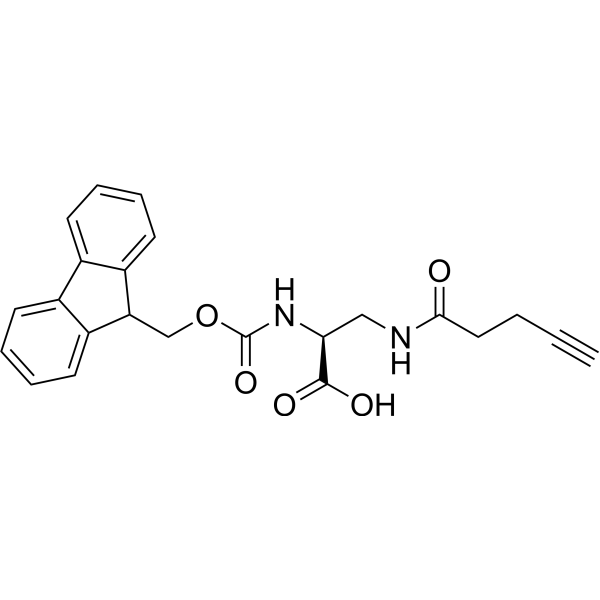
  • HY-151780

    ADC Linker Others
    Fmoc-L-Dap(Pentynoyl)-OH is a click chemistry reagent containing an azide group. Fmoc-L-Dap(Pentynoyl)-OH serves as an amino acid building block for introducing alkyne functions into peptide sequences by standard Fmoc/tBu protocols. The alkyne residue can be engaged for copper catalyzed click reaction with organic azides or with tetrazines for copper-free conjugations . Fmoc-L-Dap(Pentynoyl)-OH is a click chemistry reagent, it contains an Alkyne group and can undergo copper-catalyzed azide-alkyne cycloaddition (CuAAc) with molecules containing Azide groups.
    Fmoc-L-Dap(Pentynoyl)-OH
  • HY-B1005R

    8-Quinolinol (Standard)

    Reference Standards Bacterial Antibiotic Cancer
    8-Hydroxyquinoline (Standard) is the analytical standard of 8-Hydroxyquinoline. This product is intended for research and analytical applications. 8-Hydroxyquinoline (8-Quinolinol) is a lipophilic metal chelator that can be used as a fungicide .8-Hydroxyquinoline shows the MIC range of 27.56-55.11 μM (4-8 μg/mL) against the clinical isolates of Neisseria gonorrhoeae. 8-Hydroxyquinoline can bind to copper form complexes and transport copper into cells. 8-Hydroxyquinoline increases in the number of micronucleated polychromatic erythrocytes and can also make hair depigmented in mice .
    8-Hydroxyquinoline (Standard)
  • HY-W075783R

    Acetic acid, Copper(2+) salt, monohydrate (Standard)

    Reference Standards
    Copper(II)acetatemono hydrate (Standard) is the analytical standard of Copper(II)acetatemono hydrate. This product is intended for research and analytical applications.
    Copper diacetate monohydrate (Standard)
  • HY-13569AR

    TRK-100 (Standard); ML 1129 sodium (Standard)

    Reference Standards Prostaglandin Receptor Cardiovascular Disease Inflammation/Immunology
    Beraprost (sodium) (Standard) is the analytical standard of Beraprost (sodium). This product is intended for research and analytical applications. Beraprost sodium, a prostacyclin analog, is a stable and orally active proagent of PGI2. Beraprost sodium is a potent vasodilator, has the potential for pulmonary arterial hypertension treatment through expanding renal vessels, improving microcirculation . Beraprost (sodium) is a click chemistry reagent, it contains an Alkyne group and can undergo copper-catalyzed azide-alkyne cycloaddition (CuAAc) with molecules containing Azide groups.
    Beraprost sodium (Standard)
  • HY-B0911R

    Biochemical Assay Reagents Reference Standards Cancer
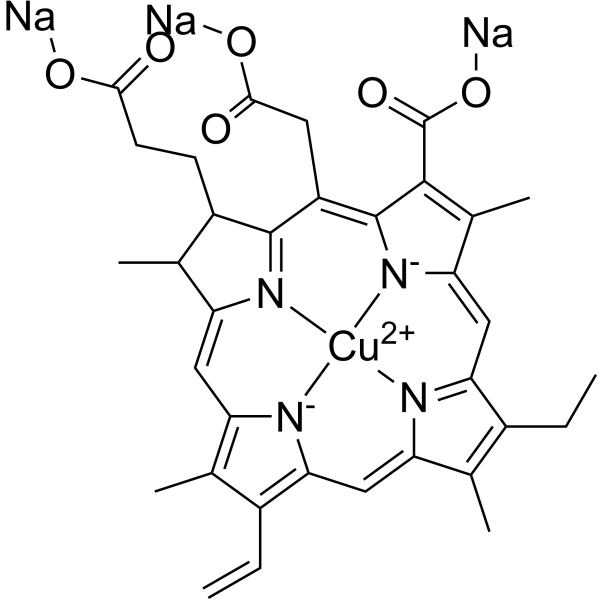
    Chlorophyllin sodium copper salt (Standard) is the analytical standard of Chlorophyllin sodium copper salt. This product is intended for research and analytical applications. Chlorophyllin sodium copper salt is an orally active green pigment, antioxidant and antimutagenic agent. Chlorophyllin sodium copper salt promotes hematopoiesis and thrombopoiesis .
    Chlorophyllin sodium copper salt (Standard)
  • HY-17395R

    TDT 067 hydrochloride (Standard)

    Reference Standards Fungal Bacterial Antibiotic Infection
    Terbinafine hydrochloride (Standard) is the analytical standard of Terbinafine hydrochloride. This product is intended for research and analytical applications. Terbinafine hydrochloride (TDT 067 hydrochloride) is an orally active and potent antifungal agent. Terbinafine hydrochloride is a potent non-competitive inhibitor of squalene epoxidase from Candida, with a Ki of 30 nM. Terbinafine hydrochloride also shows antibacterial activity against certain Gram-positive and Gram-negative bacteria . Terbinafine hydrochloride is a click chemistry reagent, it contains an Alkyne group and can undergo copper-catalyzed azide-alkyne cycloaddition (CuAAc) with molecules containing Azide groups.
    Terbinafine hydrochloride (Standard)
  • HY-17600R

    ACP-196 (Standard)

    Reference Standards Btk Cancer
    Acalabrutinib (Standard) is the analytical standard of Acalabrutinib. This product is intended for research and analytical applications. Acalabrutinib (ACP-196) is an orally active, irreversible, and highly selective second-generation BTK inhibitor. Acalabrutinib binds covalently to Cys481 in the ATP-binding pocket of BTK. Acalabrutinib demonstrates potent on-target effects and efficacy in mouse models of chronic lymphocytic leukemia (CLL) . Acalabrutinib is a click chemistry reagent, itcontains an Alkyne group and can undergo copper-catalyzed azide-alkyne cycloaddition (CuAAc) with molecules containing Azide groups.
    Acalabrutinib (Standard)
  • HY-15666R

    GZD824 (Standard); HQP1351 (Standard)

    Reference Standards Bcr-Abl Cancer
    Olverembatinib (Standard) is the analytical standard of Olverembatinib. This product is intended for research and analytical applications. Olverembatinib (GZD824) is a potent and orally active pan-Bcr-Abl inhibitor. Olverembatinib potently inhibits a broad spectrum of Bcr-Abl mutants. Olverembatinib strongly inhibits native Bcr-Abl and Bcr-Abl T315I with IC50s of 0.34 nM and 0.68 nM, respectively. Olverembatinib has antitumor activity . Olverembatinib is a click chemistry reagent, it contains an Alkyne group and can undergo copper-catalyzed azide-alkyne cycloaddition (CuAAc) with molecules containing Azide groups.
    Olverembatinib (Standard)
  • HY-151837

    ADC Linker Others
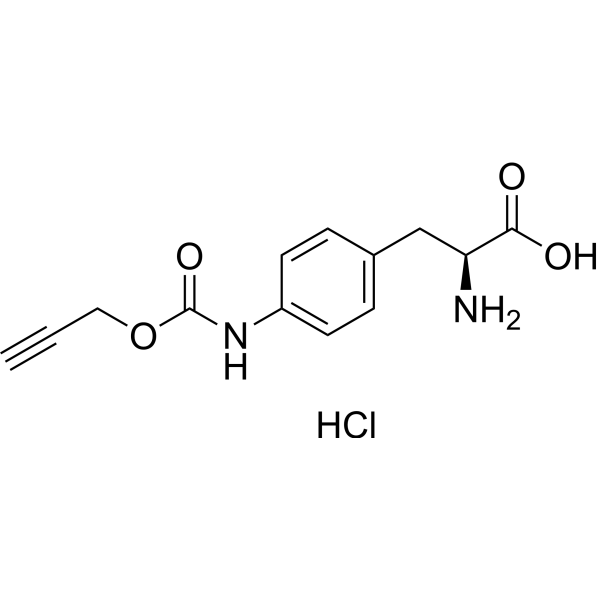
    H-L-Phe(4-NH-Poc)-OH (hydrochloride) is a click chemistry reagent containing an azide group. Used as a modified Phe or Tyr analogue in protein and peptide biosynthesis. Propargyloxycarbonyl, commonly abbreviated as Poc or Pryoc, can either be used as alkyne component for standard Click conjugation or in combination with tetrazine linkers in copper-free Diels-Alder type Click reactions. It also has applications as unusual protecting group for amines, hydroxy functions and as esters. All 3 are stable to neat TFA, but can be cleaved at ambient temperature with Co2(CO)8 in TFA:DCM. Deprotection with other transition metals like palladium have also been reported . H-L-Phe(4-NH-Poc)-OH (hydrochloride) is a click chemistry reagent, it contains an Alkyne group and can undergo copper-catalyzed azide-alkyne cycloaddition (CuAAc) with molecules containing Azide groups.
    H-L-Phe(4-NH-Poc)-OH hydrochloride
  • HY-W050154R

    Reference Standards Parasite Tyrosinase NF-κB CDK Infection Inflammation/Immunology Cancer
    Kojic acid (Standard) is the analytical standard of Kojic acid. This product is intended for research and analytical applications. Kojic acid is a substance produced by Aspergillus oryzae, with various biological activities including antitumor, insecticidal, antibacterial, antioxidant, and radioprotective effects. Kojic acid exhibits tyrosinase inhibition activity by capturing copper ions that bind to the active site of tyrosinase, preventing its activation. Tyrosinase is a key enzyme in the biosynthesis of melanin, so kojic acid can block melanin production. Additionally, kojic acid shows potential inhibition of NF-κB activity in human keratinocytes, which may also be related to the anti-melanogenic effect induced by kojic acid. Kojic acid is effective when administered orally and can also be absorbed transdermally. Nano-carrier systems prepared with kojic acid demonstrate effective delivery of anticancer drugs. Kojic acid holds promise for research in cancer, infectious diseases, and skin whitening among other fields .
    Kojic acid (Standard)
  • HY-B1089R

    Ethynodiol acetate (Standard)

    Reference Standards Progesterone Receptor Endocrinology
    Ethynodiol diacetate (Standard) is the analytical standard of Ethynodiol diacetate. This product is intended for research and analytical applications. Ethynodiol diacetate is a click chemistry reagent, it contains an Alkyne group and can undergo copper-catalyzed azide-alkyne cycloaddition (CuAAc) with molecules containing Azide groups.
    Ethynodiol diacetate (Standard)
  • HY-15388R

    AGN 190168 (Standard)

    Reference Standards RAR/RXR Autophagy Inflammation/Immunology Cancer
    Tazarotene (Standard) is the analytical standard of Tazarotene. This product is intended for research and analytical applications. Tazarotene (AGN 190168) is a selective retinoic acid receptor (RAR) agonist for the treatment of plaque psoriasis and acne vulgaris. Tazarotene is a click chemistry reagent, it contains an Alkyne group and can undergo copper-catalyzed azide-alkyne cycloaddition (CuAAc) with molecules containing Azide groups.
    Tazarotene (Standard)
  • HY-105321R

    PBT 2 (Standard)

    Bacterial Reference Standards Neurological Disease
    PBT 1033 (Standard) is the analytical standard of PBT 1033. This product is intended for research and analytical applications. PBT 1033 (PBT 2) is an orally active copper/zinc ionophore. PBT 1033 restores cognition in mouse models of Alzheimer's disease (AD). PB 1033 also has antibacterial activity against Gram-positive bacteria .
    PBT 1033 (Standard)
  • HY-101405R

    R 2323 (Standard)

    Reference Standards Estrogen Receptor/ERR Inflammation/Immunology
    Gestrinone (Standard) is the analytical standard of Gestrinone. This product is intended for research and analytical applications. Gestrinone (R2323) is a synthetic steroid hormone used to treat endometriosis. It inhibits leiomyoma cells with an IC50 of 43.67 μM. Gestrinone is a click chemistry reagent, it contains an Alkyne group and can undergo copper-catalyzed azide-alkyne cycloaddition (CuAAc) with molecules containing Azide groups.
    Gestrinone (Standard)
  • HY-A0285R

    Norigest (Standard)

    Reference Standards Progesterone Receptor Endocrinology
    Norethisterone enanthate (Standard) is the analytical standard of Norethisterone enanthate. This product is intended for research and analytical applications. Norethisterone enanthate is a long-acting parenteral progestogen. Norethisterone enanthate is orally active . Norethisterone enanthate is a click chemistry reagent, it contains an Alkyne group and can undergo copper-catalyzed azide-alkyne cycloaddition (CuAAc) with molecules containing Azide groups.
    Norethisterone enanthate (Standard)
  • HY-B0267R

    Reference Standards mAChR Potassium Channel Neurological Disease
    Oxybutynin (Standard) is the analytical standard of Oxybutynin. This product is intended for research and analytical applications. Oxybutynin is an anticholinergic agent, which inhibits vascular Kv channels in a concentration-dependent manner, with an IC50 of 11.51 μM . Oxybutynin is a click chemistry reagent, it contains an Alkyne group and can undergo copper-catalyzed azide-alkyne cycloaddition (CuAAc) with molecules containing Azide groups.
    Oxybutynin (Standard)
  • HY-12516R

    Org-2969 (Standard)

    Reference Standards Progesterone Receptor Others
    Desogestrel (Standard) is the analytical standard of Desogestrel. This product is intended for research and analytical applications. Desogestrel (Org-2969) is a third-generation progesterone analogue contained in many oral contraceptive preparations. Desogestrel is a click chemistry reagent, it contains an Alkyne group and can undergo copper-catalyzed azide-alkyne cycloaddition (CuAAc) with molecules containing Azide groups .
    Desogestrel (Standard)
  • HY-W014423R

    H-His-OH.HCl.H2O (Standard)

    Reference Standards Apoptosis Reactive Oxygen Species (ROS) Endogenous Metabolite Inflammation/Immunology Cancer
    L-Histidine hydrochloride hydrate (Standard) is the analytical standard of L-Histidine hydrochloride hydrate (HY-W014423). This product is intended for research and analytical applications. L-Histidine hydrochloride hydrate is an endogenous metabolite. L-Histidine hydrochloride hydrate scavenges hydroxyl radicals and singlet oxygen, regulate the absorption of zinc, copper and iron, exhibits anti-inflammatory and antioxidant activities. L-Histidine hydrochloride hydrate is blood brain barrier penetrable .
    L-Histidine hydrochloride hydrate (Standard)
  • HY-Y0470R

    Aminourea hydrochloride (Standard); Hydrazinecarboxamide hydrochloride (Standard)

    Antibiotic Reference Standards Inflammation/Immunology Cancer
    Semicarbazide (hydrochloride) (Standard) is the analytical standard of Semicarbazide (hydrochloride). This product is intended for research and analytical applications. Semicarbazide hydrochloride is an orally active urea derivative. Semicarbazide hydrochloride binds to copper or iron in cells. Semicarbazide hydrochloride inhibits the activity of soluble semicarbazide sensitive amine oxidase (SSAO). Semicarbazide hydrochloride damages cartilage, blood vessels, ovaries, testicles, and thyroid follicles .
    Semicarbazide hydrochloride (Standard)
  • HY-17531R

    Herbicide Reference Standards Others
    Pyraclonil (Standard) is the analytical standard of Pyraclonil. This product is intended for research and analytical applications. Pyraclonil is a proporphyrinogen oxidase (PPO) inhibitor. Pyraclonil is a herbicide agent and is highly effective in controlling the susceptible (S) and multiple-herbicide-resistant (MHR) E. indica populations . Pyraclonil is a click chemistry reagent, it contains an Alkyne group and can undergo copper-catalyzed azide-alkyne cycloaddition (CuAAc) with molecules containing Azide groups.
    Pyraclonil (Standard)
  • HY-15460R

    Reference Standards Bacterial Antibiotic Infection
    CHIR-090 (Standard) is the analytical standard of CHIR-090. This product is intended for research and analytical applications. CHIR-090 is a potent, slow, tight-binding inhibitor of the LpxC deacetylase. It binds to E. coli LpxC with a Ki of 4.0 nM. CHIR-090 is a click chemistry reagent, it contains an Alkyne group and can undergo copper-catalyzed azide-alkyne cycloaddition (CuAAc) with molecules containing Azide groups.
    CHIR-090 (Standard)
  • HY-B2028R

    Reference Standards Parasite Infection
    Propargite (Standard) is the analytical standard of Propargite. This product is intended for research and analytical applications. Propargite is a pesticide used to kill mites. Propargite induces β-cell necrosis preceded by DNA damage. Propargite induces MIN6 cell death with an IC50 of 1 μM . Propargite is a click chemistry reagent, it contains an Alkyne group and can undergo copper-catalyzed azide-alkyne cycloaddition (CuAAc) with molecules containing Azide groups.
    Propargite (Standard)
  • HY-135611R

    Reference Standards Parasite Antibiotic Infection
    Pargyline (hydrochloride) (Standard) is the analytical standard of Pargyline (hydrochloride). This product is intended for research and analytical applications. Pargyline hydrochloride is an irreversible monoamine oxidase (MAO) inhibitor with Kis of 13 μM and 0.5 μM for MAO-A and MAO-B, respectively. Pargyline hydrochloride has antihypertensive and anticancer activities . Pargyline (hydrochloride) is a click chemistry reagent, it contains an Alkyne group and can undergo copper-catalyzed azide-alkyne cycloaddition (CuAAc) with molecules containing Azide groups.
    Imidocarb (Standard)
  • HY-A0091AR

    Reference Standards Monoamine Oxidase Cardiovascular Disease Cancer
    Pargyline (Standard) is the analytical standard of Pargyline. This product is intended for research and analytical applications. Pargyline is an irreversible monoamine oxidase (MAO) inhibitor with Kis of 13 μM and 0.5 μM for MAO-A and MAO-B, respectively. Pargyline has antihypertensive and anticancer activities . Pargyline is a click chemistry reagent, it contains an Alkyne group and can undergo copper-catalyzed azide-alkyne cycloaddition (CuAAc) with molecules containing Azide groups.
    Pargyline (Standard)
  • HY-113253AR

    Endogenous Metabolite Reference Standards Neurological Disease
    N8-Acetylspermidine dihydrochloride (Standard) is the analytical standard of N8-Acetylspermidine dihydrochloride. This product is intended for research and analytical applications. N8-Acetylspermidine dihydrochloride is a polyamine metabolite. N8-Acetylspermidine dihydrochloride can be oxidatively deaminated by copper amine oxidase. N8-Acetylspermidine dihydrochloride can also induce the differentiation of PC12 cells and promote neurite outgrowth .
    N8-Acetylspermidine dihydrochloride (Standard)
  • HY-A0091R

    Reference Standards Monoamine Oxidase Cardiovascular Disease Cancer
    Pargyline (hydrochloride) (Standard) is the analytical standard of Pargyline (hydrochloride). This product is intended for research and analytical applications. Pargyline hydrochloride is an irreversible monoamine oxidase (MAO) inhibitor with Kis of 13 μM and 0.5 μM for MAO-A and MAO-B, respectively. Pargyline hydrochloride has antihypertensive and anticancer activities . Pargyline (hydrochloride) is a click chemistry reagent, it contains an Alkyne group and can undergo copper-catalyzed azide-alkyne cycloaddition (CuAAc) with molecules containing Azide groups.
    Pargyline hydrochloride (Standard)
  • HY-B0507AR

    Reference Standards Antibiotic Bacterial Endocrinology Cancer
    Sulfathiazole sodium (Standard) is the analytical standard of Berberine sodium (HY-B0507A). This product is intended for research and analytical applications. Sulfathiazole sodium is an orally active, endocrine disruptor targeting the steroidogenic pathway, specifically enhancing the activity of CYP19 in human adrenal cancer cells (H295R) and upregulating the mRN expression of CYP17, CYP19, and 3β-HSD. Sulfathiazole sodium increases the production of 17-estradiol (E2) and has endocrine disrupting effects on aquatic organisms such as the Japanese medaka fish. Sulfathiazole sodium is also a cathodic corrosion inhibitor. Sulfathiazole sodium inhibits the corrosion of copper by chloride ions through chemical and physical adsorption on the copper surface, reduces the corrosion current density and shifts the corrosion potential negatively .
    Sulfathiazole sodium (Standard)
  • HY-B0300R

    D-(-)-Penicillamine (Standard)

    Cuproptosis Reference Standards Drug Metabolite Inflammation/Immunology Cancer
    Penicillamine (Standard) is the analytical standard of Penicillamine. This product is intended for research and analytical applications. Penicillamine (D-(-)-Penicillamine) is a penicillin metabolic degradation product, can be used as a heavy metal chelator. Penicillamine increases free copper and increases oxidative stress. Penicillamine has effect of seizures through nitric oxide/NMDA pathways. Penicillamine is a potential immune modulator. Penicillamine can be used for the research of Wilson disease, rheumatoid arthritis, and cystinuria .
    Penicillamine (Standard)
  • HY-W017457R

    (±)-Penicillamine (Standard)

    Biochemical Assay Reagents Reference Standards Others
    DL-Penicillamine (Standard) is the analytical standard of DL-Penicillamine. This product is intended for research and analytical applications. DL-Penicillamine [(±)-Penicillamine] is a copper chelating agent. DL-Penicillamine has antidotal effects in thallotoxicosis rats when co-treated with Prussian blue (HY-106594A). DL-Penicillamine can cause pyridoxine deficiency and then induce optic axial neuritis. DL-Penicillamine can also depress primary immune response .
    DL-Penicillamine (Standard)
  • HY-B0390R

    Reference Standards Estrogen Receptor/ERR Endocrinology Cancer
    Mestranol (Standard) is the analytical standard of Mestranol. This product is intended for research and analytical applications. Mestranol is an inactive proagent and becomes biologically active on conversion to ethinyl estradiol (EE). Mestranol acts as an estrogen receptor agonist. Mestranol combines with a progestin in vivo and can be used for the research of menopausal hormone or menstrual disorders. Mestranol is a click chemistry reagent, it contains an Alkyne group and can undergo copper-catalyzed azide-alkyne cycloaddition (CuAAc) with molecules containing Azide groups.
    Mestranol (Standard)
  • HY-W010320R

    2-Ethyl-3-hydroxy-4H-pyran-4-one (Standard)

    Reference Standards Apoptosis Heme Oxygenase (HO) Others
    Ethyl maltol (Standard) is the analytical standard of Ethyl maltol. This product is intended for research and analytical applications. Ethyl maltol (2-Ethyl-3-hydroxy-4H-pyran-4-one) is an orally active and important food additive and flavor enhancer. Ethyl maltol is less toxic to rats and dogs. Ethyl maltol can enhance copper-mediated cytotoxicity and induce apoptosis in lung epithelial cells .
    Ethyl maltol (Standard)
  • HY-14605AR

    (R)-AGN1135 (Standard); TVP1012 (Standard)

    Reference Standards Monoamine Oxidase Neurological Disease
    Rasagiline (Standard) is the analytical standard of Rasagiline. This product is intended for research and analytical applications. Rasagiline (R-AGN1135) is a highly potent selective irreversible mitochondrial monoamine oxidase (MAO) inhibitor with IC50s of 4.43?nM and 412?nM for rat brain MAO B and A activity, respectively . Rasagiline is a click chemistry reagent, it contains an Alkyne group and can undergo copper-catalyzed azide-alkyne cycloaddition (CuAAc) with molecules containing Azide groups.
    Rasagiline (Standard)
  • HY-14605R

    (R)-AGN1135 mesylate (Standard); TVP1012 mesylate (Standard)

    Reference Standards Monoamine Oxidase Autophagy Apoptosis Neurological Disease
    Rasagiline (mesylate) (Standard) is the analytical standard of Rasagiline (mesylate). This product is intended for research and analytical applications. Rasagiline (R-AGN1135) mesylate is a highly potent selective irreversible mitochondrial monoamine oxidase (MAO) inhibitor with IC50s of 4.43?nM and 412?nM for rat brain MAO B and A activity, respectively . Rasagiline (mesylate) is a click chemistry reagent, it contains an Alkyne group and can undergo copper-catalyzed azide-alkyne cycloaddition (CuAAc) with molecules containing Azide groups.
    Rasagiline mesylate (Standard)
  • HY-14197AR

    Monoamine Oxidase Reference Standards Metabolic Disease
    Clorgyline hydrochloride (Standard) is the analytical standard of Clorgyline hydrochloride. This product is intended for research and analytical applications. Clorgyline hydrochloride is an irreversible and selective inhibitor of monoamine oxidase A (MAO-A) that is used in scientific research, structurally related to Pargyline (HY-A0091A). Clorgyline hydrochloride has little effect on the amounts of conjugated dopamine (DA) present in superfusate of slices from rat striatum. Clorgyline hydrochloride contains an Alkyne group and can undergo copper-catalyzed azide-alkyne cycloaddition (CuAAc) with molecules containing Azide groups .
    Clorgyline hydrochloride (Standard)
  • HY-119647R

    COX Cytochrome P450 Others
    PPOH (Standard) is the analytical standard of PPOH. This product is intended for research and analytical applications. PPOH, a fatty acid derivative, is a selective cyclooxygenase (COX) inhibitor that inhibits arachidonic acid cyclooxygenase activity in renal cortical microsomes. In addition, PPOH acts on CYP4A2 and CYP4A3 with the IC50 values of 22 μM and 6.5 μM, respectively . PPOH is a click chemistry reagent, it contains an Alkyne group and can undergo copper-catalyzed azide-alkyne cycloaddition (CuAAc) with molecules containing Azide groups.
    PPOH (Standard)
  • HY-124543R

    Adenosine Receptor Neurological Disease
    MRS-1191 (Standard) is the analytical standard of MRS-1191. This product is intended for research and analytical applications. MRS-1191 is a potent and selective A3 adenosine receptor antagonist with a KB value of 92 nM, a Ki value of 31.4 nM for human A3 receptor and an IC50 of 120 nM for CHO cells . MRS-1191 is a click chemistry reagent, it contains an Alkyne group and can undergo copper-catalyzed azide-alkyne cycloaddition (CuAAc) with molecules containing Azide groups.
    MRS-1191 (Standard)
  • HY-15164R

    BPI-2009H (Standard)

    EGFR Reference Standards Cancer
    Icotinib (Hydrochloride) (Standard) is the analytical standard of Icotinib (Hydrochloride). This product is intended for research and analytical applications. Icotinib Hydrochloride (BPI-2009) is a potent and specific EGFR inhibitor with an IC50 of 5 nM; also inhibits mutant EGFRL858R, EGFRL858R/T790M, EGFRT790M and EGFRL861Q. Icotinib (Hydrochloride) is a click chemistry reagent, it contains an Alkyne group and can undergo copper-catalyzed azide-alkyne cycloaddition (CuAAc) with molecules containing Azide groups.
    Icotinib Hydrochloride (Standard)
  • HY-119307R

    TMI-005 (Standard)

    MMP TNF Receptor Reference Standards Cancer
    Apratastat (Standard) is the analytical standard of Apratastat. This product is intended for research and analytical applications. Apratastat (TMI-005) is an orally active, non-selective and reversible TACE/MMPs inhibitor, can inhibit inhibit the release of TNF-α. Apratastat has the potential to overcome radiotherapy-resistance in non-small cell lung cancer (NSCLC) . Apratastat is a click chemistry reagent, it contains an Alkyne group and can undergo copper-catalyzed azide-alkyne cycloaddition (CuAAc) with molecules containing Azide groups.
    Apratastat (Standard)
  • HY-B0543R

    Thiosinamine (Standard); N-Allylthiourea (Standard)

    Reference Standards Reactive Oxygen Species (ROS) Cancer
    Allylthiourea (Standard) is the analytical standard of Allylthiourea. This product is intended for research and analytical applications. Allylthiourea can selectively inhibit the oxidation of ammonia. Allylthiourea is commonly used to inhibit nitrification by targeting ammonia monooxygenase and chelating copper in the active site to suppress its activity. Allylthiourea also exhibits anticancer activity, showing cytotoxicity against the MCF-7 cell line with an IC50 of 5.22 mM. Allylthiourea can be utilized in research related to micropollutant biodegradability and cancer studies [4].
    Allylthiourea (Standard)
  • HY-10446R

    Reference Standards Antifolate Apoptosis Cancer
    Pralatrexate (Standard) is the analytical standard of Pralatrexate. This product is intended for research and analytical applications. Pralatrexate is an antifolate and is a potent dihydrofolate reductasean (DHFR) inhibitor with a Ki of 13.4 pM. Pralatrexate is a substrate for folylpolyglutamate synthetase with improved cellular uptake and retention. Pralatrexate has antitumor activities and has the potential for relapsed/refractory T-cell lymphoma treatment . Pralatrexate is a click chemistry reagent, it contains an Alkyne group and can undergo copper-catalyzed azide-alkyne cycloaddition (CuAAc) with molecules containing Azide groups.
    Pralatrexate (Standard)

Inquiry Online

Your information is safe with us. * Required Fields.

Salutation


Country or Region *

Applicant Name *


Organization Name *

Department *


Email Address *


Product Name *

Cat. No.


Requested quantity *

Phone Number *


Remarks

Inquiry Online

Inquiry Information

Product Name:
Cat. No.:
Quantity:
MCE Japan Authorized Agent:

