Search Result
Results for "
Corrosion+Inhibitors
" in MedChemExpress (MCE) Product Catalog:
16
Biochemical Assay Reagents
| Cat. No. |
Product Name |
Target |
Research Areas |
Chemical Structure |
-
- HY-W243303M
-
|
|
Biochemical Assay Reagents
|
Others
|
|
Poly(acrylic acid) (MW 100000) (35% in water) is a polyacrylic acid with a molecular weight of 100000 (an anionic polymer), which can be used as a corrosion inhibitor and surface stabilizer. Poly(acrylic acid) (MW 100000) can be used for biomedical applications, such as drug delivery .
|
-

-
- HY-W035903
-
|
2-Aminoethanol hydrochloride
|
Biochemical Assay Reagents
|
Others
|
|
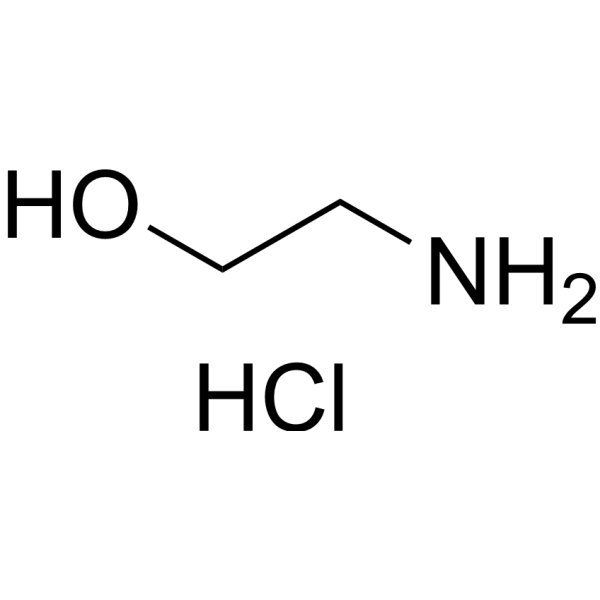
Ethanolamine hydrochloride, is an organic compound used in various industrial applications. It is a white or colorless solid that is soluble in water and has a faint odor. One of the major uses of Ethanolamine hydrochloride is in the production of detergents and surfactants. Used as a raw material in the manufacture of compounds such as ethylenediaminetetraacetic acid (EDTA) and diethanolamine, which are commonly used in household and industrial cleaning products. Ethanolamine hydrochloride is also used in the synthesis of pharmaceuticals, agrochemicals and rubber processing agents. It acts as a buffer in certain chemical reactions, helping to adjust pH and maintain stability. Ethanolamine hydrochloride can be used for gas purification and metal corrosion inhibitor. Its ability to react with acid gases such as carbon dioxide and sulfur dioxide makes it useful for removing impurities from natural gas and other industrial gases. Overall, Ethanolamine hydrochloride is a multifunctional compound with many potential industrial applications. Its ability to act as a buffer, chelating agent, and corrosion inhibitor makes it an important tool in a variety of industries.
|
-
-
- HY-W076836
-
|
p-aminobenzaldehyde
|
Biochemical Assay Reagents
|
Others
|
|
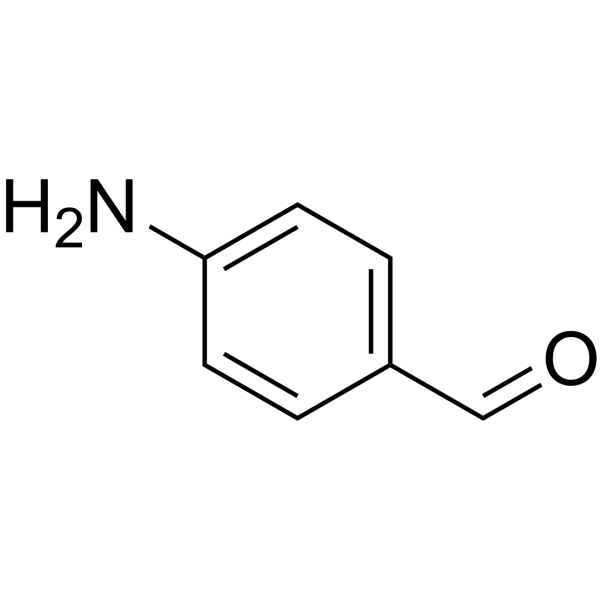
4-Aminobenzaldehyde (p-aminobenzaldehyde) is a useful synthetic reagent and monomer that can be used to synthesize monoazo dyes and photocurable ion exchange resins. 4-Aminobenzaldehyde is also a corrosion inhibitor of metals .
|
-
-
- HY-W002339
-
|
|
Drug Intermediate
|
Others
|
|
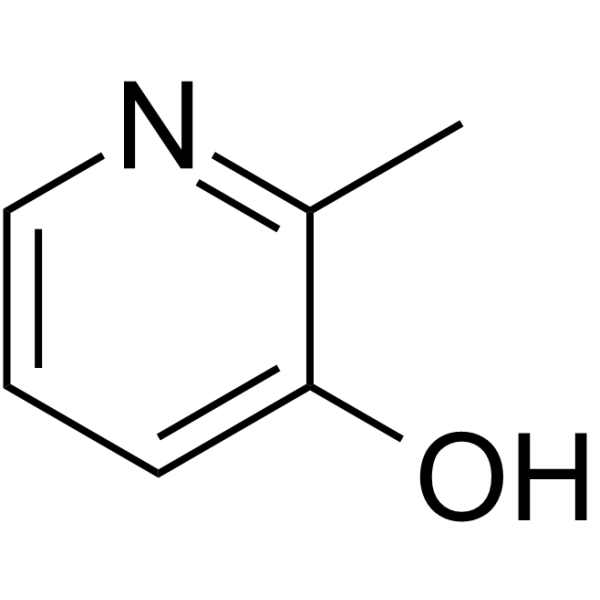
3-Hydroxy-2-methylpyridine is a pharmaceutical intermediate that can be used in the synthesis of pyrimidines. 3-Hydroxy-2-methylpyridine acts as a corrosion inhibitor, serving as a mixed-type corrosion inhibitor for carbon steel in HCl medium .
|
-
-
- HY-B1038
-
|
|
Endogenous Metabolite
|
Inflammation/Immunology
|
|
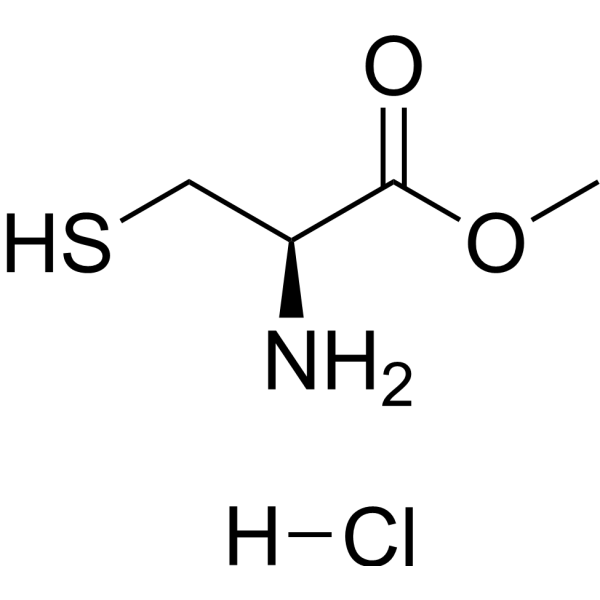
L-Cysteine methyl ester hydrochloride is an antitussive, phlegmolytic agent used to relieve breathing difficulties caused by large amounts of phlegm. L-Cysteine methyl ester hydrochloride is a copper corrosion inhibitor used in various industrial studies .
|
-
-
- HY-401383
-
|
|
Environmental Pollutants
Biochemical Assay Reagents
|
Others
|
|
Poly (acrylic acid) (MW 10000-60000) is a type of polyacrylic acid with a molecular weight of 10000-60000. Poly (acrylic acid) (MW 10000-60000) is an anionic polymer. Poly (acrylic acid) (MW 10000-60000) can be used as a corrosion inhibitor and surface stabilizer.
|
-

-
- HY-D0007
-
|
Tetrazolium blue
|
Biochemical Assay Reagents
|
Others
|
|
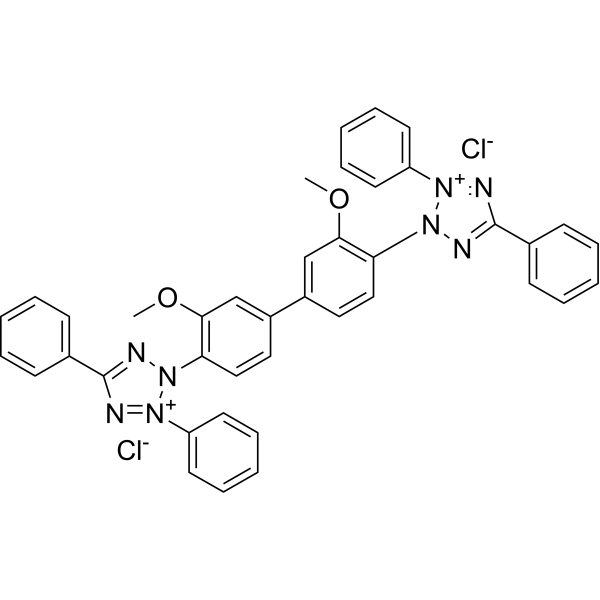
Blue Tetrazolium is a tetrazolium salt chromogenic dye that can be reduced to a dark blue formazan product. Blue Tetrazolium is applicable for assays such as succinate dehydrogenase activity detection and reducing sugar quantification. Blue Tetrazolium also serves as a novel corrosion inhibitor for cold-rolled steel in hydrochloric acid solutions. Blue Tetrazolium has a broad wavelength range (480-600 nm), with the maximum absorbance observed at 540 nm .
|
-
-
- HY-W243303O
-
|
|
Environmental Pollutants
Biochemical Assay Reagents
|
Cancer
|
|
Poly(acrylic acid) (Mv 1250000) (viscous liquid) is a polyacrylic acid with a molecular weight of 1250000 (an anionic polymer), which can be used as a corrosion inhibitor and surface stabilizer. Poly(acrylic acid) can be used to construct an anionic nanogel to encapsulate positively charged enzymes and to modify MoS₂ nanoparticles to build a transdermal drug delivery system .
|
-

-
- HY-B0507A
-
|
|
Antibiotic
Bacterial
|
Endocrinology
Cancer
|
|
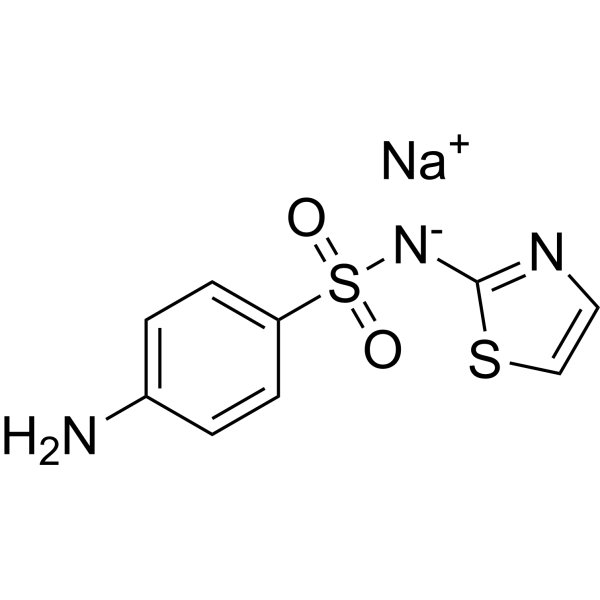
Sulfathiazole sodium is an orally active, endocrine disruptor targeting the steroidogenic pathway, specifically enhancing the activity of CYP19 in human adrenal cancer cells (H295R) and upregulating the mRN expression of CYP17, CYP19, and 3β-HSD. Sulfathiazole sodium increases the production of 17-estradiol (E2) and has endocrine disrupting effects on aquatic organisms such as the Japanese medaka fish. Sulfathiazole sodium is also a cathodic corrosion inhibitor. It inhibits the corrosion of copper by chloride ions through chemical and physical adsorption on the copper surface, reduces the corrosion current density and shifts the corrosion potential negatively .
|
-
-
- HY-W086988
-
|
5-Methylbenzotriazole
|
Biochemical Assay Reagents
|
Others
|
|
5-Methyl-1H-benzotriazole (5-Methylbenzotriazole) is a benzotriazole derivative, and serves as a key building block for ultraviolet absorbers and light stabilizers. 5-Methyl-1H-benzotriazole reduces the photosensitizing ability of nitrate and dissolved organic matter (DOM), enhances the persistence of microorganic pollutants, inhibits the photodegradation of DOM and drug residues, and quenches the triplet excited states of DOM and methotrexate substructures. 5-Methyl-1H-benzotriazole acts as a corrosion inhibitor for copper and copper alloys, and is present in formulations of anti-icing fluids, dishwasher detergents, aircraft deicing fluids and automotive antifreezes .
|
-

-
- HY-W099682
-
|
n-Hexyl trimethylammonium bromide
|
Biochemical Assay Reagents
|
Others
|
|
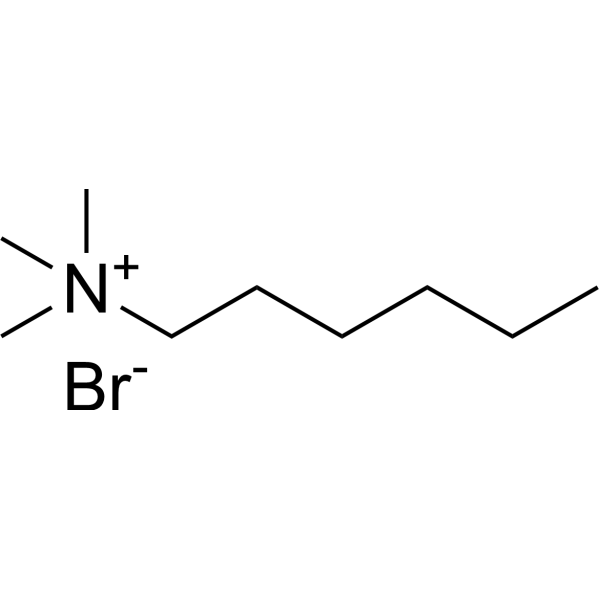
Hexyltrimethylammonium bromide is a cationic surfactant, quaternary ammonium compound, detergent, emulsifier, phase transfer catalyst, antibacterial agent, electrochemical device, corrosion inhibitor, micelle former, industrial chemical.
|
-
-
- HY-W012450
-
|
Phenyltrimethylammonium bromide
|
Biochemical Assay Reagents
|
Others
|
|
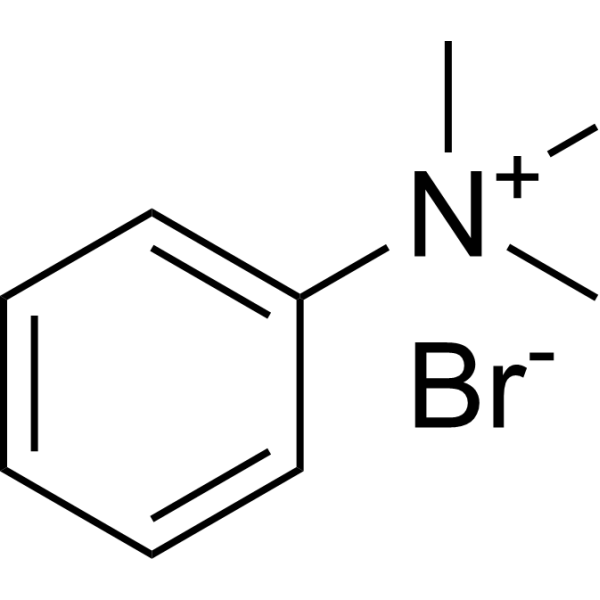
Trimethylphenylammonium bromide is a quaternary ammonium salt consisting of a positively charged N,N,N-trimethylanilinium cation and a negatively charged bromide anion. This compound is commonly used as a phase transfer catalyst in organic chemical reactions, facilitating the transfer of reactants between immiscible phases. It can also be used as a reagent in the synthesis of various organic compounds and in some applications as a surfactant or corrosion inhibitor.
|
-
-
- HY-W101255
-
|
MTEACl
|
Biochemical Assay Reagents
|
Others
|
|
Triethylmethylammonium chloride is a quaternary ammonium salt belonging to the class of alkylammonium salts. This compound is widely used as a phase transfer catalyst in organic synthesis to facilitate the transfer of reactants between immiscible phases. In addition, it can be used as an electrolyte in electrochemical devices, a surfactant in emulsion polymerization, and a corrosion inhibitor. Its unique chemical properties make it an important ingredient in a variety of industrial applications, including pharmaceuticals, agrochemicals, and materials science.
|
-

-
- HY-W099930
-
|
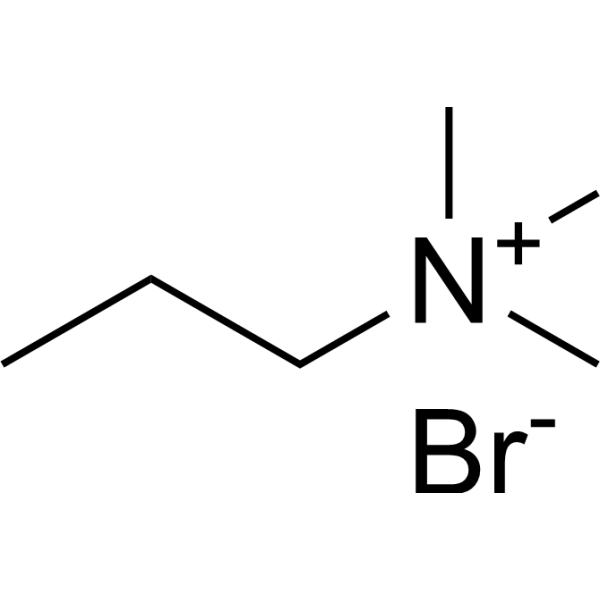
Trimethylpropylammonium bromide
|
Biochemical Assay Reagents
|
Others
|
|
N,N,N-Trimethylpropan-1-aminium bromide is a quaternary ammonium compound belonging to the class of alkylammonium salts. This compound is widely used as a phase transfer catalyst in organic synthesis, facilitating the transfer of reactants between immiscible phases. It can also be used as a surfactant, corrosion inhibitor or antimicrobial. Due to its unique chemical properties, N,N,N-Trimethylpropan-1-aminium bromide has applications in various industries such as pharmaceuticals, agrochemicals, and materials science.
|
-
-
- HY-Y1890B
-
|
|
Biochemical Assay Reagents
|
Others
|
|
Cremophor EL-10 is a nonionic polyoxyethylene castor oil surfactant with multiple functions including organic solubilizer, mixed zinc anode corrosion inhibitor and dendrite growth inhibitor. By forming a physical barrier to block electrolyte contact and constructing oriented hydration channels to reduce the desolvation energy barrier of Zn 2+ , Cremophor EL-10 achieves a corrosion inhibition efficiency of over 99%. Cremophor EL-10 exerts no significant effects on the mitochondrial activity and cell viability of epithelial cells, making it suitable for in vitro drug delivery and biopharmaceutical research at concentrations ≤10% v/v. However, Cremophor EL-10 may induce sustained non-endothelium-dependent contraction in rat aortic rings and exert concentration-dependent inhibitory effects on acetylcholine-induced endothelium-dependent relaxation responses .
|
-

-
- HY-W243303C
-
|
|
Environmental Pollutants
Biochemical Assay Reagents
|
Others
|
|
Poly(acrylic acid) (Mv 4000000) is a polyacrylic acid (and an anionic polymer) with a molecular weight of 4000000. Poly(acrylic acid) (Mv 4000000) can be used as a corrosion inhibitor and surface stabilizer. Poly(acrylic acid) (Mv 4000000) is a biomaterial or organic compound that can be used in life science research .
|
-

-
- HY-W243303B
-
|
|
Environmental Pollutants
Biochemical Assay Reagents
|
Others
|
|
Poly(acrylic acid) (Mv 3000000) is a polyacrylic acid (an anionic polymer) with a molecular weight of 3000000. Poly(acrylic acid) (Mv 3000000) can be used as a corrosion inhibitor and surface stabilizer. Poly(acrylic acid) (Mv 3000000) is a biomaterial or organic compound that can be used as a life science research related biomaterial or organic compound .
|
-

-
- HY-W243303D
-
|
|
Environmental Pollutants
Biochemical Assay Reagents
|
Others
|
|
Poly(acrylic acid) (MW 1250000) is a polyacrylic acid with a molecular weight of 1250000 (an anionic polymer), which can be used as a corrosion inhibitor and surface stabilizer. Poly(acrylic acid) can be used to construct an anionic nanogel to encapsulate positively charged enzymes and to modify MoS2 nanoparticles to build a transdermal drug delivery system .
|
-

-
- HY-B0507B
-
|
|
Antibiotic
Bacterial
|
Endocrinology
Cancer
|
|
Sulfathiazole (100 μg/mL in acetonitrile) is an orally active, endocrine disruptor targeting the steroidogenic pathway, specifically enhancing the activity of CYP19 in human adrenal cancer cells (H295R) and upregulating the mRN expression of CYP17, CYP19, and 3β-HSD. Sulfathiazole (100 μg/mL in acetonitrile) increases the production of 17-estradiol (E2) and has endocrine disrupting effects on aquatic organisms such as the Japanese medaka fish. Sulfathiazole (100 μg/mL in acetonitrile) is also a cathodic corrosion inhibitor. Sulfathiazole (100 μg/mL in acetonitrile) inhibits the corrosion of copper by chloride ions through chemical and physical adsorption on the copper surface, reduces the corrosion current density and shifts the corrosion potential negatively .
|
-

-
- HY-Y1312
-
|
PhI; 2PZ
|
Biochemical Assay Reagents
|
Others
|
|
2-Phenylimidazole (PhI) is a corrosion inhibitor for brass and can be used to prepare complexes with ruthenium (III) .
|
-

-
- HY-Y0188
-
|
|
Biochemical Assay Reagents
Drug Intermediate
|
Others
|
|
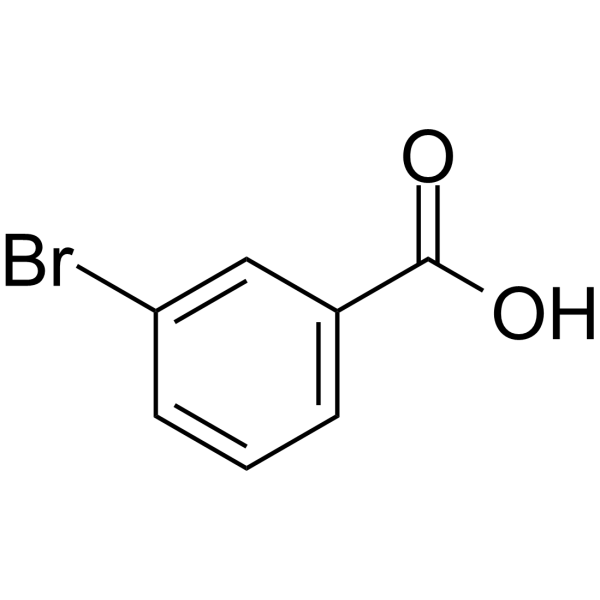
3-Bromobenzoic acid is an important intermediate that can be used in the synthesis of other active compounds. 3-Bromobenzoic acid can react with a variety of electrophiles to generate a variety of 2-substituted-3-bromobenzoic acid derivatives. 3-Bromobenzoic acid is also an effective corrosion inhibitor for aluminum in alkalized Persian Gulf seawater and NaOH solution .
|
-
-
- HY-W127842
-
|
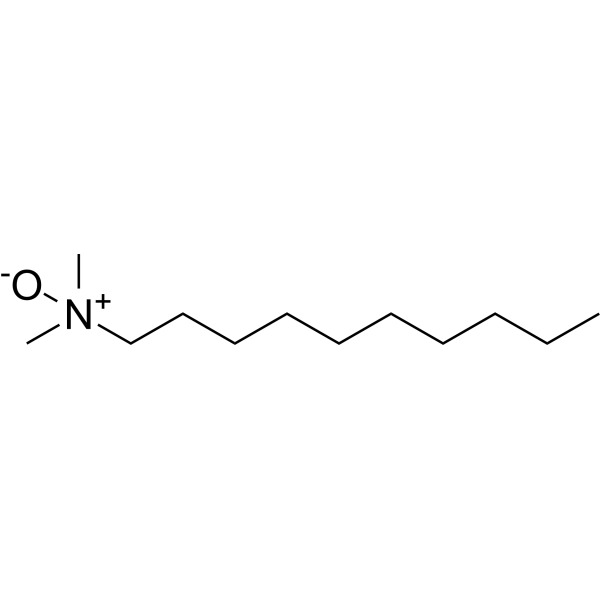
Decyldimethylamine oxide
|
Biochemical Assay Reagents
|
Others
|
|
N,N-Dimethyldecylamine N-oxide is an organic compound belonging to the family of amine oxides. It is commonly used as a surfactant and cleaning agent in a variety of industrial and household applications, including detergents, personal care products and paints. N,N-Dimethyldecylamine N-oxide has various properties suitable for these applications, including the ability to lower surface tension, increase solubility, and act as a blowing agent. In addition, it can be used as a corrosion inhibitor in metalworking fluids and a flotation agent in mineral processing.
|
-
-
- HY-W099790
-
|
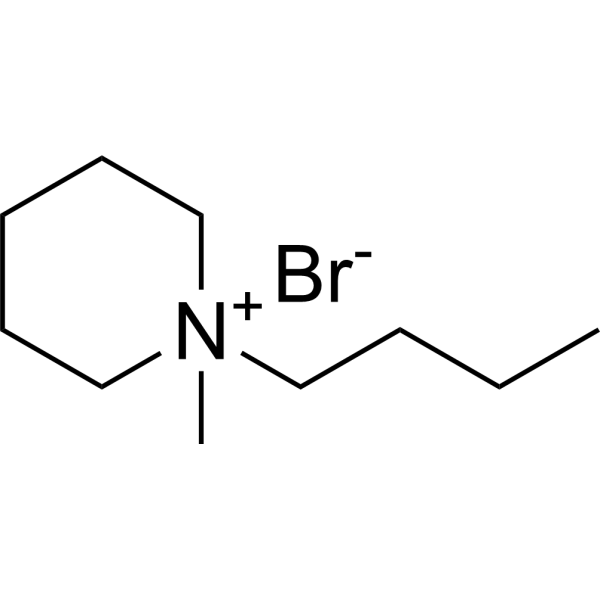
1-Butyl-1-methylpiperidinium Bromide
|
Biochemical Assay Reagents
|
Others
|
|
N-butyl-N-methyl-piperidinium bromide is a quaternary ammonium compound belonging to the class of piperidinium salts. N-butyl-N-methyl-piperidinium bromide is commonly used as a phase transfer catalyst in organic synthesis to transfer reactants between immiscible phases. It can also be used as a surfactant, corrosion inhibitor and antibacterial agent. Its unique chemical properties make it an important reagent in many different industries, including pharmaceuticals, agrochemicals, and materials science.
|
-
-
- HY-149883
-
|
|
Others
|
Others
|
|
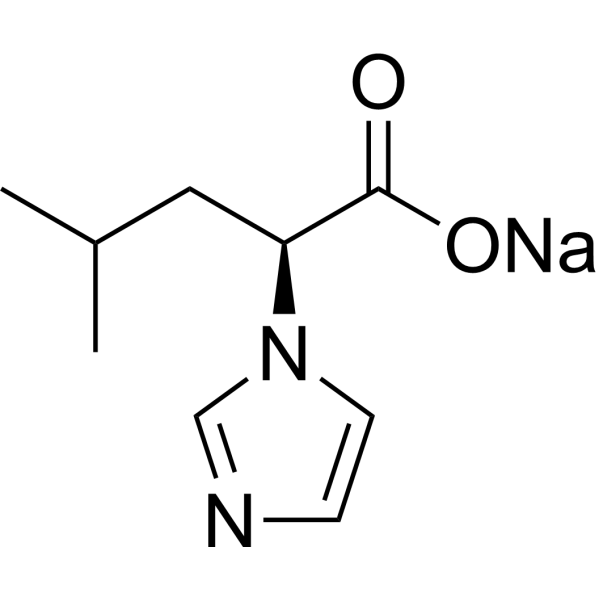
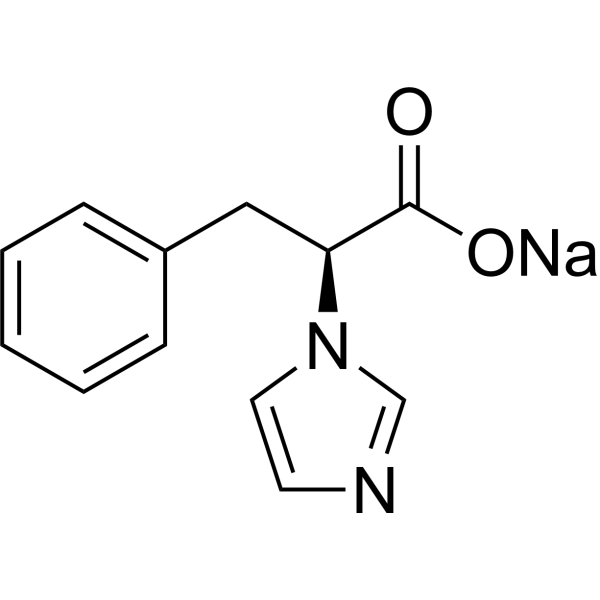
IZS-L is a amino acid-derived corrosion inhibitor. IZS-L exhibits corrosion inhibition performance for metal at longer immersion. IZSs, the series of corrosion inhibitors, inhibit mild steel corrosion through the formation of an inhibitor film on the metal surface .
|
-
-
- HY-149628
-
-
-
- HY-W040186
-
|
|
Biochemical Assay Reagents
|
Others
|
|
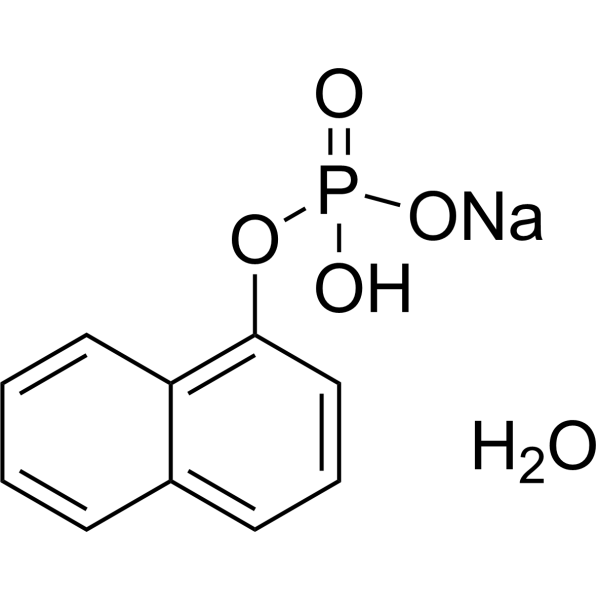
1-Naphthenyl phosphate hydrate sodium is commonly used as a flame retardant for various materials such as plastics, textiles, and construction materials. In addition, its potential use as a corrosion inhibitor and as an ingredient in fertilizers and detergents has been investigated. Its hydrated form contains variable amounts of water molecules, which affects its physical properties and applications.
|
-
-
- HY-149885
-
|
|
Amino Acid Derivatives
|
Others
|
|
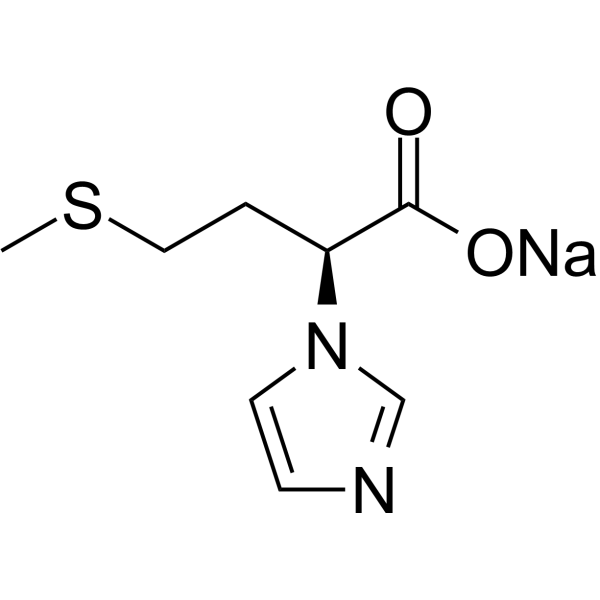
IZS-M is an amino acid-derived corrosion inhibitor, based on the green chemistry principles. IZS-M inhibits mild steel corrosion via forming an inhibitor film on the metal surface. IZS series inhibitors following a corrosion inhibition performance as: IZS-P (82.46%) > IZS-M (67.19%) > IZS-L (24.77%) .
|
-
-
- HY-149884
-
|
|
Biochemical Assay Reagents
|
Others
|
|
IZS-P is an amino acid-derived corrosion inhibitor, based on the green chemistry principles. IZS-P inhibits mild steel corrosion via forming an inhibitor film on the metal surface. IZS series inhibitors following a corrosion inhibition performance as: IZS-P (82.46%) > IZS-M (67.19%) > IZS-L (24.77%) .
|
-
-
- HY-W099929
-
|
|
Biochemical Assay Reagents
|
Others
|
|
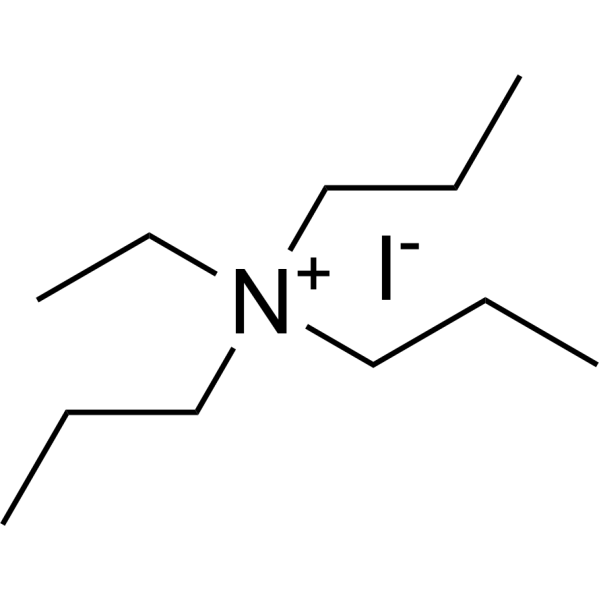
N-Ethyl-N,N-dipropylpropan-1-aminium iodide is a quaternary ammonium compound belonging to the class of alkylammonium salts. N-Ethyl-N,N-dipropylpropan-1-aminium (iodide) is commonly used as a phase transfer catalyst in organic synthesis to transfer reactants between immiscible phases. It can also be used as a surfactant, antimicrobial or corrosion inhibitor. Its unique chemical properties make it an essential reagent in many different industrial applications, including pharmaceuticals, agrochemicals, and materials science.
|
-
-
- HY-B0507AR
-
|
|
Reference Standards
Antibiotic
Bacterial
|
Endocrinology
Cancer
|
|
Sulfathiazole sodium (Standard) is the analytical standard of Berberine sodium (HY-B0507A). This product is intended for research and analytical applications. Sulfathiazole sodium is an orally active, endocrine disruptor targeting the steroidogenic pathway, specifically enhancing the activity of CYP19 in human adrenal cancer cells (H295R) and upregulating the mRN expression of CYP17, CYP19, and 3β-HSD. Sulfathiazole sodium increases the production of 17-estradiol (E2) and has endocrine disrupting effects on aquatic organisms such as the Japanese medaka fish. Sulfathiazole sodium is also a cathodic corrosion inhibitor. Sulfathiazole sodium inhibits the corrosion of copper by chloride ions through chemical and physical adsorption on the copper surface, reduces the corrosion current density and shifts the corrosion potential negatively .
|
-

-
- HY-W268106
-
|
|
Biochemical Assay Reagents
|
Others
|
|
Decylphosphonic acid is a metal oxide surface modifier and corrosion inhibitor. Decylphosphonic acid is promising for research of metal protection, anti-corrosion coatings, and emulsion polymerization .
|
-

-
- HY-W134304
-
|
|
|
Others
|
|
Sodium metaborate is a borax derivative and boron source that serves as a stabilizer in textile processing and a corrosion inhibitor. Sodium metaborate acts as a precursor to sodium borohydride, a hydrogen storage medium. Sodium metaborate is used in the production of sodium perborate tetrahydrate .
|
-

-
- HY-W342467
-
|
D821
|
Bacterial
|
Infection
|
|
Dioctyldimethylammonium chloride (D821), a quaternary ammonium salt, is a bactericide. Dioctyldimethylammonium chloride exerts bactericidal activity via disruption of membrane integrity, and intracellular lysate leakage. Dioctyldimethylammonium chloride also can be used as a petroleum additive, antistatic agent, softening agent, rare metal flotation agent, and corrosion inhibitor .
|
-

-
- HY-W002339R
-
|
|
Drug Intermediate
Reference Standards
|
Others
|
|
3-Hydroxy-2-methylpyridine (Standard) is the analytical standard of 3-Hydroxy-2-methylpyridine (HY-W002339). This product is intended for research and analytical applications. 3-Hydroxy-2-methylpyridine is a drug intermediate used in the synthesis of pyrimidines. 3-Hydroxy-2-methylpyridine can be used as a corrosion inhibitor .
|
-

| Cat. No. |
Product Name |
Type |
-
- HY-W243303M
-
|
|
Biochemical Assay Reagents
|
|
Poly(acrylic acid) (MW 100000) (35% in water) is a polyacrylic acid with a molecular weight of 100000 (an anionic polymer), which can be used as a corrosion inhibitor and surface stabilizer. Poly(acrylic acid) (MW 100000) can be used for biomedical applications, such as drug delivery .
|
-
- HY-W035903
-
|
2-Aminoethanol hydrochloride
|
Biochemical Assay Reagents
|
|
Ethanolamine hydrochloride, is an organic compound used in various industrial applications. It is a white or colorless solid that is soluble in water and has a faint odor. One of the major uses of Ethanolamine hydrochloride is in the production of detergents and surfactants. Used as a raw material in the manufacture of compounds such as ethylenediaminetetraacetic acid (EDTA) and diethanolamine, which are commonly used in household and industrial cleaning products. Ethanolamine hydrochloride is also used in the synthesis of pharmaceuticals, agrochemicals and rubber processing agents. It acts as a buffer in certain chemical reactions, helping to adjust pH and maintain stability. Ethanolamine hydrochloride can be used for gas purification and metal corrosion inhibitor. Its ability to react with acid gases such as carbon dioxide and sulfur dioxide makes it useful for removing impurities from natural gas and other industrial gases. Overall, Ethanolamine hydrochloride is a multifunctional compound with many potential industrial applications. Its ability to act as a buffer, chelating agent, and corrosion inhibitor makes it an important tool in a variety of industries.
|
-
- HY-W076836
-
|
p-aminobenzaldehyde
|
Biochemical Assay Reagents
|
|
4-Aminobenzaldehyde (p-aminobenzaldehyde) is a useful synthetic reagent and monomer that can be used to synthesize monoazo dyes and photocurable ion exchange resins. 4-Aminobenzaldehyde is also a corrosion inhibitor of metals .
|
-
- HY-D0007
-
|
Tetrazolium blue
|
Biochemical Assay Reagents
|
|
Blue Tetrazolium is a tetrazolium salt chromogenic dye that can be reduced to a dark blue formazan product. Blue Tetrazolium is applicable for assays such as succinate dehydrogenase activity detection and reducing sugar quantification. Blue Tetrazolium also serves as a novel corrosion inhibitor for cold-rolled steel in hydrochloric acid solutions. Blue Tetrazolium has a broad wavelength range (480-600 nm), with the maximum absorbance observed at 540 nm .
|
-
- HY-W099682
-
|
n-Hexyl trimethylammonium bromide
|
Biochemical Assay Reagents
|
|
Hexyltrimethylammonium bromide is a cationic surfactant, quaternary ammonium compound, detergent, emulsifier, phase transfer catalyst, antibacterial agent, electrochemical device, corrosion inhibitor, micelle former, industrial chemical.
|
-
- HY-W012450
-
|
Phenyltrimethylammonium bromide
|
Biochemical Assay Reagents
|
|
Trimethylphenylammonium bromide is a quaternary ammonium salt consisting of a positively charged N,N,N-trimethylanilinium cation and a negatively charged bromide anion. This compound is commonly used as a phase transfer catalyst in organic chemical reactions, facilitating the transfer of reactants between immiscible phases. It can also be used as a reagent in the synthesis of various organic compounds and in some applications as a surfactant or corrosion inhibitor.
|
-
- HY-W101255
-
|
MTEACl
|
Biochemical Assay Reagents
|
|
Triethylmethylammonium chloride is a quaternary ammonium salt belonging to the class of alkylammonium salts. This compound is widely used as a phase transfer catalyst in organic synthesis to facilitate the transfer of reactants between immiscible phases. In addition, it can be used as an electrolyte in electrochemical devices, a surfactant in emulsion polymerization, and a corrosion inhibitor. Its unique chemical properties make it an important ingredient in a variety of industrial applications, including pharmaceuticals, agrochemicals, and materials science.
|
-
- HY-W099930
-
|
Trimethylpropylammonium bromide
|
Biochemical Assay Reagents
|
|
N,N,N-Trimethylpropan-1-aminium bromide is a quaternary ammonium compound belonging to the class of alkylammonium salts. This compound is widely used as a phase transfer catalyst in organic synthesis, facilitating the transfer of reactants between immiscible phases. It can also be used as a surfactant, corrosion inhibitor or antimicrobial. Due to its unique chemical properties, N,N,N-Trimethylpropan-1-aminium bromide has applications in various industries such as pharmaceuticals, agrochemicals, and materials science.
|
-
- HY-Y1890B
-
|
|
Biochemical Assay Reagents
|
|
Cremophor EL-10 is a nonionic polyoxyethylene castor oil surfactant with multiple functions including organic solubilizer, mixed zinc anode corrosion inhibitor and dendrite growth inhibitor. By forming a physical barrier to block electrolyte contact and constructing oriented hydration channels to reduce the desolvation energy barrier of Zn 2+ , Cremophor EL-10 achieves a corrosion inhibition efficiency of over 99%. Cremophor EL-10 exerts no significant effects on the mitochondrial activity and cell viability of epithelial cells, making it suitable for in vitro drug delivery and biopharmaceutical research at concentrations ≤10% v/v. However, Cremophor EL-10 may induce sustained non-endothelium-dependent contraction in rat aortic rings and exert concentration-dependent inhibitory effects on acetylcholine-induced endothelium-dependent relaxation responses .
|
-
- HY-W243303C
-
|
|
Biochemical Assay Reagents
|
|
Poly(acrylic acid) (Mv 4000000) is a polyacrylic acid (and an anionic polymer) with a molecular weight of 4000000. Poly(acrylic acid) (Mv 4000000) can be used as a corrosion inhibitor and surface stabilizer. Poly(acrylic acid) (Mv 4000000) is a biomaterial or organic compound that can be used in life science research .
|
-
- HY-W243303B
-
|
|
Biochemical Assay Reagents
|
|
Poly(acrylic acid) (Mv 3000000) is a polyacrylic acid (an anionic polymer) with a molecular weight of 3000000. Poly(acrylic acid) (Mv 3000000) can be used as a corrosion inhibitor and surface stabilizer. Poly(acrylic acid) (Mv 3000000) is a biomaterial or organic compound that can be used as a life science research related biomaterial or organic compound .
|
-
- HY-Y0188
-
|
|
Biochemical Assay Reagents
|
|
3-Bromobenzoic acid is an important intermediate that can be used in the synthesis of other active compounds. 3-Bromobenzoic acid can react with a variety of electrophiles to generate a variety of 2-substituted-3-bromobenzoic acid derivatives. 3-Bromobenzoic acid is also an effective corrosion inhibitor for aluminum in alkalized Persian Gulf seawater and NaOH solution .
|
-
- HY-W127842
-
|
Decyldimethylamine oxide
|
Biochemical Assay Reagents
|
|
N,N-Dimethyldecylamine N-oxide is an organic compound belonging to the family of amine oxides. It is commonly used as a surfactant and cleaning agent in a variety of industrial and household applications, including detergents, personal care products and paints. N,N-Dimethyldecylamine N-oxide has various properties suitable for these applications, including the ability to lower surface tension, increase solubility, and act as a blowing agent. In addition, it can be used as a corrosion inhibitor in metalworking fluids and a flotation agent in mineral processing.
|
-
- HY-W099790
-
|
1-Butyl-1-methylpiperidinium Bromide
|
Biochemical Assay Reagents
|
|
N-butyl-N-methyl-piperidinium bromide is a quaternary ammonium compound belonging to the class of piperidinium salts. N-butyl-N-methyl-piperidinium bromide is commonly used as a phase transfer catalyst in organic synthesis to transfer reactants between immiscible phases. It can also be used as a surfactant, corrosion inhibitor and antibacterial agent. Its unique chemical properties make it an important reagent in many different industries, including pharmaceuticals, agrochemicals, and materials science.
|
-
- HY-W040186
-
|
|
Biochemical Assay Reagents
|
|
1-Naphthenyl phosphate hydrate sodium is commonly used as a flame retardant for various materials such as plastics, textiles, and construction materials. In addition, its potential use as a corrosion inhibitor and as an ingredient in fertilizers and detergents has been investigated. Its hydrated form contains variable amounts of water molecules, which affects its physical properties and applications.
|
-
- HY-W099929
-
|
|
Biochemical Assay Reagents
|
|
N-Ethyl-N,N-dipropylpropan-1-aminium iodide is a quaternary ammonium compound belonging to the class of alkylammonium salts. N-Ethyl-N,N-dipropylpropan-1-aminium (iodide) is commonly used as a phase transfer catalyst in organic synthesis to transfer reactants between immiscible phases. It can also be used as a surfactant, antimicrobial or corrosion inhibitor. Its unique chemical properties make it an essential reagent in many different industrial applications, including pharmaceuticals, agrochemicals, and materials science.
|
| Cat. No. |
Product Name |
Category |
Target |
Chemical Structure |
Your information is safe with us. * Required Fields.
Inquiry Information
- Product Name:
- Cat. No.:
- Quantity:
- MCE Japan Authorized Agent:








