
1. Search Result
Search Result
Pathways Recommended: Stem Cell/Wnt Cell Cycle/DNA Damage
Results for "

Drosophila cells

" in MedChemExpress (MCE) Product Catalog:

23

Inhibitors & Agonists

7

Peptides

2

Natural
Products

1

Isotope-Labeled Compounds

Cat. No. Product Name Target Research Areas Chemical Structure
  • HY-15452
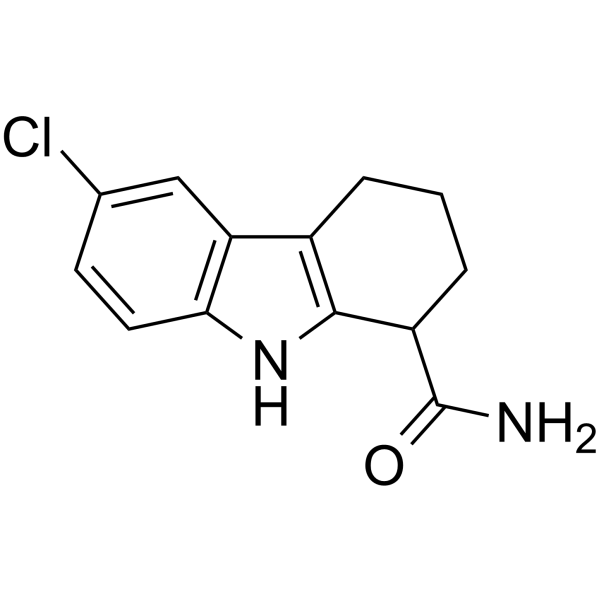
    Selisistat
    Maximum Cited Publications
    292 Publications Verification

    EX-527

    Sirtuin Inflammation/Immunology Cancer
    Selisistat (EX-527) is a potent and selective SirT1 (Sir2 in Drosophila melanogaster) inhibitor with an IC50 of 123 nM for SirT1. Selisistat alleviates pathology in multiple animal and cell models of Huntington's disease .
    Selisistat
  • HY-112820
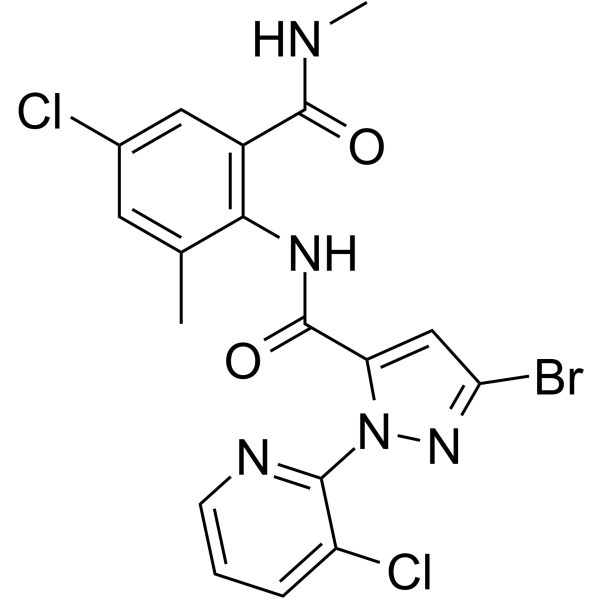
    Chlorantraniliprole
    2 Publications Verification

    Environmental Pollutants Insecticide Others
    Chlorantraniliprole is an insecticide that potently and selectively activates insect ryanodine receptor, with EC50s of 40 nM and 50 nM for Drosophila melanogaster and H. virescens ryanodine receptor, and ~300-fold more potent than that in the mouse myoblast cell line, C2C12 (EC50, 14 μM).
    Chlorantraniliprole
  • HY-P11329

    Fluorescent Dye Others
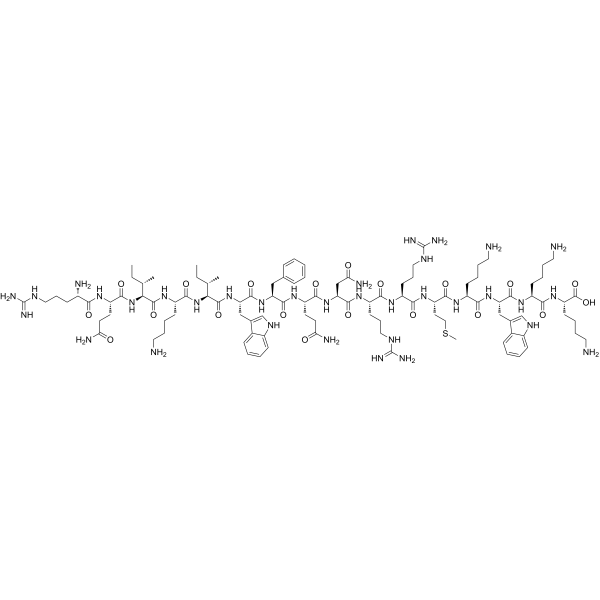
    GFP11 is a protein fusion tag consisting of 16 amino acids. When GFP11 and GFP1-10 are sufficiently close in physical space, they undergo spontaneous, irreversible complementation to reassemble into an intact, functional GFP protein that emits green fluorescence. GFP11 can be used to form a split GFP system for high-throughput biotechnology and flow cytometry applications .
    GFP11
  • HY-P10861A

    Tau Protein Neurological Disease
    RI-AG03 acetate is a proteolytically stable tau aggregation inhibitor that crosses the blood-brain barrier and exhibits oral efficacy. RI-AG03 acetate inhibits tau aggregation and promotes the formation of alternative amorphous aggregates that are non-amyloidogenic. RI-AG03 acetate mediates cellular uptake through direct membrane penetration and macropinocytosis, and its conjugation with cell-penetrating peptide sequences (CPPs) enhances the binding of cells to liposomes. RI-AG03 acetate suppresses aggregation-dependent neurodegenerative and behavioral phenotypes, and extends the lifespan of Drosophila models of tauopathy. RI-AG03 acetate can be used for research on tau-related diseases such as Alzheimer's disease .
    RI-AG03 acetate
  • HY-150082

    CDK DNA/RNA Synthesis Cancer
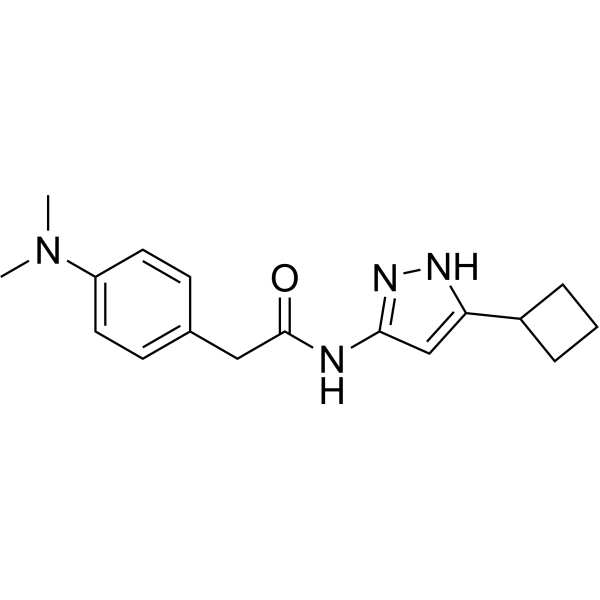
    CP681301 is a potent CDK5 inhibitor. CP681301 shows antiproliferative activity. CP681301 decreases the expression of CD133, OLIG2, SOX2, KI67, pCDK5 protein level in GSCs (Glioma stem cells). CP681301 reduces self-renewal in mouse glioma xenografts. CP681301 shows anti-tumor activity in Drosophila .
    CP681301
  • HY-N13250

    Apoptosis AMPK Elastase Bcl-2 Family Interleukin Related Caspase PI3K Akt SOD Cardiovascular Disease
    Hawthorn Extract is an orally active hawthorn extract. Hawthorn Extract decreases Bax expression and increases Bcl-2 expression in the aorta. Hawthorn Extract regulates the AMPK signaling pathway, induces apoptosis, enhances the hepatic antioxidant system, and ameliorates symptoms of liver injury, inflammation and cancer. Hawthorn Extract reduces plasma levels of pro-inflammatory factors, increases plasma levels of anti-inflammatory adiponectin, and alleviates atherosclerotic plaque lesions in the aorta. Hawthorn Extract improves symptoms associated with chronic heart failure . Hawthorn Extract inhibits FMLP-induced superoxide anion production, Elastase release, ILB4 generation and calcium signaling in neutrophils, and also reduces LPS-induced cytokine production in neutrophils. Hawthorn Extract induces autophagy and inhibits the proliferation of intestinal stem cells. Hawthorn Extract can be used in research related to atherosclerosis, hepatitis, alcoholic liver disease, non-alcoholic fatty liver disease, hepatocellular carcinoma, chronic heart failure and hypotension .
    Hawthorn Extract
  • HY-P10861

    Tau Protein Neurological Disease
    RI-AG03 is a proteolytically stable tau aggregation inhibitor that crosses the blood-brain barrier and exhibits oral efficacy. RI-AG03 inhibits tau aggregation and promotes the formation of alternative amorphous aggregates that are non-amyloidogenic. RI-AG03 mediates cellular uptake through direct membrane penetration and macropinocytosis, and its conjugation with cell-penetrating peptide sequences (CPPs) enhances the binding of cells to liposomes. RI-AG03 suppresses aggregation-dependent neurodegenerative and behavioral phenotypes, and extends the lifespan of Drosophila models of tauopathy. RI-AG03 can be used for research on tau-related diseases such as Alzheimer's disease .
    RI-AG03
  • HY-N6689
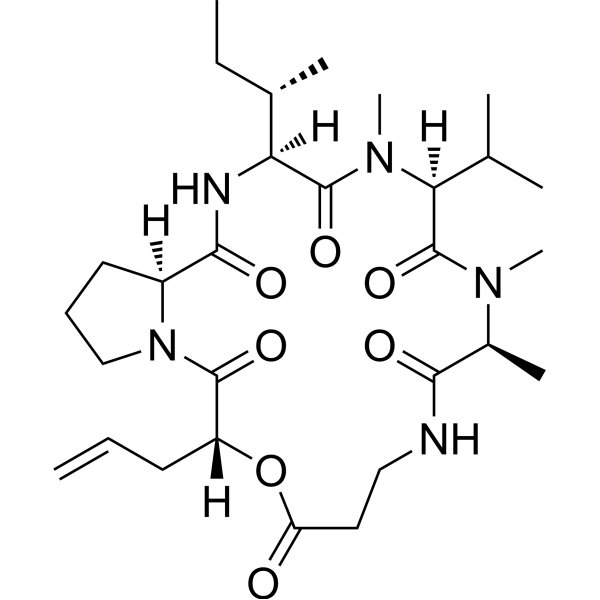
    Destruxin A
    1 Publications Verification

    Insecticide Bacterial Infection Inflammation/Immunology Cancer
    Destruxin A is a fungal cyclopeptide with insecticidal and antiviral activities. Destruxin A has a certain inhibitory effect on leukemia cells in vitro. Destruxin A can also specifically inhibit the innate immune response of Drosophila melanogaster, making the flies more susceptible to bacterial infections .
    Destruxin A
  • HY-15452R

    EX-527 (Standard)

    Sirtuin Reference Standards Inflammation/Immunology Cancer
    Selisistat (Standard) is the analytical standard of Selisistat. This product is intended for research and analytical applications. Selisistat (EX-527) is a potent and selective SirT1 (Sir2 in Drosophila melanogaster) inhibitor with an IC50 of 123 nM for SirT1. Selisistat alleviates pathology in multiple animal and cell models of Huntington's disease .
    Selisistat (Standard)
  • HY-125172

    Polyglutamine Aggregation inhibitor III

    Huntingtin Others
    C2-8 is an inhibitor of polyglutamine (polyQ) aggregation (IC50s=25 and 0.05 μM for recombinant HDQ51 and in PC12 cells, respectively). It also inhibits polyQ aggregation in organotypic hippocampal slice cultures isolated from R6/2 transgenic mice and reduces neurodegeneration in a dose-dependent manner in a Drosophila model of Huntington's disease. C2-8 (100 and 200 mg/kg) reduces huntingtin aggregate size, reduces neuronal atrophy, and improves motor performance in a rotarod test in the R6/2 transgenic mouse model of Huntington's disease.
    PolyQ aggregation inhibitor C2-8
  • HY-112820R

    Insecticide Reference Standards Others
    Chlorantraniliprole (Standard) is the analytical standard of Chlorantraniliprole. This product is intended for research and analytical applications. Chlorantraniliprole is an insecticide that potently and selectively activates insect ryanodine receptor, with EC50s of 40 nM and 50 nM for Drosophila melanogaster and H. virescens ryanodine receptor, and ~300-fold more potent than that in the mouse myoblast cell line, C2C12 (EC50, 14 μM).
    Chlorantraniliprole (Standard)
  • HY-119857

    SIRT2 Inhibitor,Inactive Control

    Sirtuin Neurological Disease
    AGK7 is a potent inhibitor of sirtuin 2 (SIRT2). AGK7 rescues alpha-synuclein toxicity and modified inclusion morphology in a cellular model of Parkinson's disease. AGK7 protects against dopaminergic cell death both in vitro and in a Drosophila model of Parkinson's disease .
    AGK7
  • HY-121998

    Aurora Kinase Others
    Binucleine 2 is an isoform-specific and ATP-competitive inhibitor of Drosophila Aurora B kinase (Ki=0.36 μM), a kinase involved in cell division. It is specific for Drosophila Aurora B kinase, inhibiting it in a dose-dependent manner, with minimal inhibition of human or X. laevis Aurora B kinases at concentrations up to 100 μM. Binucleine 2 induces mitotic and cytokinesis defects in Drosophila Kc167 cells. It prevents Drosophila S2 cells from assembling a contractile ring during cell division when used at a concentration of 40 μM but does not affect ring ingression, suggesting that Aurora B kinase activity is not required for that step.
    Binucleine 2
  • HY-121117

    Fungal Infection
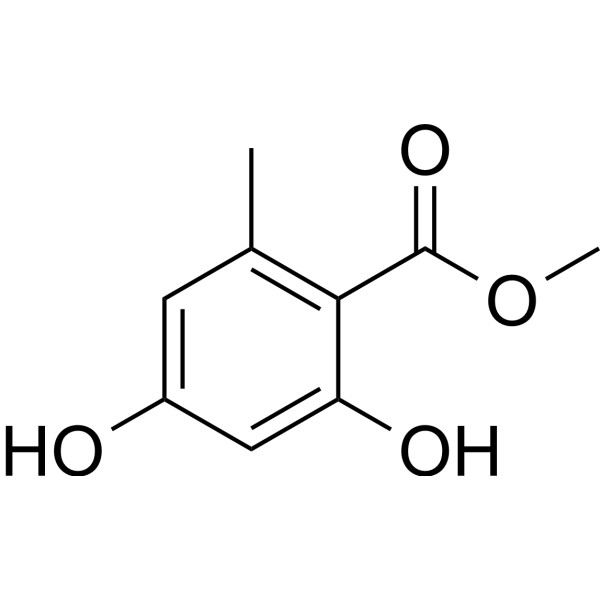
    Derivatives of lucanthone and hycanthone may be mutagenic to germ cells of Drosophila at different stages .
    Chloracetophos
  • HY-W721606

    Isotope-Labeled Compounds Insecticide Others
    Chlorantraniliprole-d6 is the deuterium labeled Chlorantraniliprole (HY-112820). Chlorantraniliprole is an insecticide that potently and selectively activates insect ryanodine receptor, with EC50s of 40 nM and 50 nM for Drosophila melanogaster and H. virescens ryanodine receptor, and ~300-fold more potent than that in the mouse myoblast cell line, C2C12 (EC50, 14 μM).
    Chlorantraniliprole-d6
  • HY-169197

    Tau Protein Amyloid-β Neurological Disease
    D-688 is an inhibitor of Tau and . D-688 can reverse Aβ1–42-induced toxicity in SH-SH5Y cells and has significant neuroprotective properties. D-688 can improve the survival rate of Drosophila melanogaster expressing the human tau protein isoform (2N4R) .
    D-688
  • HY-169156

    HDAC Monoamine Oxidase Cholinesterase (ChE) Histamine Receptor 5-HT Receptor Neurological Disease
    HDAC6-IN-49 (Compound 3) is an inhibitor for HDAC with IC50 of 0.012 and 0.735 μM for HDAC6 and HDAC1. HDAC6-IN-49 also exhibits inhibitory activities against MAO-B, cholinesterase (ChE), histamine receptor (H3R) and serotonin 6 receptor (5-HT6R). HDAC6-IN-49 exhibits neuroprotective efficacy on SH-SY5Y cell. HDAC6-IN-49 improves cognitive function and locomotor ability in Drosophila Parkinson's disease models and in C. elegans Alzheimer's disease models .
    HDAC6-IN-49
  • HY-115438

    JAK STAT Apoptosis Cancer
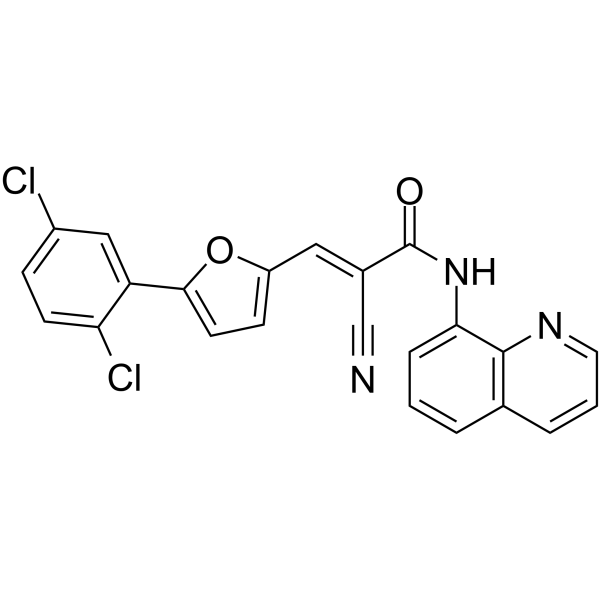
    AUH-6-96 is a JAK/STAT signaling inhibitor. AUH-6-96 reduces Unpaired-induced transcriptional activity in Drosophila cells and blocks tyrosine phosphorylation of STAT92E. AUH-6-96 blocks both constitutive and IL-6-induced phosphorylation of STAT3. AUH-6-96 decreases the level of tyrosine-phosphorylated JAK3. AUH-6-96 induces cancer cell Apoptosis by downregulating the expression of anti-apoptotic genes downstream of STAT3. AUH-6-96 selectively reduces the viability of cancer cells with abnormal JAK/STAT signaling pathway. AUH-6-96 is applicable to related research on Hodgkin's lymphoma, breast cancer, and prostate cancer .
    AUH-6-96
  • HY-W714852

    Insecticide Sodium Channel Infection
    Zeta-Cypermethrin is a type II pyrethroid insecticide. Zeta-Cypermethrin primarily acts on voltage-gated sodium channels in nerve cells, causing delayed channel closure, persistent nerve excitation and convulsions. In Drosophila, Zeta-Cypermethrin rapidly induces extremely high metabolic resistance that can be screened, and exhibits in vitro genotoxicity to human peripheral blood lymphocytes .
    Zeta-Cypermethrin
  • HY-171722

    Asc-C9

    Insecticide PGC-1α Infection Cancer
    Ascr#10 (Asc-C9) is an orally active thermogenesis inducer and insecticide that can be obtained from Monochamus alternatus. Ascr#10 binds to the insect adipokinetic hormone (AKH) receptor (Ka=272 µM) and stimulates mitochondrial biogenesis via the PGC1α-UCP4 axis. Consequently, Ascr#10 induces UCP4-mediated uncoupled respiration, reduces the ATP/ADP ratio and accelerates lipid mobilization, thereby driving the thermogenesis process. Ascr#10 delays pupation and exerts specific chemotaxis toward dispersive fourth-stage pinewood nematode LIV larvae. Ascr#10 promotes cold acclimation of Monochamus alternatus larvae through metabolic inhibition and cryoprotectant accumulation, enhancing their survival rate under cold stress. Ascr#10 also induces browning of white adipose tissue and activates brown adipose tissue in mice, thereby helping the body resist cold and tumor growth. Ascr#10 can be widely applied to research related to pine wilt disease, lung tumors and cold stress .
    Ascr#10
  • HY-P4083A

    Fluorescent Dye Others
    (Arg)9,TAMRA-labeled acetate is a TAMRA-labeled, membrane-permeable cationic cell-penetrating polyarginine peptide. (Arg)9,TAMRA-labeled acetate acts as a cell-penetrating peptide for drug delivery .
    (Arg)9,TAMRA-labeled acetate
  • HY-183068

    NEKs CDK Discoidin Domain Receptor EGFR PI3K Cancer
    AP4-43 is an orally active CLK1, CLK4, PI3K, DDR1, EGFR and NEK4 inhibitor. AP4-43 reduces growth of mammalian colorectal cancer organoids. AP4-43 improves survival in a transgenic Drosophila model of KRAS-mutant colorectal cancer. AP4-43 can be used for the research of KRAS-mutant colorectal cancer .
    AP4-43
  • HY-177898

    Kinesin Cancer
    DHTP is a kinesin-13 family of microtubule depolymerases selective allosteric inhibitor that inhibits kinesin-13 ATPase activity and microtubule depolymerization activity. DHTP inhibits Kif2a and MCAK with IC50 values of 1.2 μM and 4.6 μM, respectively, and does not inhibit other kinesin families. DHTP modulates microtubule dynamics in cells, leading to less dynamic microtubules. DHTP links kinesin-13 overexpression to cancer and Paclitaxel (HY-B0015) resistance. DHTP can be used for the research of cancer .
    DHTP

Inquiry Online

Your information is safe with us. * Required Fields.

Salutation


Country or Region *

Applicant Name *


Organization Name *

Department *


Email Address *


Product Name *

Cat. No.


Requested quantity *

Phone Number *


Remarks

Inquiry Online

Inquiry Information

Product Name:
Cat. No.:
Quantity:
MCE Japan Authorized Agent:

