1. Search Result
Search Result
Results for "

Plasminogen/Plasmin

" in MedChemExpress (MCE) Product Catalog:

25

Inhibitors & Agonists

1

Fluorescent Dyes

4

Peptides

1

Inhibitory Antibodies

2

Natural
Products

1

Recombinant Proteins

4

Isotope-Labeled Compounds

Targets Recommended:
Cat. No. Product Name Target Research Areas Chemical Structure
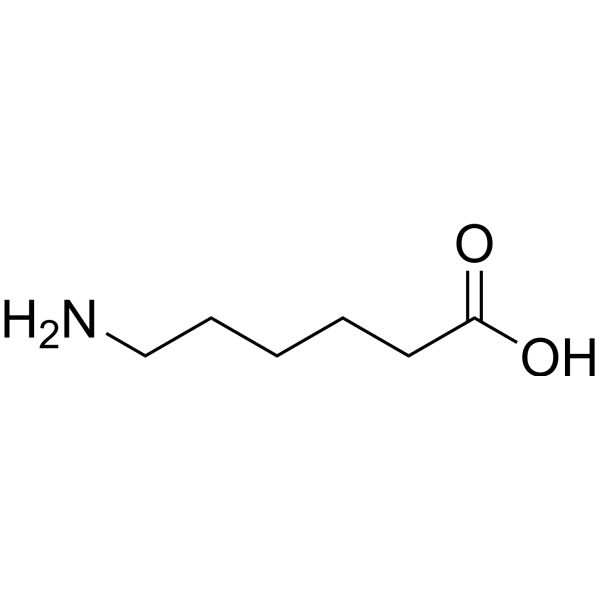
  • HY-B0236
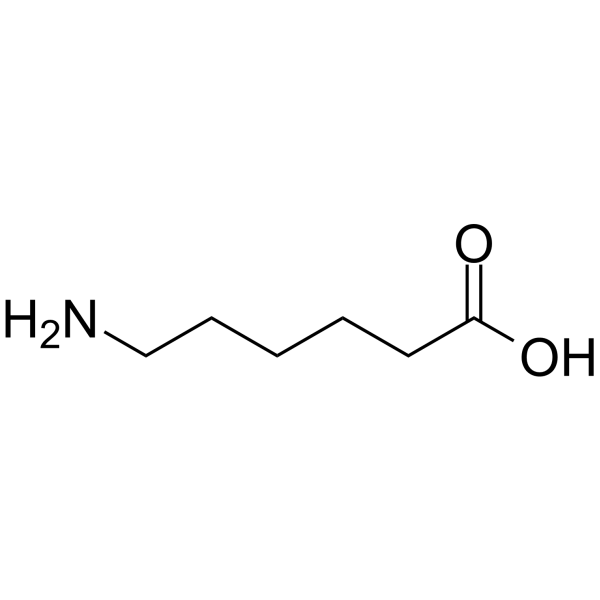
    6-Aminocaproic acid
    4 Publications Verification

    EACA; Epsilon-Amino-n-caproic Acid; 6-Aminohexanoic acid

    PAI-1 Plasminogen/Plasmin PROTAC Linkers Metabolic Disease Cancer
    6-Aminocaproic acid (EACA), a monoamino carboxylic acid, is a potent and orally active inhibitor of plasmin and plasminogen. 6-Aminocaproic acid is a potent antifibrinolytic agent. 6-Aminocaproic acid prevents clot lysis through the competitive binding of lysine residues on plasminogen, inhibiting plasmin formation and reducing fibrinolysis. 6-Aminocaproic acid can be used for the research of bleeding disorders .
    6-Aminocaproic acid
  • HY-P2333
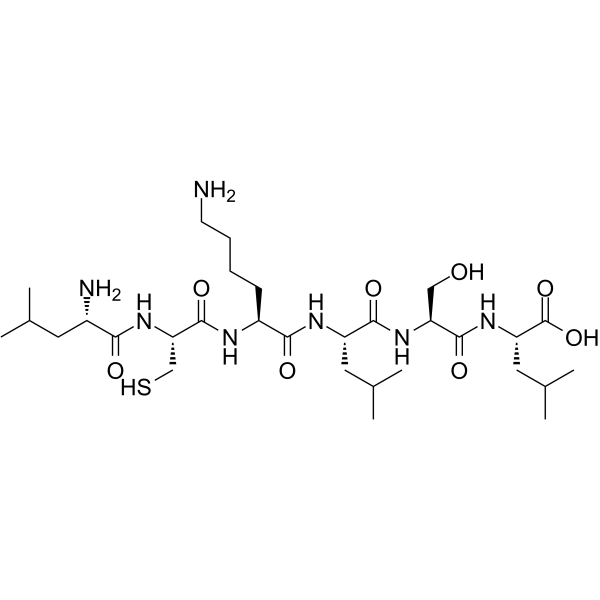
    LCKLSL
    5+ Cited Publications

    Annexin A Cardiovascular Disease
    LCKLSL is a N-terminal hexapeptide and a competitive annexin A2 (AnxA2) inhibitor. LCKLSL potently inhibits the binding of tissue plasminogen activator (tPA) to AnxA2. LCKLSL also inhibits the generation of plasmin and has anti-angiogenic roles .
    LCKLSL
  • HY-111056
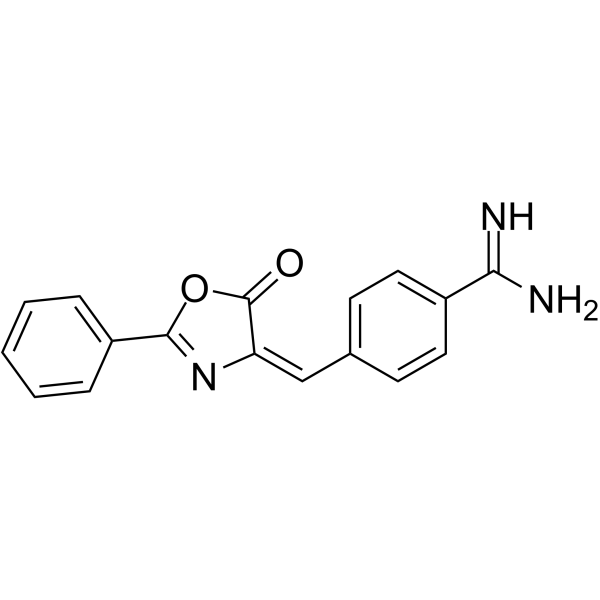
    UK122 TFA
    1 Publications Verification

    Ser/Thr Protease Cancer
    UK122 is a potent and selective urokinase-type plasminogen activator (uPA) inhibitor with an IC50 of 0.2 μM. UK122 shows no or little inhibition of tissue-type PA (tPA), plasmin, thrombin, and trypsin (all IC50>100 μM). UK122, 4-oxazolidinone analogue, is an anticancer agent and inhibits cancer cell migration and invasion .
    UK122 TFA
  • HY-131409

    D-Val-Leu-Lys-p-itoailide dihydrochloride; D-VLK-pNA dihydrochloride; S 2251 dihydrochloride

    Fluorescent Dye Others
    D-Val-Leu-Lys-pNA (D-Val-Leu-Lys-p-nitroanilide) dihydrochloride is a chromogenic peptide substrate that serves as a characteristic substrate for plasmin and plasminogen. D-Val-Leu-Lys-pNA dihydrochloride acts as a sensitive substrate for the DFE27 serine protease derived from Bacillus subtilis DC27. Catalyzed by plasmin, D-Val-Leu-Lys-pNA dihydrochloride binds and hydrolyzes to release p-nitroaniline (pNA), which can be detected colorimetrically at 405 nm as a measure of fibrinolytic activity .
    D-Val-Leu-Lys-pNA dihydrochloride
  • HY-P2333A
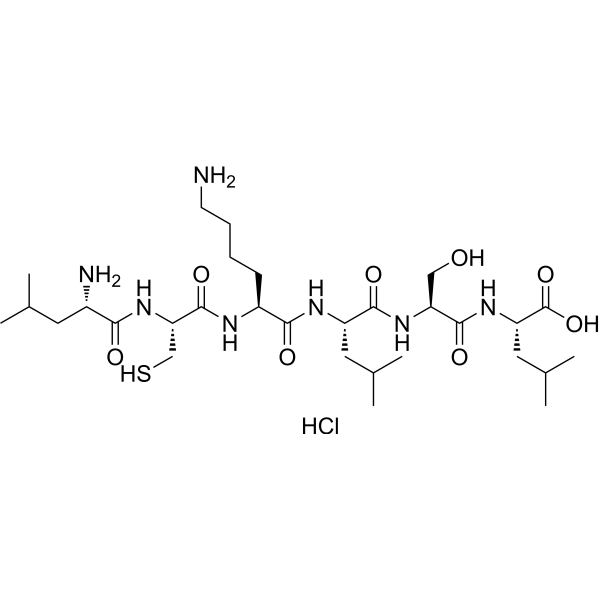
    LCKLSL hydrochloride
    5+ Cited Publications

    Annexin A Cardiovascular Disease
    LCKLSL hydrochloride is a N-terminal hexapeptide and a competitive annexin A2 (AnxA2) inhibitor. LCKLSL hydrochloride potently inhibits the binding of tissue plasminogen activator (tPA) to AnxA2. LCKLSL hydrochloride also inhibits the generation of plasmin and has anti-angiogenic roles .
    LCKLSL hydrochloride
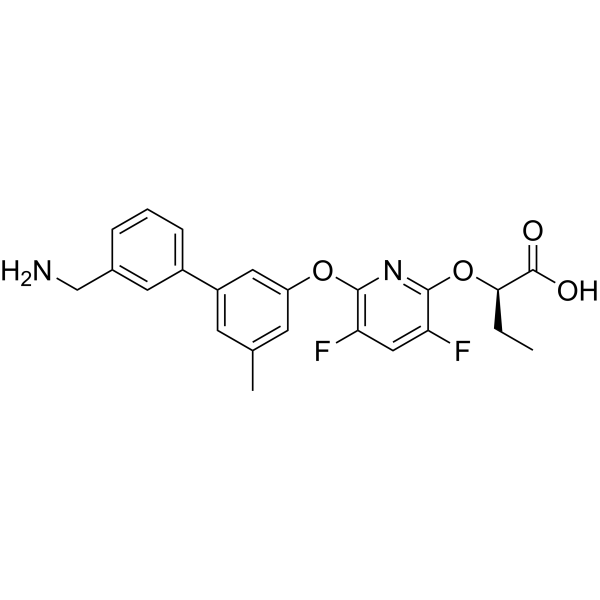
  • HY-114330A

    PAI-1 Ser/Thr Protease Inflammation/Immunology
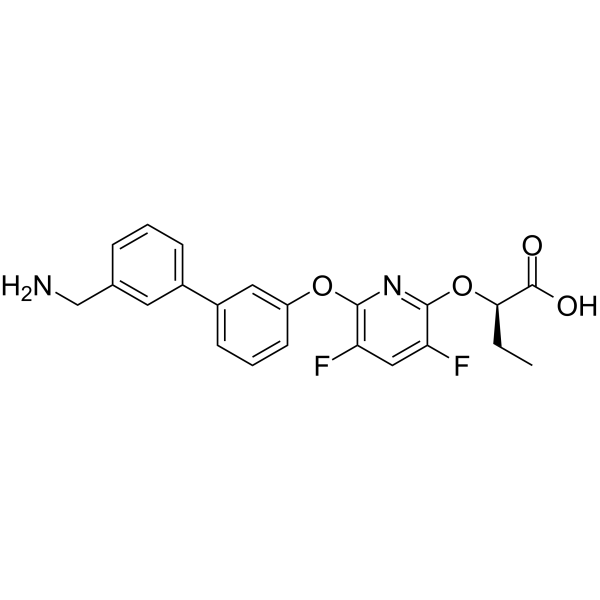
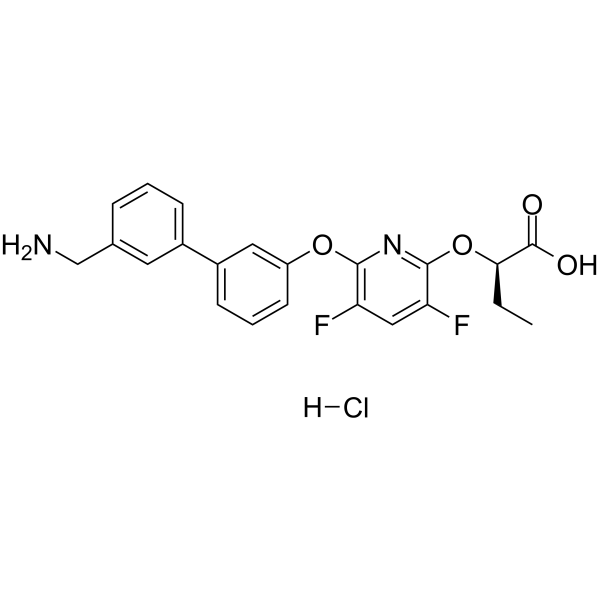
    ZK824859 hydrochloride is an oral available and selective urokinase plasminogen activator (uPA) inhibitor with IC50s of 79 nM, 1580 nM and 1330 nM for human uPA, tPA, and plasmin, respectively .
    ZK824859 hydrochloride
  • HY-B0149S1

    Isotope-Labeled Compounds Cancer
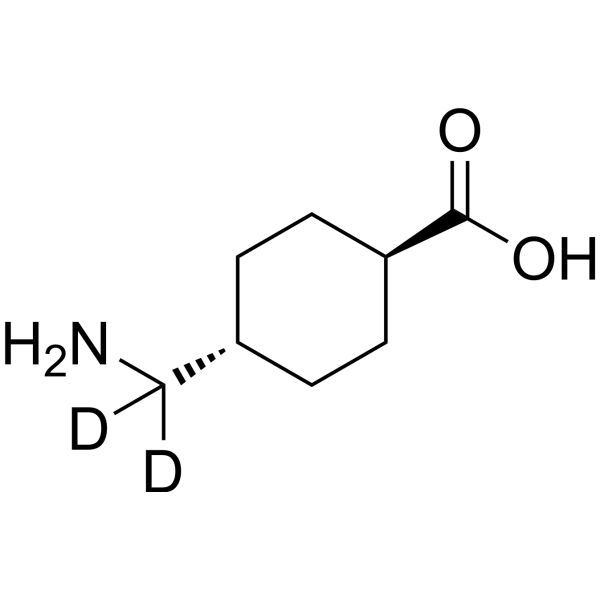
    Tranexamic acid-d2-1 is the deuterium labeled Tranexamic acid . Tranexamic acid (Transamin) is an antifibrinolytic for blocking lysine-binding sites of plasmin and elastase-derived plasminogen fragments with IC50 of 5 mM .
    Tranexamic acid-d2-1
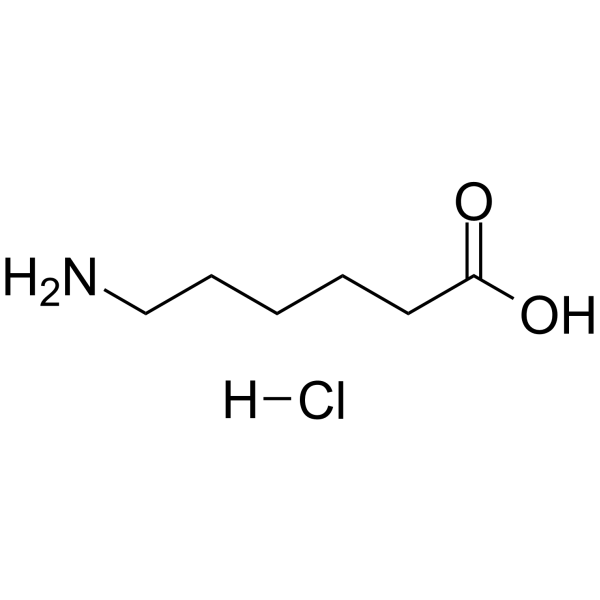
  • HY-B0236A

    EACA hydrochloride; Epsilon-Amino-n-caproic Acid hydrochloride; 6-Aminohexanoic acid hydrochloride

    Drug Derivative PAI-1 Metabolic Disease Cancer
    6-Aminocaproic acid hydrochloride, a monoamino carboxylic acid, is a potent and orally active inhibitor of plasmin and plasminogen. 6-Aminocaproic acid is a potent antifibrinolytic agent. 6-Aminocaproic acid prevents clot lysis through the competitive binding of lysine residues on plasminogen, inhibiting plasmin formation and reducing fibrinolysis. 6-Aminocaproic acid can be used for the research of bleeding disorders .
    6-Aminocaproic acid hydrochloride
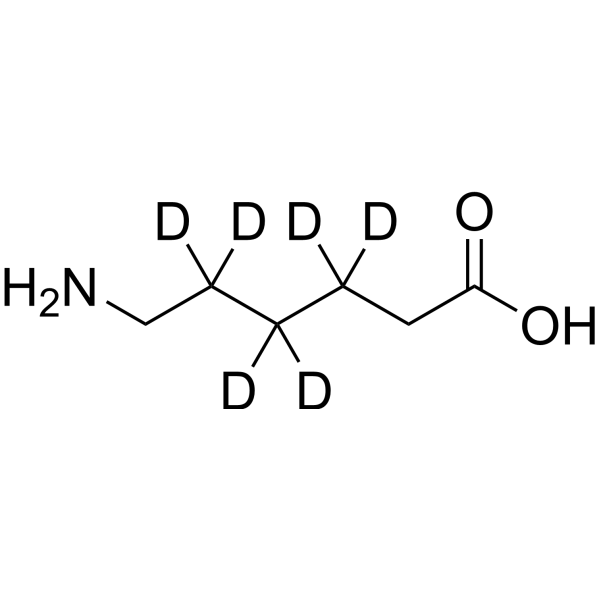
  • HY-B0236S

    EACA-d6; Epsilon-Amino-n-caproic acid-d6; 6-Aminohexanoic acid-d6

    Isotope-Labeled Compounds Metabolic Disease
    6-Aminocaproic acid-d6 is deuterium labeled 6-Aminocaproic acid. 6-Aminocaproic acid (EACA), a monoamino carboxylic acid, is a potent and orally active inhibitor of plasmin and plasminogen. 6-Aminocaproic acid is a potent antifibrinolytic agent. 6-Aminocaproic acid prevents clot lysis through the competitive binding of lysine residues on plasminogen, inhibiting plasmin formation and reducing fibrinolysis. 6-Aminocaproic acid can be used for the research of bleeding disorders .
    6-Aminocaproic acid-d6
  • HY-126361A
    ZK824190 hydrochloride
    1 Publications Verification

    Ser/Thr Protease PAI-1 Inflammation/Immunology
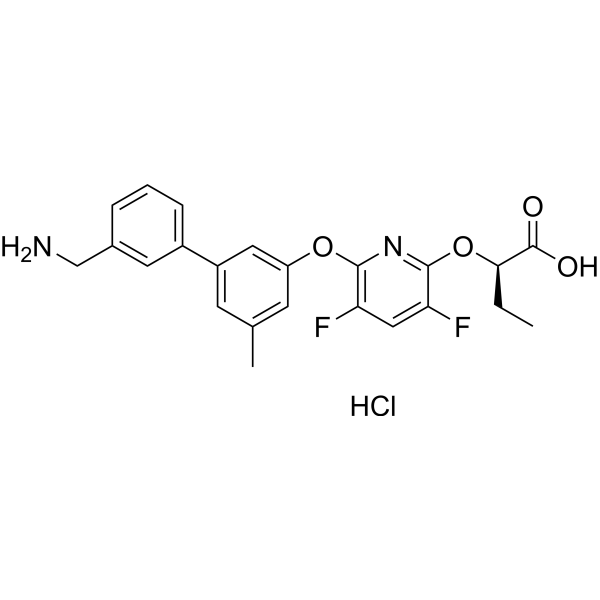
    ZK824190 hydrochloride is an orally available and selective urokinase plasminogen activator (uPA) inhibitor as a potential treatment for multiple sclerosis. IC50s of 237, 1600 and 1850 nM for uPA, tPA, and Plasmin, respectively .
    ZK824190 hydrochloride
  • HY-126361

    Ser/Thr Protease PAI-1 Inflammation/Immunology
    ZK824190 is an orally available and selective urokinase plasminogen activator (uPA) inhibitor as a potential treatment for multiple sclerosis. IC50s of 237, 1600 and 1850 nM for uPA, tPA, and Plasmin, respectively .
    ZK824190
  • HY-111056A
    UK122 hydrochloride
    1 Publications Verification

    Ser/Thr Protease Cancer
    UK122 hydrochloride is a potent and selective urokinase-type plasminogen activator (uPA) inhibitor with an IC50 of 0.2 μM. UK122 hydrochloride shows no or little inhibition of tissue-type PA (tPA), plasmin, thrombin, and trypsin (all IC50s > 100 μM). UK122 hydrochloride, a 4-oxazolidinone analogue, is an anticancer agent and inhibits cancer cell migration and invasion .
    UK122 hydrochloride
  • HY-P2821B

    Biochemical Assay Reagents Cardiovascular Disease
    Murine Plasminogen is purified from freshly collected murine plasma and is an inactive precursor of the protease plasmin. It is activated to the serine protease plasmin by urokinase, streptokinase, or tissue plasminogen activator.
    Murine Plasminogen
  • HY-114330

    PAI-1 Ser/Thr Protease Inflammation/Immunology
    ZK824859 is an oral available and selective urokinase plasminogen activator (uPA) inhibitor with IC50s of 79 nM, 1580 nM and 1330 nM for human uPA, tPA, and plasmin, respectively .
    ZK824859
  • HY-B0236R

    EACA(Standard); Epsilon-Amino-n-caproic Acid(Standard); 6-Aminohexanoic acid (Standard)

    PAI-1 Reference Standards Others Metabolic Disease Cancer
    6-Aminocaproic acid (Standard) is the analytical standard of 6-Aminocaproic acid. This product is intended for research and analytical applications. 6-Aminocaproic acid (EACA), a monoamino carboxylic acid, is a potent and orally active inhibitor of plasmin and plasminogen. 6-Aminocaproic acid is a potent antifibrinolytic agent. 6-Aminocaproic acid prevents clot lysis through the competitive binding of lysine residues on plasminogen, inhibiting plasmin formation and reducing fibrinolysis. 6-Aminocaproic acid can be used for the research of bleeding disorders .
    6-Aminocaproic acid (Standard)
  • HY-168378

    S-2251

    Fluorescent Dye Others
    D-Val-Leu-Lys-pNA (S-2251) is a chromogenic peptide substrate that serves as a characteristic substrate for plasmin and plasminogen. D-Val-Leu-Lys-pNA acts as a sensitive substrate for the DFE27 serine protease derived from Bacillus subtilis DC27. Catalyzed by plasmin, D-Val-Leu-Lys-pNA binds and hydrolyzes to release p-nitroaniline (pNA), which can be detected colorimetrically at 405 nm as a measure of fibrinolytic activity .
    D-Val-Leu-Lys-pNA
  • HY-B0236S1

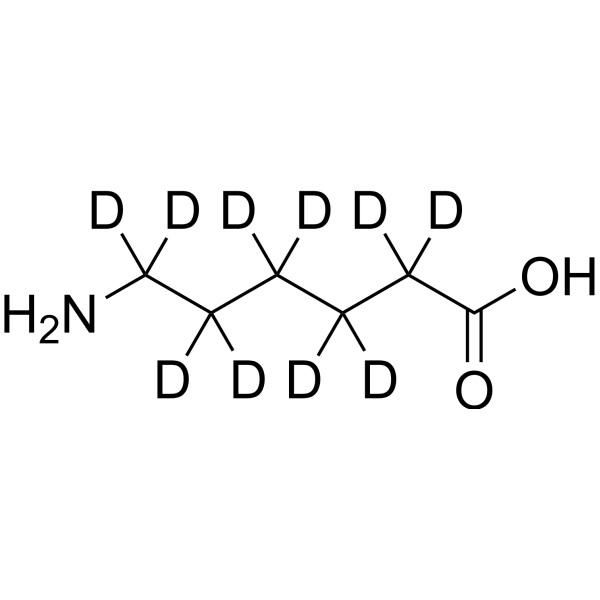
    EACA-d10; Epsilon-Amino-n-caproic Acid-d10; 6-Aminohexanoic acid-d10

    Isotope-Labeled Compounds Metabolic Disease
    6-Aminocaproic acid-d10 is the deuterium labeled 6-Aminocaproic acid. 6-Aminocaproic acid (EACA), a monoamino carboxylic acid, is a potent and orally active inhibitor of plasmin and plasminogen. 6-Aminocaproic acid is a potent antifibrinolytic agent. 6-Aminocaproic acid prevents clot lysis through the competitive binding of lysine residues on plasminogen, inhibiting plasmin formation and reducing fibrinolysis. 6-Aminocaproic acid can be used for the research of bleeding disorders .
    6-Aminocaproic acid-d10
  • HY-W701541

    EACA-d10 hydrochloride; Epsilon-Amino-n-caproic Acid-d10 hydrochloride; 6-Aminohexanoic acid-d10 hydrochloride

    Isotope-Labeled Compounds PAI-1 Drug Derivative Cancer
    6-Aminocaproic acid-d10 hydrochloride (EACA-d10 hydrochloride; Epsilon-Amino-n-caproic Acid-d10 hydrochloride; 6-Aminohexanoic acid-d10 hydrochloride) is the deuterium labeled 6-Aminocaproic acid hydrochloride (HY-B0236A). 6-Aminocaproic acid hydrochloride, a monoamino carboxylic acid, is a potent and orally active inhibitor of plasmin and plasminogen. 6-Aminocaproic acid is a potent antifibrinolytic agent. 6-Aminocaproic acid prevents clot lysis through the competitive binding of lysine residues on plasminogen, inhibiting plasmin formation and reducing fibrinolysis. 6-Aminocaproic acid can be used for the research of bleeding disorders .
    6-Aminocaproic acid-d10 hydrochloride
  • HY-106404

    Factor Xa Cardiovascular Disease
    RPR 130737 is a selective, potent and competitive inhibitor for factor Xa with a Ki of 2.4 nM. RPR 130737 shows selectivity of more than 1000-fold over thrombin, activated protein C, plasmin, tissue-plasminogen activator and trypsin. RPR 130737 can prolong plasma activated partial thromboplastin time and prothrombin time. RPR 130737 shows no effect on platelet aggregation. RPR 130737 can be used for the research of cardiovascular disease, such as thrombosis .
    RPR 130737
  • HY-168378A

    S-2251 acetate

    Fluorescent Dye Others
    D-Val-Leu-Lys-pNA acetate (S-2251 acetate) is a chromogenic peptide substrate that serves as a characteristic substrate for plasmin and plasminogen. D-Val-Leu-Lys-pNA acetate acts as a sensitive substrate for the DFE27 serine protease derived from Bacillus subtilis DC27. Catalyzed by plasmin, D-Val-Leu-Lys-pNA acetate binds and hydrolyzes to release p-nitroaniline (pNA), which can be detected colorimetrically at 405 nm as a measure of fibrinolytic activity .
    D-Val-Leu-Lys-pNA acetate
  • HY-E71367

    Proteolytic Enzyme Bacterial Fungal Cardiovascular Disease Infection Inflammation/Immunology Cancer
    Bromelain USP is an orally active proteolytic agent. Bromelain USP converts plasminogen to plasmin to support fibrinolysis, cleaves CD44 adhesion molecules from cell surfaces, and diminishes uPAR expression and uPA activity. Bromelain USP can inhibit the activity of a variety of fungi and bacteria. Bromelain USP can be used for the research of angina pectoris, atherosclerotic disease, fungal infections, bacterial infections, chronic inflammatory bowel disease, and cancer .
    Bromelain (USP)
  • HY-113769

    PAI-1 Cardiovascular Disease
    WB 3559 A is a fibrinolytic plasminogen activator. WB 3559 A accelerates the conversion of plasminogen to plasmin and directly degrades fibrin in thrombi. WB 3559 A is promising for research of acute thrombotic diseases (e.g., myocardial infarction, pulmonary embolism) .
    WB 3559 A
  • HY-P2824A

    Endogenous Metabolite Metabolic Disease
    Streptokinase, Streptococcus hemolyticus (EC 3.4.99.0) is an enzyme secreted by several species of streptococci that can bind and activate human plasminogen. Streptokinase belongs to a group of medications known as fibrinolytics, and complexes of streptokinase with human plasminogen can hydrolytically activate other unbound plasminogen by activating through bond cleavage to produce plasmin.
    Streptokinase, Streptococcus hemolyticus
  • HY-114150B

    PAI-1 Others
    D-Val-Leu-Arg-pNA hydrochloride is a substrate for glandular kinin-releasing enzymes. D-Val-Leu-Arg-pNA hydrochloride can be used to determine the activities of plasminogen activator and plasmin. D-Val-Leu-Arg-pNA hydrochloride is also used to study the fibrinolytic activity of various organisms, such as bacteria and worms .
    D-Val-Leu-Arg-pNA hydrochloride
  • HY-P992410

    PAI-1 TGF-beta/Smad Inflammation/Immunology
    MEDI-579 is a fully human monoclonal antibody against PAI-1, with a KD value of 6 pM for human PAI-1 and 105 pM for rat PAI-1. MEDI-579 restores renal plasmin activity and inhibits PAI-1-mediated intracellular signal transduction. MEDI-579 reduces albuminuria, glomerulosclerosis severity, TGF-β1 expression level, and phosphorylated Smad2 level induced in diabetic mice. MEDI-579 decreases the levels of active PAI-1 in plasma and kidneys, and increases plasma plasmin level in a mouse model of lupus nephritis. MEDI-579 can be used in research related to diabetic nephropathy and lupus nephritis. The recommended isotype control is human IgG1 kappa (HY-P99001) .
    MEDI-579

Inquiry Online

Your information is safe with us. * Required Fields.

Salutation


Country or Region *

Applicant Name *


Organization Name *

Department *


Email Address *


Product Name *

Cat. No.


Requested quantity *

Phone Number *


Remarks

Inquiry Online

Inquiry Information

Product Name:
Cat. No.:
Quantity:
MCE Japan Authorized Agent:

