



6-Aminocaproic acid
Based on 4 publication(s) in Google Scholar
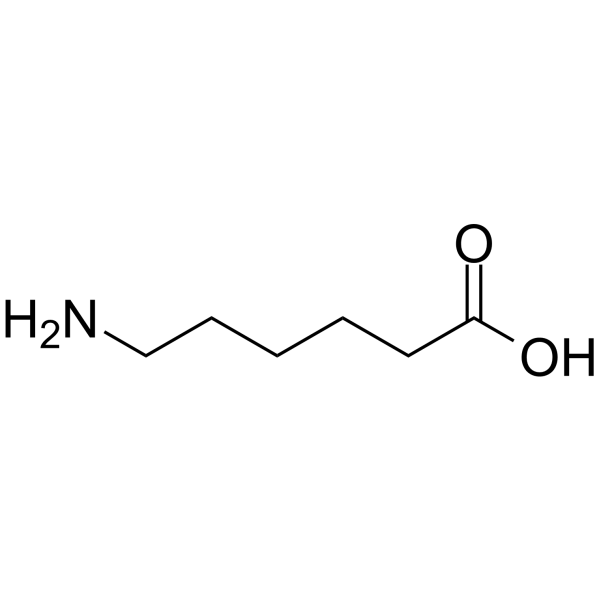
6-Aminocaproic acid (EACA), a monoamino carboxylic acid, is a potent and orally active inhibitor of plasmin and plasminogen. 6-Aminocaproic acid is a potent antifibrinolytic agent. 6-Aminocaproic acid prevents clot lysis through the competitive binding of lysine residues on plasminogen, inhibiting plasmin formation and reducing fibrinolysis. 6-Aminocaproic acid can be used for the research of bleeding disorders.
For research use only. We do not sell to patients.
- Purity : 99.96%
- CAS No.: 60-32-2
- Formula: C6H13NO2
- Molecular Weight:131.17
-
Storage:
Store at room temperature 3 years.
In solvent -80°C, 2 years , -20°C, 1 year

To place orders, for customer services and technical support, please contact: MedChemExpress USA
Tel: 609-228-6898 E-mail: [email protected] [email protected]


-
 Biological Activity
-
Chemical Information
-
Solvent & Solubility
- Purity & Documentation
- References
-
 Help & FAQs


-
HY-N4000
DigitoninDetergent -
HY-128974
N-Dodecyl-β-D-maltosideNonionic Detergent -
HY-D0856
Bis-TrisBuffer -
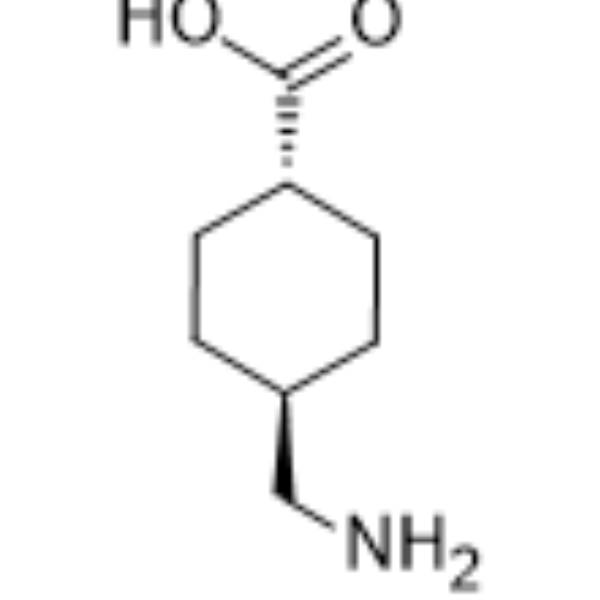
HY-B0149
Tranexamic acidHemostatic Agent -
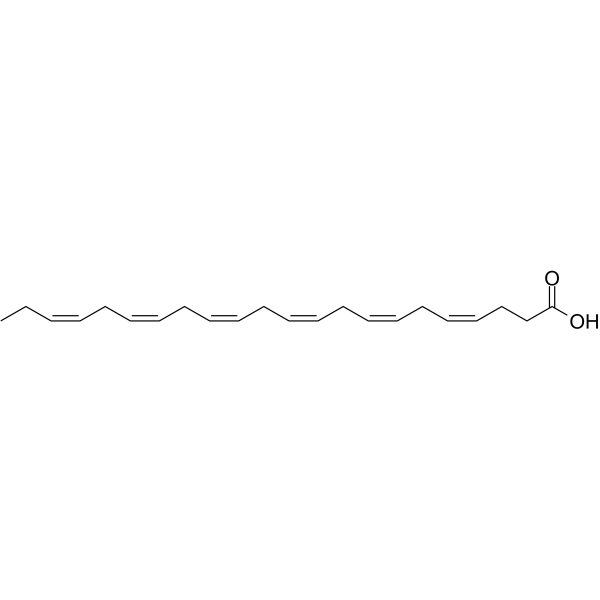
HY-B2167
Docosahexaenoic acidomega-3 Fatty Acid -
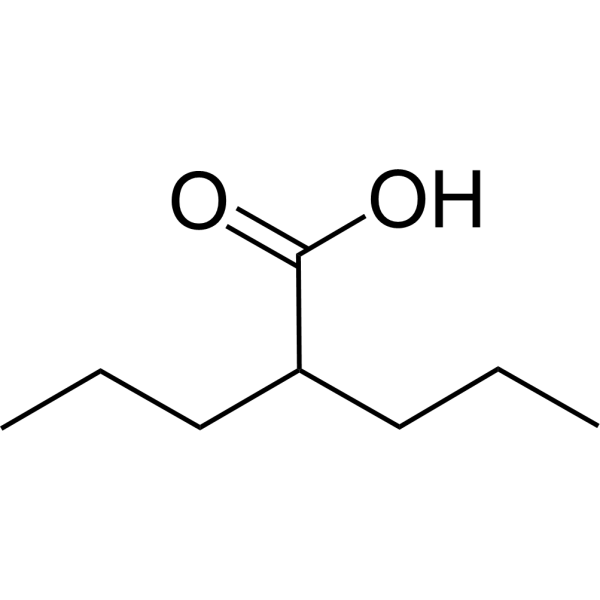
HY-10585
Valproic acidHDAC Inhibitor -
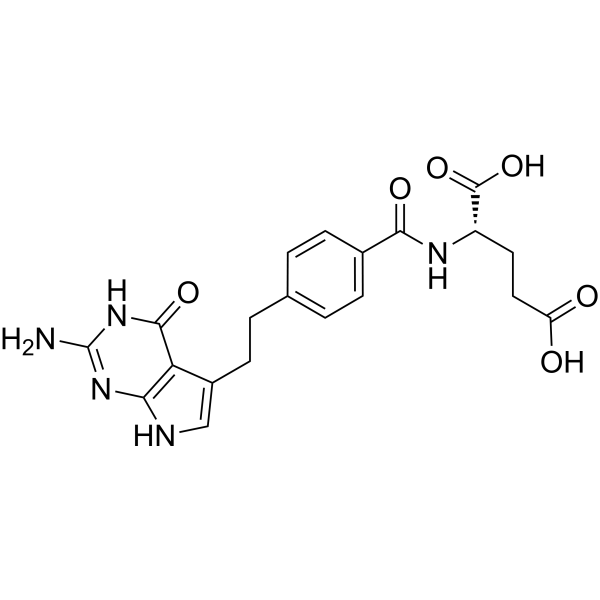
HY-10820
Pemetrexed -
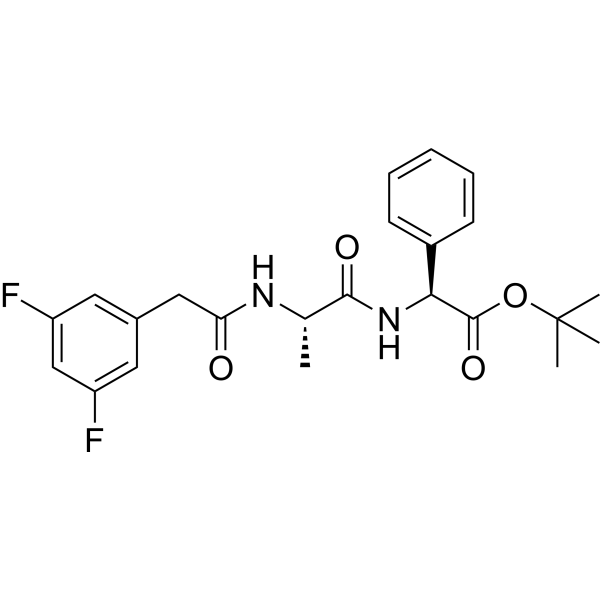
HY-13027
DAPTγ-secretase Inhibitor -
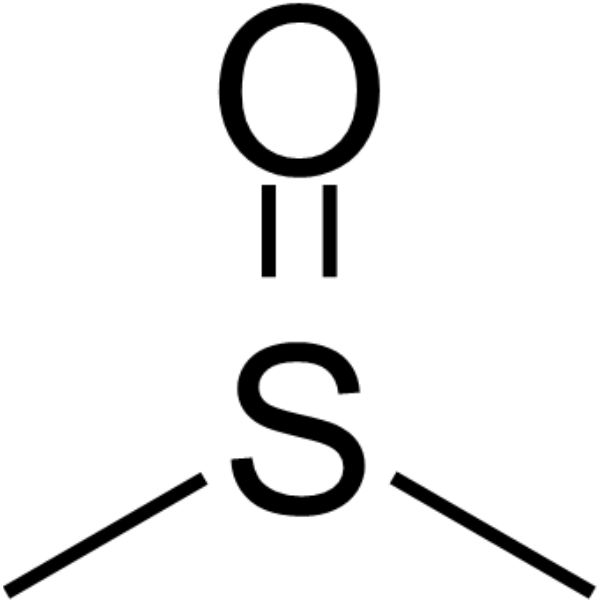
HY-Y0320
Dimethyl sulfoxide, meets analytical specification of Ch.P.Aprotic Solvent -
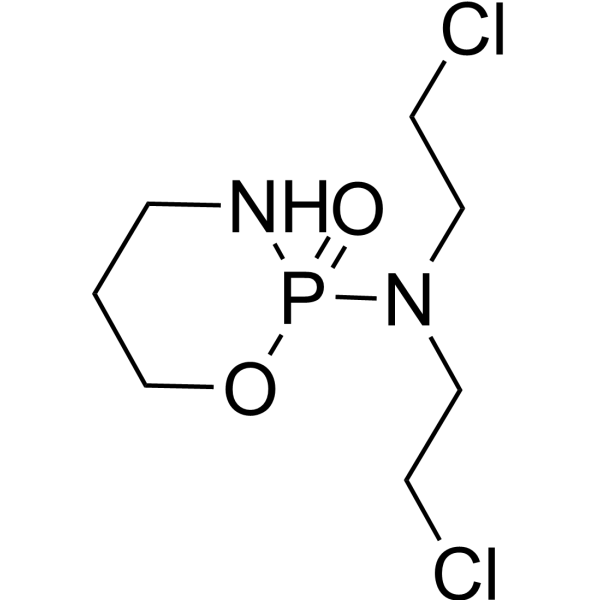
HY-17420
CyclophosphamideAlkylating Agent -
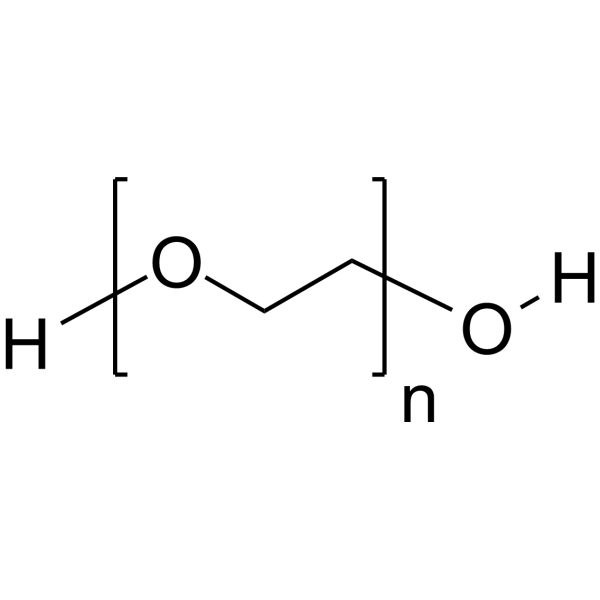
HY-Y0873
PEG300Neutral Polymer -

HY-114164
Thrombin (MW 37kDa)Procoagulant/Anticoagulant
Publications Citing Use of MedChemExpress (MCE) 6-Aminocaproic acid
More Customer Validation & Images

-
Cell Imaging/Staining
-
2D/3D Cell Culture and Differentiation
-
WB
All PROTAC Linkers Isoforms
More

Biological Activity
Description
In Vitro
6-Aminocaproic acid (20-180 μg/mL) inhibits fibrinolysis in plasma of Asian elephants, with an effective concentration of 61.5 μg/mL[2].
6-Aminocaproic acid can be used as a hydrophobic linker to improve near-infrared fluorescence imaging and photothermal cancer therapy of PEGylated indocyanine green[4].
MedChemExpress (MCE) has not independently confirmed the accuracy of these methods. They are for reference only. .
In Vivo
6-Aminocaproic acid (20-100 mg/kg; a single p.o.) is rapidly absorbed (Tmax=1 h) and eliminated rapidly in dogs[3].
MedChemExpress (MCE) has not independently confirmed the accuracy of these methods. They are for reference only.


Chemical Information
-
CAS No. 60-32-2
-
Appearance Solid
-
Molecular Weight 131.17
-
Formula C6H13NO2
-
Color White to off-white
-
SMILES
O=C(O)CCCCCN
-
Synonyms
EACA; Epsilon-Amino-n-caproic Acid; 6-Aminohexanoic acid
-
Structure Classification
-
Initial Source
-
Shipping
Room temperature in continental US; may vary elsewhere.
-
Storage
Store at room temperature 3 years
In solvent -80°C 2 years -20°C 1 year


Publications (4)
-
Journal Impact Factor
-
Most Recent
-
Nature
2025 May;641(8065):1298-1308. PMID: 40175551
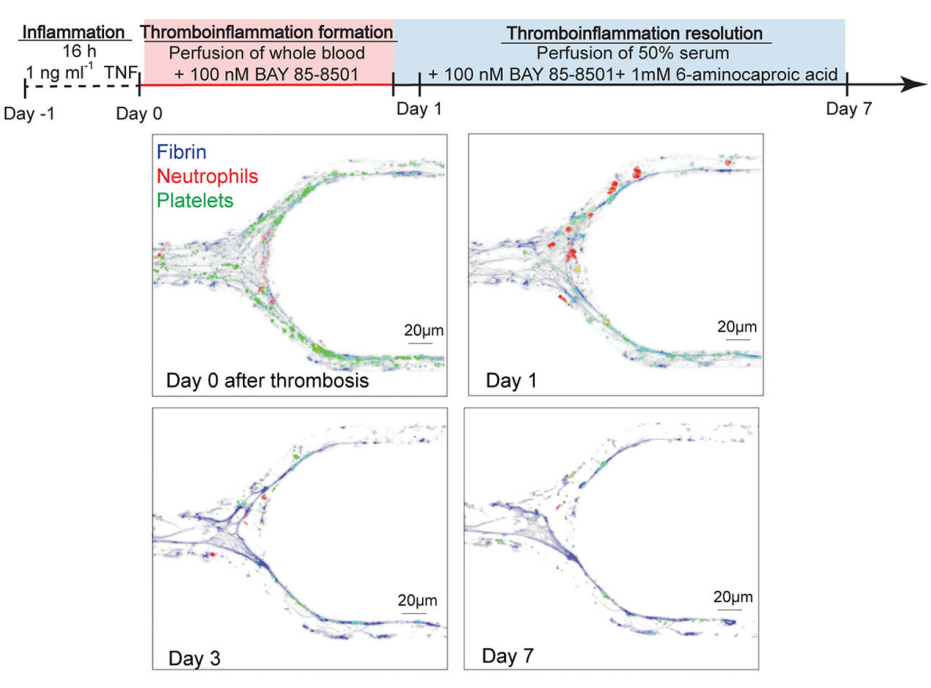
6-Aminocaproic acid purchased from MedChemExpress. Usage Cited in: Nature. 2025 May;641(8065):1298-1308. [Abstract]
Timeline for studying the role of neutrophil elastase and endogenous tPA in thromboinflammation under the 1 ng/mL TNF-α condition. Representative 3D confocal microscopy Z-stack images show that the human neutrophil elastase inhibitor BAY 85–8501 and antifibrinolytic compound 6-Aminocaproic acid (1 mM) together block fibrin degradation.
-
EMBO Mol Med
Isoginkgetin antagonizes ALS pathologies in its animal and patient iPSC models via PINK1-Parkin-dependent mitophagy. [Abstract]2025 Oct 15. PMID: 41094045 -
ACS Omega
Identification of New Modulators and Inhibitors of Palmitoyl-Protein Thioesterase 1 for CLN1 Batten Disease and Cancer. [Abstract]2024 Feb 28;9(10):11870-11882. PMID: 38496939 -
Am J Pathol
Increased matrix metalloproteinase-1 activation enhances disruption and regression of k-RasV12-expressing arteriovenous malformation-like vessels. [Abstract]2023 Sep;193(9):1319-1334. PMID: 37328101
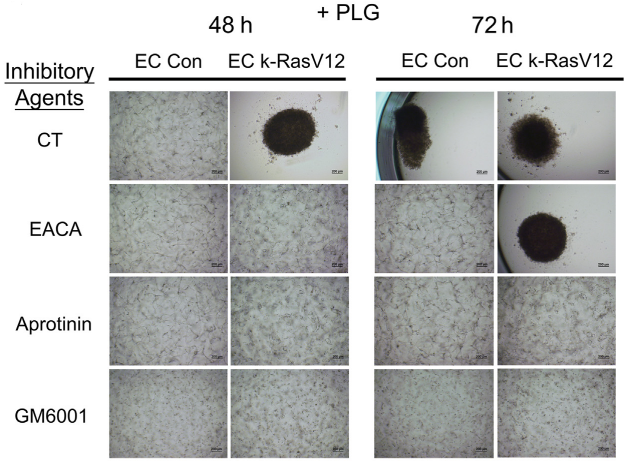
6-Aminocaproic acid purchased from MedChemExpress. Usage Cited in: Am J Pathol. 2023 Sep;193(9):1319-1334. [Abstract]
Pharmacological blockade of plasminogen-induced endothelial cell (EC) tube regression using inhibitors targeting serine proteinases and matrix metalloproteinases. Both control (Con) ECs and ECs expressing k-RasV12 were seeded in collagen matrices for 72 hours in the presence of plasminogen (PLG) (2 μg/mL) and the indicated pharmacological agents. A competitive inhibitor of plasminogen binding to cell surfaces, 6-Aminocaproic acid (EACA), was added at 100 μg/mL, a direct inhibitor of plasmin, aprotinin (Apr), was added at 1 μg/mL, and the broad spectrum MMP inhibitor, GM6001, was added at 10 μmol/L. The contraction of collagen gel was recorded and photographed.
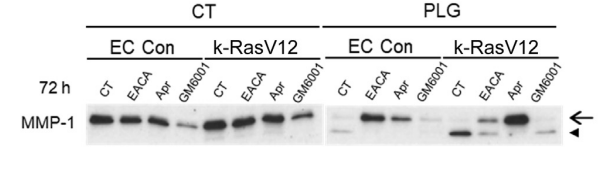
6-Aminocaproic acid purchased from MedChemExpress. Usage Cited in: Am J Pathol. 2023 Sep;193(9):1319-1334. [Abstract]
Pharmacological blockade of plasminogen-induced endothelial cell (EC) tube regression using inhibitors targeting serine proteinases and matrix metalloproteinases. Both control (Con) ECs and ECs expressing k-RasV12 were seeded in collagen matrices for 72 hours in the presence of plasminogen (PLG) (2 μg/mL) and the indicated pharmacological agents. A competitive inhibitor of plasminogen binding to cell surfaces, 6-Aminocaproic acid (EACA), was added at 100 μg/mL, a direct inhibitor of plasmin, aprotinin (Apr), was added at 1 μg/mL, and the broad spectrum MMP inhibitor, GM6001, was added at 10 μmol/L. The conditioned medium was collected and evaluated for MMP-1 expression and activation. The conditioned media were collected at 72 hours, and Western blots were performed to assess the levels of MMP-1 zymogen and activated MMP-1.


Solvent & Solubility
In Vitro:
H2O : ≥ 50 mg/mL (381.18 mM)
DMSO : < 1 mg/mL (insoluble or slightly soluble)
* "≥" means soluble, but saturation unknown.
Please refer to the solubility information to select the appropriate solvent. Once prepared, please aliquot and store the solution to prevent product inactivation from repeated freeze-thaw cycles.
Storage method and period of stock solution: -80°C, 2 years; -20°C, 1 year. When stored at -80°C, please use it within 2 years. When stored at -20°C, please use it within 1 year.
* Note: If you choose water as the stock solution, please dilute it to the working solution, then filter and sterilize it with a 0.22 μm filter before use.
Please refer to the solubility information to select the appropriate solvent. Once prepared, please aliquot and store the solution to prevent product inactivation from repeated freeze-thaw cycles.
Storage method and period of stock solution: -80°C, 2 years; -20°C, 1 year. When stored at -80°C, please use it within 2 years. When stored at -20°C, please use it within 1 year.
* Note: If you choose water as the stock solution, please dilute it to the working solution, then filter and sterilize it with a 0.22 μm filter before use.
Concentration (start) × Volume (start) = Concentration (final) × Volume (final)
In Vivo:
For the following dissolution methods, please prepare the working solution directly:
It is recommended to prepare fresh solutions and use them promptly within a short period of time.
The percentages shown for the solvents indicate their volumetric ratio in the final prepared solution. If precipitation or phase separation occurs during preparation, heat and/or sonication can be used to aid dissolution.
Add each solvent one by one: PBS
Solubility: 25 mg/mL (190.59 mM); Clear solution; Need ultrasonic


Purity & Documentation
-
Data Sheet (271 KB)
-
SDS (396 KB)
- English - EN (396 KB)
- Français - FR (396 KB)
- Deutsch - DE (396 KB)
- Norwegian - NO (396 KB)
- Español - ES (396 KB)
- Swedish - SV (396 KB)
- Italian - IT (396 KB)
- Korean - KR (396 KB)
- Portuguese - PT (396 KB)
-
Handling Instructions (2659 KB)
References
[1]. Griffin JD, et, al. Epsilon-aminocaproic acid (EACA). Semin Thromb Hemost. Summer 1978;5(1):27-40. [Content Brief]
[2]. Kaye S, et, al. EFFECT OF ε-AMINOCAPROIC ACID ON FIBRINOLYSIS IN PLASMA OF ASIAN ELEPHANTS (ELEPHAS MAXIMUS). J Zoo Wildl Med. 2016 Jun;47(2):397-404. [Content Brief]
[3]. Brown JC, et, al. Effect of aminocaproic acid on clot strength and clot lysis of canine blood determined by use of an in vitro model of hyperfibrinolysis. Am J Vet Res. 2016 Nov;77(11):1258-1265. [Content Brief]
[4]. Hu Q, et al. 6-Aminocaproic acid as a linker to improve near-infrared fluorescence imaging and photothermal cancer therapy of PEGylated indocyanine green. Colloids Surf B Biointerfaces. 2021 Jan;197:111372. [Content Brief]
[5]. Gunasekaran P, et al. N-Degron-Based PROTAC Targeting PLK1: A Potential Therapeutic Strategy for Cervical Cancer. Pharmaceutics. 2025 Aug 7;17(8):1027. [Content Brief]


Complete Stock Solution Preparation Table
Please refer to the solubility information to select the appropriate solvent. Once prepared, please aliquot and store the solution to prevent product inactivation from repeated freeze-thaw cycles.
Storage method and period of stock solution: -80°C, 2 years; -20°C, 1 year. When stored at -80°C, please use it within 2 years. When stored at -20°C, please use it within 1 year.
| Optional Solvent | Concentration Solvent Mass | 1 mg | 5 mg | 10 mg | 25 mg |
|---|---|---|---|---|---|
| H2O | 1 mM | 7.6237 mL | 38.1185 mL | 76.2369 mL | 190.5924 mL |
| 5 mM | 1.5247 mL | 7.6237 mL | 15.2474 mL | 38.1185 mL | |
| 10 mM | 0.7624 mL | 3.8118 mL | 7.6237 mL | 19.0592 mL | |
| 15 mM | 0.5082 mL | 2.5412 mL | 5.0825 mL | 12.7062 mL | |
| 20 mM | 0.3812 mL | 1.9059 mL | 3.8118 mL | 9.5296 mL | |
| 25 mM | 0.3049 mL | 1.5247 mL | 3.0495 mL | 7.6237 mL | |
| 30 mM | 0.2541 mL | 1.2706 mL | 2.5412 mL | 6.3531 mL | |
| 40 mM | 0.1906 mL | 0.9530 mL | 1.9059 mL | 4.7648 mL | |
| 50 mM | 0.1525 mL | 0.7624 mL | 1.5247 mL | 3.8118 mL | |
| 60 mM | 0.1271 mL | 0.6353 mL | 1.2706 mL | 3.1765 mL | |
| 80 mM | 0.0953 mL | 0.4765 mL | 0.9530 mL | 2.3824 mL | |
| 100 mM | 0.0762 mL | 0.3812 mL | 0.7624 mL | 1.9059 mL |
* Note: If you choose water as the stock solution, please dilute it to the working solution, then filter and sterilize it with a 0.22 μm filter before use.


6-Aminocaproic acid Related Classifications
HY-B0236 Related Classifications
 Powered by Bioz