Search Result
Results for "
Prostate cancer imaging
" in MedChemExpress (MCE) Product Catalog:
-
- HY-125399
-
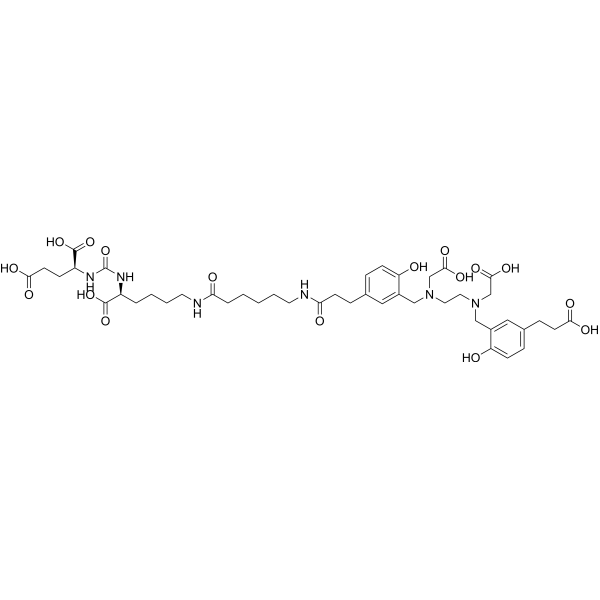
PSMA-11
1 Publications Verification
HBED-CC-PSMA
|
PSMA
Radionuclide-Drug Conjugates (RDCs)
|
Cancer
|
|
PSMA-11 is a small molecule ligand that targets prostate-specific membrane antigen (PSMA) and has the ability to inhibit PSMA activity. PSMA-11 can be used to synthesize 68Ga-PSMA-11, a positron emission tomography (PET) tracer that can be used to image advanced prostate cancer .
|
-
-
- HY-148761
-
|
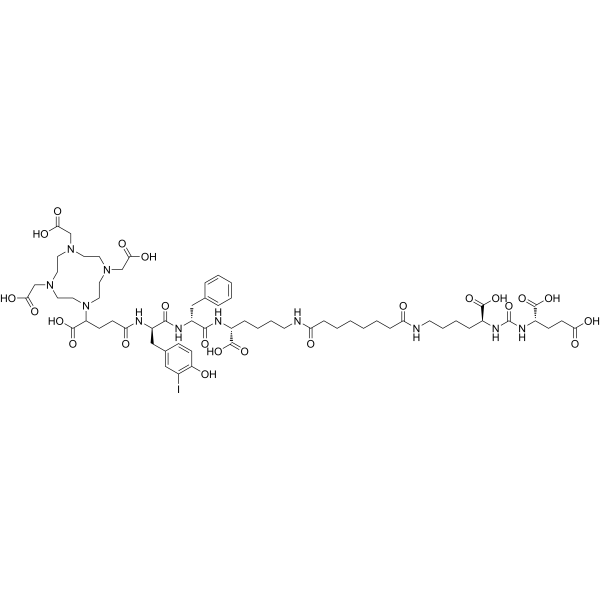
PSMA I&T; PNT-2002
|
PSMA
|
Cancer
|
|
PSMA I&T is an effective inhibitor of prostate-specific membrane antigen (PSMA). PSMA I&T can be used for SPECT/CT imaging and radionuclide studies in triple-negative breast cancer and prostate cancer (PCa) .
|
-
-
- HY-20167A
-
|
|
Neurokinin Receptor
|
Cancer
|
|
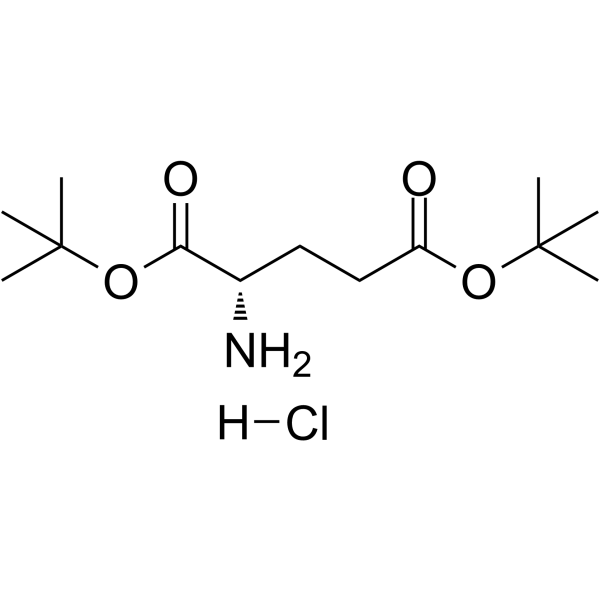
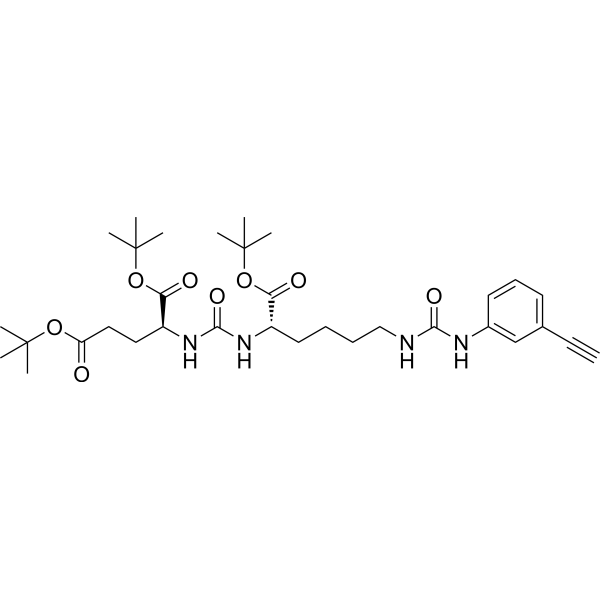
H-Glu(OtBu)-OtBu hydrochloride is a key intermediate that can be used to synthesize prostate-specific membrane antigen (PSMA) targeting probes. H-Glu(OtBu)-OtBu hydrochloride can reduce nonspecific background binding through negatively charged linkers, improve tumor/background contrast, and can be used in prostate cancer PET/SPECT imaging studies .
|
-
-
- HY-117756
-
|
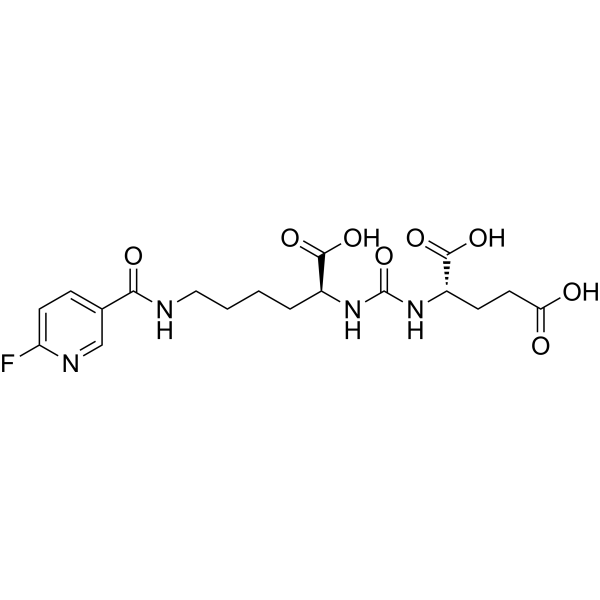
DCFPYL
|
PSMA
|
Cancer
|
|
Piflufolastat (DCFPYL) can be used for the preparation of piflufolastat F 18 (DCFPyL F-18). Piflufolastat F-18 (DCFPyL F-18) is an 18F-labeled imaging agent. Piflufolastat F-18 can be used for positron emission tomography (PET) targeting prostate-specific membrane antigen (PSMA). Piflufolastat can be used for imaging of prostate cancer .
|
-
-
- HY-P5290
-
|
|
Radionuclide-Drug Conjugates (RDCs)
PSMA
|
Cancer
|
|
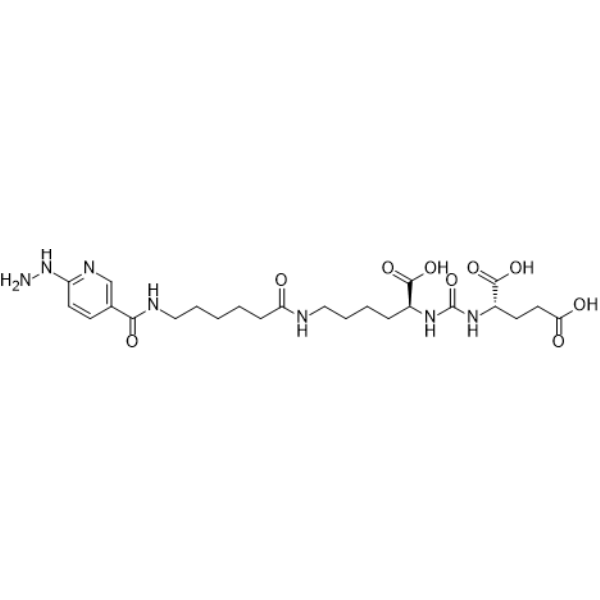
HYNIC-PSMA is a ligand for molecular imaging of tumors. Hynic-psma consists of two components: HYNIC (6-hydrazinonicotinamide) and PSMA (Prostate-Specific Membrane Antigen). HYNIC is a compound used to attach radioactive isotopes to targeted molecules, such as 188Re-HYNIC-PSMA. PSMA is a membrane antigen that is specifically expressed on the surface of prostate cancer cells. HYNIC-PSMA can be used in prostate cancer research . HYNIC-PSMA can be used for the synthesis/research of Radionuclide-Drug Conjugates (RDCs).
|
-
-
- HY-148152A
-
|
|
PSMA
|
Cancer
|
|
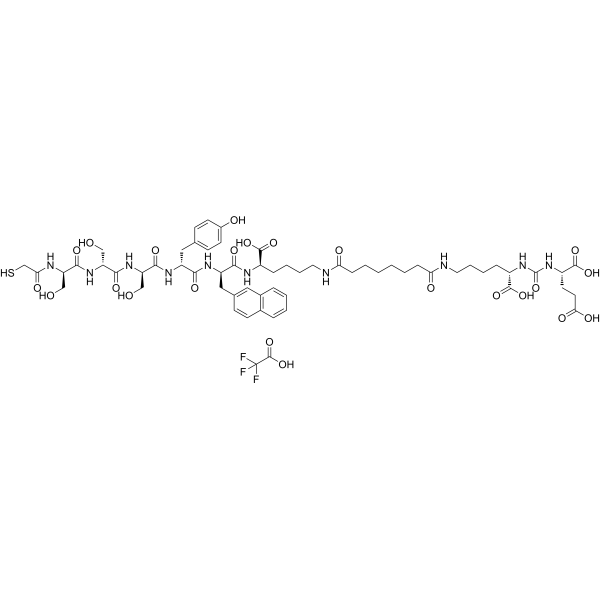
PSMA I&S TFA is a PSMA-targeted imaging agent. PSMA I&S TFA undergoes PSMA-mediated internalization into PSMA-expressing cells, with uptake into PSMA-positive tissues competitively inhibited by a potent PSMA inhibitor. PSMA I&S TFA can be used for the research of prostate cancer .
|
-
-
- HY-159768A
-
|
|
Radionuclide-Drug Conjugates (RDCs)
FAP
|
Neurological Disease
Cancer
|
|
DOTAGA.Glu.(FAPi) 2 is a FAPI homodimer in which a central glutamic acid (Glu) linker connects FAPI and a chelator. Radiolabeled with gallium- 68, lutetium- 177 or terbium- 161, DOTAGA.Glu.(FAPi) 2 is applicable to FAP-positive cancer PET imaging studies. DOTAGA.Glu.(FAPi) 2 is suitable for research related to prostate adenocarcinoma and recurrent glioblastoma multiforme .
|
-

-
- HY-P10896
-
|
|
Bombesin Receptor
|
Cancer
|
|
NOTA-P2-RM26 is an antagonist of Bombesin (HY-P0195) analogs, and the gastrin-releasing peptide receptor (GRPR/BB2) is a molecular target for prostate cancer visualization. NOTA-P2-RM26 is labeled with 111In and 68Ga for prostate cancer imaging studies using PET and SPECT/CT .
|
-

-
- HY-P5292A
-
|
|
Radionuclide-Drug Conjugates (RDCs)
PSMA
|
Cancer
|
|
HYNIC-iPSMA TFA is a ligand for molecular imaging of tumors. Hynic-ipsma consists of two components: HYNIC (6-hydrazinonicotinamide) and iPSMA (Inhibitor of Prostate-Specific Membrane Antigen). HYNIC is a compound used to attach radioactive isotopes to targeted molecules. iPSMA is a specific inhibitor used to inhibit prostate-specific membrane antigen (PSMA). 68GA-labeled iPSMA has been used to detect prostate cancer by PET imaging. The further 99mTc-EDDA/HYNIC-iPSMA TFA has excellent specificity and sensitivity . HYNIC-iPSMA TFA can be used for the synthesis/research of Radionuclide-Drug Conjugates (RDCs).
|
-

-
- HY-175744
-
|
|
PSMA
|
Cancer
|
|
PSMA-MAL-5 is a PSMA ligand. PSMA-MAL-5 covalently binds to Cys466 of PSMA. PSMA-MAL-5 labeled with 177Lu and 225Ac has high radiostability and tumor uptake. PSMA-MAL-5 also effectively inhibits tumor growth. PSMA-MAL-5 can be used for SPECT/CT imaging and radionuclide therapy of prostate cancer .
|
-

-
- HY-P5413
-
|
|
Cholecystokinin Receptor
|
Others
|
|
[Lys3]-Bombesin is a biological active peptide. (PET (Positron Emission Tomography) imaging of [Lys3]-bombesin is able to detect gastrin-releasing peptide receptor (GRPR) positive prostate cancer. An immunoconjugate of [Lys3]-bombesin and corresponding monoclonal antibody can specifically induce (CD64)-dependent monocyte and neutrophil-mediated lysis of small cell carcinoma.)
|
-
![[Lys3]-Bombesin](//file.medchemexpress.com/product_pic/hy-p5413.gif)
-
- HY-158118
-
|
|
DNA-PK
|
Cancer
|
|
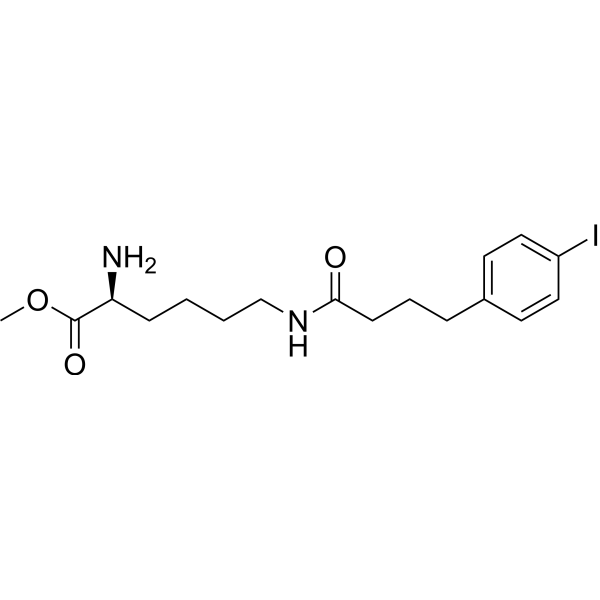
Lys(CO-C3-p-I-Ph)-OMe is a pharmacokinetic modifier (PK modifier) that can improve the PK properties of PSMA ligand molecules (such as Ac-PSMA-trillium). Lys(CO-C3-p-I-Ph)-OMe can increase the residence time of Ac-PSMA-trillium in plasma by increasing its binding capacity to albumin. Lys(CO-C3-p-I-Ph)-OMe also reduces salivary gland absorption of Ac-PSMA-trillium, potentially extending its half-life. Ac-PSMA-trillium is a suitable PSMA-targeting compound that has different biological applications after modification with different radioactive isotopes. If labeled with 111In, it can be used as DOTA chelating agent and imaging agent. Or labeled with 225Ac as a Macropa chelator for targeted radionuclide therapy (TRT) in the study of metastatic castration-resistant prostate cancer (mCRPC) .
|
-
-
- HY-P5292
-
|
|
Radionuclide-Drug Conjugates (RDCs)
PSMA
|
Cancer
|
|
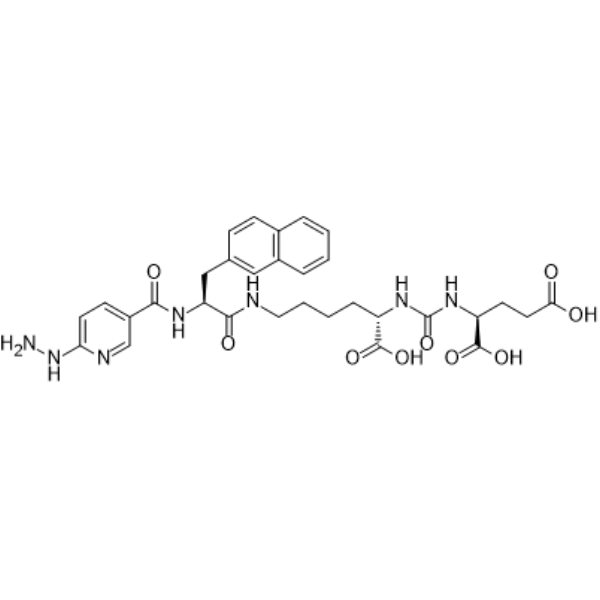
HYNIC-iPSMA is a ligand for molecular imaging of tumors. Hynic-ipsma consists of two components: HYNIC (6-hydrazinonicotinamide) and iPSMA (Inhibitor of Prostate-Specific Membrane Antigen). HYNIC is a compound used to attach radioactive isotopes to targeted molecules. iPSMA is a specific inhibitor used to inhibit prostate-specific membrane antigen (PSMA). 68GA-labeled iPSMA has been used to detect prostate cancer by PET imaging. The further 99mTc-EDDA/HYNIC-iPSMA has excellent specificity and sensitivity . HYNIC-iPSMA can be used for the synthesis/research of Radionuclide-Drug Conjugates (RDCs).
|
-
-
- HY-158125
-
|
|
PSMA
|
Cancer
|
|
PSMA binder-2 is a ligand for PSMA and can be used to synthesize Ac-PSMA-trillium. Ac-PSMA-trillium is a suitable PSMA-targeting compound with improved PSMA binding properties and pharmacokinetic properties. PSMA ligands have different biological applications after being modified with different radioactive isotopes. If labeled with 111In, it can be used as DOTA chelating agent and imaging agent. Or labeled with 225Ac as a Macropa chelator for targeted radionuclide therapy (TRT) in the study of metastatic castration-resistant prostate cancer (mCRPC) .
|
-
-
- HY-P11310
-
|
|
PSMA
|
Cancer
|
|
PSMA-1-SMCC is a selective binding agent targeting Prostate-Specific Membrane Antigen (PSMA). PSMA-1-SMCC is promising for research of targeted imaging for prostate cancer .
|
-

-
- HY-174808
-
-

-
- HY-149869
-
|
|
PSMA
|
Cancer
|
|
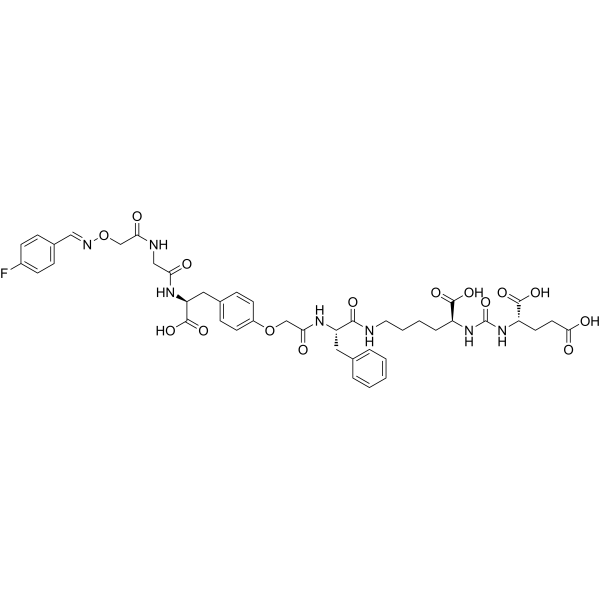
PSMA-IN-3 (compound 17) is a novel high-affinity PSMA inhibitor with an IC50 value of 13 nM. PSMA-IN-3 is suitable for developing an 18F-labeled radioligand for PET imaging of PSMA in prostate cancer .
|
-
-
- HY-P10743
-
|
|
Radionuclide-Drug Conjugates (RDCs)
PSMA
|
Cancer
|
|
BQ7876 is a probe targeting prostate-specific membrane antigen (PSMA) that contains a DOTA chelator. BQ7876, after being radiolabeled with radionuclide (177Lu), functions in both radionuclide imaging and tumor cell destruction by specifically binding to PSMA. BQ7876 shows potential for research in the field of metastatic castration-resistant prostate cancer (mCRPC) . BQ7876 can be used for the synthesis/research of Radionuclide-Drug Conjugates (RDCs).
|
-

-
- HY-149298
-
|
|
PSMA
|
Cancer
|
|
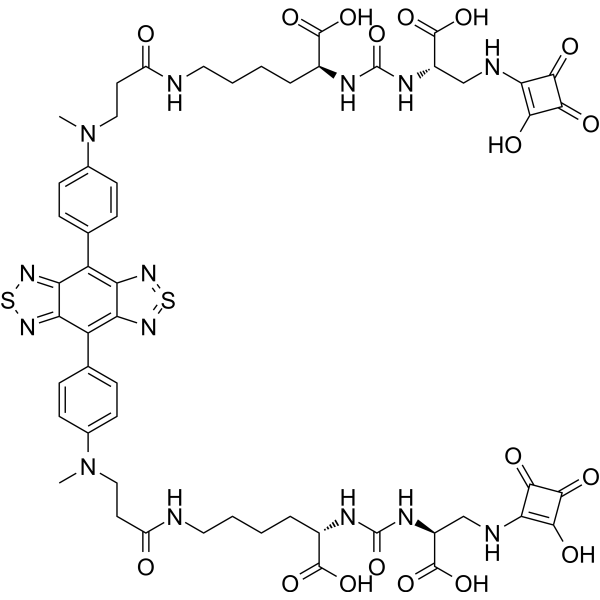
PSMA-IN-2 is an inhibitor of PSMA with a Ki value of 1.07 nM. PSMA-IN-2 displays favorable in vivo NIR imaging (λEM = 1088 nm, λex = 808 nm), and can be used for NIRII image-guided tumor resection surgery in PSMA-positive tumor-bearing mice .
|
-
-
- HY-P991650
-
|
|
PSMA
|
Cancer
|
|
MDX1201 is a humanized monoclonal antibody targeting PSMA1/7. MDX1201 conjugated with a fluorescent dye AlexaTM488 can be used as a probe for near-infrared fluorescence imaging (NIRF) imaging of prostate cancer .
|
-

-
- HY-158251
-
|
|
PARP
|
Cancer
|
|
BIBD-300 is a PARP-1 imaging agent with high affinity for PARP-1. BIBD-300 can accurately localize C6 and U87MG tumors, which can be used for research in the diagnosis of breast cancer, prostate cancer, glioma, and liver cancer .
|
-

-
- HY-P10744
-
|
|
Radionuclide-Drug Conjugates (RDCs)
PSMA
|
Cancer
|
|
BQ7859 is a probe targeting PSMA that contains a NOTA chelator and demonstrates excellent imaging performance. BQ7859 can be labeled with various radionuclides, such as 68Ga, 18F, 55Co, and 111In. In a mouse prostate cancer xenograft model, BQ7859 (labeled with 111In) efficiently accumulates in tumor regions in a PSMA-dependent manner and provides high-contrast tumor imaging. BQ7859 shows potential for research in prostate cancer imaging, particularly in positron emission tomography (PET) and single-photon emission computed tomography (SPECT) . BQ7859 can be used for the synthesis/research of Radionuclide-Drug Conjugates (RDCs).
|
-

-
- HY-121659
-
|
|
PSMA
|
Cancer
|
|
DCFBC is a prostate-specific membrane antigen (PSMA) inhibitor that can be used for small animal positron emission tomography (PET) imaging. DCFBC labeled with F 18 ([18F]DCFBC) can images in severe combined immunodeficient mice. [18F]DCFBC uptake is higher in PIP tumors, but almost absent in FLU tumors. [18F]DCFBC uptake is also high in the kidney and bladder, but the radioactivity washout time is shorter than that in PIP tumors. Indicating that [18F]DCFBC can specifically localize to PSMA+ expressing tumors and is applicable to the study of prostate cancer .
|
-

-
- HY-181696
-
|
|
PSMA
|
Cancer
|
|
EC0652 is a PSMA imaging agent with SPECT imaging capability. EC0652 can be used for the research of metastatic castration-resistant prostate cancer .
|
-

-
- HY-185167
-
|
|
|
Cancer
|
|
PSMA-1-DOTA is a prostate-specific membrane antigen (PSMA) binder with high affinity, enables targeted radionuclide delivery for imaging and therapy. PSMA-1-DOTA acts as a tumor growth inhibitor that reduces growth of PSMA-expressing prostate cancer tumors .
|
-

-
- HY-180308
-
|
|
PSMA
|
Cancer
|
|
Flotufolastat is a prostate-specific membrane antigen (PSMA) modulator. Flotufolastat is also a radiodiagnostic agent used in prostate cancer imaging. Flotufolastat can be used in research on prostate cancer and other cancers .
|
-

-
- HY-P11591
-
|
PSMA-DOTA-PEI2
|
Radionuclide-Drug Conjugates (RDCs)
PSMA
|
Cancer
|
|
PDI2 (PSMA-DOTA-PEI2) is a prostate-specific membrane antigen (PSMA) ligand that acts as a tumor retention agent, renal uptake reducer, imaging agent and antitumor agent, applicable in SPECT diagnostic imaging and radiotheranostics. PDI2 specifically binds to PSMA on prostate cancer cells, enters cells via clathrin-dependent endocytosis, and exhibits higher tumor retention rate and lower renal uptake level. PDI2 is applicable in research related to prostate cancer and castration-resistant metastatic prostate cancer .
|
-

-
- HY-P11598
-
|
|
PSMA
|
Cancer
|
|
PSMA-N5 (Compound 15) is a PSMA ligand with a Ki value of 0.71 nM. PSMA-N5 acts as a PET radiotracer for prostate cancer imaging. PSMA-N5 is applicable to the research of prostate cancer and other related cancers .
|
-

-
- HY-179330
-
|
|
Fluorescent Dye
|
Cancer
|
|
PSMA-1092 is a fluorescence probe targeting prostate-specific membrane antigen (PSMA) with a Ki of 80 pM. PSMA-1092 can be used for tumor localization and imaging, such as prostate cancer .
|
-

-
- HY-178248
-
|
|
PSMA
|
Cancer
|
|
PSMA ligand 2 is a prostate specific membrane antigen (PSMA) ligand with a glutamate-urea-lysine (GUL) moiety. PSMA ligand 2 can be efficiently labeled with radioactive nuclides such as 68Ga and 177Lu and specifically binds to PSMA-positive tumor cells. PSMA ligand 2 can be used for imaging of PSMA-expressing tumors or cells via PET or SPECT imaging. PSMA ligand 2 can be used for the research of prostate cancer .
|
-

-
- HY-D3353
-
|
|
PSMA
|
Cancer
|
|
PSMA-SulfoCy7 is a high-affinity imaging agent targeting PSMA/GCPII (with a Ki of 18.1 nM for human PSMA). PSMA-SulfoCy7 regulates PSMA-dependent NAAG hydrolysis. PSMA-SulfoCy7 exhibits excellent in vivo imaging capability, enabling clear visualization of PSMA-expressing tumors in xenograft models, with no obvious toxicity even at a dose of 87.9 mg/kg. PSMA-SulfoCy7 is widely used in prostate cancer-related studies .
|
-

-
- HY-181853
-
|
|
Radionuclide-Drug Conjugates (RDCs)
PSMA
|
Cancer
|
|
NOTA-SP₂A-PSMAL is a ligand targeting prostate-specific membrane antigen (PSMA), which competitively binds to PSMA with high binding affinity and an IC50 value of 0.26 nM. 18F-labeled NOTA-SP2A-PSMAL can be used as a PET tracer for positron emission tomography imaging of prostate cancer. NOTA-SP2A-PSMAL can be used for the synthesis and research of radionuclide conjugates (RDCs) .
|
-

-
- HY-181285
-
|
|
Methionine Adenosyltransferase (MAT)
|
Cancer
|
|
MAT2A ligand 1 is a MAT2A ligand inhibitor (IC50=29.5 nM) and PET tracer that crosses the blood-brain barrier. MAT2A ligand 1 enables non-invasive imaging of MAT2A-expressing tumors, with rapid tumor uptake equilibrium, a high tumor-to-muscle ratio, and specific tumor-binding properties. MAT2A ligand 1 is applicable to research related to non-small cell lung cancer, hepatocellular carcinoma, colorectal cancer, gastric cancer, glioblastoma, pancreatic adenocarcinoma, urothelial carcinoma, breast cancer, and prostate cancer .
|
-

-
- HY-D3189
-
|
|
Fluorescent Dye
PSMA
|
Cancer
|
|
5GluAF-2MeTG is an activatable fluorescent probe targeting the glutamate carboxypeptidase (CP) activity of PSMA (Ex/Em=490/500-600 nm). After being hydrolyzed by PSMA, 5GluAF-2MeTG releases a cell membrane-permeable fluorescent product, and achieves fluorescence activation by disrupting donor-excited photoinduced electron transfer (d-PeT). 5GluAF-2MeTG enables fluorescence imaging of live PSMA-expressing prostate cancer cells in vitro and visualizes the carboxypeptidase activity of PSMA. 5GluAF-2MeTG can be used to detect prostate cancer regions in preclinical excised tissue specimens .
|
-

-
- HY-P992449
-
|
PRLR ADC antibody
|
ADC Antibody
|
Cancer
|
|
REGN2878 (PRLR ADC antibody) is a monoclonal antibody targeting the prolactin receptor (PRLR) and can block prolactin‑mediated activation of PRLR. REGN2878 exhibits an equilibrium dissociation constant (KD) of 1.05 nM and an IC50 of 0.344 nM for human PRLR. REGN2878 can be rapidly internalized and degraded in lysosomes by PRLR‑positive tumor cells, showing antigen‑specific binding and targeted enrichment properties. REGN2878 derivatives can be used as an immunoPET agent for antigen‑specific imaging of PRLR‑related tumors, and can also serve as a component of ADCs to exert anti‑tumor activity in breast cancer xenograft models. REGN2878 can be used in the research of breast cancer and prostate cancer. Isotype Comparison HY-P99001 .
|
-

-
- HY-P11768
-
|
|
Bombesin Receptor
|
Cancer
|
|
AMBA is a gastrin-releasing peptide receptor (GRPR, BB2, BRS-2) ligand. AMBA binds to GRPR with high specificity and high affinity, and undergoes receptor-mediated endocytosis, which retains the conjugated radiometal in target cells. AMBA is applicable for the research of prostate cancer .
|
-

-
- HY-P992094
-
|
|
PSMA
|
Cancer
|
|
Capromab is an anti-human PSMA-targeting monoclonal antibody. Capromab binds specifically to the intracellular domain of PSMA, does not undergo internalization after binding, and targets necrotic cells with disrupted membranes. Capromab can be used for the research of prostate cancer .
|
-

-
- HY-D3353
-
|
|
蛍光色素
|
|
PSMA-SulfoCy7 is a high-affinity imaging agent targeting PSMA/GCPII (with a Ki of 18.1 nM for human PSMA). PSMA-SulfoCy7 regulates PSMA-dependent NAAG hydrolysis. PSMA-SulfoCy7 exhibits excellent in vivo imaging capability, enabling clear visualization of PSMA-expressing tumors in xenograft models, with no obvious toxicity even at a dose of 87.9 mg/kg. PSMA-SulfoCy7 is widely used in prostate cancer-related studies .
|
-
- HY-D3189
-
|
|
蛍光色素
|
|
5GluAF-2MeTG is an activatable fluorescent probe targeting the glutamate carboxypeptidase (CP) activity of PSMA (Ex/Em=490/500-600 nm). After being hydrolyzed by PSMA, 5GluAF-2MeTG releases a cell membrane-permeable fluorescent product, and achieves fluorescence activation by disrupting donor-excited photoinduced electron transfer (d-PeT). 5GluAF-2MeTG enables fluorescence imaging of live PSMA-expressing prostate cancer cells in vitro and visualizes the carboxypeptidase activity of PSMA. 5GluAF-2MeTG can be used to detect prostate cancer regions in preclinical excised tissue specimens .
|
-
- HY-20167A
-
|
|
Neurokinin Receptor
|
Cancer
|
|
H-Glu(OtBu)-OtBu hydrochloride is a key intermediate that can be used to synthesize prostate-specific membrane antigen (PSMA) targeting probes. H-Glu(OtBu)-OtBu hydrochloride can reduce nonspecific background binding through negatively charged linkers, improve tumor/background contrast, and can be used in prostate cancer PET/SPECT imaging studies .
|
-
- HY-P5290
-
|
|
Radionuclide-Drug Conjugates (RDCs)
PSMA
|
Cancer
|
|
HYNIC-PSMA is a ligand for molecular imaging of tumors. Hynic-psma consists of two components: HYNIC (6-hydrazinonicotinamide) and PSMA (Prostate-Specific Membrane Antigen). HYNIC is a compound used to attach radioactive isotopes to targeted molecules, such as 188Re-HYNIC-PSMA. PSMA is a membrane antigen that is specifically expressed on the surface of prostate cancer cells. HYNIC-PSMA can be used in prostate cancer research . HYNIC-PSMA can be used for the synthesis/research of Radionuclide-Drug Conjugates (RDCs).
|
-
- HY-P10896
-
|
|
Bombesin Receptor
|
Cancer
|
|
NOTA-P2-RM26 is an antagonist of Bombesin (HY-P0195) analogs, and the gastrin-releasing peptide receptor (GRPR/BB2) is a molecular target for prostate cancer visualization. NOTA-P2-RM26 is labeled with 111In and 68Ga for prostate cancer imaging studies using PET and SPECT/CT .
|
-
- HY-P5292A
-
|
|
Radionuclide-Drug Conjugates (RDCs)
PSMA
|
Cancer
|
|
HYNIC-iPSMA TFA is a ligand for molecular imaging of tumors. Hynic-ipsma consists of two components: HYNIC (6-hydrazinonicotinamide) and iPSMA (Inhibitor of Prostate-Specific Membrane Antigen). HYNIC is a compound used to attach radioactive isotopes to targeted molecules. iPSMA is a specific inhibitor used to inhibit prostate-specific membrane antigen (PSMA). 68GA-labeled iPSMA has been used to detect prostate cancer by PET imaging. The further 99mTc-EDDA/HYNIC-iPSMA TFA has excellent specificity and sensitivity . HYNIC-iPSMA TFA can be used for the synthesis/research of Radionuclide-Drug Conjugates (RDCs).
|
-
- HY-P5413
-
|
|
Cholecystokinin Receptor
|
Others
|
|
[Lys3]-Bombesin is a biological active peptide. (PET (Positron Emission Tomography) imaging of [Lys3]-bombesin is able to detect gastrin-releasing peptide receptor (GRPR) positive prostate cancer. An immunoconjugate of [Lys3]-bombesin and corresponding monoclonal antibody can specifically induce (CD64)-dependent monocyte and neutrophil-mediated lysis of small cell carcinoma.)
|
-
- HY-P5292
-
|
|
Radionuclide-Drug Conjugates (RDCs)
PSMA
|
Cancer
|
|
HYNIC-iPSMA is a ligand for molecular imaging of tumors. Hynic-ipsma consists of two components: HYNIC (6-hydrazinonicotinamide) and iPSMA (Inhibitor of Prostate-Specific Membrane Antigen). HYNIC is a compound used to attach radioactive isotopes to targeted molecules. iPSMA is a specific inhibitor used to inhibit prostate-specific membrane antigen (PSMA). 68GA-labeled iPSMA has been used to detect prostate cancer by PET imaging. The further 99mTc-EDDA/HYNIC-iPSMA has excellent specificity and sensitivity . HYNIC-iPSMA can be used for the synthesis/research of Radionuclide-Drug Conjugates (RDCs).
|
-
- HY-P11310
-
|
|
PSMA
|
Cancer
|
|
PSMA-1-SMCC is a selective binding agent targeting Prostate-Specific Membrane Antigen (PSMA). PSMA-1-SMCC is promising for research of targeted imaging for prostate cancer .
|
-
- HY-P10743
-
|
|
Radionuclide-Drug Conjugates (RDCs)
PSMA
|
Cancer
|
|
BQ7876 is a probe targeting prostate-specific membrane antigen (PSMA) that contains a DOTA chelator. BQ7876, after being radiolabeled with radionuclide (177Lu), functions in both radionuclide imaging and tumor cell destruction by specifically binding to PSMA. BQ7876 shows potential for research in the field of metastatic castration-resistant prostate cancer (mCRPC) . BQ7876 can be used for the synthesis/research of Radionuclide-Drug Conjugates (RDCs).
|
-
- HY-P10744
-
|
|
Radionuclide-Drug Conjugates (RDCs)
PSMA
|
Cancer
|
|
BQ7859 is a probe targeting PSMA that contains a NOTA chelator and demonstrates excellent imaging performance. BQ7859 can be labeled with various radionuclides, such as 68Ga, 18F, 55Co, and 111In. In a mouse prostate cancer xenograft model, BQ7859 (labeled with 111In) efficiently accumulates in tumor regions in a PSMA-dependent manner and provides high-contrast tumor imaging. BQ7859 shows potential for research in prostate cancer imaging, particularly in positron emission tomography (PET) and single-photon emission computed tomography (SPECT) . BQ7859 can be used for the synthesis/research of Radionuclide-Drug Conjugates (RDCs).
|
-
- HY-181696
-
|
|
PSMA
|
Cancer
|
|
EC0652 is a PSMA imaging agent with SPECT imaging capability. EC0652 can be used for the research of metastatic castration-resistant prostate cancer .
|
-
- HY-P11591
-
|
PSMA-DOTA-PEI2
|
Radionuclide-Drug Conjugates (RDCs)
PSMA
|
Cancer
|
|
PDI2 (PSMA-DOTA-PEI2) is a prostate-specific membrane antigen (PSMA) ligand that acts as a tumor retention agent, renal uptake reducer, imaging agent and antitumor agent, applicable in SPECT diagnostic imaging and radiotheranostics. PDI2 specifically binds to PSMA on prostate cancer cells, enters cells via clathrin-dependent endocytosis, and exhibits higher tumor retention rate and lower renal uptake level. PDI2 is applicable in research related to prostate cancer and castration-resistant metastatic prostate cancer .
|
-
- HY-P11598
-
|
|
PSMA
|
Cancer
|
|
PSMA-N5 (Compound 15) is a PSMA ligand with a Ki value of 0.71 nM. PSMA-N5 acts as a PET radiotracer for prostate cancer imaging. PSMA-N5 is applicable to the research of prostate cancer and other related cancers .
|
-
- HY-P11768
-
|
|
Bombesin Receptor
|
Cancer
|
|
AMBA is a gastrin-releasing peptide receptor (GRPR, BB2, BRS-2) ligand. AMBA binds to GRPR with high specificity and high affinity, and undergoes receptor-mediated endocytosis, which retains the conjugated radiometal in target cells. AMBA is applicable for the research of prostate cancer .
|
| 製品番号 |
製品名 |
Target |
研究分野 |
Image |
-
- HY-P991650
-
|
|
PSMA
|
Cancer
|
|
MDX1201 is a humanized monoclonal antibody targeting PSMA1/7. MDX1201 conjugated with a fluorescent dye AlexaTM488 can be used as a probe for near-infrared fluorescence imaging (NIRF) imaging of prostate cancer .
|
-

(5)
-
- HY-P992449
-
|
PRLR ADC antibody
|
ADC Antibody
|
Cancer
|
|
REGN2878 (PRLR ADC antibody) is a monoclonal antibody targeting the prolactin receptor (PRLR) and can block prolactin‑mediated activation of PRLR. REGN2878 exhibits an equilibrium dissociation constant (KD) of 1.05 nM and an IC50 of 0.344 nM for human PRLR. REGN2878 can be rapidly internalized and degraded in lysosomes by PRLR‑positive tumor cells, showing antigen‑specific binding and targeted enrichment properties. REGN2878 derivatives can be used as an immunoPET agent for antigen‑specific imaging of PRLR‑related tumors, and can also serve as a component of ADCs to exert anti‑tumor activity in breast cancer xenograft models. REGN2878 can be used in the research of breast cancer and prostate cancer. Isotype Comparison HY-P99001 .
|
-
(5)
-
- HY-P992094
-
|
|
PSMA
|
Cancer
|
|
Capromab is an anti-human PSMA-targeting monoclonal antibody. Capromab binds specifically to the intracellular domain of PSMA, does not undergo internalization after binding, and targets necrotic cells with disrupted membranes. Capromab can be used for the research of prostate cancer .
|
-
(5)
入力情報は安全に管理されます. ※ 必須入力項目.
Inquiry Information
- 製品名:
- 製品番号:
- 数量:
- MCE 日本正規代理店:





![[Lys3]-Bombesin](http://file.medchemexpress.com/product_pic/hy-p5413.gif)


