1. Search Result
Search Result
Results for "

amino acid incorporation

" in MedChemExpress (MCE) Product Catalog:

30

Inhibitors & Agonists

1

Screening Libraries

2

Fluorescent Dyes

3

Biochemical Assay Reagents

1

Peptides

4

Natural
Products

5

Click Chemistry

Cat. No. 상품명 Target 연구분야 Chemical Structure
  • HY-B0438
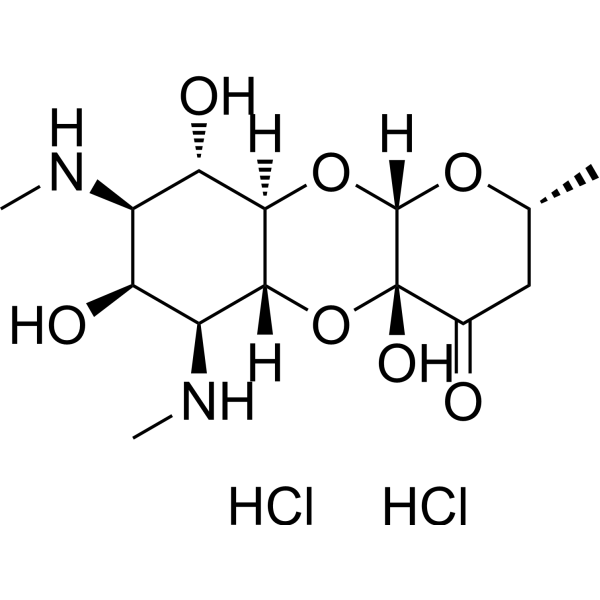
    Spectinomycin dihydrochloride
    3 Publications Verification

    Bacterial Antibiotic Infection
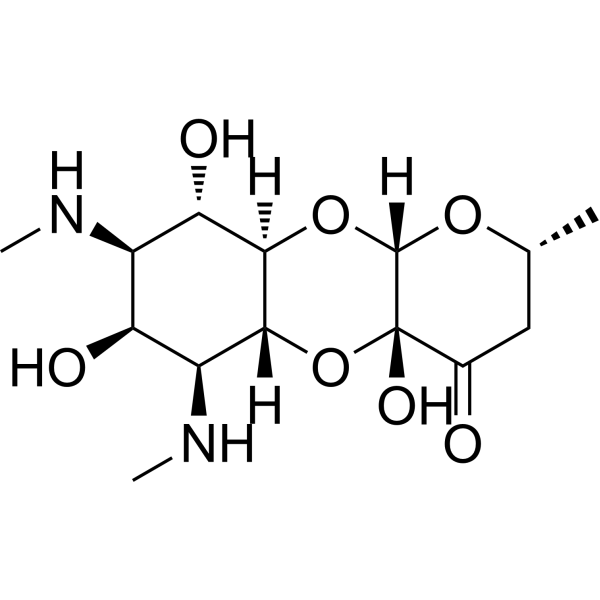
    Spectinomycin dihydrochloride is a broad-spectrum antibiotic and inhibits the growth of a variety of gram-positive and gram-negative organisms. Spectinomycin dihydrochloride acts by selectively targeting to the bacterial ribosome and interrupting protein synthesis. Spectinomycin dihydrochloride is also a noncompetitive inhibitor of td intron RNA with an Ki value of 7.2 mM - .
    Spectinomycin dihydrochloride
  • HY-142104

    2-Chlorotrityl Chloride Resin (100-200 mesh,1% DVB,0.4-3.0mmol/g)

    Drug Intermediate Cancer
    2-CTC Resin (100-200 mesh,1% DVB,0.4-3.0mmol/g) is a solid-phase synthesis carrier that has been used to study metabolic disorders in prostate cancer cells. 2-CTC Resin (100-200 mesh,1% DVB,0.4-3.0mmol/g) can be used as a reaction solution of terminal residues and adenine nucleotides to form cyclic peptides. 2-CTC Resin (100-200 mesh,1% DVB,0.4-3.0mmol/g) can prevent racemization during the incorporation of the first protected amino acid and minimized diketopiperazine formation. 2-CTC Resin (100-200 mesh,1% DVB,0.4-3.0mmol/g) is one of the most commonly used and versatile resins available for large-scale production of peptides .
    2-CTC Resin (100-200 mesh,1% DVB,0.4-3.0mmol/g)
  • HY-B1828A

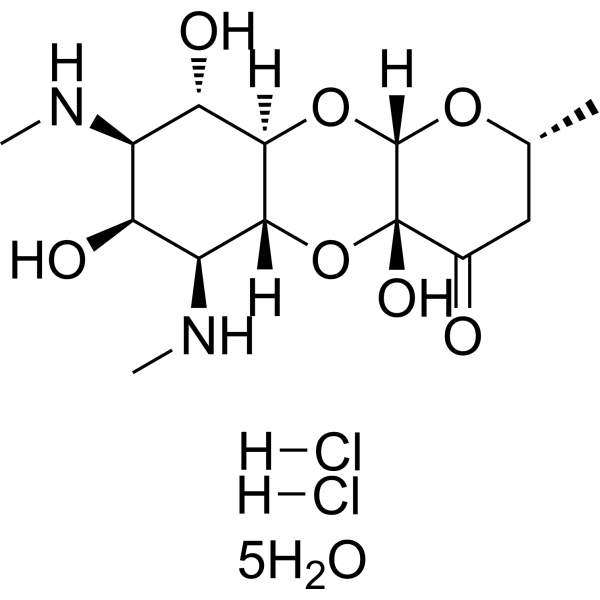
    Spectinomycin hydrochloride hydrate

    Bacterial Antibiotic Infection
    Spectinomycin dihydrochloride pentahydrate is a broad-spectrum antibiotic and inhibits the growth of a variety of gram-positive and gram-negative organisms. Spectinomycin dihydrochloride pentahydrate acts by selectively targeting to the bacterial ribosome and interrupting protein synthesis. Spectinomycin dihydrochloride pentahydrate is also a noncompetitive inhibitor of td intron RNA with an Ki value of 7.2 mM - .
    Spectinomycin dihydrochloride pentahydrate
  • HY-Y0079

    Endogenous Metabolite Infection
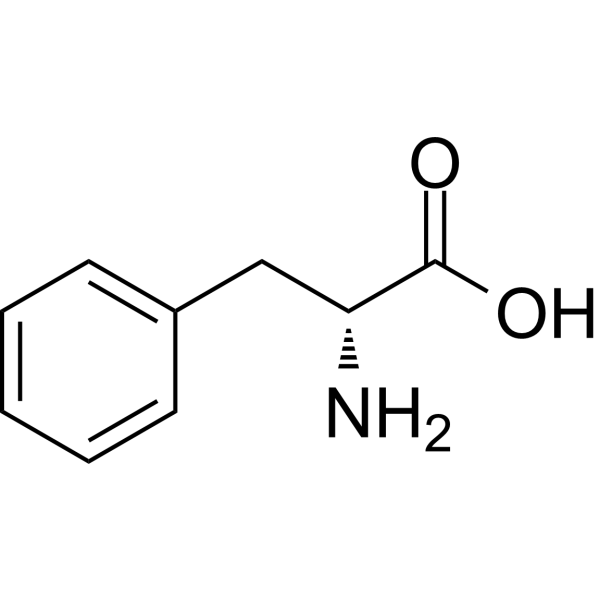
    D-Phenylalanine is an atypical D-amino acid and an inhibitor of bacterial biofilm formation. D-Phenylalanine mainly replaces D-alanine (D-Ala) by incorporating into the fourth and fifth positions of bacterial peptidoglycan (PG), changing the cell wall structure, enhancing bacterial acid resistance and affecting biofilm formation. D-Phenylalanine may promote the secretion of peptide tyrosine tyrosine (PYY) in mammals by activating the intestinal GPR109B receptor. D-Phenylalanine can inhibit the maturation of microbial biofilms and promote the release of specific hormones. It can be used for antibacterial preservation, improving the yield of probiotics in the food industry, and studying appetite regulation and blood sugar control in metabolic diseases such as diabetes .
    D-Phenylalanine
  • HY-W007655

    Biochemical Assay Reagents Amino Acid Derivatives Others
    Fmoc-D-Lys (Boc)-OH is an Fmoc- and Boc-protected D-lysine derivative. Fmoc-D-Lys (Boc)-OH ensures the precise incorporation of D-lysine into peptide chains, maintaining the specific conformation and biological activity of peptides. Fmoc-D-Lys (Boc)-OH can be used in research on the synthesis of peptides containing unnatural amino acids .
    Fmoc-D-Lys(Boc)-OH
  • HY-111434A

    UAA crosslinker 1 hydrochloride

    Amino Acid Derivatives Cancer
    N6-[(2-Azidoethoxy)carbonyl]-L-lysine hydrochloride (UAA crosslinker 1 hydrochloride) is a click chemistry-reactive amino acid derivative. N6-[(2-Azidoethoxy)carbonyl]-L-lysine hydrochloride mediates the generation of antibody-drug conjugates (ADCs). N6-[(2-Azidoethoxy)carbonyl]-L-lysine hydrochloride is used for site-specific incorporation into recombinant proteins, or for synthesizing chemical probes and tools for biological research .
    N6-[(2-Azidoethoxy)carbonyl]-L-lysine hydrochloride
  • HY-153552A

    FAP Cancer
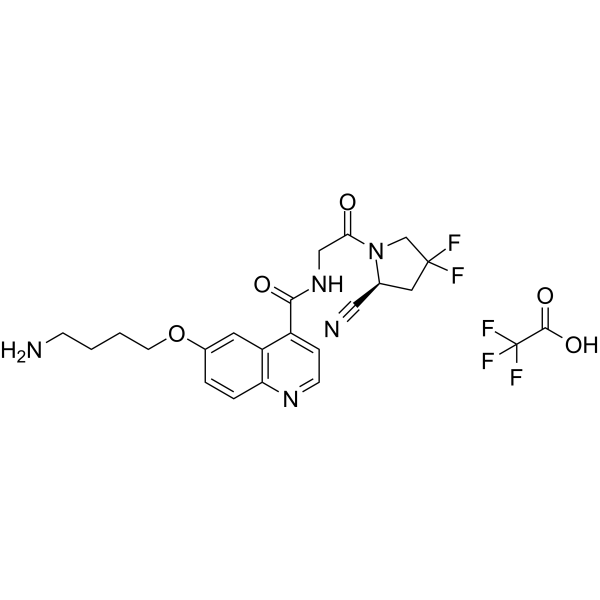
    NH2-UAMC1110 TFA is an aminobutoxy derivative of the fibroblast activation protein (FAP) inhibitor UAMC1110 (HY-100684), and is a precursor compound for the synthesis of FAP inhibitor probes, not directly used in bioactivity experiments. For example, NH2-UAMC1110 TFA is involved in the synthesis of the radiotracer FAPI-QS, which exhibits high tumor selectivity and high dose effect, and has been used in tumor diagnosis. NH2-UAMC1110 TFA structurally incorporates an active amino group, allowing it to form covalent bonds with various molecules (such as DOTA, DATA5m, radionuclide chelators, etc.) to synthesize molecular imaging probes or targeted compounds with the ability to target FAP. NH2-UAMC1110 TFA specifically binds to the FAP active site, inhibiting its proline-selective serine protease activity (including dipeptidyl peptidase and endopeptidase activity), blocking FAP-mediated tissue remodeling-related processes. Its key activity is high targeting and high affinity, and its core function is to act as a targeting module coupled with bifunctional chelators (such as DOTA, DATA5m). NH2-UAMC1110 TFA can be applied to diagnostic imaging studies of tumors expressing FAP (such as colorectal cancer, pancreatic cancer, etc.), and also provides molecular tools for targeted research of FAP-related diseases with high FAP expression, such as fibrosis and arthritis .
    NH2-UAMC1110 TFA
  • HY-B1828

    Antibiotic Bacterial Infection
    Spectinomycin is a broad-spectrum antibiotic and inhibits the growth of a variety of gram-positive and gram-negative organisms. Spectinomycin acts by selectively targeting to the bacterial ribosome and interrupting protein synthesis. Spectinomycin is also a noncompetitive inhibitor of td intron RNA .
    Spectinomycin
  • HY-131920A

    Polyuridylic acid potassium

    DNA/RNA Synthesis Others
    Polyuridylic acid potassium is a polynucleotide. In protein synthesis systems based on active mammalian ribosomes, Polyuridylic acid potassium acts as a specific messenger to induce the biosynthesis of polyphenylalanine, with no effect on the incorporation of non-phenylalanine amino acids. Polyuridylic acid potassium serves as a template to promote the non-enzymatic synthesis of oligoadenylates .
    Poly(U) potassium
  • HY-W784030

    Amino Acid Derivatives Biochemical Assay Reagents Fluorescent Dye Others
    N-TCO-L-lysine is a non-canonical amino acid. N-TCO-L-lysine contains a trans-cyclooctene (TCO) bioorthogonal reactive linker. N-TCO-L-lysine undergoes a bioorthogonal click reaction with SiR-Tz to enable fluorescent labeling of endogenously expressed proteins with site-specific incorporation. When used in combination with SiR-Tz, N-TCO-L-lysine allows super-resolution and live-cell imaging of endogenous proteins .
    N-TCO-L-lysine
  • HY-W013726

    Biochemical Assay Reagents Amino Acid Derivatives Others
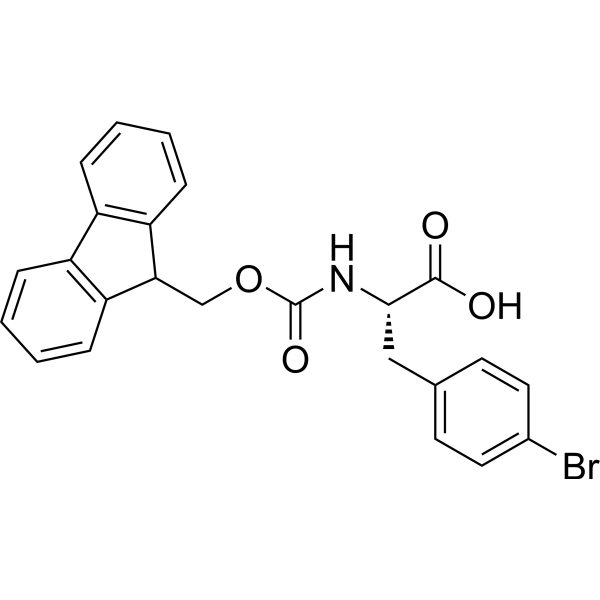
    Fmoc-Phe(4-Br)-OH is a widely used amino acid derivative. Fmoc-Phe(4-Br)-OH can be used in the synthesis of compounds and for the study of protein-protein interactions and the development of biomaterials. Fmoc-Phe(4-Br)-OH can be used in peptide synthesis to incorporate phenylalanine bromide into the peptide chain .
    Fmoc-Phe(4-Br)-OH
  • HY-111434

    UAA crosslinker 1

    Amino Acid Derivatives Cancer
    N6-[(2-Azidoethoxy) carbonyl]-L-lysine (UAA crosslinker 1) is a click chemistry-reactive amino acid derivative. N6-[(2-Azidoethoxy) carbonyl]-L-lysine mediates the generation of antibody-drug conjugates (ADCs). N6-[(2-Azidoethoxy) carbonyl]-L-lysine is used for site-specific incorporation into recombinant proteins, or for synthesizing chemical probes and tools for biological research .
    N6-[(2-Azidoethoxy)carbonyl]-L-lysine
  • HY-W1048555A

    Biochemical Assay Reagents Others
    Mal-PEG2000-SCM is a heterobifunctional PEG crosslinker bearing maleimide and succinimidyl carboxymethyl ester functional groups. MMal-PEG2000-SCM conjugates the F3 peptide to nanoparticles: the SCM group reacts with amino groups on the nanoparticle surface to form amide groups, while the MAL group reacts with thiol groups of the F3 peptide to form carbon-sulfur bonds. Mal-PEG-SCM enables unidirectional addition of linkers, ensuring that appropriate functional groups are available for RGD incorporation. Mal-PEG2000-SCM can be used in the development of nanoparticles targeting specific tumor cells .
    Mal-PEG2000-SCM
  • HY-131800

    ATP Synthase Metabolic Disease
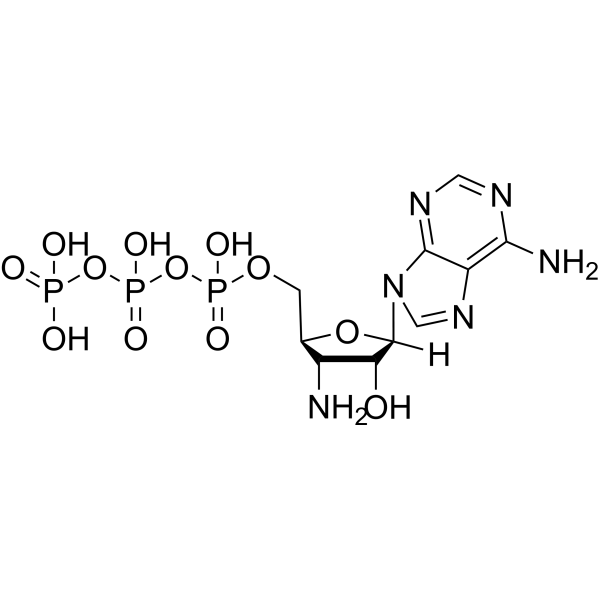
    3'-NH2-ATP, an ATP analogue, is a potent and competitive inhibitor of ATP, with a Ki of 2.3 μM. 3'-NH2-ATP can be used to synthesis of 3′-Amino-3′-deoxy transfer RNA by incorporation into the 3' terminus of tRNA-C-C .
    3'-NH2-ATP
  • HY-132975

    Bacterial Others
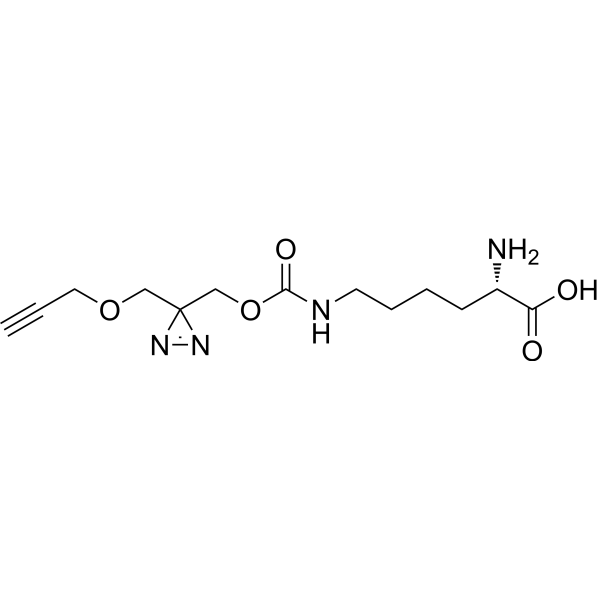
    PrDiAzK is a bifunctional amino acid. PrDiAzK can be site-selectively incorporated into proteins in both bacterial and mammalian cell culture. PrDiAzK can be used for proteome-wide incorporation via stochastic orthogonal recoding of translation (SORT) . PrDiAzK is a click chemistry reagent, it contains an Alkyne group and can undergo copper-catalyzed azide-alkyne cycloaddition (CuAAc) with molecules containing Azide groups.
    PrDiAzK
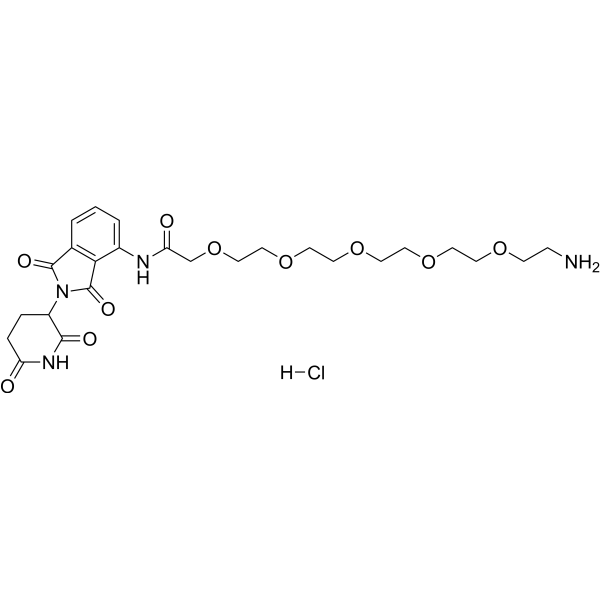
  • HY-133816

    E3 Ligase Ligand-Linker Conjugates Cancer
    Pomalidomide-amino-PEG5-NH2 hydrochloride is a synthesized E3 ligase ligand-linker conjugate that incorporates the Pomalidomide based cereblon ligand and a linker used in PROTAC technology .
    Pomalidomide-amino-PEG5-NH2 hydrochloride
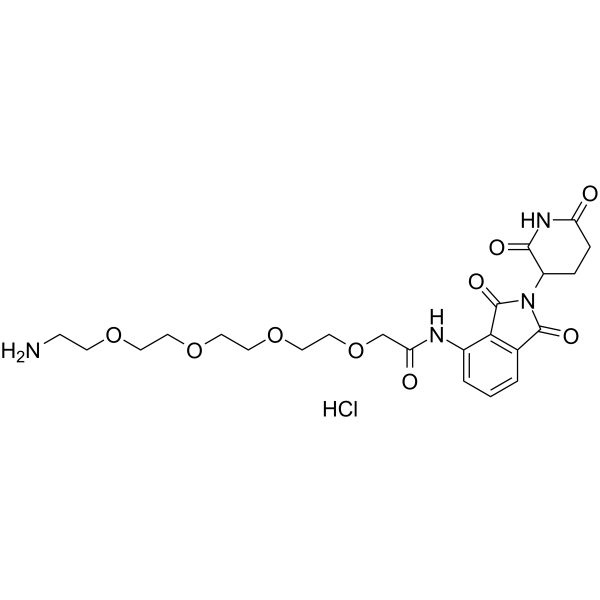
  • HY-138859A

    E3 Ligase Ligand-Linker Conjugates Cancer
    Pomalidomide-amino-PEG4-NH2 hydrochloride is a synthesized E3 ligase ligand-linker conjugate that incorporates the Pomalidomide based cereblon ligand and a linker used in PROTAC technology .
    Pomalidomide-amino-PEG4-NH2 hydrochloride
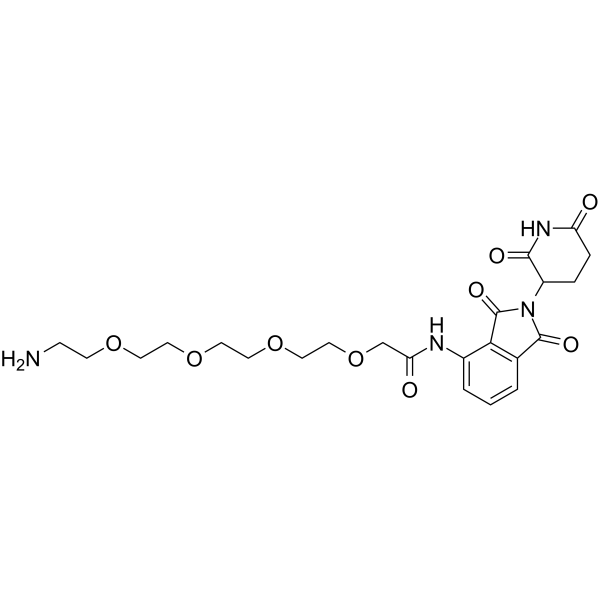
  • HY-138859

    E3 Ligase Ligand-Linker Conjugates Cancer
    Pomalidomide-amino-PEG4-NH2 is a synthesized E3 ligase ligand-linker conjugate that incorporates the Pomalidomide based cereblon ligand and a linker used in PROTAC technology .
    Pomalidomide-amino-PEG4-NH2
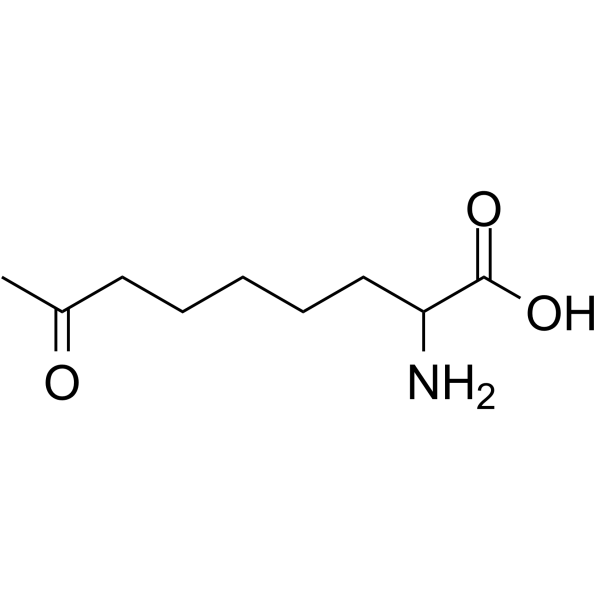
  • HY-145576

    Fluorescent Dye Others
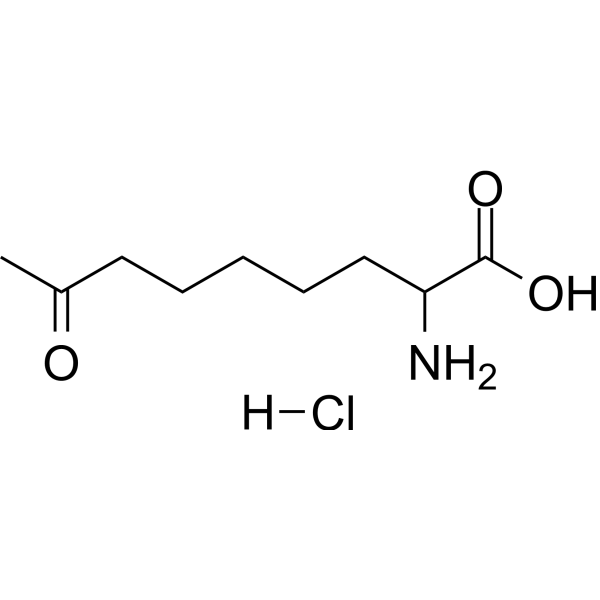
    2-Amino-8-oxononanoic acid is an amino acid, incorporation into proteins in E.coli in genetic. 2-Amino-8-oxononanoic acid is efficient in labeling of proteins with different probes with a site-specific manner under a mild condition close to the physiological pH .
    2-Amino-8-oxononanoic acid
  • HY-145576B

    Fluorescent Dye Others
    2-Amino-8-oxononanoic acid (hydrochloride) is the hydrochloride form of 2-Amino-8-oxononanoic acid. 2-Amino-8-oxononanoic acid is an amino acid, incorporation into proteins in E.coli in genetic. 2-Amino-8-oxononanoic acid is efficient in labeling of proteins with different probes with a site-specific manner under a mild condition close to the physiological pH .
    2-Amino-8-oxononanoic acid hydrochloride
  • HY-133817

    E3 Ligase Ligand-Linker Conjugates Cancer
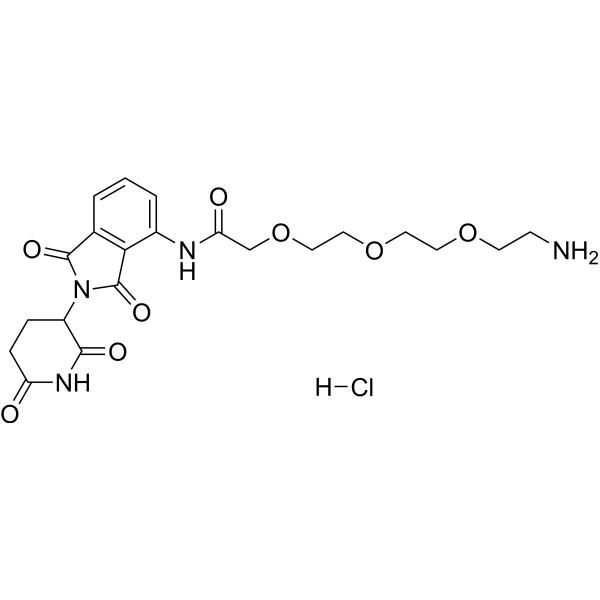
    Pomalidomide-amino-PEG3-NH2 hydrochloride is a synthesized E3 ligase ligand-linker conjugate that incorporates the Pomalidomide based cereblon ligand and a linker used in PROTAC technology .
    Pomalidomide-amino-PEG3-NH2 hydrochloride
  • HY-133816A

    E3 Ligase Ligand-Linker Conjugates Cancer
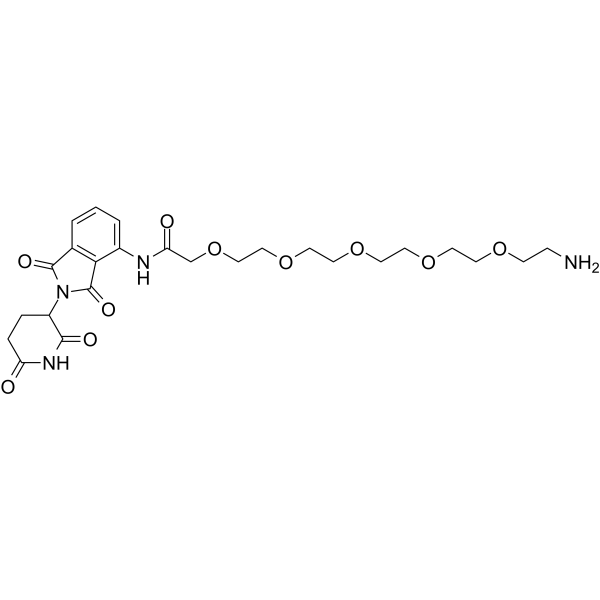
    Pomalidomide-amino-PEG5-NH2 is a synthesized E3 ligase ligand-linker conjugate that incorporates the Pomalidomide based cereblon ligand and a linker used in PROTAC technology .
    Pomalidomide-amino-PEG5-NH2
  • HY-133817A

    E3 Ligase Ligand-Linker Conjugates Cancer
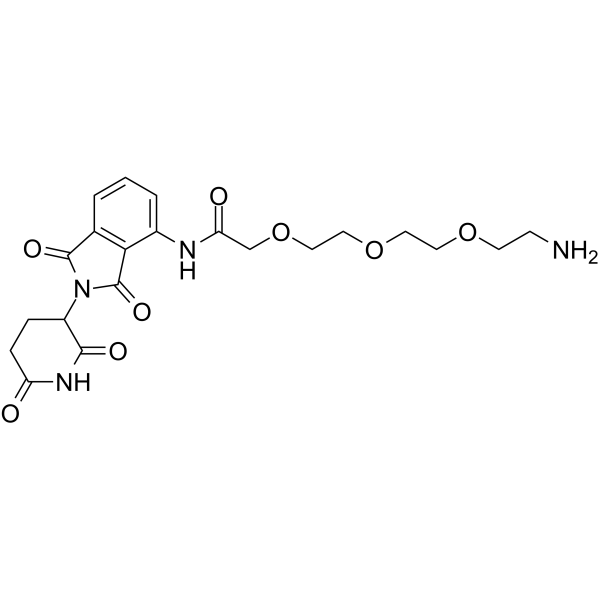
    Pomalidomide-amino-PEG3-NH2 is a synthesized E3 ligase ligand-linker conjugate that incorporates the Pomalidomide based cereblon ligand and a linker used in PROTAC technology .
    Pomalidomide-amino-PEG3-NH2
  • HY-W928617

    Antibiotic Bacterial Infection
    Spectinomycin sulfate hydrate is a broad-spectrum antibiotic and inhibits the growth of a variety of gram-positive and gram-negative organisms. Spectinomycin sulfate hydrate acts by selectively targeting to the bacterial ribosome and interrupting protein synthesis. Spectinomycin sulfate hydrate is also a noncompetitive inhibitor of td intron RNA with an Ki value of 7.2 mM - .
    Spectinomycin sulfate hydrate
  • HY-B0438R

    Reference Standards Bacterial Antibiotic Infection
    Spectinomycin (dihydrochloride) (Standard) is the analytical standard of Spectinomycin (dihydrochloride). This product is intended for research and analytical applications. Spectinomycin dihydrochloride is a broad-spectrum antibiotic and inhibits the growth of a variety of gram-positive and gram-negative organisms. Spectinomycin dihydrochloride acts by selectively targeting to the bacterial ribosome and interrupting protein synthesis. Spectinomycin dihydrochloride is also a noncompetitive inhibitor of td intron RNA with an Ki value of 7.2 mM[1]-[5].
    Spectinomycin dihydrochloride (Standard)
  • HY-176240

    AUTACs Autophagy Cancer
    FBnG-amino-PEG3-C2-azido is a tag-linker conjugate that incorporates a degradation tag FBnG (HY-W073762) and a glycol linker (Amino-PEG3-C2-Azido) (HY-W021401). FBnG-amino-PEG3-C2-azido can be used for synthesis of GPX4-AUTAC (HY-176220) .
    FBnG-amino-PEG3-C2-azido
  • HY-168290

    E3 Ligase Ligand-Linker Conjugates Cancer
    (S,R,S)-AHPC-Me-12-((4-Bromobutyl)amino)dodecanamide incorporates a VHL ligand for the E3 ubiquitin ligase, and a PROTAC linker. (S,R,S)-AHPC-Me-12-((4-Bromobutyl)amino)dodecanamide can be used in the synthesis of PROTACs, such as MS934 (HY-153863). MS934 is a novel improved VHL-recruiting MEK 1/2 PROTAC degrader .
    (S,R,S)-AHPC-Me-12-((4-Bromobutyl)amino)dodecanamide
  • HY-D3389

    Fluorescent Dye Bacterial Infection
    sCy5DL-amide is an amidated fluorescent D-amino acid conjugated to Sulfo-Cyanine 5, and a peptidoglycan labeling agent. sCy5DL-amide incorporates into bacterial peptidoglycan cell wall via transpeptidase-mediated reactions, replacing the fourth or fifth D-amino acid of the peptidoglycan stem peptide for visualization of nascent peptidoglycan biosynthesis. sCy5DL-amide produces clear cell outline, septum labeling, and high localization density in Bacillus subtilis, including a 'V-shape' pattern at cell-cell contact areas. sCy5DL-amide exhibits robust incorporation into Gram-positive bacteria and mycobacteria, with reduced incorporation into Gram-negative bacteria (Ex/Em = 646/666 nm) .
    sCy5DL-amide
  • HY-D3390

    Fluorescent Dye Bacterial Infection
    sCy5DA is a is a fluorescent D-amino acid . sCy5DA incorporates into bacterial peptidoglycan layers and cross-links via transpeptidase action, replacing peptidoglycan stem peptide D-amino acids. sCy5DA labels live bacterial cell walls, nascent peptidoglycan biosynthesis sites, and diverse bacterial species including Gram-negative, Gram-positive, and mycobacteria (Ex/Em = 646/665 nm) .
    sCy5DA
  • HY-186091

    Amino Acid Derivatives Others
    AcdK is a non-natural amino acid and a precursor of allysine. AcdK allows site-specific incorporation into target proteins in E. coli via the amber suppression strategy. AcdK enables site-specific lysine dimethylation or monomethylation modification of target proteins. AcdK can synthesize site-specific lysine-methylated variants of histone H3 and p53, which is applicable for investigating the substrate specificity and catalytic function of epigenetic enzymes .
    AcdK

온라인 문의

Your information is safe with us. * Required Fields.

호칭


Country or Region *

고객명 *


회사명 *

Department *


메일주소 *


상품명 *

Cat. No.


Requested quantity *

전화번호 *


비고

온라인 문의

Inquiry Information

상품명:
Cat. No.:
수량:
MCE Japan Authorized Agent: