
1. Search Result
Search Result
Results for "

amyotrophic lateral sclerosis model

" in MedChemExpress (MCE) Product Catalog:

31

Inhibitors & Agonists

3

Peptides

1

Inhibitory Antibodies

3

Natural
Products

2

Oligonucleotides

Cat. No. 상품명 Target 연구분야 Chemical Structure
  • HY-B0320A
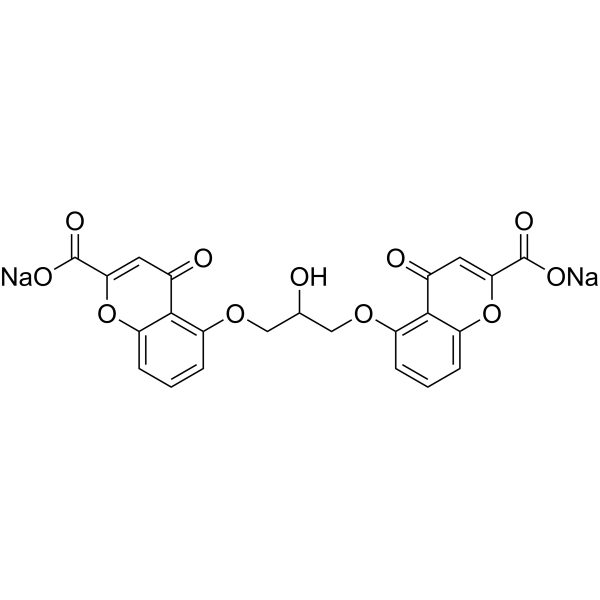
    Cromolyn disodium
    Maximum Cited Publications
    8 Publications Verification

    Cromoglycate disodium; Cromoglicic acid disodium; FPL-670

    GSK-3 NF-κB Amyloid-β Neurological Disease Metabolic Disease Inflammation/Immunology Cancer
    Cromolyn (Cromoglycate) disodium is an orally active GSK-3β inhibitor with an IC50 of 2.0 μM. Cromolyn disodium is also a mast cell stabilizer that can inhibit the release of mediators from mast cells, regulate reflex bronchoconstriction, and reduce non-specific bronchial hyperreactivity, and Cromolyn disodium can be used in the research of bronchial asthma. In addition, Cromolyn disodium has multiple activities such as anti-inflammatory, anti-allergic, anti-histamine, anti-cancer, and neuroprotective effects .
    Cromolyn disodium
  • HY-156438

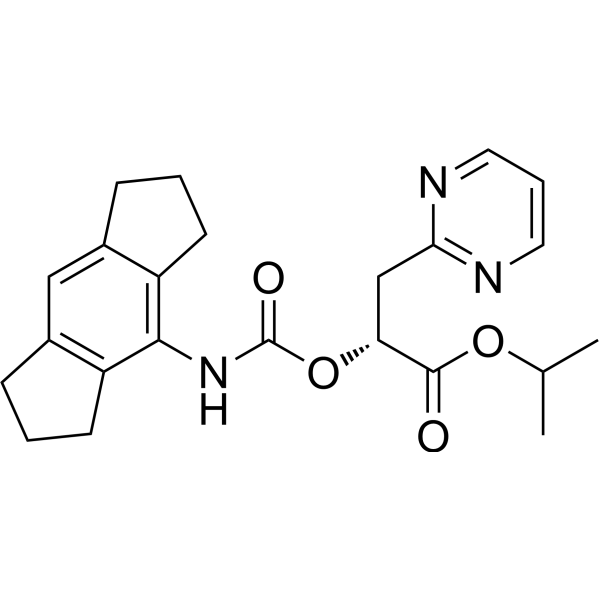
    NT-0796

    NOD-like Receptor (NLR) Interleukin Related Neurological Disease
    Ruvonoflast (NT-0796) is an orally active, selective and CNS-penetrant NLRP3 inflammasome inhibitor. Ruvonoflast inhibits IL-1β release in human PBMC cells with an IC50 value of 0.32 nM. Ruvonoflast is an isopropyl ester that undergoes intracellular conversion to Ruvonoflast, the carboxylic acid active species. Ruvonoflast reverses high fat diet-induced obesity, systemic inflammation and astrogliosis in the diet-induced obesity mouse model. Ruvonoflast is promising for research of neurodegenerative disorders, including Alzheimer’s disease, Parkinson’s disease, multiple sclerosis, and amyotrophic lateral sclerosis .
    Ruvonoflast
  • HY-N12060

    Bcl-2 Family Caspase Apoptosis Autophagy Reactive Oxygen Species (ROS) Akt JNK ERK Cardiovascular Disease Neurological Disease
    Ginkgo biloba extract is a natural product that can be isolated from Ginkgo biloba leaves . Ginkgo biloba extract alleviates oxidative stress-induced neuronal apoptosis (Apoptosis) by stabilizing mitochondrial function, regulating Bcl-2 family proteins and inhibiting caspase activation. Ginkgo biloba extract alleviates testicular injury by upregulating SKP2 and inhibiting Beclin1-independent autophagy (Autophagy) . Ginkgo biloba extract alleviates various types of neuronal damage in animal models. Ginkgo biloba extract reduces behavioral sensitization in rats. Ginkgo biloba extract counteracts Aβ-induced neurotoxicity by blocking a series of Aβ-triggered events, including glucose uptake, ROS accumulation, AKT activation, mitochondrial dysfunction, JNK and ERK 1/2 pathways, and apoptosis, and also interferes with the formation of Aβ oligomers. Ginkgo biloba extract is applicable to research related to cerebral hypoperfusion, testicular injury, Alzheimer's disease, Parkinson's disease, multi-infarct dementia, stroke, traumatic brain injury and amyotrophic lateral sclerosis .
    Ginkgo biloba extract
  • HY-W011978

    Endogenous Metabolite Mitochondrial Metabolism Neurokinin Receptor Caspase Interleukin Related Neurological Disease Inflammation/Immunology
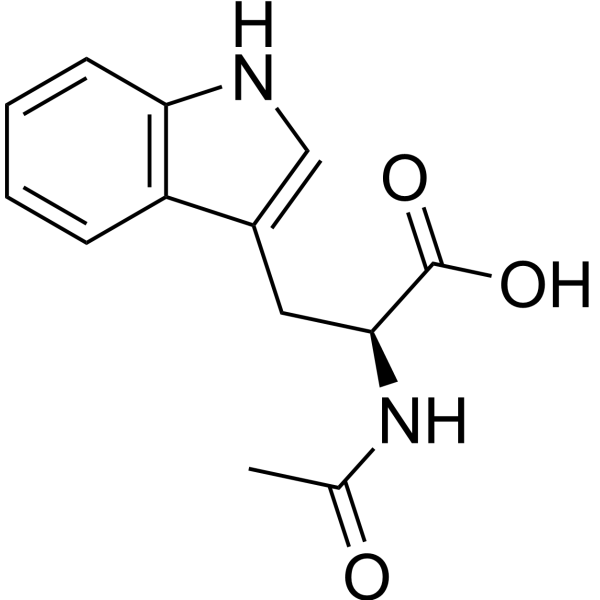
    N-Acetyl-L-tryptophan is an antagonist of the neurokinin-1 receptor (NK-1R), disrupting the binding of substance P (SP) to NK-1R. This action provides neuroprotective effects, improving memory deficits and motor impairments. N-Acetyl-L-tryptophan is also an inhibitor of cytochrome c (Cytochrome c), and it exerts antioxidant and anti-inflammatory effects by inhibiting the expression of IL-1β and the activation of caspase-1. N-Acetyl-L-tryptophan holds promise for research in neurodegenerative and inflammatory diseases .
    N-Acetyl-L-tryptophan
  • HY-147410
    Ulefnersen
    1 Publications Verification

    ION-363

    DNA/RNA Synthesis Neurological Disease
    Ulefnersen (ION363) is an Antisense Oligonucleotide (ASO) directed against the 6th intron of the fused-in sarcoma (FUS) transcript to silence FUS in a non-allele-specific manner. Ulefnersen can reduce postnatal levels of FUS protein in the brain and spinal cord in disease-relevant mouse model of ALS-FUS , delaying motor neuron degeneration. Ulefnersen can be used in the research of Amyotrophic Lateral Sclerosis (ALS) .
    Ulefnersen
  • HY-B1619
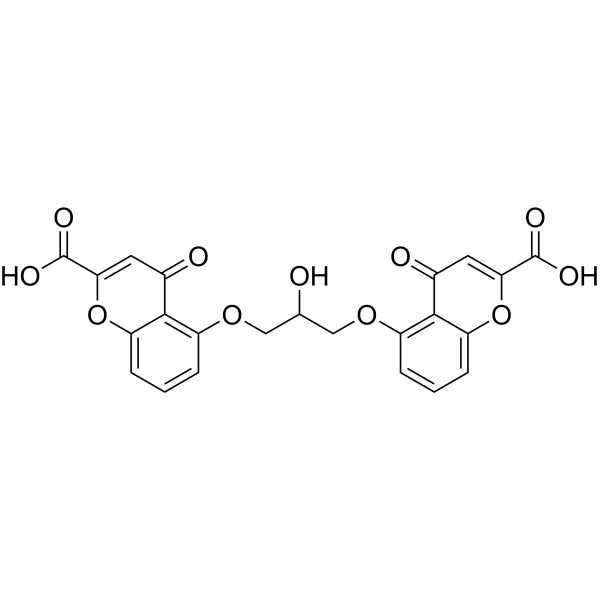
    Cromolyn
    Maximum Cited Publications
    8 Publications Verification

    Cromoglycate; Cromoglicic acid; FPL-670 free acid

    GSK-3 NF-κB Amyloid-β Neurological Disease Metabolic Disease Inflammation/Immunology Cancer
    Cromolyn (Cromoglycate) is an orally active GSK-3β inhibitor with an IC50 of 2.0 μM. Cromolyn is also a mast cell stabilizer that can inhibit the release of mediators from mast cells, regulate reflex bronchoconstriction, and reduce non-specific bronchial hyperreactivity, and Cromolyn can be used in the research of bronchial asthma. In addition, Cromolyn has multiple activities such as anti-inflammatory, anti-allergic, anti-histamine, anti-cancer, and neuroprotective effects .
    Cromolyn
  • HY-153898

    Amyloid-β Neurological Disease
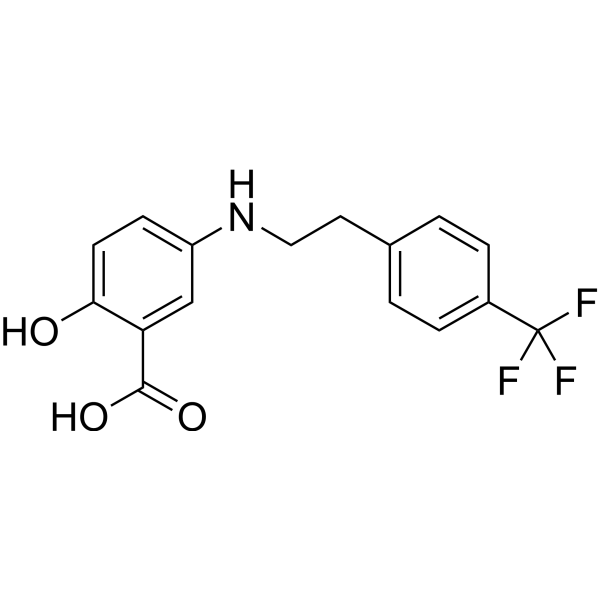
    rTRD01 is an orally active, specific TDP-43 binder that targets the RRM1 and RRM2 domains of TDP-43. rTRD01 partially disrupts the interaction between TDP-43 and c9orf72 repeat RNA, but does not affect the binding of TDP-43 to canonical binding sequences. rTRD01 exhibits significant neuroprotective effects in zebrafish models, improves motor function and protects against paraquat (a widely used herbicide)-induced neurodegeneration, with no teratogenicity at high concentrations. rTRD01 is not a general antioxidant and cannot counteract Rotenone (HY-B1756)-induced neuronal death. rTRD01 can be used to study amyotrophic lateral sclerosis and other TDP-43 proteinopathies .
    rTRD01
  • HY-P3414A
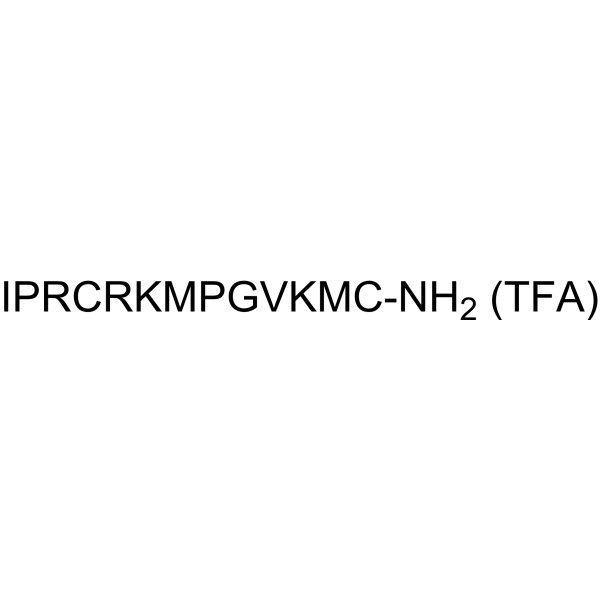
    Proteasome-activating peptide 1 TFA
    3 Publications Verification

    Proteasome Neurological Disease
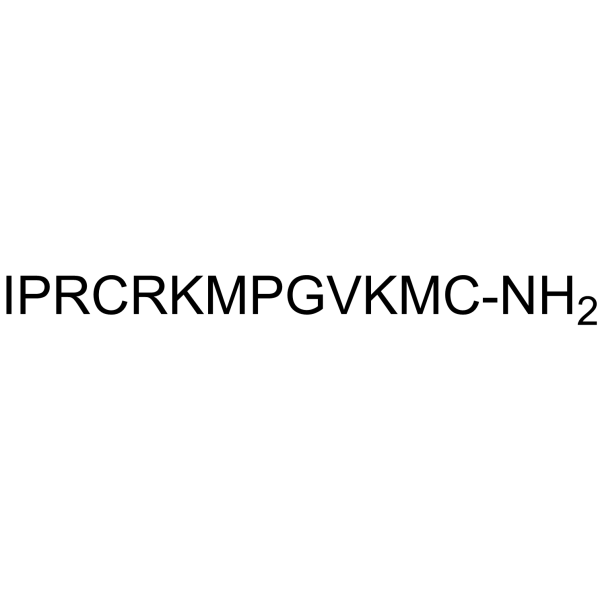
    Proteasome-activating peptide 1 TFA is a peptide and a potent proteasome activator. Proteasome-activating peptide 1 TFA increases the chymotrypsin-like proteasomal catalytic activity and, consequently, proteolytic rates both in vitro and in culture. Proteasome-activating peptide 1 TFA prevents protein aggregation in a cellular model of amyotrophic lateral sclerosis .
    Proteasome-activating peptide 1 TFA
  • HY-141878

    RIBOTAC DNA/RNA Synthesis Neurological Disease
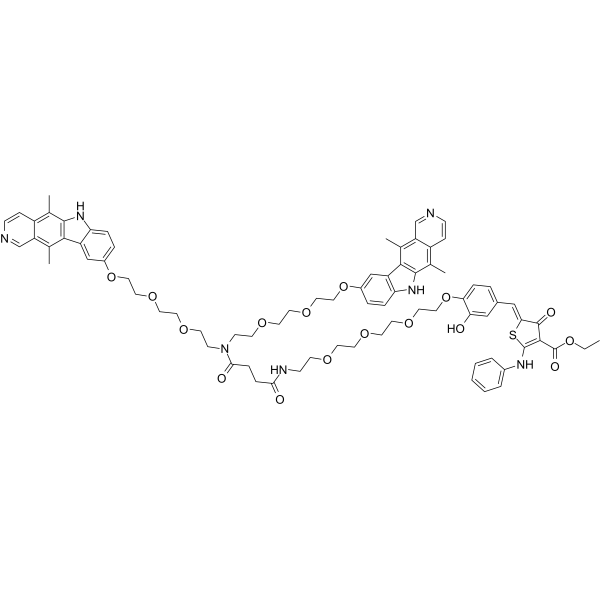
    di-Ellipticine-RIBOTAC is a RNase recruiting chimera (RIBOTAC) degrader, capable of specifically binding and degrading expanded G4C2 RNA repeat (r(G4C2) exp). di-Ellipticine-RIBOTAC selectively binds the three-dimensional (3D) structure formed by r(G4C2) exp and that recruits an endogenous ribonuclease (RNase) to cleave r(G4C2) exp. di-Ellipticine-RIBOTAC selectively degrades the mutant chromosome 9 open reading frame 72 (C9orf72) allele and reduces quantities of toxic dipeptide repeat proteins (DPRs) translated from r(G4C2) exp. di-Ellipticine-RIBOTAC significantly improves the pathological phenotype of amyotrophic lateral sclerosis/ frontotemporal dementia (c9ALS/FTD) in cells and mouse models. di-Ellipticine-RIBOTAC can be used for the study of amyotrophic lateral sclerosis (ALS) and frontotemporal dementia (FTD) .
    di-Ellipticine-RIBOTAC
  • HY-105005

    AAD-2004

    Prostaglandin Receptor PGE synthase Reactive Oxygen Species (ROS) Apoptosis Neurological Disease Inflammation/Immunology
    Crisdesalazine (AAD-2004) is a microsomal prostaglandin E2 synthase-1 (mPGES-1) inhibitor. Crisdesalazine acts as a potent free radical scavenger that directly neutralizes reactive oxygen species (ROS) including hydrogen peroxide, exerting neuroprotective effects against apoptosis and axonal damage. Crisdesalazine inhibits PGE2 production, mediates inflammatory responses, and promotes the conversion of macrophages from the pro-inflammatory M1 phenotype to the anti-inflammatory M2 phenotype. Crisdesalazine is applicable to neuroprotection research in multiple sclerosis and spinal cord injury .
    Crisdesalazine
  • HY-147410A
    Ulefnersen sodium
    1 Publications Verification

    ION-363 sodium

    DNA/RNA Synthesis Neurological Disease
    Ulefnersen sodium (ION363) is an Antisense Oligonucleotide (ASO) directed against the 6th intron of the fused-in sarcoma (FUS) transcript to silence FUS in a non-allele-specific manner. Ulefnersen sodium can reduce postnatal levels of FUS protein in the brain and spinal cord in disease-relevant mouse model of ALS-FUS , delaying motor neuron degeneration. Ulefnersen sodium can be used in the research of Amyotrophic Lateral Sclerosis (ALS) .
    Ulefnersen sodium
  • HY-130495

    CDDO-Trifluoethyl amide; RTA 404; TP-500

    Keap1-Nrf2 Apoptosis Cancer
    CDDO-TFEA (RTA 404; TP-500) is a trifluoroacetamide derivative of CDDO with enhanced ability to cross the blood-brain barrier. CDDO is an Nrf2 activator that inhibits proliferation and induces differentiation and apoptosis in various cancer cells. CDDO-TFEA can enhance Nrf2 expression and signaling in various neurodegenerative disease models, including those mimicking multiple sclerosis, amyotrophic lateral sclerosis, and Huntington's disease. CDDO-TFEA induces apoptosis and blocks colony formation in Ewing's sarcoma and neuroblastoma cell lines with IC50 values ranging from 85-170 nM.
    CDDO-TFEA
  • HY-173276

    Toll-like Receptor (TLR) Neurological Disease
    SARM1-IN-4 (Compound 7) is an orally active SARM1 inhibitor. After being orally administered at a dose of 50 mg/kg in a mouse model, it can reduce the level of plasma neurofilament light chain (NfL). SARM1-IN-4 prevents programmed axonal degeneration by inhibiting the NAD+ hydrolase activity of SARM1, and it can be used in research related to neurodegenerative diseases and neurological disorders (such as multiple sclerosis, amyotrophic lateral sclerosis, Parkinson's disease, and peripheral neuropathies, etc.).
    SARM1-IN-4
  • HY-W611371

    TRP Channel iGluR Neurological Disease
    FP802 is an orally active potent TwinF interface inhibitor that disrupts and detoxifies the NMDAR/TRPM4 death complex. FP802 exerts powerful neuroprotective effects in the 5xFAD mouse model of Alzheimer’s disease (AD) by preventing cognitive decline, preserving neuronal structural integrity, reducing amyloid-β plaque formation, and mitigating mitochondrial pathology . FP802 stops loss of motor neurons, reduces serum neurofilament light chain (NfL) levels, improves motor performance, and extends life in a mouse model of amyotrophic lateral sclerosis (ALS). FP802 can be used for AD and ALS research .
    FP802
  • HY-138131

    SOD Neurological Disease
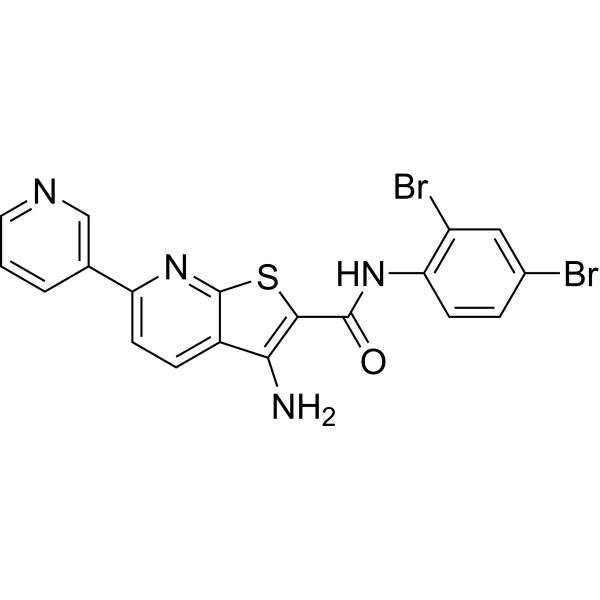
    SOD1-Derlin-1 inhibitor-1 (compound 56-20) is an inhibitor of SOD1-Derlin-1 interaction. SOD1-Derlin-1 inhibitor-1 inhibits SOD1 G93A-Derlin-1 complex with an IC50 value of 7.11 μM. SOD1-Derlin-1 inhibitor-1 can be used for the research of amyotrophic lateral sclerosis .
    SOD1-Derlin-1 inhibitor-1
  • HY-123982

    SOD Neurological Disease
    SOD1-Derlin-1 inhibitor-2 (compound 56-59) is an inhibitor of SOD1-Derlin-1 interaction. SOD1-Derlin-1 inhibitor-2 attenuates the interactions between Derlin-1 and SOD1 mut. SOD1-Derlin-1 inhibitor-2 can be used for the research of amyotrophic lateral sclerosis (ALS) .
    SOD1-Derlin-1 inhibitor-2
  • HY-P3414

    Proteasome Neurological Disease
    Proteasome-activating peptide 1 is a peptide, which increases the chymotrypsin-like proteasomal catalytic activity and, consequently, proteolytic rates both in vitro and in culture. Proteasome-activating peptide 1 prevents protein aggregation in a cellular model of amyotrophic lateral sclerosis .
    Proteasome-activating peptide 1
  • HY-170409

    Trk Receptor Apoptosis Neurological Disease Inflammation/Immunology
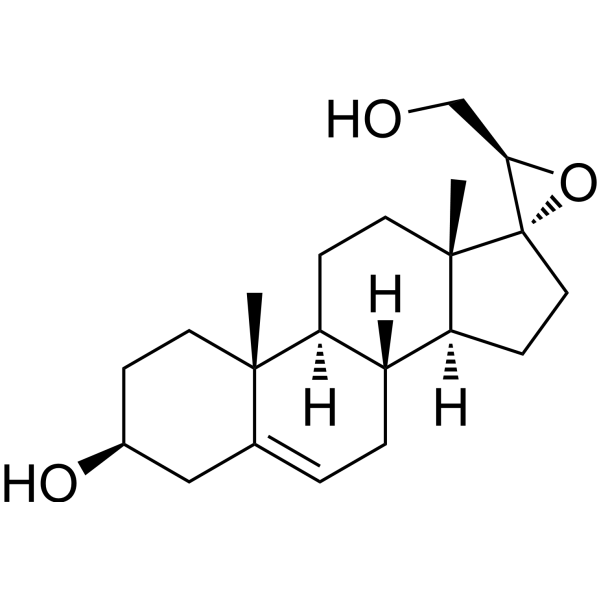
    BNN27 is the agonist for TrkA receptor and p75NTR receptor, that exhibits neurotrophic and anti-apoptotic effects. BNN27 increases the levels of glutamate, GABA, and glutamine in the rat hippocampus and prefrontal cortex, improves glutamate turnover. BNN27 exhibits neuroprotective efficacy in mouse amyotrophic lateral sclerosis (ALS) model, exhibits anti-inflammatory efficacy in experimental autoimmune encephalomyelitis (EAE) model, exhibits retinal protective efficacy in rat diabete models. BNN27 is blood-brain barrier penetrable .
    BNN27
  • HY-P11124

    Apoptosis PKC Keap1-Nrf2 Heme Oxygenase (HO) Drug Derivative Neurological Disease
    MGF24 is a modified protease-resistant MGF derivative. MGF24 protects dopaminergic neurons from 6-Hydroxydopamine (6-OHDA) (HY-113028)-induced apoptosis by inducing Heme oxygenase-1 (HO-1). MGF24 activates PKC-ε, which in turn activates Nrf2, up-regulating HO-1. MGF24 has neuroprotective activity and reduces myocardial infarct size in sheep models of myocardial ischemia. MGF24 can be used for neurological diseases like stroke, nerve injury and amyotrophic lateral sclerosis research .
    MGF24
  • HY-181846

    DNA/RNA Synthesis Neurological Disease
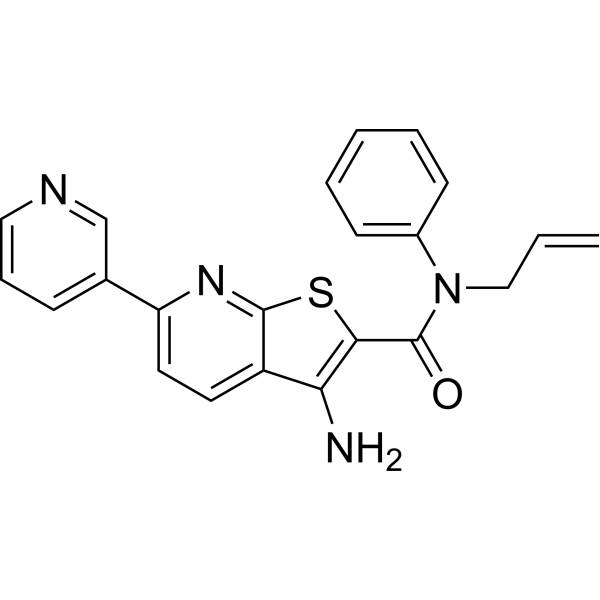
    nTRD22 is an RNA-binding allosteric modulator targeting TDP-43. nTRD22 binds to the N-terminal domain of TDP-43, thereby allosterically regulating the RNA-binding domain of TDP-43 and reducing its RNA-binding ability. nTRD22 decreases the TDP-43 protein level in primary motor neurons. nTRD22 alleviates motor dysfunction in amyotrophic lateral sclerosis models. nTRD22 is applicable to related research on amyotrophic lateral sclerosis .
    nTRD22
  • HY-W611371A

    TRP Channel iGluR Neurological Disease
    FP802 dihydrochloride is an orally active potent TwinF interface inhibitor that disrupts and detoxifies the NMDAR/TRPM4 death complex. FP802 dihydrochloride exerts powerful neuroprotective effects in the 5xFAD mouse model of Alzheimer’s disease (AD) by preventing cognitive decline, preserving neuronal structural integrity, reducing amyloid-β plaque formation, and mitigating mitochondrial pathology . FP802 dihydrochloride stops loss of motor neurons, reduces serum neurofilament light chain (NfL) levels, improves motor performance, and extends life in a mouse model of amyotrophic lateral sclerosis (ALS) . FP802 dihydrochloride can be used for AD and ALS research .
    FP802 dihydrochloride
  • HY-B1619R

    Cromoglycate (Standard); Cromoglicic acid (Standard); FPL-670 free acid (Standard)

    GSK-3 NF-κB Amyloid-β Reference Standards Neurological Disease Metabolic Disease Inflammation/Immunology Cancer
    Cromolyn (Standard) is the analytical standard of Cromolyn. This product is intended for research and analytical applications. Cromolyn (Cromoglycate) is an orally active GSK-3β inhibitor with an IC50 of 2.0 μM. Cromolyn is also a mast cell stabilizer that can inhibit the release of mediators from mast cells, regulate reflex bronchoconstriction, and reduce non-specific bronchial hyperreactivity, and Cromolyn can be used in the research of bronchial asthma. In addition, Cromolyn has multiple activities such as anti-inflammatory, anti-allergic, anti-histamine, anti-cancer, and neuroprotective effects .
    Cromolyn (Standard)
  • HY-119274

    COX Sodium Channel Neurological Disease
    BN-82451 dihydrochloride, an orally active and CNS-penetrated antioxidant and a multitargeting neuroprotective agent, exert a significant protection in experimental animal models mimicking aspects of cerebral ischemia, Parkinson disease, Huntington disease, and more particularly amyotrophic lateral sclerosis .
    BN-82451 dihydrochloride
  • HY-N2707

    Reactive Oxygen Species (ROS) Neurological Disease Cancer
    6-Deoxyjacareubin is a natural xanthone, that can be isolated from the leaves of Vismia latifolia. 6-Deoxyjacareubin protects against non-apoptotic cell death by inhibiting ROS production. 6-Deoxyjacareubin ameliorates neurodegeneration in a mouse model of familial amyotrophic lateral sclerosis (ALS) .
    6-Deoxyjacareubin
  • HY-182446

    NF-κB SOD Neurological Disease
    SRI-22818 is a NF-κB activator with an EC50 of 0.5 μM. SRI-22818 upregulates the expression of NF-κB and promotes its activation. SRI-22818 increases the level of SOD2. SRI-22818 exhibits activity in the SOD1 G93A model of amyotrophic lateral sclerosis (ALS). SRI-22818 can be used for research related to amyotrophic lateral sclerosis .
    SRI-22818
  • HY-130179

    Apoptosis Neurological Disease
    RC-33 hydrochloride is a selective and metabolically stable σ receptor agonist with activity in enhancing nerve growth factor (NGF)-induced neurite outgrowth. Both enantiomers of RC-33 hydrochloride bind to the σ receptor with similar affinity and show almost equal effectiveness as σ receptor agonists. The R-configured enantiomer of RC-33 hydrochloride shows higher liver metabolic stability in the presence of NADPH. RC-33 hydrochloride was selected as the best candidate for further in vivo studies in animal models of amyotrophic lateral sclerosis .
    RC-33 hydrochloride
  • HY-P992436

    Integrin Neurological Disease
    PAS-003 is a humanized monoclonal antibody targerting α5β1 integrin. PAS-003 modulates immune cell migration, immune cell adhesion, improves behavior, and improves survival in ALS mouse models. PAS-003 can be used for the research of amyotrophic lateral sclerosis .
    PAS-003
  • HY-141878A

    RIBOTAC DNA/RNA Synthesis Neurological Disease
    di-Ellipticine-RIBOTAC TFA is a RNase recruiting chimera (RIBOTAC) degrader, capable of specifically binding and degrading expanded G4C2 RNA repeat (r(G4C2) exp). di-Ellipticine-RIBOTAC TFA selectively binds the three-dimensional (3D) structure formed by r(G4C2) exp and that recruits an endogenous ribonuclease (RNase) to cleave r(G4C2) exp. di-Ellipticine-RIBOTAC TFA selectively degrades the mutant chromosome 9 open reading frame 72 (C9orf72) allele and reduces quantities of toxic dipeptide repeat proteins (DPRs) translated from r(G4C2) exp. di-Ellipticine-RIBOTAC TFA significantly improves the pathological phenotype of amyotrophic lateral sclerosis/ frontotemporal dementia (c9ALS/FTD) in cells and mouse models. di-Ellipticine-RIBOTAC TFA can be used for the study of amyotrophic lateral sclerosis (ALS) and frontotemporal dementia (FTD) .
    di-Ellipticine-RIBOTAC TFA
  • HY-182648

    ASK1 Neurological Disease
    K811 is an orally active ASK1 inhibitor with an IC50 of 6 nM. K811 inhibits glial cell activation in the lumbar spinal cord of SOD1 G93A transgenic mice. K811 extends the survival of SOD1 G93A transgenic mice, a mouse model of amyotrophic lateral sclerosis. K811 can be used in studies related to amyotrophic lateral sclerosis .
    K811
  • HY-186072

    NOD-like Receptor (NLR) Interleukin Related Cytochrome P450 Neurological Disease Metabolic Disease Inflammation/Immunology
    NT-0527 is a selective, orally active, and brain-permeable NLRP3 inflammasome inhibitor. NT-0527 can specifically block the formation of the NLRP3 inflammasome, resulting in the reduction in the maturation and release of IL-1β, exhibit inhibition on CYP2C19. NT-0527 displays anti-inflammatory activity in the mouse LPS (HY-D1056) /ATP (HY-B2176)-induced peritonitis model. NT-0527 can be used for the research of neuroinflammatory disorders (Parkinson's disease, Alzheimer's disease, amyotrophic lateral sclerosis) and peripheral inflammatory disorders (type II diabetes, atherosclerosis, gout, etc.) associated with NLRP3 inflammasome .
    NT-0527
  • HY-186073

    HDAC Neurological Disease
    HDAC1 activator-1 is a specific HDAC1 activator with orally activity, exerting no significant effects on other HDAC family members. HDAC1 activator-1 exhibits neuroprotective activity, ameliorates cognitive and motor function deficits by reducing neuronal loss and gliosis. HDAC1 activator-1 specifically activates HDAC1 in SH-SY5Y cells and exerts regulatory effects on aberrant cell cycle and DNA damage. HDAC1 activator-1 can be used for the research of TDP-43 proteinopat1-related neurodegenerative diseases including Amyotrophic Lateral Sclerosis (ALS) and cerebral ischemia-related neurological injury .
    HDAC1 activator-1

온라인 문의

Your information is safe with us. * Required Fields.

호칭


Country or Region *

고객명 *


회사명 *

Department *


메일주소 *


상품명 *

Cat. No.


Requested quantity *

전화번호 *


비고

온라인 문의

Inquiry Information

상품명:
Cat. No.:
수량:
MCE Japan Authorized Agent:

