



ASK1
Apoptosis signal-regulating kinase 1; MAP3K5; MAPKKK5; Mitogen-activated protein kinase kinase kinase 5; MEK kinase 5
Apoptosis signal-regulating kinase 1 (ASK1) is a member of the mitogen-activated protein kinase (MAP3K) family which acts as an upstream regulator for the activation of p38 MAPK and c-Jun N-terminal kinase (JNK). Under normal physiological conditions, ASK1 is maintained in an inactive state through binding to the reduced form of thioredoxin. However, during pathological conditions which induce intracellular production of reactive oxygen species (e.g., mitochondrial or endoplasmic reticulum stress), thioredoxin is oxidized and dissociates from ASK1 facilitating activation of ASK1 and downstream p38 MAPK and JNK signaling that can cause tissue injury .
All Product Categories
-
ASK1 Verwandte Produkte (30)
Verwandte Produkte (30)

- 1
- 2
-
Aceglutamide
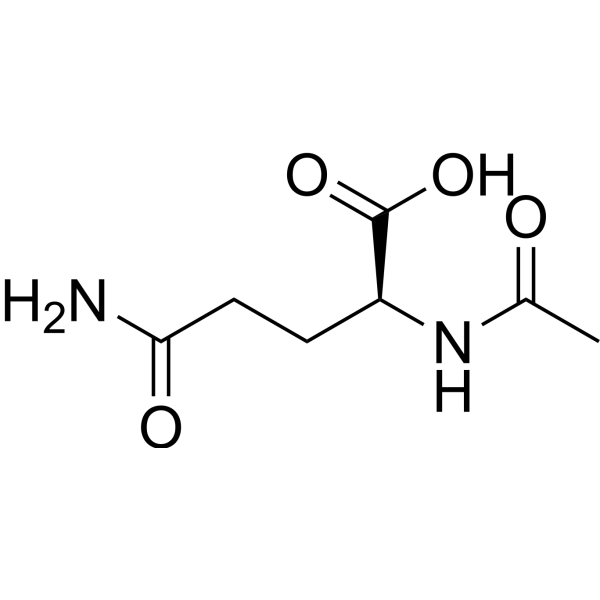 0 ImagesSynonyms: α-N-Acetyl-L-glutamine; N2-AcetylglutamineAceglutamide (α-N-Acetyl-L-glutamine; N2-Acetylglutamine) is a neuroprotectant that can penetrate the blood-brain barrier. Aceglutamide can enhance the antioxidant systems of glutathione (GSH), thioredoxin (Trx) and Nrf2. Aceglutamide also inhibits ASK1 and TRAF1, activates the Akt/Bcl-2 anti-apoptotic pathway, enhances the activity of antioxidant enzymes and reduces oxidative damage. Aceglutamide can improve neurological deficits after cerebral ischemia, reduce infarct volume, and inhibit neuronal apoptosis, especially substantia nigra dopaminergic neurons. Aceglutamide can reduce cerebral ischemia/reperfusion injury, improve motor dysfunction, and is used in ischemic stroke-related research.
-
Ecliptasaponin A
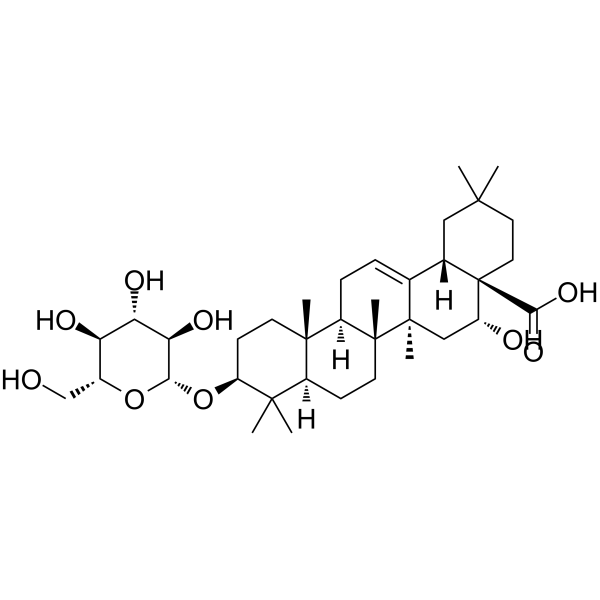 0 ImagesEcliptasaponin A is an orally active pentacyclic triterpenoid saponin. Ecliptasaponin A exerts anti-tumor activity by activating ASK1/JNK pathway, inducing apoptosis and autophagy in lung cancer cells. Ecliptasaponin A exerts anti-inflammatory/anti-fibrotic effects and protects the cardiovascular system by inhibiting the HMGB1/TLR4/NF-κB pathway, and the expression of COX-2 and MMP-9. Ecliptasaponin A can enhance SOD activity, reduce MDA levels, and alleviate oxidative stress damage. Ecliptasaponin A exerts chondroprotective effects by inhibiting the expression of MMP13 and regulating inflammatory factors. Ecliptasaponin A improves ovarian function and regulates sex hormones by upregulating the expression of ESR1 receptors.
-
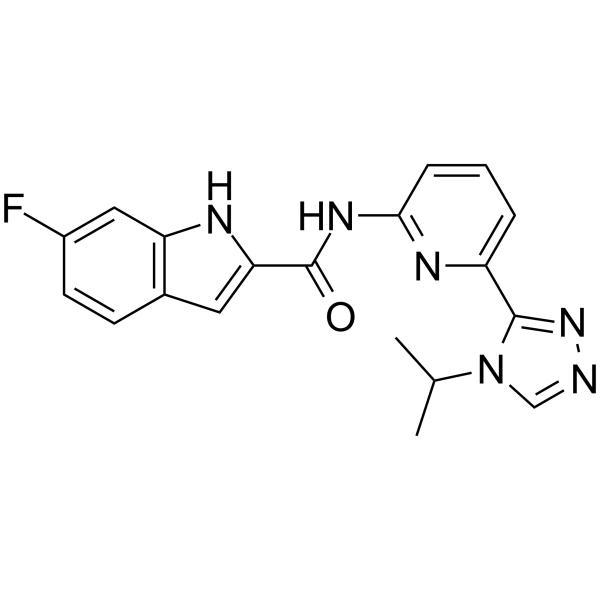
ASK1-IN-6
 0 ImagesASK1-IN-6 is a selective, orally active, and blood-brain barrier penetrant inhibitor of ASK1 (biochemical IC50: 7 nM; cellular IC50: 25 nM). ASK1-IN-6 exhibits anti-inflammatory and can be used in the research of neurodegenerative diseases such as Alzheimer's disease.
-
GDC-3280
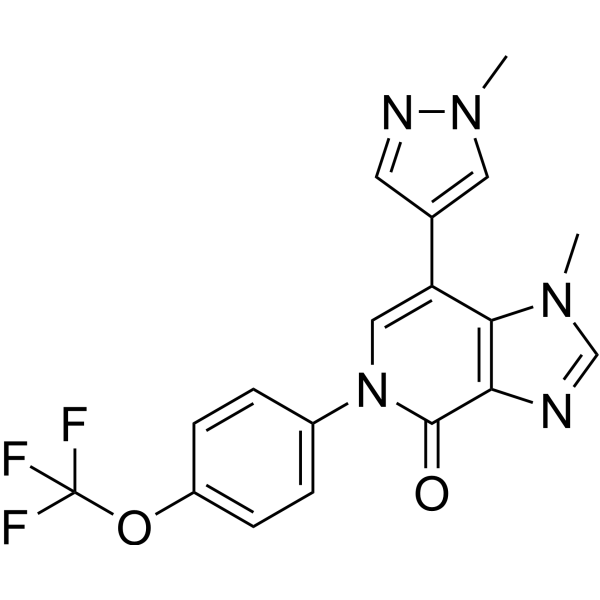 0 ImagesSynonyms: AK3287; AKEX0011GDC-3280 (AK3287; AKEX0011) is an orally active compound based on Pirfenidone (HY-B0673)'s phenyl pyridone scaffold. GDC-3280 alleviates the inflammatory and fibrotic reaction of silicosis by inhibiting the ASK1-p38 MAPK pathway and regulating macrophage polarization. GDC-3280 exhibits anti-inflammatory and anti-fibrotic effects.
-
BPyO-34
 0 ImagesArt. -Nr.: HY-183960CAS. Nr.: 890601-68-0

-
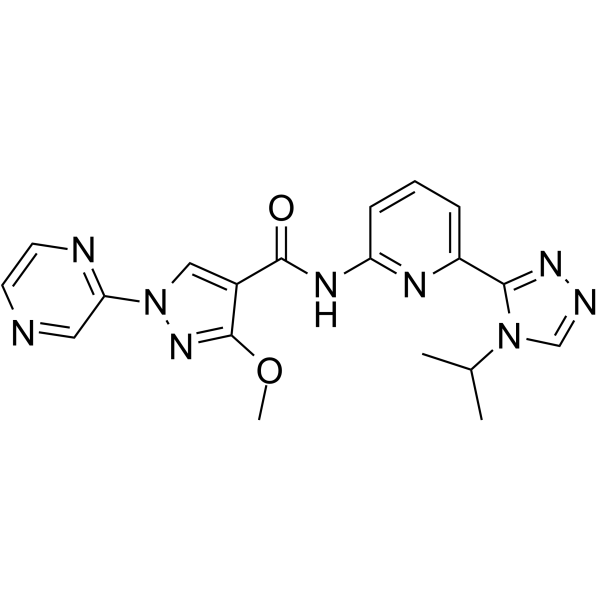
Estrogen receptor-IN-2
 0 ImagesArt. -Nr.: HY-184982Estrogen receptor-IN-2 is a potent estrogen receptor inhibitor formed by the conjugation of Tam (HY-13757)-NHC and gold (I). Estrogen receptor-IN-2 significantly downregulates estrogen receptor (ER) levels, inhibits ER-mediated downstream signaling pathways, and induces immunogenic cell death (ICD) mediated by damage-associated molecular patterns (DAMPs). Estrogen receptor-IN-2 can overcome drug resistance in MCF-7Y537S mutant cells via the RAMP3/CALCR signaling pathway. It is suitable for research on endocrine-resistant breast cancer.
-
ASK1-IN-4
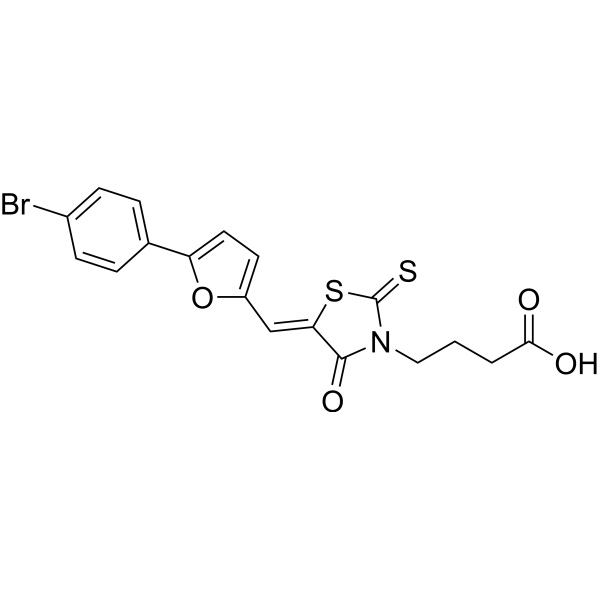 0 ImagesArt. -Nr.: HY-153761CAS. Nr.: 1427538-26-8
-
Nur77 antagonist 2
 0 ImagesArt. -Nr.: HY-179033Nur77 antagonist 2 (Compound 12b) is an orally active Nur77 antagonist with a KD value of 0.42 μM. Nur77 antagonist 2 exhibits proliferative activity on liver cancer cells. Nur77 antagonist 2 stabilizes Nur77 by inhibiting its ubiquitin-proteasomal degradation, leading to Nur77-dependent apoptosis via the ASK1-JNK/p38 pathway. Nur77 antagonist 2 inhibits tumor growth in the HCCLM3 xenograft model. Nur77 antagonist 2 can be used for the study of hepatocellular carcinoma (HCC).
-
ASK1-IN-10
 0 ImagesArt. -Nr.: HY-176881CAS. Nr.: 2247064-84-0
-
ASK1-IN-8
 0 ImagesArt. -Nr.: HY-173293CAS. Nr.: 2570985-89-4ASK1-IN-8 (Compound 35) is an orally active inhibitor of apoptosis signal-regulating kinase 1 (ASK1) with an IC50 value of 1.8 nM. In an experimental mouse model of liver injury induced by Acetaminophen (HY-66005), ASK1-IN-8 can significantly reduce the plasma alanine transaminase (ALT) level, protecting the liver. ASK1-IN-8 can be used in research related to liver diseases.
-
K811
 0 ImagesArt. -Nr.: HY-182648CAS. Nr.: 1355228-38-4K811 is an orally active ASK1 inhibitor with an IC50 of 6 nM. K811 inhibits glial cell activation in the lumbar spinal cord of SOD1G93A transgenic mice. K811 extends the survival of SOD1G93A transgenic mice, a mouse model of amyotrophic lateral sclerosis. K811 can be used in studies related to amyotrophic lateral sclerosis.
-
ASK1-IN-11
 0 ImagesArt. -Nr.: HY-176882CAS. Nr.: 2247064-44-2
-
MG16
 0 ImagesArt. -Nr.: HY-182071CAS. Nr.: 2349329-01-5MG16 is a prodrug of 10-Methoxycamptothecin (HY-N0446). MG16 downregulates CDK6 and upregulates ASK1. MG16 induces cell cycle arrest and Apoptosis. MG16 exhibits anticancer activity against Lewis lung carcinoma, small cell lung cancer, and non-small cell lung cancer.
-
ASK1-IN-9
 0 ImagesArt. -Nr.: HY-176880CAS. Nr.: 2247064-34-0
-
dASK1-VHL
 0 ImagesArt. -Nr.: HY-174858CAS. Nr.: 3100207-58-4
-
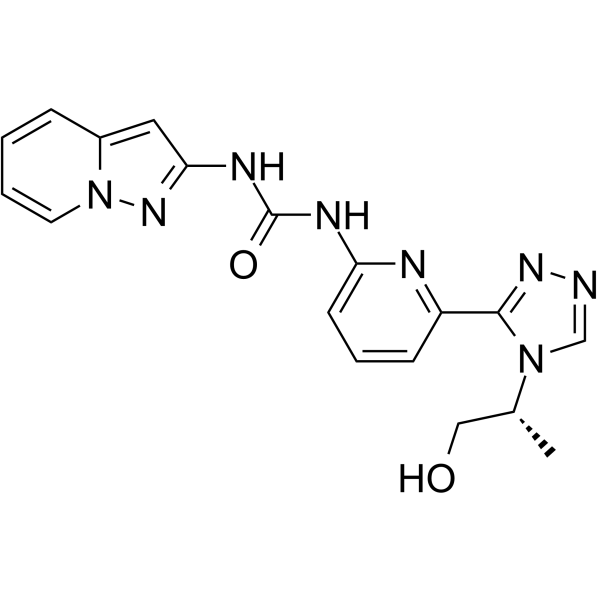
ASK1-IN-12
 0 ImagesArt. -Nr.: HY-179517ASK1-IN-12 is an ASK1 inhibitor with an IC50 of 6.3 nM. ASK1-IN-12 inhibits TNF-α-induced activation of the ASK1-p38/JNK pathway. ASK1-IN-12 can reduce free fatty acid-induced cholesterol increase, lipid droplet accumulation and improves hepatocellular steatosis. ASK1-IN-12 can be used for the research of non-alcoholic steatohepatitis (NASH).
- 1
- 2



