Search Result
Results for "
animal feed
" in MedChemExpress (MCE) Product Catalog:
1
Biochemical Assay Reagents
6
Isotope-Labeled Compounds
| Cat. No. |
Product Name |
Target |
Research Areas |
Chemical Structure |
-
- HY-B2163
-
Astaxanthin
Maximum Cited Publications
18 Publications Verification
|
PPAR
Reactive Oxygen Species (ROS)
STAT
NF-κB
Apoptosis
|
Cardiovascular Disease
Metabolic Disease
Cancer
|
|
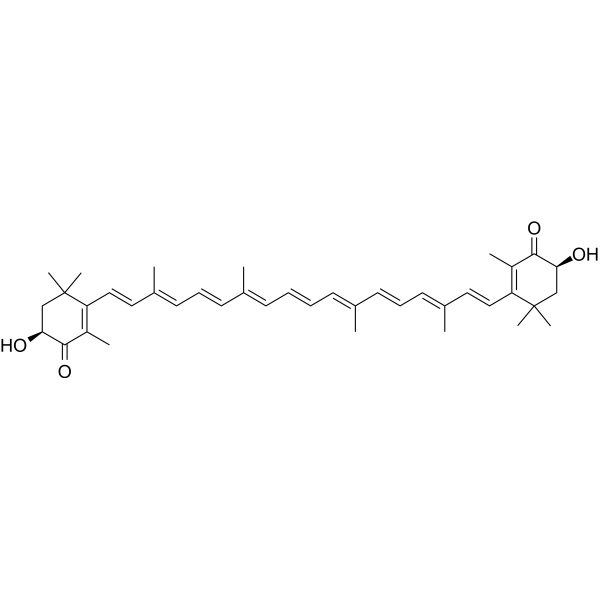
Astaxanthin, the red dietary carotenoid, is an orally effective and potent antioxidant. Astaxanthin inhibits NF-κB and down-regulates VEGF in blood glucose. Astaxanthin exerts anti-cancer cell proliferation, increases apoptosis, impairs migration and invasion by activating PPARγ and reducing the expression of STAT3. Astaxanthin also has neuroprotective and anti-inflammatory activity and can be used in studies of cancer, diabetic retinopathy, cardiovascular disease, and in the coloring of animal feed .
|
-
-
- HY-B0519A
-
Tylosin
1 Publications Verification
|
Bacterial
Antibiotic
|
Infection
|
|
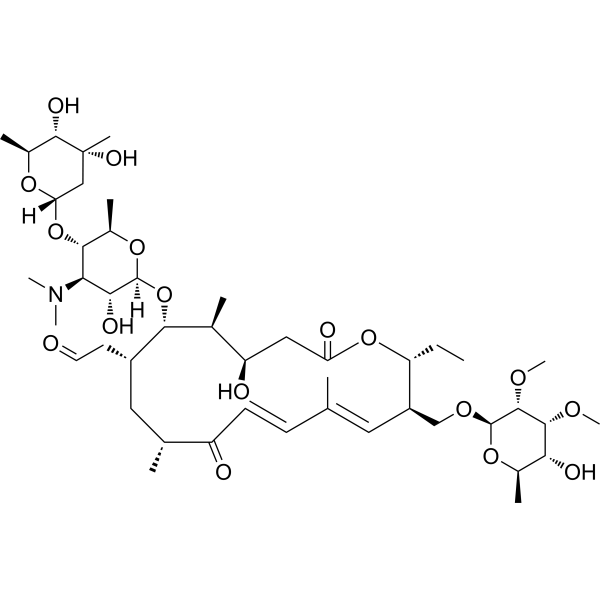
Tylosin (Tylosin A) is a macrolide antibiotic found naturally as a fermentation product of Streptomyces fradiae. Tylosin exerts potent antimicrobial activity against Gram-positive bacteria. Tylosin is widely used as a feed additive for promoting animal growth. Tylosin is used for veterinary purposes against bacterial dysentery and respiratory diseases in poultry, pigs and cattle .
|
-
-
- HY-N0325
-
-
-
- HY-107486
-
|
Multhiomycin; RP 9671
|
Bacterial
Antibiotic
|
Infection
|
|
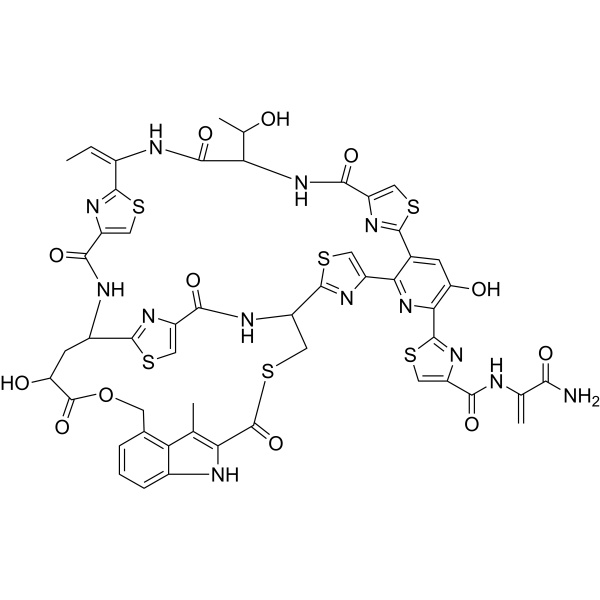
Nosiheptide (Multhiomycin), a thiopeptide antibiotic produced by Streptomyces actuosus, inhibits bacterial protein synthesis and bears a unique indole side ring system and regiospecific hydroxyl groups on the characteristic macrocyclic core. Nosiheptide has been widely used as a feed additive for animal growth .
|
-
-
- HY-B0519
-
|
|
Bacterial
Antibiotic
|
Infection
|
|
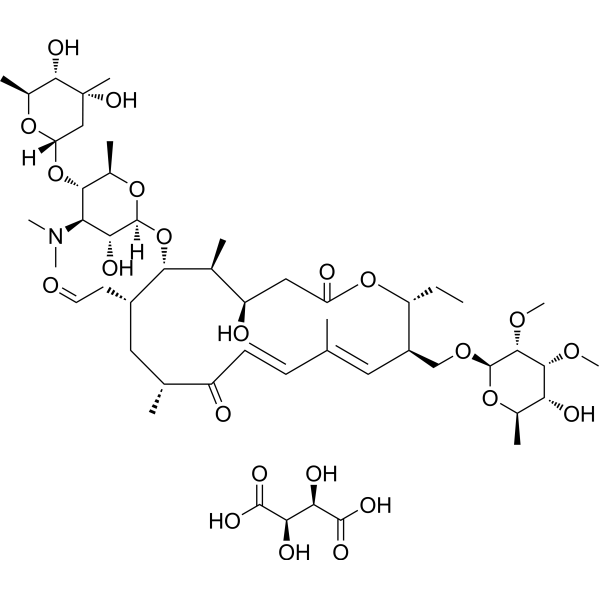
Tylosin tartrate is a macrolide antibiotic found naturally as a fermentation product of Streptomyces fradiae. Tylosin tartrate exerts potent antimicrobial activity against Gram-positive bacteria. Tylosin tartrate is widely used as a feed additive for promoting animal growth. Tylosin tartrate is used for veterinary purposes against bacterial dysentery and respiratory diseases in poultry, pigs and cattle .
|
-
-
- HY-W008150
-
|
α-Hydroxyisovaleric acid
|
Endogenous Metabolite
|
Metabolic Disease
|
|
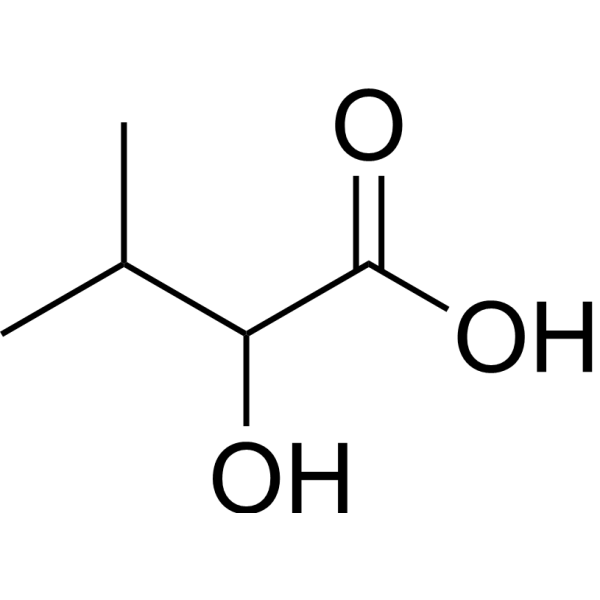
2-Hydroxy-3-methylbutanoic acid (α-Hydroxyisovaleric acid) is an α-hydroxy analogue of valine and a valine precursor that reduces urea excretion. 2-Hydroxy-3-methylbutanoic acid can promote the growth of chickens and rats, and is converted into valine in the body, participating in protein synthesis and maintaining nitrogen balance, thereby supporting animal growth and development. 2-Hydroxy-3-methylbutanoic acid has a more significant effect on the valine-deficient dietary model. 2-Hydroxy-3-methylbutanoic acid is mainly used in animal nutrition research to evaluate its potential application as a nitrogen source substitute in feed .
|
-
-
- HY-123581
-
|
|
Antibiotic
Bacterial
ATF6
DAPK
Autophagy
NF-κB
NO Synthase
Apoptosis
Reactive Oxygen Species (ROS)
Keap1-Nrf2
Heme Oxygenase (HO)
|
Infection
Inflammation/Immunology
|
|
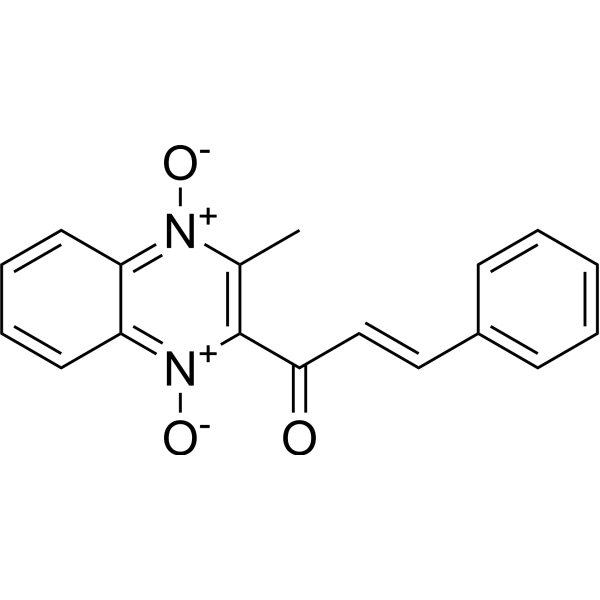
Quinocetone is an orally active animal feed additive used to increase the meat production of livestock and poultry. Quinocetone exhibits antibacterial activity against a variety of pathogenic microorganisms. Quinocetone exhibits tissue-specific (liver, lymphocyte) toxicity. Quinocetone induces autophagy in cells through the ATF6/DAPK1 pathway. Quinocetone activates the NF-κB and iNOS pathways, leading to cell apoptosis, hepatocyte vacuolar degeneration and fibrosis. Quinocetone can inhibit Nrf2/HO-1 and induce the generation of reactive oxygen species (ROS), leading to oxidative stress and DNA damage .
|
-
-
- HY-B1425
-
-
-
- HY-W017960
-
|
Et-HE; 1,4-DHP
|
SOD
|
Endocrinology
|
|
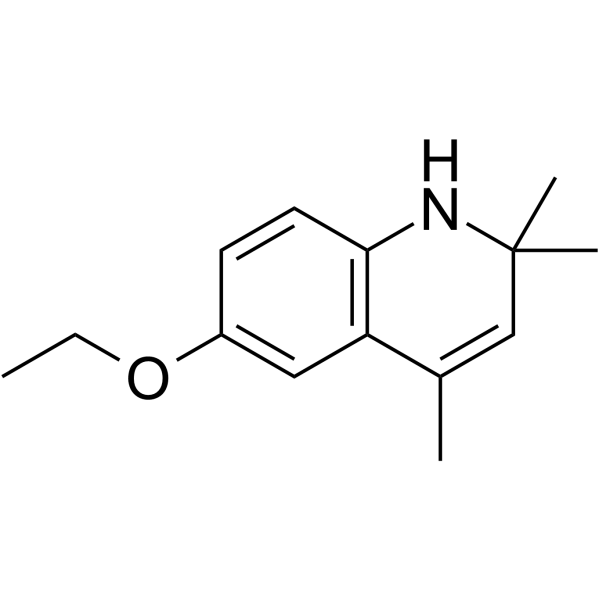
Diludine (BNP-7787) is an orally effective feed additive. Diludine reduces the activity of G6PD and increases the level of superoxide dismutase (SOD). Diludine reduces the mutagenic effect of environmental pollutants, protects parental reproductive systems and improves offspring quality. Diludine is mainly applied during the transition period of dairy cows to increase milk yield and milk fat content, and improve health status during parturition. Diludine can be used in animal feeding research .
|
-

-
- HY-B0519B
-
|
|
Bacterial
Antibiotic
|
Infection
|
|
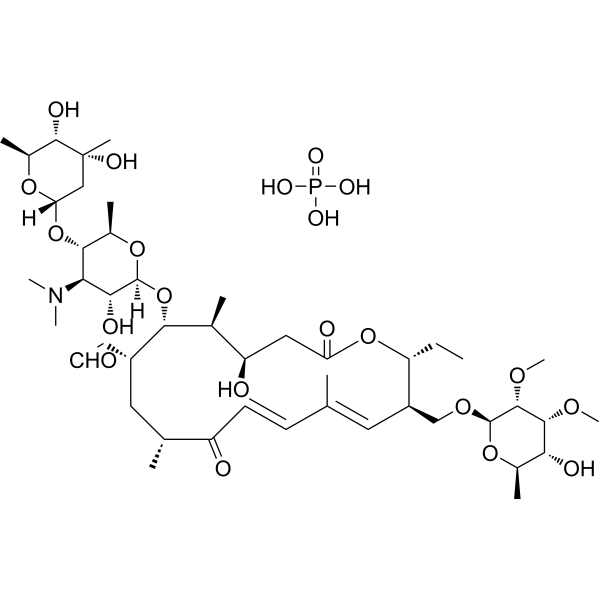
Tylosin phosphate is a macrolide antibiotic found naturally as a fermentation product of Streptomyces fradiae. Tylosin tartrate exerts potent antimicrobial activity against Gram-positive bacteria. Tylosin phosphate is widely used as a feed additive for promoting animal growth. Tylosin phosphate is used for veterinary purposes against bacterial dysentery and respiratory diseases in poultry, pigs and cattle .
|
-
-
- HY-P2816
-
|
|
Biochemical Assay Reagents
|
Others
|
|
Xylanase is an enzyme targeting 1,4-β-D-xylan that randomly cleaves the β-1,4 backbone of xylan, a complex polysaccharide in plant cell walls. Xylanase finds applications in the food, feed and industrial sectors, including pulp and paper processing, baking, animal feed improvement, and biotransformation of waste .
|
-
-
- HY-W021265
-
|
Cyclohexane-1,2,3,4,5,6-hexol
|
Biochemical Assay Reagents
|
Others
|
|
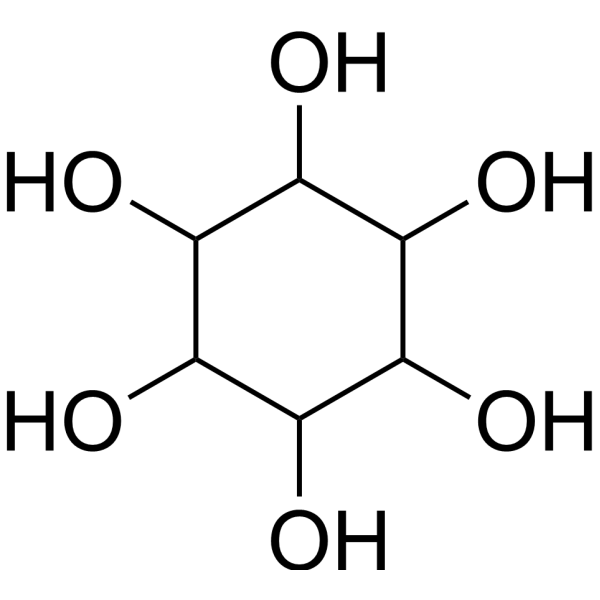
Cyclohexane-1,2,3,4,5,6-hexaol, also known as inositol or inositol, is a cyclic sugar alcohol consisting of a six-carbon ring with six hydroxyl groups. This compound is important for its biological activity and is widely distributed in nature, especially in plant and animal tissues. It plays a role in various physiological processes such as signal transduction, osmoregulation and lipid metabolism. In addition, Cyclohexane-1,2,3,4,5,6-hexaol has potential investigational effects, including improving conditions related to insulin resistance, polycystic ovary syndrome, and mental health conditions. It can also be used as a supplement in animal feed and human nutritional products.
|
-
-
- HY-B0519AS
-
|
|
Isotope-Labeled Compounds
Bacterial
Antibiotic
|
Infection
|
|
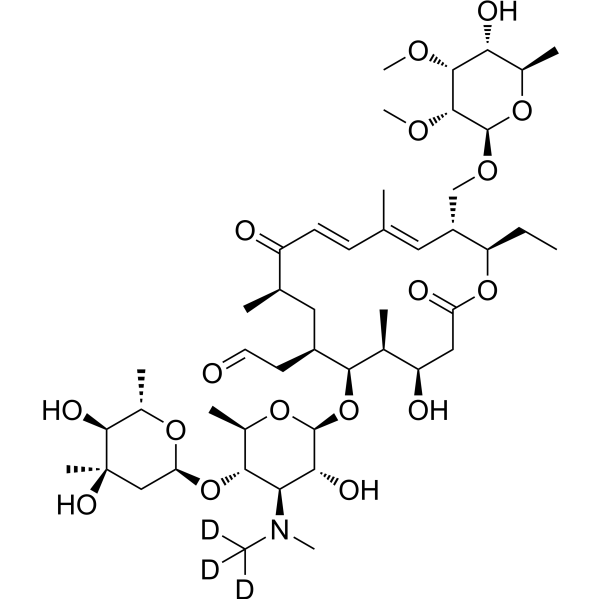
Tylosin-d3 is the deuterium labeled Tylosin. Tylosin (Tylosin A) is a macrolide antibiotic found naturally as a fermentation product of Streptomyces fradiae. Tylosin exerts potent antimicrobial activity against Gram-positive bacteria. Tylosin is widely used as a feed additive for promoting animal growth. Tylosin is used for veterinary purposes against bacterial dysentery and respiratory diseases in poultry, pigs and cattle .
|
-
-
- HY-N0325S4
-
|
|
Parasite
|
Cancer
|
|
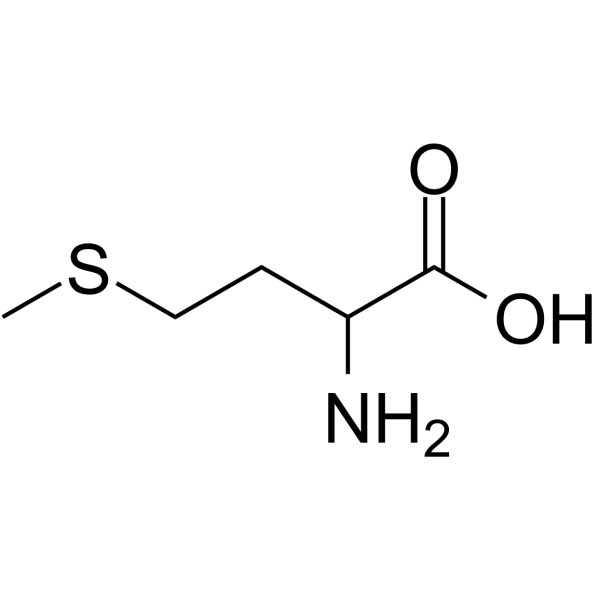
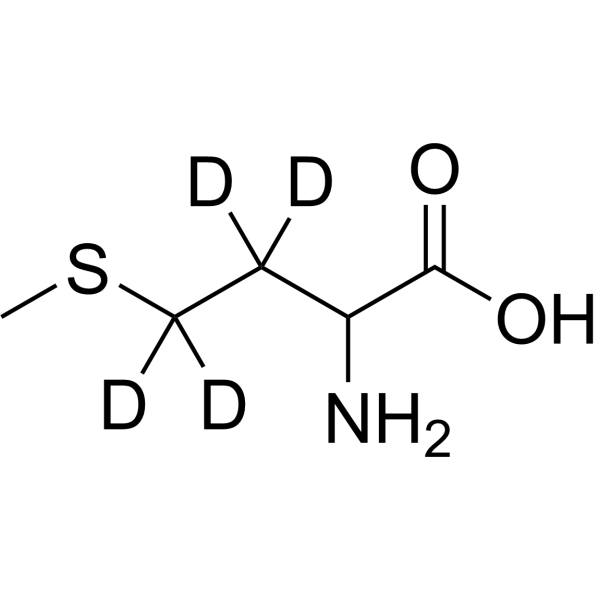
DL-Methionine-d4 is the deuterium labeled DL-Methionine. DL-Methionine is an essential amino acid containing sulfur with oxidative stress defense effects. DL-Methionine can be used for animal natural feed. DL-Methionine also kills H. rostochiensis on potato plants .
|
-
-
- HY-B0343C
-
|
|
Bacterial
|
|
|
Sarafloxacin hydrochloride 100 μg/mL in methanol is an antibiotic with activity to inhibit bacterial growth. Sarafloxacin hydrochloride 100 μg/mL in methanol is widely used in veterinary medicine to inhibit bacterial infections. The mechanism of action of Sarafloxacin hydrochloride 100 μg/mL in methanol is mainly achieved by inhibiting the activity of bacterial DNA gyrase. Sarafloxacin hydrochloride 100 μg/mL in methanol is also used in animal feed to improve feed conversion and promote growth.
|
-

-
- HY-107486R
-
|
Multhiomycin (Standard); RP 9671 (Standard)
|
Reference Standards
Bacterial
Antibiotic
|
Infection
|
|
Nosiheptide (Standard) is the analytical standard of Nosiheptide. This product is intended for research and analytical applications. Nosiheptide (Multhiomycin), a thiopeptide antibiotic produced by Streptomyces actuosus, inhibits bacterial protein synthesis and bears a unique indole side ring system and regiospecific hydroxyl groups on the characteristic macrocyclic core. Nosiheptide has been widely used as a feed additive for animal growth .
|
-

-
- HY-134577
-
|
|
Adrenergic Receptor
|
Endocrinology
|
|
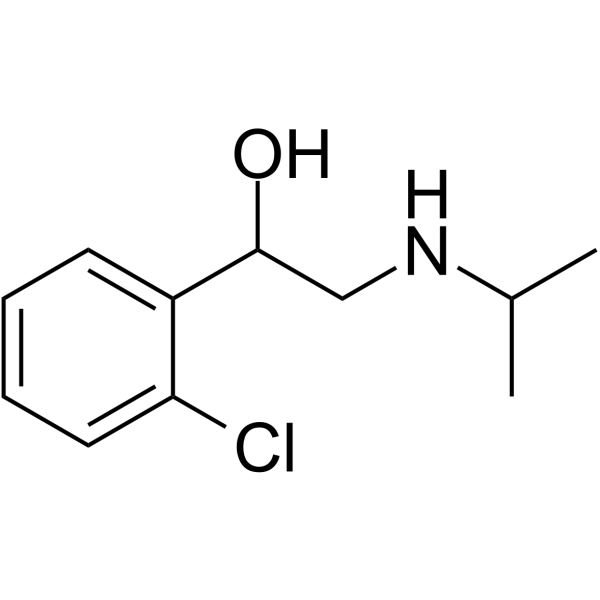
Clorprenaline is a potent agonist of β2-adrenergic. Clorprenaline promotes animal muscular mass growth and decreases fat accumulation. Clorprenaline is a potential new lean meat-boosting feed additive .
|
-
-
- HY-W268468
-
|
|
Biochemical Assay Reagents
|
Others
|
|
D,L-Isobornyl acetate is a flavor additive with a fragrance. D,L-Isobornyl acetate can be used as a flavoring agent in animal feed .
|
-

-
- HY-B2058
-
|
|
Fungal
Androgen Receptor
|
Infection
|
|
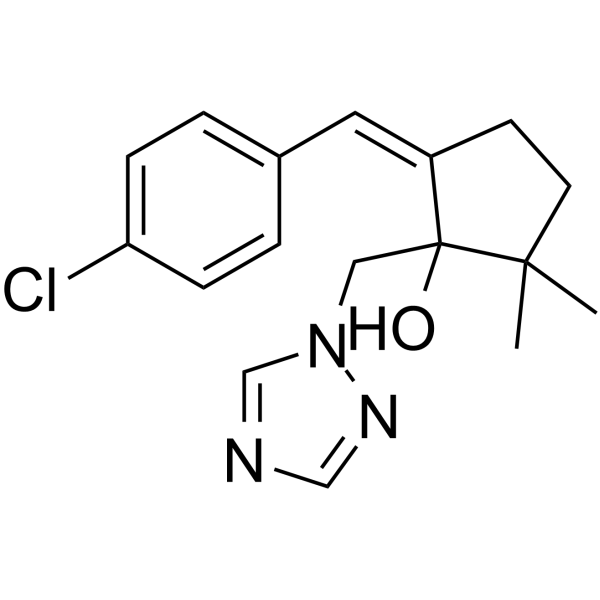
Triticonazole is an orally active triazole fungicide and androgen receptor antagonist. Triticonazole inhibits testosterone-induced androgen receptor activation and reduces basal testosterone secretion. Prenatal exposure to Triticonazole causes shortened anogenital distance in male rat fetuses and induces organ-specific histopathological changes in pigs. Triticonazole can be used for detoxification of seeds contaminated with fungal pathogens, but there is a risk of animal poisoning if the treated seeds are used as animal feed .
|
-
-
- HY-B0519BR
-
|
|
Reference Standards
Bacterial
Antibiotic
|
Infection
|
|
Tylosin (phosphate) (Standard) is the analytical standard of Tylosin (phosphate). This product is intended for research and analytical applications. Tylosin phosphate is a macrolide antibiotic found naturally as a fermentation product of Streptomyces fradiae. Tylosin tartrate exerts potent antimicrobial activity against Gram-positive bacteria. Tylosin phosphate is widely used as a feed additive for promoting animal growth. Tylosin phosphate is used for veterinary purposes against bacterial dysentery and respiratory diseases in poultry, pigs and cattle .
|
-

-
- HY-W008150R
-
|
α-Hydroxyisovaleric acid (Standard)
|
Reference Standards
Endogenous Metabolite
|
Metabolic Disease
|
|
2-Hydroxy-3-methylbutanoic acid (α-Hydroxyisovaleric acid) (Standard) is the analytical standard of 2-Hydroxy-3-methylbutanoic acid (HY-W008150). This product is intended for research and analytical applications. 2-Hydroxy-3-methylbutanoic acid is an α-hydroxy analogue of valine and a valine precursor that reduces urea excretion. 2-Hydroxy-3-methylbutanoic acid can promote the growth of chickens and rats, and is converted into valine in the body, participating in protein synthesis and maintaining nitrogen balance, thereby supporting animal growth and development. 2-Hydroxy-3-methylbutanoic acid has a more significant effect on the valine-deficient dietary model. 2-Hydroxy-3-methylbutanoic acid is mainly used in animal nutrition research to evaluate its potential application as a nitrogen source substitute in feed.
|
-

-
- HY-N8279
-
|
Endo-β-1,3-1,4-glucanase
|
Glycosidase
|
Metabolic Disease
|
|
β-1,3-1,4-glucanase (Endo-β-1,3-1,4-glucanase) is a glycoside hydrolase family 16 enzyme (some members belong to subfamily 25). β-1,3-1,4-glucanase shows high substrate specificity toward mixed‑linked β‑glucans and cleaves β‑1,4 glycosidic bonds adjacent to β‑1,3 linkages in an endo‑type pattern. β-1,3-1,4-glucanase can be used in industrial enzyme applications and monogastric animal feed supplementation .
|
-
-
- HY-B1425R
-
|
|
Reference Standards
HSP
Reactive Oxygen Species (ROS)
|
Cancer
|
|
Ethoxyquin (Standard) is the analytical standard of Ethoxyquin. This product is intended for research and analytical applications. Ethoxyquin is an antioxidant which has been used in animal feed for many years and also an inhibitor of heat shock protein 90 (Hsp90).
|
-

-
- HY-N0325S
-
|
|
Isotope-Labeled Compounds
Parasite
|
Infection
Inflammation/Immunology
|
|
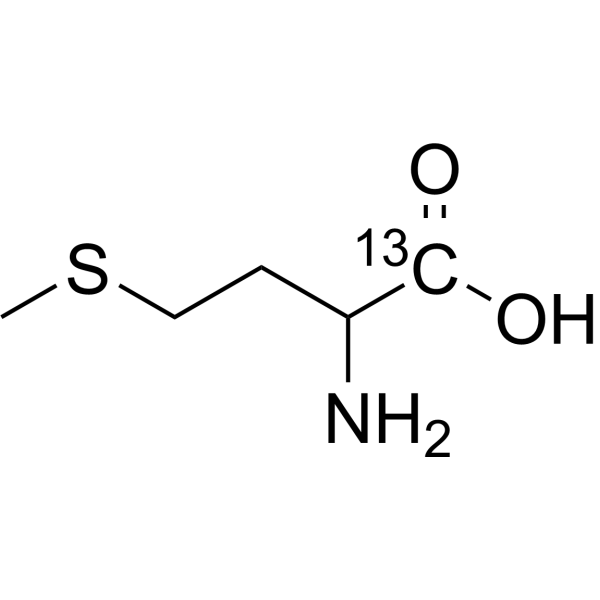
DL-Methionine- 13C is the 13C-labeled DL-Methionine. DL-Methionine is an essential amino acid containing sulfur with oxidative stress defense effects. DL-Methionine can be used for animal natural feed. DL-Methionine also kills H. rostochiensis on potato plants .
|
-
-
- HY-N0325R
-
|
|
Reference Standards
Parasite
|
Infection
Inflammation/Immunology
|
|
DL-Methionine (Standard) is the analytical standard of DL-Methionine. This product is intended for research and analytical applications. DL-Methionine is an essential amino acid containing sulfur with oxidative stress defense effects. DL-Methionine can be used for animal natural feed. DL-Methionine also kills H. rostochiensis on potato plants .
|
-

-
- HY-W017960R
-
|
Et-HE (Standard); 1,4-DHP (Standard)
|
SOD
Reference Standards
|
Metabolic Disease
|
|
Diludine (Standard) is the analytical standard of Diludine (HY-W017960). This product is intended for research and analytical applications. Diludine (BNP-7787) is an orally effective feed additive. Diludine reduces the activity of G6PD and increases the level of superoxide dismutase (SOD). Diludine reduces the mutagenic effect of environmental pollutants, protects parental reproductive systems and improves offspring quality. Diludine is mainly applied during the transition period of dairy cows to increase milk yield and milk fat content, and improve health status during parturition. Diludine can be used in animal feeding research .
|
-

-
- HY-B0519AR
-
|
|
Reference Standards
Bacterial
Antibiotic
|
Infection
|
|
Tylosin (Standard) is the analytical standard of Tylosin. This product is intended for research and analytical applications. Tylosin (Tylosin A) is a macrolide antibiotic found naturally as a fermentation product of Streptomyces fradiae. Tylosin exerts potent antimicrobial activity against Gram-positive bacteria. Tylosin is widely used as a feed additive for promoting animal growth. Tylosin is used for veterinary purposes against bacterial dysentery and respiratory diseases in poultry, pigs and cattle .
|
-

-
- HY-B0519R
-
|
|
Reference Standards
Bacterial
Antibiotic
|
Infection
|
|
Tylosin (tartrate) (Standard) is the analytical standard of Tylosin (tartrate). This product is intended for research and analytical applications. Tylosin tartrate is a macrolide antibiotic found naturally as a fermentation product of Streptomyces fradiae. Tylosin tartrate exerts potent antimicrobial activity against Gram-positive bacteria. Tylosin tartrate is widely used as a feed additive for promoting animal growth. Tylosin tartrate is used for veterinary purposes against bacterial dysentery and respiratory diseases in poultry, pigs and cattle .
|
-

-
- HY-121067
-
|
|
Parasite
|
Cancer
|
|
Carbarsone, also known as p-ureidobenzenearsonic acid, is historically used as an amebicide in human and veterinary medicine and extensively employed in poultry and swine feed, often in combination with antibiotics to prevent conditions like blackhead in turkeys. It exhibits relatively low acute toxicity, prompting investigations into its safety for food additives under the Federal Food, Drug, and Cosmetic Act. Studies aimed at assessing its potential carcinogenicity in laboratory animals have shown negative evidence similar to other arsanilic acid derivatives, suggesting minimal risk under chronic ingestion conditions. Metabolically, carbarsone is converted to arsanilic acid, which has been observed in preliminary studies involving dogs at high doses .
|
-

-
- HY-U00291
-
|
|
Antibiotic
|
Infection
|
|
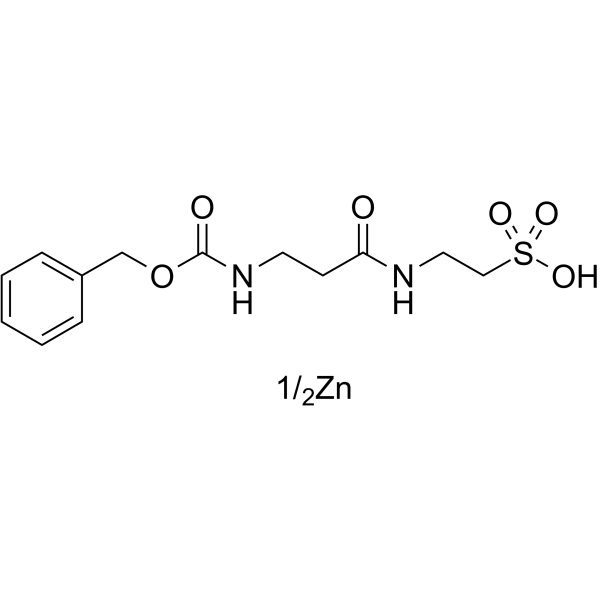
Tauroxicum can be used as a nontoxic, non-antimicrobial agent that can replace or supplement the use of antibiotics in the animal husbandry of livestock animals to increase health and general well-being, productivity, feed efficiency and weight gain.
|
-
-
- HY-I0678R
-
|
|
Reference Standards
Drug Metabolite
PDGFR
|
Cancer
|
Quinocetone (Standard) is the analytical standard of Quinocetone. This product is intended for research and analytical applications. Quinocetone is a potent synthetic antimicrobial agent that is used for improving the feed efficiency and controlling dysentery in food-producing animals .
|
-

-
- HY-N13240
-
|
|
Others
|
Others
|
|
Ginseng Extract is a ginseng extract, and its components include: Ginsenosides. Ginseng Extract is an excellent animal nutrition feed additive that can reduce the negative effects of heat stress on animal physiology. Studies have shown that Ginseng Extract can prolong the survival time of Caenorhabditis elegans under heat stress, and its mechanism is related to the upregulation of gene expression of specific heat shock proteins and tight junction proteins. .
|
-

-
- HY-N0325S1
-
|
|
Isotope-Labeled Compounds
Parasite
|
Infection
Inflammation/Immunology
|
|
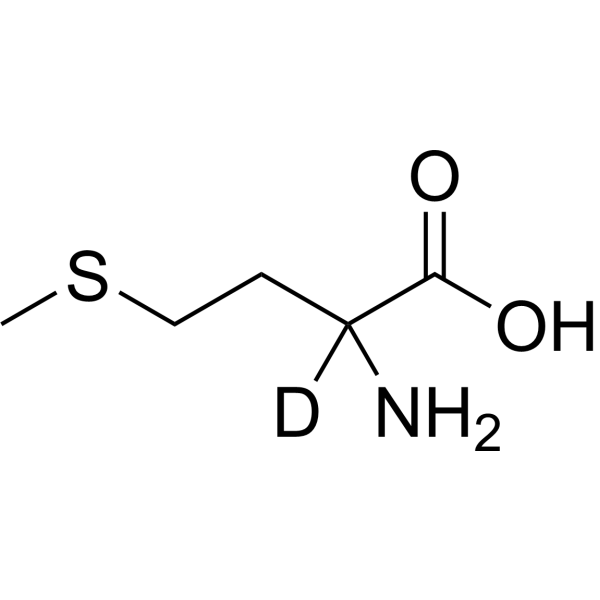
DL-Methionine-d is the deuterium labeled DL-Methionine. DL-Methionine is an essential amino acid containing sulfur with oxidative stress defense effects. DL-Methionine can be used for animal natural feed. DL-Methionine also kills H. rostochiensis on potato plants .
|
-
-
- HY-N0325S3
-
|
|
Isotope-Labeled Compounds
Parasite
|
Infection
|
|
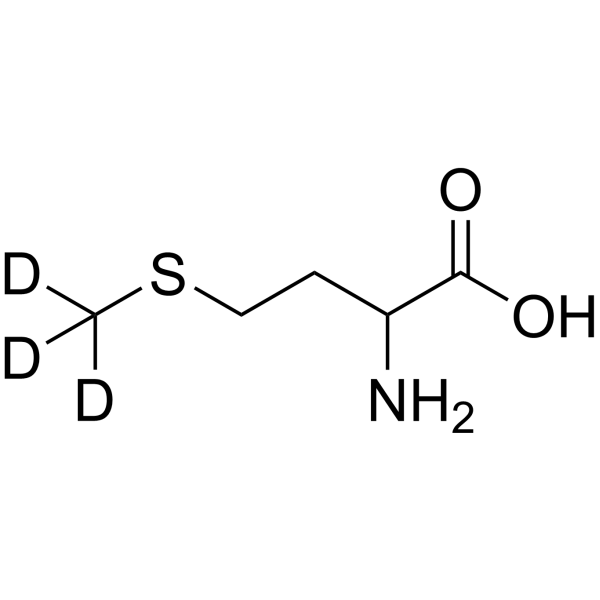
DL-Methionine-d3 is the deuterium labeled DL-Methionine. DL-Methionine is an essential amino acid containing sulfur with oxidative stress defense effects. DL-Methionine can be used for animal natural feed. DL-Methionine also kills H. rostochiensis on potato plants .
|
-
-
- HY-134577R
-
|
|
Reference Standards
Adrenergic Receptor
|
Endocrinology
|
|
Clorprenaline (Standard) is the analytical standard of Clorprenaline. This product is intended for research and analytical applications. Clorprenaline is a potent agonist of β2-adrenergic. Clorprenaline promotes animal muscular mass growth and decreases fat accumulation. Clorprenaline is a potential new lean meat-boosting feed additive .
|
-

-
- HY-B0357B
-
|
R-64433 sodium
|
Parasite
Antibiotic
|
Infection
|
|
Diclazuril sodium (R-64433 sodium) is an anticoccidial agent active in preventing parasitic contamination of livestock and poultry feed. Evaluation of the efficacy of Diclazuril sodium in the treatment of Eimeria infection showed poor performance in sustained levels of oocyst excretion compared with controls. Diclazuril sodium has a significant impact on the pathological effects of young animals in clinical applications .
|
-

-
- HY-162572
-
|
|
Parasite
|
Infection
|
|
Bitipazone, diacetylbis(piperidinethyl)thiourea cysteine ester (I), has potent anticoccidial activity. Bitipazone showed significant efficacy and good tolerability in rabbits and turkeys, and in chronic toxicity tests, bitipazone was tolerated in turkeys at concentrations below 90 ppm in feed. Pharmacokinetic studies show that bitipazone is eliminated slowly from the blood and organs of these animal species .
|
-

-
- HY-N11615R
-
|
|
Others
Reference Standards
|
Others
|
|
Tylosin (tartrate) (Standard) is the analytical standard of Tylosin (tartrate). This product is intended for research and analytical applications. Tylosin tartrate is a macrolide antibiotic found naturally as a fermentation product of Streptomyces fradiae. Tylosin tartrate exerts potent antimicrobial activity against Gram-positive bacteria. Tylosin tartrate is widely used as a feed additive for promoting animal growth. Tylosin tartrate is used for veterinary purposes against bacterial dysentery and respiratory diseases in poultry, pigs and cattle .
|
-

-
- HY-W725504
-
|
|
Isotope-Labeled Compounds
Endogenous Metabolite
|
Metabolic Disease
|
|
2-Hydroxy-3-methylbutanoic acid-d7 is the deuterium labeled 2-Hydroxy-3-methylbutanoic acid (HY-W008150). 2-Hydroxy-3-methylbutanoic acid is an α-hydroxy analogue of valine and a valine precursor that reduces urea excretion. 2-Hydroxy-3-methylbutanoic acid can promote the growth of chickens and rats, and is converted into valine in the body, participating in protein synthesis and maintaining nitrogen balance, thereby supporting animal growth and development. 2-Hydroxy-3-methylbutanoic acid has a more significant effect on the valine-deficient dietary model. 2-Hydroxy-3-methylbutanoic acid is mainly used in animal nutrition research to evaluate its potential application as a nitrogen source substitute in feed .
|
-

-
- HY-123581R
-
|
|
Reference Standards
Antibiotic
Bacterial
ATF6
DAPK
Autophagy
NF-κB
NO Synthase
Apoptosis
Reactive Oxygen Species (ROS)
|
Infection
Inflammation/Immunology
|
|
Quinocetone (Standard) is the analytical standard of Quinocetone (HY-123581). This product is used for research and analytical purposes. Quinocetone is an orally active animal feed additive used to increase the meat production of livestock and poultry. Quinocetone exhibits antibacterial activity against a variety of pathogenic microorganisms. Quinocetone exhibits tissue-specific (liver, lymphocyte) toxicity. Quinocetone induces autophagy in cells through the ATF6/DAPK1 pathway. Quinocetone activates the NF-κB and iNOS pathways, leading to cell apoptosis, hepatocyte vacuolar degeneration and fibrosis. Quinocetone can inhibit Nrf2/HO-1 and induce the generation of reactive oxygen species (ROS), leading to oxidative stress and DNA damage.
|
-

| Cat. No. |
Product Name |
Type |
-
- HY-W021265
-
|
Cyclohexane-1,2,3,4,5,6-hexol
|
Biochemical Assay Reagents
|
|
Cyclohexane-1,2,3,4,5,6-hexaol, also known as inositol or inositol, is a cyclic sugar alcohol consisting of a six-carbon ring with six hydroxyl groups. This compound is important for its biological activity and is widely distributed in nature, especially in plant and animal tissues. It plays a role in various physiological processes such as signal transduction, osmoregulation and lipid metabolism. In addition, Cyclohexane-1,2,3,4,5,6-hexaol has potential investigational effects, including improving conditions related to insulin resistance, polycystic ovary syndrome, and mental health conditions. It can also be used as a supplement in animal feed and human nutritional products.
|
| Cat. No. |
Product Name |
Target |
Research Area |
-
- HY-N11615R
-
|
|
Peptides
Reference Standards
|
Others
|
|
Tylosin (tartrate) (Standard) is the analytical standard of Tylosin (tartrate). This product is intended for research and analytical applications. Tylosin tartrate is a macrolide antibiotic found naturally as a fermentation product of Streptomyces fradiae. Tylosin tartrate exerts potent antimicrobial activity against Gram-positive bacteria. Tylosin tartrate is widely used as a feed additive for promoting animal growth. Tylosin tartrate is used for veterinary purposes against bacterial dysentery and respiratory diseases in poultry, pigs and cattle .
|
| Cat. No. |
Product Name |
Category |
Target |
Chemical Structure |
-
- HY-B2163
-
-
-
- HY-B0519A
-
-
-
- HY-N0325
-
-
-
- HY-107486
-
-
-
- HY-B0519
-
-
-
- HY-W008150
-
-
-
- HY-B0519B
-
-
-
- HY-W021265
-
|
Cyclohexane-1,2,3,4,5,6-hexol
|
Microorganisms
Source Classification
|
Biochemical Assay Reagents
|
|
Cyclohexane-1,2,3,4,5,6-hexaol, also known as inositol or inositol, is a cyclic sugar alcohol consisting of a six-carbon ring with six hydroxyl groups. This compound is important for its biological activity and is widely distributed in nature, especially in plant and animal tissues. It plays a role in various physiological processes such as signal transduction, osmoregulation and lipid metabolism. In addition, Cyclohexane-1,2,3,4,5,6-hexaol has potential investigational effects, including improving conditions related to insulin resistance, polycystic ovary syndrome, and mental health conditions. It can also be used as a supplement in animal feed and human nutritional products.
|
-
-
- HY-107486R
-
-
-
- HY-B0519BR
-
-
-
- HY-W008150R
-
|
α-Hydroxyisovaleric acid (Standard)
|
Structural Classification
Ketones, Aldehydes, Acids
Disease markers
Endocrine diseases
Nervous System Disorder
Endogenous metabolite
Source Classification
|
Reference Standards
Endogenous Metabolite
|
|
2-Hydroxy-3-methylbutanoic acid (α-Hydroxyisovaleric acid) (Standard) is the analytical standard of 2-Hydroxy-3-methylbutanoic acid (HY-W008150). This product is intended for research and analytical applications. 2-Hydroxy-3-methylbutanoic acid is an α-hydroxy analogue of valine and a valine precursor that reduces urea excretion. 2-Hydroxy-3-methylbutanoic acid can promote the growth of chickens and rats, and is converted into valine in the body, participating in protein synthesis and maintaining nitrogen balance, thereby supporting animal growth and development. 2-Hydroxy-3-methylbutanoic acid has a more significant effect on the valine-deficient dietary model. 2-Hydroxy-3-methylbutanoic acid is mainly used in animal nutrition research to evaluate its potential application as a nitrogen source substitute in feed.
|
-
-
- HY-N0325R
-
-
-
- HY-B0519AR
-
-
-
- HY-B0519R
-
-
-
- HY-N13240
-
|
|
Classification of Application Fields
Anti-aging
Plants
Disease Research Fields
Araliaceae
Source Classification
|
Others
|
|
Ginseng Extract is a ginseng extract, and its components include: Ginsenosides. Ginseng Extract is an excellent animal nutrition feed additive that can reduce the negative effects of heat stress on animal physiology. Studies have shown that Ginseng Extract can prolong the survival time of Caenorhabditis elegans under heat stress, and its mechanism is related to the upregulation of gene expression of specific heat shock proteins and tight junction proteins. .
|
-
-
- HY-N11615R
-
|
|
Alkaloids
Microorganisms
Other Alkaloids
Source Classification
|
Others
Reference Standards
|
|
Tylosin (tartrate) (Standard) is the analytical standard of Tylosin (tartrate). This product is intended for research and analytical applications. Tylosin tartrate is a macrolide antibiotic found naturally as a fermentation product of Streptomyces fradiae. Tylosin tartrate exerts potent antimicrobial activity against Gram-positive bacteria. Tylosin tartrate is widely used as a feed additive for promoting animal growth. Tylosin tartrate is used for veterinary purposes against bacterial dysentery and respiratory diseases in poultry, pigs and cattle .
|
-
| Cat. No. |
Product Name |
Chemical Structure |
-
- HY-B0519AS
-
|
|
|
Tylosin-d3 is the deuterium labeled Tylosin. Tylosin (Tylosin A) is a macrolide antibiotic found naturally as a fermentation product of Streptomyces fradiae. Tylosin exerts potent antimicrobial activity against Gram-positive bacteria. Tylosin is widely used as a feed additive for promoting animal growth. Tylosin is used for veterinary purposes against bacterial dysentery and respiratory diseases in poultry, pigs and cattle .
|
-
-
- HY-N0325S4
-
|
|
|
DL-Methionine-d4 is the deuterium labeled DL-Methionine. DL-Methionine is an essential amino acid containing sulfur with oxidative stress defense effects. DL-Methionine can be used for animal natural feed. DL-Methionine also kills H. rostochiensis on potato plants .
|
-
-
- HY-N0325S
-
|
|
|
DL-Methionine- 13C is the 13C-labeled DL-Methionine. DL-Methionine is an essential amino acid containing sulfur with oxidative stress defense effects. DL-Methionine can be used for animal natural feed. DL-Methionine also kills H. rostochiensis on potato plants .
|
-
-
- HY-N0325S1
-
|
|
|
DL-Methionine-d is the deuterium labeled DL-Methionine. DL-Methionine is an essential amino acid containing sulfur with oxidative stress defense effects. DL-Methionine can be used for animal natural feed. DL-Methionine also kills H. rostochiensis on potato plants .
|
-
-
- HY-N0325S3
-
|
|
|
DL-Methionine-d3 is the deuterium labeled DL-Methionine. DL-Methionine is an essential amino acid containing sulfur with oxidative stress defense effects. DL-Methionine can be used for animal natural feed. DL-Methionine also kills H. rostochiensis on potato plants .
|
-
-
- HY-W725504
-
|
|
|
2-Hydroxy-3-methylbutanoic acid-d7 is the deuterium labeled 2-Hydroxy-3-methylbutanoic acid (HY-W008150). 2-Hydroxy-3-methylbutanoic acid is an α-hydroxy analogue of valine and a valine precursor that reduces urea excretion. 2-Hydroxy-3-methylbutanoic acid can promote the growth of chickens and rats, and is converted into valine in the body, participating in protein synthesis and maintaining nitrogen balance, thereby supporting animal growth and development. 2-Hydroxy-3-methylbutanoic acid has a more significant effect on the valine-deficient dietary model. 2-Hydroxy-3-methylbutanoic acid is mainly used in animal nutrition research to evaluate its potential application as a nitrogen source substitute in feed .
|
-
Your information is safe with us. * Required Fields.
Inquiry Information
- Product Name:
- Cat. No.:
- Quantity:
- MCE Japan Authorized Agent:








