Search Result
Results for "
dopamine uptake
" in MedChemExpress (MCE) Product Catalog:
8
Isotope-Labeled Compounds
| Cat. No. |
Product Name |
Target |
Research Areas |
Chemical Structure |
-
- HY-B0520A
-
|
Benzatropine mesylate; Benzotropine mesylate; Benztropine methanesulfonate
|
Dopamine Receptor
mAChR
Histamine Receptor
|
Infection
Neurological Disease
Metabolic Disease
Cancer
|
|
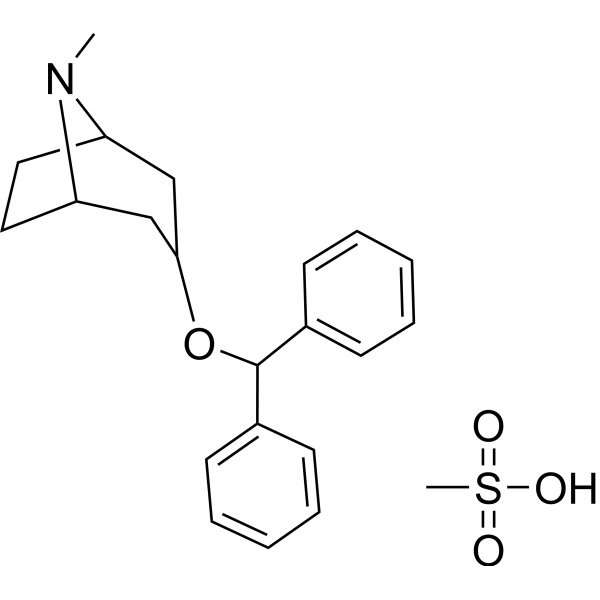
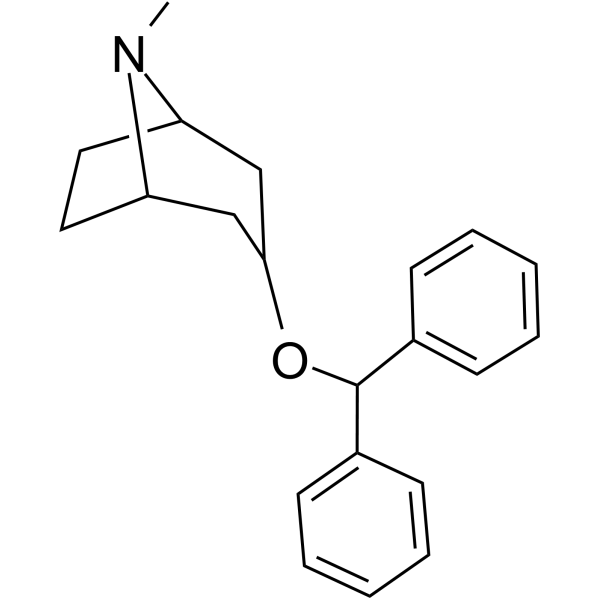
Benztropine mesylate (Benzatropine mesylate) is an orally active and BBB-permeable centrally acting anticholinergic agent that can be used for Parkinson's disease research. Benztropine mesylate is an anti-histamine agent and a dopamine re-uptake inhibitor. Benztropine mesylate is also a human D2 dopamine receptor allosteric antagonist. Benztropine mesylate also has anti-CSCs (cancer stem cells) effects .
|
-
-
- HY-B0590
-
|
Ro 1-9569
|
Monoamine Transporter
Dopamine Receptor
|
Neurological Disease
|
|
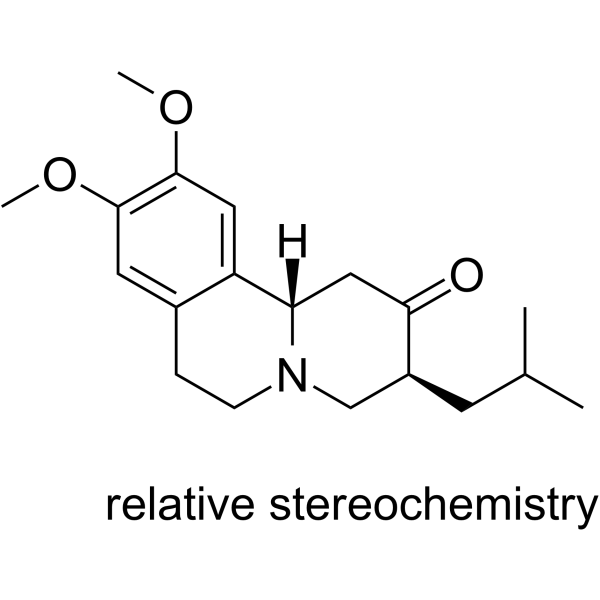
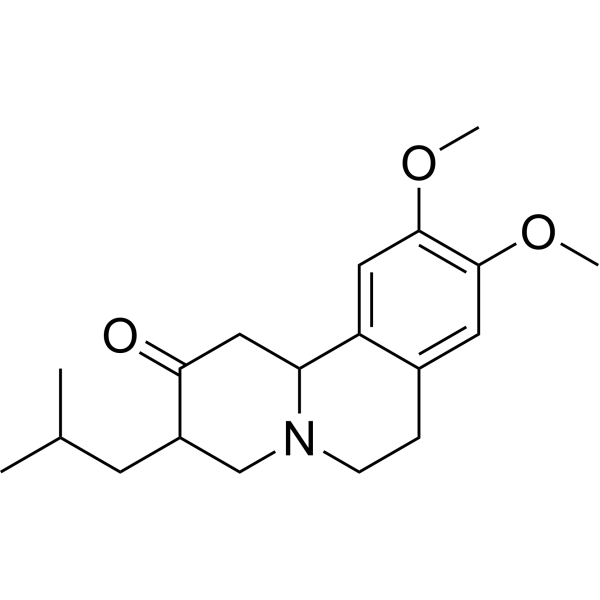
Tetrabenazine (Ro 1-9569) is a brain-penetrant and orally active VMAT2-selective ligand with human VMAT2 Ki 100 nM. Tetrabenazine binds VMAT2 to block monoamine uptake into synaptic vesicles, potentiates cytoplasmic monoamine degradation. Tetrabenazine weakly blocks dopamine D2 receptors, and increases dopamine turnover via elevated cerebrospinal fluid homovanillic acid. Tetrabenazine can be used for the research of Huntington’s disease, tardive dyskinesia, and Tourette’s syndrome .
|
-
-
- HY-B0979
-
|
α-Lobeline hydrochloride; L-Lobeline hydrochloride
|
nAChR
Dopamine Transporter
|
Neurological Disease
|
|
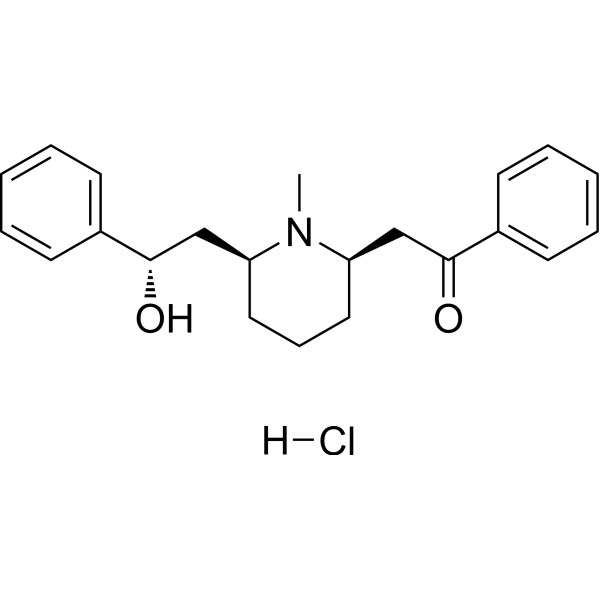
Lobeline (α-Lobeline) hydrochloride is a brain-penetrant nicotinic receptor agonist. Lobeline hydrochloride increases dopamine (DA) release by inhibiting DA uptake into synaptic vesicles, and altering presynaptic DA storage. Lobeline hydrochloride is effective in smoking cessation .
|
-
-
- HY-B0590S
-
|
Ro 1-9569-d6
|
Monoamine Transporter
|
Neurological Disease
|
|
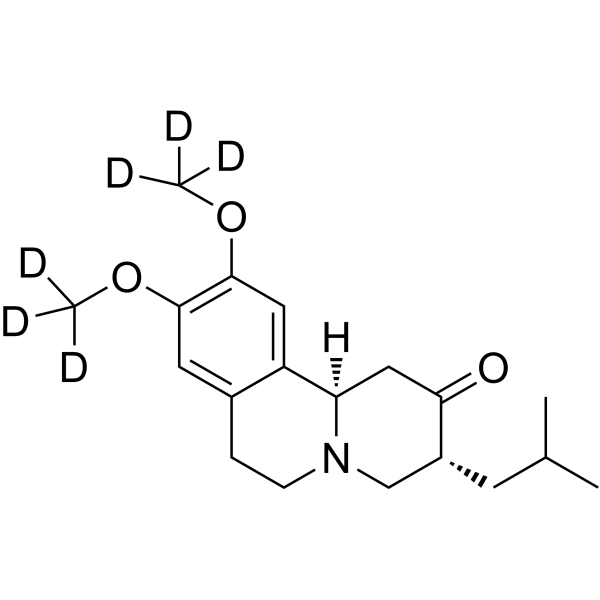
Tetrabenazine-d6 (Deutetrabenazine) is a deuterium-labled Tetrabenazine (HY-B0590). Tetrabenazine (Ro 1-9569) is a brain-penetrant and orally active VMAT2-selective ligand with human VMAT2 Ki 100 nM. Tetrabenazine binds VMAT2 to block monoamine uptake into synaptic vesicles, potentiates cytoplasmic monoamine degradation. Tetrabenazine weakly blocks dopamine D2 receptors, and increases dopamine turnover via elevated cerebrospinal fluid homovanillic acid. Tetrabenazine can be used for the research of Huntington’s disease, tardive dyskinesia, and Tourette’s syndrome .
|
-
-
- HY-14472
-
|
NS-2330
|
Dopamine Transporter
Serotonin Transporter
|
Metabolic Disease
|
|
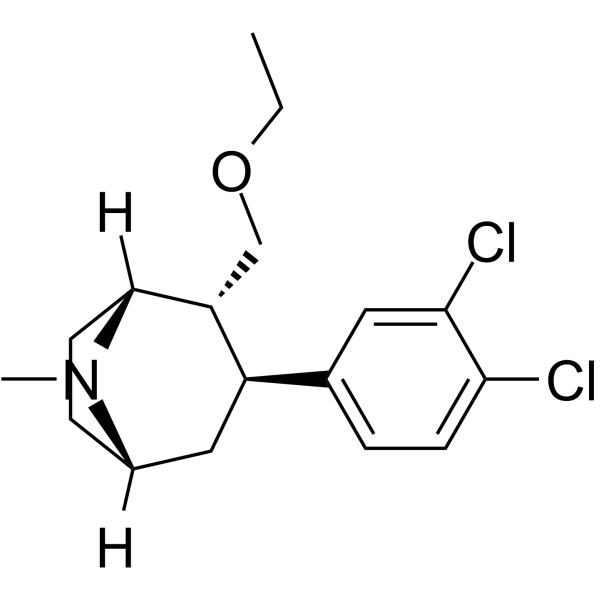
Tesofensine (NS-2330) is a triple monoamine reuptake inhibitor inducing a potent inhibition of the re-uptake process in the synaptic cleft of the neurotransmitters dopamine (DA; IC50=6.5 nM), norepinephrine (NE;IC50=1.7 nM), and serotonin (5-HT;IC50=11 nM), and with potentials as an anti-obesity agent . Tesofensine is a CNS acting anti-obesity agent .
|
-
-
- HY-B1002
-
|
|
Bacterial
Antibiotic
DNA/RNA Synthesis
|
Infection
|
|
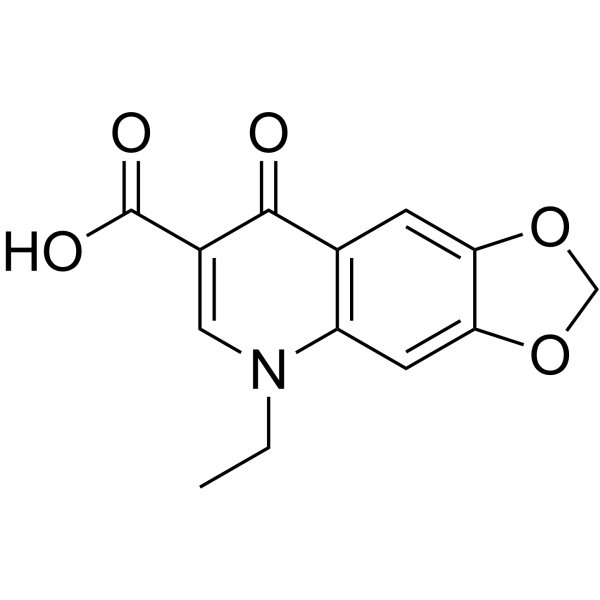
Oxolinic acid is an antibiotic against both Gram-negative and Gram-positive bacteria. Oxolinic acid can be used for the research of acute and chronic urinary tract infections. Oxolinic acid is a DNA/RNA synthesis inhibitor. Oxolinic acid acts a dopamine uptake inhibitor and stimulants locomotor effect in mice .
|
-
-
- HY-B1470
-
|
R-1929
|
Dopamine Receptor
Adrenergic Receptor
|
Neurological Disease
|
|
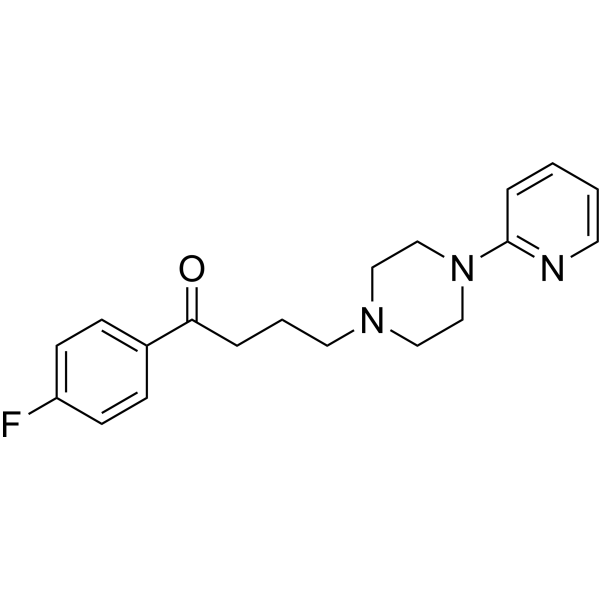
Azaperone is an antagonist of dopamine D2 receptor (Dopamine D2 Receptor) and α-adrenergic receptor (AR). Azaperone reduces vasomotor tone, mean arterial pressure, hematocrit, hemoglobin concentration, and etorphine-induced duration; induces transient tachycardia followed by bradycardia, splenic uptake of red blood cells, and sedation; alters animal behaviors; and produces sedation with distinct onset and duration in foals. Azaperone is used for sedation and tranquilization in various animals to reduce stress and aggressive behaviors, and serves as a preanesthetic agent .
|
-
-
- HY-B1110
-
Nomifensine
Maximum Cited Publications
6 Publications Verification
(±)-Nomifensine; Nomifensin
|
Dopamine Receptor
Adrenergic Receptor
|
Neurological Disease
|
|
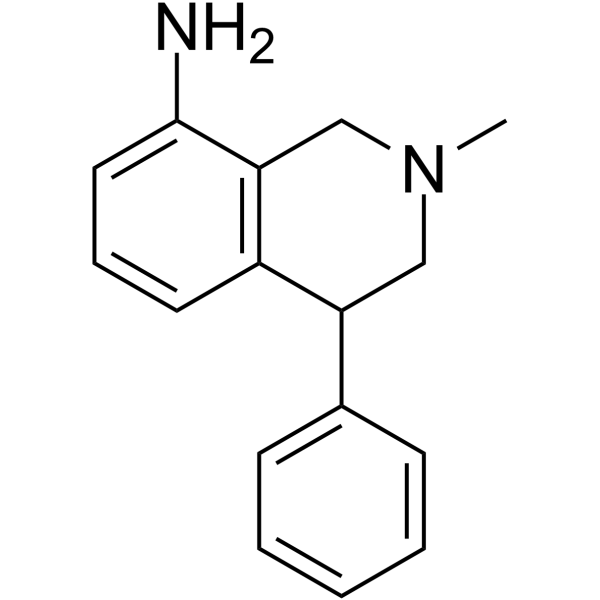
Nomifensine ((±)-Nomifensine) is a potent norepinephrine (NE) and dopamine (DA) reuptake inhibitor. Nomifensine inhibits uptake of NE, DA and 5-HT in rat brain synaptosomes, with IC50 values of 6.6 nM, 48 nM and 830 nM, and Ki values of 4.7 nM, 26 nM and 4000 nM, respectively. Nomifensine has antidepressant and analgesic effects. Nomifensine is used in neurodegenerative diseases, compound addiction, and pain research .
|
-
-
- HY-B1110A
-
|
(±)-Nomifensine maleate; Nomifensin maleate
|
Dopamine Receptor
Adrenergic Receptor
|
Neurological Disease
|
|
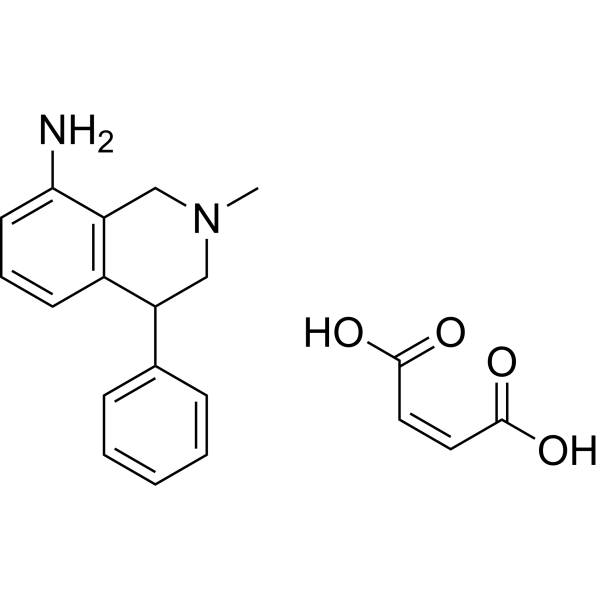
Nomifensine ((±)-Nomifensine) maleate is a potent norepinephrine (NE) and dopamine (DA) reuptake inhibitor. Nomifensine maleate inhibits uptake of NE, DA and 5-HT in rat brain synaptosomes, with IC50 values of 6.6 nM, 48 nM and 830 nM, and Ki values of 4.7 nM, 26 nM and 4000 nM, respectively. Nomifensine maleate has antidepressant and analgesic effects. Nomifensine maleate is used in neurodegenerative diseases, compound addiction, and pain research .
|
-
-
- HY-B0520
-
|
Benzatropine; Benzotropine
|
Dopamine Receptor
mAChR
Histamine Receptor
|
Cancer
|
|
Benztropine (Benzatropine; Benzotropine) is an orally active and BBB-permeable centrally acting anticholinergic agent that can be used for Parkinson's disease research . Benztropine is an anti-histamine agent and a dopamine re-uptake inhibitor. Benztropine is also a human D2 dopamine receptor allosteric antagonist. Benztropine mesylate also has anti-CSCs (cancer stem cells) effects .
|
-
-
- HY-W206168
-
|
Norlaudanosoline hydrobromide
|
Dopamine Receptor
|
Neurological Disease
|
|
Tetrahydropapaveroline (Norlaudanosoline) hydrobromide, an isoquinoline alkaloid, is a condensation product of dopamine and dopaldehyde. Tetrahydropapaveroline hydrobromide inhibits [ 3H]DA uptake with a Ki of 41 μM. Tetrahydropapaveroline hydrobromide can be used for the study of Parkinson's disease and/or alcohol addiction .
|
-
-
- HY-B1233
-
|
2-Amino-6-methylheptane; 1,5-Dimethylhexylamine; 6-Methyl-2-heptylamine
|
Dopamine Receptor
|
Others
|
|
Octodrine (2-Amino-6-methylheptane) is a central nervous stimulant that increases the uptake of dopamine and noradrenaline. Octodrine is found to increase the pain threshold, cardiac rate (positive chronotropic effect) and myocardial contractility (positive inotropic effect) .
|
-
-
- HY-B0590A
-
|
Ro 1-9569 Racemate
|
Monoamine Transporter
Dopamine Receptor
|
Neurological Disease
|
|
Tetrabenazine (Ro 1-9569) Racemate is a brain-penetrant and orally active VMAT2-selective ligand with human VMAT2 Ki 100 nM. Tetrabenazine Racemate binds VMAT2 to block monoamine uptake into synaptic vesicles, potentiates cytoplasmic monoamine degradation. Tetrabenazine Racemate weakly blocks dopamine D2 receptors, and increases dopamine turnover via elevated cerebrospinal fluid homovanillic acid. Tetrabenazine Racemate can be used for the research of Huntington’s disease, tardive dyskinesia, and Tourette’s syndrome .
|
-
-
- HY-14201
-
|
Ro 19-6327
|
Monoamine Oxidase
|
Neurological Disease
|
|
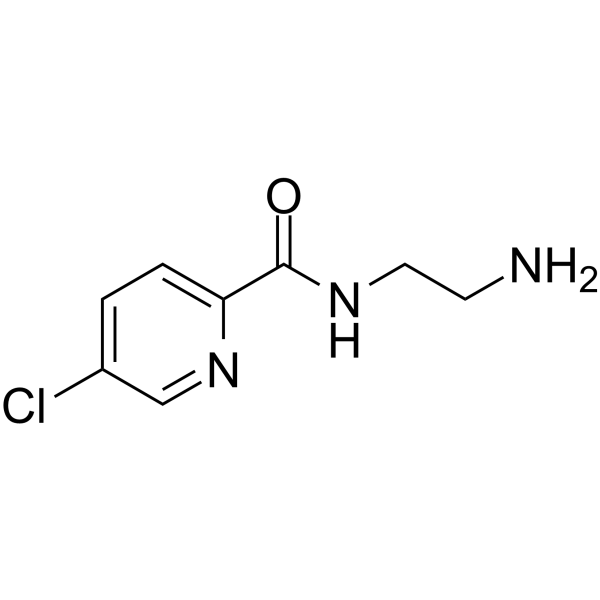
Lazabemide (Ro 19-6327) is a selective, reversible inhibitor of monoamine oxidase B (MAO-B) (IC50=0.03 μM) but less active for MAO-A (IC50>100 μM). Lazabemide ?inhibits monoamine uptake at high concentrations, the IC50 values are 86 μM, 123 μM and >500 μM for noradrenalin, serotonin and dopamine uptake, respectively. Lazabemide can be used for the research of parkinson and?alzheimer′s disease .
|
-
-
- HY-101315
-
|
3α-Bis-(4-fluorophenyl) Methoxytropane hydrochloride
|
Dopamine Transporter
|
Neurological Disease
|
|
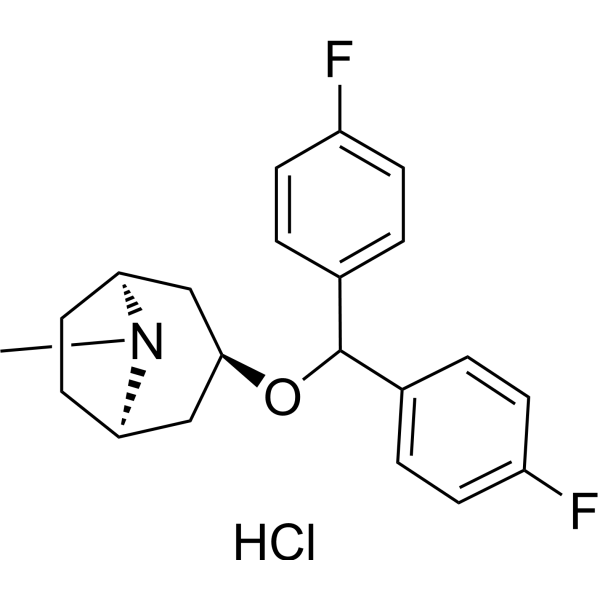
AHN 1-055 hydrochloride is a dopamine uptake inhibitor that can cross the blood-brain barrier, with an IC50 of 71 nM. AHN 1-055 hydrochloride binds with high affinity to the dopamine transporter (DAT) .
|
-
-
- HY-103430A
-
|
|
Dopamine Receptor
5-HT Receptor
Adenylate Cyclase
|
Neurological Disease
|
|
SKF-83566 is a potent, blood-brain permeable and orally active D1-like dopamine receptor (D1DR) antagonist and a weaker competitive antagonist at the vascular 5-HT2 receptor (Ki=11 nM) . SKF-83566 is a competitive DAT (dopamine transporter) inhibitor with an IC50 of 5.7 μM . SKF-83566 also shows selective inhibition for adenylyl cyclase 2 (AC2) over AC1 and AC5 in the isolated rabbit thoracic aorta . SKF-83566 can be used for research of parkinson’s disease and nicotine craving alleviation .
|
-
-
- HY-100968
-
|
|
Dopamine Receptor
|
Neurological Disease
|
|
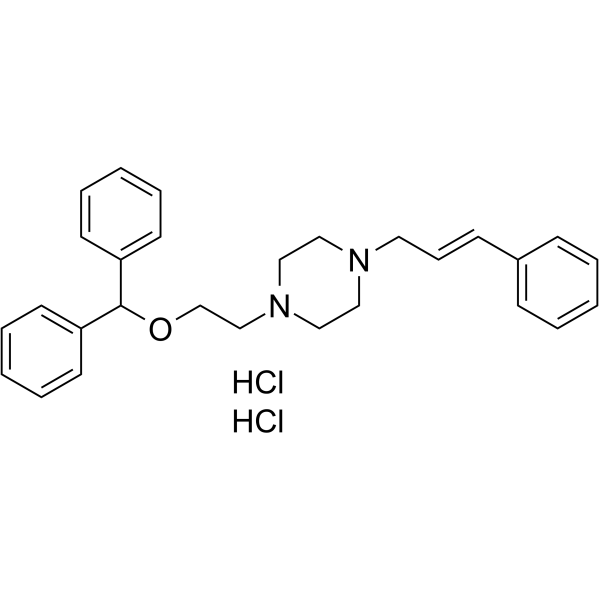
GBR 12783 dihydrochloride is a specific, potent and selective dopamine uptake inhibitor that inhibits the [ 3H]dopamine uptake by rat and mice striatal synaptosomes with IC50s of 1.8 nM and 1.2 nM, respectively. GBR 12783 dihydrochloride can improve memory performance and increase hippocampal acetylcholine release in rats .
|
-
-
- HY-W722043
-
-
-
- HY-108510
-
|
BW 234U dihydrochloride
|
Sigma Receptor
Dopamine Receptor
|
Neurological Disease
Cancer
|
|
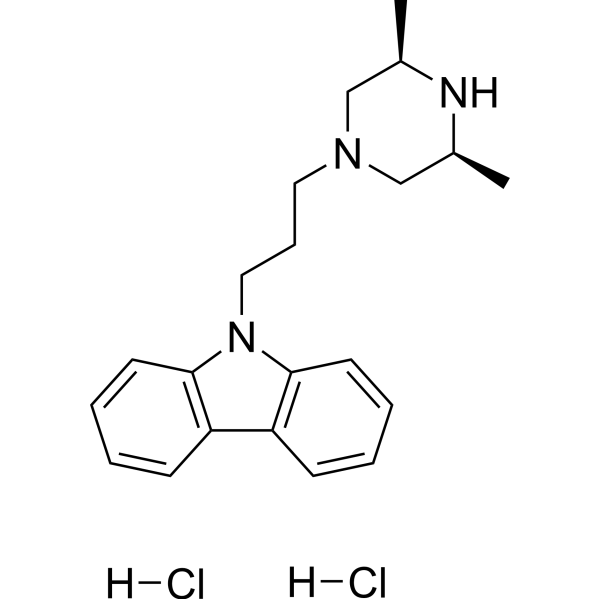
Rimcazole (BW 234U) dihydrochloride is a carbazole derivative that acts in part as a sigma (σ) receptor antagonist. Rimcazole dihydrochloride also binds with moderate affinity to the dopamine transporter and inhibit dopamine uptake. Rimcazole dihydrochloride can reduce locomotor activity and sensitization. Rimcazole dihydrochloride also can be used for the research of cancer .
|
-
-
- HY-161723
-
|
|
Dopamine Transporter
CDK
|
Neurological Disease
|
|
LH2-051, a lysosome-enhancing compound (LYEC), is a brain-penetrant dopamine transporter (DAT) inhibitor (Ki: 0.95 μM). LH2-051 inhibits DAT-mediated dopamine uptake with an IC50 of 3.0 μM. LH2-051 promotes nuclear translocation of TFEB and lysosome biogenesis. LH2-051 improves the memory of amyloid precursor protein (APP)/Presenilin 1 (PS1) mice. LH2-051 can be used for the study of Alzheimer’s disease .
|
-
-
- HY-101631
-
-
-
- HY-116211
-
|
WIN-25978
|
Biochemical Assay Reagents
|
Neurological Disease
|
|
Amfonelic acid (WIN-25978) is a highly selective dopamine reuptake inhibitor. Amfonelic acid interferes with the in vitro neuronal uptake of norepinephrine in the iris of rats, but does not alter the concentrations of norepinephrine or dopamine in the whole mouse brain. Amfonelic acid can be used as a pharmacological tool to study the brain reward system, dopamine pathway and dopamine transporter .
|
-
-
- HY-B1423
-
|
α-Lobeline; L-Lobeline
|
nAChR
Dopamine Transporter
|
Neurological Disease
|
|
Lobeline (α-Lobeline) is a brain-penetrant nicotinic receptor agonist. Lobeline increases dopamine (DA) release by inhibiting DA uptake into synaptic vesicles, and altering presynaptic DA storage. Lobeline is effective in smoking cessation .
|
-
-
- HY-B1233A
-
|
2-Amino-6-methylheptane hydrochloride; 1,5-Dimethylhexylamine hydrochloride; 6-Methyl-2-heptylamine hydrochloride
|
Dopamine Receptor
|
Neurological Disease
|
|
Octodrine (2-Amino-6-methylheptane) is a central nervous activator that increases the uptake of dopamine and noradrenaline. Octodrine is found to increase the pain threshold, cardiac rate (positive chronotropic effect) and myocardial contractility (positive inotropic effect) .
|
-
-
- HY-163384
-
|
|
Dopamine Transporter
|
Neurological Disease
|
|
(S)-CE-123 is a potent, selective, and novel atypical dopamine transporter (DAT) inhibitor with an EC50 of 2.76 μM in uptake inhibition assays conducted in HEK293 cells stably expressing human isoforms of DAT. (S)-CE-123, a Modafinil analogue, is able to penetrate the blood–brain barrier. (S)-CE-123 improves cognitive and motivational processes in experimental animals .
|
-
-
- HY-106100A
-
|
EMD 38362
|
Dopamine Receptor
Serotonin Transporter
|
Neurological Disease
|
|
Roxindole hydrochloride (EMD 38362), an indot-alkyl-pipenidine, is a potent agonist at dopamine autoreceptors, with an affinity for the D2-like subtype in the low nanomolar range. Roxindole can be used for the research of positive and negative schizophrenic symptoms. Roxindole is a 5-HT1A agonist and 5-HT uptake inhibitor with high affinity for 5-HT1A (IC50=0.9 nM). Antipsychotic and antidepressant activities .
|
-
-
- HY-18610A
-
|
Ro 8-4650
|
Dopamine Transporter
Adrenergic Receptor
5-HT Receptor
|
Neurological Disease
|
|
Diclofensine (Ro 8-46500) is an orally active neuronal monoamine uptake inhibitor. Diclofensine blocks the uptake of dopamine, noradrenaline, and serotonin by rat brain synaptosomes with IC50 values of 0.74, 2.3 and 3.7 nM, respectively. Diclofensine potentiates norepinephrine-induced hypertension and attenuates Tyramine (HY-W007606)-induced hypertension. Diclofensine produces psychostimulant and mood-elevating effects without causing sudden disappearance or withdrawal reactions. Diclofensine can be used in the research of moderate to severe depression .
|
-
-
- HY-14202
-
|
Ro 19-6327 hydrochloride
|
Monoamine Oxidase
|
Neurological Disease
|
|
Lazabemide hydrochloride (Ro 19-6327 hydrochloride) is a selective, reversible inhibitor of monoamine oxidase B (MAO-B) (IC50=0.03 μM) but less active for MAO-A (IC50>100 μM). Lazabemide inhibits monoamine uptake at high concentrations, the IC50 values are 86 μM, 123 μM and >500 μM for noradrenalin, serotonin and dopamine uptake, respectively. Lazabemide can be used for the research of parkinson and alzheimer′s disease .
|
-
-
- HY-B1002R
-
|
|
Reference Standards
Bacterial
Antibiotic
DNA/RNA Synthesis
|
Infection
|
|
Oxolinic acid (Standard) is the analytical standard of Oxolinic acid. This product is intended for research and analytical applications. Oxolinic acid is an antibiotic against both Gram-negative and Gram-positive bacteria. Oxolinic acid can be used for the research of acute and chronic urinary tract infections. Oxolinic acid is a DNA/RNA synthesis inhibitor. Oxolinic acid acts a dopamine uptake inhibitor and stimulants locomotor effect in mice .
|
-
-
- HY-W001601
-
|
|
iGluR
|
Neurological Disease
|
|
Budipine is an anti-parkinson agent. Budipine also is a substrate of P-glycoprotein (P-gp), is mediated the uptake into the brain by P-gp. Budipine also is N-methyl-d-aspartate (NMDA) antagonist, and has indirect dopaminergic effects through an improved dopamine release, the inhibition of monoamine oxidase type B (MAO-B). Budipine can be used for the research of CNS disorders include Parkinson disease .
|
-
-
- HY-14472R
-
|
NS-2330 (Standard)
|
Dopamine Transporter
Serotonin Transporter
Reference Standards
|
Metabolic Disease
|
|
Tesofensine (Standard) is the analytical standard of Tesofensine. This product is intended for research and analytical applications. Tesofensine (NS-2330) is a triple monoamine reuptake inhibitor inducing a potent inhibition of the re-uptake process in the synaptic cleft of the neurotransmitters dopamine (DA; IC50=6.5 nM), norepinephrine (NE;IC50=1.7 nM), and serotonin (5-HT;IC50=11 nM), and with potentials as an anti-obesity agent . Tesofensine is a CNS acting anti-obesity agent .
|
-
-
- HY-128420
-
|
α-Lobeline sulfate; L-Lobeline sulfate
|
nAChR
Dopamine Transporter
|
Neurological Disease
|
|
Lobeline (α-Lobeline) sulfate is a brain-penetrant nicotinic receptor agonist. Lobeline sulfate increases dopamine (DA) release by inhibiting DA uptake into synaptic vesicles, and altering presynaptic DA storage. Lobeline sulfate is effective in smoking cessation .
|
-
-
- HY-107128
-
|
TD-9855 hydrochloride
|
Serotonin Transporter
|
Neurological Disease
|
|
Ampreloxetine (TD-9855) hydrochloride is an orally active and CNS-penetrant inhibitor of Norepinephrine transporter (NET) and Serotonin 5-HT uptake transporter (SERT), but not Dopamine transporter (DAT). Ampreloxetine hydrochloride binds norepinephrine transporters (NET) and serotonin transporters (SERT) with EC50 values of 11.7 ng/mL and 50.8 ng/mL, respectively, in plasma .
|
-
-
- HY-W284026
-
-
-
- HY-B0979R
-
|
α-Lobeline hydrochloride (Standard); L-Lobeline hydrochloride (Standard)
|
Reference Standards
nAChR
Dopamine Transporter
|
Neurological Disease
|
|
Lobeline (hydrochloride) (Standard) is the analytical standard of Lobeline (hydrochloride). This product is intended for research and analytical applications. Lobeline (α-Lobeline) hydrochloride is a brain-penetrant nicotinic receptor agonist. Lobeline hydrochloride increases dopamine (DA) release by inhibiting DA uptake into synaptic vesicles, and altering presynaptic DA storage. Lobeline hydrochloride is effective in smoking cessation .
|
-
-
- HY-B1002S
-
|
|
Isotope-Labeled Compounds
Bacterial
Antibiotic
DNA/RNA Synthesis
|
Infection
|
|
Oxolinic acid-d5 is the deuterium labeled Oxolinic acid. Oxolinic acid is an antibiotic against both Gram-negative and Gram-positive bacteria. Oxolinic acid can be used for the research of acute and chronic urinary tract infections. Oxolinic acid is a DNA/RNA synthesis inhibitor. Oxolinic acid acts a dopamine uptake inhibitor and stimulants locomotor effect in mice .
|
-
-
- HY-B1470S
-
|
R-1929-d4
|
Isotope-Labeled Compounds
Dopamine Receptor
Adrenergic Receptor
|
Neurological Disease
|
|
Azaperone-d4 (R-1929-d4) is the deuterium labeled Azaperone (HY-B1470). Azaperone is an antagonist of dopamine D2 receptor (Dopamine D2 Receptor) and α-adrenergic receptor (AR). Azaperone reduces vasomotor tone, mean arterial pressure, hematocrit, hemoglobin concentration, and etorphine-induced duration; induces transient tachycardia followed by bradycardia, splenic uptake of red blood cells, and sedation; alters animal behaviors; and produces sedation with distinct onset and duration in foals. Azaperone is used for sedation and tranquilization in various animals to reduce stress and aggressive behaviors, and serves as a preanesthetic agent.
|
-
-
- HY-18610
-
|
Ro 8-4650 hydrochloride
|
Dopamine Transporter
Adrenergic Receptor
5-HT Receptor
|
Neurological Disease
|
|
Diclofensine (Ro 8-46500) hydrochloride is an orally active neuronal monoamine uptake inhibitor. Diclofensine hydrochloride blocks the uptake of dopamine, noradrenaline, and serotonin by rat brain synaptosomes with IC50 values of 0.74, 2.3 and 3.7 nM, respectively. Diclofensine hydrochloride potentiates norepinephrine-induced hypertension and attenuates Tyramine (HY-W007606)-induced hypertension. Diclofensine hydrochloride produces psychostimulant and mood-elevating effects without causing sudden disappearance or withdrawal reactions. Diclofensine hydrochloride can be used in the research of moderate to severe depression .
|
-
-
- HY-116550
-
|
|
Dopamine Transporter
|
Neurological Disease
|
|
Piroheptine hydrochloride is an anticholinergic agent to inhibit dopamine uptake. Piroheptine hydrochloride prevents loss of striatal dopamine induced by MPTP (HY-15608). Piroheptine hydrochloride can be used for research in Parkinson .
|
-
-
- HY-101314
-
|
Tropine 4-chlorobenzhydryl ether hydrochloride
|
Dopamine Transporter
|
Neurological Disease
|
|
3-CPMT (Tropine 4-chlorobenzhydryl ether hydrochloride) is a potent dopamine uptake inhibitor . 3-CPMT (Tropine 4-chlorobenzhydryl ether hydrochloride) acts as a potent long-acting antihistaminic agent .
|
-
-
- HY-100929
-
-
-
- HY-119409
-
-
-
- HY-105521A
-
|
(S)-Nafenodone; LU-43706
|
Adrenergic Receptor
|
Neurological Disease
|
|
Dexnafenodone hydrochloride ((S)-Nafenodone) as an antidepressant compound, is a potent and selective inhibitor of the synaptosomal uptake of noradrenaline, but has a less potent effect on serotonin uptake and a negligible effect on dopamine uptake.
|
-
-
- HY-W008610
-
|
|
Dopamine Receptor
|
Neurological Disease
|
|
GBR 12783 is a specific, potent and selective dopamine uptake inhibitor that inhibits the [ 3H]dopamine uptake by rat and mice striatal synaptosomes with IC50s of 1.8 nM and 1.2 nM, respectively. GBR 12783 can improve memory performance and increase hippocampal acetylcholine release in rats .
|
-
-
- HY-129682
-
-
-
- HY-119468R
-
|
|
Dopamine Receptor
|
Neurological Disease
|
|
Medifoxamine (Standard) is the analytical standard of Medifoxamine. This product is intended for research and analytical applications. Medifoxamine is a monoamine re-uptake inhibiting antidepressive agent which preferentially inhibits dopamine reuptake .
|
-
-
- HY-W708023
-
|
|
5-HT Receptor
|
Neurological Disease
|
|
5-APDI hydrochloride is an indane with an amphetamine-like aminopropane group. 5-APDI hydrochloride inhibits the uptake of serotonin, dopamine, and norepinephrine by crude synaptosomes (IC50 values of 82 nM, 1,847 nM, and 849 nM, respectively) .
|
-
-
- HY-B0520AS1
-
|
|
Dopamine Receptor
Histamine Receptor
mAChR
|
Cancer
|
|
Benztropine-d3 (mesylate) is the deuterium labeled Benztropine mesylate . Benztropine mesylate (Benzatropine mesylate) is an orally active centrally acting anticholinergic agent that can be used for Parkinson's disease research. Benztropine mesylate is an anti-histamine agent and a dopamine re-uptake inhibitor. Benztropine mesylate is also a human D2 dopamine receptor allosteric antagonist. Benztropine mesylate also has anti-CSCs (cancer stem cells) effects .
|
-
-
- HY-118997
-
|
|
Dopamine Receptor
|
Neurological Disease
|
|
PD-89211 is a selective dopamine D4 receptor antagonist with a Ki value of 3.7 nM. PD-89211 reverses Quinpirole (HY-B1752A)-induced [3H]thymidine uptake in CHOpro5 cells (IC50 = 2.1 nM). PD-89211 regulates dopamine/norepinephrine metabolism in the hippocampus and can be used for research on central nervous system disorders such as schizophrenia .
|
-
-
- HY-B0520AR
-
|
Benzatropine mesylate (Standard); Benzotropine mesylate (Standard); Benztropine methanesulfonate (Standard)
|
Reference Standards
Dopamine Receptor
mAChR
Histamine Receptor
|
Neurological Disease
Cancer
|
|
Benztropine (mesylate) (Standard) is the analytical standard of Benztropine (mesylate). This product is intended for research and analytical applications. Benztropine mesylate (Benzatropine mesylate) is an orally active centrally acting anticholinergic agent that can be used for Parkinson's disease research. Benztropine mesylate is an anti-histamine agent and a dopamine re-uptake inhibitor. Benztropine mesylate is also a human D2 dopamine receptor allosteric antagonist. Benztropine mesylate also has anti-CSCs (cancer stem cells) effects .
|
-
- HY-103430
-
|
|
Dopamine Receptor
5-HT Receptor
Adenylate Cyclase
|
Neurological Disease
|
|
SKF-83566 hydrobromide is a potent, blood-brain permeable and orally active D1-like dopamine receptor (D1DR) antagonist and a weaker competitive antagonist at the vascular 5-HT2 receptor (Ki=11 nM) . SKF-83566 is a competitive DAT (dopamine transporter) inhibitor with an IC50 of 5.7 μM . SKF-83566 also shows selective inhibition for adenylyl cyclase 2 (AC2) over AC1 and AC5 in the isolated rabbit thoracic aorta . SKF-83566 can be used for the research of parkinson’s disease and nicotine craving alleviation .
|
-
- HY-B0520AS
-
|
|
Isotope-Labeled Compounds
Dopamine Receptor
mAChR
Histamine Receptor
|
Neurological Disease
Cancer
|
|
Benztropine- 13C,d3 (mesylate) is the 13C- and deuterium labeled Benztropine (mesylate). Benztropine mesylate (Benzatropine mesylate) is an orally active centrally acting anticholinergic agent that can be used for Parkinson's disease research. Benztropine mesylate is an anti-histamine agent and a dopamine re-uptake inhibitor. Benztropine mesylate is also a human D2 dopamine receptor allosteric antagonist. Benztropine mesylate also has anti-CSCs (cancer stem cells) effects .
|
-
- HY-131479A
-
|
|
Drug Metabolite
|
Neurological Disease
|
|
Threo-dihydrobupropion is a major metabolite of Bupropion, formed via oxidation and reduction exhibit pharmacological activity. Bupropion, a dual dopamine-norepinephrine uptake inhibitor and a nicotine receptor antagonist, is widely used in the management of depression and as a smoking cessation aid .
|
-
- HY-126158
-
|
|
Dopamine Transporter
Serotonin Transporter
|
Neurological Disease
|
|
SRI-29574 is an allosteric modulator of the dopamine transporter (DAT). SRI-29574 partially inhibits the uptake of the DAT (IC50=2.3 nM) and also partially inhibits the uptake of the serotonin transporter (SERT) and norepinephrine transporter (NET). SRI-29574 may serve as a useful probe to study the function and regulatory mechanisms of DAT .
|
-
- HY-B0590E
-
|
Ro 1-9569 mesylate
|
Monoamine Transporter
Dopamine Receptor
|
Neurological Disease
|
|
Tetrabenazine (Ro 1-9569) mesylate is a brain-penetrant and orally active VMAT2-selective ligand with human VMAT2 Ki 100 nM. Tetrabenazine mesylate binds VMAT2 to block monoamine uptake into synaptic vesicles, potentiates cytoplasmic monoamine degradation. Tetrabenazine mesylate weakly blocks dopamine D2 receptors, and increases dopamine turnover via elevated cerebrospinal fluid homovanillic acid. Tetrabenazine mesylate can be used for the research of Huntington’s disease, tardive dyskinesia, and Tourette’s syndrome .
|
-
- HY-B0590R
-
|
Ro 1-9569 (Standard)
|
Reference Standards
Monoamine Transporter
Dopamine Receptor
|
Neurological Disease
|
|
Tetrabenazine (Standard) is the analytical standard of Tetrabenazine (HY-B0590). This product is intended for research and analytical applications. Tetrabenazine (Ro 1-9569) is a brain-penetrant and orally active VMAT2-selective ligand with human VMAT2 Ki 100 nM. Tetrabenazine binds VMAT2 to block monoamine uptake into synaptic vesicles, potentiates cytoplasmic monoamine degradation. Tetrabenazine weakly blocks dopamine D2 receptors, and increases dopamine turnover via elevated cerebrospinal fluid homovanillic acid. Tetrabenazine can be used for the research of Huntington’s disease, tardive dyskinesia, and Tourette’s syndrome .
|
-
- HY-B1470R
-
|
R-1929 (Standard)
|
Reference Standards
Dopamine Receptor
Adrenergic Receptor
|
Neurological Disease
|
|
Azaperone (R-1929) (Standard) is the analytical standard of Azaperone (HY-B1470). This product is intended for research and analytical applications. Azaperone is an antagonist of dopamine D2 receptor (Dopamine D2 Receptor) and α-adrenergic receptor (AR). Azaperone reduces vasomotor tone, mean arterial pressure, hematocrit, hemoglobin concentration, and etorphine-induced duration; induces transient tachycardia followed by bradycardia, splenic uptake of red blood cells, and sedation; alters animal behaviors; and produces sedation with distinct onset and duration in foals. Azaperone is used for sedation and tranquilization in various animals to reduce stress and aggressive behaviors, and serves as a preanesthetic agent.
|
-
- HY-116062
-
|
|
Monoamine Transporter
Dopamine Transporter
Adrenergic Receptor
|
Others
|
|
JNJ-7925476 (hydrochloride) is a triple monoamine uptake inhibitor with the ability to regulate neurotransmitter levels and antidepressant activity. JNJ-7925476 (hydrochloride) can be rapidly absorbed into the plasma in rats, with a higher concentration in the brain than in plasma. It can induce an increase in the levels of extracellular serotonin, dopamine, and norepinephrine in the rat cerebral cortex, and exhibits antidepressant activity in the mouse tail suspension test.
|
-
- HY-106100
-
|
EMD 49980
|
Dopamine Receptor
Serotonin Transporter
|
Neurological Disease
|
|
Roxindole (EMD 49980), an indot-alkyl-pipenidine, is a potent agonist at dopamine autoreceptors, with an affinity for the D2-like subtype in the low nanomolar range. Roxindole can be used for the research of positive and negative schizophrenic symptoms. Roxindole is a 5-HT1A agonist and 5-HT uptake inhibitor. Antipsychotic and antidepressant activities .
|
-
- HY-105793
-
|
|
mAChR
|
Neurological Disease
|
|
Mazaticol is an anticholinergic agent. Mazaticol blocks the muscarinic acetylcholine receptors and cholinergic nerve activity. Mazaticol is a potent 3H-QNB and 3H-PZ binding inhibitor, can bind to the M2 receptors with high affinity. Mazaticol exhibits inhibitory effects on dopamine uptake in the striatal nerve terminal. Mazaticol can be used for parkinsonian syndrome research .
|
-
- HY-B0590S3
-
|
TBZ-d7-d7; Ro 1-9569-d7
|
Isotope-Labeled Compounds
Monoamine Transporter
Dopamine Receptor
|
Neurological Disease
|
|
Tetrabenazine-d7 (TBZ-d7-d7) is deuterium labeled Tetrabenazine (HY-B0590). Tetrabenazine (Ro 1-9569) is a brain-penetrant and orally active VMAT2-selective ligand with human VMAT2 Ki 100 nM. Tetrabenazine binds VMAT2 to block monoamine uptake into synaptic vesicles, potentiates cytoplasmic monoamine degradation. Tetrabenazine weakly blocks dopamine D2 receptors, and increases dopamine turnover via elevated cerebrospinal fluid homovanillic acid. Tetrabenazine can be used for the research of Huntington’s disease, tardive dyskinesia, and Tourette’s syndrome .
|
-
- HY-W001601A
-
|
|
iGluR
|
Neurological Disease
|
|
Budipine hydrochloride is an anti-parkinson agent. Budipine hydrochloride also is a substrate of P-glycoprotein (P-gp), is mediated the uptake into the brain by P-gp. Budipine hydrochloride also is N-methyl-d-aspartate (NMDA) antagonist, and has indirect dopaminergic effects through an improved dopamine release, the inhibition of monoamine oxidase type B (MAO-B). Budipine hydrochloride can be used for the research of CNS disorders include Parkinson disease .
|
-
- HY-18610R
-
|
Ro 8-4650 hydrochloride (Standard)
|
Reference Standards
Dopamine Transporter
Adrenergic Receptor
5-HT Receptor
|
Neurological Disease
|
|
Diclofensine (Ro 8-4650) hydrochloride (Standard) is the analytical standard of Diclofensine hydrochloride. This product is intended for research and analytical applications. Diclofensine hydrochloride is an orally active neuronal monoamine uptake inhibitor. Diclofensine hydrochloride blocks the uptake of dopamine, noradrenaline, and serotonin by rat brain synaptosomes with IC50 values of 0.74, 2.3 and 3.7 nM, respectively. Diclofensine hydrochloride potentiates norepinephrine-induced hypertension and attenuates Tyramine (HY-W007606)-induced hypertension. Diclofensine hydrochloride produces psychostimulant and mood-elevating effects without causing sudden disappearance or withdrawal reactions. Diclofensine hydrochloride can be used in the research of moderate to severe depression.
|
-
- HY-18610S
-
|
|
Isotope-Labeled Compounds
Dopamine Transporter
Adrenergic Receptor
5-HT Receptor
|
Neurological Disease
|
|
Diclofensine-d3 (Ro-8-4650-d3) hydrochloride is the deuterium labeled Diclofensine hydrochloride. Diclofensine hydrochloride is an orally active neuronal monoamine uptake inhibitor. Diclofensine hydrochloride blocks the uptake of dopamine, noradrenaline, and serotonin by rat brain synaptosomes with IC50 values of 0.74, 2.3 and 3.7 nM, respectively. Diclofensine hydrochloride potentiates norepinephrine-induced hypertension and attenuates Tyramine (HY-W007606)-induced hypertension. Diclofensine hydrochloride produces psychostimulant and mood-elevating effects without causing sudden disappearance or withdrawal reactions. Diclofensine hydrochloride can be used in the research of moderate to severe depression.
|
-
- HY-124357
-
|
S-Norfluoxetine hydrochloride; LY 215229 hydrochloride
|
Dopamine Receptor
|
Neurological Disease
|
|
Seproxetine (S-Norfluoxetine) hydrochloride is a selective serotonin reuptake inhibitor (SSRI) that enhances serotonin levels in the brain by specifically inhibiting the serotonin uptake carrier. Seproxetine hydrochloride exhibits strong charge transfer interactions with π-electron acceptors, forming stable complexes that enhance its binding affinity to multiple receptors, including serotonin and dopamine receptors. Seproxetine hydrochloride demonstrates improved biological activity when interacting with charge transfer complexes, leading to increased stability and efficacy in therapeutic applications.
|
-
- HY-W001601R
-
|
|
Reference Standards
iGluR
|
Neurological Disease
|
|
Budipine (Standard) is the analytical standard of Budipine. This product is intended for research and analytical applications. Budipine is an anti-parkinson agent. Budipine also is a substrate of P-glycoprotein (P-gp), is mediated the uptake into the brain by P-gp. Budipine also is N-methyl-d-aspartate (NMDA) antagonist, and has indirect dopaminergic effects through an improved dopamine release, the inhibition of monoamine oxidase type B (MAO-B). Budipine can be used for the research of CNS disorders include Parkinson disease .
|
-
- HY-117542
-
|
|
Histone Methyltransferase
|
Neurological Disease
|
|
D595 is a phenylethylamine calcium channel blocker with potent negative inotropic activity. D595 has shown significant efficacy in its corresponding pharmacological studies, especially in inhibiting the uptake of monoamine neurotransmitters. D595 has high affinity in binding to the dopamine transporter (DAT), serotonin transporter (SERT), and norepinephrine transporter (NET). Structural adjustments of D595, especially changes in the hydroxyl stereochemistry, significantly affect its interaction with the transporters, showing a specific preference for stereoisomers .
|
-
- HY-B1110AR
-
|
(±)-Nomifensine maleate (Standard); Nomifensin maleate (Standard)
|
Dopamine Receptor
Adrenergic Receptor
Reference Standards
|
Neurological Disease
|
|
Nomifensine (maleate) (Standard) is the analytical standard of Nomifensine (maleate). This product is intended for research and analytical applications. Nomifensine ((±)-Nomifensine) maleate is a potent norepinephrine (NE) and dopamine (DA) reuptake inhibitor. Nomifensine maleate inhibits uptake of NE, DA and 5-HT in rat brain synaptosomes, with IC50 values of 6.6 nM, 48 nM and 830 nM, and Ki values of 4.7 nM, 26 nM and 4000 nM, respectively. Nomifensine maleate has antidepressant and analgesic effects. Nomifensine maleate is used in neurodegenerative diseases, compound addiction, and pain research .
|
-
- HY-B1110R
-
|
(±)-Nomifensine (Standard); Nomifensin (Standard)
|
Dopamine Receptor
Adrenergic Receptor
Reference Standards
|
Neurological Disease
|
|
Nomifensine (Standard) is the analytical standard of Nomifensine. This product is intended for research and analytical applications. Nomifensine ((±)-Nomifensine) is a potent norepinephrine (NE) and dopamine (DA) reuptake inhibitor. Nomifensine inhibits uptake of NE, DA and 5-HT in rat brain synaptosomes, with IC50 values of 6.6 nM, 48 nM and 830 nM, and Ki values of 4.7 nM, 26 nM and 4000 nM, respectively. Nomifensine has antidepressant and analgesic effects. Nomifensine is used in neurodegenerative diseases, compound addiction, and pain research .
|
-
- HY-B1110S
-
|
(±)-Nomifensine-d3 maleate; Nomifensin-d3 maleate
|
Isotope-Labeled Compounds
Dopamine Receptor
Adrenergic Receptor
|
Neurological Disease
|
|
Nomifensine-d3 ((±)-Nomifensine-d3) maleate is the deuterium labeled Nomifensine maleate (HY-B1110A). Nomifensine ((±)-Nomifensine) maleate is a potent norepinephrine (NE) and dopamine (DA) reuptake inhibitor. Nomifensine maleate inhibits uptake of NE, DA and 5-HT in rat brain synaptosomes, with IC50 values of 6.6 nM, 48 nM and 830 nM, and Ki values of 4.7 nM, 26 nM and 4000 nM, respectively. Nomifensine maleate has antidepressant and analgesic effects. Nomifensine maleate is used in neurodegenerative diseases, compound addiction, and pain research .
|
-
- HY-106100AR
-
|
EMD 38362 (Standard)
|
Reference Standards
Dopamine Receptor
Serotonin Transporter
|
Neurological Disease
|
|
Roxindole (hydrochloride) (Standard) is the analytical standard of Roxindole (hydrochloride). This product is intended for research and analytical applications. Roxindole hydrochloride (EMD 38362), an indot-alkyl-pipenidine, is a potent agonist at dopamine autoreceptors, with an affinity for the D2-like subtype in the low nanomolar range. Roxindole can be used for the research of positive and negative schizophrenic symptoms. Roxindole is a 5-HT1A agonist and 5-HT uptake inhibitor with high affinity for 5-HT1A (IC50=0.9 nM). Antipsychotic and antidepressant activities .
|
-
- HY-101315R
-
|
3α-Bis-(4-fluorophenyl) Methoxytropane hydrochloride (Standard)
|
Dopamine Transporter
Reference Standards
|
Neurological Disease
|
|
AHN 1-055 (hydrochloride) (Standard) is the analytical standard of AHN 1-055 (hydrochloride) (HY-101315). This product is intended for research and analytical applications. AHN 1-055 hydrochloride is a dopamine uptake inhibitor, with an IC50 of 71 nM. AHN 1-055 hydrochloride binds with high affinity to the dopamine transporter (DAT) .
|
-
- HY-107128R
-
|
TD-9855 hydrochloride (Standard)
|
Reference Standards
Serotonin Transporter
|
Neurological Disease
|
|
Ampreloxetine hydrochloride (Standard) (TD-9855 hydrochloride (Standard)) is the analytical standard of Ampreloxetine (hydrochloride) (HY-107128). This product is intended for research and analytical applications. Ampreloxetine (TD-9855) hydrochloride is an orally active and CNS-penetrant inhibitor of Norepinephrine transporter (NET) and Serotonin 5-HT uptake transporter (SERT), but not Dopamine transporter (DAT). Ampreloxetine hydrochloride binds norepinephrine transporters (NET) and serotonin transporters (SERT) with EC50 values of 11.7 ng/mL and 50.8 ng/mL, respectively, in plasma .
|
-
- HY-101631R
-
|
|
Dopamine Transporter
Reference Standards
|
Neurological Disease
|
|
Levophacetoperane (hydrochloride) (Standard) is the analytical standard of Levophacetoperane (hydrochloride) (HY-101631). This product is intended for research and analytical applications. Levophacetoperane inhibits in vitro in a competitive manner, norepinephrin uptake and dopamine uptake.
|
-
- HY-108510R
-
|
BW 234U dihydrochloride (Standard)
|
Reference Standards
Sigma Receptor
Dopamine Receptor
|
Neurological Disease
Cancer
|
|
Rimcazole dihydrochloride (Standard) is the analytical standard of Rimcazole (dihydrochloride) (HY-108510). This product is intended for research and analytical applications. Rimcazole (BW 234U) dihydrochloride is a carbazole derivative that acts in part as a sigma (σ) receptor antagonist. Rimcazole dihydrochloride also binds with moderate affinity to the dopamine transporter and inhibit dopamine uptake. Rimcazole dihydrochloride can reduce locomotor activity and sensitization. Rimcazole dihydrochloride also can be used for the research of cancer .
|
-
- HY-124186
-
|
|
Dopamine Receptor
5-HT Receptor
|
Neurological Disease
|
|
LR1143 is a dopamine transporter (DAT) and 5-HT uptake inhibitor, with IC50 values of 3.4 nM and 112 nM in rats, respectively. LR1143 binds to DAT labeled with the dopamine reuptake inhibitor GBR 12935 (HY-12242A), with an IC50 of 4.4 nM. LR1143 shows lower selectivity for DAT than for serotonin reuptake sites. LR1143 can be used in studies related to cocaine abuse .
|
-
- HY-103430AR
-
|
|
Reference Standards
Dopamine Receptor
5-HT Receptor
Adenylate Cyclase
|
Neurological Disease
|
|
SKF-83566 (Standard) is the analytical standard of SKF-83566 (HY-103430A). This product is intended for research and analytical applications. SKF-83566 is a potent, blood-brain permeable and orally active D1-like dopamine receptor (D1DR) antagonist and a weaker competitive antagonist at the vascular 5-HT2 receptor (Ki=11 nM) . SKF-83566 is a competitive DAT (dopamine transporter) inhibitor with an IC50 of 5.7 μM . SKF-83566 also shows selective inhibition for adenylyl cyclase 2 (AC2) over AC1 and AC5 in the isolated rabbit thoracic aorta . SKF-83566 can be used for research of parkinson’s disease and nicotine craving alleviation .
|
-
| Cat. No. |
Product Name |
Category |
Target |
Chemical Structure |
| Cat. No. |
Product Name |
Chemical Structure |
-
- HY-B0590S
-
|
|
|
Tetrabenazine-d6 (Deutetrabenazine) is a deuterium-labled Tetrabenazine (HY-B0590). Tetrabenazine (Ro 1-9569) is a brain-penetrant and orally active VMAT2-selective ligand with human VMAT2 Ki 100 nM. Tetrabenazine binds VMAT2 to block monoamine uptake into synaptic vesicles, potentiates cytoplasmic monoamine degradation. Tetrabenazine weakly blocks dopamine D2 receptors, and increases dopamine turnover via elevated cerebrospinal fluid homovanillic acid. Tetrabenazine can be used for the research of Huntington’s disease, tardive dyskinesia, and Tourette’s syndrome .
|
-
-
- HY-B1002S
-
|
|
|
Oxolinic acid-d5 is the deuterium labeled Oxolinic acid. Oxolinic acid is an antibiotic against both Gram-negative and Gram-positive bacteria. Oxolinic acid can be used for the research of acute and chronic urinary tract infections. Oxolinic acid is a DNA/RNA synthesis inhibitor. Oxolinic acid acts a dopamine uptake inhibitor and stimulants locomotor effect in mice .
|
-
-
- HY-B1470S
-
|
|
|
Azaperone-d4 (R-1929-d4) is the deuterium labeled Azaperone (HY-B1470). Azaperone is an antagonist of dopamine D2 receptor (Dopamine D2 Receptor) and α-adrenergic receptor (AR). Azaperone reduces vasomotor tone, mean arterial pressure, hematocrit, hemoglobin concentration, and etorphine-induced duration; induces transient tachycardia followed by bradycardia, splenic uptake of red blood cells, and sedation; alters animal behaviors; and produces sedation with distinct onset and duration in foals. Azaperone is used for sedation and tranquilization in various animals to reduce stress and aggressive behaviors, and serves as a preanesthetic agent.
|
-
-
- HY-B0520AS1
-
|
|
|
Benztropine-d3 (mesylate) is the deuterium labeled Benztropine mesylate . Benztropine mesylate (Benzatropine mesylate) is an orally active centrally acting anticholinergic agent that can be used for Parkinson's disease research. Benztropine mesylate is an anti-histamine agent and a dopamine re-uptake inhibitor. Benztropine mesylate is also a human D2 dopamine receptor allosteric antagonist. Benztropine mesylate also has anti-CSCs (cancer stem cells) effects .
|
-
-
- HY-B0520AS
-
|
|
|
Benztropine- 13C,d3 (mesylate) is the 13C- and deuterium labeled Benztropine (mesylate). Benztropine mesylate (Benzatropine mesylate) is an orally active centrally acting anticholinergic agent that can be used for Parkinson's disease research. Benztropine mesylate is an anti-histamine agent and a dopamine re-uptake inhibitor. Benztropine mesylate is also a human D2 dopamine receptor allosteric antagonist. Benztropine mesylate also has anti-CSCs (cancer stem cells) effects .
|
-
-
- HY-B0590S3
-
|
|
|
Tetrabenazine-d7 (TBZ-d7-d7) is deuterium labeled Tetrabenazine (HY-B0590). Tetrabenazine (Ro 1-9569) is a brain-penetrant and orally active VMAT2-selective ligand with human VMAT2 Ki 100 nM. Tetrabenazine binds VMAT2 to block monoamine uptake into synaptic vesicles, potentiates cytoplasmic monoamine degradation. Tetrabenazine weakly blocks dopamine D2 receptors, and increases dopamine turnover via elevated cerebrospinal fluid homovanillic acid. Tetrabenazine can be used for the research of Huntington’s disease, tardive dyskinesia, and Tourette’s syndrome .
|
-
-
- HY-18610S
-
|
|
|
Diclofensine-d3 (Ro-8-4650-d3) hydrochloride is the deuterium labeled Diclofensine hydrochloride. Diclofensine hydrochloride is an orally active neuronal monoamine uptake inhibitor. Diclofensine hydrochloride blocks the uptake of dopamine, noradrenaline, and serotonin by rat brain synaptosomes with IC50 values of 0.74, 2.3 and 3.7 nM, respectively. Diclofensine hydrochloride potentiates norepinephrine-induced hypertension and attenuates Tyramine (HY-W007606)-induced hypertension. Diclofensine hydrochloride produces psychostimulant and mood-elevating effects without causing sudden disappearance or withdrawal reactions. Diclofensine hydrochloride can be used in the research of moderate to severe depression.
|
-
-
- HY-B1110S
-
|
|
|
Nomifensine-d3 ((±)-Nomifensine-d3) maleate is the deuterium labeled Nomifensine maleate (HY-B1110A). Nomifensine ((±)-Nomifensine) maleate is a potent norepinephrine (NE) and dopamine (DA) reuptake inhibitor. Nomifensine maleate inhibits uptake of NE, DA and 5-HT in rat brain synaptosomes, with IC50 values of 6.6 nM, 48 nM and 830 nM, and Ki values of 4.7 nM, 26 nM and 4000 nM, respectively. Nomifensine maleate has antidepressant and analgesic effects. Nomifensine maleate is used in neurodegenerative diseases, compound addiction, and pain research .
|
-
Your information is safe with us. * Required Fields.
Inquiry Information
- Product Name:
- Cat. No.:
- Quantity:
- MCE Japan Authorized Agent:

