1. Search Result
Search Result
Pathways Recommended: Antibody-drug Conjugate/ADC Related
Results for "

drug sensitivity

" in MedChemExpress (MCE) Product Catalog:

24

Inhibitors & Agonists

5

Screening Libraries

1

Fluorescent Dyes

2

Biochemical Assay Reagents

3

Peptides

2

Natural
Products

1

Oligonucleotides

1

GMP Molecules

Cat. No. Product Name Target Research Areas Chemical Structure
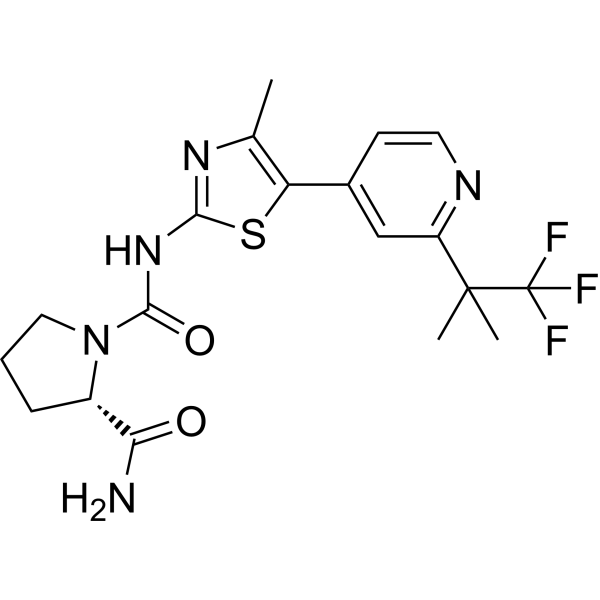
  • HY-15244
    Alpelisib
    Maximum Cited Publications
    125 Publications Verification

    BYL-719

    PI3K Apoptosis Cancer
    Alpelisib (BYL-719) is an orally active PI3Kα-selective inhibitor that blocks the conversion of PIP2 to PIP3, thereby inhibiting pathways including PI3K/AKT/mTOR, MAPK/ERK, Notch and JAK-STAT. Alpelisib also induces apoptosis, G0/G1 phase arrest and senescence; it significantly inhibits the proliferation, self-renewal, stemness and epithelial-mesenchymal transition (EMT) of tumor cells, reduces cancer stem cell populations and decreases the expression of stem cell markers. Alpelisib not only enhances the sensitivity to Eribulin (HY-13442) and exerts a synergistic effect with Paclitaxel (HY-B0015), but may also induce drug resistance by upregulating the SGK3/GSK3β/β-catenin signaling pathway. Alpelisib can be applied to research related to breast cancer, gastric cancer and lipomas associated with PTEN hamartoma tumor syndrome .
    Alpelisib
  • HY-111126
    K67
    1 Publications Verification

    p62 Keap1-Nrf2 Cancer
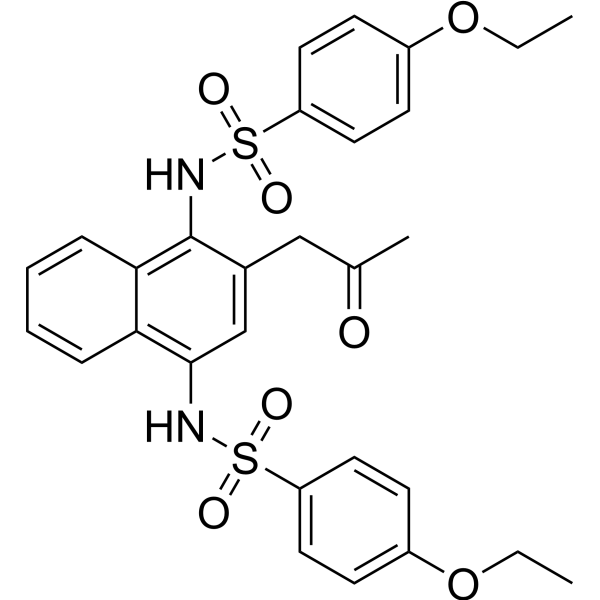
    K67 is a selective the interaction between Keap1 and S349 phosphorylated p62 inhibitor, with an IC50 of 1.5 μM. K67 has a weaker inhibitory effect on the interaction between Keap1 and Nrf2 (IC50 is 6.2 μM). K67 competitively binds to the binding site of Keap1 with p-p62, blocking the abnormal activation of the p62-dependent Nrf2 pathway. K67 inhibits tumor cell proliferation and enhances the sensitivity of hepatocellular carcinoma (HCC) to chemotherapeutic drugs by restoring Keap1-mediated ubiquitination and degradation of Nrf2 .
    K67
  • HY-137849

    PARP Cancer
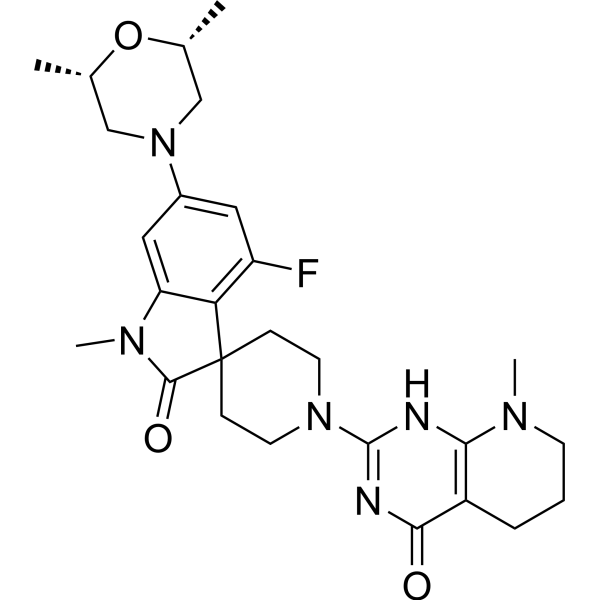
    RK-582 is a tankyrase inhibitor, antitumor agent, and orally bioavailable growth inhibitor, with an IC50 of 36.1 nM against human tankyrase-1 and an IC50 of 39.2 nM against human tankyrase-2. In APC-mutated colorectal cancer cells, the sensitivity to RK-582 correlates with the level of active β-catenin, while drug resistance associates with PIK3CA mutation. RK-582 can be used for the research of colorectal cancer .
    RK-582
  • HY-108292

    NF-κB Neurological Disease Cancer
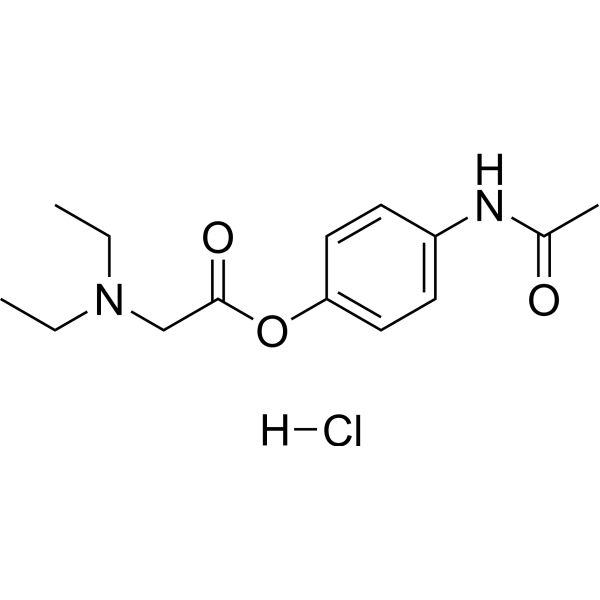
    Propacetamol hydrochloride is an orally active prodrug of paracetamol and an inducer of acute liver injury models, with multiple properties including antinociception, antioxidation and gastroprotection. Propacetamol hydrochloride potentiates Tramadol and attenuates Aspirin (HY-14654)-induced gastric mucosal damage and lipid peroxidation. Under specific conditions, Propacetamol hydrochloride also acts as a hepatotoxic inducer, triggering acute liver injury, oxidative stress and apoptosis, with strain differences in toxicity sensitivity. Propacetamol hydrochloride can be used in the research of acute liver injury, drug-induced hepatotoxicity and gastric mucosal damage .
    Propacetamol hydrochloride
  • HY-15244A
    Alpelisib hydrochloride
    Maximum Cited Publications
    125 Publications Verification

    BYL-719 hydrochloride

    PI3K Apoptosis Cancer
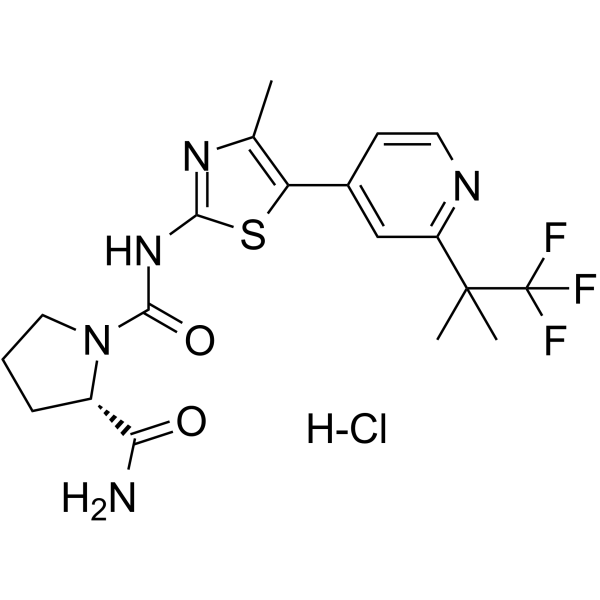
    Alpelisib (BYL-719) hydrochloride is an orally active PI3Kα-selective inhibitor that blocks the conversion of PIP2 to PIP3, thereby inhibiting pathways including PI3K/AKT/mTOR, MAPK/ERK, Notch and JAK-STAT. Alpelisib hydrochloride also induces apoptosis, G0/G1 phase arrest and senescence; it significantly inhibits the proliferation, self-renewal, stemness and epithelial-mesenchymal transition (EMT) of tumor cells, reduces cancer stem cell populations and decreases the expression of stem cell markers. Alpelisib hydrochloride not only enhances the sensitivity to Eribulin (HY-13442) and exerts a synergistic effect with Paclitaxel (HY-B0015), but may also induce drug resistance by upregulating the SGK3/GSK3β/β-catenin signaling pathway. Alpelisib hydrochloride can be applied to research related to breast cancer, gastric cancer and lipomas associated with PTEN hamartoma tumor syndrome .
    Alpelisib hydrochloride
  • HY-W040128

    Antibiotic Autophagy JNK Bcl-2 Family Infection
    Kanamycins sulfate is a blood-brain barrier-permeable JNK1 and Bcl-2 modulator as well as an antibiotic, with broad-spectrum antibacterial, and biofilm-inhibiting activities, and it induces autophagy. Kanamycins sulfate promotes Bcl-2 phosphorylation to upregulate autophagy levels, triggering changes such as mitochondrial swelling and endoplasmic reticulum expansion. Consequently, it causes reversible neuronal damage in the dorsal cochlear nucleus without inducing significant neuronal apoptosis. In the presence of exogenous alanine or glucose, Kanamycins sulfate effectively kills drug-resistant bacteria, restores drug sensitivity of multidrug-resistant bacteria, and alleviates urinary tract and kidney infections in mice. Kanamycins sulfate can be applied to scientific research related to Mycobacterium tuberculosis, salmonellosis, brucellosis, shigellosis, urinary tract infections, and reversible neurotoxicity .
    Kanamycins sulfate
  • HY-137433
    Befotertinib
    2 Publications Verification

    D-0316

    EGFR P-glycoprotein Apoptosis Cancer
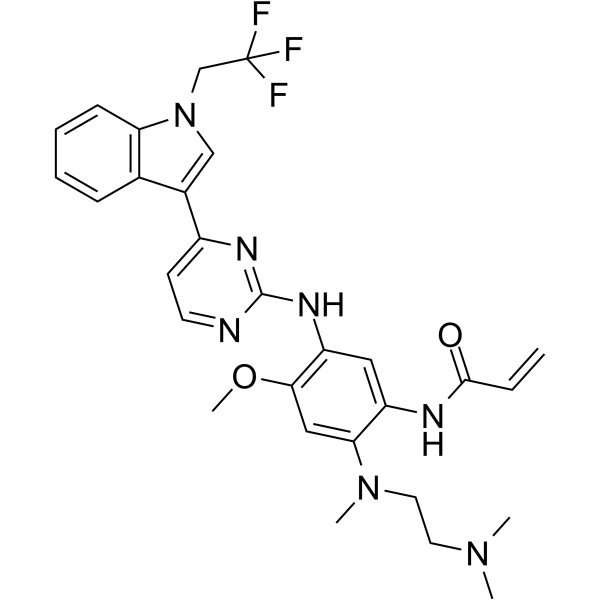
    Befotertinib (D-0316) is an orally active EGFR inhibitor and ABCB1 inhibitor. Befotertinib selectively targets EGFR mutations including EGFR T790M, EGFR L858R and delE746-A750, forms covalent bonds with EGFR C797, inhibits oncogenic signaling pathways, and exerts antiproliferative effects. Befotertinib inhibits ABCB1-mediated drug efflux, activates the ATPase activity of ABCB1, acts as a chemosensitizer and apoptosis enhancer, and restores the sensitivity of multidrug-resistant cancer cells. Befotertinib can be used in research related to multidrug-resistant cancers and non-small cell lung cancer .
    Befotertinib
  • HY-W440988

    Liposome Others
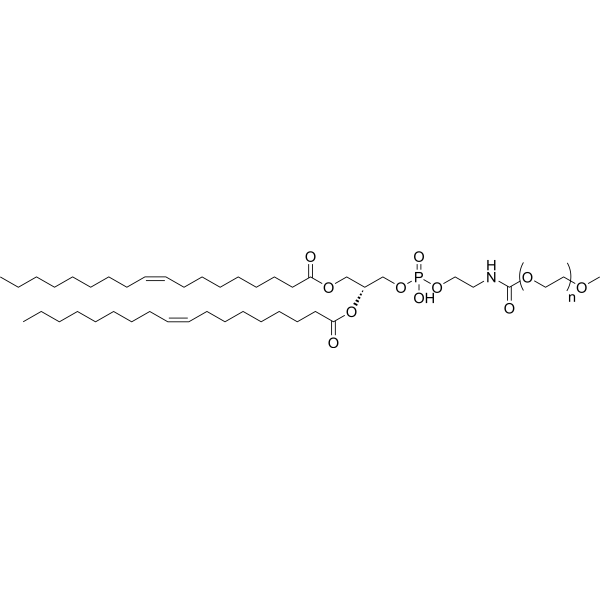
    DOPE-mPEG2000 is a phospholipid polydisperse PEG (or DOPE liposome), can be used for preparation of targeted delivery of liposomal drug and giant unilamellar vesicles (GUVs). DOPE-mPEG2000 significantly reduces the pH-sensitivity of the liposome in a concentration dependent manner .

    DOPE-mPEG2000
  • HY-E70599

    Carboxylesterase (CES) Metabolic Disease
    Human CES2 Enzyme is a carboxylesterase involved in drug metabolism and lipid homeostasis. Human CES2 Enzyme hydrolyzes triglycerides, cholesteryl esters and retinyl esters to regulate lipid metabolism and energy homeostasis. Human CES2 Enzyme improves glucose tolerance and insulin sensitivity, reduces hepatic lipid accumulation, alleviates white adipose tissue steatitis, decreases plasma cholesterol levels, and reduces body weight and white adipose tissue weight. Human CES2 Enzyme can be used in the research of metabolic syndrome .
    Human CES2 Enzyme
  • HY-P5292A

    Radionuclide-Drug Conjugates (RDCs) PSMA Cancer
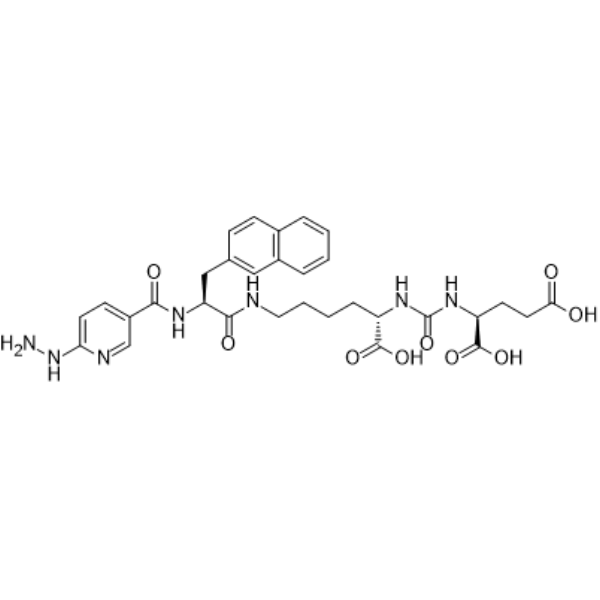
    HYNIC-iPSMA TFA is a ligand for molecular imaging of tumors. Hynic-ipsma consists of two components: HYNIC (6-hydrazinonicotinamide) and iPSMA (Inhibitor of Prostate-Specific Membrane Antigen). HYNIC is a compound used to attach radioactive isotopes to targeted molecules. iPSMA is a specific inhibitor used to inhibit prostate-specific membrane antigen (PSMA). 68GA-labeled iPSMA has been used to detect prostate cancer by PET imaging. The further 99mTc-EDDA/HYNIC-iPSMA TFA has excellent specificity and sensitivity . HYNIC-iPSMA TFA can be used for the synthesis/research of Radionuclide-Drug Conjugates (RDCs).
    HYNIC-iPSMA TFA
  • HY-P5292

    Radionuclide-Drug Conjugates (RDCs) PSMA Cancer
    HYNIC-iPSMA is a ligand for molecular imaging of tumors. Hynic-ipsma consists of two components: HYNIC (6-hydrazinonicotinamide) and iPSMA (Inhibitor of Prostate-Specific Membrane Antigen). HYNIC is a compound used to attach radioactive isotopes to targeted molecules. iPSMA is a specific inhibitor used to inhibit prostate-specific membrane antigen (PSMA). 68GA-labeled iPSMA has been used to detect prostate cancer by PET imaging. The further 99mTc-EDDA/HYNIC-iPSMA has excellent specificity and sensitivity . HYNIC-iPSMA can be used for the synthesis/research of Radionuclide-Drug Conjugates (RDCs).
    HYNIC-iPSMA
  • HY-136940

    BCRP Cancer
    Ac22(Az8)2​ is a selective BCRP inhibitor (EC50: 1-2 nM). Ac22(Az8)2 can restore the drug sensitivity of BCRP-overexpressing cells by inhibiting BCRP-ATPase activity, blocking drug efflux, and increasing intracellular drug accumulation. Ac22(Az8)2 can be used in the research of BCRP-mediated multidrug-resistant cancers .
    Ac22(Az8)2
  • HY-137433A

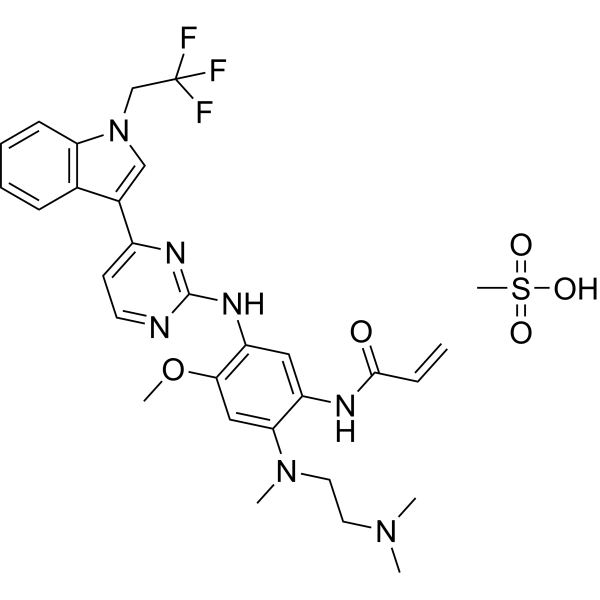
    D-0316 mesylate

    EGFR P-glycoprotein Apoptosis Inflammation/Immunology Cancer
    Befotertinib (D-0316) mesylate is an orally active EGFR inhibitor and ABCB1 inhibitor. Befotertinib mesylate selectively targets EGFR mutations including EGFR T790M, EGFR L858R and delE746-A750, forms covalent bonds with EGFR C797, inhibits oncogenic signaling pathways, and exerts antiproliferative effects. Befotertinib mesylate inhibits ABCB1-mediated drug efflux, activates the ATPase activity of ABCB1, acts as a chemosensitizer and apoptosis enhancer, and restores the sensitivity of multidrug-resistant cancer cells. Befotertinib mesylate can be used in research related to multidrug-resistant cancers and non-small cell lung cancer .
    Befotertinib mesylate
  • HY-P10844

    Amino Acid Derivatives Cancer
    ANK peptide is a novel peptide designed based on the conserved residues of single ankyrin motif. ANK peptide is a synuclein-γ (SNCG) inhibitor that binds to SNCG and competes with SNCG-BubR1 interaction to enhance the sensitivity of breast cancer cells to antimicrotubule drugs such as nocodazole and paclitaxel. ANK peptide can be used in the study of cancer .
    ANK peptide
  • HY-145452

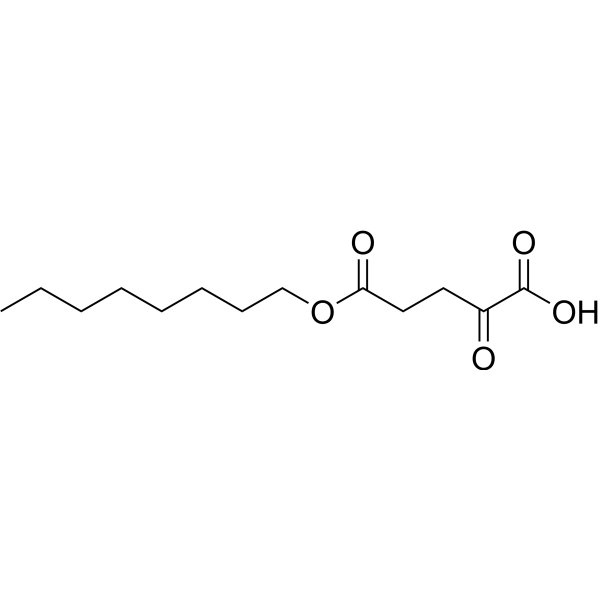
    5-Octyl 2-oxopentanedioate

    E1/E2/E3 Enzyme Histone Methyltransferase Cancer
    5-Octyl-α-ketoglutarate (5-Octyl 2-oxopentanedioate) is a cell-permeable substrate for lysine demethylase. 5-Octyl-α-ketoglutarate is related to protein demethylation, inhibits cell proliferation of wtCRBN expressing cells, and also enhances Lenalidomide (HY-A0003)-induced sensitivity and inhibits myeloma (MM) ) drug resistance of cells. When myeloma (MM) cells undergo glutamine-dependent proliferation, α-ketoglutarate increases glutamine catabolism to promote protein demethylation .
    5-Octyl-α-ketoglutarate
  • HY-N4189

    PI3K Akt p38 MAPK STAT Apoptosis Cancer
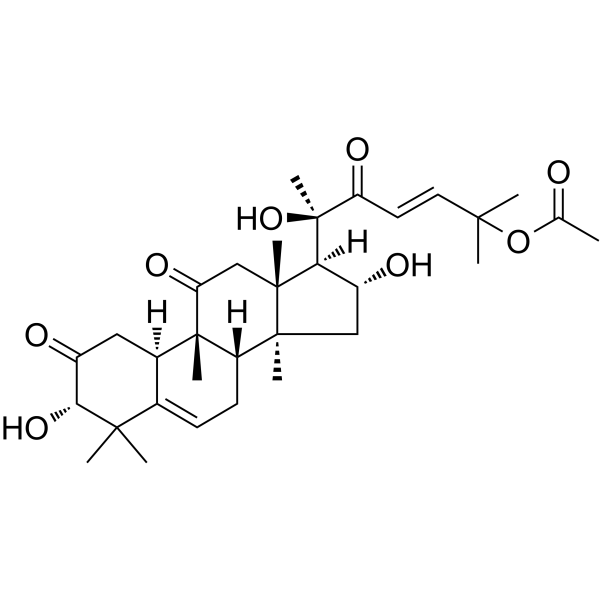
    Isocucurbitacin B is a natural terpenoid compound found in Pedicellus Melo. Isocucurbitacin B can inhibit the PI3K/AKT, MAPK, and STAT3 signaling pathways and downregulate CAV1 expression. Isocucurbitacin B can inhbit cancer cell proliferation, migration and invision. Isocucurbitacin B can induce apoptosis and cause G2/M phase arrest. Isocucurbitacin B can decrease intracellular cholesterol and PH levels and increase intracellular calcium levels. Isocucurbitacin B can be used for the research of cancer, such as glioma [1][2].

    Isocucurbitacin B
  • HY-175522

    P-glycoprotein Apoptosis Cancer
    P-gp-IN-31 is a P-glycoprotein (P-gp) inhibitor with IC50 values of 0.42 μM for KB cells and 0.43 μM for MDR KBvin cells. P-gp-IN-31 can pass P-gp-mediated drug efflux mechanisms and shows collateral sensitivity via P-gp downregulation. P-gp-IN-31 inhibits cell proliferation, induces apoptosis and arrests the cell cycle at G2/M phase. P-gp-IN-31 can be used for the research of cancer, such as multidrug-resistant (MDR) malignancies .
    P-gp-IN-31
  • HY-104080

    EGFR Cancer
    HG-5-88-01 is an EGFR inhibitor. HG-5-88-01 exhibits no significant correlation in its anti-cancer sensitivity with the expression level of EGFR .
    HG-5-88-01
  • HY-168730

    STAT Cancer
    Anticancer agent 259 (Compound 3g) is a Telmisartan (HY-13955)-based cell death modulator, that interfers with the STAT5 signaling pathway, enhances the sensitivity of drug-resistant cells to Imatinib (HY-15463) with SC50 of 1.5 μM .
    Anticancer agent 259
  • HY-182679

    HCV Infection
    L0909 is an HCV inhibitor with an EC50 of 0.022 μM. L0909 blocks HCV replication by inhibiting E1-mediated viral entry. L0909 exhibits sensitivity to clinical resistant HCV mutants. L0909 displays synergistic effects with clinical HCV drugs. L0909 can be used for the research of hepatitis c virus (HCV) infection .
    L0909
  • HY-171718

    DNA Alkylator/Crosslinker ADC Payload Cancer
    seco-CBI-PBD dimer is a CBI-PBD heterodimer and a minor groove DNA crosslinker. seco-CBI-PBD dimer exhibits cytotoxicity against human tumor cells at sub-pM to low nM levels, shows low sensitivity to P-glycoprotein-mediated drug resistance, and can serve as an ADC payload. seco-CBI-PBD dimer can be used in studies of uterine cancer, breast cancer, non-small cell lung cancer, etc.
    seco-CBI-PBD dimer
  • HY-115894

    Herbicide Infection
    DapL-IN-1 is an inhibitor of L,L-diaminoheptanoic acid aminotransferase (DapL) with the characteristics of inhibiting DapL activity in bacteria and plants. DapL-IN-1 can be used to design and discover new biocides such as antibiotics, herbicides or algaecides with the potential to be non-toxic to animals. DapL-IN-1 shows differential sensitivity in inhibiting different DapL homologues, which can provide important information for further drug development. DapL-IN-1 may affect its biological activity by affecting the interaction with residues adjacent to the active site, which may lead to different binding modes .
    DapL-IN-1
  • HY-N10342

    Apoptosis Bcl-2 Family Caspase PARP Reactive Oxygen Species (ROS) Bacterial PI3K Akt NF-κB P-glycoprotein Infection Cancer
    Cajanol is an isoflavanone that can be isolated from the roots of Cajanus cajan (L.) Millsp. . Cajanol inhibits cancer cell proliferation and induces cancer cell apoptosis. Cajanol promotes the expression of Bax, inhibits the expression of Bcl-2, activates caspase-9 and caspase-3, induces PARP cleavage, arrests the cell cycle at the G2/M phase, generates ROS, disrupts mitochondrial membrane potential and triggers cytochrome c release. Cajanol induces bacterial DNA damage, disrupts bacterial cell membranes, and exerts antibacterial activity in vitro. Cajanol reduces the expression of PI3K, inhibits the phosphorylation of Akt and NF-κB, downregulates the expression and transport function of P-gp, restores the sensitivity of drug-resistant cancer cells to Paclitaxel, and inhibits the growth of Paclitaxel-resistant metastatic ovarian tumors. Cajanol is applicable to research related to breast cancer, ovarian cancer and bacterial infections .
    Cajanol
  • HY-15244G

    PI3K Apoptosis Cancer
    Alpelisib GMP is Alpelisib (HY-15244) produced by using GMP guidelines. GMP small molecules works appropriately as an auxiliary reagent for cell therapy manufacture. Alpelisib (BYL-719) is an orally active PI3Kα-selective inhibitor that blocks the conversion of PIP2 to PIP3, thereby inhibiting pathways including PI3K/AKT/mTOR, MAPK/ERK, Notch and JAK-STAT. Alpelisib also induces apoptosis, G0/G1 phase arrest and senescence; it significantly inhibits the proliferation, self-renewal, stemness and epithelial-mesenchymal transition (EMT) of tumor cells, reduces cancer stem cell populations and decreases the expression of stem cell markers. Alpelisib not only enhances the sensitivity to Eribulin (HY-13442) and exerts a synergistic effect with Paclitaxel (HY-B0015), but may also induce drug resistance by upregulating the SGK3/GSK3β/β-catenin signaling pathway. Alpelisib can be applied to research related to breast cancer, gastric cancer and lipomas associated with PTEN hamartoma tumor syndrome .
    Alpelisib

Inquiry Online

Your information is safe with us. * Required Fields.

Salutation


Country or Region *

Applicant Name *


Organization Name *

Department *


Email Address *


Product Name *

Cat. No.


Requested quantity *

Phone Number *


Remarks

Inquiry Online

Inquiry Information

Product Name:
Cat. No.:
Quantity:
MCE Japan Authorized Agent: