Search Result
Results for "
gastric damage
" in MedChemExpress (MCE) Product Catalog:
| Cat. No. |
Product Name |
Target |
Research Areas |
Chemical Structure |
-
- HY-141598
-
|
DS-1062 (solution); Dato-DXd (solution)
|
TROP2
Antibody-Drug Conjugates (ADCs)
Topoisomerase
|
Cancer
|
|
Datopotamab deruxtecan (DS-1062) solution is a TROP2-targeted antibody-drug conjugate (ADC) with human TROP2 Kd of 0.74 nmol/L. Datopotamab deruxtecan solution consists of the antibody Datopotamab (HY-P99843) and the toxic molecule-linker conjugate Deruxtecan (HY-13631E). Datopotamab deruxtecan solution binds TROP2, triggers internalization and lysosomal trafficking and releases DXd topoisomerase I inhibitor payload. Datopotamab deruxtecan solution disrupts DNA function, induces DNA damage, apoptosis, and bystander killing of tumor microenvironment cells. Datopotamab deruxtecan solution can be used in research related to triple-negative breast cancer, gastric cancer, and non-small cell lung cancer .
|
-

-
- HY-105174
-
|
|
JAK
FAK
|
Inflammation/Immunology
|
|
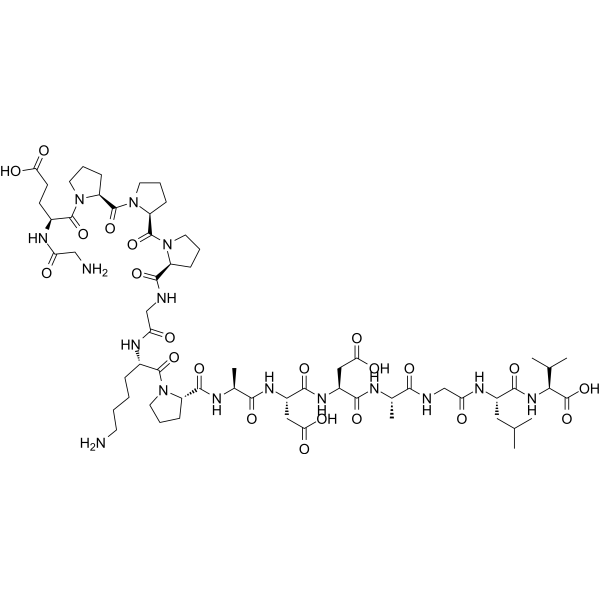
BPC 157 is the 15-amino acide fragment of gastric peptide BPC. BPC 157 exhibits wound healing promoting and neuroprotective activity. BPC 157 maintains the integrity of the gastrointestinal mucosa without significant toxicity. BPC 157 acetate counteracts NSAIDs/insulin overdose/copper-induced toxicity. BPC 157 ameliorates specific (over)stimulated/damaged neurotransmitter systems-induced behavioral disorders through serotonergic and dopaminergic systems .
|
-
-
- HY-108292
-
|
|
NF-κB
|
Neurological Disease
Cancer
|
|
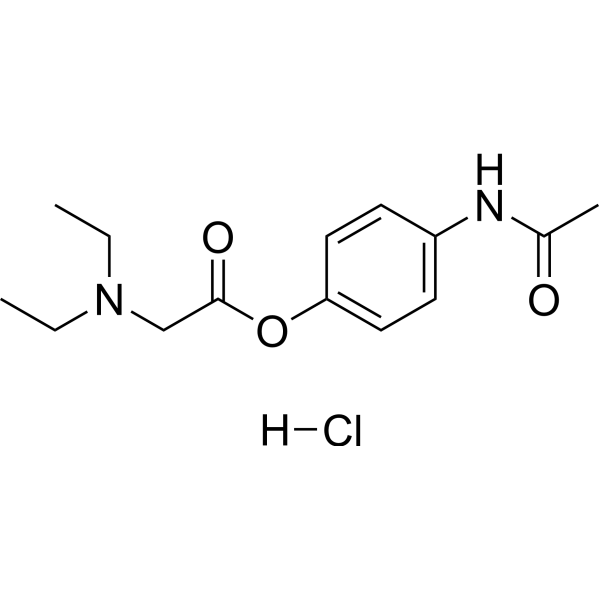
Propacetamol hydrochloride is an orally active prodrug of paracetamol and an inducer of acute liver injury models, with multiple properties including antinociception, antioxidation and gastroprotection. Propacetamol hydrochloride potentiates Tramadol and attenuates Aspirin (HY-14654)-induced gastric mucosal damage and lipid peroxidation. Under specific conditions, Propacetamol hydrochloride also acts as a hepatotoxic inducer, triggering acute liver injury, oxidative stress and apoptosis, with strain differences in toxicity sensitivity. Propacetamol hydrochloride can be used in the research of acute liver injury, drug-induced hepatotoxicity and gastric mucosal damage .
|
-
-
- HY-N2510
-
|
Myristicine
|
5-HT Receptor
EGFR
ERK
Apoptosis
Bacterial
|
Infection
Neurological Disease
Inflammation/Immunology
Cancer
|
|
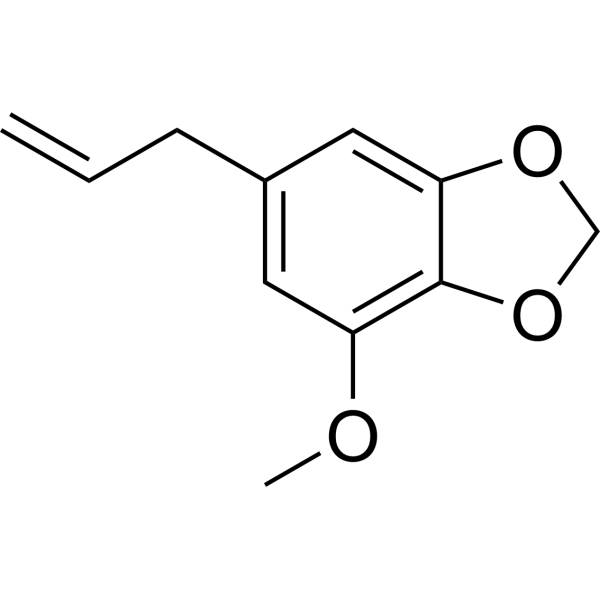
Myristicine is an orally bioavailable serotonin receptor antagonist and weak monoamine oxidase (MAO) inhibitor. Myristicine also exerts anti-cancer effects on gastric cancer cells by inhibiting the EGFR/ERK signaling pathway. Myristicine is the main component of nutmeg essential oil and has anti-cancer, anti-proliferative, antibacterial, anti-inflammatory and apoptosis-inducing effects. Myristicine abuse can produce hallucinogenic effects, organ damage, etc .
|
-
-
- HY-N5048
-
|
6'-O-Galloyl paeoniflorin
|
NF-κB
ERK
JNK
Nuclear Factor of activated T Cells (NFAT)
Keap1-Nrf2
PI3K
Akt
Reactive Oxygen Species (ROS)
Apoptosis
DNA/RNA Synthesis
|
Infection
Neurological Disease
Metabolic Disease
Inflammation/Immunology
|
|
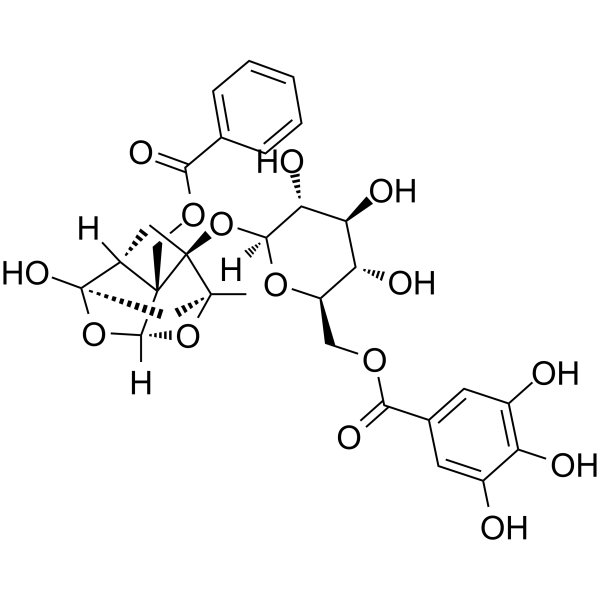
Galloylpaeoniflorin (6'-O-Galloyl paeoniflorin) is an orally active galloylated derivative of Paeoniflorin (HY-N0293) found in peony roots with various anti-inflammatory and antioxidant activities. Galloylpaeoniflorin suppresses RANKL-induced activation of ERK, JNK, c-Fos, c-Jun, and NFATc1, and reduces osteoclast-specific gene expression. Galloylpaeoniflorin activates Nrf2 and PI3K/Akt pathways, inhibits NF-κB activation, and scavenges ROS to reduce oxidative DNA, lipid, and protein damage. Galloylpaeoniflorin attenuates neuroinflammation, inhibits apoptosis, reduces Helicobacter pylori-induced gastric mucosa injury and UVB-induced cell damage. Galloylpaeoniflorin can be used for the research of osteoporosis, gastritis, ischemic stroke and skin diseases .
|
-
-
- HY-N0656
-
|
|
Bacterial
DNA/RNA Synthesis
Nuclear Factor of activated T Cells (NFAT)
Apoptosis
|
Infection
Inflammation/Immunology
Cancer
|
|
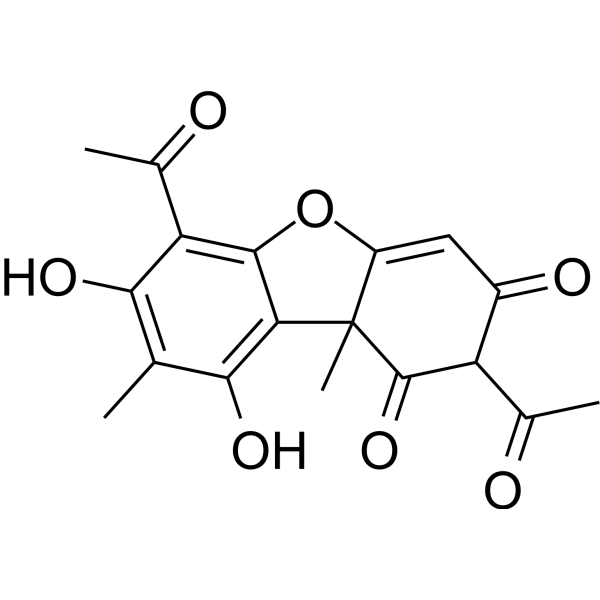
Usnic acid is a secondary metabolite of lichens with a unique dibenzofuran skeleton. Usnic acid inhibits DNA/RNA synthesis and has antibacterial activity. Usnic acid induces cell cycle arrest and apoptosis and has anticancer activity. Usnic acid inhibits RANKL-mediated osteoclast formation and function by reducing the transcriptional and translational expression of NFATc1. Usnic acid has antioxidant and anti-inflammatory activities by inhibiting lipid peroxidation and myeloperoxidase .
|
-
-
- HY-169259
-
|
|
HDAC
DNA/RNA Synthesis
Reactive Oxygen Species (ROS)
Apoptosis
Caspase
p38 MAPK
|
Cancer
|
|
HDAC9-IN-1 is a selective class IIa HDAC inhibitor that binds to HDAC9 with an IC50 of 40 nM. HDAC9-IN-1 potently inhibits HDACs 4 and 7 while showing weak activity against HDAC6 (IC50 values: 180 nM (HDAC4), 190 nM (HDAC7), 970 nM (HDAC6)). HDAC9-IN-1 significantly inhibits several human cancer cells, induces apoptosis and DNA damage in human cancer cells, and modulates caspase-related proteins and p38 in human cancer cells. HDAC9-IN-1 can be used for the research of oral cancer, breast cancer, gastric cancer .
|
-

-
- HY-N6655
-
|
|
Amino Acid Derivatives
|
Inflammation/Immunology
|
|
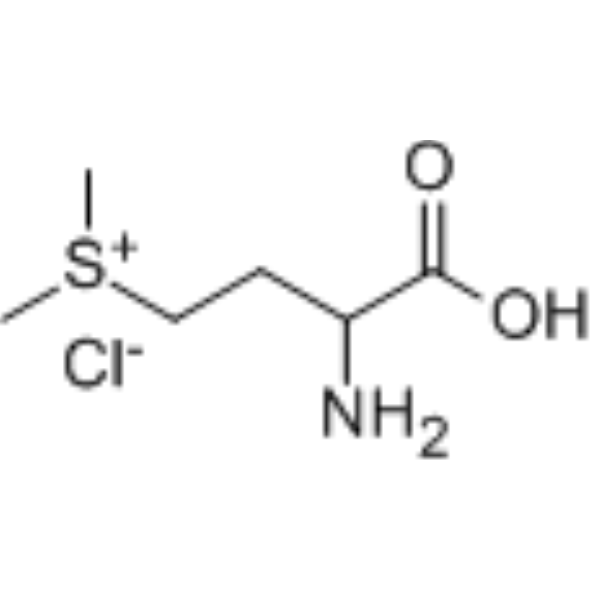
DL-methionine methylsulfonium chloride is a naturally occurring methionine derivative. DL-methionine methylsulfonium chloride protects gastric mucosal from ethanol-induced damage .
|
-
-
- HY-145453
-
|
|
Interleukin Related
|
Inflammation/Immunology
|
|
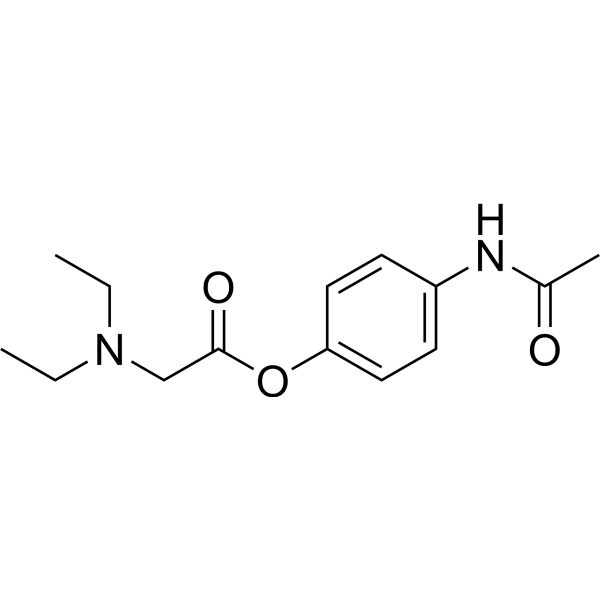
Propacetamol is an orally active prodrug of Acetaminophen (HY-66005), which exerts antipyretic and analgesic effects after metabolism. Propacetamol reduces Aspirin (ASA) (HY-14654)-induced elevation of malondialdehyde (MDA) in gastric mucosa and plasma, regulates the levels of gastric mucosal glutathione (GSH and GSSG) to maintain cellular antioxidant defense, and increases gastric mucosal uric acid (UA) levels. Propacetamol exerts a dose-dependent protective effect against ASA-induced gastric mucosal damage in rats. Propacetamol can be used for the study of gastric mucosal injury by interfering with oxidative stress .
|
-
-
- HY-120314
-
|
|
Apoptosis
Caspase
Endogenous Metabolite
|
Inflammation/Immunology
|
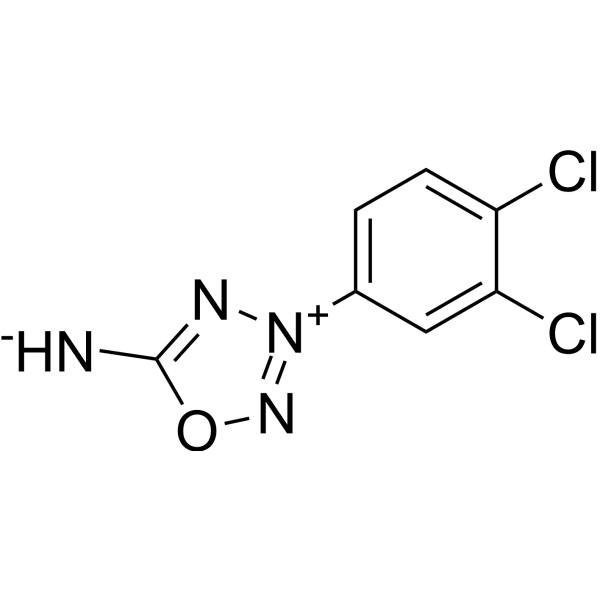
GEA 3162 is an orally active compound that acts as a NO/ONOO⁻ donor. GEA 3162 significantly inhibits the activation of human polymorphonuclear leukocytes (PMNs) through the cGMP pathway, inhibits the release of inflammatory mediators, and exerts anti-inflammatory and protective effects. GEA 3162 induces apoptosis of neutrophils and bone marrow cells by activating caspase-2/3/8/9 through the ONOO⁻ pathway. GEA 3162 has a bidirectional effect in the rat gastric ulcer model: at low doses, it significantly reduces gastric mucosal damage, while at high doses, it aggravates the ulcer area. GEA 3162 can be used for research on inflammatory conditions such as gastric ulcers .
|
-
-
- HY-153190
-
W1131
1 Publications Verification
|
Oxidative Phosphorylation
STAT
Ferroptosis
|
Cancer
|
|
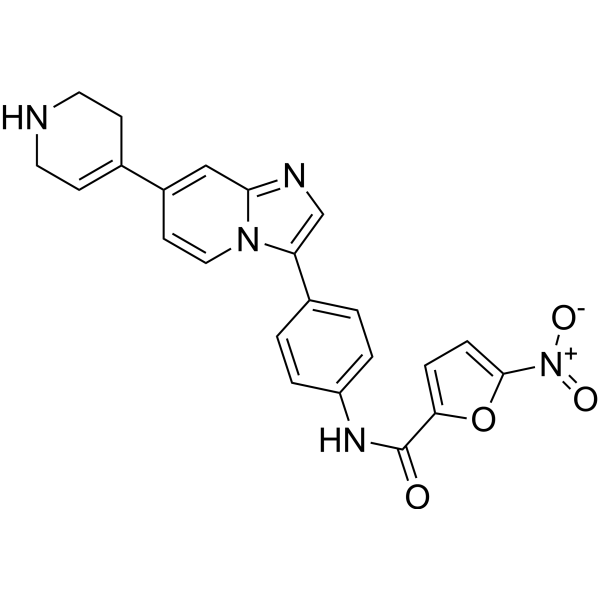
W1131 is a potent STAT3 inhibitor, triggering ferroptosis. W1131 suppresses cancer progression in gastric cancer cell subcutaneous xenograft model, organoids model, and PDX model. W1131 effectively alleviates chemical resistance of cancer cells to 5-FU (HY-90006). W1131 regulates cell cycle, DNA damage response, and oxidative phosphorylation, including IL6-JAK-STAT3 pathway and ferroptosis pathway .
|
-
-
- HY-179520
-
|
|
Topoisomerase
DNA/RNA Synthesis
MDM-2/p53
Bcl-2 Family
|
Cancer
|
|
XSJ151 is a topoisomerase I inhibitor, stabilizing the DNA-Topo I covalent complex and inducing DNA double-strand breaks. XSJ151-induces DNA damage activates the p53-p21 signaling pathway, specifically regulating the expression of cyclins, leading to G2/M phase cell cycle arrest and disrupting the dynamic homeostasis of Bcl-2 family proteins, thereby triggering apoptosis in gastric cancer cells. XSJ151 can be used for the study of gastric cancer .
|
-

-
- HY-N0656R
-
-

-
- HY-136720
-
|
|
COX
|
Others
|
|
ZXX2-77 is a cyclooxygenase-1 (COX-1) selective inhibitor belonging to the benzenesulfonylanilide class of compounds. It is reported as a novel analgesic that does not cause gastric damage. ZXX2-77 has a weak analgesic effect but exhibits potent COX-1 inhibitory activity in vitro. The low oral absorption rate of ZXX2-77 leads to its weak analgesic effect in vivo. At a dose of 30 mg/kg, the maximum plasma concentration of ZXX2-77 (1.2 mM) did not reach its COX-1 IC50 value (3.2 mM). In contrast, its derivative ZXX2-79, although weaker in vitro COX inhibitory activity, is better absorbed, exhibits stronger analgesic effect and hardly causes gastric damage. These findings suggest that ZXX2-77 and its derivatives as COX-1 selective inhibitors may become effective analgesics that do not cause gastric damage.
|
-

-
- HY-139068
-
|
|
Drug Derivative
|
Others
|
|
Ibuprofen arginine is an orally active L-arginine of Ibuprofen (HY-78131). With rapid absorption and high bioavailability, Ibuprofen arginine can effectively relieve a variety of acute pain, and has little damage to gastric mucosa and is well tolerated. Ibuprofen arginine can be used in research for pain relief .
|
-

-
- HY-N2510R
-
|
Myristicine (Standard)
|
5-HT Receptor
EGFR
ERK
Reference Standards
Apoptosis
Bacterial
|
Infection
Neurological Disease
Inflammation/Immunology
Cancer
|
|
Myristicin (Standard) is the analytical standard of Myristicin. This product is intended for research and analytical applications. Myristicine is an orally bioavailable serotonin receptor antagonist and weak monoamine oxidase (MAO) inhibitor. Myristicine also exerts anti-cancer effects on gastric cancer cells by inhibiting the EGFR/ERK signaling pathway. Myristicine is the main component of nutmeg essential oil and has anti-cancer, anti-proliferative, antibacterial, anti-inflammatory and apoptosis-inducing effects. Myristicine abuse can produce hallucinogenic effects, organ damage, etc .
|
-

-
- HY-165489
-
|
|
Endogenous Metabolite
|
Inflammation/Immunology
Endocrinology
|
AU-006 is an orally active inhibitor of gastric acid secretion, with anti-ulcer effects. AU-006 does not rely on NO and mucus regulation. AU-006 significantly prevents 95% of gastric mucosal damage caused by ethanol and has broad-spectrum protective effects against chemical corrosive damage. AU-006 can be used for research on gastric ulcers .
.
|
-

-
- HY-106083
-
|
RHC 3988
|
Drug Intermediate
|
Inflammation/Immunology
|
|
Quazolast (RHC 3988) is a orally active mast cell stabilizer. Quazolast also is a potent mediator release inhibitor. Quazolast reduces the gastric damage. Quazolast has the potential for the research of gastric ulcers .
|
-

-
- HY-15028A
-
|
(S)-ATB-346
|
COX
|
Inflammation/Immunology
|
|
(S)-Otenaproxesul (Example 10) ((S)-ATB-346) is an anti-inflammatory agent with potential protective effects against gastric damage .
|
-

-
- HY-W395613
-
|
|
Aurora Kinase
|
Cancer
|
|
TY-011 is an Aurora A/B kinase inhibitor. TY-011 induces abnormal microtubule-kinetochore attachment, leading to DNA damage and apoptosis (Apoptosis) in human gastric cancer cells, and ultimately inhibits cancer cell proliferation, with an IC50 value ranging from 0.11 to 4.49 μM in human gastric cancer cell lines. TY-011 has potential applications in gastric cancer research .
|
-

-
- HY-145453R
-
|
|
Reference Standards
Interleukin Related
|
Inflammation/Immunology
|
|
Propacetamol (Standard) is the analytical standard of Propacetamol (HY-145453). This product is intended for research and analytical applications. Propacetamol is an orally active prodrug of Acetaminophen (HY-66005), which exerts antipyretic and analgesic effects after metabolism. Propacetamol reduces Aspirin (ASA) (HY-14654)-induced elevation of malondialdehyde (MDA) in gastric mucosa and plasma, regulates the levels of gastric mucosal glutathione (GSH and GSSG) to maintain cellular antioxidant defense, and increases gastric mucosal uric acid (UA) levels. Propacetamol exerts a dose-dependent protective effect against ASA-induced gastric mucosal damage in rats. Propacetamol can be used for the study of gastric mucosal injury by interfering with oxidative stress .
|
-

-
- HY-120314A
-
|
|
Apoptosis
Caspase
Endogenous Metabolite
|
Inflammation/Immunology
|
GEA 3162 hydrochloride is an orally active compound that acts as a NO/ONOO⁻ donor. GEA 3162 hydrochloride significantly inhibits the activation of human polymorphonuclear leukocytes (PMNs) through the cGMP pathway, inhibits the release of inflammatory mediators, and exerts anti-inflammatory and protective effects. GEA 3162 hydrochloride induces apoptosis of neutrophils and bone marrow cells by activating caspase-2/3/8/9 through the ONOO⁻ pathway. GEA 3162 hydrochloride has a bidirectional effect in the rat gastric ulcer model: at low doses, it significantly reduces gastric mucosal damage, while at high doses, it aggravates the ulcer area. GEA 3162 hydrochloride can be used for research on inflammatory conditions such as gastric ulcers .
|
-

-
- HY-P991236
-
|
DHES0815A antibody; RG-6148 antibody
|
EGFR
DNA Alkylator/Crosslinker
|
Cancer
|
|
MHES0488A is a selective humanized antibody that targets HER2 with a KD value of 0.8 nM. MHES0488A is an antibody part of DHES0815A. MHES0488A is internalized by cells and transported to lysosomes, and then releases PBD-monoamide that enters the nucleus, alkylates DNA and induces DNA damage and apoptosis. MHES0488A is promising for research of cancers, such as HER2-positive breast cancer and gastric cancer .
|
-

-
- HY-153190A
-
|
|
Ferroptosis
STAT
|
Cancer
|
|
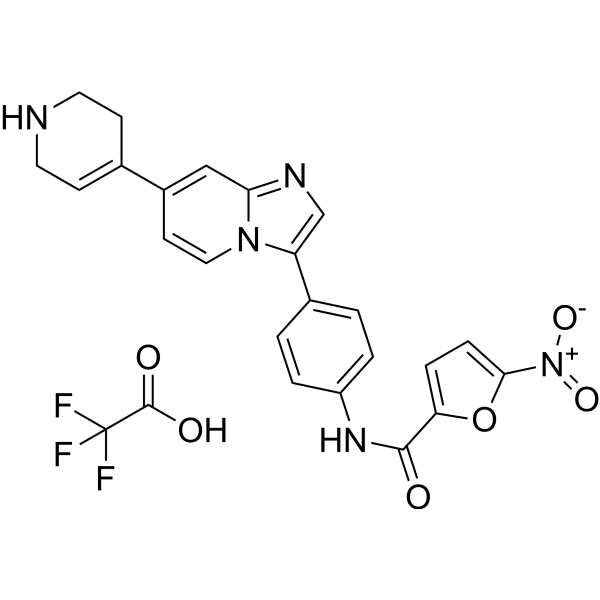
W1131 TFA is a potent STAT3 inhibitor that induces ferroptosis. W1131 inhibits cancer progression in subcutaneous xenograft, organoid, and PDX models of gastric cancer. W1131 effectively alleviates cancer cell chemoresistance to 5-FU (HY-90006). W1131 regulates the cell cycle, DNA damage response, and oxidative phosphorylation, including the IL6-JAK-STAT3 pathway and the ferroptosis pathway .
|
-
-
- HY-W747307
-
|
|
Prostaglandin Receptor
|
Inflammation/Immunology
|
|
FCE 20700 is an orally active PGE2 analogue. FCE 20700 can prevent gastric mucosal damage and in inhibit gastric acid and pepsin secretion. FCE 20700 can be used for the research of gastrointestinal ulcer .
|
-

-
- HY-182393
-
|
|
Histamine Receptor
|
Inflammation/Immunology
|
|
IGN-2098 is an orally active, competitive histamine H2 receptor antagonist with a pA2 value of 7.32. IGN-2098 inhibits basal and stimulated gastric acid secretion. IGN-2098 accelerates ulcer healing, suppresses ulcer edge elevation, and protects gastric and duodenal mucosa from damage. IGN-2098 can be used in research related to gastric ulcers .
|
-

-
- HY-180348
-
|
|
p38 MAPK
ATP Synthase
|
Inflammation/Immunology
|
|
KFP-H008 is an orally active potassium-competitive acid blocker. KFP-H008 inhibits gastric acid secretion through blocking H +-K +-ATPase. KFP-H008 reduces ethanol-induced gastric ulcer index and malonaldehyde as well as proinflammatory cytokine expression in vivo. KFP-H008 downregulates p-p38 MAPK and p65 NF-κB expression. KFP-H008 blocks histamine-stimulated acid secretion in rat and dog models. KFP-H008 can be studied in research on acid-related disease, such as ethanol-induced gastric ulcer and gastric epithelial cell damage .
|
-

-
- HY-N6655R
-
|
|
Amino Acid Derivatives
Reference Standards
|
Inflammation/Immunology
|
|
DL-Methionine methylsulfonium (chloride) (Standard) is the analytical standard of DL-Methionine methylsulfonium (chloride) (HY-N6655). This product is intended for research and analytical applications. DL-methionine methylsulfonium chloride is a naturally occurring methionine derivative. DL-methionine methylsulfonium chloride protects gastric mucosal from ethanol-induced damage .
|
-

-
- HY-164717
-
|
|
Poly(ADP-ribose) Glycohydrolase (PARG)
|
Cancer
|
|
FORX-428 is a selective and orally active Poly (ADP-ribose) glycohydrolase (PARG) inhibitor. FORX-428 exhibits strong and reversible binding to the catalytic domain of human PARG, and thereby inhibits PARG´s enzymatic activity. FORX-428 leads to the excessive accumulation of PAR chains and activates DNA damage and replication stress responses. FORX-428 selectively inhibits the proliferation of various cancer cell lines, including breast, ovarian, and gastric cancer .
|
-

-
- HY-N18387
-
-

-
- HY-105174AR
-
|
|
Reference Standards
JAK
FAK
|
Neurological Disease
Metabolic Disease
|
|
BPC 157 acetate (Standard) is the analytical standard of BPC 157 acetate (HY-105174A). This product is intended for research and analytical applications. BPC 157 acetate is the acetate salt form of BPC 157 (HY-105174). BPC 157 acetate is the 15-amino acide fragment of gastric peptide BPC. BPC 157 acetate exhibits wound healing promoting and neuroprotective activity. BPC 157 acetate maintains the integrity of the gastrointestinal mucosa without significant toxicity. BPC 157 acetate counteracts NSAIDs/insulin overdose/copper-induced toxicity. BPC 157 acetate ameliorates specific (over)stimulated/damaged neurotransmitter systems-induced behavioral disorders through serotonergic and dopaminergic systems .
|
-

-
- HY-127145
-
|
|
COX
|
Inflammation/Immunology
|
|
Parsalmide is an orally active non-steroidal anti-inflammatory drug and gastroprotective agent, with an IC50 of 9.92 μM against COX-1 and 155 μM against COX-2. Parsalmide prevents gastric injury and reduces edema. Parsalmide can be used in the research of arthritis .
|
-

-
- HY-182926
-
|
|
DNA/RNA Synthesis
Topoisomerase
|
Cancer
|
|
Topoisomerase I/II-IN-9 is a topoisomerase I/II inhibitor (IC50<10 μM) and a DNA damage inducer. Topoisomerase I/II-IN-9 blocks the interaction between the enzyme and DNA by binding to the DNA-binding pocket of the enzyme. Topoisomerase I/II-IN-9 activates the cGAS-STING pathway and promotes the accumulation of cytoplasmic double-stranded DNA. This further drives the production of type I interferons, CCL5, CXCL10 and interferon-stimulated genes, and induces anti-tumor immune responses in vivo. Topoisomerase I/II-IN-9 can be applied to the research of related diseases such as triple-negative breast cancer, colorectal cancer and gastric cancer .
|
-

-
- HY-183330
-
|
|
Topoisomerase
Reactive Oxygen Species (ROS)
Apoptosis
MDM-2/p53
Caspase
Bcl-2 Family
|
Cancer
|
|
Topo I/II-IN-3 is a dual inhibitor of topoisomerase I/II (topoisomerase I/II), with an IC50 of 8.99 μM against Topo I and an IC50 of 26.92 μM against Topo II. Topo I/II-IN-3 induces DNA damage, elevates intracellular ROS levels, activates the mitochondrial apoptosis pathway, and exerts cytotoxicity against cancer cells. Topo I/II-IN-3 upregulates the expression of γ-H2AX, p53, activated caspase-9, Bax and activated caspase-3, while downregulating the expression of Bcl-2. Topo I/II-IN-3 can be used in research related to breast cancer, liver cancer and gastric cancer .
|
-

| Cat. No. |
Product Name |
Type |
-
- HY-141598
-
|
DS-1062 (solution); Dato-DXd (solution)
|
Fluorescent Dyes
|
|
Datopotamab deruxtecan (DS-1062) solution is a TROP2-targeted antibody-drug conjugate (ADC) with human TROP2 Kd of 0.74 nmol/L. Datopotamab deruxtecan solution consists of the antibody Datopotamab (HY-P99843) and the toxic molecule-linker conjugate Deruxtecan (HY-13631E). Datopotamab deruxtecan solution binds TROP2, triggers internalization and lysosomal trafficking and releases DXd topoisomerase I inhibitor payload. Datopotamab deruxtecan solution disrupts DNA function, induces DNA damage, apoptosis, and bystander killing of tumor microenvironment cells. Datopotamab deruxtecan solution can be used in research related to triple-negative breast cancer, gastric cancer, and non-small cell lung cancer .
|
| Cat. No. |
Product Name |
Target |
Research Area |
-
- HY-105174
-
|
|
JAK
FAK
|
Inflammation/Immunology
|
|
BPC 157 is the 15-amino acide fragment of gastric peptide BPC. BPC 157 exhibits wound healing promoting and neuroprotective activity. BPC 157 maintains the integrity of the gastrointestinal mucosa without significant toxicity. BPC 157 acetate counteracts NSAIDs/insulin overdose/copper-induced toxicity. BPC 157 ameliorates specific (over)stimulated/damaged neurotransmitter systems-induced behavioral disorders through serotonergic and dopaminergic systems .
|
-
- HY-105174AR
-
|
|
Reference Standards
JAK
FAK
|
Neurological Disease
Metabolic Disease
|
|
BPC 157 acetate (Standard) is the analytical standard of BPC 157 acetate (HY-105174A). This product is intended for research and analytical applications. BPC 157 acetate is the acetate salt form of BPC 157 (HY-105174). BPC 157 acetate is the 15-amino acide fragment of gastric peptide BPC. BPC 157 acetate exhibits wound healing promoting and neuroprotective activity. BPC 157 acetate maintains the integrity of the gastrointestinal mucosa without significant toxicity. BPC 157 acetate counteracts NSAIDs/insulin overdose/copper-induced toxicity. BPC 157 acetate ameliorates specific (over)stimulated/damaged neurotransmitter systems-induced behavioral disorders through serotonergic and dopaminergic systems .
|
| Cat. No. |
Product Name |
Target |
Research Area |
Image |
-
- HY-P991236
-
|
DHES0815A antibody; RG-6148 antibody
|
EGFR
DNA Alkylator/Crosslinker
|
Cancer
|
|
MHES0488A is a selective humanized antibody that targets HER2 with a KD value of 0.8 nM. MHES0488A is an antibody part of DHES0815A. MHES0488A is internalized by cells and transported to lysosomes, and then releases PBD-monoamide that enters the nucleus, alkylates DNA and induces DNA damage and apoptosis. MHES0488A is promising for research of cancers, such as HER2-positive breast cancer and gastric cancer .
|
-

(5)
| Cat. No. |
Product Name |
Category |
Target |
Chemical Structure |
-
- HY-105174
-
-
-
- HY-N2510
-
-
-
- HY-N5048
-
|
6'-O-Galloyl paeoniflorin
|
Structural Classification
Paeonia lactiflora Pall.
Classification of Application Fields
Other Diseases
Phenols
Polyphenols
Plants
Paeoniaceae
Disease Research Fields
Source Classification
|
NF-κB
ERK
JNK
Nuclear Factor of activated T Cells (NFAT)
Keap1-Nrf2
PI3K
Akt
Reactive Oxygen Species (ROS)
Apoptosis
DNA/RNA Synthesis
|
|
Galloylpaeoniflorin (6'-O-Galloyl paeoniflorin) is an orally active galloylated derivative of Paeoniflorin (HY-N0293) found in peony roots with various anti-inflammatory and antioxidant activities. Galloylpaeoniflorin suppresses RANKL-induced activation of ERK, JNK, c-Fos, c-Jun, and NFATc1, and reduces osteoclast-specific gene expression. Galloylpaeoniflorin activates Nrf2 and PI3K/Akt pathways, inhibits NF-κB activation, and scavenges ROS to reduce oxidative DNA, lipid, and protein damage. Galloylpaeoniflorin attenuates neuroinflammation, inhibits apoptosis, reduces Helicobacter pylori-induced gastric mucosa injury and UVB-induced cell damage. Galloylpaeoniflorin can be used for the research of osteoporosis, gastritis, ischemic stroke and skin diseases .
|
-
-
- HY-N0656
-
-
-
- HY-N6655
-
-
-
- HY-N0656R
-
-
-
- HY-N2510R
-
-
-
- HY-N6655R
-
-
-
- HY-N18387
-
-
| Cat. No. |
Product Name |
|
Classification |
-
- HY-127145
-
|
|
|
Alkynes
|
|
Parsalmide is an orally active non-steroidal anti-inflammatory drug and gastroprotective agent, with an IC50 of 9.92 μM against COX-1 and 155 μM against COX-2. Parsalmide prevents gastric injury and reduces edema. Parsalmide can be used in the research of arthritis .
|
Your information is safe with us. * Required Fields.
Inquiry Information
- Product Name:
- Cat. No.:
- Quantity:
- MCE Japan Authorized Agent:








