Search Result
Results for "
hydrazine
" in MedChemExpress (MCE) Product Catalog:
13
Biochemical Assay Reagents
4
Isotope-Labeled Compounds
| Cat. No. |
Product Name |
Target |
Research Areas |
Chemical Structure |
-
- HY-112053
-
|
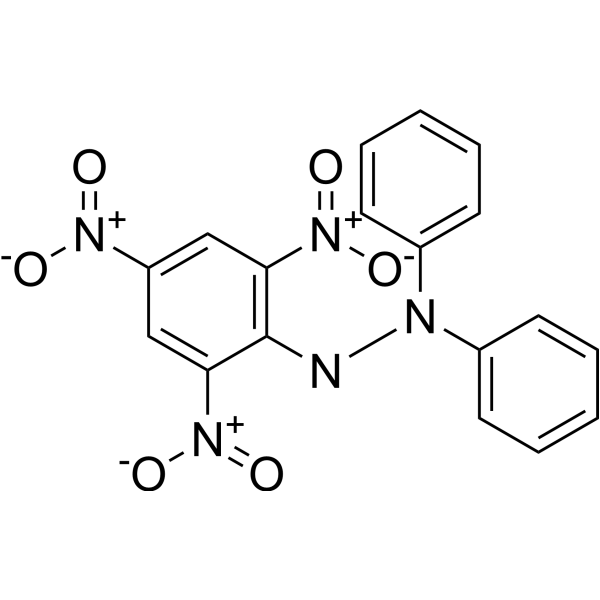
2,2-Diphenyl-1-picrylhydrazyl
|
Reactive Oxygen Species (ROS)
|
Metabolic Disease
|
|
DPPH (2,2-Diphenyl-1-picrylhydrazyl) is a stable free radical that can be used to measure the radical scavenging activity of antioxidants. The odd electron of nitrogen atom in DPPH is reduced by receiving a hydrogen atom from antioxidants to the corresponding hydrazine. DPPH method may be utilized in aqueous and nonpolar organic solvents and can be used to examine both hydrophilic and lipophilic antioxidants .
|
-
-
- HY-151644
-
|
|
Fluorescent Dye
|
Others
|
|
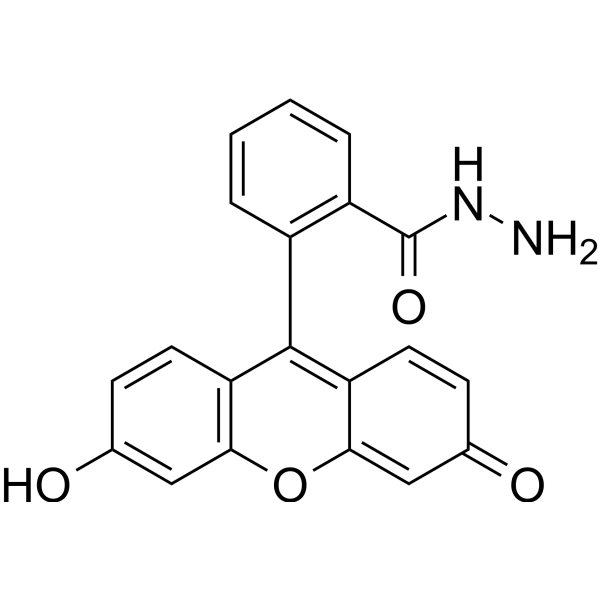
Fluorescein hydrazide is a sensitive fluorescent probe for Hg 2+ and Co 2+ that induces obvious color changes and fluorescence changes. Fluorescein hydrazide can be prepared by the reaction of fluorescein and hydrazine. Fluorescein hydrazide exhibits an excitation wavelength of 508 nM and an emission wavelength of 531 nM [2][3].
|
-
-
- HY-W273413
-
|
NBD-H
|
Fluorescent Dye
|
Cancer
|
|
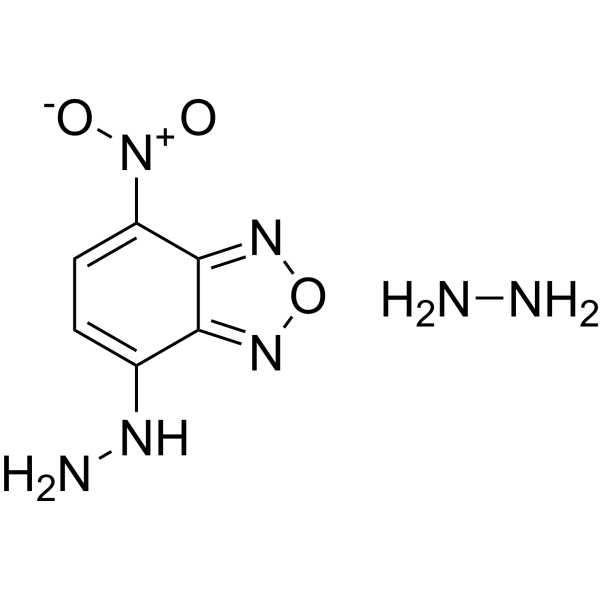
4-Hydrazino-7-nitro-benzofurazan hydrazine adduct (NBD-H) is a fluorescent reagent used for protein labeling .
|
-
-
- HY-Y0373
-
|
|
Biochemical Assay Reagents
Drug Intermediate
|
Infection
|
|
tert-Butyl carbazate serves as a starting material for the preparation of heterocyclic and hydrazine derivatives. tert-Butyl carbazate undergoes coupling with aryl, heteroaryl, and alkenyl boronic acids to synthesize doubly protected monosubstituted hydrazines. Derivatives of tert-Butyl carbazate exhibit varying degrees of inhibitory activity against Gram-positive bacteria, Gram-negative bacteria, and various fungi .
|
-

-
- HY-N7065
-
|
|
Drug Derivative
|
Cardiovascular Disease
Neurological Disease
|
|
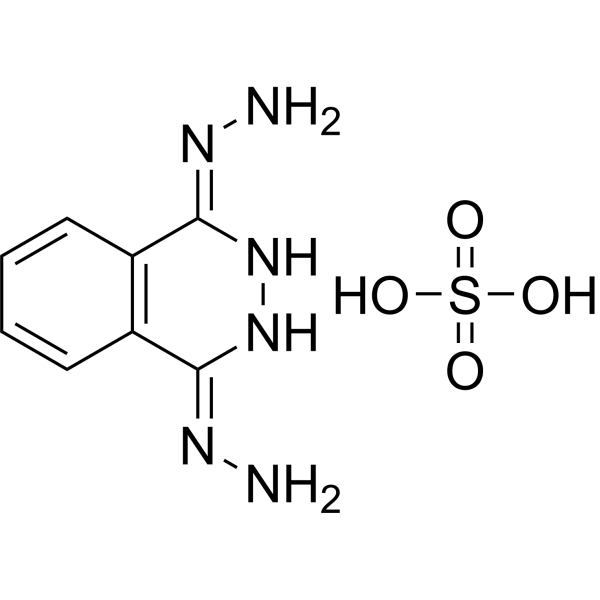
Dihydralazine sulfate is an antihypertensive hydrazine derivative and also a low-potency genotoxic agent. Dihydralazine sulfate is a direct-acting mutagen with a mixed gene mutation mechanism, which induces DNA fragmentation in the lung, kidney and spleen of mice, and induces sister chromatid exchange in mouse bone marrow cells. Dihydralazine sulfate specifically kills DNA repair-deficient bacteria. Dihydralazine sulfate is a vasodilator and antihypertensive agent that reduces systemic vascular resistance, increases cardiac output and heart rate, thereby lowering blood pressure. Dihydralazine sulfate can be used in research related to hypertension and severe early-onset preeclampsia .
|
-
-
- HY-W115752
-
|
Diamine sulfate (99%)
|
PEPCK
Aldehyde Dehydrogenase (ALDH)
|
Neurological Disease
Metabolic Disease
Cancer
|
|
Hydrazine sulfate is an orally active PEPCK inhibitor. Hydrazine sulfate inhibits PEPCK and low-Km ALDH. Hydrazine sulfate impairs gluconeogenesis and enhances the protective effect of energy substrates against MPP + toxicity. Hydrazine sulfate exacerbates liver damage in rats when combined with Ethanol. Hydrazine sulfate can be used in the research of shock, non-small cell lung cancer, colorectal cancer and Parkinson's disease .
|
-

-
- HY-136135
-
|
|
ADC Linker
|
Cancer
|
|
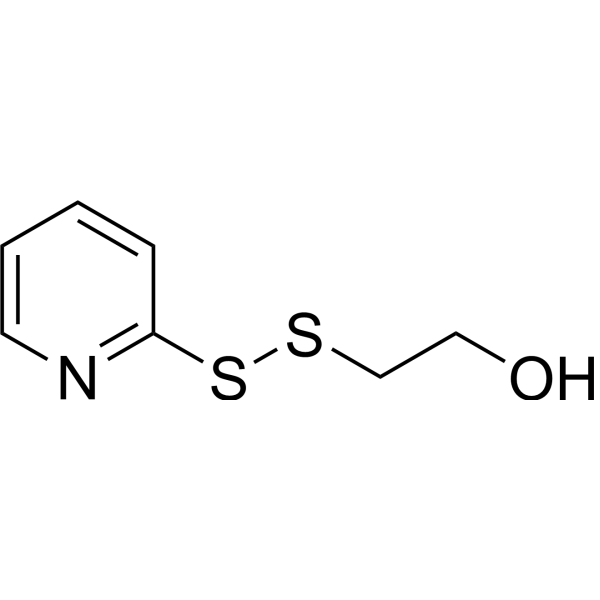
(2-pyridyldithio)-PEG1-hydrazine is a cleavable 1 unit PEG ADC linker used in the synthesis of antibody-drug conjugates (ADCs) .
|
-
-
- HY-124197
-
|
|
Fluorescent Dye
|
Others
|
|
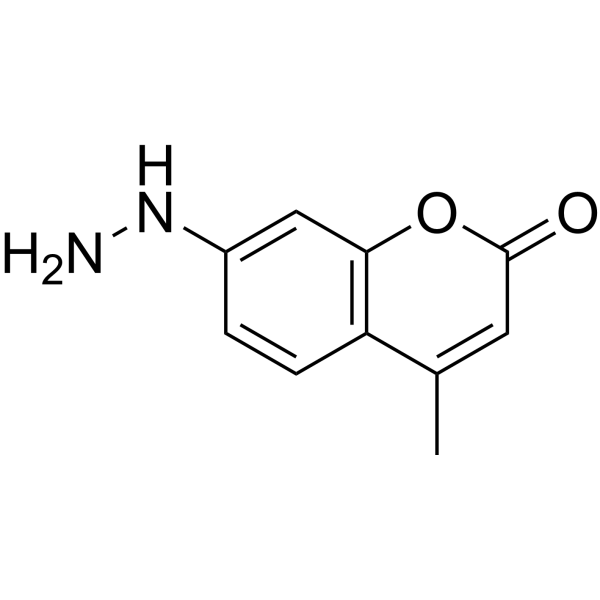
Coumarin hydrazine is a fluorescent chemical probe (λex=420–450/λem=468nm) to label cellular protein- and lipid-bound carbonyls .
|
-
-
- HY-W000438
-
|
|
Amino Acid Derivatives
|
Others
|
|
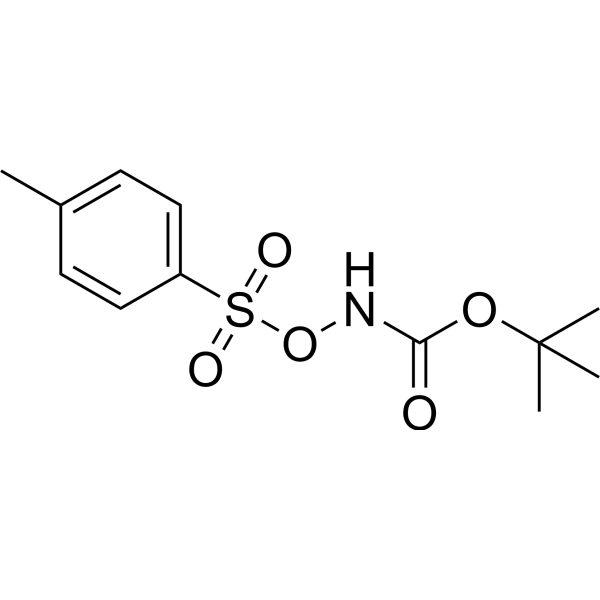
N-Boc-O-tosyl hydroxylamine is a safe and efficient nitrogen source for N-amination of aryl and alkyl amines. N-Boc-O-tosyl hydroxylamine promotes electrophilic N-amination of aryl amines and alkyl amines to generate β-Boc-protected aryl hydrazines and alkyl hydrazines .
|
-
-
- HY-W017425
-
|
Phenylhydrazine acetate
|
Biochemical Assay Reagents
|
Others
|
|
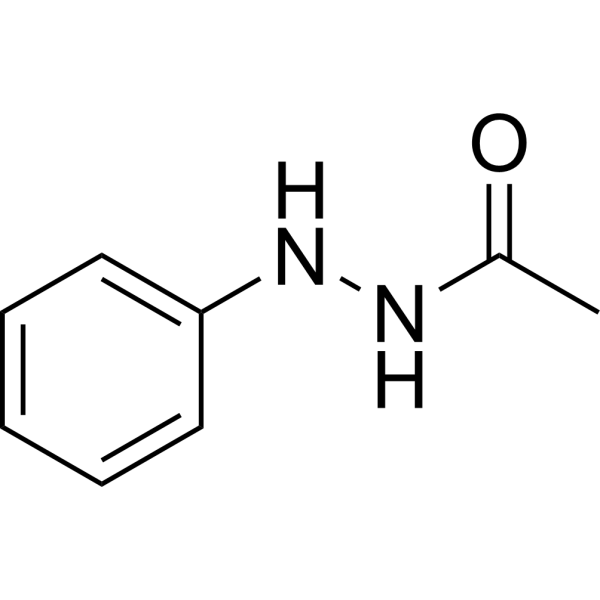
N'-Phenylacetohydrazide consists of a phenyl group attached to the acetylhydrazide functional group via a hydrazine bond. This compound is commonly used as a reagent in organic chemistry for the determination of carbonyl compounds such as aldehydes and ketones.
|
-
-
- HY-112053R
-
|
2,2-Diphenyl-1-picrylhydrazyl (Standard)
|
Reactive Oxygen Species (ROS)
Reference Standards
|
Metabolic Disease
|
|
DPPH (Standard) is the analytical standard of DPPH. This product is intended for research and analytical applications. DPPH (2,2-Diphenyl-1-picrylhydrazyl) is a stable free radical that can be used to measure the radical scavenging activity of antioxidants. The odd electron of nitrogen atom in DPPH is reduced by receiving a hydrogen atom from antioxidants to the corresponding hydrazine. DPPH method may be utilized in aqueous and nonpolar organic solvents and can be used to examine both hydrophilic and lipophilic antioxidants .
|
-

-
- HY-W009411
-
|
|
Fluorescent Dye
|
Others
|
|
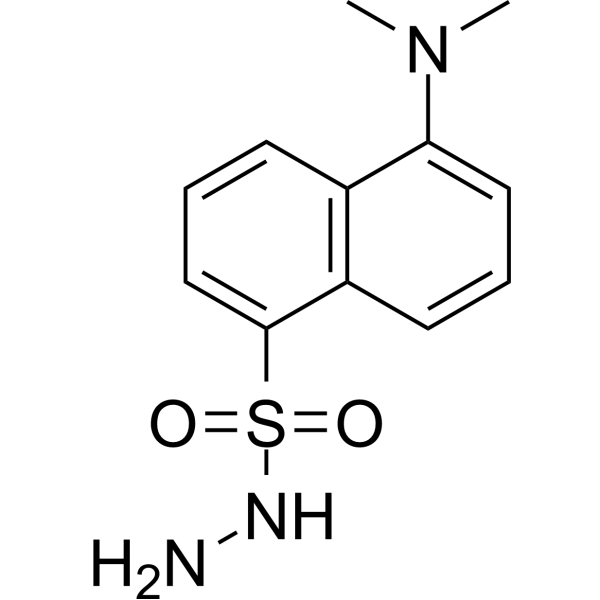
Dansyl hydrazine is a carbohydrate-specific fluorescent dye (Ex/Em = 340 nm/525 nm). Dansyl hydrazine undergoes a condensation reaction with aldehyde groups generated by periodate oxidation on carbohydrate-containing structures to form fluorescent hydrazone compounds. Dansyl hydrazine selectively stains polysaccharides in formalin-fixed, paraffin-embedded human post-mortem brain tissues, revealing detailed structural features. Dansyl hydrazine is applicable to research related to Alzheimer's disease, Lafora disease, and polyglucosan body disease .
|
-
-
- HY-78699
-
|
|
Indoleamine 2,3-Dioxygenase (IDO)
|
Inflammation/Immunology
|
|
2-Hydrazinobenzothiazole is a potent IDO1 inhibitor with an IC50 of 8 μM. 2-hydrazinobenzothiazole interacts with the IDO1 haem through hydrazine. 2-hydrazinobenzothiazole has the potential for immune system related diseases research .
|
-

-
- HY-W006381
-
|
|
Drug Intermediate
|
Others
|
|
(3,4-Dimethoxyphenyl)hydrazine hydrochloride is a drug intermediate for synthesis of various active compounds.
|
-

-
- HY-118262
-
-
-
- HY-155908
-
|
DSPE-PEG10000-NH2 ammonium
|
Liposome
|
Others
|
|
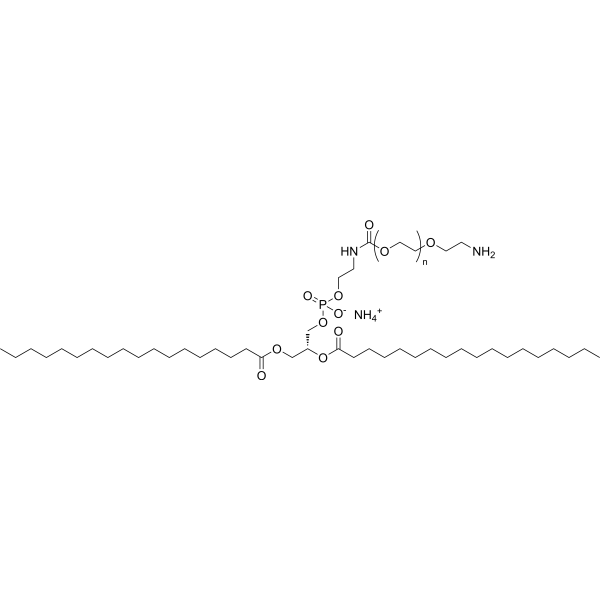
DSPE-PEG10000-Amine ammonium is a phosphoethanolamine involved in the synthesis of liposomes for delivery systems. The amino group of DSPE-PEG10000-Amine ammonium can be converted into aromatic aldehydes by reacting with acetone-protected aromatic hydrazines on the surface of bovine carbonic anhydrase (BCA) molecules. Liposomes form a liposome-BAH-BCA conjugate by forming a bisarylhydrazone (BAH) with the target enzyme molecule. The conjugate catalyzes the hydration of carbon dioxide to bicarbonate.
|
-
-
- HY-128961
-
|
|
Drug-Linker Conjugates for ADC
|
Cancer
|
|
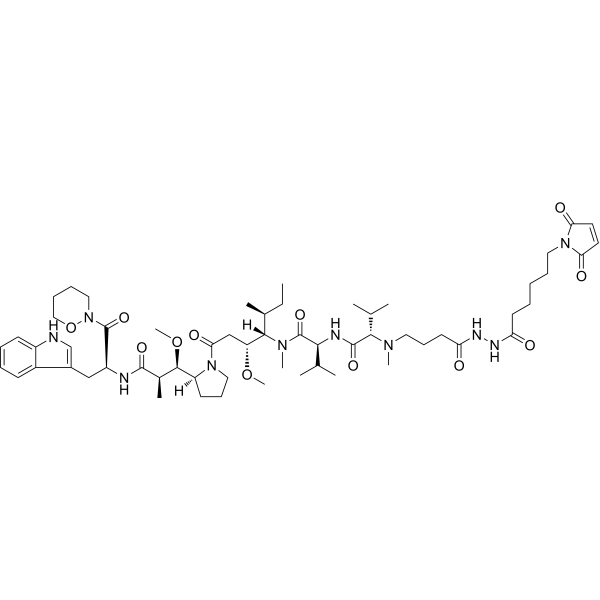
MC-Alkyl-Hydrazine Modified MMAF is a agent-linker conjugate for ADC with potent antitumor activity by using the Modified MMAF (a tubulin inhibitor), linked via the noncleavable MC-Alkyl-Hydrazine .
|
-
-
- HY-148146
-
-
-
- HY-60165
-
|
|
Drug Intermediate
|
Others
|
|
Pyrazine-2-carbaldehyde is a heterocyclic aromatic carbaldehyde and can be used as a drug intermediate.
|
-

-
- HY-D2502
-
|
|
Fluorescent Dye
|
Others
|
|
Cy7 hydrazide is a Cy7 (HY-D0825) dye derivative with hydrazine functionality. The hydrazide group of Cy7 hydrazide can form hydrazinone coupling with molecules containing aldehydes or ketones to form covalent bonds .
|
-

-
- HY-W015012
-
|
|
Fluorescent Dye
|
Others
|
|
NBD-Hydrazine is an aldehyde- and ketone-reactive fluorescent probe. NBD-Hydrazine has excitation/emission maxima of 468/535 nm in the presence of aldehydes or ketones. NBD-Hydrazine can be used as a starting material to synthesize malondialdehyde-reactive fluorescent probes. NBD-Hydrazine is a synthetic intermediate in the synthesis of cupric and chronic ion colorimetric sensors .
|
-

-
- HY-151786
-
|
|
ADC Linker
|
Others
|
|
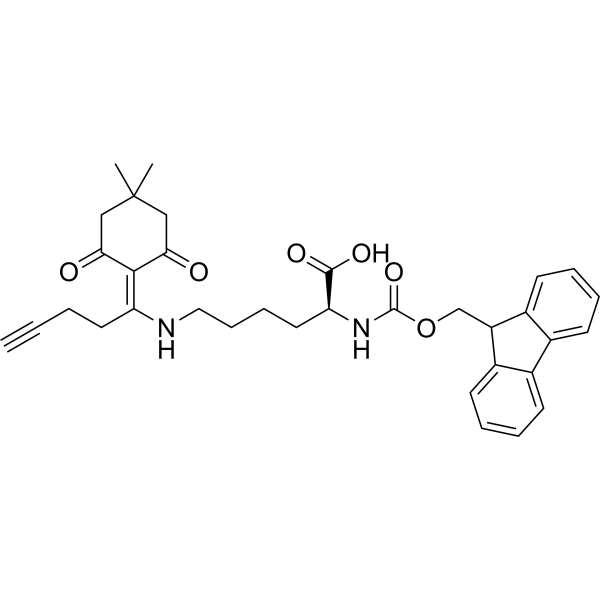
Fmoc-L-Lys(Pentynoyl-DIM)-OH is a click chemistry reagent containing an azide. Fmoc-L-Lys(Pentynoyl-DIM)-OH can be used as a SPPS building block for the “helping hand” strategy for purification of highly insoluble peptides. Solubilizing residues are attached to the Lys side-chains using Click-chemistry. The solubilizing tag can be removed with 1M hydrazine or hydroxylamine solution . It contains an azide group and can undergo copper-catalyzed azide-alkyne cycloaddition (CuAAc) with molecules containing alkyne groups. It can also undergo ring strain-promoted alkyne-azide cycloaddition (SPAAC) with molecules containing DBCO or BCN groups.
|
-
-
- HY-136473
-
-
-
- HY-15608R
-
|
|
Reference Standards
Dopamine Receptor
Apoptosis
|
Neurological Disease
Cancer
|
|
Iproniazid (phosphate) (Standard) is the analytical standard of Iproniazid (phosphate). This product is intended for research and analytical applications. Iproniazid phosphate is a non-selective, irreversible monoamine oxidase (MAO) inhibitor of the hydrazine class. Iproniazid phosphate has antidepressive activity .
|
-

-
- HY-W013140A
-
|
Azomethine-H monosodium salt hydrate
|
Biochemical Assay Reagents
|
Others
|
|
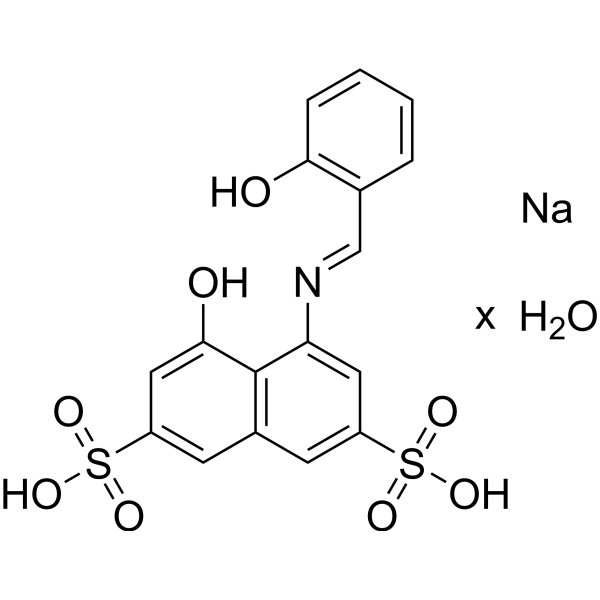
Azomethine-H sodium hydrate is a compound belonging to the class of organic compounds. It is a derivative of hydrazine and is commonly used as a reducing agent in various industrial and biomedical applications. Azomethine-H sodium hydrate is particularly suitable for the reduction of ketones and aldehydes, making it valuable in organic synthesis reactions. It is also used in the production of medicines, dyes, and other chemical products.
|
-
-
- HY-W041885R
-
|
hydrazine-1,2-dicarboxylic Acid Diisopropyl Ester (Standard)
|
Reference Standards
|
|
|
Diisopropyl hydrazine-1,2-dicarboxylate (Standard) is the analytical standard of Diisopropyl hydrazine-1,2-dicarboxylate. This product is intended for research and analytical applications.
|
-

-
- HY-76214
-
|
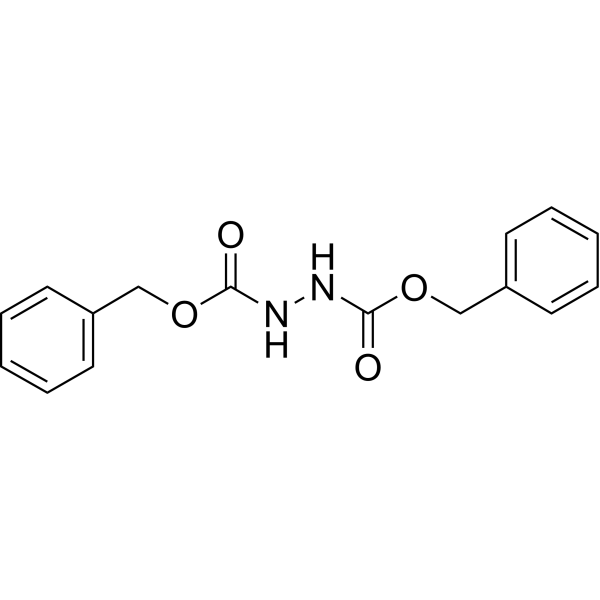
Dibenzyl hydrazine-1,2-dicarboxylate
|
Biochemical Assay Reagents
|
Others
|
|
Dibenzyl hydrazodicarboxylate (Dibenzyl hydrazine-1,2-dicarboxylate) is a protein cross-linking agent.
|
-
-
- HY-153566
-
|
|
JAK
|
Cancer
|
|
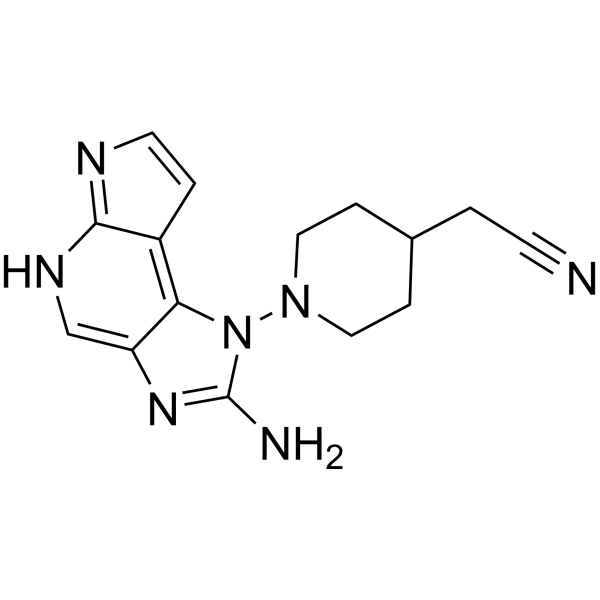
JAK1-IN-10 (compound 9), a cyano-substituted cyclic hydrazine derivative, is a potent and selective JAK1 inhibitor .
|
-
-
- HY-135301
-
|
|
Others
|
Inflammation/Immunology
|
|
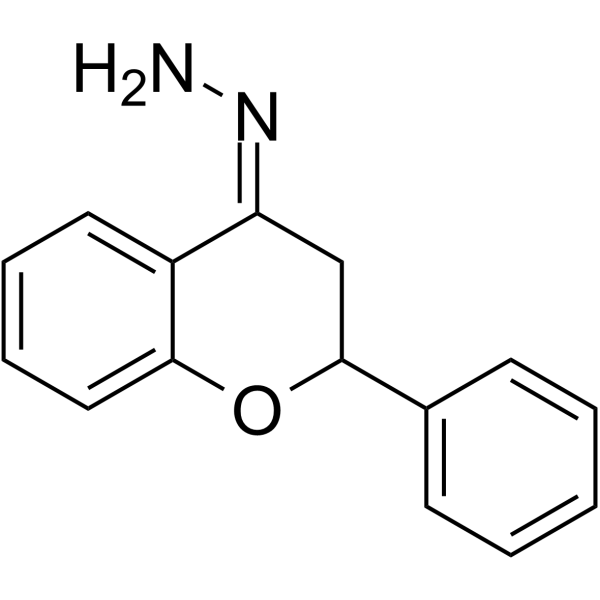
Flavanone hydrazine is a potent non-steroidal anti-inflammatory agent. Flavanone hydrazine effectively inhibits lens protein-induced ocular inflammation .
|
-
-
- HY-W1049075E
-
|
|
Biochemical Assay Reagents
|
Others
|
|
mPEG-pALD (MW 2000) is an important unilaterally active PEG derivative whose reactive groups can react with amines, peptides and the N-termini of proteins to form imines containing C=N double bonds, which can be further reduced. Polyethylene glycol aldehyde or ketone derivatives can be used for reversible PEGylation by reacting with hydrazine or hydrazine to form hydrolyzed acylhydrazone bonds .
|
-

-
- HY-149404
-
|
|
Reactive Oxygen Species (ROS)
Tyrosinase
|
Others
|
|
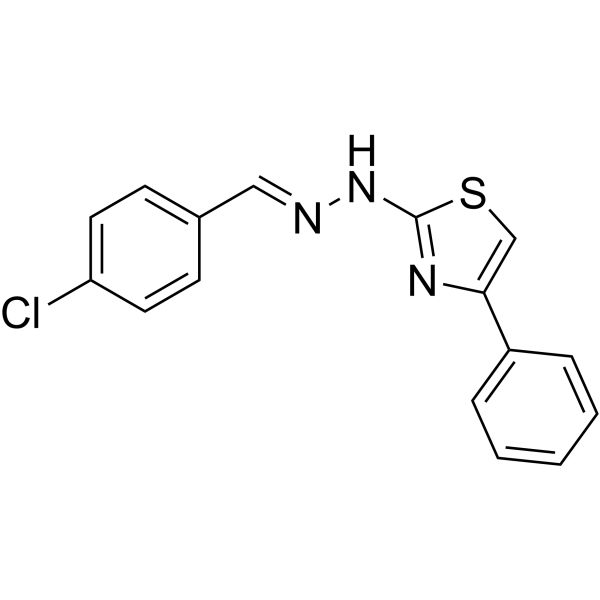
Non-competitive tyrosinase inhibitor (Tyrosinase-IN-12) is a potent, non-competitive tyrosinase inhibitor with an IC50 value of 49.33 ± 2.64 µM and Ki value of 31.25 ± 0.25 µM. Non-competitive tyrosinase inhibitor (Tyrosinase-IN-12) have the highest radical scavenging activity to reduce the production of reactive oxygen species (ROS) with an IC50 value of 25.39 ± 0.77 µM. Non-competitive tyrosinase inhibitor (Tyrosinase-IN-12) can be used for anti-browning substances in the food and agricultural sectors .
|
-
-
- HY-W1049075B
-
|
|
Biochemical Assay Reagents
|
Others
|
|
mPEG10000-Pald is an important unilaterally active PEG derivative whose reactive groups can react with amines, peptides and the N-termini of proteins to form imines containing C=N double bonds, which can be further reduced. Polyethylene glycol aldehyde or ketone derivatives can be used for reversible PEGylation by reacting with hydrazine or hydrazine to form hydrolyzed acylhydrazone bonds .
|
-

-
- HY-W1049075D
-
|
|
Biochemical Assay Reagents
|
Others
|
|
mPEG40000-pALD is an important unilaterally active PEG derivative whose reactive groups can react with amines, peptides and the N-termini of proteins to form imines containing C=N double bonds, which can be further reduced. Polyethylene glycol aldehyde or ketone derivatives can be used for reversible PEGylation by reacting with hydrazine or hydrazine to form hydrolyzed acylhydrazone bonds .
|
-

-
- HY-106471
-
|
Propyldazine
|
Others
|
Cardiovascular Disease
|
|
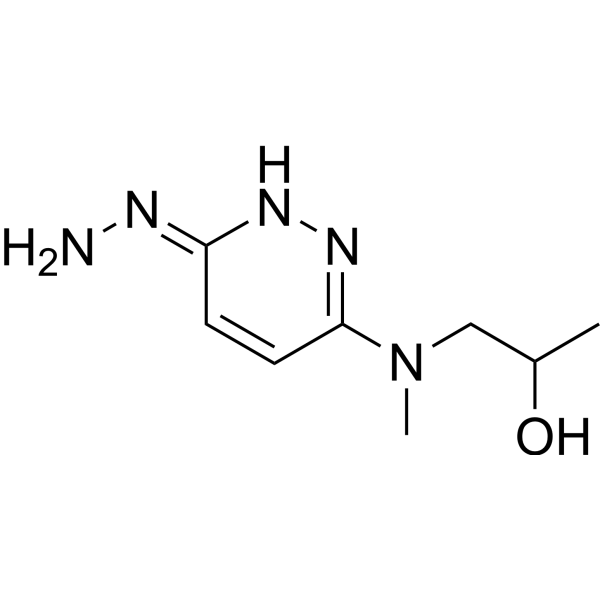
Pildralazine (Propyldazine) is a hydralazinelike antihypertensive vasodilator containing a free hydrazine group. Pildralazine is orally active, has no significant carcinogenicity in mice model .
|
-
-
- HY-W777037
-
|
|
Isotope-Labeled Compounds
|
Others
|
|
2,3-Dichlorobenzamidyl Guanidine- 13C2 is the 13C-labeled 2-(2,3-Dichlorobenzoyl)hydrazine-1-carboximidamide (HY-W727201).
|
-

-
- HY-W591969
-
|
|
Biochemical Assay Reagents
|
Others
|
|
Benzyl (6-oxohexyl)carbamate is a linker containing an aldehyde group and a benzyl (Cbz) protecting group. The aldehyde can react with hydrazine or hydrazide to form a hydrolytic acyl hydrozone linkage. The benzyl protecting group can be removed via hydrogenolysis to form a free amine.
|
-

-
- HY-W800657
-
|
|
Biochemical Assay Reagents
|
Others
|
|
Azido-PEG1-hydrazide hydrochloride is a bifunctional PEG linker containing an azide group and a hydrazide group. The azide group can react with alkyne, BCN, DBCO via Click Chemistry to yield a stable triazole linkage. Hydrazine moiety reacts with an aldehyde to form semi-permanent hydrazone bonds.
|
-

-
- HY-157571S
-
|
|
Isotope-Labeled Compounds
|
Cancer
|
|
N-6-[rel-(2R,6S)-2,6-Dimethyl-4-morpholinyl]-3-pyridinamine-Sonidegib-d8 is a stable isotope of hydrazine impurities in Sonidegib (HY-16582A).
|
-
![N-6-[rel-(2R,6S)-2,6-Dimethyl-4-morpholinyl]-3-pyridinamine-Sonidegib-d8](//file.medchemexpress.com/product_pic/hy-157571s.gif)
-
- HY-D2388
-
|
|
Fluorescent Dye
|
Others
|
|
Sulfo Cy5.5-hydrazide is a Cy5.5 (HY-D0924) dye derivative with hydrazine functionality. The hydrazide group of Sulfo Cy5.5-hydrazide can form hydrazinone coupling with molecules containing aldehydes or ketones to form covalent bonds .
|
-

-
- HY-D1861
-
|
|
Fluorescent Dye
|
Others
|
|
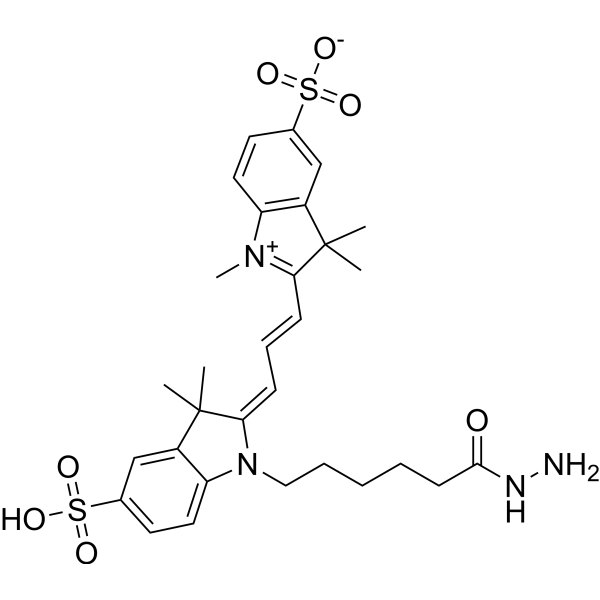
Sulfo-Cy3 hydrazide is a Cyanine 3 (Cy3) (HY-D0822) dye derivative with hydrazine functionality. The sulfonate ion increases the water solubility of the compound, making it suitable for use in aqueous solutions. Cy3 is a fluorescent dye with a fluorescence spectrum typically in the green to orange wavelength range. The hydrazide group of Sulfo-Cy3 hydrazide can form hydrazinone coupling with molecules containing aldehydes or ketones to form covalent bonds. Therefore, Cy3 azide plus can bind to biomolecules such as proteins and antibodies to track their location and dynamic changes in biological samples.
|
-
-
- HY-151787
-
|
|
ADC Linker
|
Others
|
|
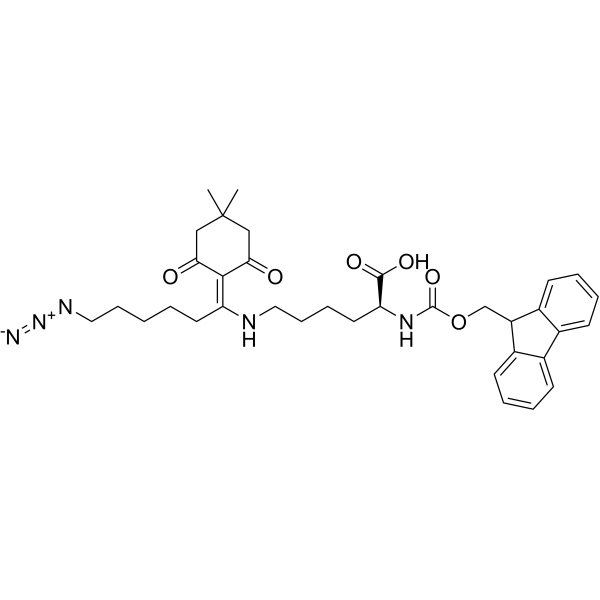
Fmoc-L-Lys(N3-Aca-DIM)-OH is a click chemistry reagent containing an azide group. Used as a SPPS building-block for the “helping hand” strategy for purification of highly insoluble peptides. Solubilizing residues are attached to the Lys side-chains using Click-chemistry. The solubilizing tag can be removed with 1M hydrazine or hydroxylamine solution . It contains an azide group and can undergo copper-catalyzed azide-alkyne cycloaddition (CuAAc) with molecules containing alkyne groups. It can also undergo ring strain-promoted alkyne-azide cycloaddition (SPAAC) with molecules containing DBCO or BCN groups.
|
-
-
- HY-124197S
-
|
|
Isotope-Labeled Compounds
Fluorescent Dye
|
Others
|
|
Coumarin hydrazine-d7 is the deuterium labeled Coumarin hydrazine (HY-124197). Coumarin hydrazine is a fluorescent chemical probe (λex=420–450/λem=468nm) to label cellular protein- and lipid-bound carbonyls .
|
-

-
- HY-W009411S
-
|
|
Isotope-Labeled Compounds
Fluorescent Dye
|
Others
|
|
Dansyl hydrazine- 13C2 is the 13C-labeled Dansyl hydrazine (HY-W009411). Dansyl hydrazine is a carbohydrate-specific fluorescent dye (Ex/Em = 340 nm/525 nm). Dansyl hydrazine undergoes a condensation reaction with aldehyde groups generated by periodate oxidation on carbohydrate-containing structures to form fluorescent hydrazone compounds. Dansyl hydrazine selectively stains polysaccharides in formalin-fixed, paraffin-embedded human post-mortem brain tissues, revealing detailed structural features. Dansyl hydrazine is applicable to research related to Alzheimer's disease, Lafora disease, and polyglucosan body disease.
|
-

-
- HY-W285050
-
|
|
Biochemical Assay Reagents
|
Others
|
|
(Naphthalen-1-ylmethyl)hydrazine hydrochloride is a kind of biological materials or organic compounds that are widely used in life science research.
|
-

-
- HY-W666088
-
|
|
Biochemical Assay Reagents
|
Others
|
|
(2-Phenylethyl)hydrazine (dihydrochloride) is a compound with protective effects against γ-radiation. At a dose of 60 mg/kg, it can increase the survival rate of mice exposed to γ-radiation .
|
-

-
- HY-W112332
-
|
Isonicotinaldehyde, azine
|
MOFs
|
Others
|
|
1,2-Bis(pyridin-4-ylmethylene)hydrazine (Isonicotinaldehyde, azine) is a metal-organic framework (MOF).
|
-

-
- HY-W112332A
-
|
|
MOFs
|
Others
|
|
(1E,2E)-1,2-Bis(pyridin-4-ylmethylene)hydrazine is a metal-organic framework (MOF).
|
-

-
- HY-W249353
-
|
|
MOFs
|
Others
|
|
(1E,2E)-1,2-Bis((1H-imidazol-5-yl)methylene)hydrazine is a metal-organic framework (MOF).
|
-

-
- HY-W837135
-
|
|
Ligands for E3 Ligase
|
Cancer
|
|
5-Hydrazinyl thalidomide hydrochloride is a Thalidomide analogue featuring a hydrazine. PROTAC linkers are made to recruit E3 ligase for the ubiquitinylation of target proteins. The hydrazine may be used for further derivatization via reactions with various carbonyl groups.
|
-

-
- HY-W1049075H
-
|
|
Biochemical Assay Reagents
|
Others
|
|
mPEG-pALD (MW 3400) is an important unilaterally active PEG derivative whose reactive groups can react with amines, peptides and the N-termini of proteins to form imines containing C=N double bonds, which can be further reduced. Polyethylene glycol aldehyde or ketone derivatives can be used for reversible PEGylation by reacting with hydrazine or hydrazine to form hydrolyzed acylhydrazone bonds .
|
-

- HY-W762013
-
|
|
Biochemical Assay Reagents
|
Others
|
|
Gyromitrin is a fungal toxin that can be hydrolyzed to form monomethyl hydrazine (MMH), which is toxic to the liver and central nervous system .
|
-

- HY-W1049075C
-
|
|
Biochemical Assay Reagents
|
Others
|
|
mPEG20000-pALD is an important unilaterally active PEG derivative whose reactive groups can react with amines, peptides and the N-termini of proteins to form imines containing C=N double bonds, which can be further reduced. Polyethylene glycol aldehyde or ketone derivatives can be used for reversible PEGylation by reacting with hydrazine or hydrazine to form hydrolyzed acylhydrazone bonds .
|
-

- HY-W1049075A
-
|
|
Biochemical Assay Reagents
|
Others
|
|
mPEG5000-pALD is an important unilaterally active PEG derivative whose reactive groups can react with amines, peptides and the N-termini of proteins to form imines containing C=N double bonds, which can be further reduced. Polyethylene glycol aldehyde or ketone derivatives can be used for reversible PEGylation by reacting with hydrazine or hydrazine to form hydrolyzed acylhydrazone bonds .
|
-

- HY-W1049075
-
|
|
Biochemical Assay Reagents
|
Others
|
|
mPEG1000-pALD is an important unilaterally active PEG derivative whose reactive groups can react with amines, peptides and the N-termini of proteins to form imines containing C=N double bonds, which can be further reduced. Polyethylene glycol aldehyde or ketone derivatives can be used for reversible PEGylation by reacting with hydrazine or hydrazine to form hydrolyzed acylhydrazone bonds .
|
-

- HY-D2388A
-
|
|
Fluorescent Dye
|
Others
|
|
Sulfo Cy5.5-hydrazide sodium is a Cy5.5 (HY-D0924) dye derivative with hydrazine functionality. The hydrazide group of Sulfo Cy5.5-hydrazide sodium can form hydrazinone coupling with molecules containing aldehydes or ketones to form covalent bonds .
|
-

- HY-W009730R
-
|
Salicylaldazine (Standard); Salicylaldehyde azine (Standard)
|
Reference Standards
|
|
|
Salicylaldehyde azine (Standard) is the analytical standard of Salicylaldehyde azine. This product is intended for research and analytical applications.
|
-

- HY-N7065R
-
|
|
Drug Derivative
Reference Standards
|
Cardiovascular Disease
Infection
Inflammation/Immunology
|
|
Dihydralazine sulfate (Standard) is the analytical standard of Dihydralazine sulfate (HY-N7065). This product is intended for research and analytical applications. Dihydralazine sulfate is an antihypertensive hydrazine derivative and also a low-potency genotoxic agent. Dihydralazine sulfate is a direct-acting mutagen with a mixed gene mutation mechanism, which induces DNA fragmentation in the lung, kidney and spleen of mice, and induces sister chromatid exchange in mouse bone marrow cells. Dihydralazine sulfate specifically kills DNA repair-deficient bacteria. Dihydralazine sulfate is a vasodilator and antihypertensive agent that reduces systemic vascular resistance, increases cardiac output and heart rate, thereby lowering blood pressure. Dihydralazine sulfate can be used in research related to hypertension and severe early-onset preeclampsia .
|
-

| Cat. No. |
Product Name |
Type |
-
- HY-151644
-
|
|
Fluorescent Dyes
|
|
Fluorescein hydrazide is a sensitive fluorescent probe for Hg 2+ and Co 2+ that induces obvious color changes and fluorescence changes. Fluorescein hydrazide can be prepared by the reaction of fluorescein and hydrazine. Fluorescein hydrazide exhibits an excitation wavelength of 508 nM and an emission wavelength of 531 nM [2][3].
|
-
- HY-W273413
-
|
NBD-H
|
Fluorescent Dyes
|
|
4-Hydrazino-7-nitro-benzofurazan hydrazine adduct (NBD-H) is a fluorescent reagent used for protein labeling .
|
-
- HY-124197
-
|
|
Fluorescent Dyes
|
|
Coumarin hydrazine is a fluorescent chemical probe (λex=420–450/λem=468nm) to label cellular protein- and lipid-bound carbonyls .
|
-
- HY-118262
-
|
|
Fluorescent Dyes
|
|
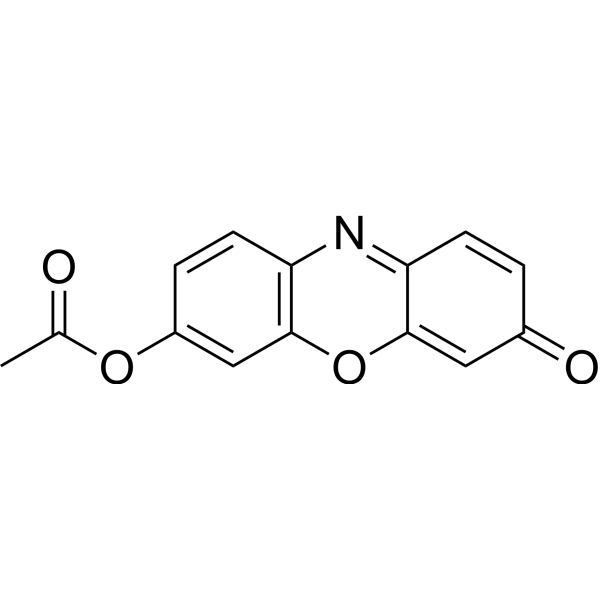
Resorufin acetate is a fluorescent dye that selectively detects hydrazine .
|
-
- HY-D2502
-
|
|
Fluorescent Dyes
|
|
Cy7 hydrazide is a Cy7 (HY-D0825) dye derivative with hydrazine functionality. The hydrazide group of Cy7 hydrazide can form hydrazinone coupling with molecules containing aldehydes or ketones to form covalent bonds .
|
-
- HY-D2388
-
|
|
Fluorescent Dyes
|
|
Sulfo Cy5.5-hydrazide is a Cy5.5 (HY-D0924) dye derivative with hydrazine functionality. The hydrazide group of Sulfo Cy5.5-hydrazide can form hydrazinone coupling with molecules containing aldehydes or ketones to form covalent bonds .
|
-
- HY-D1861
-
|
|
Fluorescent Dyes
|
|
Sulfo-Cy3 hydrazide is a Cyanine 3 (Cy3) (HY-D0822) dye derivative with hydrazine functionality. The sulfonate ion increases the water solubility of the compound, making it suitable for use in aqueous solutions. Cy3 is a fluorescent dye with a fluorescence spectrum typically in the green to orange wavelength range. The hydrazide group of Sulfo-Cy3 hydrazide can form hydrazinone coupling with molecules containing aldehydes or ketones to form covalent bonds. Therefore, Cy3 azide plus can bind to biomolecules such as proteins and antibodies to track their location and dynamic changes in biological samples.
|
-
- HY-D2388A
-
|
|
Fluorescent Dyes
|
|
Sulfo Cy5.5-hydrazide sodium is a Cy5.5 (HY-D0924) dye derivative with hydrazine functionality. The hydrazide group of Sulfo Cy5.5-hydrazide sodium can form hydrazinone coupling with molecules containing aldehydes or ketones to form covalent bonds .
|
| Cat. No. |
Product Name |
Type |
-
- HY-W115752
-
|
Diamine sulfate (99%)
|
Biochemical Assay Reagents
|
|
Hydrazine sulfate is an orally active PEPCK inhibitor. Hydrazine sulfate inhibits PEPCK and low-Km ALDH. Hydrazine sulfate impairs gluconeogenesis and enhances the protective effect of energy substrates against MPP + toxicity. Hydrazine sulfate exacerbates liver damage in rats when combined with Ethanol. Hydrazine sulfate can be used in the research of shock, non-small cell lung cancer, colorectal cancer and Parkinson's disease .
|
-
- HY-W017425
-
|
Phenylhydrazine acetate
|
Biochemical Assay Reagents
|
|
N'-Phenylacetohydrazide consists of a phenyl group attached to the acetylhydrazide functional group via a hydrazine bond. This compound is commonly used as a reagent in organic chemistry for the determination of carbonyl compounds such as aldehydes and ketones.
|
-
- HY-W009411
-
|
|
Biochemical Assay Reagents
|
|
Dansyl hydrazine is a carbohydrate-specific fluorescent dye (Ex/Em = 340 nm/525 nm). Dansyl hydrazine undergoes a condensation reaction with aldehyde groups generated by periodate oxidation on carbohydrate-containing structures to form fluorescent hydrazone compounds. Dansyl hydrazine selectively stains polysaccharides in formalin-fixed, paraffin-embedded human post-mortem brain tissues, revealing detailed structural features. Dansyl hydrazine is applicable to research related to Alzheimer's disease, Lafora disease, and polyglucosan body disease .
|
-
- HY-155908
-
|
DSPE-PEG10000-NH2 ammonium
|
Biochemical Assay Reagents
|
|
DSPE-PEG10000-Amine ammonium is a phosphoethanolamine involved in the synthesis of liposomes for delivery systems. The amino group of DSPE-PEG10000-Amine ammonium can be converted into aromatic aldehydes by reacting with acetone-protected aromatic hydrazines on the surface of bovine carbonic anhydrase (BCA) molecules. Liposomes form a liposome-BAH-BCA conjugate by forming a bisarylhydrazone (BAH) with the target enzyme molecule. The conjugate catalyzes the hydration of carbon dioxide to bicarbonate.
|
-
- HY-W013140A
-
|
Azomethine-H monosodium salt hydrate
|
Biochemical Assay Reagents
|
|
Azomethine-H sodium hydrate is a compound belonging to the class of organic compounds. It is a derivative of hydrazine and is commonly used as a reducing agent in various industrial and biomedical applications. Azomethine-H sodium hydrate is particularly suitable for the reduction of ketones and aldehydes, making it valuable in organic synthesis reactions. It is also used in the production of medicines, dyes, and other chemical products.
|
-
- HY-W1049075E
-
|
|
Biochemical Assay Reagents
|
|
mPEG-pALD (MW 2000) is an important unilaterally active PEG derivative whose reactive groups can react with amines, peptides and the N-termini of proteins to form imines containing C=N double bonds, which can be further reduced. Polyethylene glycol aldehyde or ketone derivatives can be used for reversible PEGylation by reacting with hydrazine or hydrazine to form hydrolyzed acylhydrazone bonds .
|
-
- HY-W1049075B
-
|
|
Biochemical Assay Reagents
|
|
mPEG10000-Pald is an important unilaterally active PEG derivative whose reactive groups can react with amines, peptides and the N-termini of proteins to form imines containing C=N double bonds, which can be further reduced. Polyethylene glycol aldehyde or ketone derivatives can be used for reversible PEGylation by reacting with hydrazine or hydrazine to form hydrolyzed acylhydrazone bonds .
|
-
- HY-W1049075D
-
|
|
Biochemical Assay Reagents
|
|
mPEG40000-pALD is an important unilaterally active PEG derivative whose reactive groups can react with amines, peptides and the N-termini of proteins to form imines containing C=N double bonds, which can be further reduced. Polyethylene glycol aldehyde or ketone derivatives can be used for reversible PEGylation by reacting with hydrazine or hydrazine to form hydrolyzed acylhydrazone bonds .
|
-
- HY-W285050
-
|
|
Biochemical Assay Reagents
|
|
(Naphthalen-1-ylmethyl)hydrazine hydrochloride is a kind of biological materials or organic compounds that are widely used in life science research.
|
-
- HY-W1049075H
-
|
|
Biochemical Assay Reagents
|
|
mPEG-pALD (MW 3400) is an important unilaterally active PEG derivative whose reactive groups can react with amines, peptides and the N-termini of proteins to form imines containing C=N double bonds, which can be further reduced. Polyethylene glycol aldehyde or ketone derivatives can be used for reversible PEGylation by reacting with hydrazine or hydrazine to form hydrolyzed acylhydrazone bonds .
|
-
- HY-W1049075C
-
|
|
Biochemical Assay Reagents
|
|
mPEG20000-pALD is an important unilaterally active PEG derivative whose reactive groups can react with amines, peptides and the N-termini of proteins to form imines containing C=N double bonds, which can be further reduced. Polyethylene glycol aldehyde or ketone derivatives can be used for reversible PEGylation by reacting with hydrazine or hydrazine to form hydrolyzed acylhydrazone bonds .
|
-
- HY-W1049075A
-
|
|
Biochemical Assay Reagents
|
|
mPEG5000-pALD is an important unilaterally active PEG derivative whose reactive groups can react with amines, peptides and the N-termini of proteins to form imines containing C=N double bonds, which can be further reduced. Polyethylene glycol aldehyde or ketone derivatives can be used for reversible PEGylation by reacting with hydrazine or hydrazine to form hydrolyzed acylhydrazone bonds .
|
-
- HY-W1049075
-
|
|
Biochemical Assay Reagents
|
|
mPEG1000-pALD is an important unilaterally active PEG derivative whose reactive groups can react with amines, peptides and the N-termini of proteins to form imines containing C=N double bonds, which can be further reduced. Polyethylene glycol aldehyde or ketone derivatives can be used for reversible PEGylation by reacting with hydrazine or hydrazine to form hydrolyzed acylhydrazone bonds .
|
| Cat. No. |
Product Name |
Category |
Target |
Chemical Structure |
| Cat. No. |
Product Name |
Chemical Structure |
-
- HY-W777037
-
|
|
|
2,3-Dichlorobenzamidyl Guanidine- 13C2 is the 13C-labeled 2-(2,3-Dichlorobenzoyl)hydrazine-1-carboximidamide (HY-W727201).
|
-
-
- HY-157571S
-
|
|
|
N-6-[rel-(2R,6S)-2,6-Dimethyl-4-morpholinyl]-3-pyridinamine-Sonidegib-d8 is a stable isotope of hydrazine impurities in Sonidegib (HY-16582A).
|
-
-
- HY-124197S
-
|
|
|
Coumarin hydrazine-d7 is the deuterium labeled Coumarin hydrazine (HY-124197). Coumarin hydrazine is a fluorescent chemical probe (λex=420–450/λem=468nm) to label cellular protein- and lipid-bound carbonyls .
|
-
-
- HY-W009411S
-
|
|
|
Dansyl hydrazine- 13C2 is the 13C-labeled Dansyl hydrazine (HY-W009411). Dansyl hydrazine is a carbohydrate-specific fluorescent dye (Ex/Em = 340 nm/525 nm). Dansyl hydrazine undergoes a condensation reaction with aldehyde groups generated by periodate oxidation on carbohydrate-containing structures to form fluorescent hydrazone compounds. Dansyl hydrazine selectively stains polysaccharides in formalin-fixed, paraffin-embedded human post-mortem brain tissues, revealing detailed structural features. Dansyl hydrazine is applicable to research related to Alzheimer's disease, Lafora disease, and polyglucosan body disease.
|
-
| Cat. No. |
Product Name |
|
Classification |
-
- HY-151786
-
|
|
|
Azide
Alkynes
|
|
Fmoc-L-Lys(Pentynoyl-DIM)-OH is a click chemistry reagent containing an azide. Fmoc-L-Lys(Pentynoyl-DIM)-OH can be used as a SPPS building block for the “helping hand” strategy for purification of highly insoluble peptides. Solubilizing residues are attached to the Lys side-chains using Click-chemistry. The solubilizing tag can be removed with 1M hydrazine or hydroxylamine solution . It contains an azide group and can undergo copper-catalyzed azide-alkyne cycloaddition (CuAAc) with molecules containing alkyne groups. It can also undergo ring strain-promoted alkyne-azide cycloaddition (SPAAC) with molecules containing DBCO or BCN groups.
|
-
- HY-W800657
-
|
|
|
Azide
|
|
Azido-PEG1-hydrazide hydrochloride is a bifunctional PEG linker containing an azide group and a hydrazide group. The azide group can react with alkyne, BCN, DBCO via Click Chemistry to yield a stable triazole linkage. Hydrazine moiety reacts with an aldehyde to form semi-permanent hydrazone bonds.
|
-
- HY-151787
-
|
|
|
Azide
|
|
Fmoc-L-Lys(N3-Aca-DIM)-OH is a click chemistry reagent containing an azide group. Used as a SPPS building-block for the “helping hand” strategy for purification of highly insoluble peptides. Solubilizing residues are attached to the Lys side-chains using Click-chemistry. The solubilizing tag can be removed with 1M hydrazine or hydroxylamine solution . It contains an azide group and can undergo copper-catalyzed azide-alkyne cycloaddition (CuAAc) with molecules containing alkyne groups. It can also undergo ring strain-promoted alkyne-azide cycloaddition (SPAAC) with molecules containing DBCO or BCN groups.
|
| Cat. No. |
Product Name |
|
Classification |
-
- HY-155908
-
|
DSPE-PEG10000-NH2 ammonium
|
|
Pegylated Lipids
|
|
DSPE-PEG10000-Amine ammonium is a phosphoethanolamine involved in the synthesis of liposomes for delivery systems. The amino group of DSPE-PEG10000-Amine ammonium can be converted into aromatic aldehydes by reacting with acetone-protected aromatic hydrazines on the surface of bovine carbonic anhydrase (BCA) molecules. Liposomes form a liposome-BAH-BCA conjugate by forming a bisarylhydrazone (BAH) with the target enzyme molecule. The conjugate catalyzes the hydration of carbon dioxide to bicarbonate.
|
Your information is safe with us. * Required Fields.
Inquiry Information
- Product Name:
- Cat. No.:
- Quantity:
- MCE Japan Authorized Agent:





![N-6-[rel-(2R,6S)-2,6-Dimethyl-4-morpholinyl]-3-pyridinamine-Sonidegib-d8](http://file.medchemexpress.com/product_pic/hy-157571s.gif)





