1. Search Result
Search Result
Results for "

improved pharmacokinetics

" in MedChemExpress (MCE) Product Catalog:

35

Inhibitors & Agonists

5

Screening Libraries

1

Peptides

1

Inhibitory Antibodies

1

Isotope-Labeled Compounds

Cat. No. Product Name Target Research Areas Chemical Structure
  • HY-125840
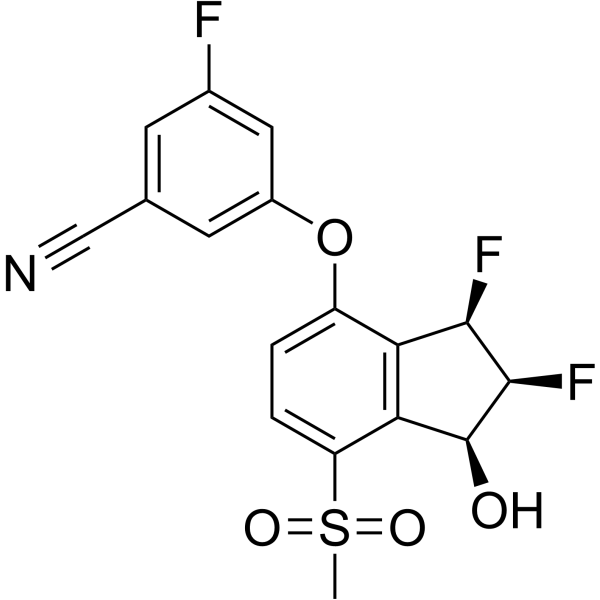
    Belzutifan
    Maximum Cited Publications
    14 Publications Verification

    PT2977; MK-6482

    HIF/HIF Prolyl-Hydroxylase Cancer
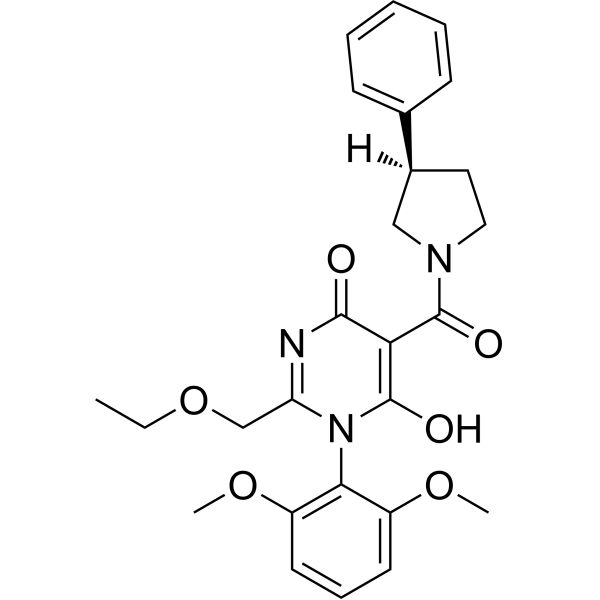
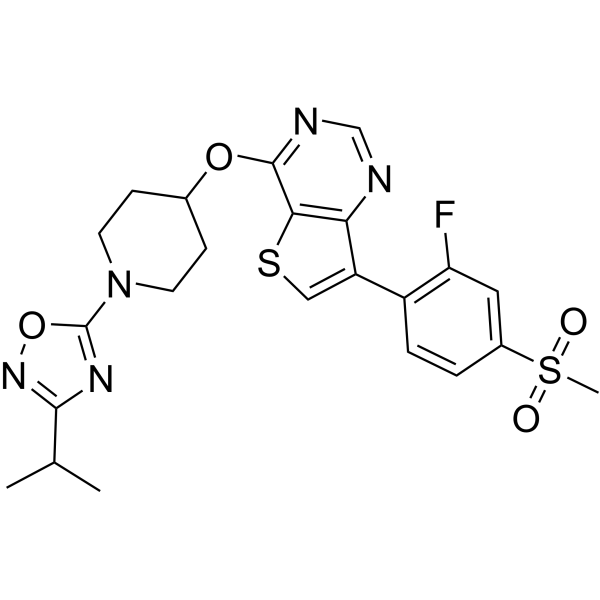
    Belzutifan (PT2977) is an orally active and selective HIF-2α inhibitor with an IC50 of 9 nM. Belzutifan, as a second-generation HIF-2α inhibitor, increases potency and improves pharmacokinetic profile. Belzutifan is a potential treatment for clear cell renal cell carcinoma (ccRCC) .
    Belzutifan
  • HY-125021
    2BAct
    4 Publications Verification

    Eukaryotic Initiation Factor (eIF) Neurological Disease
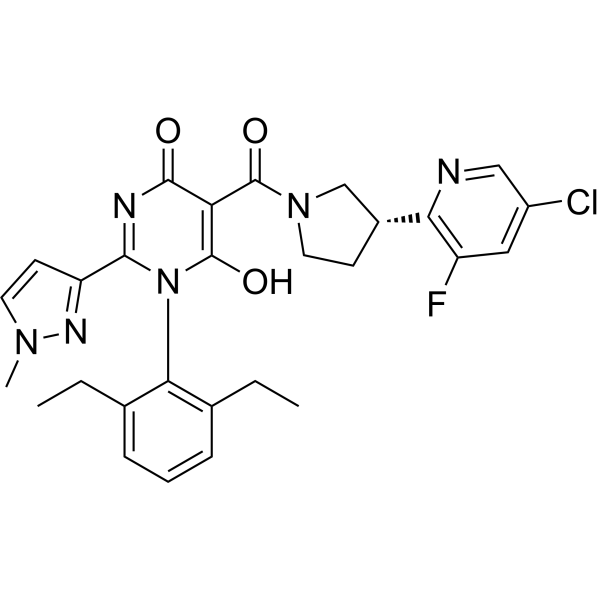
    2BAct is a highly selective, orally active, and CNS-penetrant eIF2B (eukaryotic initiation factor 2B) activator with an EC50 of 33 nM. 2BAct prevents neurological defects caused by a chronic integrated stress response. 2BAct displays improved solubility and pharmacokinetics relative to eIF2B activator ISRIB trans-isomer (HY-12495) .
    2BAct
  • HY-122682

    Drug Derivative Metabolic Disease
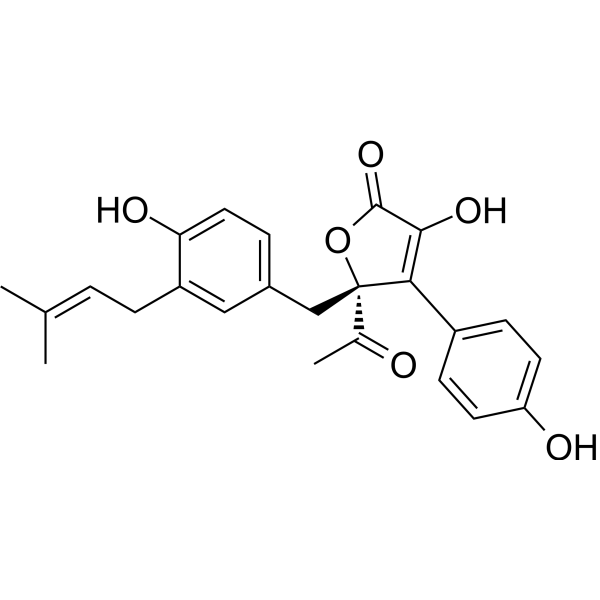
    SBI-993 is a SBI-477 analog with improved potency and suitable pharmacokinetic properties for in vivo bioavailability. SBI-993 stimulates insulin signaling by deactivating the transcription factor MondoA .
    SBI-993
  • HY-134923
    CA77.1
    5+ Cited Publications

    Autophagy Neurological Disease
    CA77.1 is a potent, brain-penetrant and orally active chaperone-mediated autophagy (CMA) activator with favorable pharmacokinetics. CA77.1 is a derivative of AR7 (HY-101106) and can increase the expression of the lysosomal receptor LAMP2A in?lysosomes. CA77.1 improves behavior and neuropathology in PS19 mice model and can be used for alzheimer's?disease research .
    CA77.1
  • HY-101447A

    EPH 116 hydrochloride

    Estrogen Receptor/ERR Cancer
    SI-2 (EPH 116 hydrochloride) is a highly promising SRC-3 inhibitor (PPI). SI-2 (EPH 116 hydrochloride) has a much improved toxicity and pharmacokinetic profile, with acceptable oral availability .
    SI-2 hydrochloride
  • HY-112613
    UCB9608
    1 Publications Verification

    PI4K Inflammation/Immunology
    UCB9608 is a potent, selective and orally active PI4KIIIβ inhibitor, with an IC50 of 11 nM, selective over PI3KC2 α, β, and γ lipid kinases. UCB9608 improves metabolic stability and exhibits excellent pharmacokinetic profile, acts as a potent immunosuppressive agent .
    UCB9608
  • HY-P99814
    Pavurutamab
    1 Publications Verification

    AMG-701

    CD3 Inflammation/Immunology Cancer
    Pavurutamab (AMG-701) is a bispecific T cell engager molecule that anti-CD3 and anti-B cell maturation antigens (BCMA). Pavurutamab has an extended half-life based on Pacanalotamab (HY-P99798). The Fc of Pavurutamab is coupled to molecules to improve pharmacokinetic parameters. Pavurutamab has potential applications in immune regulation and multiple myeloma (MM) .
    Pavurutamab
  • HY-167832

    JNK SGK ROCK Tau Protein MMP DNA/RNA Synthesis Pyruvate Kinase NF-κB COX NO Synthase Reactive Oxygen Species (ROS) Neurological Disease Cancer
    PT109 is an orally active, blood-brain barrier permeable multi-kinase inhibitor. By inhibiting PTBP1, PT109 promotes the switch of pyruvate kinase isoform from PKM2 to PKM1, thereby effectively inhibiting the proliferation and migration of glioblastoma multiforme and inducing its reprogramming into oligodendrocytes. PT109 also targets and regulates key signaling molecules such as JNK, SGK1, GSK3β to exert neuroprotective effects including promoting neurogenesis, inducing synapse formation and alleviating neuroinflammation. In Alzheimer's disease models, PT109 exhibits significant efficacy in improving spatial learning ability, along with excellent in vivo pharmacokinetic properties. PT109 can be used to investigate metabolic reprogramming of glioblastoma multiforme and neuroprotective mechanisms of Alzheimer's disease .
    PT109
  • HY-14305A
    BMS-582949 hydrochloride
    2 Publications Verification

    p38 MAPK Autophagy Inflammation/Immunology
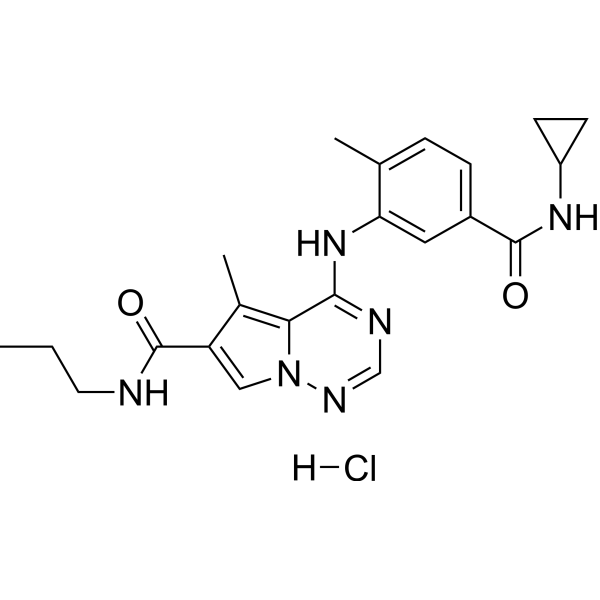
    BMS-582949 hydrochloride is an orally active and highly selective p38α MAPK inhibitor, with an IC50 of 13 nM. BMS-582949 hydrochloride displays a significantly improved pharmacokinetic profile and is effective in inflammatory disease .
    BMS-582949 hydrochloride
  • HY-P10741

    Radionuclide-Drug Conjugates (RDCs) Peptide-Drug Conjugates (PDCs) Somatostatin Receptor Cancer
    DOTA-EB-TATE is composed of SST peptide derivative, DOTA-octreotate conjugated a common to an Evans blue analog (EB). DOTA-EB-TATE is a peptide drug conjugate (PDC) improves the pharmacokinetics of SSTR2 analogs and reduces PRRT toxicity. DOTA-EB-TATE can also be used for the synthesis/research of Radionuclide-Drug Conjugates (RDCs) .
    DOTA-EB-TATE
  • HY-W423595

    EGFR Cancer
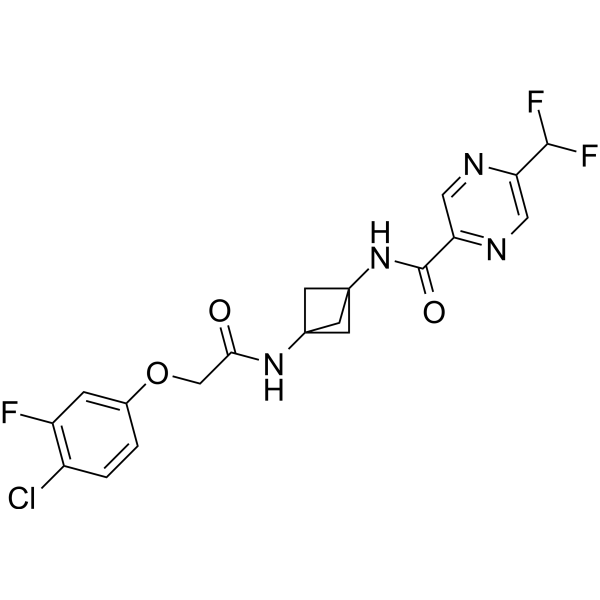
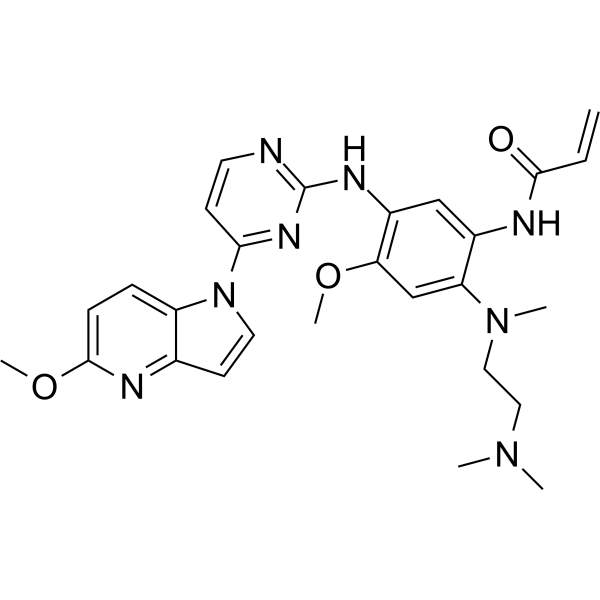
    BEBT-109 is a potent pan-mutant-selective EGFR inhibitor. BEBT-109 has improved pharmacokinetic properties. BEBT-109 can be used for multiple mutant-EGFR-driven non-small cell lung cancer (NSCLC) research .
    BEBT-109
  • HY-125840R

    PT2977 (Standard); MK-6482 (Standard)

    HIF/HIF Prolyl-Hydroxylase Reference Standards Cancer
    Belzutifan (Standard) is the analytical standard of Belzutifan. This product is intended for research and analytical applications. Belzutifan (PT2977) is an orally active and selective HIF-2α inhibitor with an IC50 of 9 nM. Belzutifan, as a second-generation HIF-2α inhibitor, increases potency and improves pharmacokinetic profile. Belzutifan is a potential treatment for clear cell renal cell carcinoma (ccRCC) .
    Belzutifan (Standard)
  • HY-170790

    TRP Channel Neurological Disease
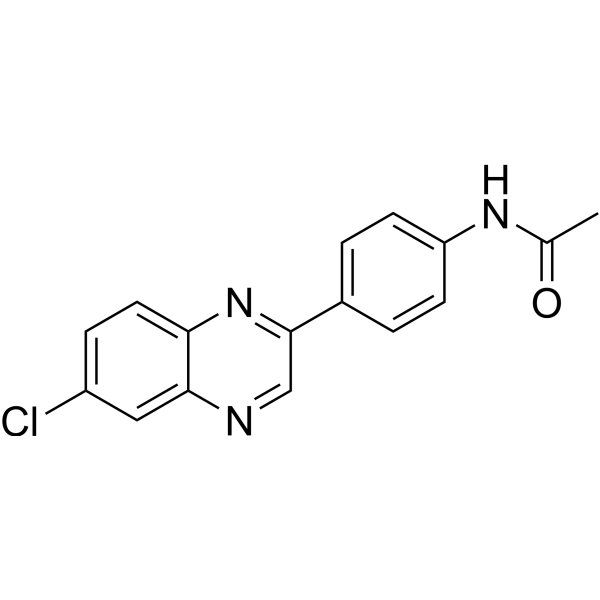
    HZS60 is a NMDAR/TRPM4 inhibitor with brain permeability that can improve cerebral ischemia. HZS60 has significant neuroprotective effects on primary neuronal ischemic damage caused by NMDA and oxygen-glucose deprivation/reoxygenation. HZS60 exhibits good pharmacokinetic characteristics and can inhibit cerebral ischemia-reperfusion injury. HZS60 can be used as a potential inhibitor of ischemic stroke .
    HZS60
  • HY-114727

    Phosphodiesterase (PDE) Inflammation/Immunology
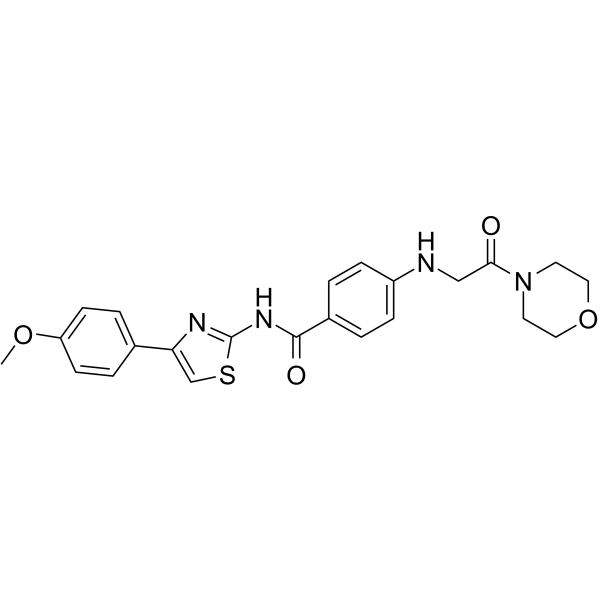
    PDE7-IN-4 is a phosphodiesterase 7 (PDE7) inhibitor with activity that increases intracellular cyclic adenosine monophosphate (cAMP) levels. PDE7-IN-4 shows potential inhibitory effects in neurotransmission and anti-inflammatory applications. PDE7-IN-4 exerts its biological activity by acting on the cAMP/cAMP response element binding protein (CREB) pathway. The development of PDE7-IN-4 aims to improve its pharmacokinetic characteristics to more effectively target neurodegenerative diseases and other inflammation-related diseases .
    PDE7-IN-4
  • HY-158118

    DNA-PK Cancer
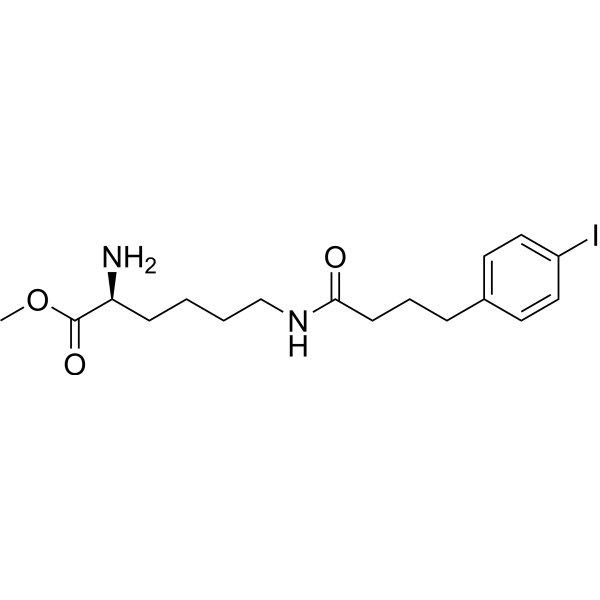
    Lys(CO-C3-p-I-Ph)-OMe is a pharmacokinetic modifier (PK modifier) that can improve the PK properties of PSMA ligand molecules (such as Ac-PSMA-trillium). Lys(CO-C3-p-I-Ph)-OMe can increase the residence time of Ac-PSMA-trillium in plasma by increasing its binding capacity to albumin. Lys(CO-C3-p-I-Ph)-OMe also reduces salivary gland absorption of Ac-PSMA-trillium, potentially extending its half-life. Ac-PSMA-trillium is a suitable PSMA-targeting compound that has different biological applications after modification with different radioactive isotopes. If labeled with 111In, it can be used as DOTA chelating agent and imaging agent. Or labeled with 225Ac as a Macropa chelator for targeted radionuclide therapy (TRT) in the study of metastatic castration-resistant prostate cancer (mCRPC) .
    Lys(CO-C3-p-I-Ph)-OMe
  • HY-158122

    DNA-PK Cancer
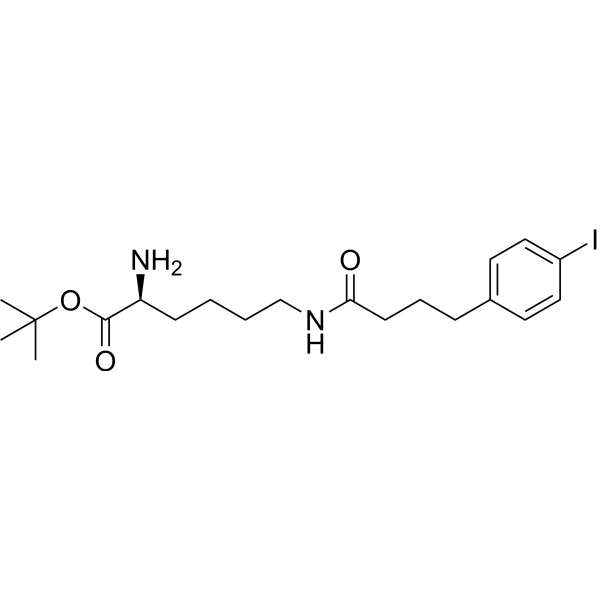
    Lys(CO-C3-p-I-Ph)-O-tBu is a pharmacokinetic modifier (PK modifier) that can improve the pharmacokinetic properties of PSMA ligand molecules. Lys(CO-C3-p-I-Ph)-O-tBu can increase the residence time of PSMA ligand in plasma by increasing its binding capacity to albumin. Lys(CO-C3-p-I-Ph)-O-tBu also reduces salivary gland absorption, possibly extending the half-life of the active compound .
    Lys(CO-C3-p-I-Ph)-O-tBu
  • HY-158125

    PSMA Cancer
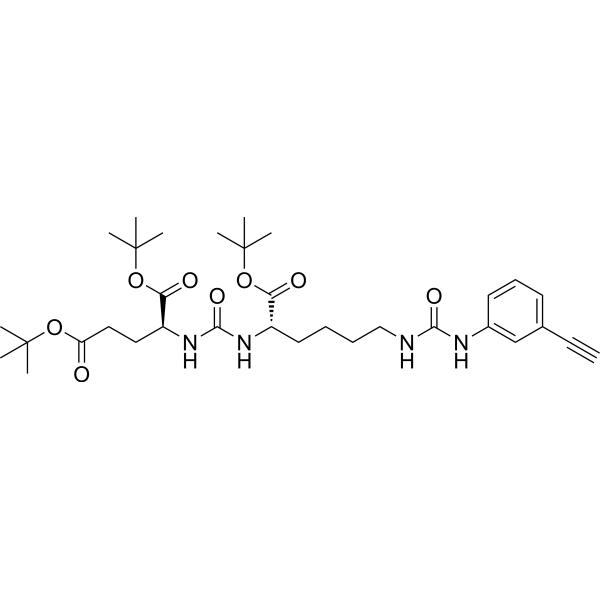
    PSMA binder-2 is a ligand for PSMA and can be used to synthesize Ac-PSMA-trillium. Ac-PSMA-trillium is a suitable PSMA-targeting compound with improved PSMA binding properties and pharmacokinetic properties. PSMA ligands have different biological applications after being modified with different radioactive isotopes. If labeled with 111In, it can be used as DOTA chelating agent and imaging agent. Or labeled with 225Ac as a Macropa chelator for targeted radionuclide therapy (TRT) in the study of metastatic castration-resistant prostate cancer (mCRPC) .
    PSMA binder-2
  • HY-153934

    GHR Endocrinology
    Tetrazole-C15-(N-acetylsulfamoyl)butanoic acid (Ligand 1) improves the pharmacokinetic properties of therapeutic peptides and proteins through non-covalent binding with human serum albumin (HSA). Tetrazole-C15-(N-acetylsulfamoyl)butanoic acid can be used for synthesis of long-acting human growth hormone (HGH) analog somapacitan .
    Tetrazole-C15-(N-acetylsulfamoyl)butanoic acid
  • HY-145285

    Apelin Receptor (APJ) Cardiovascular Disease
    APJ receptor agonist 5 (compound 3) is a potent and orally active agonist of apelin receptor (APJ) with an EC50 of 0.4 nM. APJ receptor agonist 5 displays excellent pharmacokinetic profiles in the rodent heart failure (HF) model. APJ receptor agonist 5 also shows an acceptable safety profile in preclinical toxicology studies. APJ receptor agonist 5 leads to improved cardiac function and can be used for researching the HF disease .
    APJ receptor agonist 5
  • HY-163683

    Radionuclide-Drug Conjugates (RDCs) PSMA Cancer
    EB-PSMA-617 is a modified form of PSMA-617 that has enhanced pharmacokinetic properties by conjugating it to Evans Blue (EB) to extend its circulation half-life to improve prostate tumor uptake and radiotherapy efficacy. In preclinical studies using PC3-PIP-loaded mice, EB-PSMA-617 demonstrated prolonged blood half-life, increased accumulation in PSMA-positive tumors, and successful tumor elimination with lower radioactivity .
    EB-PSMA-617
  • HY-129662

    Biochemical Assay Reagents Others
    Ro 31-0052 is a basic radiation sensitizer, a 3'-hydroxypiperidine analog of Ro 03-8799, with improved hydrophilicity. This type of designed radiation sensitizer has better pharmacokinetic properties and has the potential to replace clinically used Misonidazole (HY-105061) and Metronidazole (HY-B0318) .
    Ro 31-0052
  • HY-155553

    GPR119 Metabolic Disease
    GPR119 agonist 2 (compound 43) is an orally active GPR119 agonist. GPR119 agonist 2 shows good pharmacokinetic characteristics in rodents and can effectively improve glucose tolerance in mice and rats. GPR119 agonist 2 has the potential to study type 2 diabetes .
    GPR119 agonist 2
  • HY-152535

    HSV Infection Inflammation/Immunology
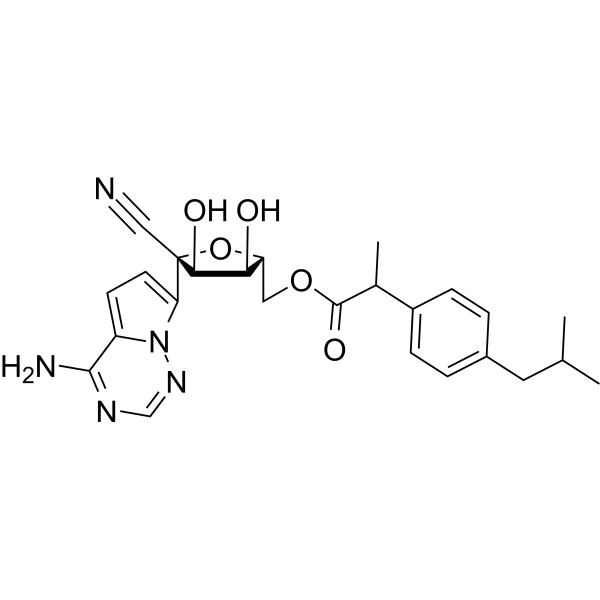
    ATV041 is an orally active Ibuprofen (HY-78131) and nucleotide analogue. ATV041 improves oral pharmacokinetic (PK) profile and tissue distribution with anti-mouse hepatitis virus (MHV) activity. ATV041 reduces viral load, tissue damage and virus-induced inflammation in a dose-dependent manner .
    ATV041
  • HY-176174S

    Isotope-Labeled Compounds CDK Cancer
    CDK2-IN-46 (compound 5g) is a selective CDK2 inhibitor with an IC50 of 0.3 nM. CDK2-IN-46 has a selectivity of >200-fold for CDK1, CDK7, CDK9, CDK4, and CDK6. CDK2-IN-46 shows improves rat and cyno pharmacokinetic profiles .
    CDK2-IN-46
  • HY-161663

    Phosphodiesterase (PDE) Cardiovascular Disease
    Phosphodiesterase-IN-2 (Compound C7) is a selective, orally active inhibitor for phosphodiesterase 10A (PDE10A), with an IC50 of 11.9 nM. Phosphodiesterase-IN-2 improves the stability of liver microsomes, and lowers BBB permeability. Phosphodiesterase-IN-2 exhibits good pharmacokinetic characters, and attenuates isoprenaline (HY-108353)-induced cardiac hypertrophic in mouse models .
    Phosphodiesterase-IN-2
  • HY-145284

    Apelin Receptor (APJ) Cardiovascular Disease
    APJ receptor agonist 4 is a potent and orally active agonist of apelin receptor (APJ) with EC50 and Ki of 0.06 nM and 0.07 nM respectively. APJ receptor agonist 4 displays excellent pharmacokinetic profiles in the rodent heart failure (HF) model. APJ receptor agonist 4 also shows an acceptable safety profile in preclinical toxicology studies. APJ receptor agonist 4 leads to improved cardiac function and can be used for researching the HF disease .
    APJ receptor agonist 4
  • HY-158316

    Fc Receptor (FcR) Others
    BTL-MK (Compound 19) an orally active antiallergic agent, that inhibits degranulation of mast cells with an IC50 of 6.7 μM, through binding to the inhibitory receptor FcγRIIB. BTL-MK improves the metaboilic stability in human liver microsomes. BTL-MK ameliorates the allergic response in Ovalbumin, low endotoxin (HY-W250978A)-induced food allergy mice model. BTL-MK exhibits a good pharmacokinetic character with metabolic stability .
    BTL-MK
  • HY-155527

    SARS-CoV Infection
    SARS-CoV-2 Mpro-IN-9 (compound c7) is a nonpeptidic, noncovalent SARS-CoV-2 M pro inhibitor (IC50=0.085 μM), with improved physicochemical and drug metabolism and pharmacokinetics (DMPK) properties. SARS-CoV-2 Mpro-IN-9 inhibits viral replication (EC50=1.10 μM) in SARS-CoV-2-infected Vero E6 cells, while exhibits low cytotoxic effects (CC50>50 μM) .
    SARS-CoV-2 Mpro-IN-9
  • HY-162492

    Influenza Virus Infection
    Influenza A virus-IN-14 (Compound 37) is an inhibitor for influenza virus type A (IAV), which inhibits H1N1 with an EC50 of 23 nM. Influenza A virus-IN-14 exhibits low cytotoxicity with CC50 of more than 100 μM. Influenza A virus-IN-14 inhibits cytopathic effect and improves the survival rates of cell Calu3. Influenza A virus-IN-14 exhibits synergistic activity with the neuraminidase inhibitor Oseltamivir (HY-13317). Influenza A virus-IN-14 exhibits poor pharmacokinetic properties in CD-1 mouse .
    Influenza A virus-IN-14
  • HY-13590

    VEGFR Cancer
    CEP-7055 (compound 21) is a novel vascular endothelial growth factor R2 (VEGF-R2) tyrosine kinase inhibitor with potent inhibitory activity. Studies have found that the inhibitor activity can be significantly improved by optimizing the R9 substituent. Compound 21 has potent low nanomolar inhibition of human VEGF-R tyrosine kinase and shows good selectivity against multiple tyrosine and serine/threonine kinases. N,N-dimethylglycine ester 40 was prepared to improve its water solubility and oral bioavailability. In animal pharmacokinetic studies, a significant increase in the plasma level of 21 was observed after oral administration of 40. Compound 21 showed significant in vivo antitumor activity in multiple tumor models and has entered phase I clinical trials as a water-soluble N,N-dimethylglycine ester proagent of 40 (CEP-7055).
    CEP-7055
  • HY-164503

    NEP010

    EGFR Cancer
    Neptinib (NEP010) is an orally active derivative of Afatinib (HY-10261) that has stronger antitumor activity than Afatinib (HY-10261) by improving pharmacokinetics. Neptinib has a significant inhibitory effect on tumor growth in mouse non-small cell lung cancer models with different EGFR mutations. Neptinib has a certain inhibitory effect on the EGFR kinase family, with IC50 values ??of 0.24 nM, 7.25 nM, 0.46 nM and 1.79 nM for EGFR wt, EGFR L858R/T790M, EGFR L858R and EGFR T790M, respectively .
    Neptinib
  • HY-169059

    Ferroptosis Inflammation/Immunology
    Ferroptosis-IN-12 (Cpd-A1) is a ferroptosis inhibitor. Ferroptosis-IN-12 exhibits effective ferroptosis inhibition in Erastin (HY-15763)-treated mouse tubular epithelial cells (mTECs) and improves kidney function, alleviates renal tubular damage, and reduces inflammation in a dose-dependent manner in acute kidney injury (AKI) mouse models induced by ischemia/reperfusion (I/R) or cecal ligation and puncture (CLP). Ferroptosis-IN-12 demonstrates good plasma stability and high distribution in kidney tissues in pharmacokinetic studies in mice. Ferroptosis-IN-12 holds promise for research in the field of acute kidney injury (AKI) .
    Ferroptosis-IN-12
  • HY-118243

    Amyloid-β Others
    KMS88009 is a potent small molecule that directly interferes with the formation of amyloid-β oligomers, thereby preserving cognitive behavior when used preventively and reversing cognitive behavior decline when used therapeutically. Oral administration of KMS88009 around the onset of Alzheimer's disease symptoms significantly reduced the assembly of amyloid-β oligomers and improved cognitive behavior in the APP/PS1 double transgenic mouse model. This unique dual mode of action suggests that KMS88009 may be a powerful therapeutic candidate for the treatment of Alzheimer's disease. In an evaluation, the physicochemical properties, pharmacokinetics and toxicity of this anti-amyloidogenic small molecule KMS88009 were studied, as well as post-mortem analysis of APP/PS1 TG mice after behavioral testing.
    KMS88009
  • HY-101447AR

    EPH 116 hydrochloride (Standard)

    Estrogen Receptor/ERR Reference Standards Cancer
    SI-2 (hydrochloride) (Standard) is the analytical standard of SI-2 (hydrochloride) (HY-101447A). This product is intended for research and analytical applications. SI-2 (EPH 116 hydrochloride) is a highly promising SRC-3 inhibitor (PPI). SI-2 (EPH 116 hydrochloride) has a much improved toxicity and pharmacokinetic profile, with acceptable oral availability .
    SI-2 hydrochloride (Standard)
  • HY-184048

    Flavivirus Virus Protease Dengue Virus Infection
    JMX0207 is an orally active flavivirus NS2B-NS3 protease inhibitor. JMX0207 showed an IC50-SLC of 1.3 μM for blocking NS2B-NS3 protein interaction and an IC50-pro of 8.2 μM for inhibiting protease catalytic activity.. JMX0207 directly binds viral NS3 protease at the NS2B-NS3 interface with a Kd of 1.1 μM, blocks viral polyprotein precursor processing, suppresses viral RNA replication and viral protein production. JMX0207 can be used for the study of Zika virus infection and Dengue virus infection .
    JMX0207

Inquiry Online

Your information is safe with us. * Required Fields.

Salutation


Country or Region *

Applicant Name *


Organization Name *

Department *


Email Address *


Product Name *

Cat. No.


Requested quantity *

Phone Number *


Remarks

Inquiry Online

Inquiry Information

Product Name:
Cat. No.:
Quantity:
MCE Japan Authorized Agent: