1. Search Result
Search Result
Results for "

inflammatory neuropathies

" in MedChemExpress (MCE) Product Catalog:

25

Inhibitors & Agonists

1

Peptides

3

Inhibitory Antibodies

11

Natural
Products

Cat. No. Product Name Target Research Areas Chemical Structure
  • HY-P9970
    Infliximab
    25+ Cited Publications

    Avakine; CT-P13; SB2; TA-650

    TNF Receptor Neurological Disease Metabolic Disease Inflammation/Immunology Cancer
    Infliximab (Avakine) is a chimeric monoclonal IgG1 antibody that specifically binds to TNF-α. Infliximab prevents the interaction of TNF-α with TNF-α receptor (TNFR1 and TNFR2). Infliximab has the potential for autoimmune, chronic inflammatory diseases and diabetic neuropathy research .
    The component ratio of this product is Active ingredient : Excipients = 9 : 47.
    Infliximab
  • HY-113402
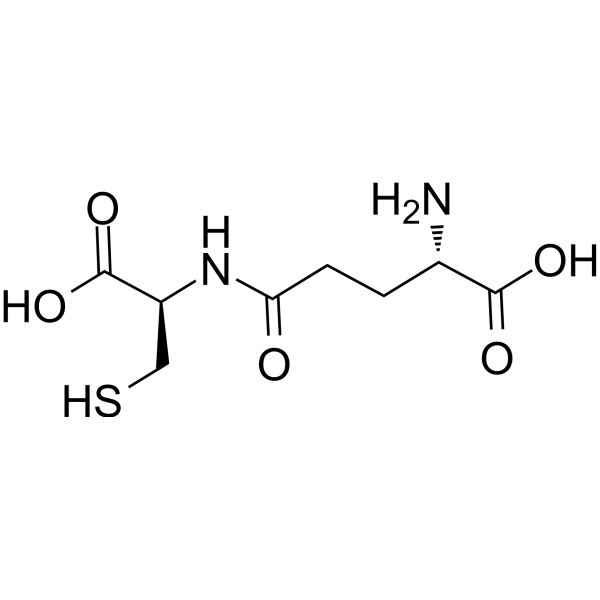
    Gamma-glutamylcysteine
    4 Publications Verification

    γ-Glu-Cys

    Endogenous Metabolite Interleukin Related TNF Receptor AMPK Sirtuin STAT PI3K NF-κB JAK p38 MAPK JNK Akt Apoptosis Ferroptosis Cardiovascular Disease Neurological Disease Inflammation/Immunology
    Gamma-glutamylcysteine (γ-Glu-Cys) is an orally active, blood-brain barrier permeable dipeptide . Gamma-glutamylcysteine activates AMPK, SIRT1, IL-4/STAT6, AC/cAMP/PI3K, IGF-1R/IRS1/PI3K, and Nrf2 signaling pathways; it inhibits NF-κB, JAK1/STAT1/3, MAPKs, cadmium-induced p38 MAPK, JNK, and PI3K/Akt signaling pathways. Gamma-glutamylcysteine regulates macrophage polarization, modulates the trafficking of CD36 and GLUT4, induces glutathione synthesis, improves metabolic dysfunction, reduces lipid deposition, ameliorates glucose homeostasis, inhibits apoptosis (Apoptosis), stabilizes mitochondria, suppresses lipid peroxidation, iron accumulation and ferroptosis (Ferroptosis), reduces ds-HMGB1 levels, reverses mechanical hyperalgesia, and alleviates hepatic lipid droplet formation. Gamma-glutamylcysteine is applicable to research related to inflammatory bowel disease, type 2 diabetes, cadmium-induced neurotoxicity, Alzheimer's disease, cerebral ischemia/reperfusion injury, neuropathy, and alcoholic liver disease .
    Gamma-glutamylcysteine
  • HY-P9970A

    Avakine (Anti-TNF-α); CT-P13 (Anti-TNF-α)

    TNF Receptor Neurological Disease Metabolic Disease Inflammation/Immunology Cancer
    Infliximab (Anti-TNF-α) (Avakine (Anti-TNF-α)) is a chimeric monoclonal IgG1 antibody that specifically binds to TNF-α. Infliximab (Anti-TNF-α) prevents the interaction of TNF-α with TNF-α receptor (TNFR1 and TNFR2). Infliximab (Anti-TNF-α) has the potential for autoimmune, chronic inflammatory diseases and diabetic neuropathy research .
    Infliximab (Anti-TNF-α)
  • HY-142240

    HSK16149

    Calcium Channel Neurological Disease
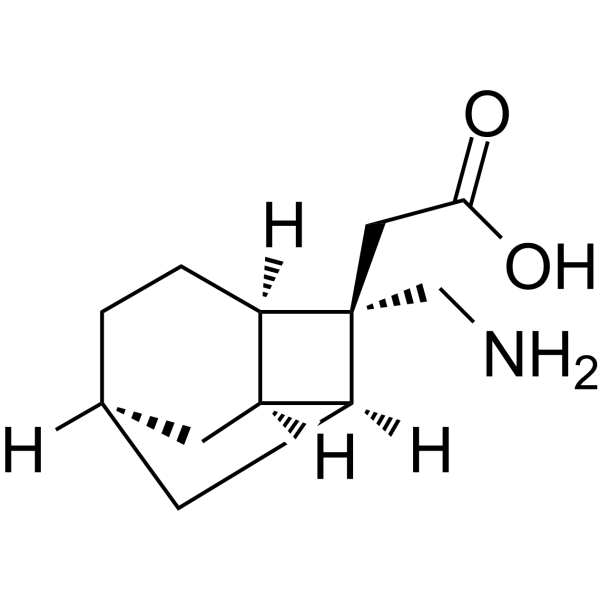
    Crisugabalin is an orally active, selective ligand for the α2δ subunit of voltage-gated calcium channels, with a target IC50 of 3.96 nM in rats. Crisugabalin inhibits the binding of [ 3H]gabapentin to the α2δ subunit, reduces calcium influx, decreases neuronal excitability, and impairs nociceptive transmission. Crisugabalin alleviates mechanical allodynia, neuropathic pain and inflammatory pain in rats, and reduces phase II pain behaviors. Crisugabalin can be used in research related to chronic pain, neuropathic pain, diabetic neuropathy, fibromyalgia, inflammatory pain, diabetic peripheral neuropathy and postherpetic neuralgia.
    Crisugabalin
  • HY-113402A
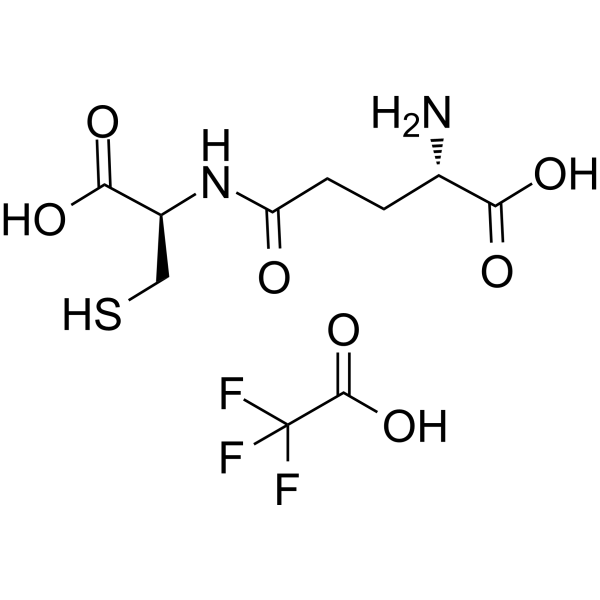
    Gamma-glutamylcysteine TFA
    4 Publications Verification

    γ-Glu-Cys TFA

    Interleukin Related TNF Receptor Endogenous Metabolite AMPK Sirtuin STAT PI3K NF-κB JAK p38 MAPK JNK Akt Apoptosis Ferroptosis Cardiovascular Disease Neurological Disease Inflammation/Immunology
    Gamma-glutamylcysteine TFA (γ-Glu-Cys TFA) is an orally active, blood-brain barrier permeable dipeptide . Gamma-glutamylcysteine TFA activates AMPK, SIRT1, IL-4/STAT6, AC/cAMP/PI3K, IGF-1R/IRS1/PI3K, and Nrf2 signaling pathways; it inhibits NF-κB, JAK1/STAT1/3, MAPKs, cadmium-induced p38 MAPK, JNK, and PI3K/Akt signaling pathways. Gamma-glutamylcysteine TFA regulates macrophage polarization, modulates the trafficking of CD36 and GLUT4, induces glutathione synthesis, improves metabolic dysfunction, reduces lipid deposition, ameliorates glucose homeostasis, inhibits apoptosis (Apoptosis), stabilizes mitochondria, suppresses lipid peroxidation, iron accumulation and ferroptosis (Ferroptosis), reduces ds-HMGB1 levels, reverses mechanical hyperalgesia, and alleviates hepatic lipid droplet formation. Gamma-glutamylcysteine TFA is applicable to research related to inflammatory bowel disease, type 2 diabetes, cadmium-induced neurotoxicity, Alzheimer's disease, cerebral ischemia/reperfusion injury, neuropathy, and alcoholic liver disease .
    Gamma-glutamylcysteine TFA
  • HY-N0837
    Veratramine
    1 Publications Verification

    NSC17821; NSC23880

    PI3K Akt mTOR Autophagy Apoptosis Neurological Disease Metabolic Disease Inflammation/Immunology Cancer
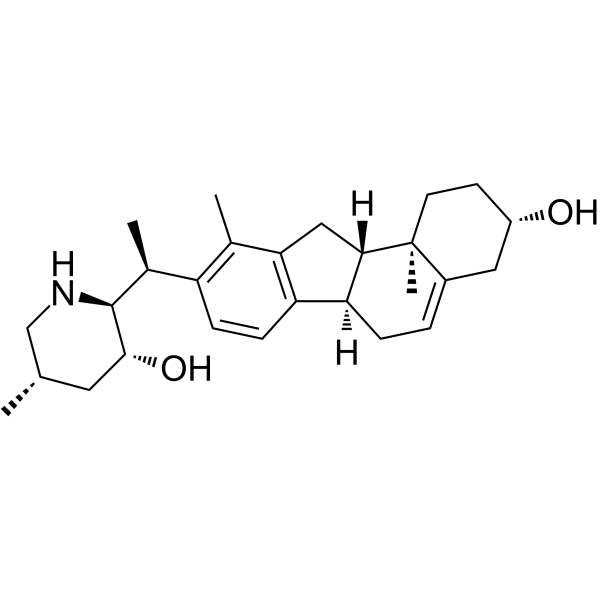
    Veratramine (NSC17821; NSC23880) is an orally active inhibitor of the PI3K/Akt/mTOR signaling pathway and a SIGMAR1 modulator. Veratramine induces autophagic apoptosis of tumor cells, arrests the cell cycle at the G0/G1 phase, and inhibits epithelial-mesenchymal transition (EMT)-related proteins to reduce tumor migration. Veratramine reduces spinal cord and sciatic nerve pathological damage in a neuropathy model by inhibiting SIGMAR1 binding to NMDAR and phosphorylation of NMDAR Ser896. Veratramine has anti-tumor proliferation, apoptosis induction, anti-inflammatory and neuroprotective activities, and can be used in the study of cancers such as liver cancer and osteosarcoma, as well as diabetic peripheral neuropathy .
    Veratramine
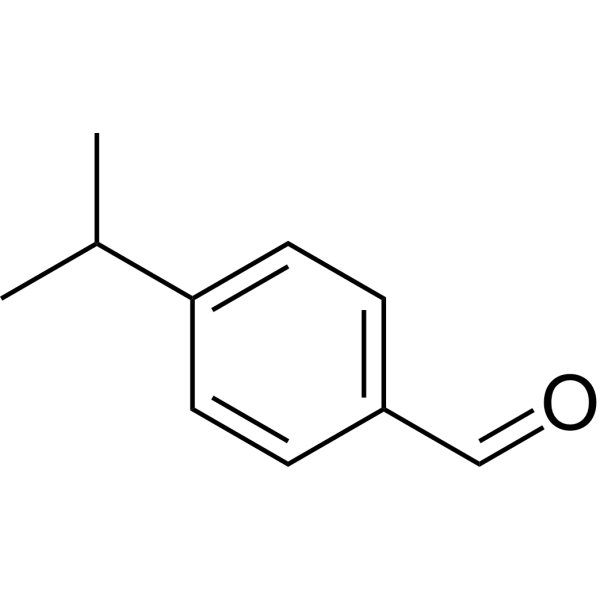
  • HY-Y0790
    Cuminaldehyde
    1 Publications Verification

    p-Isopropylbenzaldehyde

    Environmental Pollutants α-synuclein Infection Neurological Disease Inflammation/Immunology Cancer
    Cuminaldehyde is the main component of Cuminum cyminum and has multiple biological activities, including anti-inflammatory, anti-cancer, anti-diabetic, anti-injury, anti-neuropathy and antibacterial effects. Cuminaldehyde is an inhibitor of aldose reductase (IC50= 0.00085 mg/mL), α-glucosidase (IC50=0.5 mg/mL) and lipoxygenase (IC50=1370 μM). Cuminaldehyde also inhibits the fibrillation of α-synuclein and prevents its aggregation. Cuminaldehyde has potential application value in the research of neurodegenerative diseases, cancer, diabetes and neuropathic pain diseases .
    Cuminaldehyde
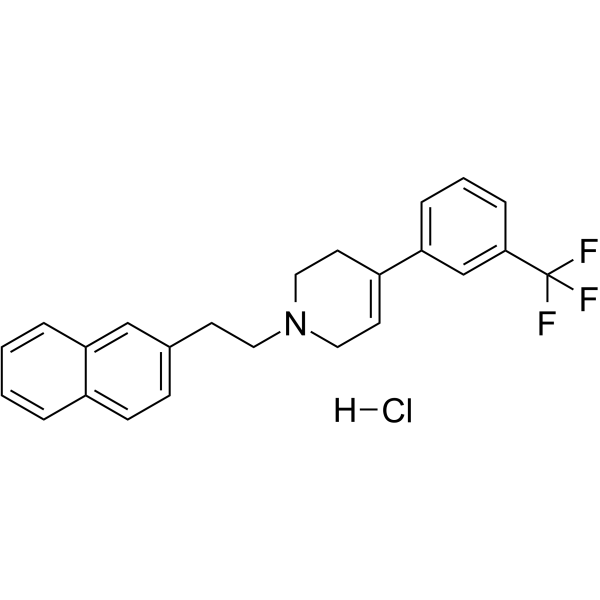
  • HY-14604
    Xaliproden hydrochloride
    1 Publications Verification

    SR57746A; SR57746 hydrochloride

    5-HT Receptor Dopamine Receptor Trk Receptor PKC ERK Akt JNK Neurological Disease Metabolic Disease
    Xaliproden (SR57746) hydrochloride (SR57746A) is an orally active, highly selective 5-HT1A receptor agonist. Xaliproden hydrochloride activates pertussis toxin-sensitive G protein-coupled signaling cascades, as well as the PKC, ERK1/ERK2, Akt and p21 Ras/MEK-1 pathways. Xaliproden hydrochloride also downregulates the JNK/p66/c-Jun signaling pathway, induces phosphorylation of the shc adaptor protein, regulates extracellular dopamine and 5-HT levels, and induces [ 35S]GTPγS labeling in rat brain structures rich in 5-HT1A receptors. Xaliproden hydrochloride exerts neurotrophic, neuroprotective, renoprotective, anti-inflammatory, anti-apoptotic, anti-fibrotic and analgesic effects. Xaliproden hydrochloride also enhances NGF-induced neurite outgrowth, promotes motor neuron survival, attenuates renal tubular injury and inhibits chemotherapy-induced mechanical allodynia, without activating or altering NGF-induced TrkA receptor activation. Xaliproden hydrochloride can be used in the research of motor neuron disease, diabetic nephropathy, chemotherapy-induced peripheral neuropathy, amyotrophic lateral sclerosis, Alzheimer's disease, acute tonic nociceptive pain, inflammatory pain, depression and anxiety .
    Xaliproden hydrochloride
  • HY-N0837R

    NSC17821 (Standard); NSC23880 (Standard)

    Reference Standards PI3K Akt mTOR Autophagy Apoptosis Neurological Disease Metabolic Disease Cancer
    Veratramine (NSC17821; NSC23880) (Standard) is the analytical standard of Veratramine (HY-N0837). This product is intended for research and analytical applications. Veratramine (NSC17821; NSC23880) is an orally active inhibitor of the PI3K/Akt/mTOR signaling pathway and a SIGMAR1 modulator. Veratramine induces autophagic apoptosis of tumor cells, arrests the cell cycle at the G0/G1 phase, and inhibits epithelial-mesenchymal transition (EMT)-related proteins to reduce tumor migration. Veratramine reduces spinal cord and sciatic nerve pathological damage in a neuropathy model by inhibiting SIGMAR1 binding to NMDAR and phosphorylation of NMDAR Ser896. Veratramine has anti-tumor proliferation, apoptosis induction, anti-inflammatory and neuroprotective activities, and can be used in the study of cancers such as liver cancer and osteosarcoma, as well as diabetic peripheral neuropathy .
    Veratramine (Standard)
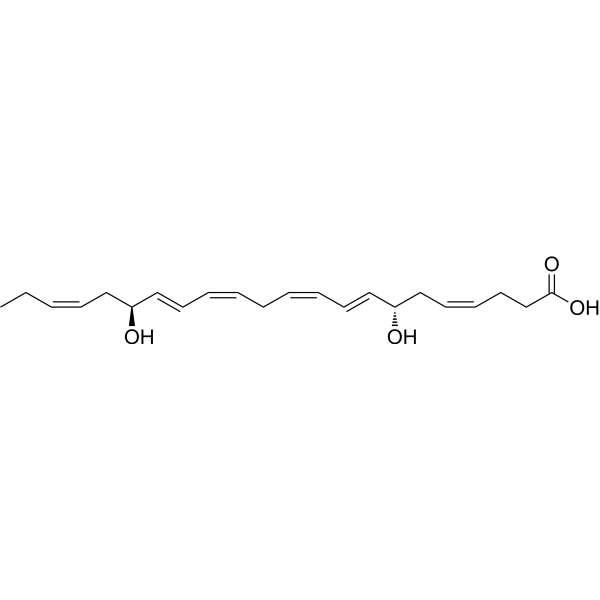
  • HY-145491

    ERK NF-κB CCR Inflammation/Immunology
    Resolvin D5 is an anti-inflammatory and analgesic agent produced in M2 macrophages. Resolvin D5 alleviates Paclitaxel (HY-B0015)-induced mechanical allodynia and inflammatory pain by activating the GPR32 receptor, with gender specificity (effective only in male mice) and independence from TRPV1 or TRPA1 channels. Resolvin D5 attenuates LPS-induced ERK phosphorylation and NF-κB nuclear translocation, downregulates proinflammatory mediators such as IL-6 and CCL5, inhibits Th17 cell differentiation and osteoclastogenesis, promotes regulatory T cell differentiation, and shows no cytotoxicity to human monocytes. The level of Resolvin D5 is elevated in arthritic SKG mice, but Resolvin D5 has no effect on dendritic cell differentiation or M1 macrophage polarization, nor does it prevent ZyA-induced arthritis progression. Resolvin D5 is suitable for research related to chemotherapy-induced peripheral neuropathy, inflammatory pain and rheumatoid arthritis .
    Resolvin D5
  • HY-113402R

    γ-Glu-Cys (Standard)

    Reference Standards Endogenous Metabolite Interleukin Related TNF Receptor AMPK Sirtuin STAT PI3K NF-κB JAK p38 MAPK JNK Akt Apoptosis Ferroptosis Inflammation/Immunology
    Gamma-glutamylcysteine (Standard) is the analytical standard of Gamma-glutamylcysteine. This product is intended for research and analytical applications. Gamma-glutamylcysteine (γ-Glu-Cys) is an orally active, blood-brain barrier permeable dipeptide . Gamma-glutamylcysteine activates AMPK, SIRT1, IL-4/STAT6, AC/cAMP/PI3K, IGF-1R/IRS1/PI3K, and Nrf2 signaling pathways; it inhibits NF-κB, JAK1/STAT1/3, MAPKs, cadmium-induced p38 MAPK, JNK, and PI3K/Akt signaling pathways. Gamma-glutamylcysteine regulates macrophage polarization, modulates the trafficking of CD36 and GLUT4, induces glutathione synthesis, improves metabolic dysfunction, reduces lipid deposition, ameliorates glucose homeostasis, inhibits apoptosis (Apoptosis), stabilizes mitochondria, suppresses lipid peroxidation, iron accumulation and ferroptosis (Ferroptosis), reduces ds-HMGB1 levels, reverses mechanical hyperalgesia, and alleviates hepatic lipid droplet formation. Gamma-glutamylcysteine is applicable to research related to inflammatory bowel disease, type 2 diabetes, cadmium-induced neurotoxicity, Alzheimer's disease, cerebral ischemia/reperfusion injury, neuropathy, and alcoholic liver disease.
    Gamma-glutamylcysteine (Standard)
  • HY-Y0790R

    p-Isopropylbenzaldehyde (Standard)

    α-synuclein Reference Standards Infection Neurological Disease Inflammation/Immunology Cancer
    Cuminaldehyde Standard is the analytical standard of Cuminaldehyde. This product is intended for research and analytical applications. Cuminaldehyde is the main component of Cuminum cyminum and has multiple biological activities, including anti-inflammatory, anti-cancer, anti-diabetic, anti-injury, anti-neuropathy and antibacterial effects. Cuminaldehyde is an inhibitor of aldose reductase (IC50= 0.00085 mg/mL) and α-glucosidase (IC50=0.5 mg/mL). Cuminaldehyde also inhibits the fibrillation of α-synuclein and prevents its aggregation Cuminaldehyde can induce apoptosis in colon adenocarcinoma cells by targeting topoisomerase I and II. In addition, Cuminaldehyde also exerts anti-inflammatory activity by inhibiting lipoxygenase. Cuminaldehyde has a strong inhibitory effect on the growth of Aspergillus flavus and the biosynthesis of aflatoxin B1 (AFB1). Cuminaldehyde can exert anti-injury and anti-neuropathy effects by participating in opioid receptors, L-arginine/NO/cGMP pathways and anti-inflammatory effects. Cuminaldehyde has potential application value in the research of neurodegenerative diseases, cancer, diabetes and neuropathic pain diseases .
    Cuminaldehyde (Standard)
  • HY-113402AR

    γ-Glu-Cys TFA (Standard)

    Interleukin Related TNF Receptor Endogenous Metabolite Reference Standards AMPK Sirtuin STAT PI3K NF-κB JAK p38 MAPK JNK Akt Apoptosis Ferroptosis Cardiovascular Disease Neurological Disease Inflammation/Immunology
    Gamma-glutamylcysteine (TFA) (Standard) is the analytical standard of Gamma-glutamylcysteine (TFA). This product is intended for research and analytical applications. Gamma-glutamylcysteine TFA (γ-Glu-Cys TFA) is an orally active, blood-brain barrier permeable dipeptide . Gamma-glutamylcysteine TFA activates AMPK, SIRT1, IL-4/STAT6, AC/cAMP/PI3K, IGF-1R/IRS1/PI3K, and Nrf2 signaling pathways; it inhibits NF-κB, JAK1/STAT1/3, MAPKs, cadmium-induced p38 MAPK, JNK, and PI3K/Akt signaling pathways. Gamma-glutamylcysteine TFA regulates macrophage polarization, modulates the trafficking of CD36 and GLUT4, induces glutathione synthesis, improves metabolic dysfunction, reduces lipid deposition, ameliorates glucose homeostasis, inhibits apoptosis (Apoptosis), stabilizes mitochondria, suppresses lipid peroxidation, iron accumulation and ferroptosis (Ferroptosis), reduces ds-HMGB1 levels, reverses mechanical hyperalgesia, and alleviates hepatic lipid droplet formation. Gamma-glutamylcysteine TFA is applicable to research related to inflammatory bowel disease, type 2 diabetes, cadmium-induced neurotoxicity, Alzheimer's disease, cerebral ischemia/reperfusion injury, neuropathy, and alcoholic liver disease.
    Gamma-glutamylcysteine TFA (Standard)
  • HY-113402B

    γ-Glu-Cys ammonium

    Interleukin Related TNF Receptor Endogenous Metabolite AMPK Sirtuin STAT PI3K NF-κB JAK p38 MAPK JNK Akt Apoptosis Ferroptosis Cardiovascular Disease Neurological Disease Inflammation/Immunology
    Gamma-glutamylcysteine ammonium (γ-Glu-Cys ammonium) is an orally active, blood-brain barrier permeable dipeptide . Gamma-glutamylcysteine ammonium activates AMPK, SIRT1, IL-4/STAT6, AC/cAMP/PI3K, IGF-1R/IRS1/PI3K, and Nrf2 signaling pathways; it inhibits NF-κB, JAK1/STAT1/3, MAPKs, cadmium-induced p38 MAPK, JNK, and PI3K/Akt signaling pathways. Gamma-glutamylcysteine ammonium regulates macrophage polarization, modulates the trafficking of CD36 and GLUT4, induces glutathione synthesis, improves metabolic dysfunction, reduces lipid deposition, ameliorates glucose homeostasis, inhibits apoptosis (Apoptosis), stabilizes mitochondria, suppresses lipid peroxidation, iron accumulation and ferroptosis (Ferroptosis), reduces ds-HMGB1 levels, reverses mechanical hyperalgesia, and alleviates hepatic lipid droplet formation. Gamma-glutamylcysteine ammonium is applicable to research related to inflammatory bowel disease, type 2 diabetes, cadmium-induced neurotoxicity, Alzheimer's disease, cerebral ischemia/reperfusion injury, neuropathy, and alcoholic liver disease .
    Gamma-glutamylcysteine ammonium
  • HY-121239

    NF-κB Neurological Disease Inflammation/Immunology Cancer
    Lemnalol is a potent agent for neuropathic pain. Lemnalol possesses potent anti-inflammatory, analgesic and anti-tumor activities. Lemnalol has the capacity to attenuate hyperalgesia and allodynia by modulation of neuroinflammatory processes in neuropathy. Lemnalol modulates LPS-induced alterations of left atrial (LA) calcium homeostasis and blocks the NF-κB pathways, which may contribute to the attenuation of lipopolysaccharide (LPS)-induced arrhythmogenesis and neuropathic pain. Lemnalolis a ylangene-type sesquiterpenoid compound, isolated from Lemnalia cervicorni .
    Lemnalol
  • HY-P990160

    MHC Neurological Disease Metabolic Disease Inflammation/Immunology
    Anti-Rat TCR alpha/beta Antibody (R73) is an anti-mouse TCR alpha/beta IgG1 monoclonal antibody. Anti-Rat TCR alpha/beta Antibody (R73) suppresses immune response by depleting α/β + T cells. Anti-Rat TCR alpha/beta Antibody (R73) can inhibit the expression of pro-inflammatory cytokines. Anti-Rat TCR alpha/beta Antibody (R73) can extend graft survival time by reducing infiltration of T cells and neutrophils. Anti-Rat TCR alpha/beta Antibody (R73) can be used for researches on inflammation, metabolic conditions and xenotransplantation such as arthritis, acute inflammatory peripheral neuropathy and diabetes .
    Anti-Rat TCR alpha/beta Antibody (R73)
  • HY-136535

    hTrkA-IN-1

    Trk Receptor Inflammation/Immunology
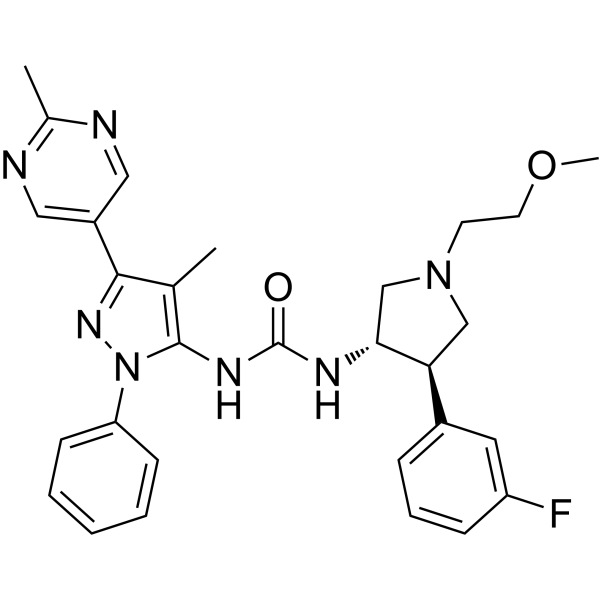
    Anizatrectinib (hTrkA-IN-1) is a potent and orally active inhibitor of TrkA kinase with an IC50 of 1.3 nM, compound 2 extracted from patent WO2015175788. Anizatrectinib can be used for the study of inflammatory disease, such as prostatitis, pelvic, et al .
    Anizatrectinib
  • HY-119820

    SR57746A free base

    Akt Dopamine Receptor Trk Receptor 5-HT Receptor PKC JNK ERK Neurological Disease
    Xaliproden (SR57746) free base is an orally active, highly selective 5-HT1A receptor agonist. Xaliproden free base activates pertussis toxin-sensitive G protein-coupled signaling cascades, as well as the PKC, ERK1/ERK2, Akt and p21 Ras/MEK-1 pathways. Xaliproden free base also downregulates the JNK/p66/c-Jun signaling pathway, induces phosphorylation of the shc adaptor protein, regulates extracellular dopamine and 5-HT levels, and induces [ 35S]GTPγS labeling in rat brain structures rich in 5-HT1A receptors. Xaliproden free base exerts neurotrophic, neuroprotective, renoprotective, anti-inflammatory, anti-apoptotic, anti-fibrotic and analgesic effects. Xaliproden free base also enhances NGF-induced neurite outgrowth, promotes motor neuron survival, attenuates renal tubular injury and inhibits chemotherapy-induced mechanical allodynia, without activating or altering NGF-induced TrkA receptor activation. Xaliproden free base can be used in the research of motor neuron disease, diabetic nephropathy, chemotherapy-induced peripheral neuropathy, amyotrophic lateral sclerosis, Alzheimer's disease, acute tonic nociceptive pain, inflammatory pain, depression and anxiety .
    Xaliproden free base
  • HY-182777

    HDAC NO Synthase TNF Receptor Interleukin Related Neurological Disease Inflammation/Immunology
    HDAC6-IN-80 is an orally active, selective HDAC6 inhibitor with an IC50 of 8.5 nM. HDAC6-IN-80 inhibits lipopolysaccharide-induced microglial activation, reduces the levels of iNOS, COX-2, TNF-α and IL-6, and alleviates sensory hypersensitivity behaviors. HDAC6-IN-80 can be used for the research of inflammatory pain and chemotherapy-induced peripheral neuropathy .
    HDAC6-IN-80
  • HY-182539

    CGRP Receptor Others Neurological Disease
    DD04107 is a neuronal exocytosis inhibitor with a rat Syt1-C2B domain binding Ka of 2.4 μM. DD04107 interferes with synaptobrevin-syntaxin-SNAP-25 complex formation and Syt1-SNARE complex interaction to block α-calcitonin gene-related peptide (α-CGRP) exocytotic release from primary sensory neurons. DD04107 blocks inflammatory ion channel recruitment to nociceptor plasma membranes. DD04107 can be used for the research of chronic inflammatory pain, neuropathic pain, osteosarcoma pain, chemotherapy-induced peripheral neuropathy, diabetic neuropathy, inflammatory pain .
    DD04107
  • HY-181998

    Interleukin Related Neurological Disease Inflammation/Immunology
    CN016 is a neuroprotective agent. CN016 inhibits the elevation of pro-inflammatory cytokines G-CSF, GM-CSF and IL-6 induced by Oxaliplatin (HY-17371). CN016 suppresses Paclitaxel (HY-B0015)-induced inflammatory responses and immune cell infiltration into sensory neurons. CN016 protects neurons from Paclitaxel (HY-B0015)-induced neurotoxic damage. CN016 protects mice against Oxaliplatin-induced peripheral neuropathy .
    CN016
  • HY-N19801

    Toll-like Receptor (TLR) NF-κB Interleukin Related TNF Receptor Neurological Disease Inflammation/Immunology
    N-Palmitoyl-D-glucosamine is an orally active TLR4 antagonist. N-Palmitoyl-D-glucosamine stably binds MD-2 with, preventing LPS-induced NF-κB signaling, decreases pro-inflammatory cytokines (IL-1β, TNF-α, and IL-6), increases anti-inflammatory IL-10 and IL-1rα, and normalizes miR-20a-5p, miR-106a-5p, and miR-27a-3p levels. N-Palmitoyl-D-glucosamine decreases allodynia and prevents myelino-axonal degeneration of peripheral nerves. N-Palmitoyl-D-glucosamine can be used for the researches of keratitis and peripheral neuropathy .
    N-Palmitoyl-D-glucosamine
  • HY-18334

    LPL Receptor Neurological Disease Inflammation/Immunology
    GSK-2262167 sodium is a selective S1P1 receptor agonist. GSK-2262167 sodium is used for research on inflammatory and immune diseases .
    GSK-2262167 sodium
  • HY-181482

    DAGL Neurological Disease
    A1480LS is a peripherally restricted, orally active covalent and irreversible inhibitor of DAGLα and DAGLβ, with IC50 values of 6 nM and 4 nM against human targets, respectively, and IC50 values ≤15 nM across mouse, rat, dog, monkey and human systems. A1480LS reduces the levels of 2-arachidonoylglycerol, arachidonic acid, and cyclooxygenase- and lipoxygenase-derived eicosanoids. A1480LS inhibits injury-induced production of 2-arachidonoylglycerol and arachidonic acid in the peripheral sciatic nerve, and suppresses the responses of high-threshold and wide-dynamic-range-like dorsal horn neurons to mechanical stimulation. A1480LS alleviates pain behaviors in rat models of inflammatory pain, neuropathic pain and chemotherapy-induced peripheral neuropathy .
    A1480LS
  • HY-14604R

    SR57746A (Standard); SR57746 hydrochloride (Standard)

    Reference Standards Akt Dopamine Receptor Trk Receptor 5-HT Receptor PKC JNK ERK Neurological Disease Cancer
    Xaliproden (hydrochloride) (Standard) is the analytical standard of Xaliproden (hydrochloride). This product is intended for research and analytical applications. Xaliproden (SR57746) hydrochloride (SR57746A) is an orally active, highly selective 5-HT1A receptor agonist. Xaliproden hydrochloride activates pertussis toxin-sensitive G protein-coupled signaling cascades, as well as the PKC, ERK1/ERK2, Akt and p21 Ras/MEK-1 pathways. Xaliproden hydrochloride also downregulates the JNK/p66/c-Jun signaling pathway, induces phosphorylation of the shc adaptor protein, regulates extracellular dopamine and 5-HT levels, and induces [ 35S]GTPγS labeling in rat brain structures rich in 5-HT1A receptors. Xaliproden hydrochloride exerts neurotrophic, neuroprotective, renoprotective, anti-inflammatory, anti-apoptotic, anti-fibrotic and analgesic effects. Xaliproden hydrochloride also enhances NGF-induced neurite outgrowth, promotes motor neuron survival, attenuates renal tubular injury and inhibits chemotherapy-induced mechanical allodynia, without activating or altering NGF-induced TrkA receptor activation. Xaliproden hydrochloride can be used in the research of motor neuron disease, diabetic nephropathy, chemotherapy-induced peripheral neuropathy, amyotrophic lateral sclerosis, Alzheimer's disease, acute tonic nociceptive pain, inflammatory pain, depression and anxiety .
    Xaliproden hydrochloride (Standard)

Inquiry Online

Your information is safe with us. * Required Fields.

Salutation


Country or Region *

Applicant Name *


Organization Name *

Department *


Email Address *


Product Name *

Cat. No.


Requested quantity *

Phone Number *


Remarks

Inquiry Online

Inquiry Information

Product Name:
Cat. No.:
Quantity:
MCE Japan Authorized Agent: