



MHC
Major Histocompatibility Complex; MHC
MHC is a group of genes encoding proteins which are transferred to the cell surfaces to present the intracellular or extracellular, self or non-self antigens to the cells of the immune system, thereby helping T cells in differentiating self from non-self proteins, and initiating adaptive immune responses. MHC can be divided into 3 subtypes, MHC I, MHC II and MHC III, in which MHC I presents endogenous antigens (such as antigens produced by virus-infected cells or tumor cells) to activate cytotoxic T cells (CD8+ T cells); MHC II presents exogenous antigens (such as bacteria or parasites) to activate helper T cells (CD4+ T cells); MHC III does not directly participate in antigen presentation, but involves in immune regulation, inflammatory response and cell signaling. MHC is crucial for stem cell transplant (SCT), and could lead to graft-versus-host disease (GVHD)[1][2].
Verweise:
- [1]. Deakin JE, et al., Evolution and comparative analysis of the MHC Class III inflammatory region. BMC Genomics. 2006 Nov 2;7:281. [Content Brief]
- [2]. Sharma S K. Major Histocompatibility Complex[M]//Basics of Hematopoietic Stem Cell Transplant. Singapore: Springer Nature Singapore, 2023: 903-913.
Alle MHC Isoform-spezifische Produkte anzeigen
All Product Categories
-
MHC Verwandte Produkte (130)
Verwandte Produkte (130)

-
MHC Isoform Comparison
-
GSK484
 0 ImagesGSK484 is a PAD4 inhibitor that effectively inhibits protein citrullination and the formation of neutrophil extracellular traps (NETs) by blocking the catalytic activity of PAD4. GSK484 suppresses the production of histone H3, MHC-I expression, CD8+ T cell activation, proliferation and inflammatory cytokine release. GSK484 reduces inflammation and bone destruction in collagen-induced rheumatoid arthritis, alleviates pain and mast cell activation in sickle cell disease, and improves myocardial ischemia-reperfusion injury and experimental colitis. In addition, GSK484 restores intestinal microbial homeostasis by reversing ferroptosis-induced dysbiosis. GSK484 can be used to study the disease mechanisms of rheumatoid arthritis, sickle cell disease, thrombosis, myocardial injury, colitis and other conditions.
-
Acetyl-6-formylpterin
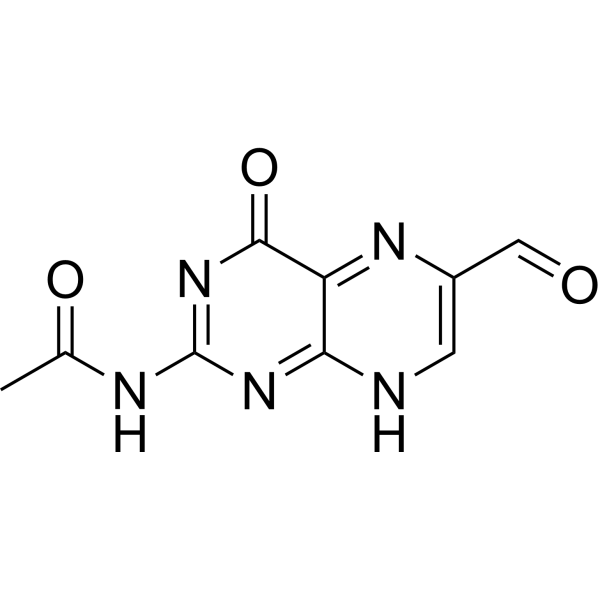 0 ImagesArt. -Nr.: HY-124004CAS. Nr.: 29769-49-1Synonyms: Ac-6-FPAcetyl-6-formylpterin (Ac-6-FP) is a hapten that stabilizes MR1 on antigen-presenting cells, forming an MR1:A6FP complex that fails to activate MAIT cell TCR, thereby acting as a competitive inhibitor of MAIT cell activation. Acetyl-6-formylpterin exacerbates house dust mite-induced airway hyperresponsiveness and elevates circulating IgE levels. Acetyl-6-formylpterin reduces systemic MAIT cell activity and decreases the frequency of IL-17A+ and IFNγ+ MAIT cells in the spleen. Acetyl-6-formylpterin is useful for the study of allergic asthma.
-
Cholic acid 7-sulfate
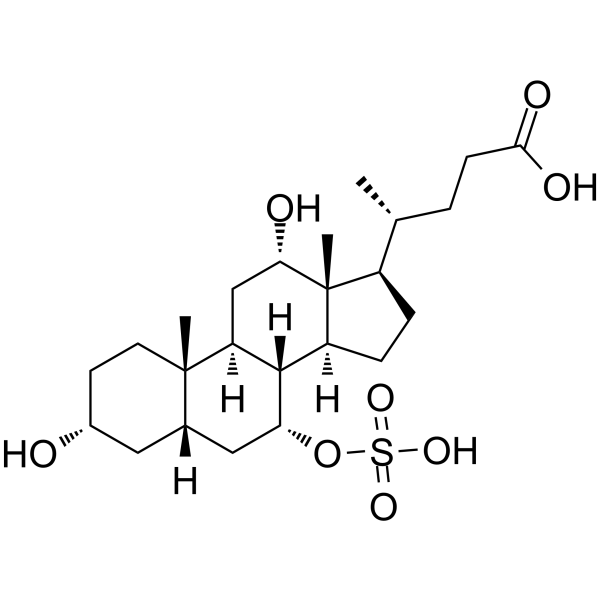 0 ImagesSynonyms: 7-Sulfocholic acidCholic acid 7-sulfate (7-Sulfocholic acid) is a selective agonist targeting TGR5 (EC50=0.17 μM) and a ligand for MHC class I-related protein (MR1). As a gut-restricted TGR5 agonist, cholic acid 7-sulfate binds to TGR5 on enteroendocrine L cells, induces GLP-1 secretion, and improves glucose tolerance in a TGR5-dependent manner. Cholic acid 7-sulfate also acts as an endogenous ligand for MR1, promoting the survival of mucosal-associated invariant T cells MAIT and the expression of homeostatic gene signatures, affecting MAIT cell development and function. Cholic acid 7-sulfate is mainly used in the research of diabetes and MAIT cell-related immune regulation.
-
OVA-T4 Peptide
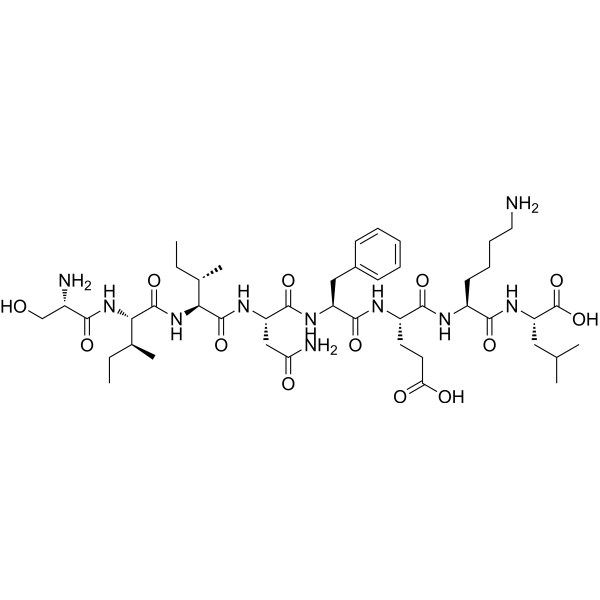
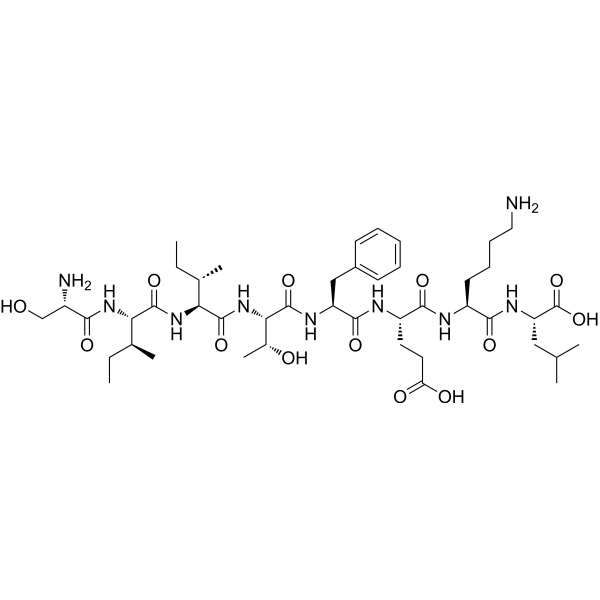 0 ImagesSynonyms: SIITFEKL, OVA (257-264) VariantOVA-T4 Peptide (SIITFEKL; OVA (257-264) Variant) is a modified peptide ligand of OVA 257-264 that binds to mouse OT-I TCR with Kd = 1.22 μM, acts as a weaker agonist than the parental N4 peptide to modulate the strength of antigen-presenting cell-T lymphocyte interactions, and alters the amplitude of cytokine responses and NFAT1, p-Erk, and NF-κB signaling responses. OVA-T4 Peptide can be used for research on colon cancer and ovarian cancer.
-
OVA G4 peptide TFA
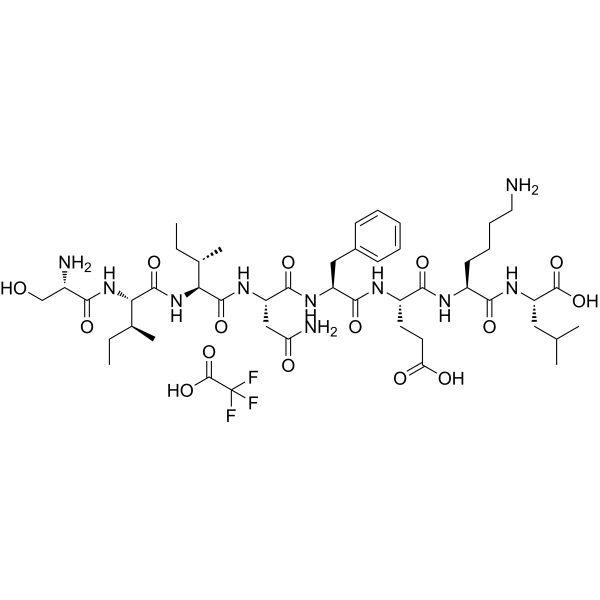
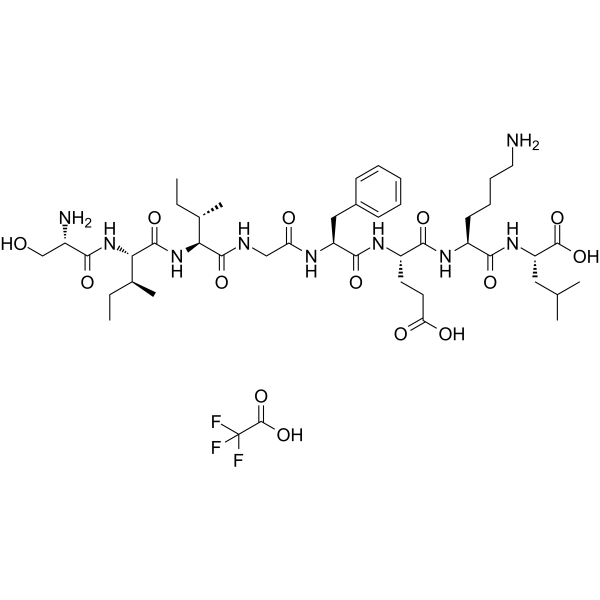 0 ImagesArt. -Nr.: HY-P1771AReinheit: 98.10%OVA G4 peptide TFA is a modified peptide ligand derived from ovalbumin and also a weak OT-I TCR agonist. OVA G4 peptide TFA binds OT-I TCR with a certain affinity, stimulates TCR signaling, and induces T cell activation. OVA G4 peptide TFA can be used in research related to OVA-expressing tumors.
-
Carcinoembryonic antigen peptide 1
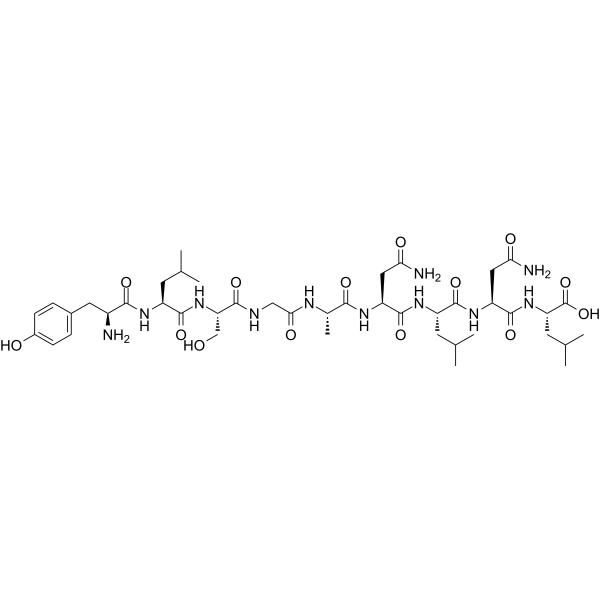 0 ImagesSynonyms: CEA peptideCarcinoembryonic antigen peptide 1 (CEA peptide) is a 9-amino acid HLA-A0201-binding cytotoxic T lymphocyte (CTL) epitope peptide derived from carcinoembryonic antigen (CEA). The IC50 of Carcinoembryonic antigen peptide 1 binding to HLA-A0201 is 2 μM. Carcinoembryonic antigen peptide 1 binds to HLA-A0201 to form a peptide-MHC I complex, which is recognized by the T cell receptor (TCR) of CAP1-specific CD8+ CTLs, thereby inducing antigen-specific T cell activation, IFN-γ production, and CTL-mediated lysis of target cells. Carcinoembryonic antigen peptide 1 is used in research on CEA-specific CTL responses and colorectal cancer.
-
AH1
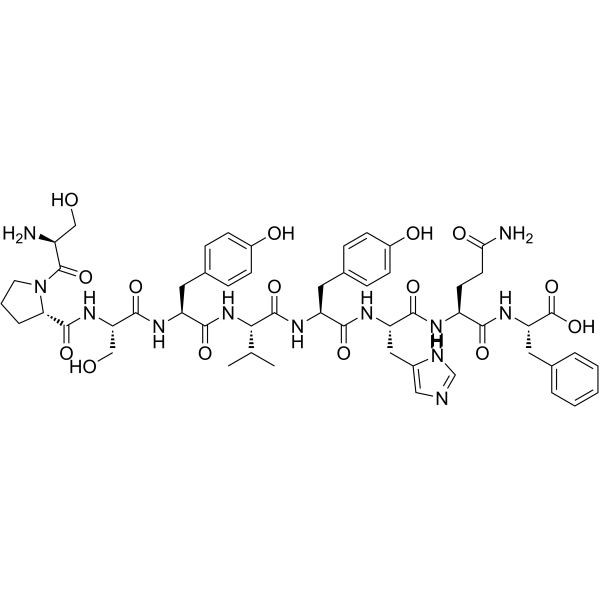 0 ImagesAH1 is an immunodominant MHC class I-restricted nonamer peptide recognized by CD8+ cytotoxic T lymphocytes. AH1 derives from the envelope protein (gp70) of an endogenous ecotropic murine leukemia virus and is presented by the MHC class I Ld molecule. AH1 can be used for the research of colorectal carcinoma.
-
FKBP12 PROTAC dTAG-7
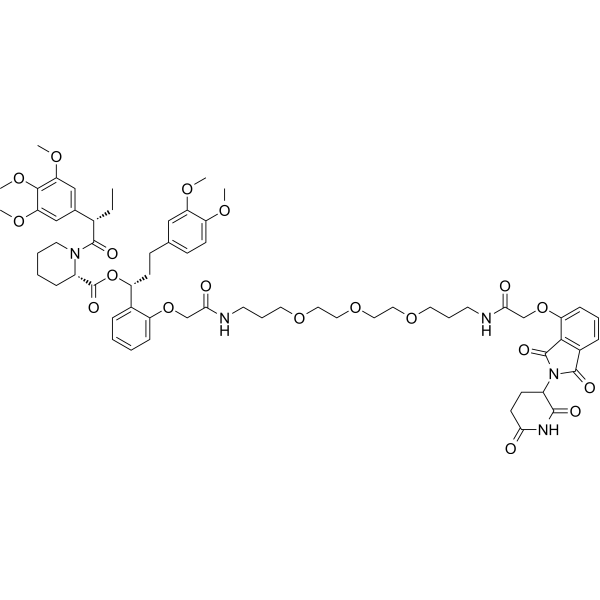 0 ImagesSynonyms: dTAG-7FKBP12 PROTAC dTAG-7 (dTAG-7) is a FKBP12F36V PROTAC degrader. FKBP12 PROTAC dTAG-7 binds FKBP12F36V and CRBN to form a complex, mediating degradation via the ubiquitin-proteasome system. FKBP12 PROTAC dTAG-7 mediates the degradation of FKBP12F36V-tagged nuclear and cytoplasmic proteins, including BRD4, HDAC1, EZH2, MYC, PLK1, KRASG12V, and antigen fusion proteins. FKBP12 PROTAC dTAG-7 enhances MHC class I antigen presentation. FKBP12 PROTAC dTAG-7 is applicable to leukemia-related research.
-
IRBP (1-20), human
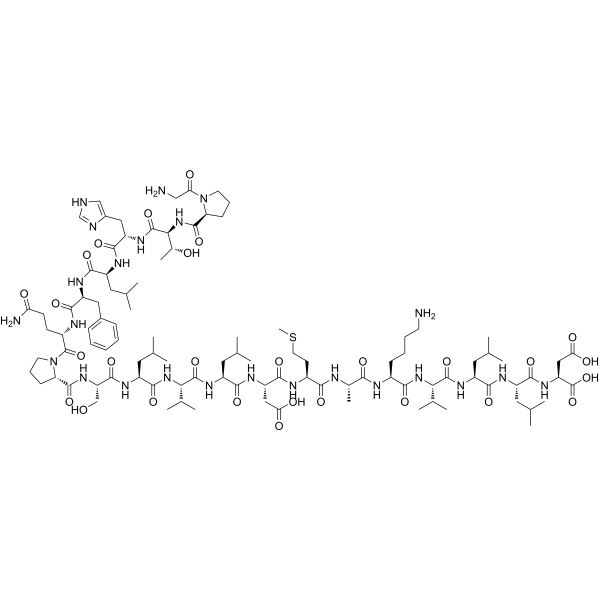 0 ImagesIRBP (1-20), human contains a major epitope for the H-2b haplotype. IRBP (1-20), human induces experimental autoimmune uveoretinitis (EAU) in H-2b mice.
-
Glatiramer acetate
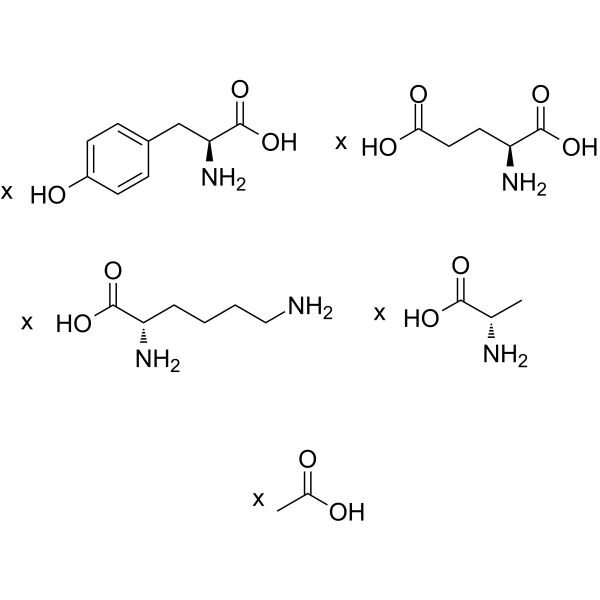 0 ImagesGlatiramer acetate, a synthetic analogue of myelin basic protein and an immunomodulating agent, inhibits Experimental autoimmune encephalomyelitis (EAE), and can be used for the research of multiple sclerosis. Glatiramer acetate exhibits strong and promiscuous binding to MHC molecules and consequent competition with various myelin antigens for their presentation to T cells. A further aspect of its action is potent induction of specific suppressor cells of the T helper 2 (Th2) type that migrate to the brain and lead to in situ bystander suppression.
-
KSPWFTTL
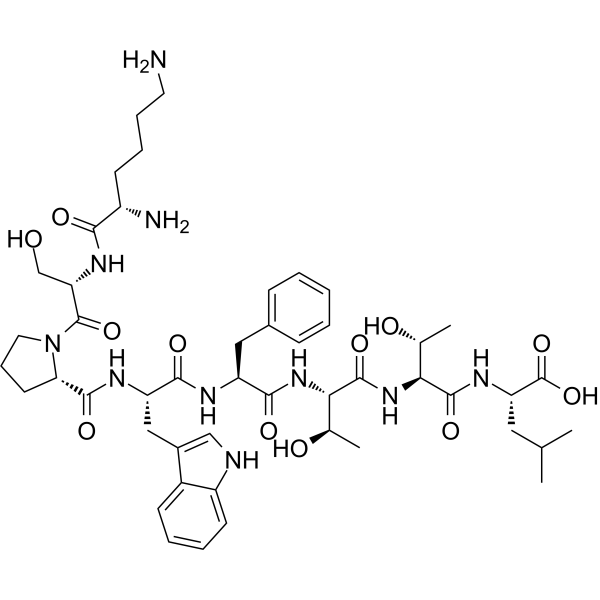 0 ImagesKSPWFTTL is an immunodominant Kb-restricted epitope from the p15E transmembrane protein. KSPWFTTL can restore susceptibility of a tumor line to anti-AKR/Gross MuLV cytotoxic T lymphocytes.
-
mTRP-2 (180-188)
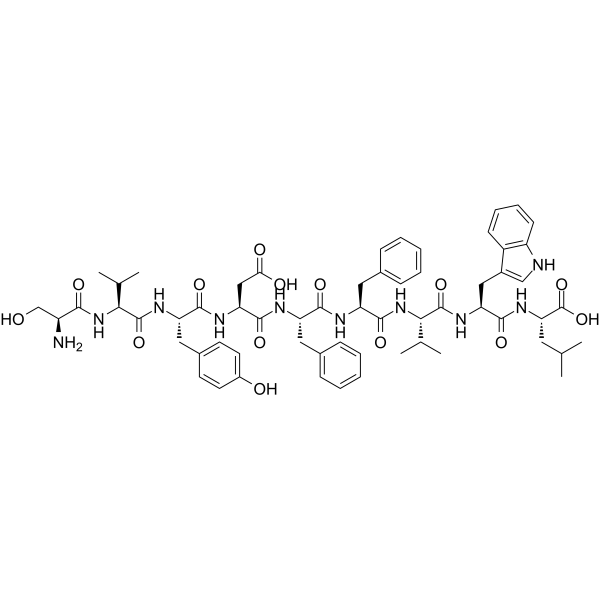 0 ImagesmTRP-2 (180-188) is an MHC class I-restricted tumor-associated antigenic peptide derived from mouse tyrosinase-related protein 2 (TRP-2). mTRP-2 (180-188) binds to HLA-A*0201 with an ID50 of 36 nM. mTRP-2 (180-188) can be presented by H-2Kb molecules and activate TRP-2-specific cytotoxic T lymphocytes (CTL). mTRP-2 (180-188) induces immune responses against B16 melanoma by promoting antigen-specific T cell proliferation, cytokine release, and CTL-mediated tumor cell killing. mTRP-2 (180-188) can be used in studies related to melanoma, glioma, and tumor immunology.
-
Anti-MHC Class I Antibody (W6/32)
 0 ImagesArt. -Nr.: HY-P990832Anti-MHC Class I Antibody (W6/32) is a kind of mouse IgG2a κ chimeric antibody inhibitor, targeting to human MHC Class I. Anti-MHC Class I Antibody (W6/32) reacts with the human major histocompatibility complex (MHC) class I, HLA-A, B, and C. Anti-MHC Class I Antibody (W6/32) increases adherence of monocytes to human endothelial cells. Anti-MHC Class I Antibody (W6/32) can be used for the research of immunology.
-
Gp100 (25-33), human
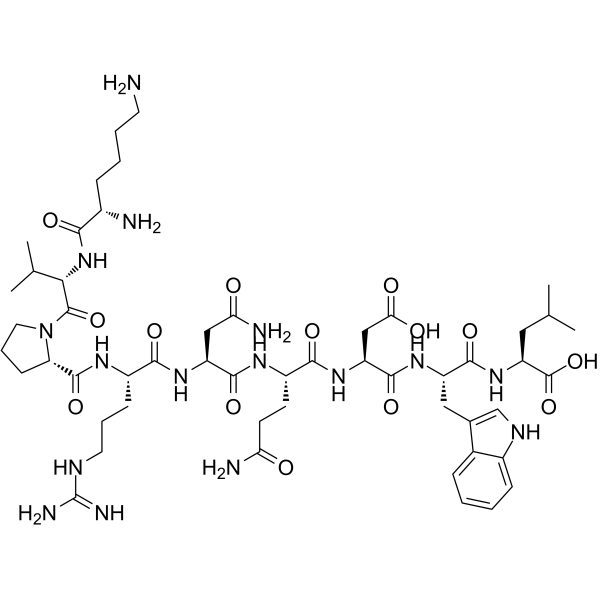 0 ImagesSynonyms: Hgp100 (25-33)Gp100 (25-33), human (Hgp100 (25-33)) is the amino acids 25-33 fragment of the human melanoma antigen. Gp100 (25-33), human is a 9-amino acid (AA) epitope restricted by MHC class I H-2Db and recognized by the T cells. Gp100 (25-33), human has immunogenicity and induces specific T cells. Gp100 (25-33), human can be used for the cancer research, such as melanoma.

-
Anti-Mouse MHC Class I (H-2Kd, H-2Dd) Antibody (34-1-2S)
 0 ImagesArt. -Nr.: HY-P990193Anti-Mouse MHC Class I (H-2Kd, H-2Dd) Antibody (34-1-2S) is an anti-mouse MHC Class I (H-2Kd, H-2Dd) IgG2a monoclonal antibody. Anti-Mouse MHC Class I (H-2Kd, H-2Dd) Antibody (34-1-2S) can block the interaction between Ly49 and MHC-I. Anti-Mouse MHC Class I (H-2Kd, H-2Dd) Antibody (34-1-2S) can be used for the construction of acute lung injury models.
-
OVA-Q4 Peptide
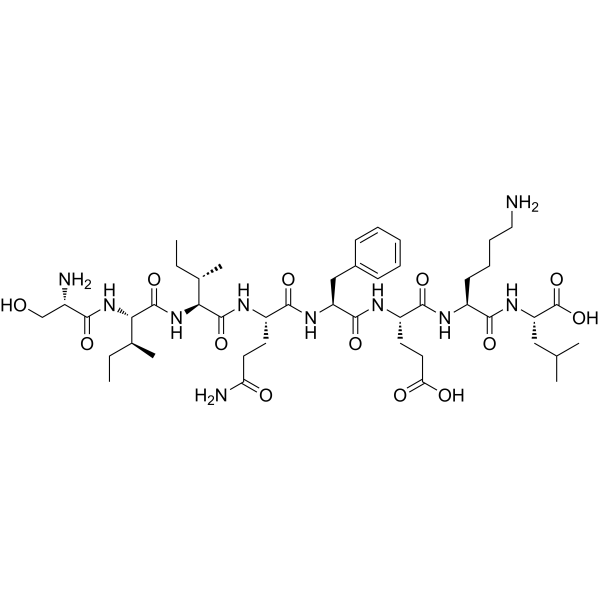 0 ImagesOVA-Q4 Peptide is a biological active peptide. (Q4 Peptide (SIIQFEKL) is a variant of the agonist ovalbumin (OVA) peptide (257-264), SIINFEKL. OVA Peptide is a class I (Kb)-restricted peptide epitope of ovalbumin presented by the class I MHC (major histocompatibility complex) molecule, H-2Kb (class I genes of the mouse MHC).)
-
Anti-Mouse MHC Class I (H-2) Antibody (M1/42.3.9.8)
 0 ImagesArt. -Nr.: HY-P990195Anti-Mouse MHC Class I (H-2) Antibody (M1/42.3.9.8) is a rat-derived IgG2a κ type antibody inhibitor, targeting to mouse MHC Class I. Anti-Mouse MHC Class I (H-2) Antibody (M1/42.3.9.8) reacts with the mouse H-2 MHC class I alloantigen (all haplotypes). Anti-Mouse MHC Class I (H-2) Antibody (M1/42.3.9.8) can be used for the flow cytometry and immunofluorescence experiments.



