



GSK484
Based on 60 publication(s) in Google Scholar
GSK484 is a PAD4 inhibitor that effectively inhibits protein citrullination and the formation of neutrophil extracellular traps (NETs) by blocking the catalytic activity of PAD4. GSK484 suppresses the production of histone H3, MHC-I expression, CD8+ T cell activation, proliferation and inflammatory cytokine release. GSK484 reduces inflammation and bone destruction in collagen-induced rheumatoid arthritis, alleviates pain and mast cell activation in sickle cell disease, and improves myocardial ischemia-reperfusion injury and experimental colitis. In addition, GSK484 restores intestinal microbial homeostasis by reversing ferroptosis-induced dysbiosis. GSK484 can be used to study the disease mechanisms of rheumatoid arthritis, sickle cell disease, thrombosis, myocardial injury, colitis and other conditions.
Nur für Forschungszwecke. Wir verkaufen nicht an Patienten.
- Reinheit : 99.14%
- CAS. Nr.: 1652629-23-6
- Formel: C27H31N5O3
- Molecular Weight:473.57
-
Speicherung:Powder -20°C, 3 years , 4°C, 2 years ; In solvent -80°C, 6 months , -20°C, 1 month


To place orders, for customer services and technical support, please contact: MedChemExpress USA
Tel: 609-228-6898 E-mail: [email protected] [email protected]


-
 Biologische Aktivität
-
Chemical Information
-
Lösungsmittel & Löslichkeit
- Protokoll
- Reinheit & Dokumentation
- Verweise
-
 Help & FAQs


-
HY-108882
DNase I, Bovine pancreasEnzyme -
HY-100514
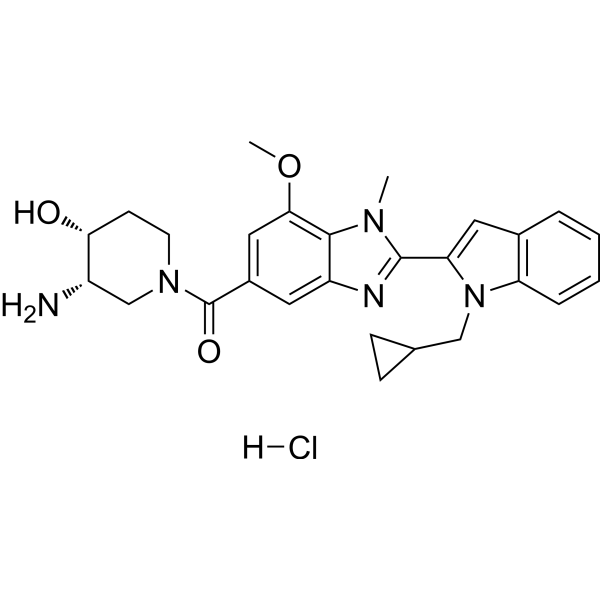
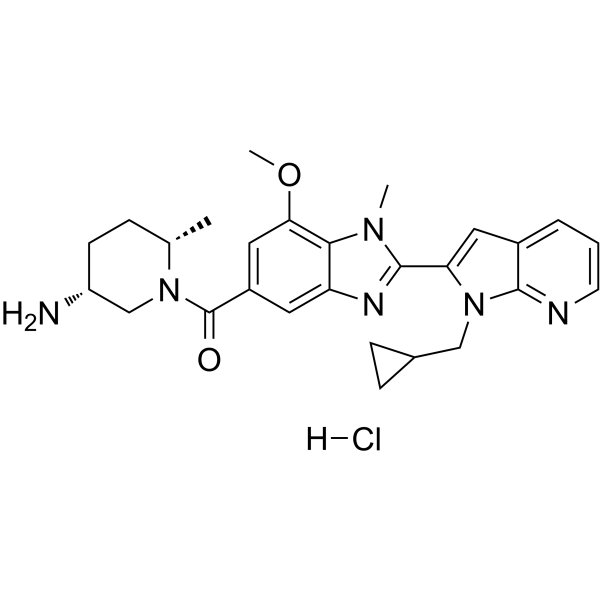
GSK484 hydrochloridePAD4 Inhibitor -
HY-100574A
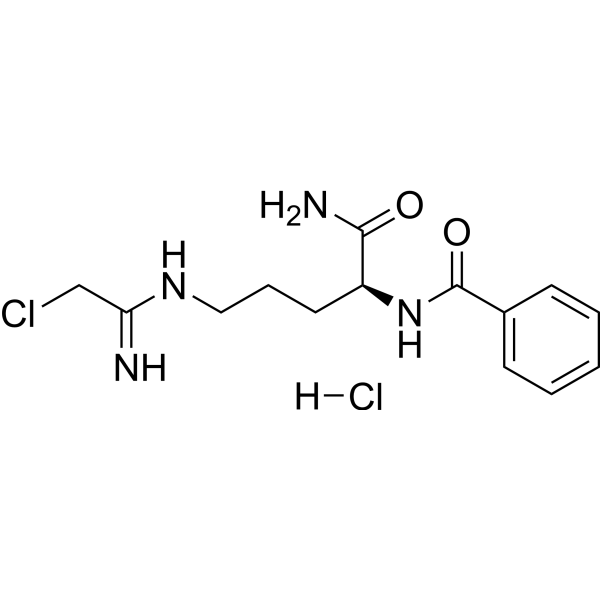
Cl-amidine hydrochloridePAD Inhibitor -
HY-103058
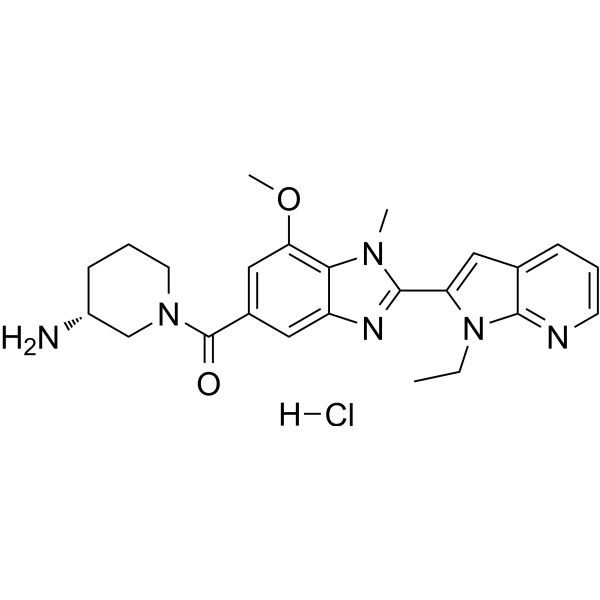
GSK199PAD4 Inhibitor -
HY-137655
BMS-P5PAD4 Inhibitor -
HY-120343
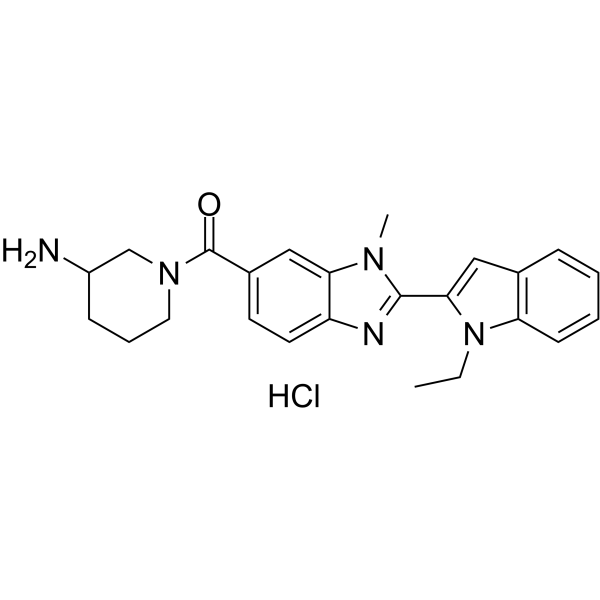
GSK106 -
HY-100579
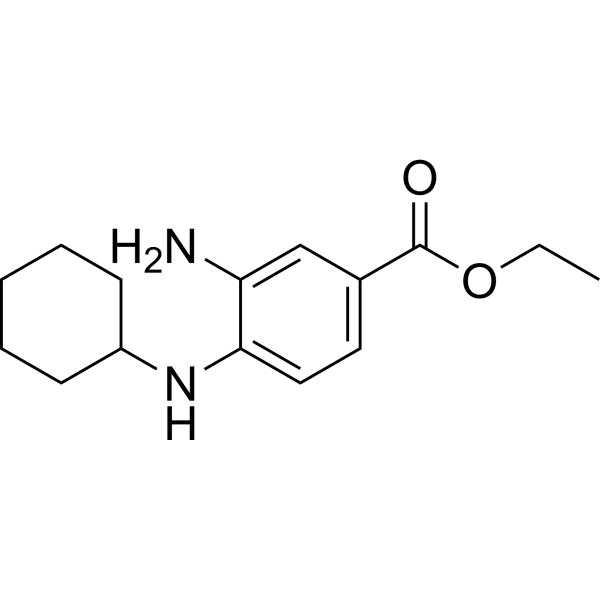
Ferrostatin-1Ferroptosis Inhibitor -
HY-112879
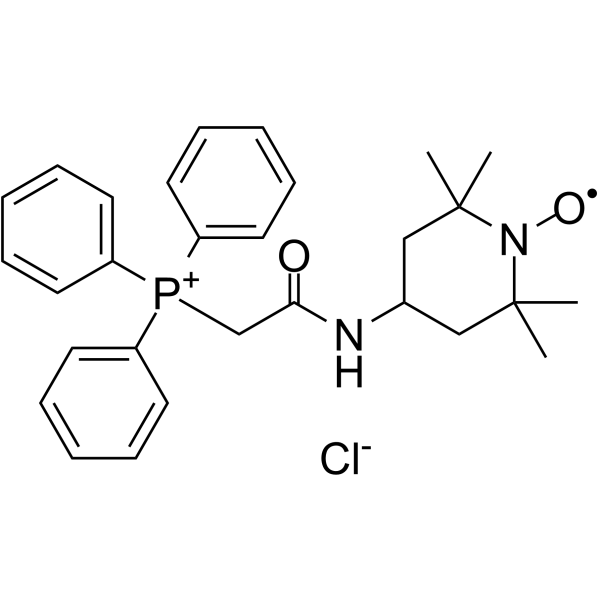
Mito-TEMPOAntioxidant -
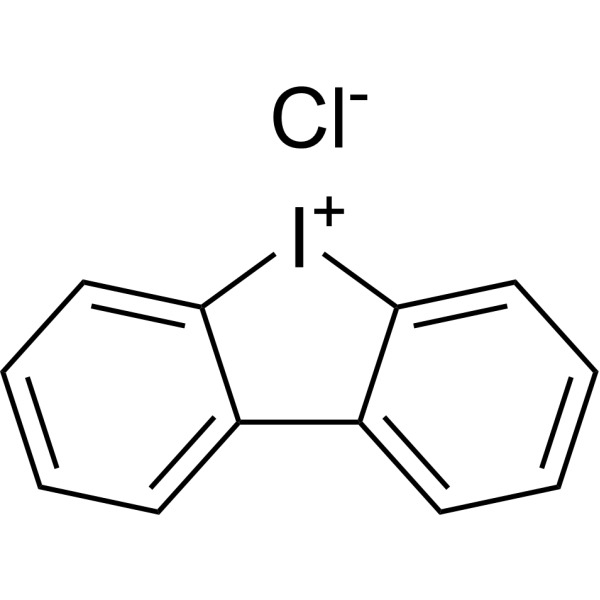
HY-100965
Diphenyleneiodonium chlorideNOX Inhibitor -
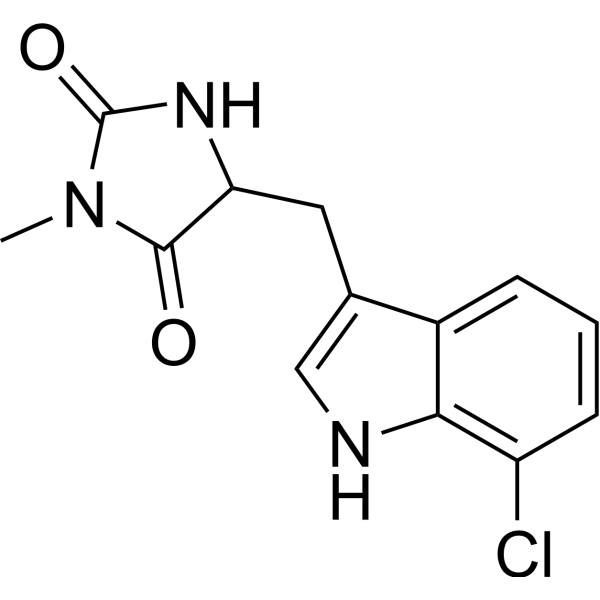
HY-14622A
Necrostatin 2 racemateRIPK1 Inhibitor -

HY-K0301
Cell Counting Kit-8 -
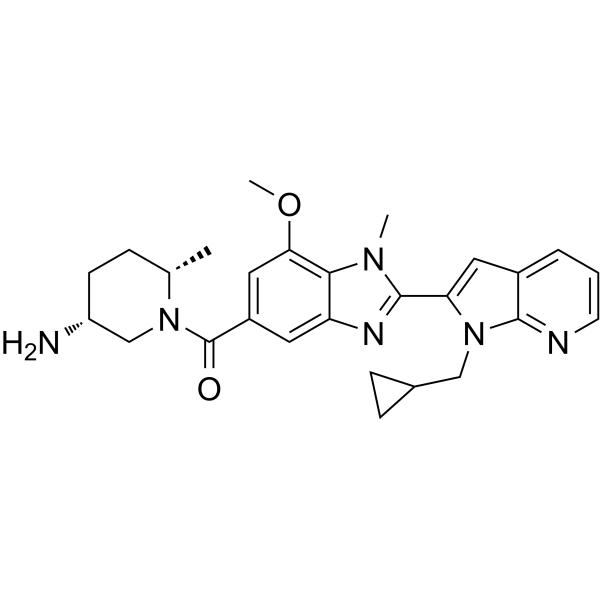
HY-137655A
BMS-P5 free basePAD4 Inhibitor
Publications Citing Use of MedChemExpress (MCE) GSK484
More- Cancer Cell. 2025 Sep 8;43(9):1758-1775.e8. [Abstract]
- Cancer Cell. 2021 Mar 8;39(3):423-437.e7. [Abstract]
- Immunity. 2023 Dec 12;56(12):2755-2772.e8. [Abstract]
- Immunity. 2020 May 19;52(5):856-871.e8. [Abstract]
- Cancer Commun (Lond). 2025 Dec 15.
- Cell Mol Immunol. 2024 May;21(5):510-526. [Abstract]
- Adv Funct Mater. 2025 Aug 3.
- Nat Commun. 2023 Feb 16;14(1):872. [Abstract]
- J Adv Res. 2026 Jun 5:S2090-1232(26)00460-1. [Abstract]
- Mol Cell. 2025 Oct 2;85(19):3588-3604.e11. [Abstract]
- Adv Sci (Weinh). 2026 Apr;13(20):e18588. [Abstract]
- Adv Sci (Weinh). 2025 Aug 20:e11873. [Abstract]
- Adv Sci (Weinh). 2025 Jul 21:e00950. [Abstract]
- Adv Sci (Weinh). 2025 Apr;12(16):e2411524. [Abstract]
- Adv Sci (Weinh). 2025 Mar;12(11):e2406359. [Abstract]
- Adv Sci (Weinh). 2023 Oct;10(29):e2301835. [Abstract]
- Cell Death Differ. 2026 Jan 15. [Abstract]
- Research (Wash D C). 2026 May 8:9:1266. [Abstract]
- Pharmacol Res. 2021 Aug:170:105712. [Abstract]
- J Immunother Cancer. 2024 Jun 26;12(6):e009082. [Abstract]
- J Neuroinflammation. 2026 Aug 13.
- Phytomedicine. 2026 Aug:158:158386. [Abstract]
- Diabetologia. 2025 Apr;68(4):866-889. [Abstract]
- J Tissue Eng. 2025 Aug 19:16:20417314251348038. [Abstract]
- Apoptosis. 2023 Oct;28(9-10):1484-1495. [Abstract]
- Arch Pharm Res. 2026 Aug;49(8):1073-1102.
- Aging Cell. 2026 Aug;25(8):e70640.
- Cell Rep. 2026 Jul 28:117684.
- Cell Rep. 2021 Sep 21;36(12):109750. [Abstract]
- Br J Pharmacol. 2026 May 27. [Abstract]
- Front Immunol. 2022 Feb 16:13:781273. [Abstract]
- JCI Insight. 2026 May 22;11(10):e191979. [Abstract]
- JCI Insight. 2026 Feb 3:e199307. [Abstract]
- OncoImmunology. 2022 Mar 16;11(1):2052418. [Abstract]
- Int Immunopharmacol. 2026 Nov 1:188:117282.
- Int Immunopharmacol. 2025 Jun 26:159:114939. [Abstract]
- Int Immunopharmacol. 2022 Sep:110:108965. [Abstract]
- Int Immunopharmacol. 2021 May:94:107486. [Abstract]
- Front Cell Infect Microbiol. 2025 Jun 11:15:1540634. [Abstract]
- Mucosal Immunol. 2025 Apr 19:S1933-0219(25)00044-3. [Abstract]
- J Thromb Haemost. 2024 Jan;22(1):188-198. [Abstract]
- Rheumatology (Oxford). 2025 Aug 13:keaf437. [Abstract]
- Transl Stroke Res. 2024 Dec 28. [Abstract]
- FEBS J. 2023 Nov;290(22):5395-5410. [Abstract]
- Transl Stroke Res. 2022 Feb;13(1):112-131. [Abstract]
- Parasit Vectors. 2025 Jul 1;18(1):248. [Abstract]
- Kidney Dis (Basel). 2025 May 9;11(1):450-468. [Abstract]
- Fitoterapia. 2025 Sep:185:106771. [Abstract]
- Vet Microbiol. 2026 May:316:110968. [Abstract]
- Physiol Res. 2026 Mar 11;75(1):29-43. [Abstract]
- STAR Protoc. 2026 Jan 12;7(1):104326. [Abstract]
- Res Sq. 2026 Jun 30.
- Hlife. 2026 Mar 18.
- bioRxiv. 2025 Sep 5.
- bioRxiv. 2024 Oct 4:2024.10.04.616580. [Abstract]
- bioRxiv. 2024 July 01.
- Sci Tradit Chin Med. 2023 Sep 20.
- Research Square Preprint. 2023 May 11.
- bioRxiv. 2023 Apr 3.
- Aging Cell. 2019 Aug 31;11(17):6951-6959. [Abstract]
 Customer Validation & Images

-
In Vivo Efficacy Study
-
In Vivo Efficacy Study
-
In Vivo Efficacy Study
-
In Vivo Efficacy Study
-
In Vivo Efficacy Study


Biologische Aktivität
Beschreibung
In Vitro
GSK484 (10 μM; 6 h) inhibits the expression of citrullinated histone H3, HLA class I (MHC-I), HLA-A2 induced by Erastin (HY-15763) in human rheumatoid arthritis fibroblast-like synoviocytes; in the co-culture system of human rheumatoid arthritis fibroblast-like synoviocytes and CD8+ T cells, it suppresses the activation, proliferation and inflammatory cytokine release of CD8+ T cells[1].
GSK484 inhibits the ferroptosis-upregulated expression of PAD4 and the associated inflammatory responses in rheumatoid arthritis fibroblast-like synoviocytes (RA-FLS)[2].
GSK484 (10 μM) completely abolishes heme/TNFα-induced mast cell extracellular trap (mast cell extracellular trap, MCET) formation in mast cells isolated from the dorsal skin of homozygous BERK sickle cell (HbSS) mice[3].
Pretreatment with GSK484 (10 μM) for 2 hours before hypoxia maintains intracellular ATP levels in primary cultured neonatal wild-type mouse cardiomyocytes at 4 h of reoxygenation, and improves their metabolic activity at 20 h of reoxygenation. In contrast, administration of GSK484 at the onset of reoxygenation only improves metabolic activity at 20 h of reoxygenation, but fails to maintain ATP levels[4].
GSK484 (10 μM; 15 min pre-treatment) potently inhibits extracellular DNA production and H3Cit+ neutrophil formation induced by Ionomycin (HY-13434) in human neutrophils after 3 h of stimulation; however, it exerts no such effect on neutrophils stimulated with PMA (HY-18739) or isolated from patients with SCD[5].
MedChemExpress (MCE) has not independently confirmed the accuracy of these methods. They are for reference only. Further protocols information, click here.
-
Cell Line:Rheumatoid arthritifibroblast-like synoviocytes (RA-FLs)
-
Concentration:10 μM
-
Incubation Time:6 h; with or without the ferroptosis activator Erastin (HY-15763) (0, 2.5, 5, or 7.5 μM) or the Fer-1 (HY-100579) (0, 5, 10, or 15 μM) for 48 h
-
Result:Inhibited erastin-induced increase in HLA-I.
Inhibited erastin-induced T cell activation marker expression increase.
Parmacokinetics
| Species | Dose | Route | T1/2 | CLblood |
|---|---|---|---|---|
| Mice[6] | 4 mg/kg | i.p. | 3.8 h | 19 mL/min/kg |
In Vivo
GSK484 (10 mg/kg; i.p.; 3 times per week; 6 total administrations) reduces joint inflammation and bone destruction in CIA mice, reverses intestinal dysbiosis, restores metabolic profiles to normal, and alleviates the deterioration of RA-related pathologies induced by Erastin (HY-15763)[2].
GSK484 (20 mg/kg; s.c.; daily; 30 d) produces sustained inhibition of neuropathic hyperalgesia in homozygous BERK sickle cell mice, while exerting extensive anti-inflammatory and hematological benefits without the development of analgesic tolerance[3].
GSK484 (10 μM; single dose; 30 minutes prior to thrombus induction) significantly prolongs the blood flow cessation time of cerebral arterioles and venules in C57BL/6 mice in a light-activated thrombosis model, and significantly increases the blood flow cessation time of cerebral arterioles and venules in sickle cell transgenic mice[5].
GSK484 (4 mg/kg; i.p.; once every 2 days; 9 d) significantly reduces the density of neutrophil extracellular traps (NETs) in the colonic mucosa of mice with colitis induced by 2% (w/v) DSS (HY-116282C) (36-50 kd), but fails to improve clinical or inflammatory disease biomarkers[6].
MedChemExpress (MCE) has not independently confirmed the accuracy of these methods. They are for reference only.
-
Animal Model:DBA/1J mice with Rheumatoid arthritis (male, 8 weeks old, 21±2 g, SPF grade, collagen-induced arthritis model)[1]
-
Dosage:10 mg/kg
-
Administration:i.p.; three times a week; total of 6 times
-
Result:Inhibited erastin-exacerbated paw inflammation and reduced paw thickness compared to erastin-only treatment.
Inhibited erastin-exacerbated bone destruction, with micro-CT showing reduced joint damage relative to erastin-only treatment.
Reduced erastin-increased joint inflammation scores, bone erosion scores, and synovial hyperplasia scores via histological scoring.
Reduced erastin-increased MHC-I, citrullinated histone H3 (cit-h3), PAD4, CD8, TNF-α, and IFN-γ positive cell percentages in joint tissue via immunohistochemical analysis.
-
Animal Model:homozygous BERK sickle (HbSS) mcie with Sickle cell disease[3]
-
Dosage:20 mg/kg
-
Administration:s.c.; daily; 30 days
-
Result:Significantly reduced cold hyperalgesia at 48 hours.
Significantly reduced heat hyperalgesia at 72 hours.
Significantly reduced mechanical hyperalgesia after 1 week with attenuation persisting through 30 days and no analgesic tolerance observed.
Decreased skin mast cell degranulation by 90%.
Significantly reduced white blood cell counts.
Significantly reduced serum GM-CSF levels.
Significantly increased hematocrit.
Reduced skin levels of inflammatory cytokines CCL2/MCP-1, TNFα, and RANTES by approximately 50% relative to baseline/control groups.
-
Animal Model:Cerebrovascular thrombosis model in C57BL/6 mice (male and female, 8-10 weeks of age), Townes mice (male and female, 8-10 weeks of age, sickle transgenic)[5]
-
Dosage:10 μM
-
Administration:single dose (30 minutes prior to thrombosis induction)
-
Result:Significantly prolonged blood flow cessation time in both cerebrovascular arterioles and venules compared to vehicle-treated mice (C57BL/6).
Significantly increased blood flow cessation time in both cerebrovascular arterioles and venules compared to vehicle-treated mice (Townes), with a mean flow cessation time of ~28 minutes in arterioles and ~21 minutes in venules.
-
Animal Model:C57BL/6 mice with Inflammatory bowel disease (male, 7 weeks of age at study start, 2% w/v DSS-induced colitis)[6]
-
Dosage:4 mg/kg
-
Administration:i.p.; every second day; 9 days
-
Result:Significantly diminished colonic mucosal neutrophil extracellular trap (NET) density to levels similar to control mice.
Did not improve disease activity index scores, weight loss, colon length, colon weight/length ratio, fecal hemoglobin levels, or colonic/faecal calprotectin levels compared to DSS-only treated mice.
Did not reduce DSS-induced colon histoarchitectural damage, goblet cell loss, or mast cell density, nor alter levels of inflammatory cytokines IL-1β, IL-4, or IL-10.
Caused a statistically significant reduction in total superoxide dismutase (SOD) activity in colonic tissue.
Had no effect on catalase activity, Nrf2, GPx4, or SOD1 protein expression, or colonic lipid peroxidation.


Chemical Information
-
CAS. Nr. 1652629-23-6
-
Appearance Solid
-
Molecular Weight 473.57
-
Formel C27H31N5O3
-
Color White to off-white
-
SMILES
O=C(N1C[C@H](N)[C@H](O)CC1)C2=CC(OC)=C3C(N=C(C(N4CC5CC5)=CC6=C4C=CC=C6)N3C)=C2
-
Versand
Room temperature in continental US; may vary elsewhere.
-
Speicherung
Powder -20°C 3 years 4°C 2 years In solvent -80°C 6 months -20°C 1 month


Publications (60)
-
Journal Impact Factor
-
Most Recent
-
Cancer Cell
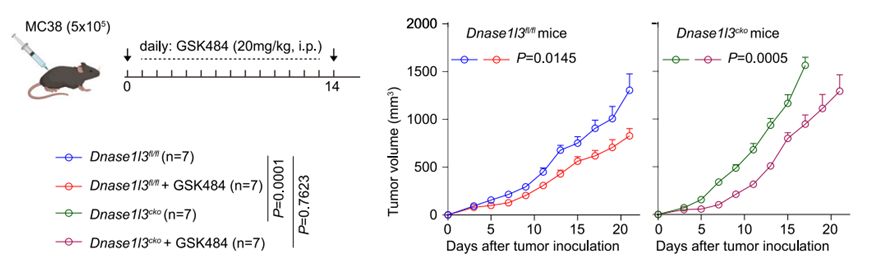
DNASE1L3-expressing dendritic cells promote CD8+ T cell function and anti-PD-(L)1 therapy efficacy by degrading neutrophil extracellular traps. [Abstract]2025 Sep 8;43(9):1758-1775.e8. PMID: 40816293
GSK484 purchased from MedChemExpress. Usage Cited in: Cancer Cell. 2025 Sep 8;43(9):1758-1775.e8. [Abstract]
Schema for GSK484 treatment protocol and summary tumor growth curves of MC38 in Dnase1l3fl/fl and Dnase1l3cko mice (n = 7).
-
Cancer Cell
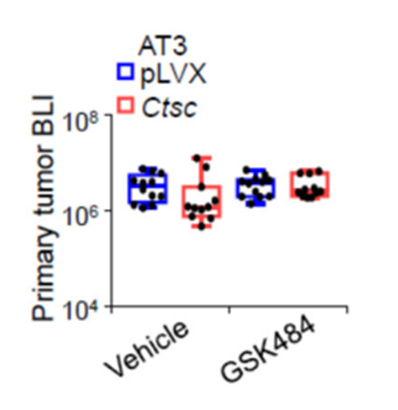
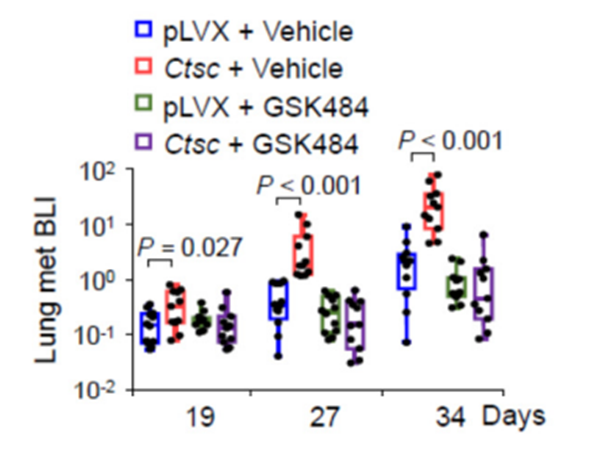
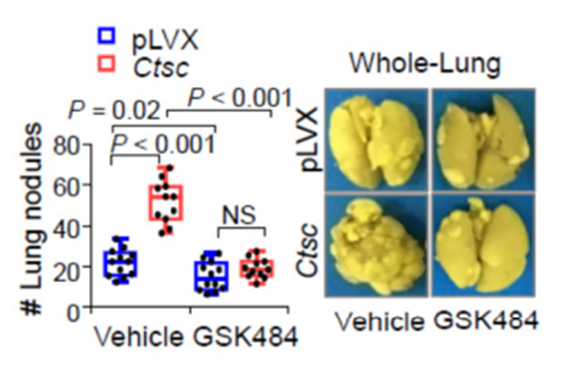
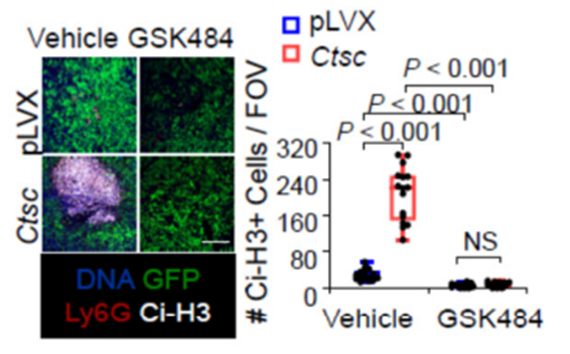
Cathepsin C promotes breast cancer lung metastasis by modulating neutrophil infiltration and neutrophil extracellular trap formation. [Abstract]2021 Mar 8;39(3):423-437.e7. PMID: 33450198
GSK484 purchased from MedChemExpress. Usage Cited in: Cancer Cell. 2021 Mar 8;39(3):423-437.e7. [Abstract]
Mice were treated with GSK484 (20 mg/kg, i.p. daily shots for 20 days from day 7, and then maintenance shots every two days) following orthotopic injection of AT3 cells. Shown are BLI quantification of primary tumor growth at day 19.
GSK484 purchased from MedChemExpress. Usage Cited in: Cancer Cell. 2021 Mar 8;39(3):423-437.e7. [Abstract]
Mice were treated with GSK484 (20 mg/kg, i.p. daily shots for 20 days from day 7, and then maintenance shots every two days) following orthotopic injection of AT3 cells. Shown are BLI quantification of lung metastasis at week 5.
GSK484 purchased from MedChemExpress. Usage Cited in: Cancer Cell. 2021 Mar 8;39(3):423-437.e7. [Abstract]
Mice were treated with GSK484 (20 mg/kg, i.p. daily shots for 20 days from day 7, and then maintenance shots every two days) following orthotopic injection of AT3 cells. Shown are pulmonary surface nodules at week 5.
GSK484 purchased from MedChemExpress. Usage Cited in: Cancer Cell. 2021 Mar 8;39(3):423-437.e7. [Abstract]
Mice were treated with GSK484 (20 mg/kg, i.p. daily shots for 20 days from day 7, and then maintenance shots every two days) following orthotopic injection of AT3 cells. Shown are NET formation in lung metastases.
-
Immunity
The tumor-derived cytokine Chi3l1 induces neutrophil extracellular traps that promote T cell exclusion in triple-negative breast cancer. [Abstract]2023 Dec 12;56(12):2755-2772.e8. PMID: 38039967 -
Immunity
CXCR1 and CXCR2 Chemokine Receptor Agonists Produced by Tumors Induce Neutrophil Extracellular Traps that Interfere with Immune Cytotoxicity. [Abstract]2020 May 19;52(5):856-871.e8. PMID: 32289253 -
-
Cell Mol Immunol
Neutrophil ALDH2 is a new therapeutic target for the effective treatment of sepsis-induced ARDS. [Abstract]2024 May;21(5):510-526. PMID: 38472357 -
-
Nat Commun
Oxidized mitochondrial DNA induces gasdermin D oligomerization in systemic lupus erythematosus. [Abstract]2023 Feb 16;14(1):872. PMID: 36797275 -
J Adv Res
PAD4-mediated citrullination of IGF2BP2 stabilizes MCM mRNAs to drive intrahepatic cholangiocarcinoma progression. [Abstract]2026 Jun 5:S2090-1232(26)00460-1. PMID: 42250722 -
Mol Cell
2025 Oct 2;85(19):3588-3604.e11. PMID: 41043392 -
Adv Sci (Weinh)
Bifidobacterium Breve Yang08 Alleviates Atopic Dermatitis By Enriching Akkermansia Muciniphila and Inhibiting Neutrophil Extracellular Traps Formation In Mice. [Abstract]2026 Apr;13(20):e18588. PMID: 41655253 -
Adv Sci (Weinh)
Succinate Dehydrogenase Subunit A (SDHA) Mediated Microglia Extracellular Traps Formation Participating in Cerebral Ischemic Reperfusion Injury. [Abstract]2025 Aug 20:e11873. PMID: 40832885 -
Adv Sci (Weinh)
The CXCL10-CXCR3 Axis Induces Tumor-Associated Neutrophils to Interfere with CTLs-Mediated Antitumor Activity in EBV-Associated Epithelial Cancers. [Abstract]2025 Jul 21:e00950. PMID: 40686457 -
Adv Sci (Weinh)
2025 Apr;12(16):e2411524. PMID: 40013981 -
Adv Sci (Weinh)
ACSL1 Aggravates Thromboinflammation by LPC/LPA Metabolic Axis in Hyperlipidemia Associated Myocardial Ischemia-Reperfusion Injury. [Abstract]2025 Mar;12(11):e2406359. PMID: 39853712 -
Adv Sci (Weinh)
Neutrophil-Mediated Tumor-Targeting Delivery System of Oncolytic Bacteria Combined with ICB for Melanoma Lung Metastasis Therapy. [Abstract]2023 Oct;10(29):e2301835. PMID: 37565362 -
Cell Death Differ
EGFR orchestrates neutrophil activation and NETosis via CEBPβ-dependent PGLYRP1 induction. [Abstract]2026 Jan 15. PMID: 41540251 -
Research (Wash D C)
Neuromodulation and Copper Chelation Reverse Sleep Fragmentation-Aggravated Myocardial Ischemia-Reperfusion Injury by Targeting NET-Induced Endothelial Cuproptosis. [Abstract]2026 May 8:9:1266. PMID: 42109881 -
Pharmacol Res
Targeting P2RX1 alleviates renal ischemia/reperfusion injury by preserving mitochondrial dynamics. [Abstract]2021 Aug:170:105712. PMID: 34091010 -
J Immunother Cancer
Tumor cell-released autophagosomes (TRAPs) induce PD-L1-decorated NETs that suppress T-cell function to promote breast cancer pulmonary metastasis. [Abstract]2024 Jun 26;12(6):e009082. PMID: 38926151 -
-
Phytomedicine
Shegan Mahuang Decoction ameliorates pulmonary fibrosis progression by inhibiting CCL3-mediated NETosis. [Abstract]2026 Aug:158:158386. PMID: 42275874 -
Diabetologia
Intestinal neutrophil extracellular traps promote gut barrier damage exacerbating endotoxaemia, systemic inflammation and progression of diabetic retinopathy in type 2 diabetes. [Abstract]2025 Apr;68(4):866-889. PMID: 39875729 -
J Tissue Eng
Formation of neutrophil extracellular traps in the early stages exacerbate the healing process by regulating macrophage polarization in Achilles tendon-bone injury. [Abstract]2025 Aug 19:16:20417314251348038. PMID: 40843411 -
Apoptosis
Neutrophil extracellular traps mediate TLR9/Merlin axis to resist ferroptosis and promote triple negative breast cancer progression. [Abstract]2023 Oct;28(9-10):1484-1495. PMID: 37368176 -
-
-
-
Cell Rep
Inappropriate use of antibiotics exacerbates inflammation through OMV-induced pyroptosis in MDR Klebsiella pneumoniae infection. [Abstract]2021 Sep 21;36(12):109750. PMID: 34551309 -
Br J Pharmacol
Neutrophil extracellular traps drive tubulointerstitial fibrosis via the coiled-coil domain-containing protein 25 (CCDC25)-Yes-associated protein 1 (YAP1) axis-mediated autophagy regulation. [Abstract]2026 May 27. PMID: 42204873 -
Front Immunol
Reduced Neutrophil Extracellular Trap Formation During Ischemia Reperfusion Injury in C3 KO Mice: C3 Requirement for NETs Release. [Abstract]2022 Feb 16:13:781273. PMID: 35250972 -
JCI Insight
HMGB1-mediated formation of IL-33-abundant NETs drives lung-to-kidney injury in severe pneumonia-associated acute kidney injury. [Abstract]2026 May 22;11(10):e191979. PMID: 42171612 -
JCI Insight
The CHI3L1-neutrophil axis drives immune suppression and breast cancer metastatic dissemination. [Abstract]2026 Feb 3:e199307. PMID: 41632530 -
OncoImmunology
Neutrophil extracellular traps induce tumor metastasis through dual effects on cancer and endothelial cells. [Abstract]2022 Mar 16;11(1):2052418. PMID: 35309732 -
-
Int Immunopharmacol
The natural compound PEITC ameliorates imiquimod-induced psoriasis in mice by suppressing neutrophil extracellular traps formation. [Abstract]2025 Jun 26:159:114939. PMID: 40414074 -
Int Immunopharmacol
2022 Sep:110:108965. PMID: 35764017 -
Int Immunopharmacol
Protectin D1 decreases pancreatitis severity in mice by inhibiting neutrophil extracellular trap formation. [Abstract]2021 May:94:107486. PMID: 33639566 -
Front Cell Infect Microbiol
Veillonella parvula outer membrane vesicles increase ICAM-1+ neutrophils exhibiting elevated NET formation via ROS-PAD4 signaling. [Abstract]2025 Jun 11:15:1540634. PMID: 40568695 -
Mucosal Immunol
2025 Apr 19:S1933-0219(25)00044-3. PMID: 40258416 -
J Thromb Haemost
NETs induce persistent lung tissue damage via thromboinflammation without altering virus resolution in a mouse coronavirus model. [Abstract]2024 Jan;22(1):188-198. PMID: 37748582 -
Rheumatology (Oxford)
Autophagy inhibitors block pathogenic NET release in immune-mediated inflammatory disease without impairing host defence. [Abstract]2025 Aug 13:keaf437. PMID: 40802538 -
Transl Stroke Res
Neutrophil Extracellular Traps Induce Brain Edema Around Intracerebral Hematoma via ERK-Mediated Regulation of MMP9 and AQP4. [Abstract]2024 Dec 28. PMID: 39733198 -
FEBS J
Neutrophil extracellular traps boost laser-induced mouse choroidal neovascularization through the activation of the choroidal endothelial cell TLR4/HIF-1α pathway. [Abstract]2023 Nov;290(22):5395-5410. PMID: 37552110 -
Transl Stroke Res
Neutrophil Extracellular Traps may be a Potential Target for Treating Early Brain Injury in Subarachnoid Hemorrhage. [Abstract]2022 Feb;13(1):112-131. PMID: 33852132 -
Parasit Vectors
Pentatrichomonas hominis induces extracellular traps formation of macrophages via the TLR2/NADPH/PAD4 pathway. [Abstract]2025 Jul 1;18(1):248. PMID: 40598534 -
Kidney Dis (Basel)
Clinical and Experimental Insights into the Role of NETosis in IgA Nephropathy Pathogenesis. [Abstract]2025 May 9;11(1):450-468. PMID: 40606676 -
Fitoterapia
Er Miao San and its main components phellodendrine and atractylenolide-I exert anti-rheumatoid arthritis effects by inhibiting PAD4 and thereby reducing the formation of NETs. [Abstract]2025 Sep:185:106771. PMID: 40738459 -
Vet Microbiol
The PERK-eIF2α branch activates the NLRP3 inflammasome through the NF-κB signaling pathway to suppress NDV replication. [Abstract]2026 May:316:110968. PMID: 41793984 -
Physiol Res
Targeting the Toll-Like Receptor 4 Ameliorates Heart Failure in Aged Mice by Inhibiting the Formation of Neutrophil Extracellular Traps. [Abstract]2026 Mar 11;75(1):29-43. PMID: 41811699 -
STAR Protoc
Protocol for identification of protein citrullination by immunoprecipitation followed by mass spectrometry. [Abstract]2026 Jan 12;7(1):104326. PMID: 41528850 -
-
-
-
bioRxiv
APOE Protects Against Severe Infection with Mycobacterium tuberculosis by Restraining Production of Neutrophil Extracellular Traps. [Abstract]2024 Oct 4:2024.10.04.616580. PMID: 39605723 -
-
-
-
-
Aging Cell
Kindlin-3 in platelets and myeloid cells differentially regulates deep vein thrombosis in mice. [Abstract]2019 Aug 31;11(17):6951-6959. PMID: 31477636


Lösungsmittel & Löslichkeit
In Vitro:
DMSO : 50 mg/mL (105.58 mM; Need ultrasonic; Hygroscopic DMSO has a significant impact on the solubility of product, please use newly opened DMSO)
Please refer to the solubility information to select the appropriate solvent. Once prepared, please aliquot and store the solution to prevent product inactivation from repeated freeze-thaw cycles.
Storage method and period of stock solution: -80°C, 6 months; -20°C, 1 month. When stored at -80°C, please use it within 6 months. When stored at -20°C, please use it within 1 month.
Please refer to the solubility information to select the appropriate solvent. Once prepared, please aliquot and store the solution to prevent product inactivation from repeated freeze-thaw cycles.
Storage method and period of stock solution: -80°C, 6 months; -20°C, 1 month. When stored at -80°C, please use it within 6 months. When stored at -20°C, please use it within 1 month.
Konzentration (Stammlösung) × Volumen (Stammlösung) = Konzentration (Ziellösung) × Volumen (Ziellösung)
In Vivo:
Select the appropriate dissolution method based on your experimental animal and administration route.
- For the following dissolution methods, please ensure to first prepare a clear stock solution using an In Vitro approach and then sequentially add co-solvents:
- To ensure reliable experimental results, the clarified stock solution can be appropriately stored based on storage conditions. As for the working solution for In Vivo experiments, it is recommended to prepare freshly and use it on the same day.
- The percentages shown for the solvents indicate their volumetric ratio in the final prepared solution. If precipitation or phase separation occurs during preparation, heat and/or sonication can be used to aid dissolution.
Add each solvent one by one: 10% DMSO 40% PEG300 5% Tween-80 45% Saline
Solubility: ≥ 2.5 mg/mL (5.28 mM); Clear solution
This protocol yields a clear solution of ≥ 2.5 mg/mL (saturation unknown).
Taking 1 mL working solution as an example, add 100 μL DMSO stock solution (25.0 mg/mL) to 400 μL PEG300, and mix evenly; then add 50 μL Tween-80 and mix evenly; then add 450 μL Saline to adjust the volume to 1 mL.
Preparation of Saline: Dissolve 0.9 g sodium chloride in ddH₂O and dilute to 100 mL to obtain a clear Saline solution.
Add each solvent one by one: 10% DMSO 90% (20% SBE-β-CD in Saline)
Solubility: ≥ 2.5 mg/mL (5.28 mM); Clear solution
This protocol yields a clear solution of ≥ 2.5 mg/mL (saturation unknown).
Taking 1 mL working solution as an example, add 100 μL DMSO stock solution (25.0 mg/mL) to 900 μL 20% SBE-β-CD in Saline, and mix evenly.
Preparation of 20% SBE-β-CD in Saline (4°C, storage for one week): 2 g SBE-β-CD powder is dissolved in 10 mL Saline, completely dissolve until clear.
In Vivo Dissolution Calculator
Please enter the basic information of animal experiments:
-
-
-
-
Recommended: Prepare an additional quantity of animals to account for potential losses during experiments.
Please enter your animal formula composition:
-
%DMSO +
Recommended: Keep the proportion of DMSO in working solution below 2% if your animal is weak.
-
%+
-
+%Tween-80 + +
-
%Saline +
The co-solvents required include: DMSO, . All of co-solvents are available by MedChemExpress (MCE). , Tween 80. All of co-solvents are available by MedChemExpress (MCE).
Working solution concentration: 0.22 mg/mL
Method for preparing stock solution: mg drug dissolved in μL DMSO. Stock solution concentration: mg/mL.
1. Take μL DMSO stock solution;
2. Add μL .
μL , mix evenly;
3. Then add μL Tween 80, mix evenly;
4. Then add μL
Please ensure that the stock solution in the first step is dissolved to a clear state, and add co-solvents in sequence. You can use ultrasonic heating (ultrasonic cleaner, recommended frequency 20-40 kHz), vortexing, etc. to assist dissolution.

Protokoll
-
Phagocytosis Functional Assay
A phagocytosis functional assay measures the ability of phagocytic cells, such as neutrophils, macrophages, monocytes, or microglia/macrophages, to bind and internalize particulate targets including bacteria, yeast particles, beads, or myelin particles. Fluorescent flow-cytometry assays detect target uptake as fluorescence associated with gated phagocytes, while pH-sensitive dyes such as pHrodo increase signal in acidic phagosomal compartments and therefore preferentially report internalized particles rather than particles remaining outside the cell. Microscopy or high-content imaging can be used to confirm intracellular localization and, in some protocols, to follow uptake kinetics.
-
RNA extraction experimental
By lysing cells, releasing RNA, and removing impurities such as proteins and DNA, high-purity RNA products are finally obtained. The commonly used traditional method is the guanidine isothiocyanate/phenol/chloroform method (Trizol), which is suitable for a variety of animal materials including animal tissues, microorganisms, cultured cells, etc., and most plant materials.
-
Collagen-Induced Arthritis
Collagen-induced arthritis (CIA) is an autoimmune murine model of rheumatoid arthritis in which immunization with type II collagen (CII) emulsified in an adjuvant induces a T cell- and autoantibody-driven inflammatory arthritis characterized by synovial hyperplasia, immune cell infiltration, and joint destruction. The model typically relies on genetically susceptible mouse strains (e. g. , DBA/1) and reproduces key features of human rheumatoid arthritis, including anti-collagen immune responses and progressive joint inflammation. Disease onset generally occurs within ~3-4 weeks after immunization, depending on antigen/adjuvant combinations and protocol variation. The immunopathology is driven by adaptive immune activation against CII, leading to systemic and local joint inflammation mediated by pro-inflammatory cytokines and effector immune cells, making CIA a standard preclinical platform for evaluating immunomodulatory and anti-arthritic interventions.
-
DSS-Induced Colitis
Dextran sulfate sodium (DSS)-induced colitis is generated by administering DSS in mouse drinking water, producing epithelial injury, barrier disruption, weight loss, diarrhea, fecal blood, colon shortening, histologic mucosal damage, and inflammatory mediator changes; the model is mainly used to study acute or chronic intestinal inflammation resembling selected features of ulcerative colitis. DSS injury is interpreted through clinical and tissue readouts rather than a single molecular endpoint: daily body weight, stool consistency, and bleeding are combined into a disease activity index, while colon length, histology, cytokines, myeloperoxidase activity, intestinal permeability, and tight-junction markers provide complementary measures of inflammation and barrier damage.
-
TNBS-Induced Colitis
TNBS-induced colitis is produced by intrarectal delivery of 2,4,6-trinitrobenzene sulfonic acid in ethanol, where ethanol disrupts the mucosal barrier and TNBS haptenates colonic proteins, generating immune-mediated colonic inflammation with weight loss, diarrhea, ulceration, transmural injury, inflammatory-cell infiltration, and cytokine responses. The model is used as an experimental intestinal inflammation model with Crohn’s disease–like features, especially when Th1-type responses, IL-12–dependent inflammation, chronic relapsing inflammation, or fibrosis-related endpoints are studied.
-
Research Protocol for Inflammation-related Diseases
The NLRP3 inflammasome is a cytosolic innate immune signaling platform that integrates priming signals and danger-signal activation to promote caspase-1 activation, maturation of IL-1β and IL-18, and gasdermin D-mediated pyroptotic cell death. The core experimental logic is to determine whether inflammatory disease phenotypes are driven by increased NLRP3 expression, ASC-containing inflammasome assembly, caspase-1 cleavage, GSDMD cleavage, and extracellular release of IL-1β/IL-18 rather than by nonspecific cell injury alone. The pathway is strongly linked to inflammation-related disease phenotypes because monosodium urate crystals activate NALP3/NLRP3 inflammasome signaling in gout-like crystal inflammation, cholesterol crystals activate NLRP3 inflammasomes in atherogenesis models, and DSS-induced intestinal inflammation has been reported to involve NLRP3 inflammasome activity. However, experimental colitis studies also show context-dependent protective effects of NLRP3 inflammasome co
-
Ferroptosis Solutions
Ferroptosis is an iron-dependent, non-apoptotic form of regulated cell death characterized by lethal lipid peroxidation and sensitivity to suppression by iron chelators or lipophilic radical-trapping antioxidants. The core pathway links cystine uptake through system Xc−, glutathione availability, GPX4-dependent detoxification of phospholipid hydroperoxides, iron-dependent oxidative reactions, and polyunsaturated-phospholipid metabolism into a cell-death program that is biochemically and morphologically distinct from apoptosis, necrosis, and autophagy. The ferroptosis pathway is experimentally linked to phenotype through chemical and genetic perturbation. Erastin induces ferroptosis by inhibiting cystine uptake through system Xc− and weakening antioxidant defenses, while GPX4 inhibition or depletion causes lipid peroxide accumulation and ferroptotic cancer-cell death. ACSL4 and oxidizable arachidonoyl- or adrenoyl-containing phosphatidylethanolamines shape ferroptosis sensitivity by con
-
Research Protocol for Cancer Immunology
Cancer immunology studies how the immune system recognizes, suppresses, edits, or fails to eliminate malignant cells through tumor antigen release, antigen presentation, T-cell priming, immune trafficking, tumor-cell killing, and feedback inhibition in the tumor microenvironment. The cancer-immunity cycle links tumor antigenicity, dendritic-cell priming, CD8+ T-cell infiltration, cytotoxic function, and immune-checkpoint regulation to tumor rejection or immune escape. Immune-checkpoint pathways such as PD-1/PD-L1 and CTLA-4 suppress antitumor T-cell activity and can be therapeutically blocked, but many tumors remain resistant because of poor antigen presentation, weak T-cell infiltration, suppressive myeloid cells, regulatory T cells, and tumor-intrinsic immune-exclusion programs. Unresolved questions include which immune-cell states predict response, how tumor-intrinsic pathways exclude immune cells, how myeloid suppression limits checkpoint blockade, and which combination strategies
-
Cell Viability Determination by MTT Colorimetric Assay
The following protocol uses the MTT colorimetric assay as a classic literature-established method for assessing cell viability/metabolic activity in cultured mammalian cells. MTT[3-(4,5-dimethylthiazol-2-yl)-2,5-diphenyltetrazolium bromide] is reduced by metabolically active cells to a colored formazan product; the amount of formazan is quantified spectrophotometrically and provides an indirect measure of metabolically active viable cells. Importantly, MTT reduction reflects cellular oxidoreductase/metabolic activity rather than an absolute direct count of living cells, so changes in cellular metabolism can alter the signal independently of cell number.


Reinheit & Dokumentation
-
Data Sheet (287 KB)
-
SDS (251 KB)
- English - EN (251 KB)
- Français - FR (251 KB)
- Deutsch - DE (251 KB)
- Norwegian - NO (251 KB)
- Español - ES (251 KB)
- Swedish - SV (251 KB)
- Italian - IT (251 KB)
- Korean - KR (251 KB)
- Portuguese - PT (251 KB)
-
Handling Instructions (2659 KB)
Verweise
[1]. Zhu X, et al. Ferrostatin-1 reduces the inflammatory response of rheumatoid arthritis by decreasing the antigen presenting function of fibroblast-like synoviocytes. J Transl Med. 2025;23(1):280. Published 2025 Mar 6. [Content Brief]
[2]. Zhu X, et al. Ferroptosis Induces gut microbiota and metabolic dysbiosis in Collagen-Induced arthritis mice via PAD4 enzyme. Gene. 2025;936:149106. [Content Brief]
[4]. Mand M, et al. Peptidylarginine deiminase 4 deficiency alleviates hypoxia/reoxygenation-induced cardiomyocyte injury. PLoS One. 2025;20(9):e0330864. Published 2025 Sep 10. [Content Brief]
[5]. Ansari J, et al. Regulating Neutrophil PAD4/NOX-Dependent Cerebrovasular Thromboinflammation. Int J Biol Sci. 2023;19(3):852-864. Published 2023 Jan 9. [Content Brief]
[6]. Xie K, et al. The PAD4 inhibitor GSK484 diminishes neutrophil extracellular trap in the colon mucosa but fails to improve inflammatory biomarkers in experimental colitis. Biosci Rep. Published online May 20, 2025. [Content Brief]


Complete Stock Solution Preparation Table
Please refer to the solubility information to select the appropriate solvent. Once prepared, please aliquot and store the solution to prevent product inactivation from repeated freeze-thaw cycles.
Storage method and period of stock solution: -80°C, 6 months; -20°C, 1 month. When stored at -80°C, please use it within 6 months. When stored at -20°C, please use it within 1 month.
| Optional Solvent | Concentration Solvent Mass | 1 mg | 5 mg | 10 mg | 25 mg |
|---|---|---|---|---|---|
| DMSO | 1 mM | 2.1116 mL | 10.5581 mL | 21.1162 mL | 52.7905 mL |
| 5 mM | 0.4223 mL | 2.1116 mL | 4.2232 mL | 10.5581 mL | |
| 10 mM | 0.2112 mL | 1.0558 mL | 2.1116 mL | 5.2791 mL | |
| 15 mM | 0.1408 mL | 0.7039 mL | 1.4077 mL | 3.5194 mL | |
| 20 mM | 0.1056 mL | 0.5279 mL | 1.0558 mL | 2.6395 mL | |
| 25 mM | 0.0845 mL | 0.4223 mL | 0.8446 mL | 2.1116 mL | |
| 30 mM | 0.0704 mL | 0.3519 mL | 0.7039 mL | 1.7597 mL | |
| 40 mM | 0.0528 mL | 0.2640 mL | 0.5279 mL | 1.3198 mL | |
| 50 mM | 0.0422 mL | 0.2112 mL | 0.4223 mL | 1.0558 mL | |
| 60 mM | 0.0352 mL | 0.1760 mL | 0.3519 mL | 0.8798 mL | |
| 80 mM | 0.0264 mL | 0.1320 mL | 0.2640 mL | 0.6599 mL | |
| 100 mM | 0.0211 mL | 0.1056 mL | 0.2112 mL | 0.5279 mL |


GSK484 Related Classifications
HY-123606 Related Classifications
 Powered by Bioz
Keywords
- GSK484
- 1652629-23-6
- GSK 484
- GSK-484
- Protein Arginine Deiminase
- MHC
- protein arginine residue citrullination
- histone H3 citrullination
- rheumatoid arthritis-associated cells
- sickle cell disease models
- extracellular trap formation
- collagen-induced arthritis mice
- peptidyl arginine deiminase 4
- gut microbiota
- PAD4
- cardiomyocyte
- Inhibitor
- inhibitor
- inhibit