
1. Search Result
Search Result
Results for "

isoniazid

" in MedChemExpress (MCE) Product Catalog:

30

Inhibitors & Agonists

1

Screening Libraries

3

Biochemical Assay Reagents

3

Natural
Products

2

Isotope-Labeled Compounds

Cat. No. Product Name Target Research Areas Chemical Structure
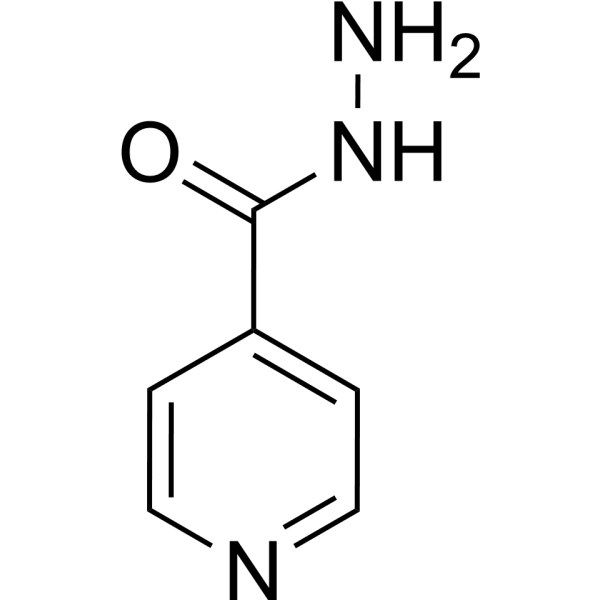
  • HY-B0329
    Isoniazid
    10+ Cited Publications

    INH; Isonicotinic acid hydrazide; Isonicotinic hydrazide

    Bacterial Autophagy Mitophagy Antibiotic Infection
    Isoniazid (INH) is a proagent and must be activated by a bacterial catalase-peroxidase enzyme KatG. Isoniazid is bactericidal to rapidly dividing mycobacteria and has anti-tuberculostatic activity .
    Isoniazid
  • HY-147263

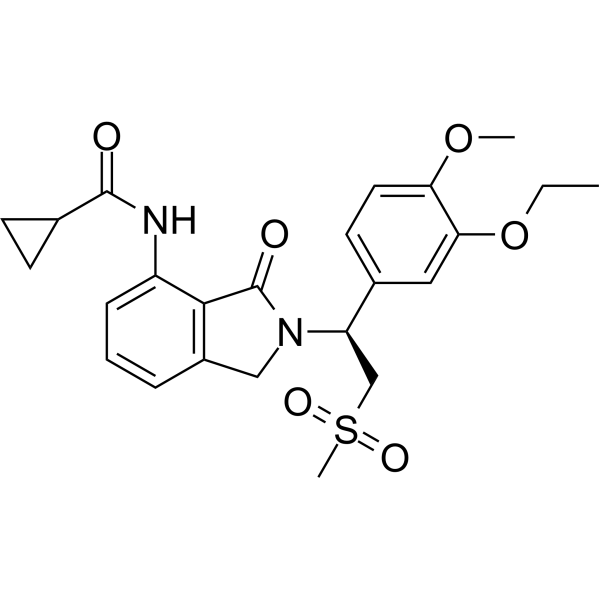
    CC-11050

    Phosphodiesterase (PDE) Infection Inflammation/Immunology
    Dovramilast (CC-11050) is an orally active phosphodiesterase 4 (PDE4) inhibitor and can reduce the inflammatory response and improves Isoniazid (HY-B0329)-mediated bacillary clearance from the lungs. Dovramilast, as an adjunct, is used for the research of tuberculosis (TB) .
    Dovramilast
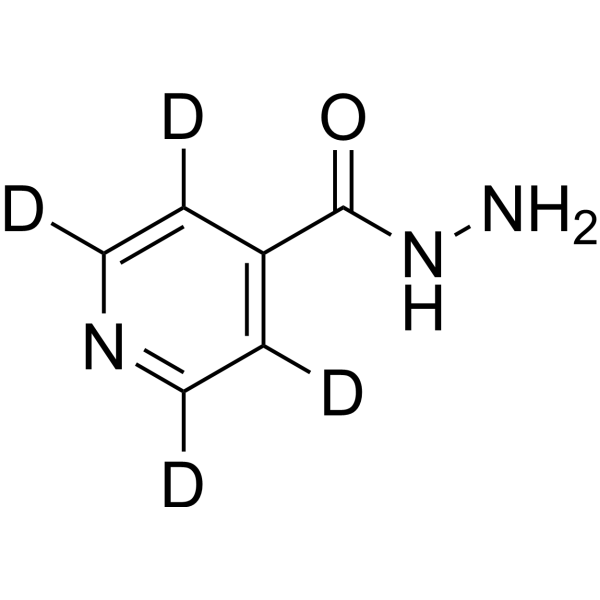
  • HY-B0329S

    INH-d4; Isonicotinic acid hydrazide-d4; Isonicotinic hydrazide-d4

    Bacterial Autophagy Mitophagy Antibiotic Infection
    Isoniazid-d4 is the deuterium labeled Isoniazid. Isoniazid (INH) is a proagent and must be activated by a bacterial catalase-peroxidase enzyme KatG. Isoniazid is bactericidal to rapidly dividing mycobacteria and has anti-tuberculostatic activity .
    Isoniazid-d4
  • HY-B1048

    Paraniazide; Pasiniazide; Isonicotinic acid hydrazide p-aminosalicylate

    Bacterial Infection
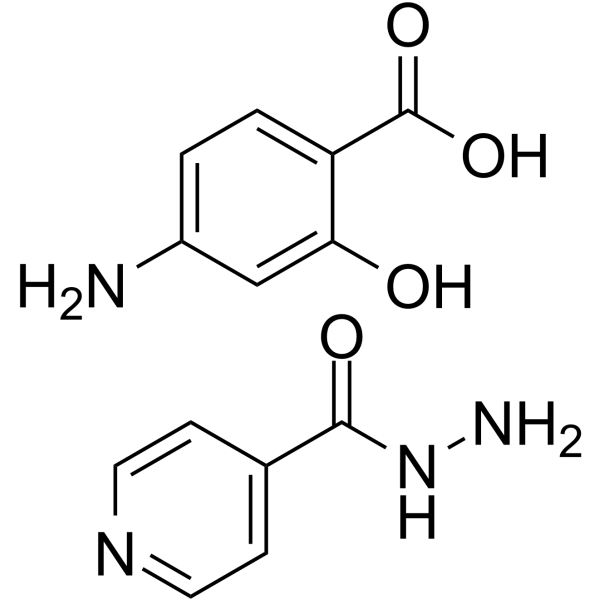
    Pasiniazid is a chemical complex formed by Isoniazid (HY-B0329) and Para-aminosalicylic acid in a 1:1 molar ratio. Pasiniazid is an antibacterial agent. Pasiniazid is rapidly decomposed into isoniazid and para-aminosalicylic acid in the gastrointestinal tract. Isoniazid exerts a bactericidal effect, while para-aminosalicylic acid delays the acetylation process of isoniazid. Pasiniazid has antibacterial activity against Mycobacterium tuberculosis. Pasiniazid can be used in tuberculosis research .
    Pasiniazid
  • HY-129043

    Drug Metabolite Infection
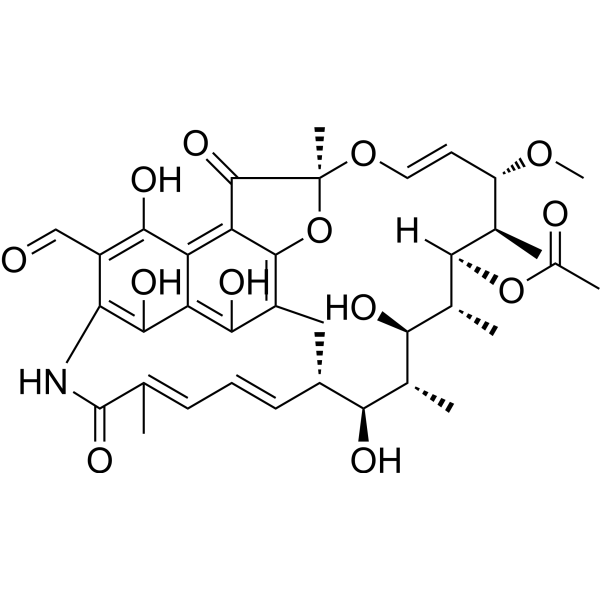
    3-Formyl rifamycin is an acid degradation product of the broad-spectrum antibiotic Rifampicin (HY-B0272). 3-Formyl rifamycin forms via acid hydrolysis of Rifampicin in an acidic environment .
    3-Formyl rifamycin
  • HY-101059

    GABA Receptor Neurological Disease
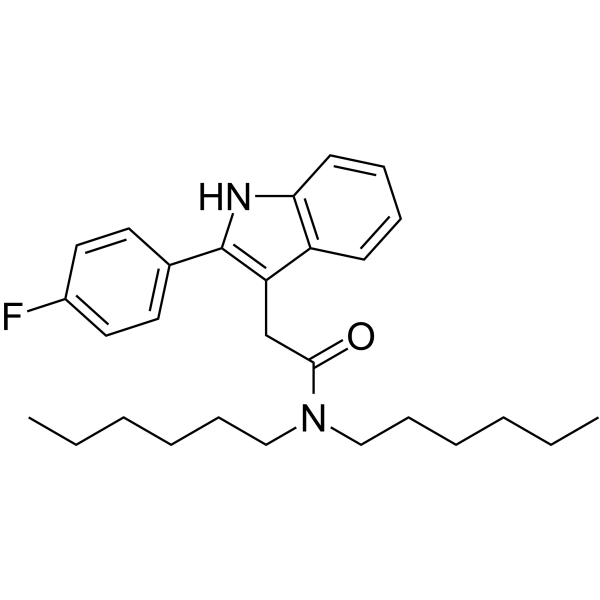
    FGIN 1-27, an indoleacetamide, is a specific peripheral benzodiazepine receptor (PBR) ligand with a Ki of 5.0 nM. FGIN 1-27 can penetrate the blood brain barrier (BBB). FGIN 1-27 inhibits the onset of Isoniazid-induced convulsions .
    FGIN 1-27
  • HY-I0736

    MOFs Drug Metabolite Drug Intermediate Infection
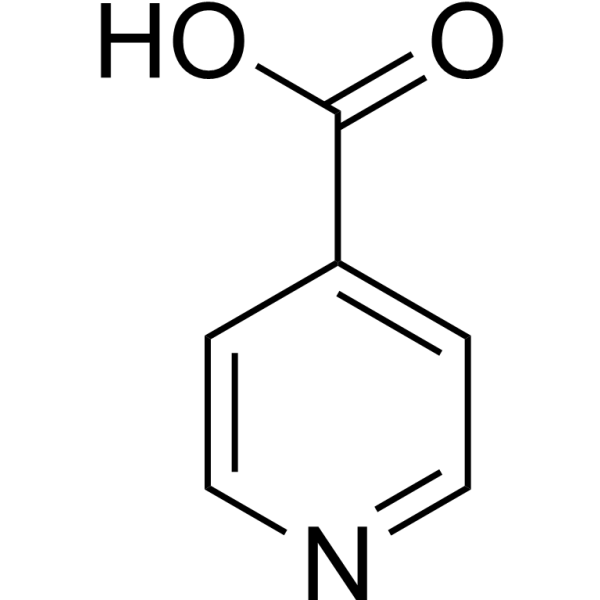
    Isonicotinic acid is an Isoniazid (HY-B0329) metabolite. The Isonicotinic acid derivative Enisamium inhibits the replication of multiple subtypes of influenza A virus .
    Isonicotinic acid
  • HY-B0329R

    INH (Standard); Isonicotinic acid hydrazide (Standard); Isonicotinic hydrazide (Standard)

    Reference Standards Bacterial Autophagy Mitophagy Antibiotic Infection
    Isoniazid (Standard) is the analytical standard of Isoniazid. This product is intended for research and analytical applications. Isoniazid (INH) is a proagent and must be activated by a bacterial catalase-peroxidase enzyme KatG. Isoniazid is bactericidal to rapidly dividing mycobacteria and has anti-tuberculostatic activity .
    Isoniazid (Standard)
  • HY-100048

    AcINH

    Drug Metabolite Infection
    Acetylisoniazid is a primary Isoniazid (HY-B0329) metabolite mediated by N-acetyltransferase (NAT). Isoniazid is bactericidal to rapidly dividing mycobacteria and has anti-tuberculostatic activity .
    Acetylisoniazid
  • HY-145525

    CAR 18:2; C18:2 Carnitine; L-Carnitine linoleoyl ester

    Endogenous Metabolite Others
    Linoleoyl-L-carnitine is a naturally occurring long-chain acylcarnitine. Hepatic levels of linoleoyl-L-carnitine are increased following high-dose (200 mg/kg) administration of Isoniazid (Item No. 20378) in mice.
    Linoleoyl-L-carnitine chloride
  • HY-P3016B

    EC 2.6.1.1, Human liver; GOT, Human liver; AST, Human liver

    Aminotransferases (Transaminases) Cardiovascular Disease
    Aspartate aminotransferase (EC 2.6.1.1), Human liver is a metabolic regulator with the highest activity in the heart, liver and skeletal muscle. Aspartate aminotransferase, Human liver comprises two isozymes: the cytoplasmic form (AST1) and the mitochondrial form (AST2). By catalyzing reversible transamination reactions between oxaloacetate, L-glutamate and other substances, it is deeply involved in key physiological processes such as amino acid metabolism, the tricarboxylic acid cycle and neurotransmitter synthesis. Aspartate aminotransferase, Human liver also provides substrate support for the synthesis of urea and purines/pyrimidines. Aspartate aminotransferase, Human liver is a serum marker reflecting cardiac and hepatic injury, and its abnormal levels are also closely associated with myocardial infarction, cardiovascular diseases and various cancers .
    Aspartate aminotransferase, Human liver
  • HY-117492

    Isonicophen

    Bacterial Infection
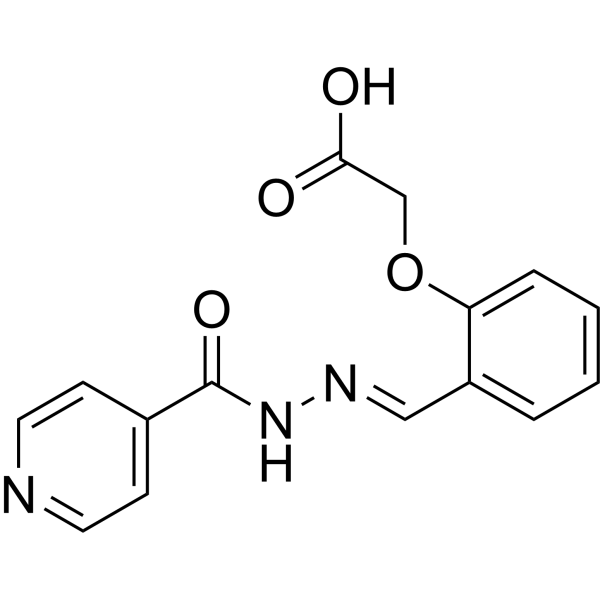
    Aconiazide (Isonicophen) is a orally active hydrazone derivative of isoniazid, and can be used for study of tuberculosis .
    Aconiazide
  • HY-129943

    Bacterial Infection
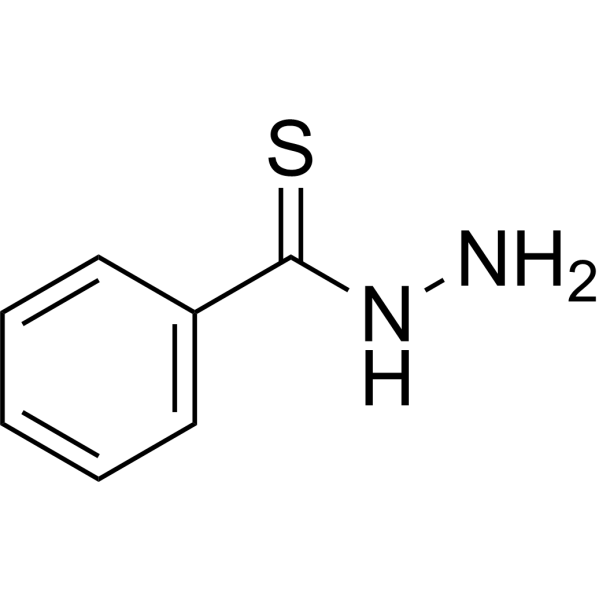
    Benzothiohydrazide is an analogue of anti–tubercular agent Isoniazid. Benzothiohydrazide exhibits anti–tubercular activity, with MICs of 132 μM and 264 μM for M. tuberculosis wild type (H37Rv) and clinical mutant strains (IC1 and IC2) .
    Benzothiohydrazide
  • HY-161542

    Biochemical Assay Reagents Inflammation/Immunology
    Isoniazid/BSA is an antigen-adjuvant conjugate of Isoniazid (HY-B0329) and Bovine Serum Albumin (BSA). By conjugating the antigen with a protein adjuvant, the production of antigen-specific antibodies in vaccine models can be enhanced. The conjugate does not affect protein folding or disrupt major epitopes, and it can enhance cross-presentation and the generation of antigen-specific T cells.
    Isoniazid/BSA
  • HY-158289

    Antibiotic Mitophagy Autophagy Bacterial Inflammation/Immunology
    Isoniazid-KLH is a biochemical reagent that can be used as a biological material or organic compound for life science related research .
    Isoniazid-KLH
  • HY-76293
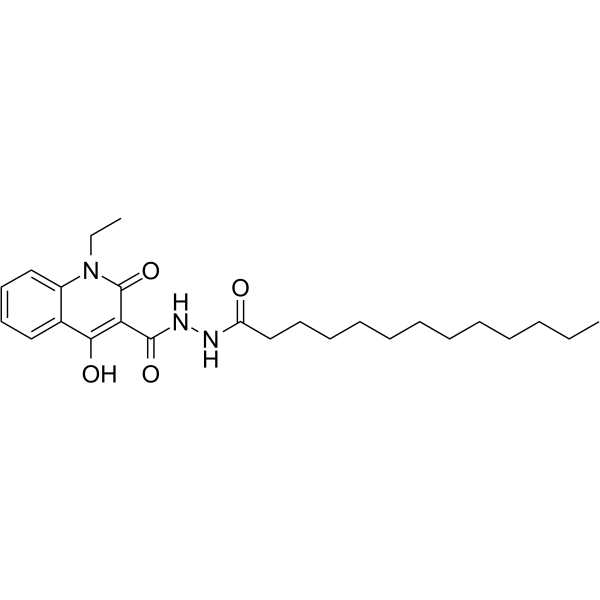
    I2906
    1 Publications Verification

    Bacterial Infection
    I2906 is an orally active isocitrate lyase (ICL) inhibitor with a Mycobacterium tuberculosis IC50 of 134.3 μg/mL. I2906 inhibits the growth of Mycobacterium tuberculosis. I2906 can be used for the research of tuberculosis .
    I2906
  • HY-157870

    Bacterial Infection
    Mtb-IN-6 (Compound C10) is a Mycobacterium tuberculosis(Mtb) respiration inhibitor. Mtb-IN-6 can enhance the bactericidal activity of isoniazid (INH, HY-B0329). Mtb-IN-6 inhibits WT Mtb with an IC50 of 25 µM .
    Mtb-IN-6
  • HY-101059R

    GABA Receptor Reference Standards Neurological Disease
    FGIN 1-27 (Standard) is the analytical standard of FGIN 1-27. This product is intended for research and analytical applications. FGIN 1-27, an indoleacetamide, is a specific peripheral benzodiazepine receptor (PBR) ligand with a Ki of 5.0 nM. FGIN 1-27 can penetrate the blood brain barrier (BBB). FGIN 1-27 inhibits the onset of Isoniazid-induced convulsions .
    FGIN 1-27 (Standard)
  • HY-N9934R

    3-DHS (Standard); 5-Dehydroshikimic acid (Standard)

    Drug Intermediate Reference Standards Others
    Isonicotinic acid (Standard) is the analytical standard of Isonicotinic acid. This product is intended for research and analytical applications. Isonicotinic acid is a metabolite of Isoniazid. Isoniazid is converted to Isonicotinic acid by hydrazinolysis, with the Isoniazid to Isonicotinic acid biotransformation also to be catalyzed by cytochrome P450 (CYP) enzymes, e.g., CYP2C .
    (-)-3-Dehydroshikimic acid (Standard)
  • HY-I0736S

    Drug Metabolite Isotope-Labeled Compounds Drug Intermediate Infection
    Isonicotinic acid-d4 is the deuterium labeled Isonicotinic acid (HY-I0736). Isonicotinic acid is an Isoniazid (HY-B0329) metabolite. The Isonicotinic acid derivative Enisamium inhibits the replication of multiple subtypes of influenza A virus .
    Isonicotinic acid-d4
  • HY-155722

    Bacterial Infection
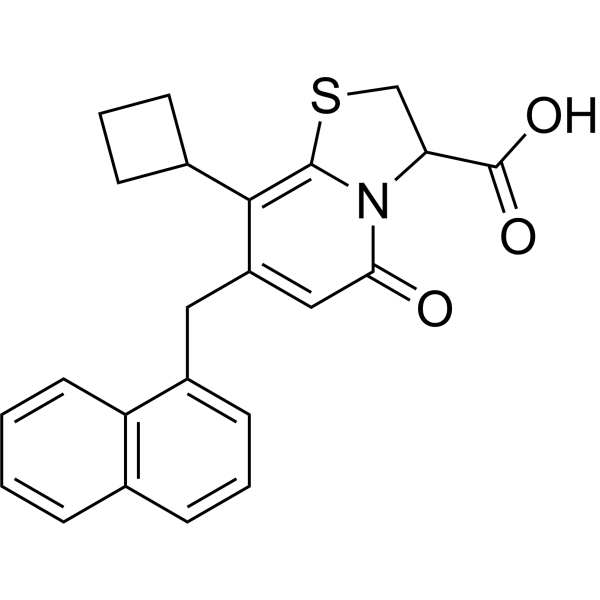
    Mtb-IN-5 (compound (-)17j) is an isoxazole, with anti-Mycobacterium tuberculosis (Mtb) activity. Mtb-IN-4 inhibits Mtb respiration and biofilm formation in macrophage, and enhances antibiotic isoniazid (INH) inhibition against INH-resistant Mtb mutant .
    Mtb-IN-5
  • HY-I0736R

    Reference Standards Drug Metabolite Drug Intermediate Infection
    Isonicotinic acid (Standard) is the analytical standard of Isonicotinic acid (HY-I0736). This product is intended for research and analytical applications. Isonicotinic acid is an Isoniazid (HY-B0329) metabolite. The Isonicotinic acid derivative Enisamium inhibits the replication of multiple subtypes of influenza A virus .
    Isonicotinic acid (Standard)
  • HY-155720

    Bacterial Infection
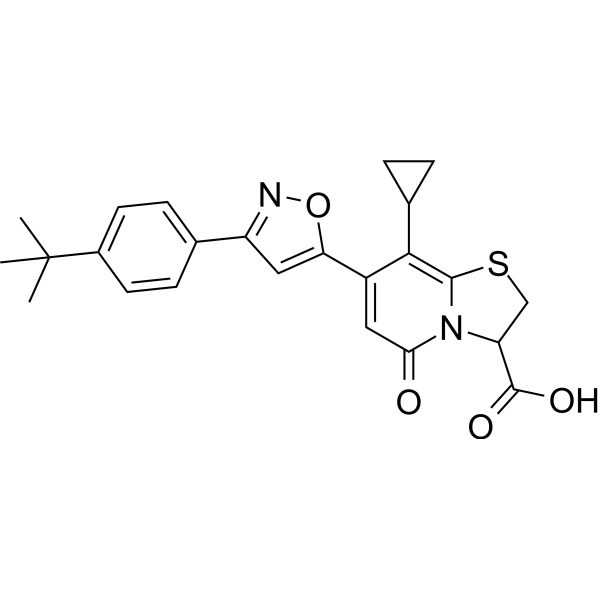
    Mtb-IN-4 (compound 17h) is a nontoxic isoxazole, with anti-Mycobacterium tuberculosis (Mtb) activity (IC50=0.70 μM). Mtb-IN-4 inhibits Mtb respiration and biofilm formation in macrophage, and enhances antibiotic isoniazid (INH) inhibition against INH-resistant Mtb mutant .
    Mtb-IN-4
  • HY-158380

    Bacterial Infection
    UH-NIP-16 exhibits antimicrobial activity against Mycobacterium tuberculosis, with MIC50 of 1.86 and 3.05 μM, for pathogenic mycobacterial strains H37Rv and CDC1551. UH-NIP-16 synergizes with Streptomycin (HY-B1906), Isoniazid (HY-B0329), Ethambutol (HY-B0535) and Bedaquiline (HY-14881), potentiates their anti-tuberculosis activities .
    UH-NIP-16
  • HY-175016

    Endogenous Metabolite Infection Metabolic Disease
    NADH-IN-3 (Compound C4-1) is a NADH inhibitor with a MIC of 4 μg/mL (13.042 μM) for type II NADH dehydrogenase of Mycobacterium tuberculosis (Mtb). NADH-IN-3 significantly interrupts ATP synthesis, shows potent inhibitory effects against mono (Rifampicin (HY-B0272) and Isoniazid (HY-B0329)) and multi drug-resistant (Mtb) strains and an anti-bactericidal activity against HepG2 cells with low cytotoxicity (SI: 16.52) .
    NADH-IN-3
  • HY-179649

    Bacterial Infection
    sALT629 is an orally active antitubercular agent with potent intramacrophage activity (EC50 = 1.5 μM). sALT629 shows broad-spectrum anti-Mycobacterium tuberculosis (Mtb) activities across four carbon sources, equipotent efficacy against drug-resistant Mtb, and activity against both slow-replicating and nonreplicating Mtb. sALT629 exhibits synergistic activity when combined with oxazolidinone drugs, such as Linezolid (HY-10394) and Sutezolid (HY-10392). sALT629 can be used for the research of tuberculosis .
    sALT629
  • HY-118647

    Etisul

    Bacterial Infection
    Ditophal is an orally active thiol ester anti-tuberculosis and anti-leprosy agent. Ditophal combats Mycobacterium tuberculosis infections in subcutaneous and intracerebral sites in guinea pigs, including isoniazid (HY-B0329)-resistant strains. Ditophal alters the staining characteristics of Mycobacterium leprae and reduces the bacterial index of leprosy. Ditophal causes ulcers at the injection site when administered subcutaneously to guinea pigs at high doses. Ditophal can be used in the research of tuberculosis and leprosy .
    Ditophal
  • HY-175987

    Bacterial Infection
    Antimycobacterial agent-12 (Compound Ec42), a derivative of Platensimycin (HY-127146), is a dual-functional inhibitor KasA and KasB. Antimycobacterial agent-12 has antibacterial activity with a MICs of 2, 2 and 4 μg/mL against Staphylococcus aureus ATCC 29213, Mycobacterium smegmatis and its Isoniazid (HY-B0329)-resistant strain, respectively. Antimycobacterial agent-12 has a superior antimycobacterial activity in M. smegmatis-infected mouse models. Antimycobacterial agent-12 can be used for tuberculosis research .
    Antimycobacterial agent-12
  • HY-W170126

    Bacterial Infection
    CB6513745 is a MelF flavin-dependent oxidoreductase inhibitor with a Ki of 18 μM against Mycobacterium marinum MelF. CB6513745 inhibits the activity of MelF flavin-dependent oxidoreductase via hydrophobic interactions with the binding pocket of the protein. CB6513745 is applicable to research related to tuberculosis .
    CB6513745
  • HY-165396

    Bacterial Infection
    HC103A is an Antibacterial agent and a DosS/DosT histidine sensor kinase inhibitor, with an IC50 of 0.5 μM against DosS and ~5 μM against DosT of *Mycobacterium tuberculosis*. HC103A inhibits the autophosphorylation of DosS/DosT. HC103A suppresses hypoxia-induced triacylglycerol synthesis and the viability of Mtb. HC103A can be used in the research of tuberculosis .
    HC103A

Inquiry Online

Your information is safe with us. * Required Fields.

Salutation


Country or Region *

Applicant Name *


Organization Name *

Department *


Email Address *


Product Name *

Cat. No.


Requested quantity *

Phone Number *


Remarks

Inquiry Online

Inquiry Information

Product Name:
Cat. No.:
Quantity:
MCE Japan Authorized Agent:

