Search Result
Results for "
macrophage infiltration
" in MedChemExpress (MCE) Product Catalog:
1
Biochemical Assay Reagents
| Cat. No. |
Product Name |
Target |
Research Areas |
Chemical Structure |
-
- HY-123986
-
CTPI-2
Maximum Cited Publications
13 Publications Verification
|
Mitochondrial Metabolism
|
Inflammation/Immunology
Cancer
|
|
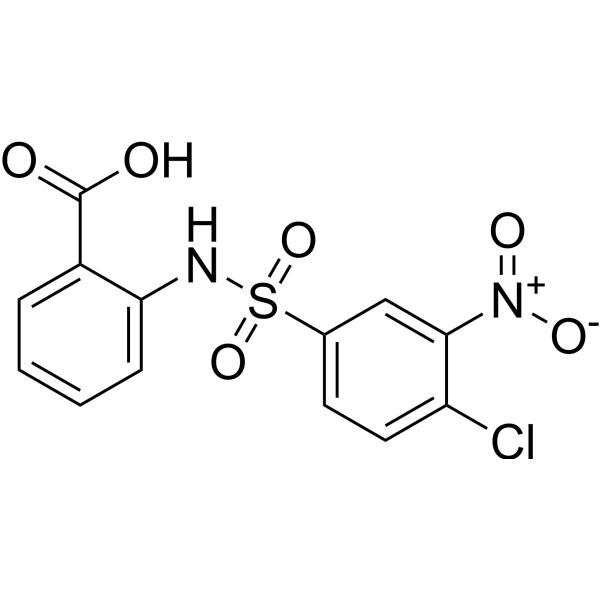
CTPI-2 is a third-generation mitochondrial citrate carrier SLC25A1 inhibitor with a KD of 3.5 μM. CTPI-2 inhibits glycolysis, PPARγ, and its downstream target the glucose transporter GLUT4. CTPI-2 halts salient alterations of NASH reverting steatosis, preventing the evolution to steatohepatitis, reducing inflammatory macrophage infiltration in the liver and adipose tissue, and starkly mitigating obesity induced by a high-fat diet. Antitumor activity .
|
-
-
- HY-W020780
-
|
mPEG5000-Maleimide
|
Biochemical Assay Reagents
|
Cancer
|
|
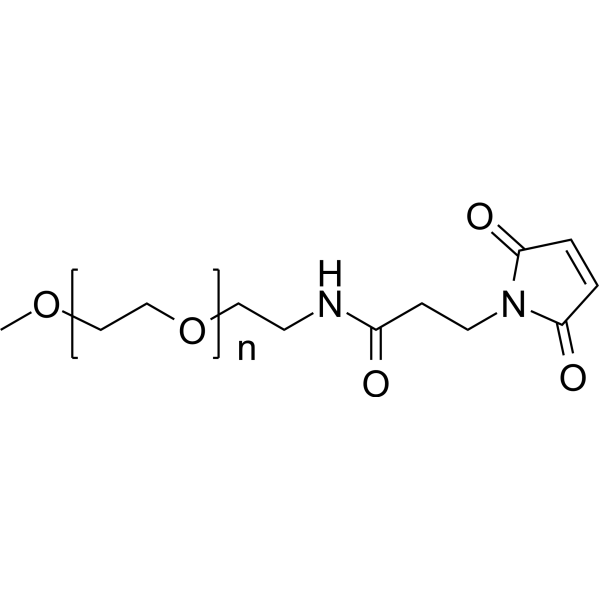
mPEG5000-Mal (mPEG5000-Maleimide) is a PEG-derived selective covalent binding agent for sulfhydryl groups (RSGs), which can form irreversible thioether bonds with sulfhydryl groups under near-neutral conditions via the maleimide group. The mechanism of action of mPEG5000-Mal can be divided into two categories: firstly, as an enzyme modifier, it binds to target proteins through hydrophobic interactions, hydrogen bonds, and van der Waals forces, altering the protein's secondary structure; secondly, as a nanoparticle surface modifier, it covalently binds to sulfhydryl groups on the surface of red blood cells, changing the surface properties and morphology of the red blood cells, leading to their phagocytosis by macrophages of the reticuloendothelial system. mPEG5000-Mal can react with free cysteine in proteins, increasing the apparent molecular weight of the modified protein by 10-15 kDa for detection purposes. mPEG5000-Mal can enhance the thermal stability and catalytic activity of enzymes, and improve the macrophage targeting of nanoparticles, enabling targeted drug delivery. mPEG5000-Mal can be applied in enzyme engineering research in the food industry and in oncology, assisting radiotherapy by inhibiting tumor-associated macrophage infiltration and enhancing anti-tumor immune responses .
|
-
-
- HY-P99188
-
|
CNTO 888
|
CCR
|
Cancer
|
|
Carlumab (CNTO 888) is a human anti-CCL2 (chemokine ligand 2) monoclonal antibody. Carlumab binds and neutralises profibrotic activities of human CCL2. Carlumab inhibits tumor growth by reducing macrophage infiltration and decreasing tumor microvascular density. Carlumab can be used for the research of cancer, suah as prostate cancer .
|
-

-
- HY-160421
-
|
|
Apoptosis
|
Inflammation/Immunology
Cancer
|
|
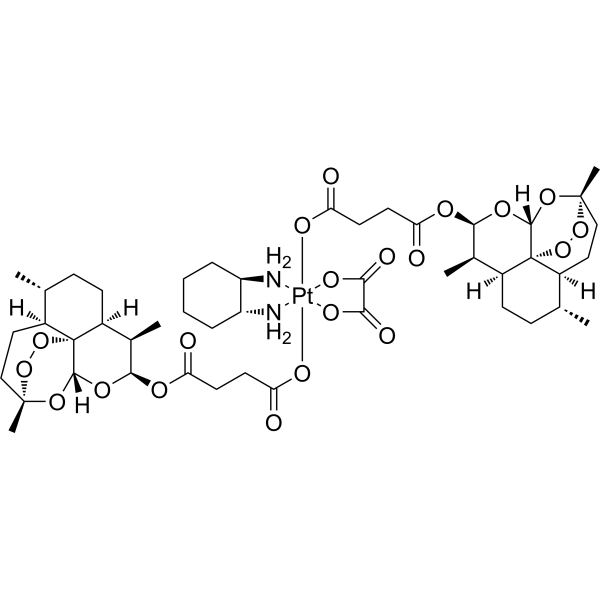
TREM2-IN-1 (OPA) is a TREM2 inhibitor derived from oxaliplatin and artesunate. TREM2-IN-1 can relieves immunosuppressive tumor microenvironment and enhancing chemical anticancer efficiency. TREM2-IN-1 deters the tumor growth in mice models bearing MC38 colorectal tumor by reducing the number of CD206 + and CX3CR1 + immunosuppressive macrophages. TREM2-IN-1 also promotes the expansion and infiltration of immunostimulatory dendritic, cytotoxic T and natural killer cells .
|
-
-
- HY-P990045
-
|
ALE.F02
|
Claudin
|
Endocrinology
|
|
Lixudebart (ALE.F02) is a humanized immunoglobulin G1-kappa, anti-CLDN1 monoclonal antibody. Lixudebart disrupts CLDN1 interactions with CD44 and MMP14, reduces renal macrophage infiltration, epithelial activation, and urinary albumin-to-creatinine ratio, and attenuates glomerulosclerosis. Lixudebart can be used for the research of focal segmental glomerulosclerosis .
|
-

-
- HY-N0352
-
|
|
Parasite
|
Infection
|
|
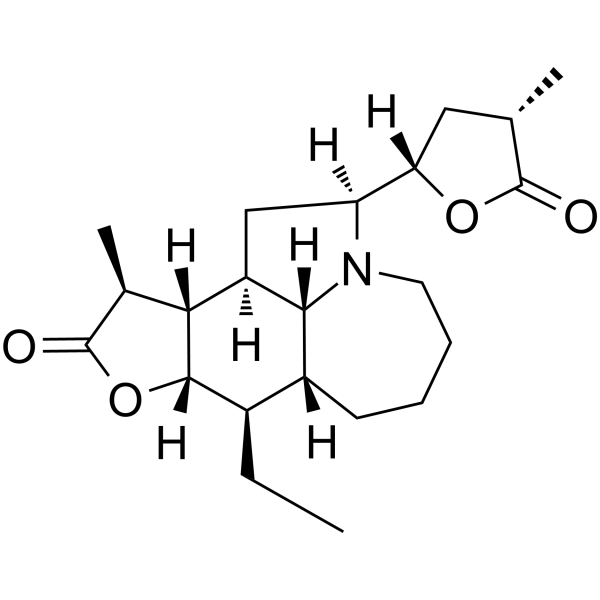
Tuberostemonine is a stenine alkaloid that can be isolated from Stemona tuberosa and Stemona sessifolia. Tuberostemonine is an antimalarial agent that has inhibitory activity against Ferredoxin-NADP + reductases (FNRs) from Plasmodium falciparum (PfFNR). Tuberostemonine can reduce the number of citric acid-induced coughs in guinea pigs. Tuberostemonine decreases bronchoalveolar lavage fluid (BALF), neutrophil and macrophage infiltration and reduces peribronchial and perivascular inflammatory cell infiltration in mouse model of acute lung inflammation. Tuberostemonine has a level of activity as a feeding deterrent .
|
-
-
- HY-P99244
-
|
ILV 094
|
Interleukin Related
JAK
STAT
Caspase
Bcl-2 Family
|
Inflammation/Immunology
|
|
Fezakinumab (ILV 094) is an anti-IL-22 monoclonal antibody. Fezakinumab inhibits IL-22 signal transduction, and regulates the JAK1/STAT3 pathway as well as apoptotic proteins. Fezakinumab alleviates airway remodeling, alveolar enlargement and inflammatory cell infiltration in lung tissues. Fezakinumab reduces the levels of neutrophils, lymphocytes, eosinophils and macrophages in lung tissues. Fezakinumab can be used in the research of chronic obstructive pulmonary disease and skin diseases .
|
-

-
- HY-P990297
-
|
|
CCR
HIV
|
Infection
Inflammation/Immunology
Cancer
|
|
Anti-Mouse/Rat/Human CCL2/MCP-1 Antibody (2H5) is an anti-mouse/rat/human CCL2/MCP-1 IgG monoclonal antibody. Anti-Mouse/Rat/Human CCL2/MCP-1 Antibody (2H5) can reverse the immunosuppressive microenvironment by blocking the CCL2 signaling pathway. Anti-Mouse/Rat/Human CCL2/MCP-1 Antibody (2H5) can reduce the secretion of IFN-γ and the infiltration of macrophages. CCL2/MCP-1 Antibody (2H5) can reduce the amount of HIV virus by increasing the proportion of T cells. Anti-Mouse/Rat/Human CCL2/MCP-1 Antibody (2H5) can be used for researches on inflammation conditions, virus infection and cancer such as inflammatory bowel disease (IBD), hepatocellular carcinoma (HCC) and HIV .
|
-

-
- HY-P990651
-
|
|
TREM receptor
|
Cancer
|
|
PY314 is a humanized antibody targeting TREM2. PY314 binds TREM2 on tumor-associated macrophages, depletes TREM2-high tumor-associated macrophages, reduces pro-tumorigenic M2 macrophage infiltration, increases CD8 + T cell, NK cell, and M1 macrophage infiltration, creates a proinflammatory tumor microenvironment, and promotes antitumor immune responseS. PY314 can be used for the research of platinum-resistant ovarian cancer, advanced solid tumors, breast cancer, and advanced refractory solid tumors .
|
-

-
- HY-159838
-
|
EI‐1071
|
c-Fms
Amyloid-β
|
Neurological Disease
Cancer
|
|
Enrupatinib (EI‐1071) is a potent, orally active, CNS-penetrant and selective CSF1R inhibitor. Enrupatinib inhibits macrophage proliferation and osteoclast differentiation in vitro. Enrupatinib preserves microglia distal to Aβ plaques. Enrupatinib mitigates Alzheimer's disease (AD)-related pathologies by reducing neuroinflammation, preserving neuronal integrity, lowering disease-associated microglia gene expression, and enhancing cognitive function in 5xFAD and J20 mouse models. Enrupatinib reduces tumor-associated macrophage infiltration and enhances antitumor activity of anti-PD-1 antibody in murine colorectal cancer and breast cancer models. Enrupatinib can be used for the research of AD, colorectal cancer, and breast cancer .
|
-

-
- HY-P990131
-
|
|
CD47
|
Infection
Inflammation/Immunology
Cancer
|
|
Anti-Mouse CD47/IAP Antibody (MIAP301) is an anti-mouse CD47/IAP IgG2a monoclonal antibody. Anti-Mouse CD47/IAP Antibody (MIAP301) can effectively block CD47 signaling and enhance macrophage phagocytic function. Anti-Mouse CD47/IAP Antibody (MIAP301) can increase the infiltration of immune cells. Anti-Mouse CD47/IAP Antibody (MIAP301) restores the phagocytic function of myeloid cells and alleviate B cell inhibition. Anti-Mouse CD47/IAP Antibody (MIAP301) may interfere with wound healing. Anti-Mouse CD47/IAP Antibody (MIAP301) can be used for researches on cancer, inflammation and infection conditions such as melanoma, intestinal mucosal repair and sepsis .
|
-
-
- HY-P6084
-
|
|
NOD-like Receptor (NLR)
p38 MAPK
Apoptosis
|
Inflammation/Immunology
|
|
RP-220 is a renalase peptide targeting NLRP3. RP220 has anti-inflammatory and anti-apoptotic activities. RP220 inhibits renal tubular epithelial cells apoptosis with alkaline insult by activating MAPK signaling pathway. RP220 significantly inhibits NLRP3 expression and reduces macrophage infiltration and kidney tissue damage in acute kidney injury (AKI) mice model. RP-220 can be uses for systemic lupus erythematosus (SLE) and its complication lupus nephritis (LN) research .
|
-

-
- HY-P990132
-
|
|
CD47
|
Inflammation/Immunology
Cancer
|
|
Anti-Mouse/Rat/Human CD47/IAP Antibody (MIAP410) is an anti-mouse/rat/human CD47/IAP IgG1 monoclonal antibody. Anti-Mouse/Rat/Human CD47/IAP Antibody (MIAP410) can effectively block CD47 signaling and enhance macrophage phagocytic function. Anti-Mouse/Rat/Human CD47/IAP Antibody (MIAP410) can increase the infiltration of immune cells. Anti-Mouse/Rat/Human CD47/IAP Antibody (MIAP410) may interfere with wound healing. Anti-Mouse/Rat/Human CD47/IAP Antibody (MIAP410) can be used for researches on cancer and inflammation conditions such as breast cancer and intestinal mucosal repair .
|
-
-
- HY-156959
-
|
|
JAK
TRP Channel
MetAP
|
Infection
Inflammation/Immunology
|
|
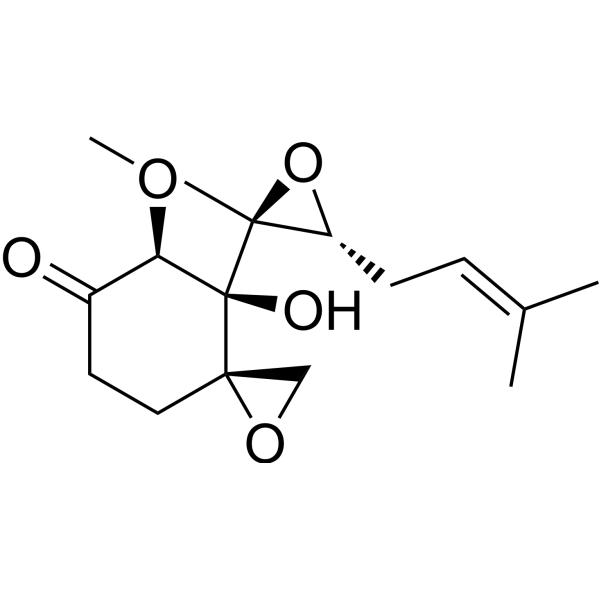
Ovalicin is a multi-target inhibitor that targets MetAP2, HRH2, JAK2 and TRPV1, with anti-inflammatory and anti-atopic dermatitis activities. Ovalicin covalently binds to MetAP2 to inhibit its function, thereby blocking the replication of Enterocytozoon bieneusi and Vittaforma corneae. Ovalicin alleviates intestinal injury and prolongs survival in infected mouse models, without showing obvious hepatorenal toxicity. Ovalicin attenuates LPS-induced calcium influx, reduces the infiltration of macrophages and mast cells in the skin, and regulates the expression of inflammation-related genes such as IL-31, effectively relieving allergic symptoms in mouse models. Ovalicin can be used for the research of microsporidiosis and atopic dermatitis .
|
-
-
- HY-P99146
-
|
|
CD3
|
Infection
Neurological Disease
Inflammation/Immunology
Cancer
|
|
Anti-Mouse TCR gamma/delta Antibody (UC7-13D5) is an anti-mouse TCR gamma/delta IgG monoclonal antibody. Anti-Mouse TCR gamma/delta Antibody (UC7-13D5) can enter the blood-brain barrier. Anti-Mouse TCR gamma/delta Antibody (UC7-13D5) effectively depletes γδ T cells and reduces macrophage and neutrophil infiltration. Anti-Mouse TCR gamma/delta Antibody (UC7-13D5) can reduce the immune response of transplants. Anti-Mouse TCR gamma/delta Antibody (UC7-13D5) can be used for researches on inflammation conditions, virus infection and cancer such as arthritis, JHM virus and breast cancer .
|
-
-
- HY-169859
-
|
|
Prostaglandin Receptor
Interleukin Related
|
Inflammation/Immunology
Cancer
|
|
EP4 receptor antagonist 7 (Compound 14) is an antagonist of the prostaglandin E2 (PGE2) receptor subtype EP4 with an IC50 value of 1.1 nM. EP4 receptor antagonist 7 inhibits PGE2-induced β-arrestin recruitment in HEK293 cells with an IC50 value of 0.9 nM. EP4 receptor antagonist 7 decreases PGE2-induced expression of mRNA encoding IL-4, macrophage mannose receptor 1 (Mrc1), chitinase-like protein 3 (Chil3), chemokine (C-X-C) motif ligand 1 (Cxcl1), triggering receptor expressed on myeloid cells 2 (Trem2), and arginase-1 (Arg1), in RAW 264.7 macrophages. EP4 receptor antagonist 7 combined with an anti-PD-1 antibody inhibits tumor growth and increases infiltration of CD 8+ T cells into tumors in a CT26 murine colon cancer model .
|
-

-
- HY-P10947
-
|
|
Epigenetic Reader Domain
YAP
|
Cancer
|
|
MACTIDE-V is an orally active and selective peptide-drug conjugate targeting CD206. MACTIDE-V delivers Verteporfin (HY-B0146) to CD206 + tumor-associated macrophages (TAM) to inhibit the YAP/TAZ signaling pathway, prompting YAP exclusion from the nucleus, inducing TAM polarization toward an anti-tumoral phenotype with enhanced phagocytosis and antigen presentation, and boosting T cell infiltration and NK cell activity. MACTIDE-V suppresses primary tumor growth and lung metastasis in triple-negative breast cancer (TNBC) mouse models .
|
-

-
- HY-P990868
-
|
|
CD2
|
Inflammation/Immunology
Cancer
|
|
Anti-CD2 Antibody (CB.219) is an anti-human CD2 IgG2b monoclonal antibody. Anti-CD2 Antibody (CB.219) can reduce the infiltration of T cells, macrophages, and the number of Tregs in the colon. Anti-CD2 Antibody (CB.219) can be used for research on infection and inflammation such as toxoplasma infection and colitis. The recommend isotype control of Anti-CD2 Antibody (CB.219): Mouse IgG2b kappa, Isotype Control (HY-P99982) .
|
-

-
- HY-19167
-
|
AS 013; Lipo-pro-prostaglandin E1
|
Prostaglandin Receptor
|
Inflammation/Immunology
|
|
Ecraprost is a prodrug of prostaglandin E1. Ecraprost inhibits platelet adhesion, macrophage infiltration and proliferating cell nuclear antigen positive cell expression on the injured arterial walls .
|
-

-
- HY-162415
-
|
|
c-Fms
Apoptosis
|
Cancer
|
|
CSF1R-IN-22 (Compound C19) is an orally effective CSF-1R selective inhibitor (IC50<6 nM). CSF1R-IN-22 enhances the secretion of CXCL9 from M2 macrophages, increases CD8 + T cell infiltration. CSF1R-IN-22 boosts anti-tumor immune responses of anti-PD-1, and induces apoptosis in tumor cells. CSF1R-IN-22 can effectively reprogram M2-like TAMs (tumor-associated macrophages) to the M1 phenotype and reshape the TME by inducing the recruitment of CD8 + T cells into tumors and reducing the infiltration of immunosuppressive Tregs and MDSCs .
|
-

-
- HY-172632
-
|
|
Endogenous Metabolite
Interleukin Related
|
Inflammation/Immunology
|
|
Resolvin D3 methyl ester is a methyl ester version of Resolvin D3 that may act as a lipophilic prodrug form which can alter its distribution and pharmacokinetic properties. Resolvin D3 is a potent immunoresolvent. Resolvin D3 can reduce neutrophil infiltration in vivo. Resolvin D3 can be produced in murine inflammatory exudates and human macrophages. Resolvin D3 can activate the human RvD1 and RvD5. Resolvin D3 is a potent enhancer of the uptake of apoptotic neutrophils by macrophages as well as a stimulator of IL-10 .
|
-

-
- HY-161778
-
|
|
HDAC
VD/VDR
|
Inflammation/Immunology
Cancer
|
|
ZG-126 is an agonist for vitamin D receptor (VDR) and an inhibitor for histone deacetylase (HDAC) (IC50=0.63-67.6 μM). ZG-126 exhibits cytotoxicity in cancer cells MDA-MB-231 and 4T1. ZG-126 exhibits antitumor and anti-metastatic efficacy against melanoma and triple-negative breast cancer (TNBC) in mouse models. ZG-126 also exhibits anti-inflammatory activity, through the reduction of macrophage infiltration and immunosuppressive M2-polarization .
|
-

-
- HY-167939
-
|
|
Adrenergic Receptor
|
Inflammation/Immunology
|
|
(R)-Bambuterol is a β2-receptor agonist with anti-asthmatic and colitis-improving activity. (R)-Bambuterol is indicated for the treatment of asthma and chronic obstructive pulmonary disease and has the advantage of a once-daily dosing and a favorable side effect profile. (R)-Bambuterol significantly reduced disease severity in a mouse model of colitis, more effectively than (RS)-Bambuterol or (S)-Bambuterol. (R)-Bambuterol can significantly reduce the levels of inflammatory cytokines and reduce the infiltration of macrophages in mice with colitis. (R)-Bambuterol also increases β2-adrenoceptor levels and reduces the expression of IL-6, IL-17 and other related proteins in colon tissue in a dose-dependent manner .
|
-

-
- HY-P990252
-
|
|
Notch
Interleukin Related
NF-κB
VEGFR
FGFR
NO Synthase
|
Metabolic Disease
Inflammation/Immunology
Cancer
|
|
Anti-Mouse Delta-like protein 4/DLL4 Antibody (HMD4-2) is an anti-mouse Delta-like protein 4/DLL4 IgG monoclonal antibody. Anti-Mouse Delta-like protein 4/DLL4 Antibody (HMD4-2) can reduce angiogenesis and density by blocking the DLL4-Notch signaling pathway. Anti-Mouse Delta-like protein 4/DLL4 Antibody (HMD4-2) reduces inflammatory response by decreasing NF-κB activity and pro-inflammatory factors (IL-1β, iNOS, IL-6) levels. Anti-Mouse Delta-like protein 4/DLL4 Antibody (HMD4-2) can inhibit Th17 cell differentiation and IL-17A production. Anti-Mouse Delta-like protein 4/DLL4 Antibody (HMD4-2) can reduce macrophage infiltration and alleviate insulin resistance. Anti-Mouse Delta-like protein 4/DLL4 Antibody (HMD4-2) can be used for researches on inflammation, metabolic conditions and cancer such as atherosclerosis, pancreatic cancer and asthma .
|
-
-
- HY-183367
-
|
|
TNF Receptor
Interleukin Related
|
Inflammation/Immunology
|
|
Anti-inflammatory agent 115 is a potent anti-inflammatory agent. Anti-inflammatory agent 115 reduces secretion of myeloperoxidase (MPO), TNF-α, IL-1β, and IL-6. Anti-inflammatory agent 115 decreases ear tissue thickness and neutrophil infiltration in 12-O-tetradecanoylphorbol-13-acetate (TPA) (HY-18739)-induced topical edema in mice. Anti-inflammatory agent 115 can be used for the research of inflammatory diseases .
|
-

-
- HY-19009B
-
|
|
CCR
|
Metabolic Disease
Inflammation/Immunology
Cancer
|
|
Propagermanium is an orally active and selective CCR2 inhibitor. Propagermanium enhances IFN-γ, IL-2, 2',5'-oligoadenylate synthetase, and unspecified cytokine production, and induces mature cytolytic NK cell subsets. Propagermanium reduces HBe antigen and HBV DNA polymerase levels, promotes HBV clearance and lowers serum ALT. Propagermanium downregulates STAT1, inhibits pro-inflammatory microglia polarization, pro-inflammatory cytokine release, and monocyte/macrophage infiltration. Propagermanium can be used for the research of chronic hepatitis B, atherosclerosis, breast cancer, non-alcoholic steatohepatitis, insulin resistance, refractory gastric cancer, multiple myeloma, type 2 diabetes .
|
-

-
- HY-P992369
-
|
|
VISTA
|
Cancer
|
|
HMBD-002 is an Fc-independent, non-depleting IgG4 subclass antibody that targets VISTA and VSIG3. It is widely used in research related to various solid tumors, including colon cancer, triple-negative breast cancer, and non-small cell lung cancer. HMBD-002 blocks the interactions of VISTA with VSIG3 and LRIG1, relieves immunosuppression without depleting VISTA-positive cells, activates the cytotoxic program of CD8 + T cells, and drives the type I interferon signaling pathway. HMBD-002 reprograms tumor-associated macrophages to the M1 phenotype, reduces tumor infiltration of inhibitory myeloid cells, thereby significantly inhibiting tumor growth and improving survival. HMBD-002 is well tolerated in rodent and non-human primate animal models .
|
-

-
- HY-183569
-
|
|
c-Fms
Akt
PERK
Aminotransferases (Transaminases)
Apoptosis
TNF Receptor
Interleukin Related
|
Metabolic Disease
|
|
CSF1R-IN-27 is a CSF1R inhibitor with oral effectiveness, kinome-wide selective profile, low cellular cytotoxicity, and CSF1R IC50 values of 19 nM, 88 nM, 173 nM, 797 nM, 1448 nM, and >3000 nM. CSF1R-IN-27 suppresses M-CSF-induced phosphorylation of CSF1R, AKT, and ERK in macrophages, and inhibits hepatic p-CSF1R/p-AKT/p-ERK signaling. CSF1R-IN-27 reduces serum transaminase levels, improves hepatic histopathology, alleviates inflammatory cell infiltration, and decreases circulating TNF-α and IL-6 levels. CSF1R-IN-27 can be used for the research of acute liver injury .
|
-

-
- HY-180109
-
|
Benzo-17R-Resolvin D2
|
TNF Receptor
Interleukin Related
|
Cardiovascular Disease
Neurological Disease
Inflammation/Immunology
Cancer
|
|
Benzo-17R-RvD2 (Benzo-17R-Resolvin D2) is a benzo-containing analog of RvD2 (HY-121636). Benzo-17R-RvD2 enhances human macrophage efferocytosis, limits neutrophil infiltration, reduces TNF-α, and increases IL-1 receptor antagonist in peritonitis. Benzo-17R-RvD2 promotes E. coli killing by human leukocytes and reduces neutrophil swarm area without compromising anti-Candida activity. Benzo-17R-RvD2 activates the human-RvD2 receptor with an EC50 ∼1.5 nM. Benzo-17R-RvD2 can be used in research on inflammation-associated diseases such as cardiovascular disease, cancer, neuroinflammation, pain, and muscle regeneration .
|
-

-
- HY-182366
-
|
|
Histone Methyltransferase
|
Neurological Disease
Inflammation/Immunology
|
|
EED-IN-5 is an orally active, EZH2-selective trisubstituted pyridine-based EED-H3K27me3 inhibitor and immunomodulator with anti-inflammatory activity. The IC50 value of EED-IN-5 against EED is 28.21 nM. In mouse models, EED-IN-5 preferentially and persistently accumulates in lymph nodes after oral administration. By reducing the H3K27me3 level of dendritic cells and inhibiting their migration, EED-IN-5 decreases the infiltration of specific dendritic cells, macrophages and T cells into the spinal cord and brain. EED-IN-5 exhibits hERG inhibitory activity, shows negative results in the Mini-Ames test, and causes no obvious toxicity upon long-term high-dose administration. EED-IN-5 can be used for the research of multiple sclerosis .
|
-

| Cat. No. |
Product Name |
Type |
-
- HY-W020780
-
|
mPEG5000-Maleimide
|
Biochemical Assay Reagents
|
|
mPEG5000-Mal (mPEG5000-Maleimide) is a PEG-derived selective covalent binding agent for sulfhydryl groups (RSGs), which can form irreversible thioether bonds with sulfhydryl groups under near-neutral conditions via the maleimide group. The mechanism of action of mPEG5000-Mal can be divided into two categories: firstly, as an enzyme modifier, it binds to target proteins through hydrophobic interactions, hydrogen bonds, and van der Waals forces, altering the protein's secondary structure; secondly, as a nanoparticle surface modifier, it covalently binds to sulfhydryl groups on the surface of red blood cells, changing the surface properties and morphology of the red blood cells, leading to their phagocytosis by macrophages of the reticuloendothelial system. mPEG5000-Mal can react with free cysteine in proteins, increasing the apparent molecular weight of the modified protein by 10-15 kDa for detection purposes. mPEG5000-Mal can enhance the thermal stability and catalytic activity of enzymes, and improve the macrophage targeting of nanoparticles, enabling targeted drug delivery. mPEG5000-Mal can be applied in enzyme engineering research in the food industry and in oncology, assisting radiotherapy by inhibiting tumor-associated macrophage infiltration and enhancing anti-tumor immune responses .
|
| Cat. No. |
Product Name |
Target |
Research Area |
-
- HY-P6084
-
|
|
NOD-like Receptor (NLR)
p38 MAPK
Apoptosis
|
Inflammation/Immunology
|
|
RP-220 is a renalase peptide targeting NLRP3. RP220 has anti-inflammatory and anti-apoptotic activities. RP220 inhibits renal tubular epithelial cells apoptosis with alkaline insult by activating MAPK signaling pathway. RP220 significantly inhibits NLRP3 expression and reduces macrophage infiltration and kidney tissue damage in acute kidney injury (AKI) mice model. RP-220 can be uses for systemic lupus erythematosus (SLE) and its complication lupus nephritis (LN) research .
|
-
- HY-P10947
-
|
|
Epigenetic Reader Domain
YAP
|
Cancer
|
|
MACTIDE-V is an orally active and selective peptide-drug conjugate targeting CD206. MACTIDE-V delivers Verteporfin (HY-B0146) to CD206 + tumor-associated macrophages (TAM) to inhibit the YAP/TAZ signaling pathway, prompting YAP exclusion from the nucleus, inducing TAM polarization toward an anti-tumoral phenotype with enhanced phagocytosis and antigen presentation, and boosting T cell infiltration and NK cell activity. MACTIDE-V suppresses primary tumor growth and lung metastasis in triple-negative breast cancer (TNBC) mouse models .
|
| Cat. No. |
Product Name |
Target |
Research Area |
Image |
-
- HY-P99188
-
|
CNTO 888
|
CCR
|
Cancer
|
|
Carlumab (CNTO 888) is a human anti-CCL2 (chemokine ligand 2) monoclonal antibody. Carlumab binds and neutralises profibrotic activities of human CCL2. Carlumab inhibits tumor growth by reducing macrophage infiltration and decreasing tumor microvascular density. Carlumab can be used for the research of cancer, suah as prostate cancer .
|
-

(5)
-
- HY-P990045
-
|
ALE.F02
|
Claudin
|
Endocrinology
|
|
Lixudebart (ALE.F02) is a humanized immunoglobulin G1-kappa, anti-CLDN1 monoclonal antibody. Lixudebart disrupts CLDN1 interactions with CD44 and MMP14, reduces renal macrophage infiltration, epithelial activation, and urinary albumin-to-creatinine ratio, and attenuates glomerulosclerosis. Lixudebart can be used for the research of focal segmental glomerulosclerosis .
|
-
(5)
-
- HY-P99244
-
|
ILV 094
|
Interleukin Related
JAK
STAT
Caspase
Bcl-2 Family
|
Inflammation/Immunology
|
|
Fezakinumab (ILV 094) is an anti-IL-22 monoclonal antibody. Fezakinumab inhibits IL-22 signal transduction, and regulates the JAK1/STAT3 pathway as well as apoptotic proteins. Fezakinumab alleviates airway remodeling, alveolar enlargement and inflammatory cell infiltration in lung tissues. Fezakinumab reduces the levels of neutrophils, lymphocytes, eosinophils and macrophages in lung tissues. Fezakinumab can be used in the research of chronic obstructive pulmonary disease and skin diseases .
|
-
(5)
-
- HY-P990297
-
|
|
CCR
HIV
|
Infection
Inflammation/Immunology
Cancer
|
|
Anti-Mouse/Rat/Human CCL2/MCP-1 Antibody (2H5) is an anti-mouse/rat/human CCL2/MCP-1 IgG monoclonal antibody. Anti-Mouse/Rat/Human CCL2/MCP-1 Antibody (2H5) can reverse the immunosuppressive microenvironment by blocking the CCL2 signaling pathway. Anti-Mouse/Rat/Human CCL2/MCP-1 Antibody (2H5) can reduce the secretion of IFN-γ and the infiltration of macrophages. CCL2/MCP-1 Antibody (2H5) can reduce the amount of HIV virus by increasing the proportion of T cells. Anti-Mouse/Rat/Human CCL2/MCP-1 Antibody (2H5) can be used for researches on inflammation conditions, virus infection and cancer such as inflammatory bowel disease (IBD), hepatocellular carcinoma (HCC) and HIV .
|
-
(5)
-
- HY-P990651
-
|
|
TREM receptor
|
Cancer
|
|
PY314 is a humanized antibody targeting TREM2. PY314 binds TREM2 on tumor-associated macrophages, depletes TREM2-high tumor-associated macrophages, reduces pro-tumorigenic M2 macrophage infiltration, increases CD8 + T cell, NK cell, and M1 macrophage infiltration, creates a proinflammatory tumor microenvironment, and promotes antitumor immune responseS. PY314 can be used for the research of platinum-resistant ovarian cancer, advanced solid tumors, breast cancer, and advanced refractory solid tumors .
|
-
(5)
-
- HY-P990131
-
|
|
CD47
|
Infection
Inflammation/Immunology
Cancer
|
|
Anti-Mouse CD47/IAP Antibody (MIAP301) is an anti-mouse CD47/IAP IgG2a monoclonal antibody. Anti-Mouse CD47/IAP Antibody (MIAP301) can effectively block CD47 signaling and enhance macrophage phagocytic function. Anti-Mouse CD47/IAP Antibody (MIAP301) can increase the infiltration of immune cells. Anti-Mouse CD47/IAP Antibody (MIAP301) restores the phagocytic function of myeloid cells and alleviate B cell inhibition. Anti-Mouse CD47/IAP Antibody (MIAP301) may interfere with wound healing. Anti-Mouse CD47/IAP Antibody (MIAP301) can be used for researches on cancer, inflammation and infection conditions such as melanoma, intestinal mucosal repair and sepsis .
|
-
(5)
-
- HY-P990132
-
|
|
CD47
|
Inflammation/Immunology
Cancer
|
|
Anti-Mouse/Rat/Human CD47/IAP Antibody (MIAP410) is an anti-mouse/rat/human CD47/IAP IgG1 monoclonal antibody. Anti-Mouse/Rat/Human CD47/IAP Antibody (MIAP410) can effectively block CD47 signaling and enhance macrophage phagocytic function. Anti-Mouse/Rat/Human CD47/IAP Antibody (MIAP410) can increase the infiltration of immune cells. Anti-Mouse/Rat/Human CD47/IAP Antibody (MIAP410) may interfere with wound healing. Anti-Mouse/Rat/Human CD47/IAP Antibody (MIAP410) can be used for researches on cancer and inflammation conditions such as breast cancer and intestinal mucosal repair .
|
-
(5)
-
- HY-P99146
-
|
|
CD3
|
Infection
Neurological Disease
Inflammation/Immunology
Cancer
|
|
Anti-Mouse TCR gamma/delta Antibody (UC7-13D5) is an anti-mouse TCR gamma/delta IgG monoclonal antibody. Anti-Mouse TCR gamma/delta Antibody (UC7-13D5) can enter the blood-brain barrier. Anti-Mouse TCR gamma/delta Antibody (UC7-13D5) effectively depletes γδ T cells and reduces macrophage and neutrophil infiltration. Anti-Mouse TCR gamma/delta Antibody (UC7-13D5) can reduce the immune response of transplants. Anti-Mouse TCR gamma/delta Antibody (UC7-13D5) can be used for researches on inflammation conditions, virus infection and cancer such as arthritis, JHM virus and breast cancer .
|
-
(5)
-
- HY-P990868
-
|
|
CD2
|
Inflammation/Immunology
Cancer
|
|
Anti-CD2 Antibody (CB.219) is an anti-human CD2 IgG2b monoclonal antibody. Anti-CD2 Antibody (CB.219) can reduce the infiltration of T cells, macrophages, and the number of Tregs in the colon. Anti-CD2 Antibody (CB.219) can be used for research on infection and inflammation such as toxoplasma infection and colitis. The recommend isotype control of Anti-CD2 Antibody (CB.219): Mouse IgG2b kappa, Isotype Control (HY-P99982) .
|
-
(5)
-
- HY-P990252
-
|
|
Notch
Interleukin Related
NF-κB
VEGFR
FGFR
NO Synthase
|
Metabolic Disease
Inflammation/Immunology
Cancer
|
|
Anti-Mouse Delta-like protein 4/DLL4 Antibody (HMD4-2) is an anti-mouse Delta-like protein 4/DLL4 IgG monoclonal antibody. Anti-Mouse Delta-like protein 4/DLL4 Antibody (HMD4-2) can reduce angiogenesis and density by blocking the DLL4-Notch signaling pathway. Anti-Mouse Delta-like protein 4/DLL4 Antibody (HMD4-2) reduces inflammatory response by decreasing NF-κB activity and pro-inflammatory factors (IL-1β, iNOS, IL-6) levels. Anti-Mouse Delta-like protein 4/DLL4 Antibody (HMD4-2) can inhibit Th17 cell differentiation and IL-17A production. Anti-Mouse Delta-like protein 4/DLL4 Antibody (HMD4-2) can reduce macrophage infiltration and alleviate insulin resistance. Anti-Mouse Delta-like protein 4/DLL4 Antibody (HMD4-2) can be used for researches on inflammation, metabolic conditions and cancer such as atherosclerosis, pancreatic cancer and asthma .
|
-
(5)
-
- HY-P992369
-
|
|
VISTA
|
Cancer
|
|
HMBD-002 is an Fc-independent, non-depleting IgG4 subclass antibody that targets VISTA and VSIG3. It is widely used in research related to various solid tumors, including colon cancer, triple-negative breast cancer, and non-small cell lung cancer. HMBD-002 blocks the interactions of VISTA with VSIG3 and LRIG1, relieves immunosuppression without depleting VISTA-positive cells, activates the cytotoxic program of CD8 + T cells, and drives the type I interferon signaling pathway. HMBD-002 reprograms tumor-associated macrophages to the M1 phenotype, reduces tumor infiltration of inhibitory myeloid cells, thereby significantly inhibiting tumor growth and improving survival. HMBD-002 is well tolerated in rodent and non-human primate animal models .
|
-
(5)
| Cat. No. |
Product Name |
Category |
Target |
Chemical Structure |
-
- HY-N0352
-
|
|
Infection
Alkaloids
other families
Pyrrole Alkaloids
Classification of Application Fields
Plants
Disease Research Fields
Source Classification
|
Parasite
|
|
Tuberostemonine is a stenine alkaloid that can be isolated from Stemona tuberosa and Stemona sessifolia. Tuberostemonine is an antimalarial agent that has inhibitory activity against Ferredoxin-NADP + reductases (FNRs) from Plasmodium falciparum (PfFNR). Tuberostemonine can reduce the number of citric acid-induced coughs in guinea pigs. Tuberostemonine decreases bronchoalveolar lavage fluid (BALF), neutrophil and macrophage infiltration and reduces peribronchial and perivascular inflammatory cell infiltration in mouse model of acute lung inflammation. Tuberostemonine has a level of activity as a feeding deterrent .
|
-
Your information is safe with us. * Required Fields.
Inquiry Information
- Product Name:
- Cat. No.:
- Quantity:
- MCE Japan Authorized Agent:








