

1. Search Result
Search Result
Pathways Recommended: Neuronal Signaling
Results for "

neuronal inhibition

" in MedChemExpress (MCE) Product Catalog:

22

Inhibitors & Agonists

1

Peptides

3

Natural
Products

2

Isotope-Labeled Compounds

Cat. No. Product Name Target Research Areas Chemical Structure
  • HY-101712
    TRC051384
    Maximum Cited Publications
    6 Publications Verification

    HSP Neurological Disease
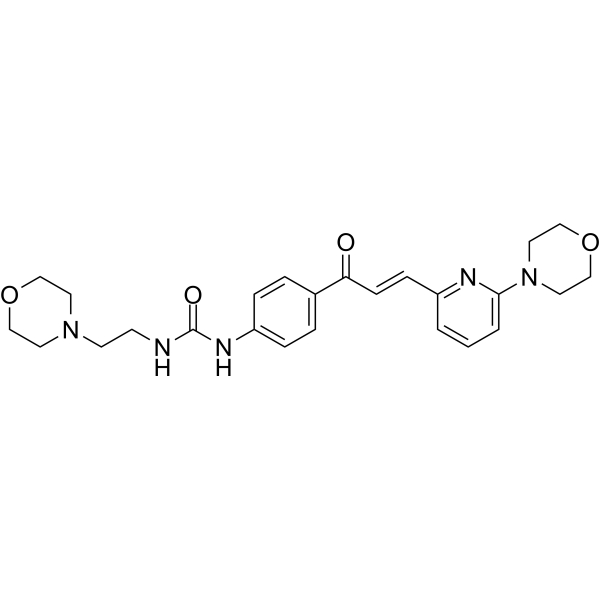
    TRC051384 is a potent inducer of heat shock protein 70 (HSP70). TRC051384 exhibits protective effects against neuronal trauma via inhibition of necroptosis. TRC051384 can be used for the research of ischemic stroke .
    TRC051384
  • HY-113410

    Na+/K+ ATPase Mitochondrial Metabolism Reactive Oxygen Species (ROS) Neurological Disease Metabolic Disease
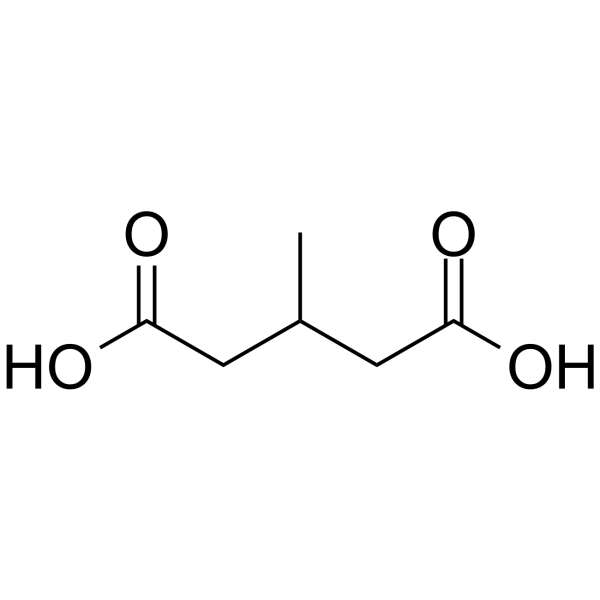
    3-Methylglutaric acid is a non-selective inhibitor of mitochondrial function and Na +, K +-ATPase, with an inhibition rate of 30% on rat cortical synaptosomal Na +, K +-ATPase. 3-Methylglutaric acid can induce reactive oxygen species (ROS) generation, thereby causing oxidative damage and inhibiting mitochondrial redox potential and ion pump function of cell membranes. 3-Methylglutaric acid can be used to study the neuropathological mechanisms of metabolic diseases and the role of oxidative stress-mediated neuronal damage in neurodegeneration .
    3-Methylglutaric acid
  • HY-B1752
    Quinpirole
    4 Publications Verification

    LY 171555; (-)-LY 141865

    Dopamine Receptor Calcium Channel Bcl-2 Family iGluR Apoptosis Neurological Disease
    Quinpirole (LY 171555; (-)-LY 141865) is a D2/D3 dopamine receptor agonist and a CaV1.3 calcium channel modulator. Quinpirole normalizes dendritic spine density in dopamine-depleted striatum, upregulates the protein expression of BCL2 and GluR2, downregulates the protein expression of BAX, and delays the onset of seizures. Quinpirole enhances learning and memory, inhibits neuronal apoptosis (apoptosis), and induces anxiety-like, stereotyped, and compulsive behaviors. Quinpirole disrupts prepulse inhibition in rhesus monkeys, enhances the activity of paraventricular thalamic neurons to promote recovery from Isoflurane anesthesia, and alters the composition of the gut microbiota in rats. Quinpirole can be used in research related to dyskinesia, pain, epilepsy, and neurological disorders including anxiety disorder, obsessive-compulsive disorder, and schizophrenia .
    Quinpirole
  • HY-N8161

    Kaempferol 3,7-diglucoside

    Glycosidase Cholinesterase (ChE) Neurological Disease
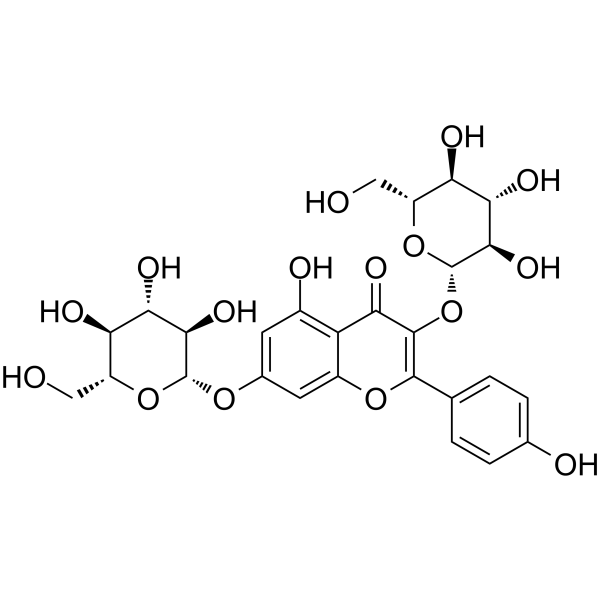
    Kaempferol-3,7-di-O-β-glucoside (Kaempferol 3,7-diglucoside), a flavonol, possesses enzyme inhibition property towards α-amylase, α-glucosidase and Acetylcholinesterase. Kaempferol-3,7-di-O-β-glucoside protects differentiating neuronal cells, SH-SY5Y from Amyloid β peptide-induced injury. Kaempferol-3,7-di-O-β-glucoside has the potential for Alzheimer's research .
    Kaempferol-3,7-di-O-β-glucoside
  • HY-148542

    SD-142

    Endogenous Metabolite Cardiovascular Disease Cancer
    EpoY (SD-142) acts as an irreversible inhibitor of the brain's primary tubulin tyrosine carboxypeptidase (TCP), a complex formed by vasohibin-1 (VASH1) and the small vasohibin binding protein (SVBP). By inhibiting TCP with an IC50 value of approximately 500 nM, EpoY effectively decreases levels of detyrosinated alpha-tubulin, which is crucial for microtubule dynamics and neuronal differentiation. This inhibition leads to significant differentiation defects and has been linked to underlying issues associated with cancer and cardiomyopathies.
    EpoY
  • HY-111527

    Calcium Channel Neurological Disease
    PPZ2 is a diacylglycerol (DAG)-activated TRPC3/TRPC6/TRPC7 channel activator with activity in promoting neuronal development and survival. PPZ2 activates recombinant TRPC3/TRPC6/TRPC7 channels in a dose-dependent manner without affecting other TRPC channels. PPZ2 elicits cation currents and calcium ion (Ca(2+)) influx in cultured central neurons. PPZ2 is able to induce BDNF-like neurite outgrowth and neuroprotection, an effect that disappears after TRPC3/TRPC6/TRPC7 knockdown or inhibition. PPZ2 also increases the activation of the calcium-dependent transcription factor cAMP response element binding protein. The effects of PPZ2 suggest that calcium signaling mediated by activation of DAG-activated TRPC channels plays an important role in its neurotrophic effects .
    PPZ2
  • HY-P5754B

    Apoptosis Neurological Disease
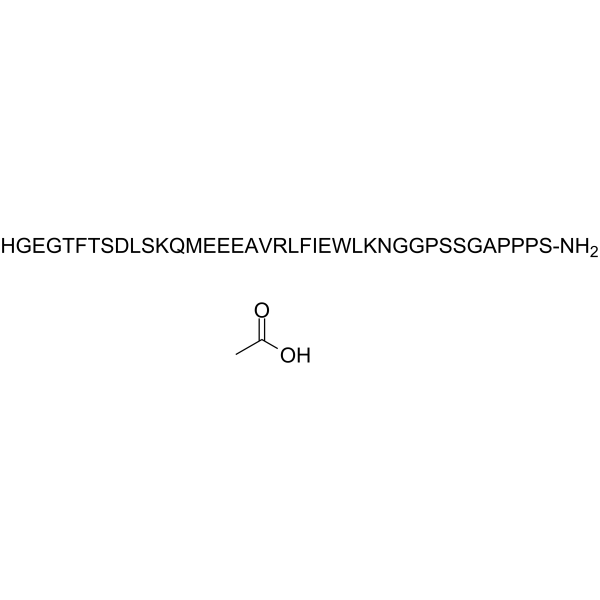
    TAT-NEP1-40 acetate is a therapeutic candidate for axonal regeneration and functional recovery after stroke. TAT-NEP1-40 acetate can protect PC12 cells against oxygen and glucose deprivation (OGD) and promote neurite outgrowth. TAT-NEP1-40 acetate protects the brain against ischemia/reperfusion injury through inhibition of neuronal apoptosis. TAT-NEP1-40 acetate can be efficiently delivered into the rat brains .
    TAT-NEP1-40 acetate
  • HY-124109

    HSP Cardiovascular Disease Neurological Disease
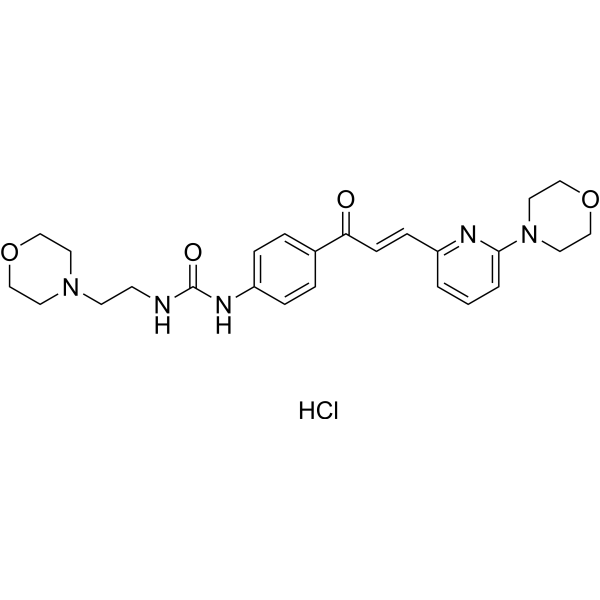
    TRC051384 hydrochloride is a potent inducer of heat shock protein 70 (HSP70). TRC051384 hydrochloride exhibits protective effects against neuronal trauma via inhibition of necroptosis. TRC051384 hydrochloride can be used for the research of ischemic stroke .
    TRC051384 hydrochloride
  • HY-125693

    Fungal Infection Neurological Disease
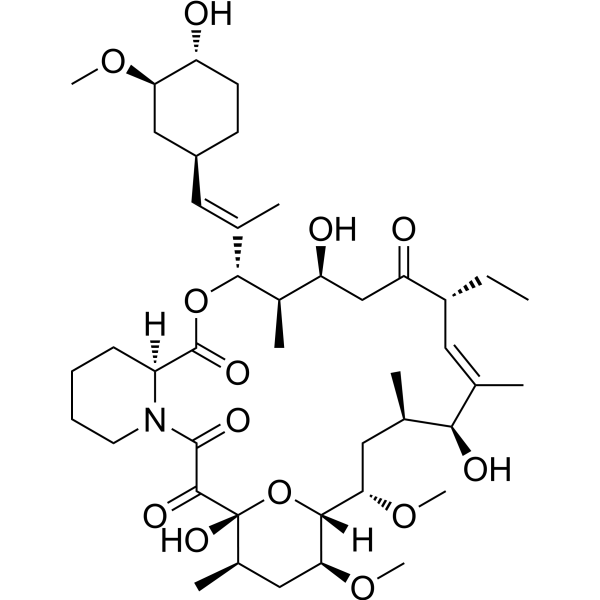
    L685818 is a specific immunophilin ligand. L685818 was neuroregenerative and non-neuroprotective in primary brain cultures. L685818 protects dopaminergic neurons from toxic inhibition of MPP+ and 6-OHDA, reduces tyrosine hydroxylase (TH) loss, and promotes neuronal process regeneration. L685818 is also an antifungal reagent for Cryptococcus neoformans .
    L685818
  • HY-139226

    2-Guanidine-4-methylquinazoline

    GABA Receptor Inflammation/Immunology
    GMQ is an acid-sensing ion channel modulator, competitive GABAAR antagonist. GMQ preferentially, potently, competitively inhibits GABAARs. GMQ inhibits α1β2, α1β2γ2, α4β2γ2 and α5β2γ2 GABAARs. GMQ enhances neuronal excitation through inhibition of GABAergic transmission. GMQ has anti-histamine effects in the enteric system, inhibiting gastric acid secretion .
    GMQ
  • HY-151129

    nAChR Neurological Disease
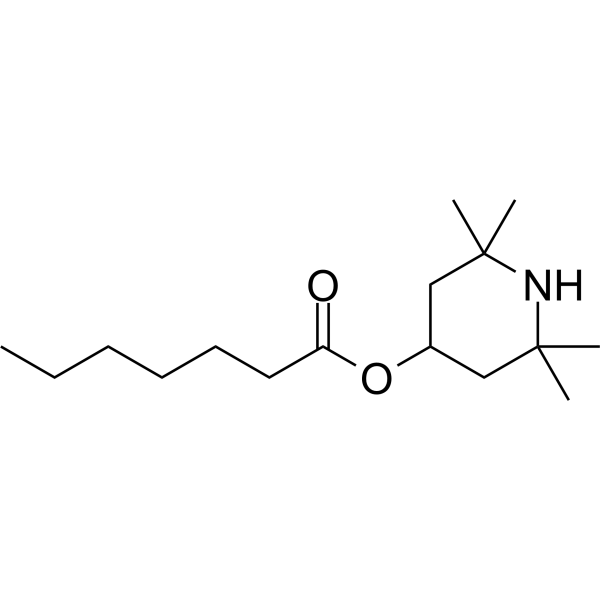
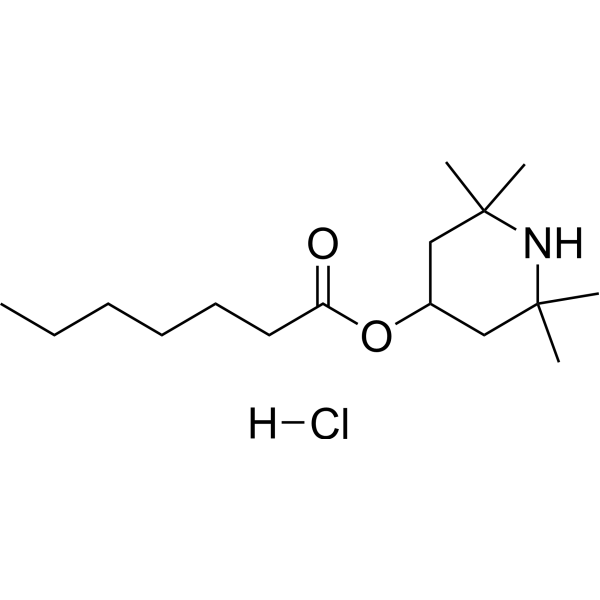
    nAChR-IN-1 (2,2,6,6-Tetramethylpiperidin-4-yl heptanoate) is a tetramethylpiperidine heptanoate, a selective nicotinic acetylcholine receptor (nAChR) inhibitor that inhibits nAChRs lacking α5, α6, or β3 subunits. nAChR-IN-1 has the effect of preventing nerve disorder, can be used for nicotinic acetylcholine receptor dysfunction or neurological disorders research .
    nAChR-IN-1
  • HY-100206

    AMPK Neurological Disease
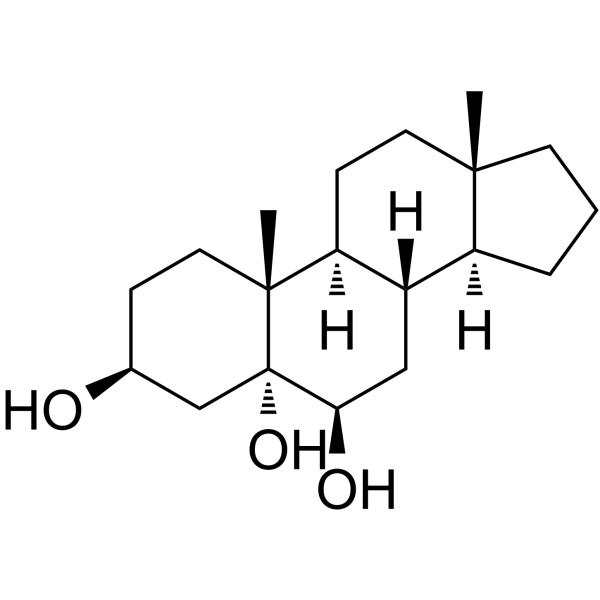
    5α-Androstane-3β,5,6β-triol is a neuroprotectant. 5α-Androstane-3β,5,6β-triol can remarkably reverse intracellular acidification and alleviate neuronal injury through the inhibition of AMPK signaling. 5α-Androstane-3β,5,6β-triol remarkably reduced the infarct volume and attenuated neurologic impairment in acute ischemic stroke models of middle cerebral artery occlusion in vivo .
    5α-Androstane-3β,5,6β-triol
  • HY-U00432B

    S-Methyl-L-thiocitrulline acetate

    NO Synthase Endogenous Metabolite Inflammation/Immunology
    S-MTC acetate (S-Methyl-L-thiocitrulline acetate) acts as a powerful inhibitor of inducible nitric oxide synthase, favoring the inhibition of constitutive (neuronal) nitric oxide synthase over inducible (endothelial) nitric oxide synthase.
    S-MTC acetate
  • HY-12390S

    Isotope-Labeled Compounds Neurological Disease
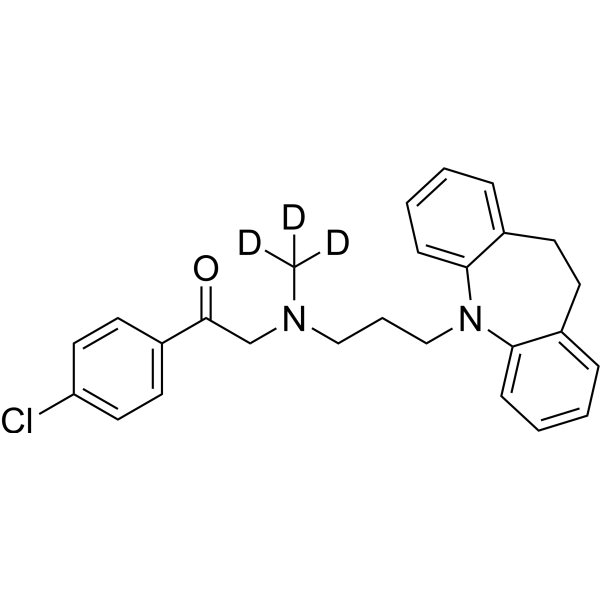
    Lofepramine-d3 (Lopramine-d3) is the deuterium labeled Lofepramine. Lofepramine (Lopramine) is a potent tricyclic antidepressant and is extensively metabolised to Desipramine. The antidepressant activity of Lofepramine stems from the facilitation of noradrenergic neurotransmission by uptake inhibition. Lofepramine may also potentiate serotoninergic neurotransmission by inhibition of the neuronal uptake of serotonin and the enzyme tryptophan pyrrolase. Lofepramine has significant anxiolytic efficacy in addition to its antidepressant properties .
    Lofepramine-d3
  • HY-117786

    PKC Neurological Disease
    Go 7874 is a protein kinase C (PKC) inhibitor. Go 7874 mediated neuroprotection against LPS/IFNg-induced neuronal cell death in an immune-mediated neurotoxicity model, not through PKC activity. In contrast, the neuroprotective mechanism of Go 7874 involves inhibition of inducible nitric oxide synthase (iNOS) gene expression, followed by reduced nitric oxide (NO) production .
    Go 7874
  • HY-107669

    nAChR Neurological Disease
    nAChR-IN-1 (hydrochloride) is a tetramethylpiperidine heptanoate, a selective nicotinic acetylcholine receptor (nAChR) inhibitor that inhibits nAChRs lacking α5, α6, or β3 subunits. nAChR-IN-1 has the effect of preventing nerve disorder, can be used for nicotinic acetylcholine receptor dysfunction or neurological disorders research .
    nAChR-IN-1 hydrochloride
  • HY-113410S

    Isotope-Labeled Compounds Na+/K+ ATPase Mitochondrial Metabolism Reactive Oxygen Species (ROS) Neurological Disease Metabolic Disease
    3-Methylglutaric acid-d4 is the deuterium labeled 3-Methylglutaric acid (HY-113410). 3-Methylglutaric acid is a non-selective inhibitor of mitochondrial function and Na +, K +-ATPase, with an inhibition rate of 30% on rat cortical synaptosomal Na +, K +-ATPase. 3-Methylglutaric acid can induce reactive oxygen species (ROS) generation, thereby causing oxidative damage and inhibiting mitochondrial redox potential and ion pump function of cell membranes. 3-Methylglutaric acid can be used to study the neuropathological mechanisms of metabolic diseases and the role of oxidative stress-mediated neuronal damage in neurodegeneration .
    3-Methylglutaric acid-d4
  • HY-113410R

    Reference Standards Na+/K+ ATPase Mitochondrial Metabolism Reactive Oxygen Species (ROS) Neurological Disease Metabolic Disease
    3-Methylglutaric acid (Standard) is the analytical standard of 3-Methylglutaric acid (HY-113410). This product is intended for research and analytical applications. 3-Methylglutaric acid is a non-selective inhibitor of mitochondrial function and Na +, K +-ATPase, with an inhibition rate of 30% on rat cortical synaptosomal Na +, K +-ATPase. 3-Methylglutaric acid can induce reactive oxygen species (ROS) generation, thereby causing oxidative damage and inhibiting mitochondrial redox potential and ion pump function of cell membranes. 3-Methylglutaric acid can be used to study the neuropathological mechanisms of metabolic diseases and the role of oxidative stress-mediated neuronal damage in neurodegeneration .
    3-Methylglutaric acid (Standard)
  • HY-101712R

    Reference Standards HSP Neurological Disease
    TRC051384 (Standard) is the analytical standard of TRC051384 (HY-101712). This product is intended for research and analytical applications. TRC051384 is a potent inducer of heat shock protein 70 (HSP70). TRC051384 exhibits protective effects against neuronal trauma via inhibition of necroptosis. TRC051384 can be used for the research of ischemic stroke .
    TRC051384 (Standard)
  • HY-181351

    Glycine Receptor (GlyR) 5-HT Receptor Neurological Disease
    PSN09 is a blood-brain barrier-permeable agonist of PSAM 4-GlyR and PSAM 4-5-HT3 receptors with high affinity. 18F-labeled PSN09 serves as a radiotracer for PET imaging in non-human primates .
    PSN09
  • HY-181575

    Tryptophan Hydroxylase Neurological Disease
    TPH2 agonist-1 (compound 20e) is an orally active, blood-brain barrier permeable, 1,3,4-oxadiazol-2 (3H)-one-derived TPH2 agonist. TPH2 agonist-1 upregulates TPH2 expression, elevates 5-HT and GABA levels, and exhibits antiepileptic activity in SCN1A-deficient models. TPH2 agonist-1 stabilizes the electrophysiological activity of neuronal networks and inhibits abnormal spike and burst activities. TPH2 agonist-1 shows no significant hERG inhibition or cytotoxicity, and it can be used in studies related to severe myoclonic epilepsy of infancy (Dravet syndrome) .
    TPH2 agonist-1
  • HY-W283930

    Tau Protein ATP Synthase Mitophagy Reactive Oxygen Species (ROS) Mitochondrial Metabolism Neurological Disease Inflammation/Immunology
    YHV98-4 is a selective, blood-brain barrier permeable Hv1 channel inhibitor. YHV98-4 specifically inhibits Hv1 with a half-maximal inhibitory concentration of 1 µM without inhibiting other ion channels. YHV98-4 reduces the propagation of p-tau. YHV98-4 increases ATP production, and enhances microglial mitophagy. YHV98-4 attenuates inflammatory pain via inhibition of Hv1 and ROS production. YHV98-4 enhances microglia-to-neuron mitochondrial transfer, promoting the delivery of functional mitochondria to rescue neuronal damage and improve cognitive function. YHV98-4 reduces inflammation. YHV98-4 can be used in the research of Alzheimer's disease .
    YHV98-4

Inquiry Online

Your information is safe with us. * Required Fields.

Salutation


Country or Region *

Applicant Name *


Organization Name *

Department *


Email Address *


Product Name *

Cat. No.


Requested quantity *

Phone Number *


Remarks

Inquiry Online

Inquiry Information

Product Name:
Cat. No.:
Quantity:
MCE Japan Authorized Agent:

