
1. Search Result
Search Result
Results for "

organ toxicity

" in MedChemExpress (MCE) Product Catalog:

27

Inhibitors & Agonists

1

Screening Libraries

1

Fluorescent Dyes

1

Peptides

3

Natural
Products

5

Isotope-Labeled Compounds

1

Click Chemistry

3

Oligonucleotides

Cat. No. Product Name Target Research Areas Chemical Structure
  • HY-D1063
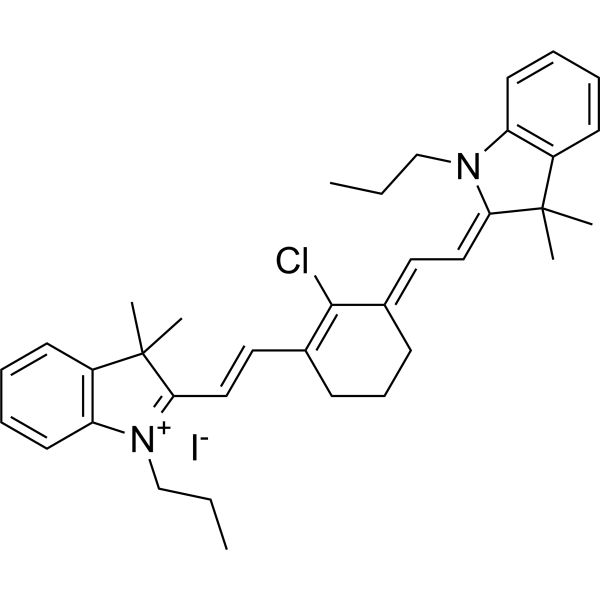
    IR-780
    5+ Cited Publications

    Fluorescent Dye Apoptosis Reactive Oxygen Species (ROS) Cancer
    IR-780 is a near-infrared fluorescent probe for in vivo imaging of tumor cells. IR-780 is transported into tumor cells via OATPs and ABCB10, with uptake dependent on glycolytic activity and plasma membrane potential. IR-780 preferentially accumulates in tumor cell mitochondria, including those of drug-resistant cancer cells, without chemical conjugation. IR-780 generates reactive oxygen species (ROS), induces hyperthermia and apoptosis, inhibits tumor growth and recurrence, and modulates HSP70 expression upon ultrasound or 808 nm laser exposure. IR-780 acts as a sonosensitizer, photodynamic and photothermal agent, and drug delivery carrier, with low acute imaging-dose toxicity and rapid vital organ clearance. IR-780 can be used for the research of cancer, such as breast cancer, lung cancer, and non-small cell lung cancer (NSCLC) .
    IR-780
  • HY-B1066
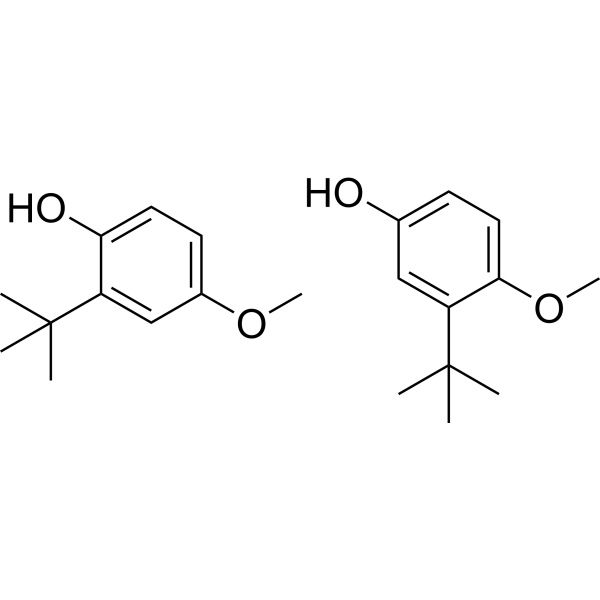
    Butylhydroxyanisole
    5 Publications Verification

    Butylated hydroxyanisole; E320

    Environmental Pollutants Reactive Oxygen Species (ROS) Ferroptosis Neurological Disease Inflammation/Immunology
    Butylhydroxyanisole (Butylated hydroxyanisole) is an antioxidant used as a food additive preservative. Butylhydroxyanisole mediates liver toxicity, retardation in reproductive organ development and learning, and sleep deficit. Butylhydroxyanisole exerts neurotoxic effects and leads to disruption of the brain and nerve development . Butylhydroxyanisole is a ferroptosis inducer .
    Butylhydroxyanisole
  • HY-108610A
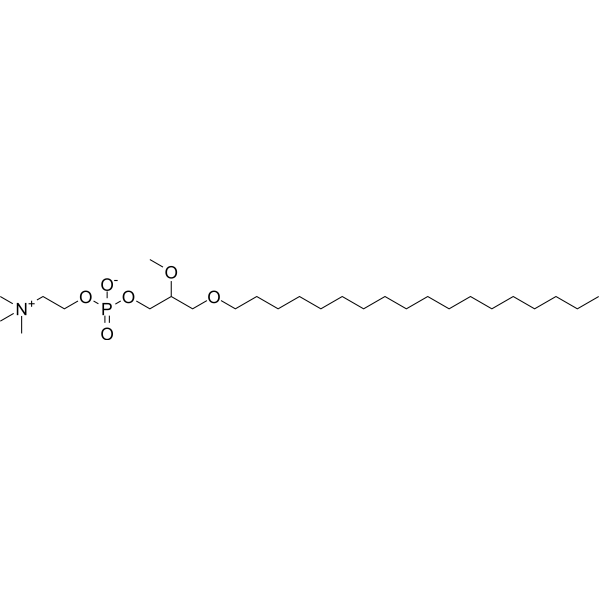
    Edelfosine
    1 Publications Verification

    ET-18-OCH3

    Apoptosis Parasite Bcl-2 Family Cytochrome P450 Infection Inflammation/Immunology Cancer
    Edelfosine (ET-18-OCH3) is an orally active lipid raft modulator and apoptosis inducer that alters membrane fluidity and preferentially inserts into tumor cell membranes. Edelfosine recruits death receptor ligands (FasL/CD95L, TRAIL) and Bid to lipid rafts to form death-inducing signaling complexes, thereby initiating mitochondria-dependent apoptosis and inducing cytochrome c release. Edelfosine also exerts anti-inflammatory effects, promotes L-Selectin shedding, and causes no gastrointestinal or organ toxicity. In addition, Edelfosine inhibits nucleic acid and protein synthesis in Leishmania donovani and exhibits antiproliferative activity. Edelfosine can be used in research on multiple myeloma, inflammatory bowel diseases (such as ulcerative colitis and Crohn's disease), and visceral leishmaniasis .
    Edelfosine
  • HY-W014839

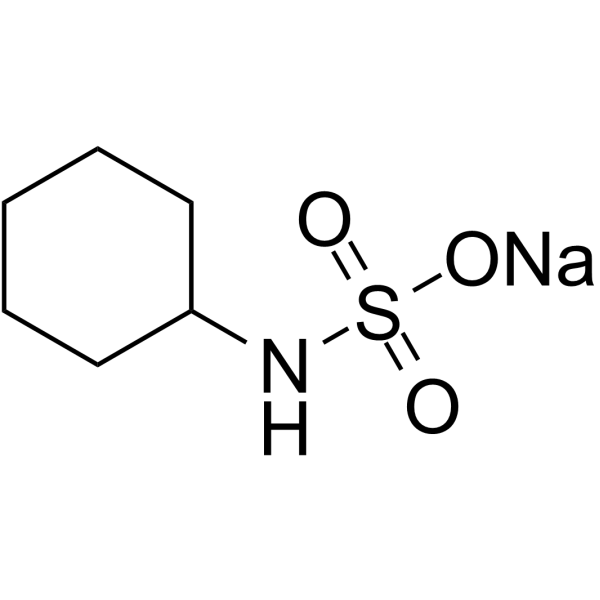
    Sodium cyclamate; Cyclohexylsulfamic acid sodium

    Environmental Pollutants Necroptosis Apoptosis Metabolic Disease Cancer
    Cyclamic acid sodium (Sodium cyclamate) is a commonly used sweetener. Cyclamic acid sodium is toxic to osteoblasts and can inhibit cell proliferation, induce apoptosis and reduce cell mineralization. Cyclamic acid sodium causes focal necrosis of bladder organs in rats in vitro, which can promote bladder cancer, but some studies have shown that low doses of Cyclamic acid sodium have no carcinogenic effect. In addition, Cyclamic acid sodium has no effect on insulin and glucagon secretion induced by arginine .
    Cyclamic acid sodium
  • HY-N2896

    Reactive Oxygen Species (ROS) Apoptosis Fungal Bacterial NF-κB SOD AMPK mTOR Notch Toll-like Receptor (TLR) Wnt MyD88 Sirtuin Infection Neurological Disease Inflammation/Immunology Cancer
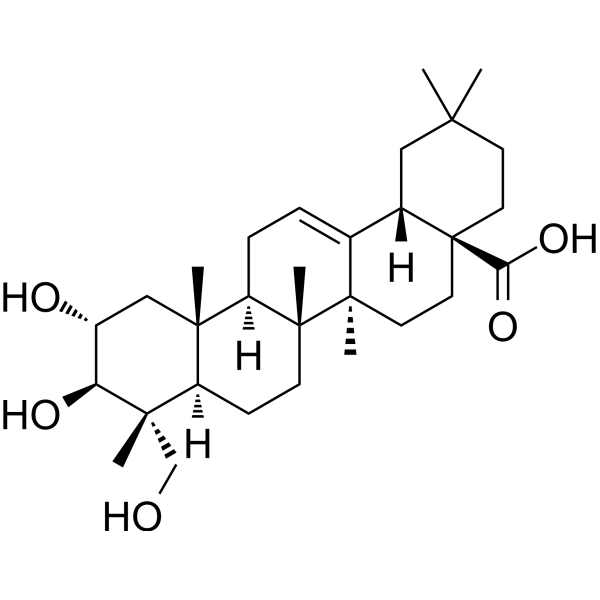
    Arjunolic acid is an orally active, multifunctional bioactive compound. Arjunolic acid exhibits free radical scavenging activity, as well as fungal and bacterial activities. Arjunolic acid induces apoptosis (Apoptosis) in various cancer cells. Arjunolic acid protects hepatocytes against induced oxidative stress and apoptosis by reducing reactive oxygen species and inhibiting NF-κB activation. Arjunolic acid regulates pancreatic dysfunction in type 2 diabetic rats by blocking the activation of the TLR-4/MyD88 and canonical Wnt pathways. Arjunolic acid inhibits neuroinflammation and ameliorates depressive behaviors via the SIRT1/AMPK/Notch1 signaling pathway in microglia. Arjunolic acid improves Crohn's disease-like colitis by restoring gut microbiota composition and inhibiting TLR4 signaling. Arjunolic acid suppresses osteosarcoma progression by inhibiting Wnt3a-mediated M2 polarization of macrophages. Arjunolic acid ameliorates diabetic retinopathy via the autophagy pathway regulated by AMPK/mTOR/HO-1. Arjunolic acid is applicable to research related to type 2 diabetes, organ toxicity, depression, Crohn's disease, osteosarcoma, diabetic retinopathy, and testicular dysfunction .
    Arjunolic acid
  • HY-P3003

    Potassium Channel Apoptosis Autophagy Reactive Oxygen Species (ROS) Mitochondrial Metabolism Infection Neurological Disease Metabolic Disease Inflammation/Immunology
    Cereulide is an orally active, blood-brain barrier-permeable emetic toxin. Cereulide acts as a potassium ionophore that inserts into membranes, forms complexes with K +, and transports K + from the cytoplasm into the mitochondrial matrix. Cereulide disrupts the electrochemical gradient of the inner mitochondrial membrane, leading to mitochondrial swelling and dysfunction, uncoupling of oxidative phosphorylation, inhibition of ATP synthesis, ROS accumulation, and ultimately triggering apoptosis and autophagy. Cereulide exhibits multi-organ toxicity and can be used for research on emetic food poisoning .
    Cereulide
  • HY-B0541

    Cyclohexylsulfamic acid; Cyclamate

    Environmental Pollutants Apoptosis Necroptosis Metabolic Disease Cancer
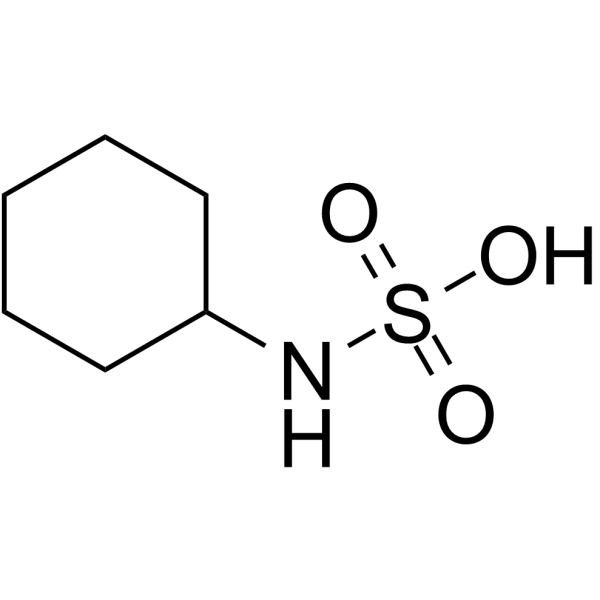
    Cyclamic acid (Cyclamate) is a commonly used sweetener. Cyclamic acid sodium is toxic to osteoblasts and can inhibit cell proliferation, induce apoptosis and reduce cell mineralization. Cyclamic acid sodium causes focal necrosis of bladder organs in rats in vitro, which can promote bladder cancer, but some studies have shown that low doses of Cyclamic acid sodium have no carcinogenic effect. In addition, Cyclamic acid sodium has no effect on insulin and glucagon secretion induced by arginine .
    Cyclamic acid
  • HY-W075770

    Nickel monoxide

    Environmental Pollutants Apoptosis Reactive Oxygen Species (ROS) Caspase TGF-beta/Smad p38 MAPK Akt PI3K Infection Metabolic Disease Cancer
    Nickel(II) oxide (nickel monoxide) is a chemical warfare agent that can enter the body through the respiratory tract and other routes, distributing to organs such as the lungs and testes. The nanoparticle form of nickel(II) oxide (NiO NPs) exhibits antibacterial, anti-leishmanial, anti-diabetic, and anti-cancer activities. NiO NPs can be activated by ultraviolet and visible light, generating reactive oxygen species (ROS). Nickel(II) oxide induces oxidative stress by generating reactive oxygen species, activating the TGF-β1-mediated MAPK and PI3K/AKT pathways, disrupting the MMPs/TIMPs balance, and upregulating the expression of inflammatory factors (IL-1β, IL-6) and apoptosis-related molecules (Bax, caspase-3, p53), while inhibiting the activity of the anti-apoptotic molecule Bcl-2. Nickel(II) oxide induces cytotoxicity, promotes fibrosis, triggers inflammatory responses, and causes apoptosis. Nickel(II) oxide can be applied in research on the safety assessment of nanomaterials, such as in the context of pulmonary fibrosis and reproductive system toxicity .
    Nickel(II) oxide
  • HY-147240

    ADX-629

    Drug Derivative Infection Cardiovascular Disease Inflammation/Immunology
    Acloproxalap is a quinoline-based aldehyde scavenger that can be used in studies of diseases with toxic aldehyde accumulation, such as inflammatory diseases of the eye and skin, respiratory diseases such as pneumonia, organ diseases, and viral infection-related syndromes .
    Acloproxalap
  • HY-111054A

    MDCG sodium

    Endogenous Metabolite Others
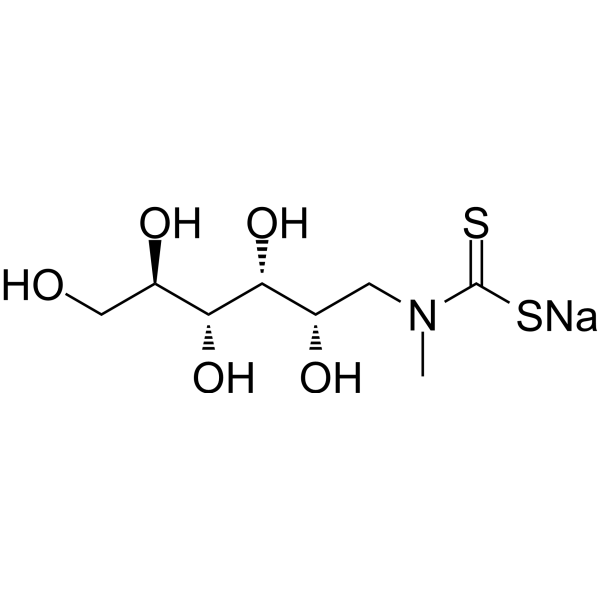
    N-methyl-N-dithiocarboxyglucamine (MDCG) sodium mobilizes and promotes excretion of metallothionein-bound 109Cd in mouse model. N-methyl-N-dithiocarboxyglucamine significantly lowers the Cd content of both the liver and kidney, which is organs most susceptible to Cd-induced toxicity .
    N-methyl-N-dithiocarboxyglucamine sodium
  • HY-149091

    Histone Demethylase Cancer
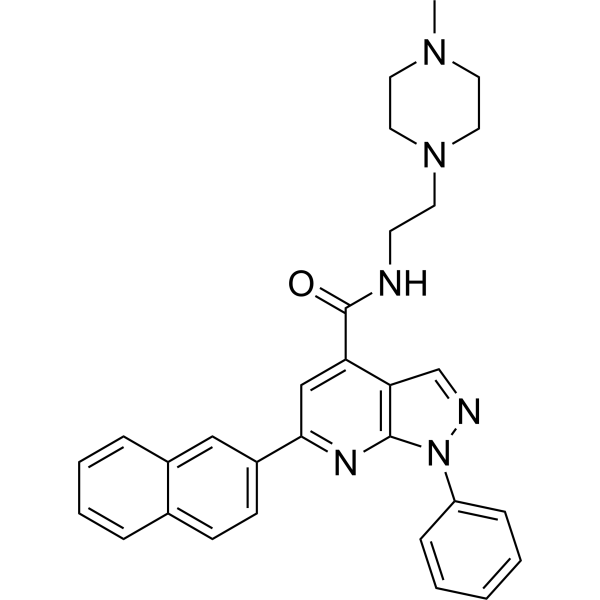
    KDM5B-IN-4 (compound 11ad) is a lysine demethylase 5B (KDM5B) inhibitor with an IC50 of 0.025 μM KDM5B-IN-4 increases substrate H3K4me1/2/3 level by inhibiting KDM5B in PC-3 cells. KDM5B-IN-4 downregulates PI3K/AKT. KDM5B-IN-4 reduces tumor volume in mice and shows less toxic to organs .
    KDM5B-IN-4
  • HY-P3003S

    Isotope-Labeled Compounds Apoptosis Potassium Channel Mitochondrial Metabolism Autophagy Reactive Oxygen Species (ROS) Infection Neurological Disease Metabolic Disease Inflammation/Immunology
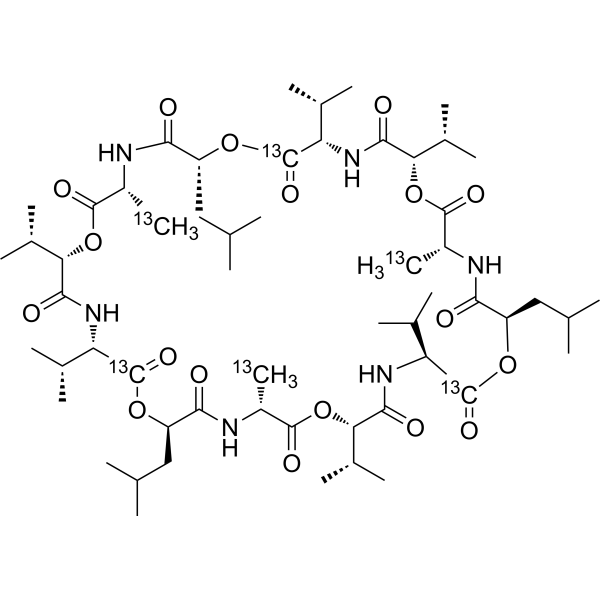
    Cereulide- 13C6 is a deuterated form of Cereulide. Cereulide is an orally active, blood-brain barrier-permeable emetic toxin. Cereulide acts as a potassium ionophore that inserts into membranes, forms complexes with K +, and transports K + from the cytoplasm into the mitochondrial matrix. Cereulide disrupts the electrochemical gradient of the inner mitochondrial membrane, leading to mitochondrial swelling and dysfunction, uncoupling of oxidative phosphorylation, inhibition of ATP synthesis, ROS accumulation, and ultimately triggering apoptosis and autophagy. Cereulide exhibits multi-organ toxicity and can be used for research on emetic food poisoning.
    Cereulide-13C6
  • HY-B1066R

    Butylated hydroxyanisole (Standard); E320 (Standard)

    Reference Standards Reactive Oxygen Species (ROS) Ferroptosis Neurological Disease Inflammation/Immunology
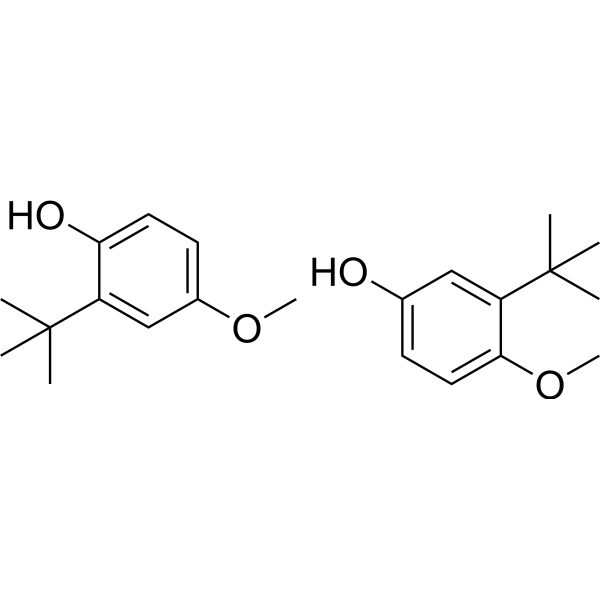
    Butylhydroxyanisole (Standard) is the analytical standard of Butylhydroxyanisole. This product is intended for research and analytical applications. Butylhydroxyanisole (Butylated hydroxyanisole) is an antioxidant used as a food additive preservative. Butylhydroxyanisole mediates liver toxicity, retardation in reproductive organ development and learning, and sleep deficit. Butylhydroxyanisole exerts neurotoxic effects and leads to disruption of the brain and nerve development . Butylhydroxyanisole is a ferroptosis inducer .
    Butylhydroxyanisole (Standard)
  • HY-178961

    PROTACs Estrogen Receptor/ERR Apoptosis Cancer
    PROTAC ERα Degrader-13 is an orally active PROTAC molecule that efficiently and selectively degrades ERα (DC50 = 3.78 nM). PROTAC ERα Degrader-13 has the characteristics of strong anti proliferation (IC50 = 0.6 nM), induction of apoptosis, and overcoming drug resistance in MCF-7 cells. PROTAC ERα Degrader-13 has good safety and no significant organ toxicity. PROTAC ERα Degrader-13 can be used for cancer research .
    PROTAC ERα Degrader-13
  • HY-118917

    IMPDH Inflammation/Immunology
    VX-148 is an orally active immunosuppressant, which is a non-competitive inosine-5'-monophosphate dehydrogenase (IMPDH) inhibitor with Ki values for IMPDH Ⅱ and IMPDH Ⅰ of 6 and 14 nM respectively. VX-148 can significantly inhibit the proliferation of human peripheral blood mononuclear cells (PBMC) stimulated by T-cell mitogen (PHA) or B-cell mitogen (SPAS). VX-148 has high selectivity for lymphocytes (such as L1210, Jurkat T cells, and Raji B cells), but has no significant toxicity to non-lymphoid cells. VX-148 can inhibit antibody responses in mouse models and significantly prolong the survival time of transplanted skin in allogeneic skin transplantation models. VX-148 can be used in the research of autoimmune diseases (such as rheumatoid arthritis, psoriasis) and organ transplantation anti-rejection .
    VX-148
  • HY-101447

    EPH 116

    Src Apoptosis Cancer
    SI-2 (EPH 116) is an inhibitor for steroid receptor coactivator-3 (SRC-3), which reduces the transcriptional activity and protein concentration of SRC-3 in cells, exhibits cytotoxicity in cancer cell, inhibits migration of MDA-MB-468, induces apoptosis of MDA-MB-468. SI-2 inhibits the tumor growth in mouse models, without significant toxicity for heart and other major organs (20 mg/kg) .
    SI-2
  • HY-177720

    Molecular Glues CaMK Apoptosis Cancer
    eEF2K degrader-2 (Compound C1) is a molecular glucose degrading agent that targets the eEF2K protein. eEF2K degrader-2 can significantly inhibit the proliferation, migration, invasion and induce apoptosis of triple negative breast cancer (TNBC) cells. eEF2K degrader-2 has no obvious organ toxicity or pathological damage. eEF2K degrader-2 can be used in the research of cancer such as breast cancer .
    eEF2K degrader-2
  • HY-136380S

    Isotope-Labeled Compounds Herbicide Others
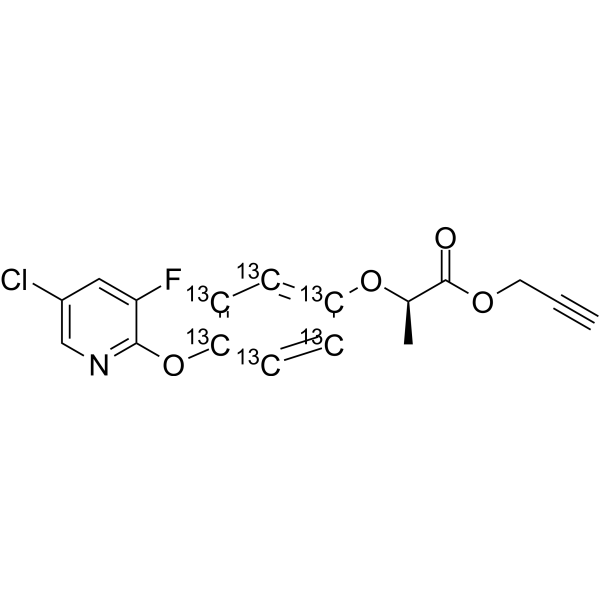
    Clodinafop-propargyl- 13C6 is the 13C-labeled Clodinafop-propargyl (HY-136380). Clodinafop-propargyl, an aryloxyphenoxy-propionate herbicide, is used for postemergence control of annual grasses in cereals. Clodinafop-propargyl has organ toxicity and developmental toxicity .
    Clodinafop-propargyl-13C6
  • HY-157847

    STAT Cancer
    Phospho-STAT3-IN-2 (compound 4D) is a STAT3 inhibitor that effectively inhibits STAT3 phosphorylation. phospho-STAT3-IN-2 can significantly reduce tumor volume in mouse xenograft tumor models without drug toxicity to other organs and tissues .
    phospho-STAT3-IN-2
  • HY-162572

    Parasite Infection
    Bitipazone, diacetylbis(piperidinethyl)thiourea cysteine ester (I), has potent anticoccidial activity. Bitipazone showed significant efficacy and good tolerability in rabbits and turkeys, and in chronic toxicity tests, bitipazone was tolerated in turkeys at concentrations below 90 ppm in feed. Pharmacokinetic studies show that bitipazone is eliminated slowly from the blood and organs of these animal species .
    Bitipazone
  • HY-W014839S

    Sodium cyclamate-d11; Cyclohexylsulfamic acid-d11 sodium

    Isotope-Labeled Compounds Necroptosis Apoptosis Metabolic Disease Cancer
    Cyclamic acid-d11 (Sodium cyclamate-d11) sodiumis deuterium labeled Cyclamic acid (sodium). Cyclamic acid sodium (Sodium cyclamate) is a commonly used sweetener. Cyclamic acid sodium is toxic to osteoblasts and can inhibit cell proliferation, induce apoptosis and reduce cell mineralization. Cyclamic acid sodium causes focal necrosis of bladder organs in rats in vitro, which can promote bladder cancer, but some studies have shown that low doses of Cyclamic acid sodium have no carcinogenic effect. In addition, Cyclamic acid sodium has no effect on insulin and glucagon secretion induced by arginine .
    Cyclamic acid-d11 sodium
  • HY-W014839S1

    Sodium cyclamate-d4; Cyclohexylsulfamic acid-d4 sodium

    Isotope-Labeled Compounds Apoptosis Necroptosis Metabolic Disease Cancer
    Cyclamic acid-d4 (Sodium cyclamate-d4) sodium is the deuterium labeled Cyclamic acid sodium (HY-W014839). Cyclamic acid sodium (Sodium cyclamate) is a commonly used sweetener. Cyclamic acid sodium is toxic to osteoblasts and can inhibit cell proliferation, induce apoptosis and reduce cell mineralization. Cyclamic acid sodium causes focal necrosis of bladder organs in rats in vitro, which can promote bladder cancer, but some studies have shown that low doses of Cyclamic acid sodium have no carcinogenic effect. In addition, Cyclamic acid sodium has no effect on insulin and glucagon secretion induced by arginine .
    Cyclamic acid-d4 sodium
  • HY-W982689

    Biochemical Assay Reagents Metabolic Disease
    Fluindarol is a phenylindandione derivative and an orally active anticoagulant. Fluindarol acts as a toxicant that induces organ and tissue haemorrhages and liver parenchymal necrosis in rats. Fluindarol exhibits acute and cumulative preclinical toxicity in rats, rabbits, and dogs, with higher toxicity in female rats than male rats. Fluindarol lacks analgesic action, produces only minor blood pressure effects, and does not alter circulation, respiration, CNS, or cardiac activity. Fluindarol is considered too toxic for clinical use based on preclinical data .
    Fluindarol
  • HY-136380R

    Herbicide Reference Standards Others
    Clodinafop-propargyl (Standard) is the analytical standard of Clodinafop-propargyl (HY-136380). This product is intended for research and analytical applications. Clodinafop-propargyl, an aryloxyphenoxy-propionate herbicide, is used for postemergence control of annual grasses in cereals. Clodinafop-propargyl has organ toxicity and developmental toxicity .
    Clodinafop-propargyl (Standard)
  • HY-W102684

    Biochemical Assay Reagents Others
    N,N-Dicyclohexyl-2-benzothiazolesulfenamide is a compound with reproductive and developmental toxicity that can affect body weight gain, reproductive organ weight, and multiple reproductive and developmental indicators in rats.
    N,N-Dicyclohexyl-2-benzothiazolesulfenamide
  • HY-178425S

    Butylated hydroxyanisole-d24; E320-d24

    Isotope-Labeled Compounds Ferroptosis Reactive Oxygen Species (ROS) Neurological Disease Inflammation/Immunology
    Butylhydroxyanisole-d24 (Butylated hydroxyanisole-d24) is the deuterium labeled Butylhydroxyanisole (HY-B1066). Butylhydroxyanisole (Butylated hydroxyanisole) is an antioxidant used as a food additive preservative. Butylhydroxyanisole mediates liver toxicity, retardation in reproductive organ development and learning, and sleep deficit. Butylhydroxyanisole exerts neurotoxic effects and leads to disruption of the brain and nerve development . Butylhydroxyanisole is a ferroptosis inducer .
    Butylhydroxyanisole-d24
  • HY-W783351

    Coppersensor 790 acetoxymethyl ester

    Fluorescent Dye Metabolic Disease
    CS790AM (Coppersensor 790 acetoxymethyl ester) is a cell-permeable, Cu +-targeted near-infrared fluorescent probe (λabs=760 nm, λem=790 nm) applicable to live cells. CS790AM can cross lipophilic cell membranes, and is converted into negatively charged CS790 under the action of intracellular esterases to be retained, thus enabling highly sensitive, reversible "turn-on" detection of labile Cu + pools in live cells and mice. CS790AM possesses excellent biocompatibility and selectivity, avoids interference from other metal ions, shows no obvious toxicity, and can be rapidly cleared. CS790AM allows long-term longitudinal monitoring of individual mice, visualizes copper levels in internal organs and isolated livers, and effectively evaluates abnormal copper accumulation in Wilson's disease models (Atp7b -/-) as well as dynamic changes after chelator treatment. CS790AM can be used for research on Wilson's disease and related copper metabolic disorders .
    CS790AM

Inquiry Online

Your information is safe with us. * Required Fields.

Salutation


Country or Region *

Applicant Name *


Organization Name *

Department *


Email Address *


Product Name *

Cat. No.


Requested quantity *

Phone Number *


Remarks

Inquiry Online

Inquiry Information

Product Name:
Cat. No.:
Quantity:
MCE Japan Authorized Agent:

