
1. Search Result
Search Result
Results for "

pathological conditions

" in MedChemExpress (MCE) Product Catalog:

25

Inhibitors & Agonists

3

Screening Libraries

2

Biochemical Assay Reagents

3

Peptides

5

Natural
Products

3

Isotope-Labeled Compounds

1

Oligonucleotides

Cat. No. Product Name Target Research Areas Chemical Structure
  • HY-N9457
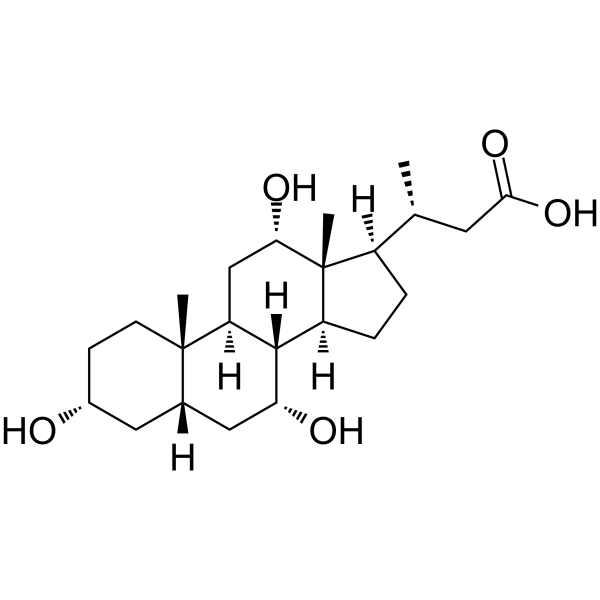
    Norcholic acid
    1 Publications Verification

    Others Metabolic Disease Endocrinology
    Norcholic acid is a normal minorbile C23 bile acid having four side chain and exsits in human urine and meconium. Norcholic acid can become prominent under certain pathological conditions. Norcholic acid is efficiently absorbed from intestine and quickly excreted into the bile but not into urine .
    Norcholic acid
  • HY-147423
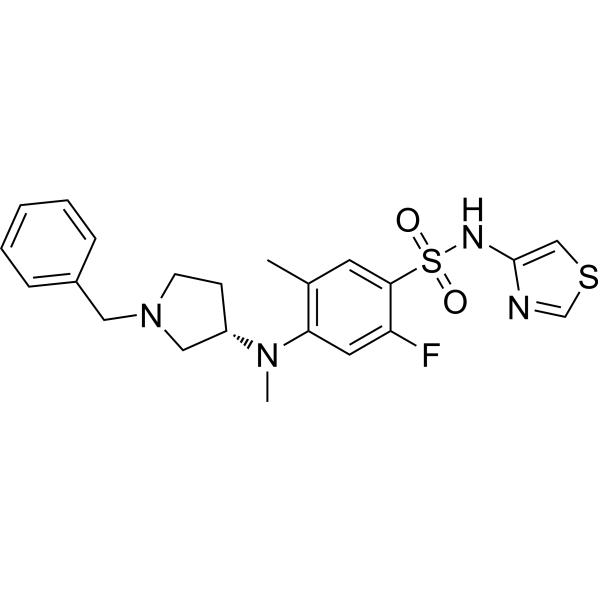
    Zandatrigine
    1 Publications Verification

    NBI-921352; XEN901

    Sodium Channel Neurological Disease
    Zandatrigine (NBI-921352; XEN901) is a selective, orally active, voltage-gated sodium channel NaV1.6/SCN8A inhibitor that can penetrate the blood-brain barrier. Zandatrigine inhibits sodium influx by non-covalently binding to the VSD4 structure of NaV1.6, blocking the persistent and resuscitative currents under pathological conditions. Zandatrigine can reduce neuronal hyperexcitability and reduce epileptic seizures. Zandatrigine is 134-756-fold selective for other isoforms such as NaV1.1 and NaV1.2, and has minimal effect on NaV1.1 expressed by inhibitory interneurons. Zandatrigine can be used to study NaV1.6-mediated neuroexcitability diseases such as SCN8A-related developmental epileptic encephalopathy (SCN8A-DEE) and adult focal epilepsy .
    Zandatrigine
  • HY-P1656
    (D-Pro7)-Angiotensin I/II (1-7)
    1 Publications Verification

    Angiotensin Receptor Mas-related G-protein-coupled Receptor (MRGPR) Cardiovascular Disease
    (D-Pro7)-Angiotensin I/II (1-7) is a potent Mas receptor inhibitor with a Ki of 0.001 μM for rat receptors. (D-Pro7)-Angiotensin I/II (1-7) competitively blocks the binding of Angiotensin-(1-7) to the Mas receptor and attenuates the vasodilatory effect of rat aortas under physiological and hypertensive conditions. (D-Pro7)-Angiotensin I/II (1-7) can be used for studies on the function of the renin-angiotensin system and the pathological mechanisms of hypertension .
    (D-Pro7)-Angiotensin I/II (1-7)
  • HY-113248

    Endogenous Metabolite Adrenergic Receptor Reactive Oxygen Species (ROS) Cardiovascular Disease Inflammation/Immunology
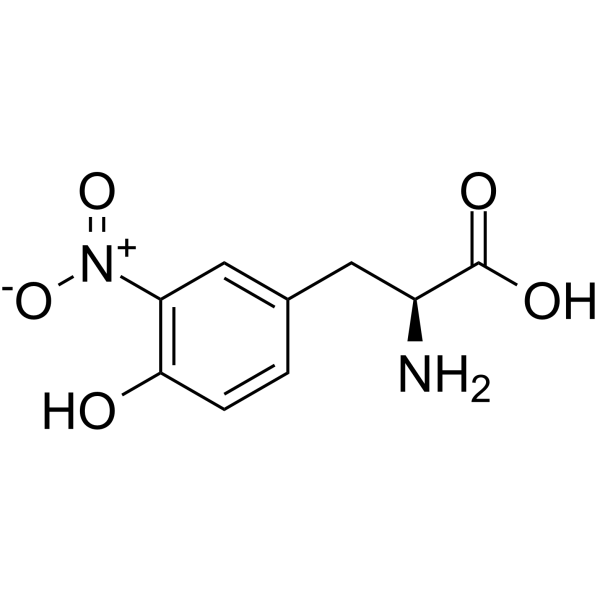
    3-Nitro-L-tyrosine serves as a biomarker of oxidative stress. 3-Nitro-L-tyrosine attenuates the pressor and vasoconstrictive effects of angiotensin II by inhibiting the α1-adrenergic receptor-mediated signaling pathway, and participates in hemodynamic regulation under pathological conditions such as inflammation and ischemia. 3-Nitro-L-tyrosine can be used in studies related to atherosclerosis, ischemia-reperfusion and sepsis .
    3-Nitro-L-tyrosine
  • HY-W010388AS

    Isotope-Labeled Compounds Endogenous Metabolite Metabolic Disease
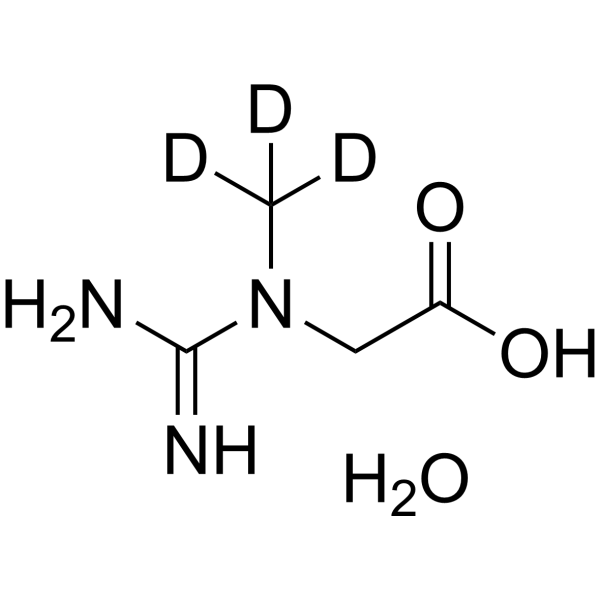
    Creatine-d3 (hydrate) is a deuterium labeled Creatine hydrate. Creatine hydrate is pivotal in energy metabolism of muscle and brain cells, both in physiological and in pathological conditions .
    Creatine-d3 hydrate
  • HY-113418

    Endogenous Metabolite Cancer
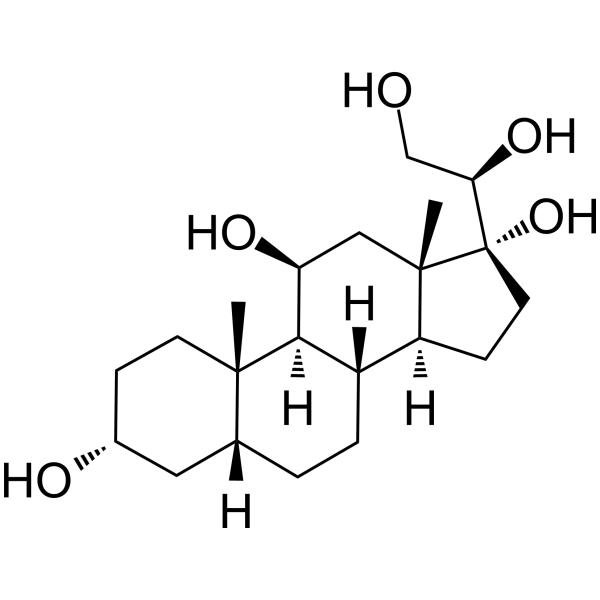
    Beta-Cortol is an O-glycosylated compound and cortisol metabolite. It can be isolated from the leaves of mulberry cultivar Yu 711, and its concentration decreases significantly when the plant is subjected to drought stress. Beta-Cortol serves as a biomarker, as serum Beta-Cortol levels in early non-small cell lung cancer models are downregulated to 1/8 of the preoperative level after tumor resection. Due to such dramatic changes under specific pathological conditions, Beta-Cortol is currently widely used in studies related to early non-small cell lung cancer .
    Beta-Cortol
  • HY-177204

    Ferroptosis Apoptosis Glutathione Peroxidase Cardiovascular Disease
    DSPE-PEG2000-WLSEAGPVVTVRALRGTGSW is a polypeptide targeting tenascin-X (Tenascin-X) that can be conjugated with liposomes and exosomes. DSPE-PEG2000-WLSEAGPVVTVRALRGTGSW specifically binds to Tenascin-X on the surface of cardiomyocytes, mediates receptor-dependent uptake of nanocarriers, enhances targeted drug delivery of cargo to cardiomyocytes, and increases drug accumulation in cardiac tissue. DSPE-PEG2000-WLSEAGPVVTVRALRGTGSW protects cardiomyocytes treated with LPS, alleviates oxidative stress, repairs mitochondrial function, inhibits ferroptosis and apoptosis, and downregulates the secretion of pro-inflammatory cytokines at the same time. DSPE-PEG2000-WLSEAGPVVTVRALRGTGSW improves cardiac injury and pathological morphology in mice with sepsis-induced cardiomyopathy, restores GPX4 expression, and promotes the internalization of cardiomyocyte-derived exosomes, making it suitable for related research on sepsis-induced cardiomyopathy, myocardial ischemia-reperfusion injury, and other conditions .
    DSPE-PEG2000-WLSEAGPVVTVRALRGTGSW
  • HY-116753

    Amyloid-β Tau Protein Neurological Disease
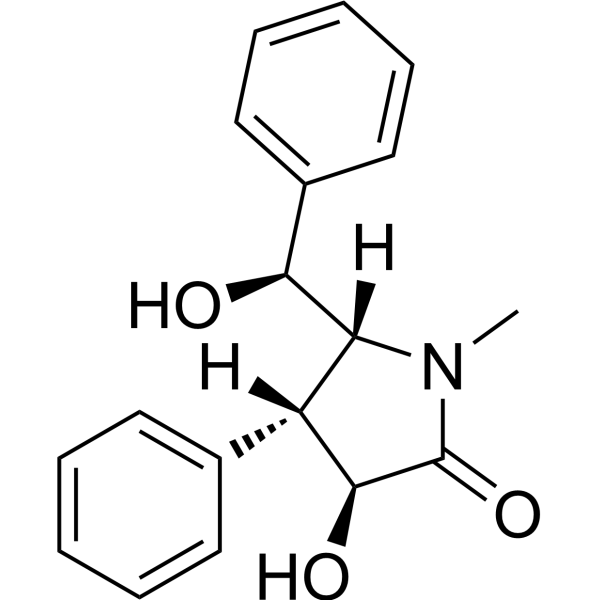
    (-)Clausenamide is an active alkaloid isolated from the leaves of Clausena lansium (Lour.) Skeels, and improves cognitive function in both normal physiological and pathological conditions. (-)Clausenamide inhibits β-amyloid (Aβ) toxicity, blocking neurofibrillary tangle formation by inhibiting the phosphorylation of tau protein. (-)Clausenamide exerts a significant neuroprotective activity against Aβ25-35. (-)Clausenamide can be used for researching Alzheimer's disease (AD) .
    (-)Clausenamide
  • HY-113248S

    Endogenous Metabolite Cardiovascular Disease Inflammation/Immunology
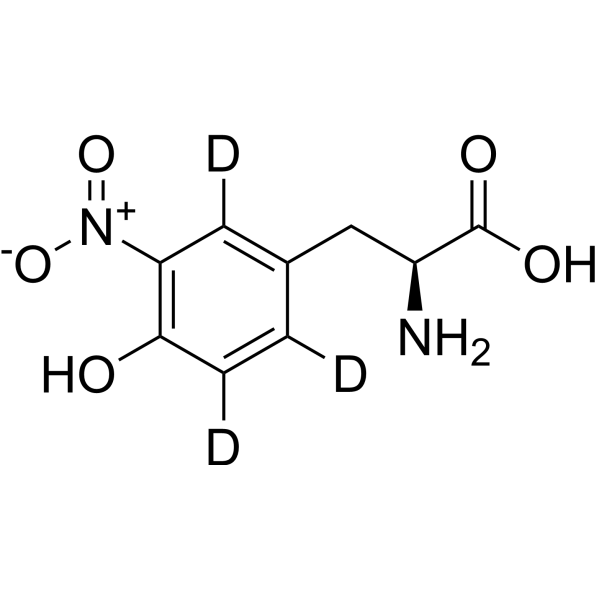
    3-Nitro-L-tyrosine-d3 is the deuterium labeled 3-Nitro-L-tyrosine (HY-113248). 3-Nitro-L-tyrosine serves as a biomarker of oxidative stress. 3-Nitro-L-tyrosine attenuates the pressor and vasoconstrictive effects of angiotensin II by inhibiting the α1-adrenergic receptor-mediated signaling pathway, and participates in hemodynamic regulation under pathological conditions such as inflammation and ischemia. 3-Nitro-L-tyrosine can be used in studies related to atherosclerosis, ischemia-reperfusion and sepsis .
    3-Nitro-L-tyrosine-d3
  • HY-138822

    2,3-DPG pentasodium salt

    Endogenous Metabolite Cardiovascular Disease
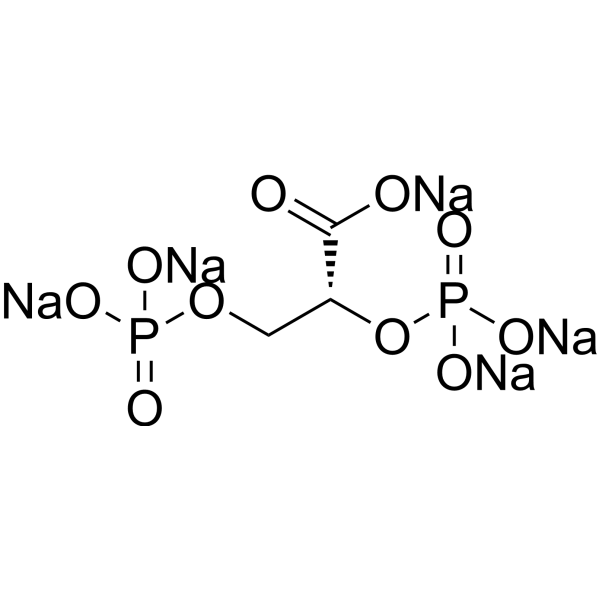
    2,3-Diphospho-D-glyceric acid (2,3-DPG) pentasodium salt is a hemoglobin binder and vascular calcification inhibitor that reduces the oxygen affinity of hemoglobin. 2,3-Diphospho-D-glyceric acid pentasodium salt also specifically delays the transformation of colloidal calciprotein particles into crystalline forms, thereby effectively inhibiting vascular smooth muscle cell calcification without affecting the normal formation of osteoid nodules in osteoblast-like cells. 2,3-Diphospho-D-glyceric acid pentasodium salt shows no cytotoxicity to tested cell lines and only weakly interferes with β-hematin formation mediated by glyceryl monopalmitate. 2,3-Diphospho-D-glyceric acid pentasodium salt can be used to study the pathological mechanisms of vascular calcification and malaria-related conditions .
    2,3-Diphospho-D-glyceric acid pentasodium salt
  • HY-W004850

    Endogenous Metabolite Reactive Oxygen Species (ROS) Neurological Disease Metabolic Disease
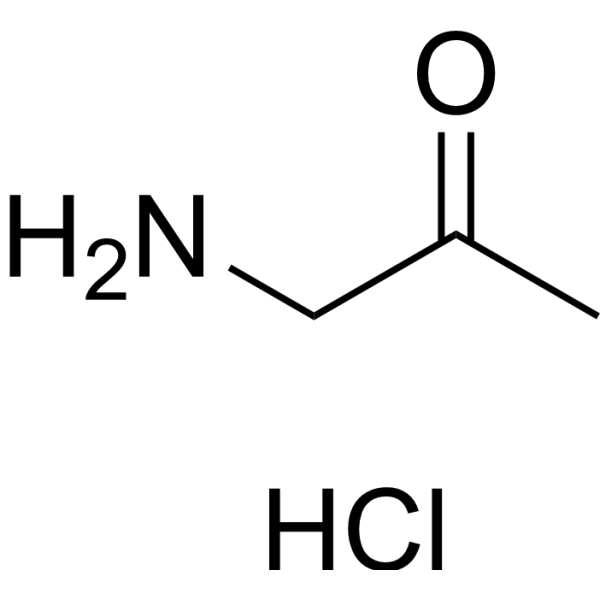
    Aminoacetone hydrochloride is an α-aminoketone and also a catabolite of threonine and glycine. When accumulated under pathological conditions, Aminoacetone hydrochloride participates in oxidative damage and protein dysfunction via the production of reactive oxygen species (ROS) and methylglyoxal, and it is associated with phenotypes such as diabetes, mitochondrial damage and sleep disorders .
    Aminoacetone hydrochloride
  • HY-E70523

    Valeryl-CoA; Valeryl-coenzyme A; Pentanoyl coenzyme A free acid

    Endogenous Metabolite Metabolic Disease
    Pentanoyl coenzyme A (Valeryl-CoA) is a short-chain fatty acyl-CoA that functions as an intermediate in mitochondrial β-oxidation and related metabolic pathways. Pentanoyl coenzyme A results from the formal condensation of the thiol group of coenzyme A with the carboxy group of pentanoic acid. Pentanoyl coenzyme A's levels can reflect changes in lipid metabolism under different physiological and pathological conditions. Pentanoyl coenzyme A can be used for research on lipid metabolism .
    Pentanoyl coenzyme A
  • HY-W414548

    Others Neurological Disease Metabolic Disease
    7α,27-Dihydroxycholesterol is an oxysterol characterized by its oxidized side chains and is produced through the hydroxylation of 27-Hydroxycholesterol (27-OHC); it serves as a metabolite of interest in lipidomic analyses of various pathological conditions, including neurological diseases, Smith-Lemli-Opitz syndrome, obesity metabolic syndrome, and diabetes. Notably, levels of 7α,27-di-OHC decrease following lipopolysaccharide activation, and it also functions as a ligand for Epstein-Barr virus-induced gene 2 (EBI2). Additionally, 7α,27-di-OHC exists as a structural isomer of 7α,25-dihydroxycholesterol (7α25-OHC).
    7α,27-Dihydroxycholesterol
  • HY-W039923

    Insulin Receptor Endocrinology
    β-D-Galactose pentaacetate is a negative regulator of insulin with plasma membrane penetrating ability and can be hydrolyzed by intracellular esterases. β-D-Galactose pentaacetate inhibits Leucine (HY-N0486)-induced insulin release in Wistar rat islets, potentially preventing excessive insulin release in pathological conditions .
    β-D-Galactose pentaacetate
  • HY-P2501

    Amylin Receptor Metabolic Disease
    Amylin (8-37), human is a fragment of human Amylin. Amylin (8-37), human has direct vasodilator effects in the isolated mesenteric resistance artery of the rat. Human Amylin is a small hormone secreted by pancreatic β-cells that forms aggregates under insulin deficiency metabolic conditions, and it constitutes a pathological hallmark of type II diabetes mellitus .
    Amylin (8-37), human
  • HY-113248R

    Endogenous Metabolite Reference Standards Cardiovascular Disease Inflammation/Immunology
    3-Nitro-L-tyrosine (Standard) is the analytical standard of 3-Nitro-L-tyrosine (HY-113248). This product is intended for research and analytical applications. 3-Nitro-L-tyrosine serves as a biomarker of oxidative stress. 3-Nitro-L-tyrosine attenuates the pressor and vasoconstrictive effects of angiotensin II by inhibiting the α1-adrenergic receptor-mediated signaling pathway, and participates in hemodynamic regulation under pathological conditions such as inflammation and ischemia. 3-Nitro-L-tyrosine can be used in studies related to atherosclerosis, ischemia-reperfusion and sepsis .
    3-Nitro-L-tyrosine (Standard)
  • HY-147738

    Fluorescent Dye Others
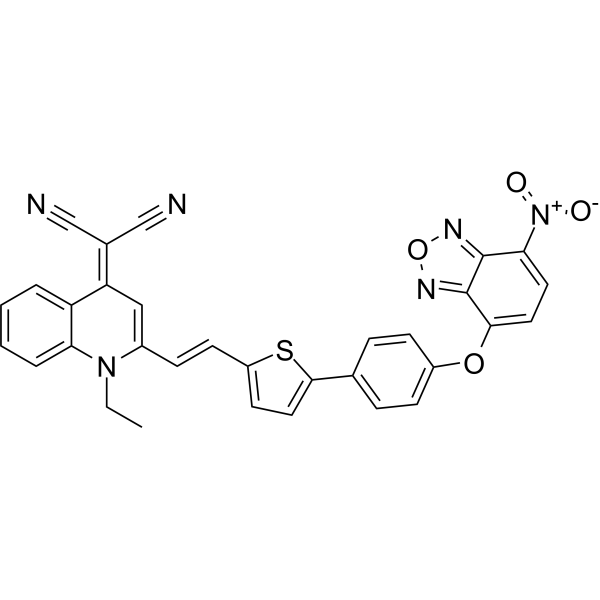
    SQM-NBD is a potent and selectiveAIE fluorescent probe. SQM-NBD exhibits excellent sensitivity to Cys and Hcy with the LOD of 54 nM and 72 nM, respectively.SQM-NBD has good cell permeability and low cytotoxicity. SQM-NBD has the potential for Cys/Hcy identification under physiological and pathological conditions .
    SQM-NBD
  • HY-143583

    Phosphodiesterase (PDE) Neurological Disease Cancer
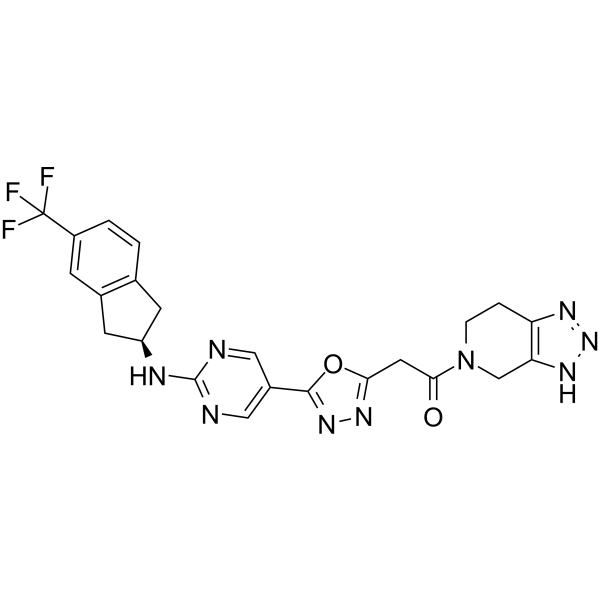
    ATX inhibitor 10 is a potent inhibitor of ATX. ATX inhibitor 10 is s nitrogen-containing heterocyclic compound. ATX plays a role in causing pathological conditions including fibrosis, arthritis, neurodegeneration, neuropathic pain, and cancer. ATX inhibitor 10 has the potential for the research of ATX related diseases (extracted from patent WO2021115375A1, compound 35) .
    ATX inhibitor 10
  • HY-135593

    Others Endocrinology
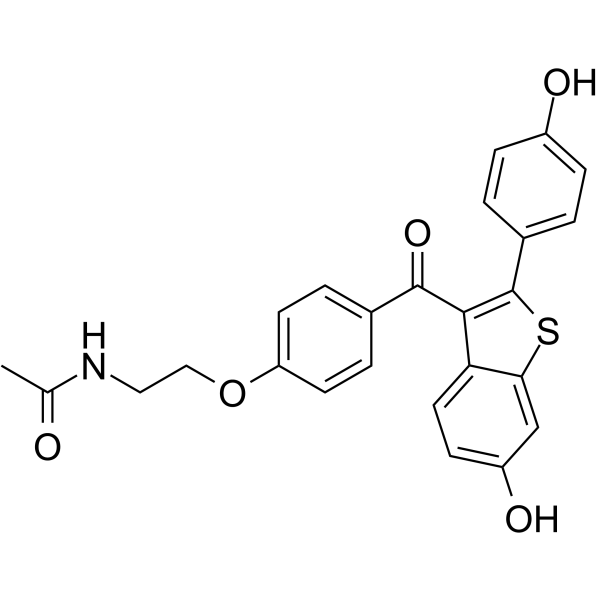
    LY88074 analog 1 is a benzothiophene compound with nitrogen-containing non-basic side chains, Compound 26, extracted from patent EP0747380A1. LY88074 analog 1 is an agent for alleviating the symptoms of post-menopausal symptoms, such as osteoporosis, cardiovascular related pathological conditions, and estrogen-dependent cancer. LY88074 analog 1 can be used alone or in combination with estrogen or progestin .
    LY88074 analog 1
  • HY-E70523A

    Valeryl-CoA sodium; Valeryl-coenzyme A sodium

    Endogenous Metabolite Metabolic Disease
    Pentanoyl coenzyme A (Valeryl-CoA) sodium is a short-chain fatty acyl-CoA that functions as an intermediate in mitochondrial β-oxidation and related metabolic pathways. Pentanoyl coenzyme A sodium results from the formal condensation of the thiol group of coenzyme A with the carboxy group of pentanoic acid. Pentanoyl coenzyme A sodium's levels can reflect changes in lipid metabolism under different physiological and pathological conditions. Pentanoyl coenzyme A sodium can be used for research on lipid metabolism .
    Pentanoyl coenzyme A sodium
  • HY-125629

    Others Others
    Primordazine B is a small molecule compound identified by chemical screening in zebrafish embryos with the activity of selectively destroying Primordial Germ Cells (PGCs). Primordazine B inhibits a process called Poly(A)-tail Independent Non-canonical Translation (PAINT) without inhibition of polyadenylate tail dependent typical translation (PAT). Primordazine B can be used to study translational control of cells in specific physiological or pathological states, such as gene expression regulation during cell dormancy, viral infection, or stress conditions .
    Primordazine B
  • HY-113248S1

    Endogenous Metabolite Cardiovascular Disease Inflammation/Immunology
    3-Nitro-L-tyrosine- 13C6 is the 13C labeled 3-Nitro-L-tyrosine (HY-113248). 3-Nitro-L-tyrosine serves as a biomarker of oxidative stress. 3-Nitro-L-tyrosine attenuates the pressor and vasoconstrictive effects of angiotensin II by inhibiting the α1-adrenergic receptor-mediated signaling pathway, and participates in hemodynamic regulation under pathological conditions such as inflammation and ischemia. 3-Nitro-L-tyrosine can be used in studies related to atherosclerosis, ischemia-reperfusion and sepsis .
    3-Nitro-L-tyrosine-13C6
  • HY-179594

    AP-1 Neurological Disease
    HTS10307 is a small molecule AP1 Transcription Factor ΔFOSB inhibitor. HTS10307 inhibits the binding of ΔFOSB/JUND and ΔFOSB to DNA with IC50 values of ~3 μM and ~7 μM, respectively. HTS10307 can be used as a chemical probe for investigating the role of ΔFOSB in pathological conditions such as drug addiction, Alzheimer’s disease, and Parkinson’s disease .
    HTS10307
  • HY-183185

    SARS-CoV Infection
    BZ-30 is an orally active broad-spectrum SARS-CoV-2 inhibitor. BZ-30 acts on the early stage of the viral life cycle, can partially inhibit the endosomal entry process and reduce viral replication levels. BZ-30 reduces viral load, improves pulmonary pathological conditions, and decreases the lung-to-body weight ratio in hamster models challenged with SARS-CoV-2. BZ-30 can be used for research related to COVID-19 .
    BZ-30
  • HY-183573

    Phosphatase Toll-like Receptor (TLR) NF-κB Interleukin Related Inflammation/Immunology
    PTPRO-IN-1 is a selective, orally active PTPRO inhibitor with an IC50 of 0.16 μM. PTPRO-IN-1 exhibits IC50 values of 2.4 μM, 2.33 μM and 2.13 μM against PTPN22, PTP1B and PTPRT, respectively, and shows almost no inhibitory activity against STEP/SSH2. PTPRO-IN-1 inhibits the TLR4/NF-κB signaling pathway in macrophages, ameliorates colonic pathological conditions and suppresses the secretion of pro-inflammatory cytokines by T cells. PTPRO-IN-1 can be used for the research of inflammatory bowel disease .
    PTPRO-IN-1

Inquiry Online

Your information is safe with us. * Required Fields.

Salutation


Country or Region *

Applicant Name *


Organization Name *

Department *


Email Address *


Product Name *

Cat. No.


Requested quantity *

Phone Number *


Remarks

Inquiry Online

Inquiry Information

Product Name:
Cat. No.:
Quantity:
MCE Japan Authorized Agent:

