1. Search Result
Search Result
Results for "

renal impairment

" in MedChemExpress (MCE) Product Catalog:

22

Inhibitors & Agonists

2

Biochemical Assay Reagents

2

Natural
Products

2

Isotope-Labeled Compounds

1

Click Chemistry

Cat. No. Product Name Target Research Areas Chemical Structure
  • HY-W019894
    Manganese chloride
    1 Publications Verification

    Manganese dichloride

    Biochemical Assay Reagents Apoptosis mTOR Cardiovascular Disease Neurological Disease
    Manganese chloride is an orally active MRI liver contrast agent. Manganese chloride induces Apoptosis and activates the mTOR signaling pathway. Manganese chloride induces cognitive impairment, promotes hematopoietic recovery, and reduces radiation-induced bone marrow and brain damage. It can be used for the study of renal impairment .
    Manganese chloride
  • HY-117985B
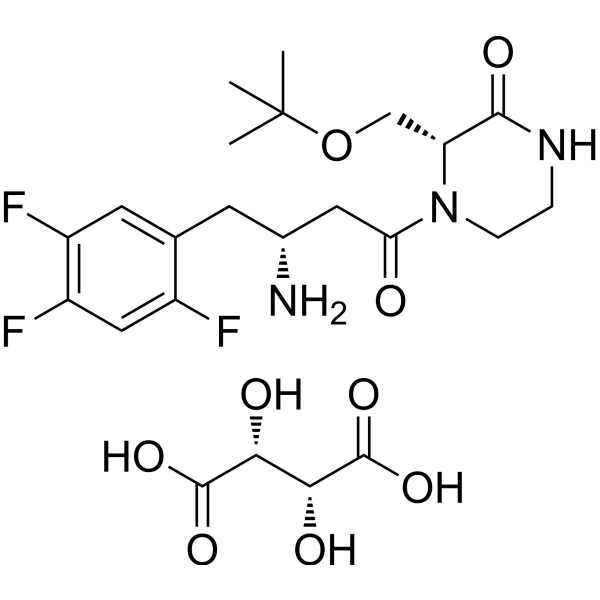
    Evogliptin tartrate
    1 Publications Verification

    DA-1229 tartrate

    Dipeptidyl Peptidase Autophagy Metabolic Disease Inflammation/Immunology
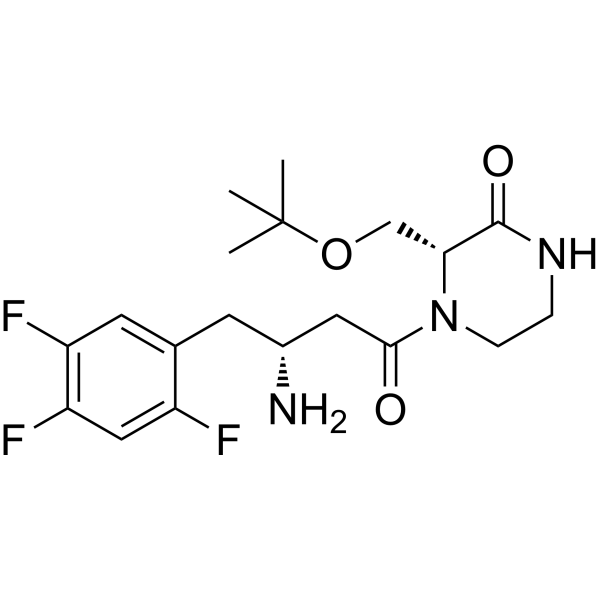
    Evogliptin (DA-1229) tartrate is an orally active DPP4 inhibitor with significant and sustained hypoglycaemic effects in mouse models. Evogliptin tartrate also inhibits the production of inflammatory and fibrotic signals in hepatocytes by inducing autophagy. Evogliptin tartrate can be used in studies of type 2 diabetes, osteoporosis, renal impairment and chronic liver inflammation .
    Evogliptin tartrate
  • HY-W250122
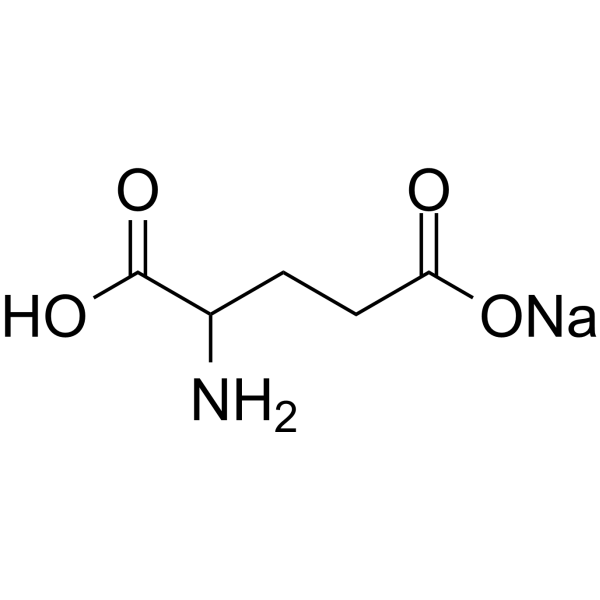
    Glutamic acid sodium salt
    1 Publications Verification

    Monosodium glutamate

    Biochemical Assay Reagents Reactive Oxygen Species (ROS) Mitochondrial Metabolism Apoptosis HSP Bcl-2 Family Neurological Disease Metabolic Disease Inflammation/Immunology
    Glutamic acid sodium salt (Monosodium glutamate) is an orally active food flavor enhancer. Glutamic acid sodium salt causes ROS generation, mitochondrial dysfunction, and Apoptosis. Glutamic acid sodium salt upregulates CHOP, Grp78, and Bcl-2. Glutamic acid sodium salt impairs cognition, induces depressive-like behavior, induces hyperalgesia, and induces obesity and insulin resistance. Glutamic acid sodium salt can be used to study neurotoxicity (e.g., brain damage, cognitive impairment), metabolic disorders (e.g., obesity, insulin resistance), hepatotoxicity, and renal toxicity, as well as pain-related disorders .
    Glutamic acid sodium salt
  • HY-14744A
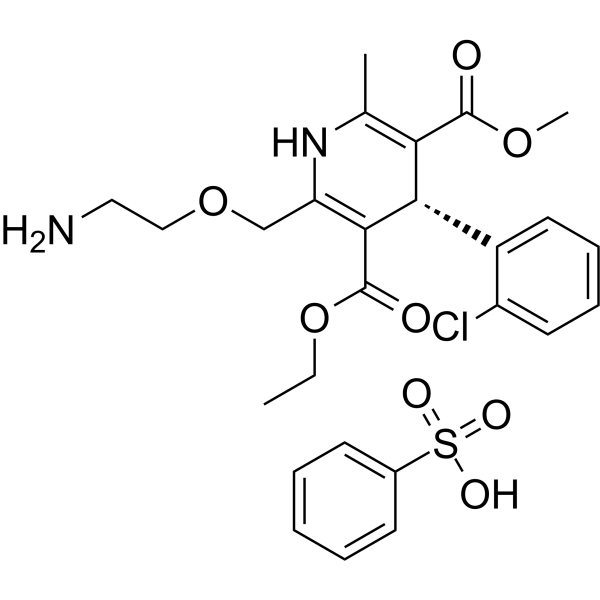
    Levamlodipine besylate
    2 Publications Verification

    (S)-Amlodipine besylate; Levoamlodipine besylate

    Calcium Channel MMP Cardiovascular Disease
    Levamlodipine ((S)-Amlodipine; Levoamlodipin) besylate is an orally active L-type calcium channel blocker and MMP-9 modulator with high permeability and retention properties. Levamlodipine besylate significantly enhances plaque stability and improves lipid profiles by reducing blood pressure, decreasing systolic blood pressure variability, and inhibiting MMP-9 expression in atherosclerotic plaques. Levamlodipine besylate not only alleviates cardiac and aortic hypertrophy and prevents renal atrophy, but also produces synergistic effects in blood pressure reduction and organ protection when combined with bisoprolol (HY-129029). Levamlodipine besylate exerts no significant inhibitory effect on abdominal aortic intimal hyperplasia. When excessively accumulated in the epidermis, Levamlodipine besylate may induce changes in keratin structure, impair the skin barrier and trigger inflammation; long-term use further exacerbates skin irritation caused by local administration. Levamlodipine besylate can be used in research related to hypertension and atherosclerosis .
    Levamlodipine besylate
  • HY-W075903

    Cobalt hexammine trichloride; Hexaamminecobalt trichloride

    Biochemical Assay Reagents SOD Glutathione S-transferase Metabolic Disease Cancer
    Hexaamminecobalt (III) chloride is an orally active cobalt coordination compound. Hexaamminecobalt (III) chloride restores the activities of liver antioxidant enzymes (SOD, Catalase) and detoxification enzyme GST. Hexaamminecobalt (III) chloride restores GSH content and reduces DAG. Hexaamminecobalt (III) chloride impairs renal function. Hexaamminecobalt (III) chloride exerts anti-carcinogenic effects in Diethylnitrosamine (HY-N7434)-induced hepatocarcinoma .
    Hexaamminecobalt(III) chloride
  • HY-W002942

    1,2,3,4-Tetrahydroquinolin-8-ol; 8-hydroxy-1,2,3,4-tetrahydroquinoline

    Ferroptosis Reactive Oxygen Species (ROS) Inflammation/Immunology
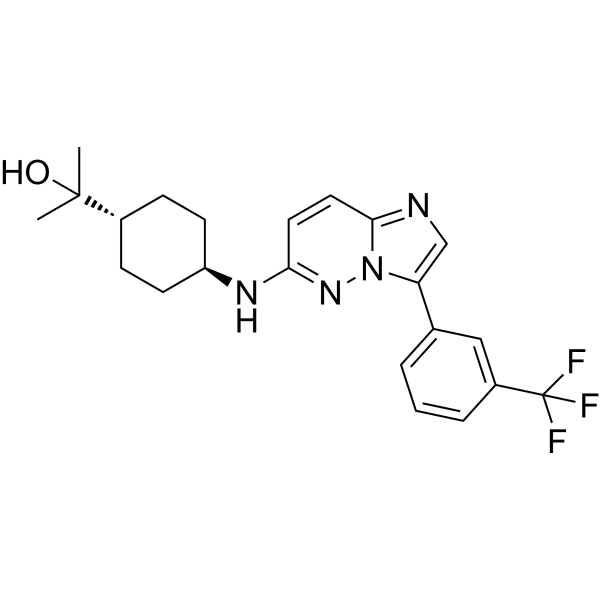
    Ferroptosis-IN-21 is a ferroptosis inhibitor that protects against renal I/R injury by suppressing ferroptosis and directly scavenging peroxyl radicals. Ferroptosis-IN-21 displays broad-spectrum anti-ferroptotic efficacy across multiple inducers in renal tubular epithelial cells, with nanomolar potency and robust suppression of lipid Reactive Oxygen Species (ROS). Ferroptosis-IN-21 significantly ameliorates renal I/R injury in mice, reducing histological damage, functional impairment, and inflammatory cytokine expression, while decreasing lipid peroxidation biomarkers such as 4-hydroxynonenal. Ferroptosis-IN-12 can be used for research in the field of ferroptosis-targeted drug development .
    Ferroptosis-IN-21
  • HY-110206

    Cannabinoid Receptor Metabolic Disease
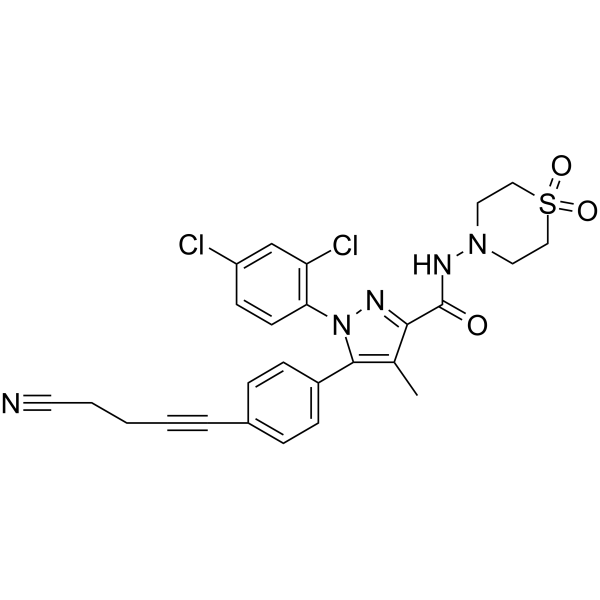
    AM6545 is a highly selective, brain-free (peripherally active) CB1 receptor antagonist (Ki=1.7 nM). AM6545 inhibits endocannabinoid signaling by competitively antagonizing CB1 receptors, inhibiting CB1-mediated appetite stimulation and inflammatory responses without affecting cAMP levels. AM6545 significantly reduces food intake and body weight in mice, while improving metabolic syndrome-related renal impairment (such as proteinuria, fibrosis) and insulin resistance. AM6545 can be used in the study of obesity and its complications .
    AM6545
  • HY-14744
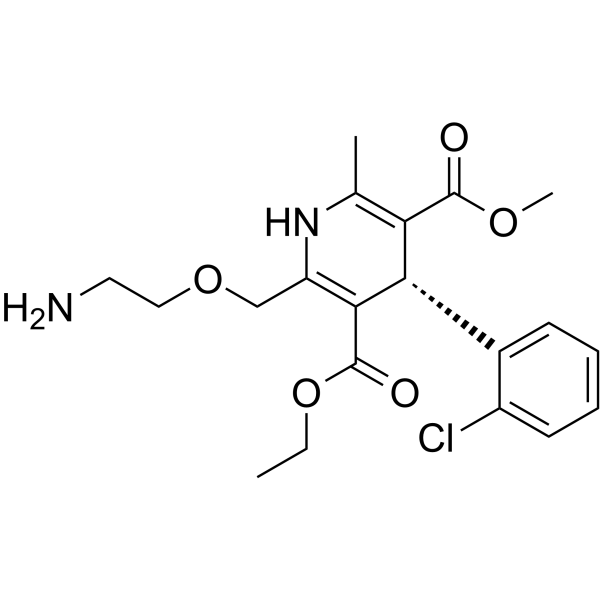
    Levamlodipine
    2 Publications Verification

    (S)-Amlodipine; Levoamlodipine

    Calcium Channel MMP Cardiovascular Disease Neurological Disease
    Levamlodipine ((S)-Amlodipine; Levoamlodipin) is an orally active L-type calcium channel blocker and MMP-9 modulator with high permeability and retention properties. Levamlodipine significantly enhances plaque stability and improves lipid profiles by reducing blood pressure, decreasing systolic blood pressure variability, and inhibiting MMP-9 expression in atherosclerotic plaques. Levamlodipine not only alleviates cardiac and aortic hypertrophy and prevents renal atrophy, but also produces synergistic effects in blood pressure reduction and organ protection when combined with bisoprolol (HY-129029). Levamlodipine exerts no significant inhibitory effect on abdominal aortic intimal hyperplasia. When excessively accumulated in the epidermis, Levamlodipine may induce changes in keratin structure, impair the skin barrier and trigger inflammation; long-term use further exacerbates skin irritation caused by local administration. Levamlodipine can be used in research related to hypertension and atherosclerosis .
    Levamlodipine
  • HY-175247

    Large Tumor Suppressor (LATS) E1/E2/E3 Enzyme YAP Cancer
    DDO-4033 is a SPOP inhibitor (IC50 = 16.9 μM, Kd = 15.1 μM). DDO-4033 impairs the malignant migration, invasion, and proliferation of clear cell renal cell carcinoma (ccRCC) cell lines. DDO-4033 disrupts SPOP recruitment to its substrate LATS1, inhibits its polyubiquitination and subsequent degradation, and upregulates LATS1 expression. DDO-4033 has promising antitumor activity and is promising for renal cell carcinoma research .
    DDO-4033
  • HY-10965

    KW-3902

    Adenosine Receptor Neurological Disease
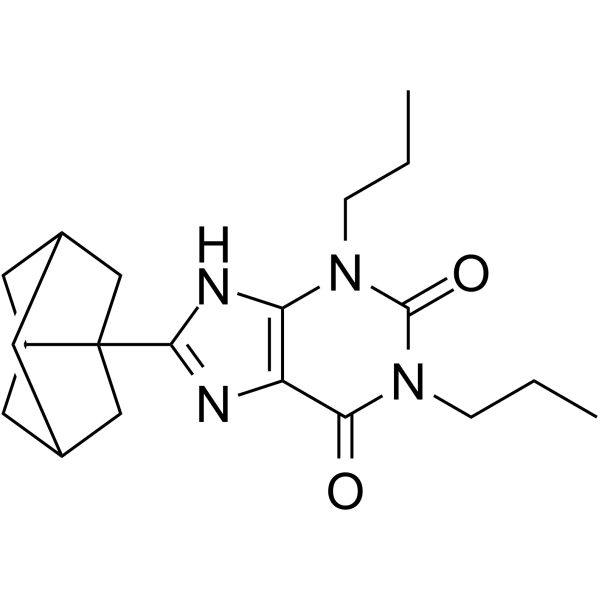
    Rolofylline (KW-3902) is a potent, selective adenosine A1 receptor antagonist that is under development for the treatment of patients with acute congestive heart failure and renal impairment. Rolofylline is metabolized primarily to the pharmacologically active M1-trans and M1-cis metabolites by cytochrome P450 (CYP450) . Rolofylline is alleviating the presynaptic dysfunction and restores neuronal activity as well as dendritic spine levels in vitro, is an interesting candidate to combat the hypometabolism and neuronal dysfunction associated with Tau-induced neurodegenerative diseases .
    Rolofylline
  • HY-W766140

    4-Hydroxy duloxetine glucuronide sodium; LY550408 sodium

    Drug Metabolite Metabolic Disease
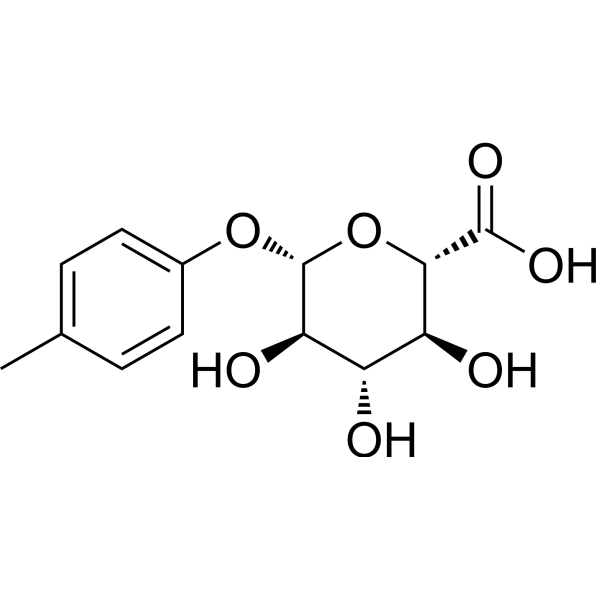
    4-Hydroxy duloxetine β-D-glucuronide (4-Hydroxy duloxetine glucuronide) sodium is a major metabolite of Duloxetine (HY-B0161). 4-Hydroxy duloxetine β-D-glucuronide sodium is promising for research of hepatic or renal impairment .
    4-Hydroxy duloxetine β-D-glucuronide sodium
  • HY-117985

    DA-1229

    Dipeptidyl Peptidase Autophagy Metabolic Disease Inflammation/Immunology
    Evogliptin (DA-1229) is an orally active DPP4 inhibitor with significant and sustained hypoglycaemic effects in mouse models. Evogliptin also inhibits the production of inflammatory and fibrotic signals in hepatocytes by inducing autophagy. Evogliptin can be used in studies of type 2 diabetes, osteoporosis, renal impairment and chronic liver inflammation .
    Evogliptin
  • HY-14744D

    Calcium Channel MMP Cardiovascular Disease Neurological Disease
    Levamlodipine besylate Hemipentahydrate is an orally active L-type calcium channel blocker and MMP-9 modulator with high permeability and retention properties. Levamlodipine besylate Hemipentahydrate significantly enhances plaque stability and improves lipid profiles by reducing blood pressure, decreasing systolic blood pressure variability, and inhibiting MMP-9 expression in atherosclerotic plaques. Levamlodipine besylate Hemipentahydrate not only alleviates cardiac and aortic hypertrophy and prevents renal atrophy, but also produces synergistic effects in blood pressure reduction and organ protection when combined with bisoprolol (HY-129029). Levamlodipine besylate Hemipentahydrate exerts no significant inhibitory effect on abdominal aortic intimal hyperplasia. When excessively accumulated in the epidermis, Levamlodipine besylate Hemipentahydrate may induce changes in keratin structure, impair the skin barrier and trigger inflammation; long-term use further exacerbates skin irritation caused by local administration. Levamlodipine besylate Hemipentahydrate can be used in research related to hypertension and atherosclerosis .
    Levamlodipine besylate Hemipentahydrate
  • HY-117985A

    DA-1229 hydrochloride

    Dipeptidyl Peptidase Metabolic Disease Endocrinology
    Evogliptin hydrochloride (DA-1229 hydrochloride) is an orally available DPP4 inhibitor with significant and durable hypoglycemic effects in mouse models. Evogliptin hydrochloride also inhibits the generation of inflammatory and fibrotic signals in hepatocytes by inducing autophagy. Evogliptin hydrochloride can be used in the research of type 2 diabetes, osteoporosis, renal impairment and chronic liver inflammation .
    Evogliptin hydrochloride
  • HY-117985S

    DA-1229-d9

    Isotope-Labeled Compounds Autophagy Dipeptidyl Peptidase Metabolic Disease Inflammation/Immunology
    Evogliptin-d9 (DA-1229-d9) is deuterium labeled Evogliptin. Evogliptin (DA-1229) is an orally active DPP4 inhibitor with significant and sustained hypoglycaemic effects in mouse models. Evogliptin also inhibits the production of inflammatory and fibrotic signals in hepatocytes by inducing autophagy. Evogliptin can be used in studies of type 2 diabetes, osteoporosis, renal impairment and chronic liver inflammation .
    Evogliptin-d9
  • HY-10965R

    KW-3902 (Standard)

    Adenosine Receptor Reference Standards Neurological Disease
    Rolofylline (Standard) is the analytical standard of Rolofylline. This product is intended for research and analytical applications. Rolofylline (KW-3902) is a potent, selective adenosine A1 receptor antagonist that is under development for the treatment of patients with acute congestive heart failure and renal impairment. Rolofylline is metabolized primarily to the pharmacologically active M1-trans and M1-cis metabolites by cytochrome P450 (CYP450) . Rolofylline is alleviating the presynaptic dysfunction and restores neuronal activity as well as dendritic spine levels in vitro, is an interesting candidate to combat the hypometabolism and neuronal dysfunction associated with Tau-induced neurodegenerative diseases .
    Rolofylline (Standard)
  • HY-14744B

    (S)-Amlodipine hydrochloride; Levoamlodipine hydrochloride

    Calcium Channel MMP Cardiovascular Disease
    Levamlodipine ((S)-Amlodipine; Levoamlodipin) hydrochloride is an orally active L-type calcium channel blocker and MMP-9 modulator with high permeability and retention properties. Levamlodipine hydrochloride significantly enhances plaque stability and improves lipid profiles by reducing blood pressure, decreasing systolic blood pressure variability, and inhibiting MMP-9 expression in atherosclerotic plaques. Levamlodipine hydrochloride not only alleviates cardiac and aortic hypertrophy and prevents renal atrophy, but also produces synergistic effects in blood pressure reduction and organ protection when combined with bisoprolol (HY-129029). Levamlodipine hydrochloride exerts no significant inhibitory effect on abdominal aortic intimal hyperplasia. When excessively accumulated in the epidermis, Levamlodipine hydrochloride may induce changes in keratin structure, impair the skin barrier and trigger inflammation; long-term use further exacerbates skin irritation caused by local administration. Levamlodipine hydrochloride can be used in research related to hypertension and atherosclerosis .
    Levamlodipine hydrochloride
  • HY-14744S

    (S)-Amlodipine-d4; Levoamlodipine-d4

    Isotope-Labeled Compounds Calcium Channel MMP Others
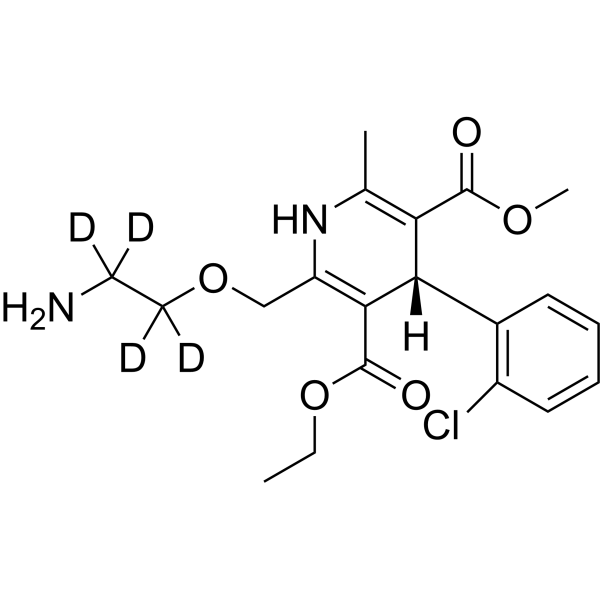
    Levamlodipine-d4 is the deuterium labeled Levamlodipine. Levamlodipine ((S)-Amlodipine; Levoamlodipin) is an orally active L-type calcium channel blocker and MMP-9 modulator with high permeability and retention properties. Levamlodipine significantly enhances plaque stability and improves lipid profiles by reducing blood pressure, decreasing systolic blood pressure variability, and inhibiting MMP-9 expression in atherosclerotic plaques. Levamlodipine not only alleviates cardiac and aortic hypertrophy and prevents renal atrophy, but also produces synergistic effects in blood pressure reduction and organ protection when combined with bisoprolol (HY-129029). Levamlodipine exerts no significant inhibitory effect on abdominal aortic intimal hyperplasia. When excessively accumulated in the epidermis, Levamlodipine may induce changes in keratin structure, impair the skin barrier and trigger inflammation; long-term use further exacerbates skin irritation caused by local administration. Levamlodipine can be used in research related to hypertension and atherosclerosis .
    Levamlodipine-d4
  • HY-14744C

    (S)-Amlodipine hydrobromide; Levoamlodipine hydrobromide

    Calcium Channel MMP Cardiovascular Disease Others
    Levamlodipine ((S)-Amlodipine; Levoamlodipin) hydrobromide is an orally active L-type calcium channel blocker and MMP-9 modulator with high permeability and retention properties. Levamlodipine hydrobromide significantly enhances plaque stability and improves lipid profiles by reducing blood pressure, decreasing systolic blood pressure variability, and inhibiting MMP-9 expression in atherosclerotic plaques. Levamlodipine hydrobromide not only alleviates cardiac and aortic hypertrophy and prevents renal atrophy, but also produces synergistic effects in blood pressure reduction and organ protection when combined with bisoprolol (HY-129029). Levamlodipine hydrobromide exerts no significant inhibitory effect on abdominal aortic intimal hyperplasia. When excessively accumulated in the epidermis, Levamlodipine hydrobromide may induce changes in keratin structure, impair the skin barrier and trigger inflammation; long-term use further exacerbates skin irritation caused by local administration. Levamlodipine hydrobromide can be used in research related to hypertension and atherosclerosis .
    Levamlodipine hydrobromide
  • HY-N10625A

    5α-Cyprinol

    Phosphatase Metabolic Disease
    Cyprinol (5α-Cyprinol) is an orally active bile salt and xenochemical pheromone . Cyprinol impairs renal function and increases plasma ALP activity in rats, induces diel vertical migration in Daphnia spp., enhances the permeability of the rectal mucosa to water-soluble compounds, and aids lipid digestion in fish. Cyprinol can be used in studies of fish toxicity and acute renal failure .
    Cyprinol
  • HY-N19615

    Keap1-Nrf2 GSK-3 TNF Receptor Interleukin Related SOD Inflammation/Immunology
    Isoeucommin A is a lignan compound. Isoeucommin A activates the Nrf2/HO-1 pathway and induces phosphorylation of GSK-3β. Isoeucommin A reduces the levels of pro-inflammatory cytokines TNF-α, IL-1β and IL-6, decreases the oxidative stress marker MDA, increases the antioxidants SOD and GSH, and alleviates oxidative stress in mesangial cells. Isoeucommin A alleviates renal tissue injury, improves impaired renal function and enhances the viability of renal tubular epithelial cells in diabetic nephropathy models. Isoeucommin A can be used in the research of diabetic nephropathy .
    Isoeucommin A
  • HY-183098

    PROTACs IKK Apoptosis Cancer
    UNC8209 is a selective PROTAC-based TANK-binding kinase 1 (TBK1) degrader. UNC8209 recruits cereblon (CRBN) to mediate ubiquitin-proteasome pathway-dependent TBK1 degradation and reduces AAK1, GAK, and AURKA abundance. UNC8209 suppresses tumor cell proliferation, impairs in vivo tumor growth, inhibits colony and clonogenic growth and enhances tumor cell sensitivity to TNFα or IFN-γ. UNC8209 modulates cell cycle and induces mild apoptosis. UNC8209 can be used for the research of clear cell renal cell carcinoma, non-small cell lung cancer, pancreatic ductal adenocarcinoma .
    UNC8209

Inquiry Online

Your information is safe with us. * Required Fields.

Salutation


Country or Region *

Applicant Name *


Organization Name *

Department *


Email Address *


Product Name *

Cat. No.


Requested quantity *

Phone Number *


Remarks

Inquiry Online

Inquiry Information

Product Name:
Cat. No.:
Quantity:
MCE Japan Authorized Agent:

