1. Search Result
Search Result
Results for "

rodent tumor

" in MedChemExpress (MCE) Product Catalog:

21

Inhibitors & Agonists

1

Biochemical Assay Reagents

2

Peptides

2

Inhibitory Antibodies

3

Natural
Products

Cat. No. Product Name Target Research Areas Chemical Structure
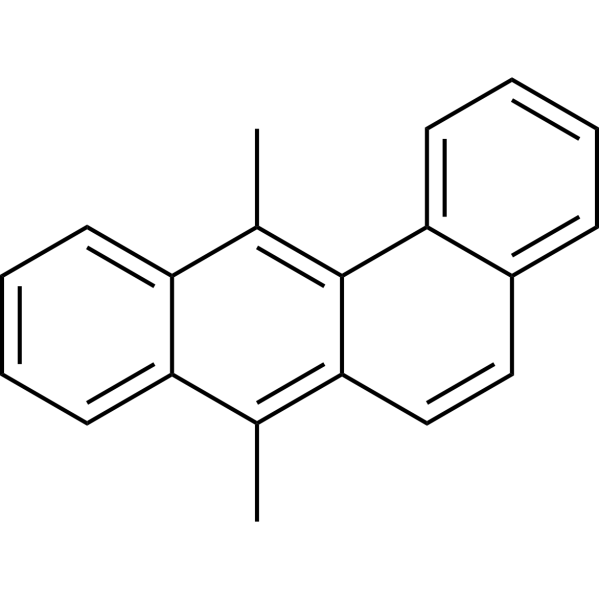
  • HY-W011845
    DMBA
    3 Publications Verification

    7,12-DMBA; 7,12-Dimethylbenzanthracene

    Environmental Pollutants c-Myc Cancer
    DMBA has carcinogenic activity as a polycyclic aromatic hydrocarbon (PAH). DMBA is used to induce tumor formation in various rodent models .
    DMBA
  • HY-14769
    Folitixorin
    2 Publications Verification

    5,10-Methylenetetrafolate; ANX-510 free acid

    Endogenous Metabolite Cancer
    Folitixorin (5,10-methylenetetrahydrofolate) is a cofactor and an analog of leucovorin. Folitixorin is a promising agent for modulation of 5-FU cytotoxicity in adjuvant cancer research .
    Folitixorin
  • HY-N2995
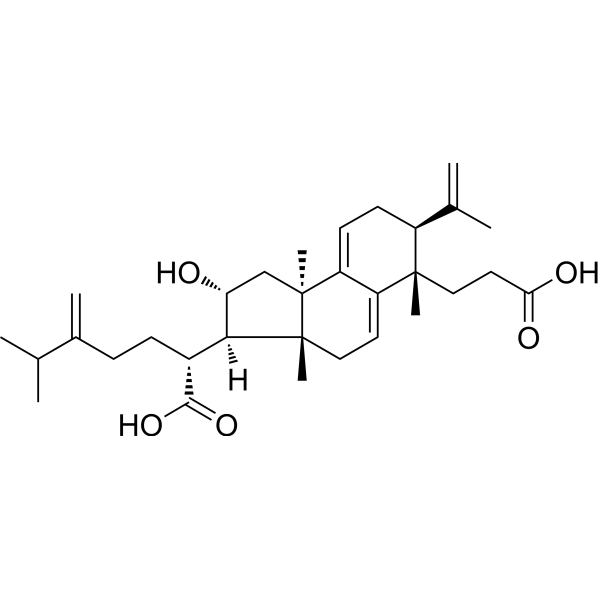
    Poricoic acid A
    1 Publications Verification

    Poricoic acid A(F)

    NF-κB Keap1-Nrf2 AMPK TGF-beta/Smad Reactive Oxygen Species (ROS) Inflammation/Immunology Cancer
    Poricoic acid A can be isolated from Poria cocos. Poricoic acid A is an orally active anti-tumor agent. Poricoic acid A enhances melatonin inhibition of AKI-to-CKD transition by regulating Gas6/AxlNFκB/Nrf2 axis. Poricoic acid A also attenuatea fibroblast activation and abnormal extracellular matrix remodeling in renal fibrosis by activating AMPK and inhibiting Smad3. Poricoic acid A significantly reduces the magnitude of rise in serum creatinine and urea levels in rat model when combined with Melatonin. Poricoic acid A ameliorates renal fibrosis and podocyte injury by attenuating oxidative stress and inflammation through regulating NF-κB and Nrf2 in IRI rodent model in combination with Melatonin .
    Poricoic acid A
  • HY-139838

    Herbicide Others Cancer
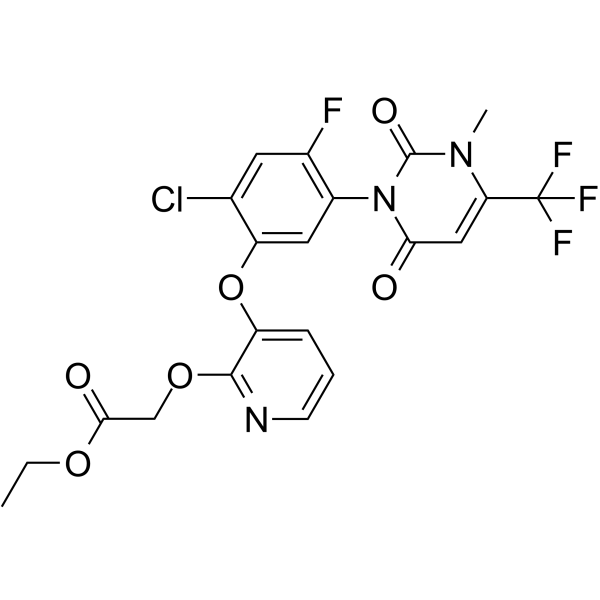
    Epyrifenacil is a protoporphyrinogen oxidase (PPO) inhibiting herbicide, potently targeting the PPO2 isoform from weeds such as Amaranthus palmeri with an IC50 of 0.637 nM. Epyrifenacil also inhibits liver mitochondrial PPO across species, with IC50 values of 2.2 nM (mouse), 2.6 nM (rat), 12.1 nM (rabbit), 7.6 nM (dog), and 10.2 nM (human). Epyrifenacil induces liver tumor development in mice. Epyrifenacil can be used for weed control, and also used as a tool compound in toxicological research to study the mechanism of PPO inhibition, chemical-induced hepatotoxicity, and the mode of action of non-genotoxic carcinogens in rodents [3].
    Epyrifenacil
  • HY-P1723
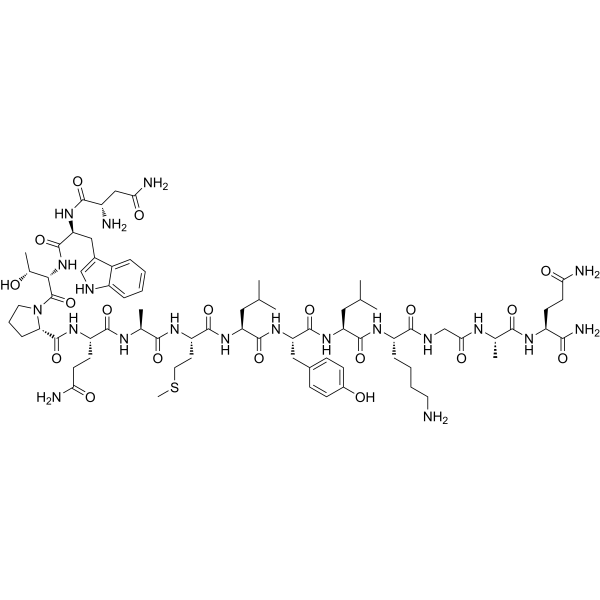
    Spexin
    2 Publications Verification

    Neuropeptide Q

    Neuropeptide Y Receptor Apoptosis Ferroptosis Autophagy Cardiovascular Disease Neurological Disease
    Spexin (Neuropeptide Q) is a selective agonist of galanin receptors GAL2 and GAL3, and is a conserved peptide that functions as a neurotransmitter/neuromodulator and endocrine factor. Spexin can function through both central and peripheral actions. Spexin upregulates Beclin 1 to inhibit ferroptosis induced by excessive autophagy, reduces the uptake of long-chain fatty acids by adipocytes, and regulates energy metabolism by increasing lipid oxidation (e.g., reducing the respiratory exchange ratio in rodents). Spexin improves cardiac function in the Doxorubicin hydrochloride (HY-15142)-induced cardiotoxicity model, protects mitochondrial membrane potential, and reduces iron accumulation and lipid peroxidation. Spexin can be used to study obesity and its related metabolic disorders, cardiovascular diseases (e.g., cardioprotection), and side effects of tumor chemotherapy .
    Spexin
  • HY-W460407

    1,2-Dimethylhydrazine dihydrochloride

    Biochemical Assay Reagents Cancer
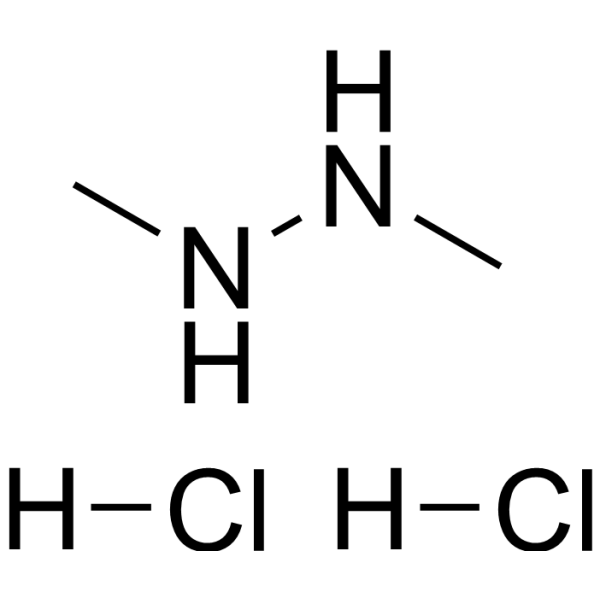
    N,N'-Dimethylhydrazine (1,2-Dimethylhydrazine) dihydrochloride is a tumor inducer that induces colon tumors in rodents .
    N,N'-Dimethylhydrazine dihydrochloride
  • HY-128075

    Environmental Pollutants Herbicide Cancer
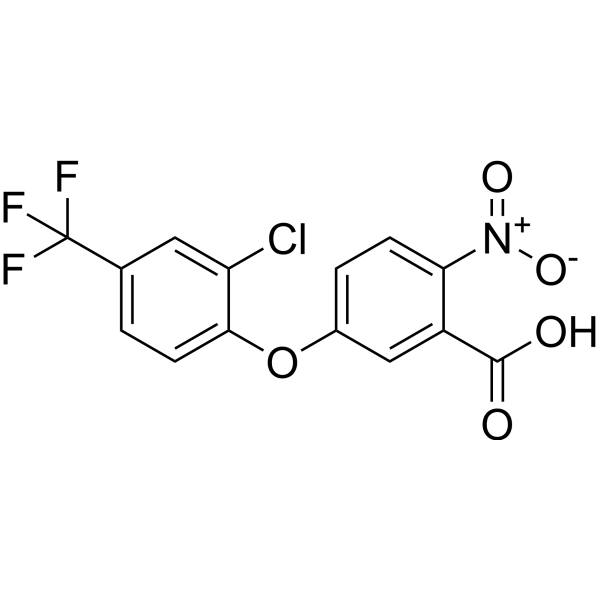
    Acifluorfen, a protoporphyrinogen oxidase (PROTOX) inhibitor herbicide, promotes the accumulation of protoporphyrin IX (PPIX), and induces tumors in the rodent liver. Acifluorfen causes strong photooxidative destruction of pigments and lipids in sensitive plant species .
    Acifluorfen
  • HY-14406A
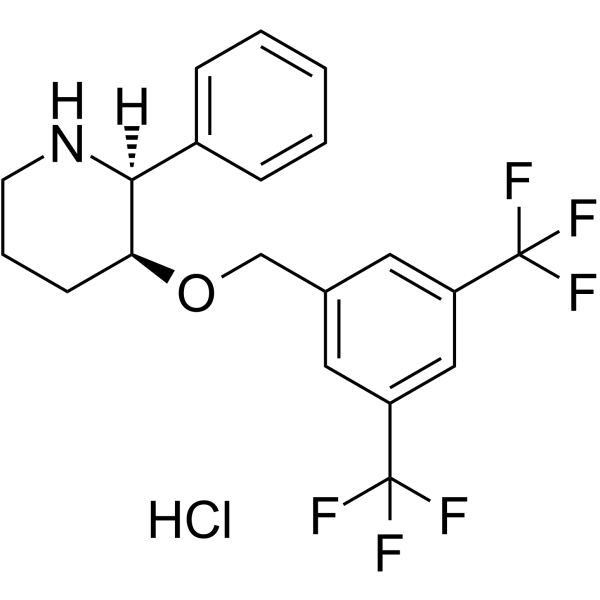
    L-733060 hydrochloride
    1 Publications Verification

    Neurokinin Receptor Neurological Disease Cancer
    L-733060 hydrochloride is a selective neurokinin-1 (NK-1) receptor antagonist. L-733060 hydrochloride mainly regulates pain transmission and neural plasticity by blocking the binding of Substance P (P substance) to the NK-1 receptor. L-733060 hydrochloride blocks the promoting effect of Substance P on long-term potentiation (LTP) in the hippocampus. L-733060 hydrochloride reverses the orofacial hyperalgesia induced by experimental occlusal interference (EOI) in rats. L-733060 hydrochloride hydrochloride inhibits neurogenic plasma extravasation at a dose that does not cause adverse cardiovascular effects in rodents, and also acts as an anti-tumor agent. L-733060 hydrochloride can be used for the study of chronic orofacial pain .
    L-733060 hydrochloride
  • HY-P990730

    ARB202

    CD3 Cadherin Cancer
    Cabotamig is a humanized bispecific T-cell engager antibody targeting CDH17/CD3. Cabotamig is generated from anti-CDH17 monoclonal ARB102 by linking a CD3-binding scFv in the format of IgG4-scFv. Cabotamig can be used for the research of cancer, such as gastric cancer and colon cancers .
    Cabotamig
  • HY-118819

    Aldose Reductase Neurological Disease Cancer
    5-Bromo-3-phenyl salicylic acid is a selective inhibitor for human 20α-hydroxysteroid dehydrogenase (AKR1C1) with Ki of 140 nM .
    5-Bromo-3-phenyl salicylic acid
  • HY-B0035B

    Sulfadimidine 100 µg/mL in acetonitrile; Sulfadimerazine 100 µg/mL in acetonitrile

    Antibiotic Bacterial Infection
    Sulfamethazine (Sulfadimidine) 100 µg/mL in acetonitrile is a brain-penetrant sulfonamide antibiotic. Sulfamethazine 100 µg/mL in acetonitrile inhibits bacterial growth by blocking the synthesis of folic acid. Sulfamethazine 100 µg/mL in acetonitrile can be used for research on bacterial infections .
    Sulfamethazine 100 µg/mL in acetonitrile
  • HY-15260C

    BMS-863233 hydrochloride

    CDK Cancer
    XL413 (BMS-863233) hydrochloride is an orally active and selective CDC7 inhibitor (IC50=3.4 nM). XL413 hydrochloride has favorable pharmacokinetic profiles and significantly inhibits tumor growth in rodent models. XL413 hydrochloride can be used in cancer research .
    XL413 hydrochloride
  • HY-W011845R

    7,12-DMBA (Standard); 7,12-Dimethylbenzanthracene (Standard)

    c-Myc Reference Standards Cancer
    DMBA has carcinogenic activity as a polycyclic aromatic hydrocarbon (PAH). DMBA is used to induce tumor formation in various rodent models .
    DMBA (Standard)
  • HY-14769A

    5,10-Methylenetetrafolate calcium; ANX-510

    Endogenous Metabolite Cancer
    Folitixorin calcium is a cofactor and an analog of leucovorin. Folitixorin calcium is a promising agent for modulation of 5-FU cytotoxicity in adjuvant cancer research .
    Folitixorin calcium
  • HY-14406

    Neurokinin Receptor Neurological Disease Cancer
    L-733060 is a selective neurokinin-1 (NK-1) receptor antagonist. L-733060 mainly regulates pain transmission and neural plasticity by blocking the binding of Substance P (P substance) to the NK-1 receptor. L-733060 blocks the promoting effect of Substance P on long-term potentiation (LTP) in the hippocampus. L-733060 reverses the orofacial hyperalgesia induced by experimental occlusal interference (EOI) in rats. L-733060 hydrochloride inhibits neurogenic plasma extravasation at a dose that does not cause adverse cardiovascular effects in rodents, and also acts as an anti-tumor agent. L-733060 can be used for the study of chronic orofacial pain .
    L-733060
  • HY-P1723A

    Neuropeptide Q TFA

    Neuropeptide Y Receptor Apoptosis Ferroptosis Autophagy Cardiovascular Disease Metabolic Disease
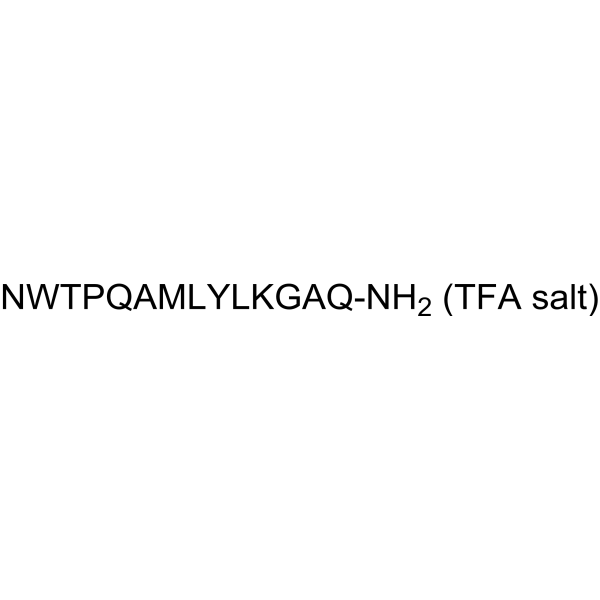
    Spexin (Neuropeptide Q) TFA is a selective agonist of galanin receptors GAL2 and GAL3, and is a conserved peptide that functions as a neurotransmitter/neuromodulator and endocrine factor. Spexin TFA can function through both central and peripheral actions. Spexin TFA upregulates Beclin 1 to inhibit ferroptosis induced by excessive autophagy, reduces the uptake of long-chain fatty acids by adipocytes, and regulates energy metabolism by increasing lipid oxidation (e.g., reducing the respiratory exchange ratio in rodents). Spexin TFA improves cardiac function in the Doxorubicin hydrochloride (HY-15142)-induced cardiotoxicity model, protects mitochondrial membrane potential, and reduces iron accumulation and lipid peroxidation. Spexin TFA can be used to study obesity and its related metabolic disorders, cardiovascular diseases (e.g., cardioprotection), and side effects of tumor chemotherapy .
    Spexin TFA
  • HY-118985

    Endogenous Metabolite Cancer
    Acifluorfen sodium, a protoporphyrinogen oxidase (PROTOX) inhibitor herbicide, promotes the accumulation of protoporphyrin IX (PPIX), and induces tumors in the rodent liver. Acifluorfen sodium causes strong photooxidative destruction of pigments and lipids in sensitive plant species .
    Acifluorfen sodium
  • HY-128075R

    Herbicide Reference Standards Cancer
    Acifluorfen (Standard) is the analytical standard of Acifluorfen. This product is intended for research and analytical applications. Acifluorfen, a protoporphyrinogen oxidase (PROTOX) inhibitor herbicide, promotes the accumulation of protoporphyrin IX (PPIX), and induces tumors in the rodent liver. Acifluorfen causes strong photooxidative destruction of pigments and lipids in sensitive plant species .
    Acifluorfen (Standard)
  • HY-N1500A

    (-)-Pulegone

    Cytochrome P450 Cancer
    (S)-Pulegone ((-)-Pulegone) is a cytochrome P450 (CYP450) substrate. (S)-Pulegone induces urothelial cytotoxicity, necrosis, regenerative proliferation and urinary bladder tumors in female rats. (S)-Pulegone induces rodent nephropathy, olfactory metaplasia, gastric hyperplasia/perforation at high dose. (S)-Pulegone can be used for the research of urinary bladder and hepatic neoplasms .
    (S)-Pulegone
  • HY-165375

    Others Cancer
    Plenolin is an anticancer agent. Plenolin exhibits inhibitory activity against human epidermoid carcinoma cells. Plenolin shows in vivo antitumor activity against ascites carcinosarcoma and lymphocytic leukemia in rodent models. Plenolin can be used for research related to ascites tumors and leukemia .
    Plenolin
  • HY-P992369

    VISTA Cancer
    HMBD-002 is an Fc-independent, non-depleting IgG4 subclass antibody that targets VISTA and VSIG3. It is widely used in research related to various solid tumors, including colon cancer, triple-negative breast cancer, and non-small cell lung cancer. HMBD-002 blocks the interactions of VISTA with VSIG3 and LRIG1, relieves immunosuppression without depleting VISTA-positive cells, activates the cytotoxic program of CD8 + T cells, and drives the type I interferon signaling pathway. HMBD-002 reprograms tumor-associated macrophages to the M1 phenotype, reduces tumor infiltration of inhibitory myeloid cells, thereby significantly inhibiting tumor growth and improving survival. HMBD-002 is well tolerated in rodent and non-human primate animal models .
    HMBD-002

Inquiry Online

Your information is safe with us. * Required Fields.

Salutation


Country or Region *

Applicant Name *


Organization Name *

Department *


Email Address *


Product Name *

Cat. No.


Requested quantity *

Phone Number *


Remarks

Inquiry Online

Inquiry Information

Product Name:
Cat. No.:
Quantity:
MCE Japan Authorized Agent:

