Search Result
Results for "
skin+infection
" in MedChemExpress (MCE) Product Catalog:
7
Isotope-Labeled Compounds
| Cat. No. |
Product Name |
Target |
Research Areas |
Chemical Structure |
-
- HY-B0958
-
|
BRL-4910A; Pseudomonic acid
|
Bacterial
Antibiotic
Aminoacyl-tRNA Synthetase
|
Infection
Endocrinology
|
|
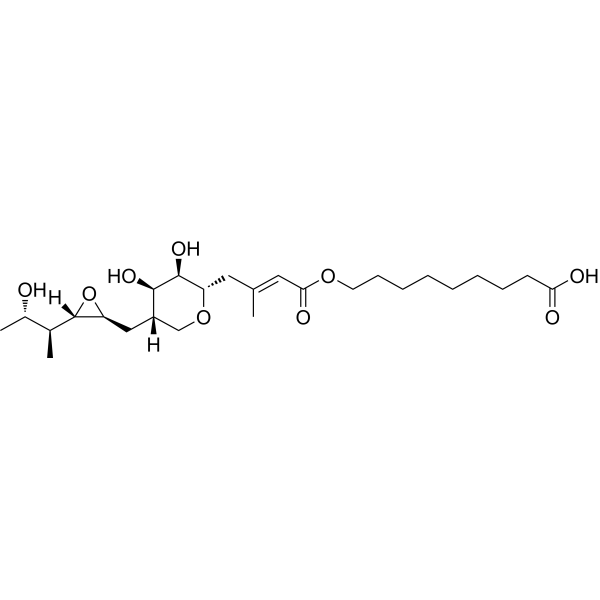
Mupirocin is an antibiotic. Mupirocin inhibits bacterial isoleucyl-tRNA synthetase, blocking protein synthesis. Mupirocin has high activity against Gram-positive bacteria such as Staphylococcus and Streptococcus, as well as some Gram-negative bacteria (such as Haemophilus influenzae). Mupirocin can be used in the research of diseases such as skin infections (such as MRSA infections) and chronic sinusitis .
|
-
-
- HY-14603
-
-
-
- HY-B0198
-
-
-
- HY-14283
-
|
NND 502
|
Fungal
Antibiotic
|
Infection
|
|
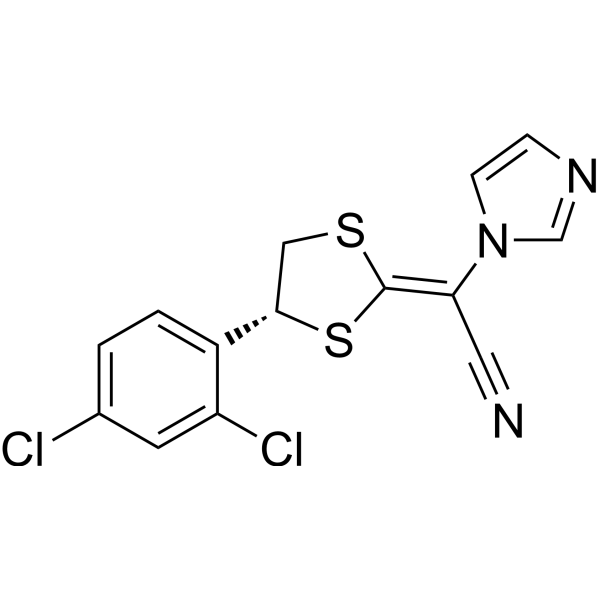
Luliconazole (NND 502) is a topical antifungal imidazole antibiotic with broad-spectrum and potent antifungal activity. Luliconazole can be used for the research of skin infection, including dermatophytosis, tinea corporis, tinea pedis et al .
|
-
-
- HY-B0506
-
|
OPC7251
|
Bacterial
Antibiotic
DNA/RNA Synthesis
Interleukin Related
|
Infection
Inflammation/Immunology
|
|
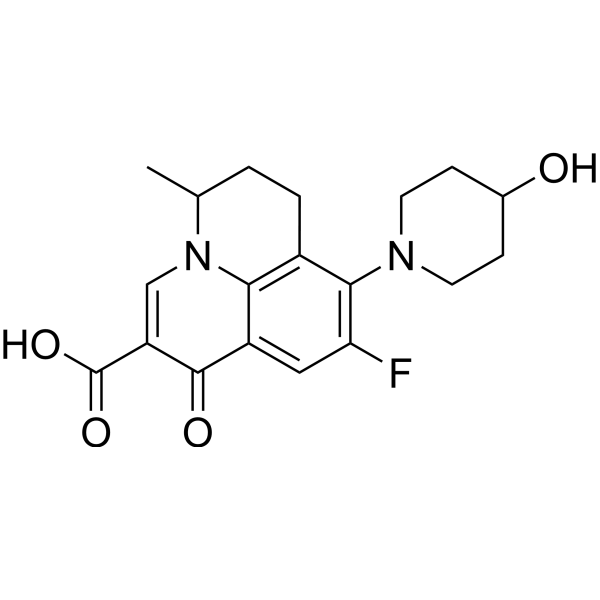
Nadifloxacin (OPC7251) is a broad-spectrum quinolone antibiotic. Nadifloxacin inhibits bacterial DNA gyrase and topoisomerase IV, interfering with DNA replication. It also suppresses the production of proinflammatory cytokines (such as IL-1α, IL-6, and IL-8). Nadifloxacin exhibits antibacterial activity against various pathogens, including Propionibacterium acnes and Staphylococcus aureus. Nadifloxacin also exhibits anti-inflammatory activity. Nadifloxacin can be used in the research of skin infections such as acne vulgaris, folliculitis, and impetigo .
|
-
-
- HY-B0458
-
|
|
Antibiotic
Bacterial
|
Infection
|
|
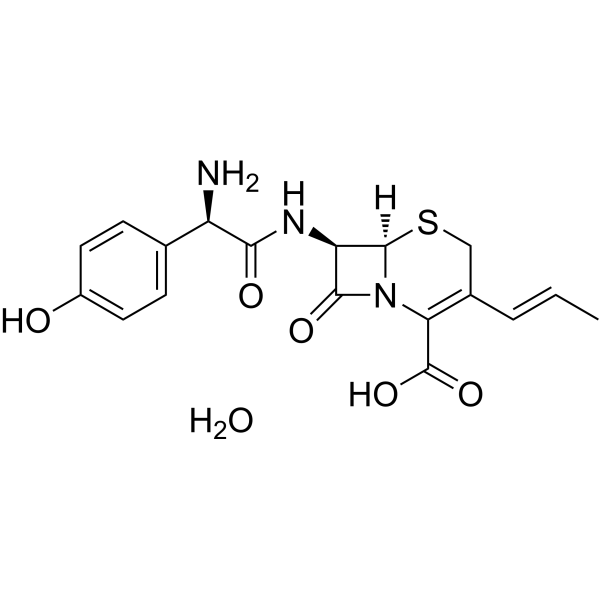
Cefprozil monohydrate is a second-generation cephalosporin type antibiotic. Cefprozil monohydrate exhibits broad-spectrum antibacterial activity, and is orally active. Cefprozil monohydrate can be used for the study of pharyngitis, tonsillitis, otitis media, and uncomplicated skin infections .
|
-
-
- HY-W108875
-
|
BRL-4910A lithium; Pseudomonic acid lithium
|
Antibiotic
Bacterial
Aminoacyl-tRNA Synthetase
|
Infection
Endocrinology
|
|
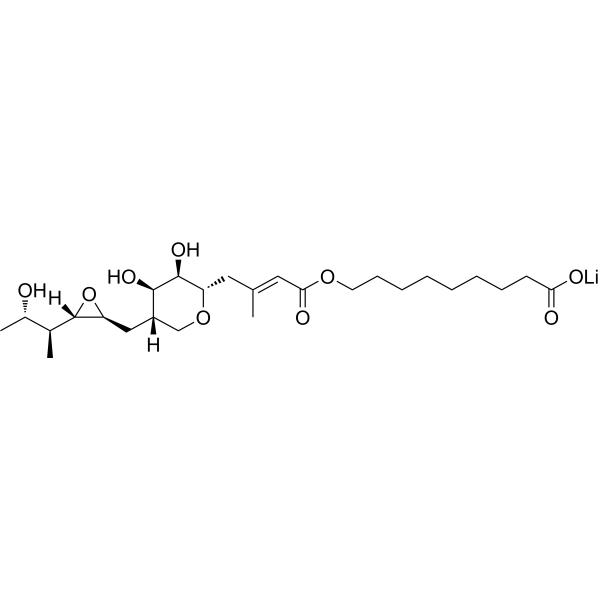
Mupirocin lithium is an antibiotic. Mupirocin lithium inhibits bacterial isoleucyl-tRNA synthetase, blocking protein synthesis. Mupirocin lithium has high activity against Gram-positive bacteria such as Staphylococcus and Streptococcus, as well as some Gram-negative bacteria (such as Haemophilus influenzae). Mupirocin lithium can be used in the research of diseases such as skin infections (such as MRSA infections) and chronic sinusitis .
|
-
-
- HY-B0894
-
|
Acetylresorcinol; Resorcin monoacetate
|
Fungal
|
Infection
|
|
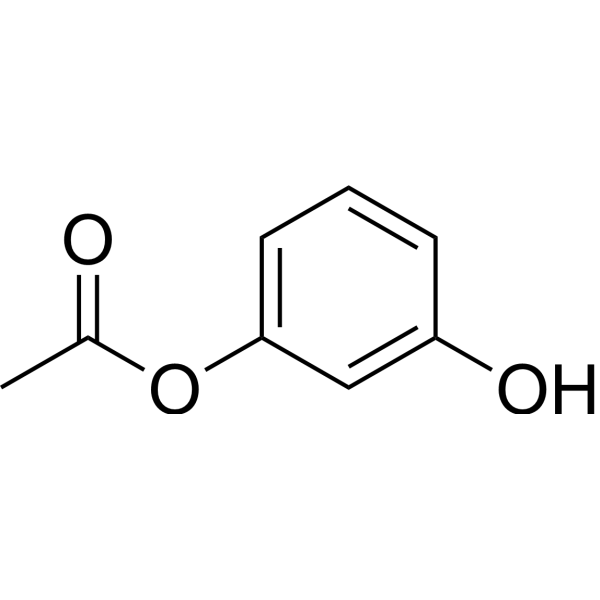
Resorcinol monoacetate (Acetylresorcinol) is a derivative of Resorcinol (HY-B0907). Resorcinol monoacetate can be used in research of skin infections such as acne, seborrheic dermatitis and tinea pedis .
|
-
-
- HY-139398
-
TBI-223
1 Publications Verification
|
Antibiotic
Bacterial
|
Infection
|
|
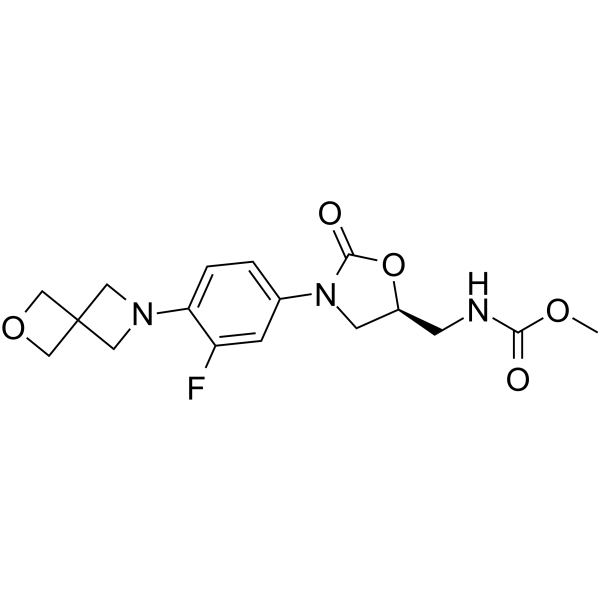
TBI-223 is an orally active oxazolidinone antibiotic and an antimicrobial. TBI-223 shows activity against Mycobacterium tuberculosis (Mtb). TBI-223 exhibits an IC50 of 68 μg/mL for inhibiting mitochondrial protein synthesis (MPS) in HepG2 cells. TBI-223 is effective in three mouse models (bloodstream infection, skin infection, and bone infection) of methicillin-resistant staphylococcus aureus infection. TBI-223 can be used for the study of tuberculosis .
|
-
-
- HY-103249
-
|
Reutericycline
|
Bacterial
|
Infection
Metabolic Disease
|
|
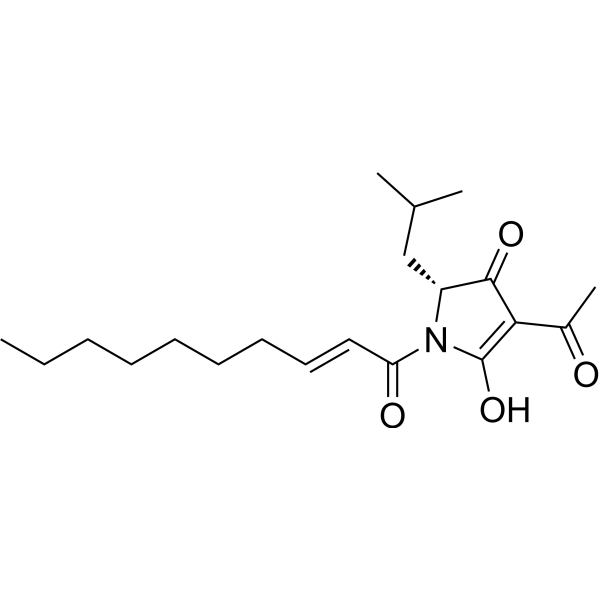
Reutericyclin (Reutericycline) is an orally active antibacterial and anti-obesity agent that selectively inhibits Gram-positive bacteria. By selectively dissipating transmembrane potential, Reutericyclin exerts non-lytic bactericidal or bacteriostatic activity against pathogens such as Clostridium difficile and Staphylococcus aureus, and rapidly kills vegetative cells and spores of Clostridium difficile. Reutericyclin possesses favorable properties including resistance to enzymatic hydrolysis, iron-chelating function, and poor absorption by colonic epithelium. Reutericyclin not only eradicates staphylococcal biofilms and inhibits drug-resistant strains, but also counteracts Risperidone (HY-11018)-induced weight gain by inducing changes in gut microbiota composition and restoring energy utilization efficiency. Reutericyclin can be used in research related to Clostridium difficile infection, Risperidone-induced weight gain, and staphylococcal superficial skin infections .
|
-
-
- HY-121544
-
|
|
Penicillin-binding protein (PBP)
Bacterial
Antibiotic
Histamine Receptor
|
Infection
|
|
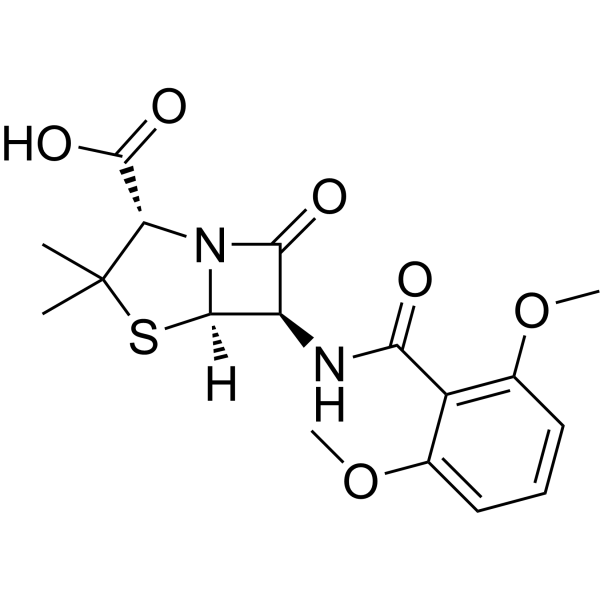
Methicillin is a narrow-spectrum β-lactam antibiotic, acts by inhibiting penicillin-binding proteins (PBPs). Methicillin is active against Staphylococcus aureus and Staphylococcus epidermidis that are resistant to other penicillins.Methicillin can be used for the research of skin infections, osteomyelitis, and endocarditis .
|
-
-
- HY-D0184R
-
|
Deoxycytidine (Standard); Cytosine deoxyriboside (Standard); Deoxyribose cytidine (Standard)
|
Reference Standards
Endogenous Metabolite
|
Cancer
|
|
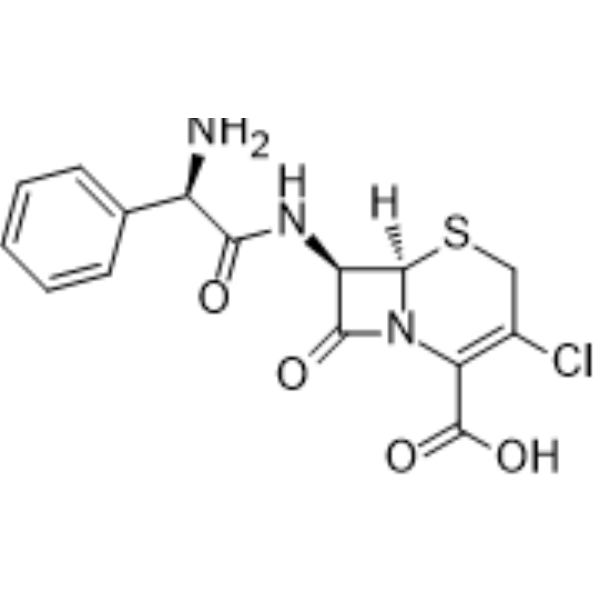
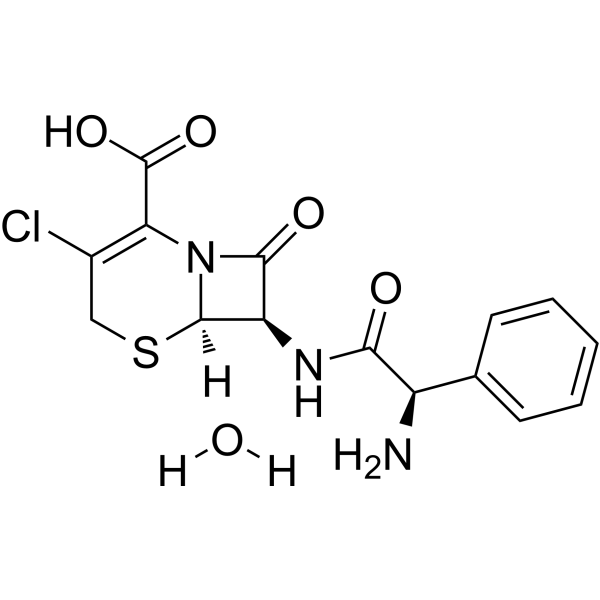
Cefaclor (monohydrate) (Standard) is the analytical standard of Cefaclor (monohydrate). This product is intended for research and analytical applications. Cefaclor is a well-absorbed orally active cephalosporin antibiotic. Cefaclor can specifically bind to specific for penicillin-binding protein 3 (PBP3). Cefaclor can be used for the research of depression and kinds of infections caused by bacteria, such as respiratory tract infections, bacterial bronchitis, pharyngitis and skin infections .
|
-

-
- HY-Y0683A
-
|
|
Biochemical Assay Reagents
|
Infection
Inflammation/Immunology
|
|
Petrolatum (white) is mainly composed of hydrocarbons, possesses strong water resistance and moisturizing properties, and is commonly used as a pharmaceutical excipient. Petrolatum (white) penetrates into stratum corneum cells, improves skin barrier function, repairs epidermal structure, and reduces transepidermal water loss and the risk of skin damage. Petrolatum (white) induces the expression of antimicrobial peptides, innate immune genes, filaggrin and loricrin. Petrolatum (white) is used in research on atopic dermatitis and post-operative skin infections .
|
-
-
- HY-W753904
-
|
|
Bacterial
|
Infection
|
|
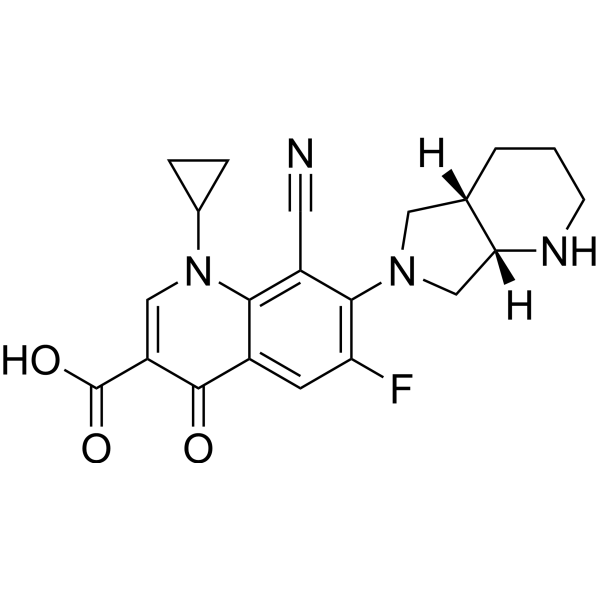
Pradofloxacin, a third-generation fluoroquinolone antibacterial agent. Pradofloxacin can be used for the study of bacterial infections in the dog and cat, such as skin infections .
|
-
-
- HY-B0458A
-
|
|
Antibiotic
Bacterial
|
Infection
|
|
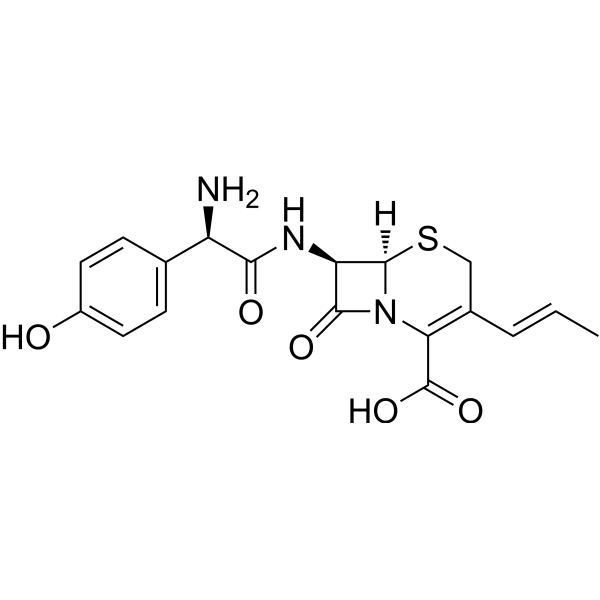
Cefprozil is a second-generation cephalosporin type antibiotic. Cefprozil exhibits broad-spectrum antibacterial activity, and is orally active. Cefprozil can be used for the study of pharyngitis, tonsillitis, otitis media, and uncomplicated skin infections .
|
-
-
- HY-P10868
-
|
RLS-0071
|
Reactive Oxygen Species (ROS)
|
Infection
Inflammation/Immunology
|
|
Pegtarazimod (RLS-0071) is a dual-target anti-inflammatory peptide that exerts its effects by simultaneously regulating the complement system and neutrophil-associated inflammatory pathways. Pegtarazimod reduces ROS production both in vitro and in vivo, and decreases the level of neutrophil elastase, a marker of neutrophil extracellular traps (NETs), in vivo, thereby alleviating inflammatory responses. Pegtarazimod significantly improves the survival rate of mice in multiple in vivo models of acute graft-versus-host disease (aGVHD). Pegtarazimod inhibits the activation of the C1 complex, reduces the herpes zoster-like spread of herpes simplex virus type 1 skin infection, and improves the survival rate of infected mice . Pegtarazimod can be used in research related to acute graft-versus-host disease, acute pulmonary diseases, and skin herpes simplex virus type 1 infection .
|
-

-
- HY-119123A
-
|
LTX-109 trihydrochloride
|
Fungal
Bacterial
|
Infection
|
|
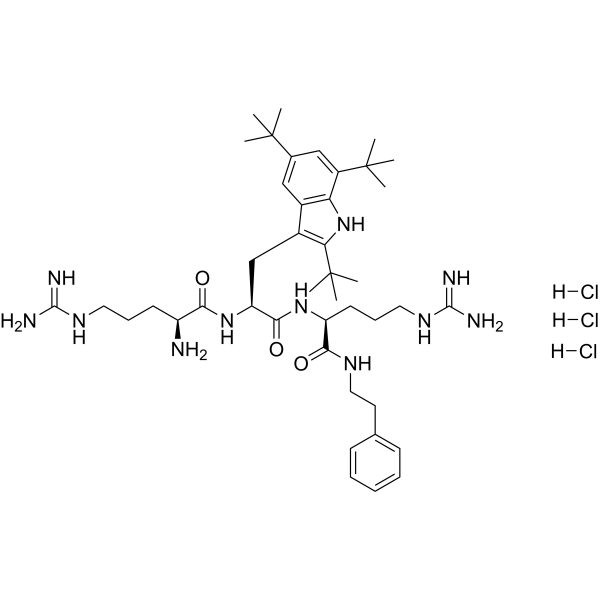
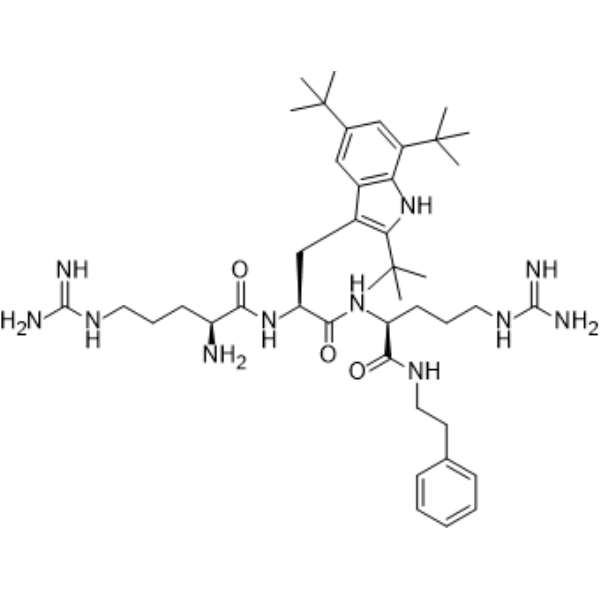
Voxvoganan (LTX-109) trihydrochloride, a topical antimicrobial, is highly effective against S. aureus with a MIC range of 2 to 4 μg/mL. Voxvoganan trihydrochloride can be used for the research of bacterial skin infections, fungal infections and nasal decolonisation of MRSA .
|
-
-
- HY-B0198A
-
-
-
- HY-119123
-
|
LTX-109
|
Fungal
Bacterial
|
Infection
|
|
Voxvoganan (LTX-109), a topical antimicrobial, is highly effective against S. aureus with a MIC range of 2 to 4 μg/mL. Voxvoganan can be used for the research of bacterial skin infections, fungal infections and nasal decolonisation of MRSA .
|
-
-
- HY-177881
-
|
|
Fungal
|
Infection
|
|
Savirin exhibits in vitro antibacterial and antibiofilm activity. Savirin can prevent skin infections induced by S. aureus in vivo. Savirin shows enhanced activity when combined with antibiotics .
|
-

-
- HY-14603R
-
|
Iodochlorohydroxyquinoline (Standard)
|
Reference Standards
Fungal
Autophagy
Mitophagy
Antibiotic
Parasite
|
Infection
Cancer
|
|
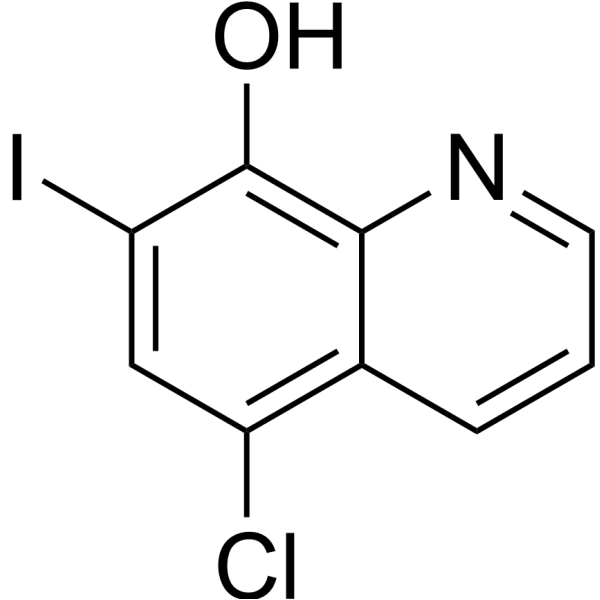
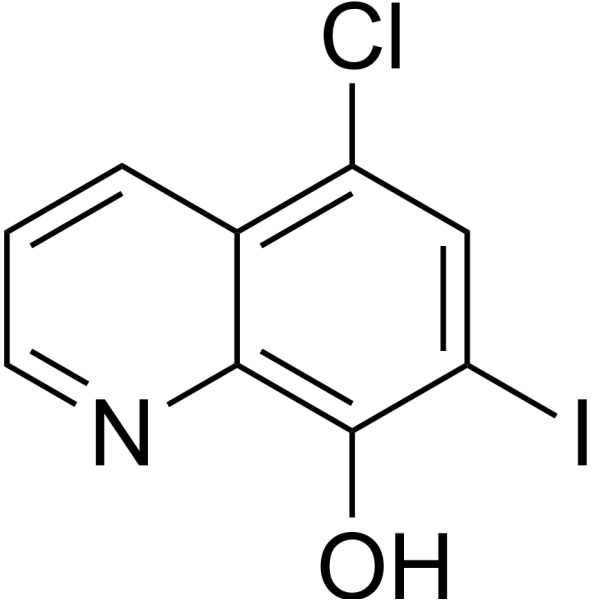
Clioquinol (Standard) is the analytical standard of Clioquinol. This product is intended for research and analytical applications. Clioquinol (Iodochlorhydroxyquin) is a topical antifungal agent with anticancer activity. Clioquinol acts as an oral antimicrobial agent for the research of diarrhea and skin infections. Antibiotic .
|
-
-
- HY-121544A
-
|
|
Penicillin-binding protein (PBP)
Bacterial
Antibiotic
Histamine Receptor
|
Infection
|
|
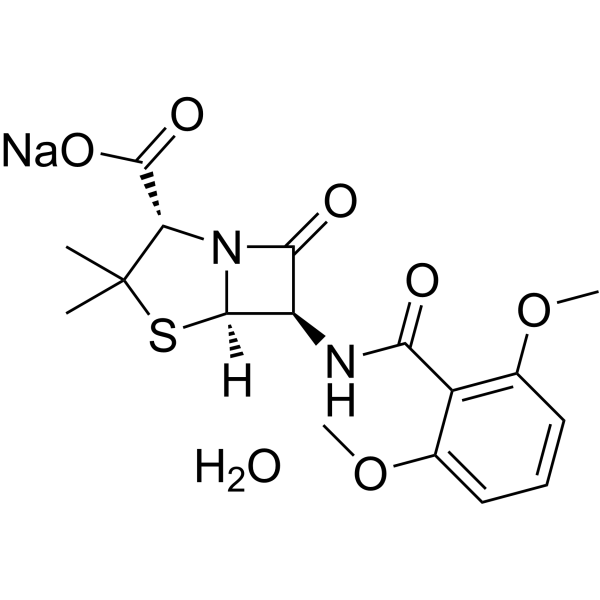
Methicillin sodium hydrate is a narrow-spectrum β-lactam antibiotic, acts by inhibiting penicillin-binding proteins (PBPs). Methicillin sodium hydrate is active against Staphylococcus aureus and Staphylococcus epidermidis that are resistant to other penicillins. Methicillin sodium hydrate can be used for the research of skin infections, osteomyelitis, and endocarditis .
|
-
-
- HY-14283R
-
|
NND 502 (Standard)
|
Reference Standards
Fungal
Antibiotic
|
Infection
|
|
Luliconazole (Standard) is the analytical standard of Luliconazole. This product is intended for research and analytical applications. Luliconazole (NND 502) is a topical antifungal imidazole antibiotic with broad-spectrum and potent antifungal activity. Luliconazole can be used for the research of skin infection, including dermatophytosis, tinea corporis, tinea pedis et al .
|
-

-
- HY-14283S1
-
|
NND 502-d3
|
Isotope-Labeled Compounds
Antibiotic
Fungal
|
Infection
|
|
Luliconazole-d3 (NND 502-d3) is deuterium labeled Luliconazole. Luliconazole (NND 502)?is a topical antifungal imidazole antibiotic with broad-spectrum and potent antifungal activity. Luliconazole can be used for the research of skin infection, including?dermatophytosis, tinea corporis, tinea pedis?et al .
|
-

-
- HY-B0226A
-
|
(E)-Nitrofural
|
Bacterial
Parasite
|
Infection
|
|
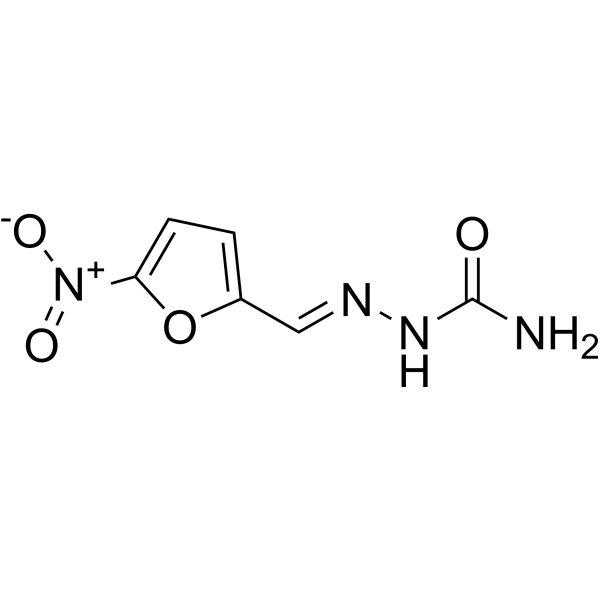
(E)-Nitrofurazone ((E)-Nitrofural) is a topical broad-spectrum antibacterial agent effective against both Gram-negative and Gram-positive bacteria. (E)-Nitrofurazone also possesses antiprotozoal and antiparasitic activities. (E)-Nitrofurazone is commonly used in the research of superficial wounds, burns, skin infections, pyoderma, infectious skin diseases, trypanosomiasis, and acute bacillary dysentery .
|
-
-
- HY-178952
-
|
|
Bacterial
|
Infection
|
|
Anti-infective agent 12 (Compound A09) is a competitive inhibitor of type I signal peptidease (SPase I), with an IC50 of 4.475 μM and a Kd of 16.3 μM. Anti-infective agent 12 has the ability to disrupt bacterial membranes and remove biofilms. Anti-infective agent 12 exhibits potent bactericidal activity against Gram-positive bacteria, with MIC values of 4, 4, 8, and 8 μg/mL for Staphylococcus aureus, Enterococcus faecalis, Enterococcus faecium, and Streptococcus suis, respectively. Anti-infective agent 12 remains effective against multi-drug resistant strains, but has weaker activity against Gram-negative bacteria (such as Escherichia coli and Salmonella), with MIC values > 64 μg/mL. Anti-infective agent 12 has low hemolytic activity and shows significant efficacy in mouse skin infection models .
|
-

-
- HY-B0220S3
-
|
|
Bacterial
|
Infection
|
|
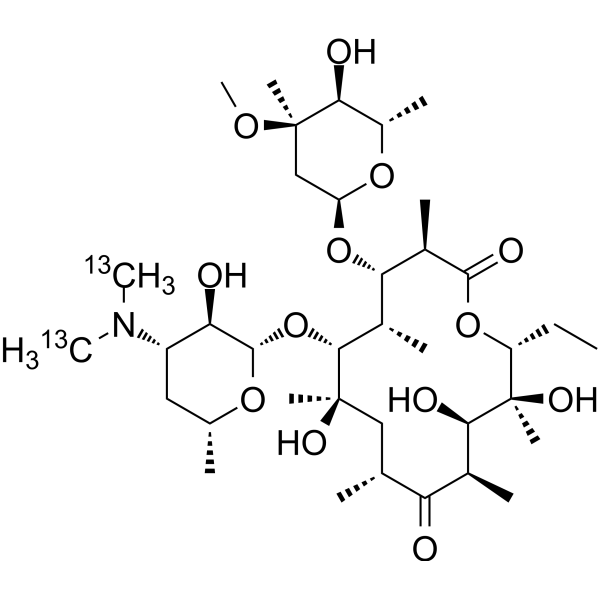
Erythromycin-13C2 is a macrolide antibiotic that can be used to treat respiratory infections, skin infections, and chlamydia infections .
|
-
-
- HY-B0458AS
-
|
|
Isotope-Labeled Compounds
Bacterial
Antibiotic
|
Infection
|
|
Cefprozil-d4 is the deuterium labeled Cefprozi (HY-B0458A) . Cefprozil is a second-generation cephalosporin type antibiotic. Cefprozil exhibits broad-spectrum antibacterial activity, and is orally active. Cefprozil can be used for the study of pharyngitis, tonsillitis, otitis media, and uncomplicated skin infections .
|
-

-
- HY-B0458R
-
|
|
Reference Standards
Antibiotic
Bacterial
|
Infection
|
|
Cefprozil monohydrate (Standard) is the analytical standard of Cefprozil monohydrate (HY-B0458). This product is intended for research and analytical applications. Cefprozil monohydrate is a second-generation cephalosporin type antibiotic. Cefprozil monohydrate exhibits broad-spectrum antibacterial activity, and is orally active. Cefprozil monohydrate can be used for the study of pharyngitis, tonsillitis, otitis media, and uncomplicated skin infections .
|
-

-
- HY-14283S
-
|
NND 502-13C7
|
Isotope-Labeled Compounds
|
Infection
|
|
Luliconazole- 13C7 (NND 502- 13C7) is 13C labeled Luliconazole. Luliconazole (NND 502)?is a topical antifungal imidazole antibiotic with broad-spectrum and potent antifungal activity. Luliconazole can be used for the research of skin infection, including?dermatophytosis, tinea corporis, tinea pedis?et al .
|
-

-
- HY-121544AR
-
|
|
Penicillin-binding protein (PBP)
Reference Standards
Bacterial
Antibiotic
Histamine Receptor
|
Infection
|
|
Methicillin (sodium hydrate) (Standard) is the analytical standard of Methicillin (sodium hydrate). This product is intended for research and analytical applications. Methicillin sodium hydrate is a narrow-spectrum β-lactam antibiotic, acts by inhibiting penicillin-binding proteins (PBPs). Methicillin sodium hydrate is active against Staphylococcus aureus and Staphylococcus epidermidis that are resistant to other penicillins. Methicillin sodium hydrate can be used for the research of skin infections, osteomyelitis, and endocarditis .
|
-

-
- HY-18719ER
-
|
|
Cytochrome P450
Reference Standards
Estrogen Receptor/ERR
Drug Metabolite
Parasite
|
Cancer
|
|
Methicillin (sodium hydrate) (Standard) is the analytical standard of Methicillin (sodium hydrate). This product is intended for research and analytical applications. Methicillin sodium hydrate is a narrow-spectrum β-lactam antibiotic, acts by inhibiting penicillin-binding proteins (PBPs). Methicillin sodium hydrate is active against Staphylococcus aureus and Staphylococcus epidermidis that are resistant to other penicillins. Methicillin sodium hydrate can be used for the research of skin infections, osteomyelitis, and endocarditis .
|
-

-
- HY-B0220H
-
|
|
DNA/RNA Synthesis
Bacterial
Antibiotic
|
Infection
|
|
Erythromycin hydrochloride is a protein synthesis inhibitor with activity against the growth of both Gram-negative and Gram-positive bacteria. Erythromycin hydrochloride is commonly used in biomedicine to inhibit diseases caused by bacterial infections. Erythromycin hydrochloride is also involved in the inhibition of mammalian mRNA splicing. The application range of erythromycin hydrochloride includes respiratory tract infections, skin infections, and other infections caused by sensitive bacteria .
|
-

-
- HY-B0198R
-
-

-
- HY-B0198AR
-
-

-
- HY-178493
-
|
|
Bacterial
|
Infection
|
|
Anti-MRSA agent 37 (Compound 5B) is an antibacterial agent against methicillin-resistant Staphylococcus aureus (MRSA) (MIC=0.25-0.5 μg/mL). Anti-MRSA agent 37 inhibits biofilm formation, disrupts cell wall integrit, attacks cell membrane and induces oxidative stress. Anti-MRSA agent 37 is promising for research of MRSA-related diseases such as skin infections .
|
-

-
- HY-B0226S
-
|
Nitrofural-13C,15N2
|
Isotope-Labeled Compounds
|
Infection
|
|
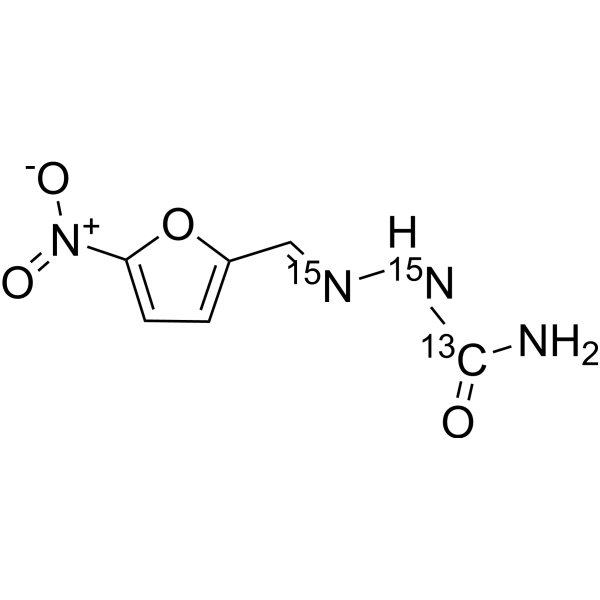
Nitrofurazone- 13C, 15N2 (Nitrofural- 13C, 15N2) is the 13C and 15N labled Nitrofurazone (HY-B0226) . Nitrofurazone is a potential antibiotic that can be used topically to treat wounds, burns, ulcers and skin infections to combat various microorganisms and to prepare surfactants . Nitrofurazone may affect the ecosystem function in Marine environment and affect the functional processes of epiphytic fauna .
|
-
-
- HY-Y0683B
-
|
|
Biochemical Assay Reagents
|
Infection
Inflammation/Immunology
|
|
Petrolatum (yellow) is mainly composed of hydrocarbons, possesses strong water resistance and moisturizing properties, and is commonly used as a pharmaceutical excipient. Petrolatum (yellow) penetrates into stratum corneum cells, improves skin barrier function, repairs epidermal structure, and reduces transepidermal water loss and the risk of skin damage. Petrolatum (yellow) induces the expression of antimicrobial peptides, innate immune genes, filaggrin and loricrin. Petrolatum (yellow) is used in research on atopic dermatitis and post-operative skin infections .
|
-
-
- HY-B0958R
-
|
BRL-4910A (Standard); Pseudomonic acid (Standard)
|
Reference Standards
Bacterial
Antibiotic
Aminoacyl-tRNA Synthetase
|
Infection
Endocrinology
|
|
Mupirocin (Standard) is the analytical standard of Mupirocin (HY-B0958). This product is intended for research and analytical applications. Mupirocin is an antibiotic. Mupirocin inhibits bacterial isoleucyl-tRNA synthetase, blocking protein synthesis. Mupirocin has high activity against Gram-positive bacteria such as Staphylococcus and Streptococcus, as well as some Gram-negative bacteria (such as Haemophilus influenzae). Mupirocin can be used in the research of diseases such as skin infections (such as MRSA infections) and chronic sinusitis .
|
-

-
- HY-172826
-
|
|
Bacterial
|
Infection
|
|
Anti-MRSA agent 26 is a potent anti-MRSA agent with MIC <0.015 μg/mL. Anti-MRSA agent 26 has superior activity against a broad range of Gram-positive pathogens and shows no cytotoxicity in three mammalian cell lines (Caco-2, DU-145 and MDCKII MDR1 cells) at 10 μM. Anti-MRSA agent 26 has a robust TAP pharmacophore and an excellent antibacterial activity in Staphylococcus aureus skin infection mice model .
|
-

-
- HY-174985
-
|
|
Bacterial
|
Infection
|
|
Anti-MRSA agent 32 (Compound 26) is an orally active and selective SaClpP (Staphylococcus aureus ClpP protease) activator with an EC50 value of 0.98 μM. Anti-MRSA agent 32 activates SaClpP to abnormally degrade bacterial proteins, inhibiting the proliferation of Staphylococcus aureus. Anti-MRSA agent 32 promotes wound healing in a murine skin infection model. Anti-MRSA agent 32 is promising for research of infectious diseases such as methicillin-resistant Staphylococcus aureus (MRSA) infections .
|
-

-
- HY-W108875R
-
|
BRL-4910A lithium (Standard); Pseudomonic acid lithium (Standard)
|
Antibiotic
Bacterial
Reference Standards
Aminoacyl-tRNA Synthetase
|
Infection
Endocrinology
|
|
Mupirocin (lithium) (Standard) is the analytical standard of Mupirocin lithium (HY-W108875). This product is intended for research and analytical applications. Mupirocin lithium is an antibiotic. Mupirocin lithium inhibits bacterial isoleucyl-tRNA synthetase, blocking protein synthesis. Mupirocin lithium has high activity against Gram-positive bacteria such as Staphylococcus and Streptococcus, as well as some Gram-negative bacteria (such as Haemophilus influenzae). Mupirocin lithium can be used in the research of diseases such as skin infections (such as MRSA infections) and chronic sinusitis .
|
-

-
- HY-P11109
-
|
|
Antibiotic
Bacterial
|
Infection
|
|
RL-37 is an alpha-helical antimicrobial peptide. RL-37 can be isolated for rhesus monkey bone marrow. RL-37 rapidly permeabilizes the membranes of Escherichia coli ML-35p and lysed liposomes. RL-37 has effective antibacterial activity against staphylococci, such as wild-type and Methicillin (HY-121544)-resistant S. aureus strains and S. epidermidis ATCC 49741. RL-37 can be used for human skin infections research .
|
-

-
- HY-111127
-
|
|
Antibiotic
Bacterial
|
Infection
|
|
LY164846 is an orally active cephalosporin. LY164846 is highly sensitive to Haemophilus influenzae (including Ampicillin (HY-B0522)-resistant strains) and Moraxella catarrhalis (with MIC90 ≤ 4 μg/mL). LY164846 is generally sensitive to Methicillin (HY-121544)-resistant Staphylococcus aureus and Streptococcus (except Enterococcus) (with MIC90: 0.25 - 8 μg/mL), and moderately sensitive to anaerobic bacteria. LY164846 has MBC/MIC ratio to Haemophilus influenzae of ≤ 2, showing bactericidal activity. LY164846 can be used for research on respiratory and skin infections .
|
-

-
- HY-175295A
-
|
|
Bacterial
Reactive Oxygen Species (ROS)
|
Infection
|
|
Anti-MRSA agent 33 iodide is an anti-Methicillin (HY-121544)-resistant Staphylococcus aureus (MRSA) agent, with MIC values of 2-4 μg/mL. Anti-MRSA agent 33 iodide demonstrates effective biofilm eradication and minimal cytotoxicity toward mammalian cells. Anti-MRSA agent 33 iodide specifically binds to phosphatidylglycerol (PG) on bacterial membranes, leading to membrane disruption, excessive production of ROS, and metabolic collapse, ultimately resulting in bacterial cell death. Anti-MRSA agent 33 iodide reduces bacterial load in a murine skin infection model .
|
-

-
- HY-B0506R
-
|
OPC7251 (Standard)
|
Reference Standards
Bacterial
Antibiotic
DNA/RNA Synthesis
Interleukin Related
|
Infection
Inflammation/Immunology
|
|
Nadifloxacin (Standard) is the analytical standard of Nadifloxacin (HY-B0506). This product is intended for research and analytical applications. Nadifloxacin (OPC7251) is a broad-spectrum quinolone antibiotic. Nadifloxacin inhibits bacterial DNA gyrase and topoisomerase IV, interfering with DNA replication. It also suppresses the production of proinflammatory cytokines (such as IL-1α, IL-6, and IL-8). Nadifloxacin exhibits antibacterial activity against various pathogens, including Propionibacterium acnes and Staphylococcus aureus. Nadifloxacin also exhibits anti-inflammatory activity. Nadifloxacin can be used in the research of skin infections such as acne vulgaris, folliculitis, and impetigo .
|
-

-
- HY-B0506S1
-
|
OPC7251-d5
|
Isotope-Labeled Compounds
Antibiotic
Bacterial
DNA/RNA Synthesis
Interleukin Related
|
Infection
Inflammation/Immunology
|
|
Nadifloxacin-d5 (OPC7251-d5) is deuterium labeled Nadifloxacin (HY-B0506). Nadifloxacin (OPC7251) is a broad-spectrum quinolone antibiotic. Nadifloxacin inhibits bacterial DNA gyrase and topoisomerase IV, interfering with DNA replication. It also suppresses the production of proinflammatory cytokines (such as IL-1α, IL-6, and IL-8). Nadifloxacin exhibits antibacterial activity against various pathogens, including Propionibacterium acnes and Staphylococcus aureus. Nadifloxacin also exhibits anti-inflammatory activity. Nadifloxacin can be used in the research of skin infections such as acne vulgaris, folliculitis, and impetigo .
|
-

-
- HY-168204
-
|
|
Bacterial
Fungal
|
Infection
|
|
3-Acetyl-28-N–(3–guanidinobutoxy)-oleanolic acid (compound J1) is a potent antimicrobial agent. 3-Acetyl-28-N–(3–guanidinobutoxy)-oleanolic acid shows anti-gram-positive bacteria and fungi activity. 3-Acetyl-28-N–(3–guanidinobutoxy)-oleanolic acid can be used as antibiotic adjuvants. 3-Acetyl-28-N–(3–guanidinobutoxy)-oleanolic disrupts the bacterial cell membrane, inserts into the DNA, and binds to DNA gyrase. 3-Acetyl-28-N–(3–guanidinobutoxy)-oleanolic reduces microbial count in a mouse MRSA skin infection model and accelerates wound healing .
|
-

-
- HY-182033
-
|
|
Bacterial
ClpP
|
Infection
|
|
ClpP agonist 1 is a Staphylococcus aureus ClpP (SaClpP) agonist with an EC50 of 1.44 μM, Kd values of 2.95 μM (isothermal titration calorimetry) and 18 μM (bio-layer interferometry), and a low drug resistance frequency. ClpP agonist 1 reduces bacterial load, shrinks infected area and improves histopathological outcomes in a mouse skin infection model. ClpP agonist 1 can be used for the research of Methicillin (HY-121544)-resistant Staphylococcus aureus (MRSA) skin infections .
|
-

-
- HY-W753904S
-
|
|
Isotope-Labeled Compounds
Bacterial
|
Infection
|
|
Pradofloxacin-d4 is the deuterium labeled Pradofloxacin (HY-W753904). Pradofloxacin, a third-generation fluoroquinolone antibacterial agent. Pradofloxacin can be used for the study of bacterial infections in the dog and cat, such as skin infections .
|
-

- HY-N18789
-
|
|
Bacterial
|
Infection
Inflammation/Immunology
|
|
Tagetes oil is an organic essential oil extracted from the Tagetes plant exhibiting inherent anti-inflammatory and antimicrobial attributes. Its employment in the research of diverse skin infections, wounds and dermatological conditions has been extensively recognized.
|
-

- HY-N18746
-
|
|
Others
|
Infection
|
|
Cassia tora extract is derived from the seeds of Cassia tora and is rich in bioactive constituents such as flavonoids, saponins, and polysaccharides. Cassia tora extract can be utilized in research on various conditions, including skin infections, liver diseases, and constipation.
|
-

- HY-W018143
-
|
|
Bacterial
Fungal
|
Infection
|
|
1-Methyl-4-nitroimidazole is an antibacterial agent. 1-Methyl-4-nitroimidazole is reduced by bacterial nitroreductases to form toxic derivatives, which cause DNA damage, inhibit bacterial nucleic acid synthesis, generate toxic superoxides through futile cycling of reduced radical anions, and induce bacterial cell death. 1-Methyl-4-nitroimidazole exhibits moderate in vitro activity against bacteria and fungal. 1-Methyl-4-nitroimidazole can be used in the research of skin infections, purulent infections and urinary tract infections .
|
-

- HY-168729
-
|
|
Bacterial
|
Infection
|
|
Antibacterial agent 256 (Compound C09) is an inhibitor for type I signal peptidase (SPase I). Antibacterial agent 256 inhibits gram-positive bacteria, that inhibits S. aureus ATCC 29213, E. faecium QF31, E. faecalis SF23-1 and S. suis P1/7, with MIC of 1-16 μg/mL. Antibacterial agent 256 exhibits cytotoxicity in cancer cell HEp-2 and Caco-2 with CC50 of 14.65 μg/mL and 21.93 μg/mL. Antibacterial agent 256 exhibits a hemolytic activity on mouse RBCs, with an HC50 of 13.29 μg/mL. Antibacterial agent 256 ameliorates the MRSA skin infection in mouse model .
|
-

| Cat. No. |
Product Name |
Target |
Research Area |
-
- HY-P10868
-
|
RLS-0071
|
Reactive Oxygen Species (ROS)
|
Infection
Inflammation/Immunology
|
|
Pegtarazimod (RLS-0071) is a dual-target anti-inflammatory peptide that exerts its effects by simultaneously regulating the complement system and neutrophil-associated inflammatory pathways. Pegtarazimod reduces ROS production both in vitro and in vivo, and decreases the level of neutrophil elastase, a marker of neutrophil extracellular traps (NETs), in vivo, thereby alleviating inflammatory responses. Pegtarazimod significantly improves the survival rate of mice in multiple in vivo models of acute graft-versus-host disease (aGVHD). Pegtarazimod inhibits the activation of the C1 complex, reduces the herpes zoster-like spread of herpes simplex virus type 1 skin infection, and improves the survival rate of infected mice . Pegtarazimod can be used in research related to acute graft-versus-host disease, acute pulmonary diseases, and skin herpes simplex virus type 1 infection .
|
-
- HY-P11109
-
|
|
Antibiotic
Bacterial
|
Infection
|
|
RL-37 is an alpha-helical antimicrobial peptide. RL-37 can be isolated for rhesus monkey bone marrow. RL-37 rapidly permeabilizes the membranes of Escherichia coli ML-35p and lysed liposomes. RL-37 has effective antibacterial activity against staphylococci, such as wild-type and Methicillin (HY-121544)-resistant S. aureus strains and S. epidermidis ATCC 49741. RL-37 can be used for human skin infections research .
|
| Cat. No. |
Product Name |
Category |
Target |
Chemical Structure |
-
- HY-B0958
-
-
-
- HY-103249
-
|
Reutericycline
|
Infection
Structural Classification
Microorganisms
Classification of Application Fields
Antibiotics
Antibacterial
Disease Research
Disease Research Fields
Other Antibiotics
Source Classification
|
Bacterial
|
|
Reutericyclin (Reutericycline) is an orally active antibacterial and anti-obesity agent that selectively inhibits Gram-positive bacteria. By selectively dissipating transmembrane potential, Reutericyclin exerts non-lytic bactericidal or bacteriostatic activity against pathogens such as Clostridium difficile and Staphylococcus aureus, and rapidly kills vegetative cells and spores of Clostridium difficile. Reutericyclin possesses favorable properties including resistance to enzymatic hydrolysis, iron-chelating function, and poor absorption by colonic epithelium. Reutericyclin not only eradicates staphylococcal biofilms and inhibits drug-resistant strains, but also counteracts Risperidone (HY-11018)-induced weight gain by inducing changes in gut microbiota composition and restoring energy utilization efficiency. Reutericyclin can be used in research related to Clostridium difficile infection, Risperidone-induced weight gain, and staphylococcal superficial skin infections .
|
-
-
- HY-D0184R
-
|
Deoxycytidine (Standard); Cytosine deoxyriboside (Standard); Deoxyribose cytidine (Standard)
|
Structural Classification
Natural Products
Microorganisms
Endogenous metabolite
Source Classification
|
Reference Standards
Endogenous Metabolite
|
|
Cefaclor (monohydrate) (Standard) is the analytical standard of Cefaclor (monohydrate). This product is intended for research and analytical applications. Cefaclor is a well-absorbed orally active cephalosporin antibiotic. Cefaclor can specifically bind to specific for penicillin-binding protein 3 (PBP3). Cefaclor can be used for the research of depression and kinds of infections caused by bacteria, such as respiratory tract infections, bacterial bronchitis, pharyngitis and skin infections .
|
-
-
- HY-B0958R
-
-
-
- HY-N18789
-
|
|
Structural Classification
Extract
|
Bacterial
|
|
Tagetes oil is an organic essential oil extracted from the Tagetes plant exhibiting inherent anti-inflammatory and antimicrobial attributes. Its employment in the research of diverse skin infections, wounds and dermatological conditions has been extensively recognized.
|
-
-
- HY-N18746
-
|
|
Structural Classification
Extract
|
Others
|
|
Cassia tora extract is derived from the seeds of Cassia tora and is rich in bioactive constituents such as flavonoids, saponins, and polysaccharides. Cassia tora extract can be utilized in research on various conditions, including skin infections, liver diseases, and constipation.
|
-
| Cat. No. |
Product Name |
Chemical Structure |
-
- HY-14283S1
-
|
|
|
Luliconazole-d3 (NND 502-d3) is deuterium labeled Luliconazole. Luliconazole (NND 502)?is a topical antifungal imidazole antibiotic with broad-spectrum and potent antifungal activity. Luliconazole can be used for the research of skin infection, including?dermatophytosis, tinea corporis, tinea pedis?et al .
|
-
-
- HY-B0220S3
-
|
|
|
Erythromycin-13C2 is a macrolide antibiotic that can be used to treat respiratory infections, skin infections, and chlamydia infections .
|
-
-
- HY-B0458AS
-
|
|
|
Cefprozil-d4 is the deuterium labeled Cefprozi (HY-B0458A) . Cefprozil is a second-generation cephalosporin type antibiotic. Cefprozil exhibits broad-spectrum antibacterial activity, and is orally active. Cefprozil can be used for the study of pharyngitis, tonsillitis, otitis media, and uncomplicated skin infections .
|
-
-
- HY-14283S
-
|
|
|
Luliconazole- 13C7 (NND 502- 13C7) is 13C labeled Luliconazole. Luliconazole (NND 502)?is a topical antifungal imidazole antibiotic with broad-spectrum and potent antifungal activity. Luliconazole can be used for the research of skin infection, including?dermatophytosis, tinea corporis, tinea pedis?et al .
|
-
-
- HY-B0226S
-
|
|
|
Nitrofurazone- 13C, 15N2 (Nitrofural- 13C, 15N2) is the 13C and 15N labled Nitrofurazone (HY-B0226) . Nitrofurazone is a potential antibiotic that can be used topically to treat wounds, burns, ulcers and skin infections to combat various microorganisms and to prepare surfactants . Nitrofurazone may affect the ecosystem function in Marine environment and affect the functional processes of epiphytic fauna .
|
-
-
- HY-B0506S1
-
|
|
|
Nadifloxacin-d5 (OPC7251-d5) is deuterium labeled Nadifloxacin (HY-B0506). Nadifloxacin (OPC7251) is a broad-spectrum quinolone antibiotic. Nadifloxacin inhibits bacterial DNA gyrase and topoisomerase IV, interfering with DNA replication. It also suppresses the production of proinflammatory cytokines (such as IL-1α, IL-6, and IL-8). Nadifloxacin exhibits antibacterial activity against various pathogens, including Propionibacterium acnes and Staphylococcus aureus. Nadifloxacin also exhibits anti-inflammatory activity. Nadifloxacin can be used in the research of skin infections such as acne vulgaris, folliculitis, and impetigo .
|
-
-
- HY-W753904S
-
|
|
|
Pradofloxacin-d4 is the deuterium labeled Pradofloxacin (HY-W753904). Pradofloxacin, a third-generation fluoroquinolone antibacterial agent. Pradofloxacin can be used for the study of bacterial infections in the dog and cat, such as skin infections .
|
-
| Cat. No. |
Product Name |
|
Classification |
-
- HY-Y0683A
-
|
|
|
Bases
|
|
Petrolatum (white) is mainly composed of hydrocarbons, possesses strong water resistance and moisturizing properties, and is commonly used as a pharmaceutical excipient. Petrolatum (white) penetrates into stratum corneum cells, improves skin barrier function, repairs epidermal structure, and reduces transepidermal water loss and the risk of skin damage. Petrolatum (white) induces the expression of antimicrobial peptides, innate immune genes, filaggrin and loricrin. Petrolatum (white) is used in research on atopic dermatitis and post-operative skin infections .
|
-
- HY-Y0683B
-
|
|
|
Bases
|
|
Petrolatum (yellow) is mainly composed of hydrocarbons, possesses strong water resistance and moisturizing properties, and is commonly used as a pharmaceutical excipient. Petrolatum (yellow) penetrates into stratum corneum cells, improves skin barrier function, repairs epidermal structure, and reduces transepidermal water loss and the risk of skin damage. Petrolatum (yellow) induces the expression of antimicrobial peptides, innate immune genes, filaggrin and loricrin. Petrolatum (yellow) is used in research on atopic dermatitis and post-operative skin infections .
|
Your information is safe with us. * Required Fields.
Inquiry Information
- Product Name:
- Cat. No.:
- Quantity:
- MCE Japan Authorized Agent:








