1. Search Result
Search Result
Results for "

unnatural enantiomer

" in MedChemExpress (MCE) Product Catalog:

42

Inhibitors & Agonists

2

Screening Libraries

4

Fluorescent Dyes

2

Biochemical Assay Reagents

7

Peptides

2

Natural
Products

1

Isotope-Labeled Compounds

10

Click Chemistry

2

Oligonucleotides

Cat. No. Product Name Target Research Areas Chemical Structure
  • HY-16714
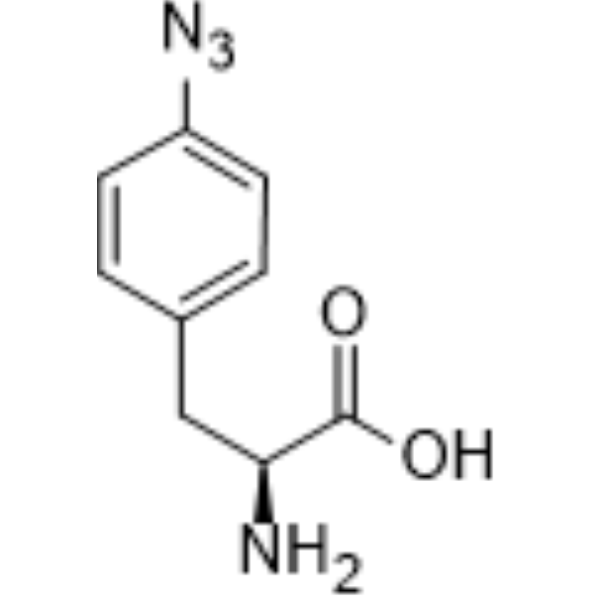
    4-Azido-L-phenylalanine
    Maximum Cited Publications
    9 Publications Verification

    p-Azidophenylalanine; p-Azido-L-phenylalanine

    Biochemical Assay Reagents Others
    4-Azido-L-phenylalanine is an unnatural amino acid, which is used as an effective vibrational reporter of local protein environments. 4-Azido-L-phenylalanine is a click chemistry reagent, it contains an Azide group and can undergo copper-catalyzed azide-alkyne cycloaddition reaction (CuAAc) with molecules containing Alkyne groups. It can also undergo strain-promoted alkyne-azide cycloaddition (SPAAC) reactions with molecules containing DBCO or BCN groups.
    4-Azido-L-phenylalanine
  • HY-W048449

    Drug Isomer Metabolic Disease
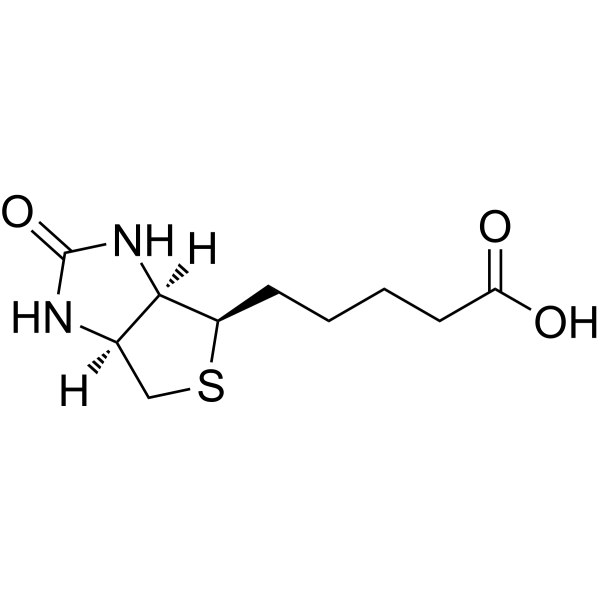
    L-Biotin is the unnatural enantiomer of Biotin (HY-B0511) .
    L-Biotin
  • HY-131033

    Biochemical Assay Reagents Others
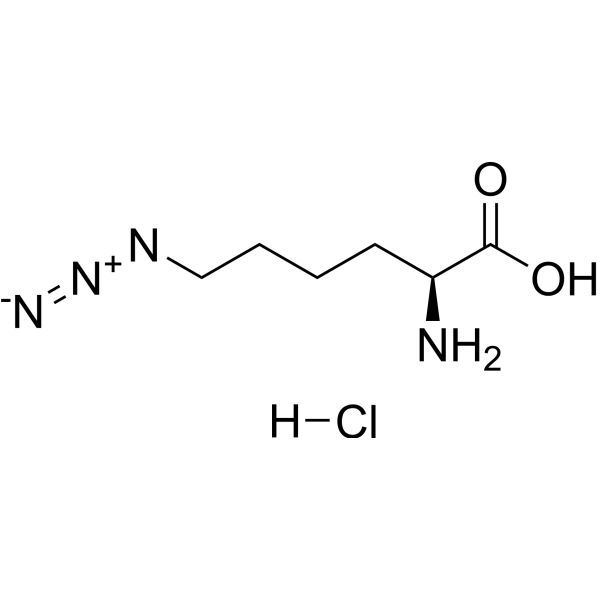
    L-Azidonorleucine hydrochloride, an unnatural amino acid, is A Methionine surrogate. L-Azidonorleucine hydrochloride can be used to label mammalian cell proteins and identify a diverse set of methionyl-tRNA synthetase (MetRS) mutants . L-Azidonorleucine (hydrochloride) is a click chemistry reagent, it contains an Azide group and can undergo copper-catalyzed azide-alkyne cycloaddition reaction (CuAAc) with molecules containing Alkyne groups. It can also undergo strain-promoted alkyne-azide cycloaddition (SPAAC) reactions with molecules containing DBCO or BCN groups.
    L-Azidonorleucine hydrochloride
  • HY-16714A
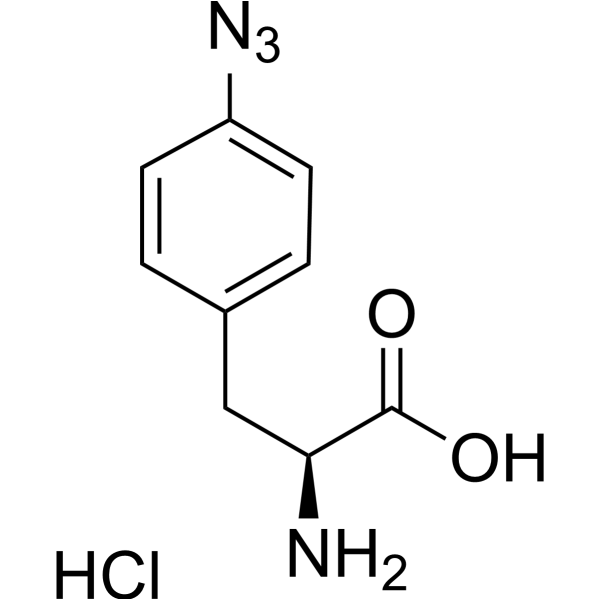
    4-Azido-L-phenylalanine hydrochloride
    Maximum Cited Publications
    9 Publications Verification

    p-Azidophenylalanine hydrochloride; p-Azido-L-phenylalanine hydrochloride

    Biochemical Assay Reagents Others
    4-Azido-L-phenylalanine hydrochloride is an unnatural amino acid, which is used as an effective vibrational reporter of local protein environments. 4-Azido-L-phenylalanine (hydrochloride) is a click chemistry reagent, it contains an Azide group and can undergo copper-catalyzed azide-alkyne cycloaddition reaction (CuAAc) with molecules containing Alkyne groups. It can also undergo strain-promoted alkyne-azide cycloaddition (SPAAC) reactions with molecules containing DBCO or BCN groups.
    4-Azido-L-phenylalanine hydrochloride
  • HY-128676

    H-​L-​Lys(Poc)​-​OH hydrochloride

    Amino Acid Derivatives Cancer
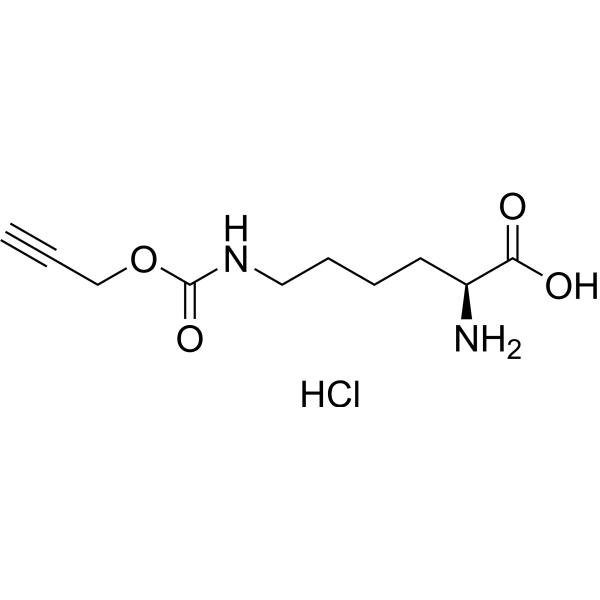
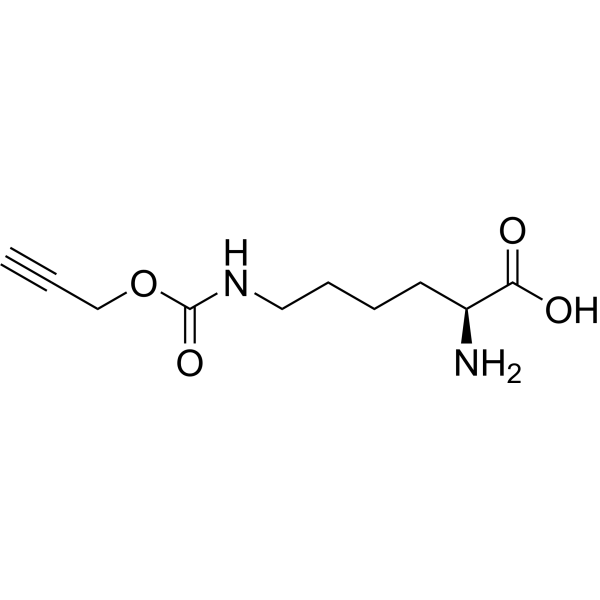
    N-ε-propargyloxycarbonyl-L-lysine (H-L-Lys(Poc)-OH) hydrochloride is a lysine-based unnatural amino acid (UAA). N-ε-propargyloxycarbonyl-L-lysine is widely used for bio-conjugation of fluorescent probes in diverse organisms from E. coli to mammalian cells even in animals . N-ε-propargyloxycarbonyl-L-lysine (hydrochloride) is a click chemistry reagent, it contains an Alkyne group and can undergo copper-catalyzed azide-alkyne cycloaddition (CuAAc) with molecules containing Azide groups.
    N-ε-propargyloxycarbonyl-L-lysine hydrochloride
  • HY-W007655

    Biochemical Assay Reagents Amino Acid Derivatives Others
    Fmoc-D-Lys (Boc)-OH is an Fmoc- and Boc-protected D-lysine derivative. Fmoc-D-Lys (Boc)-OH ensures the precise incorporation of D-lysine into peptide chains, maintaining the specific conformation and biological activity of peptides. Fmoc-D-Lys (Boc)-OH can be used in research on the synthesis of peptides containing unnatural amino acids .
    Fmoc-D-Lys(Boc)-OH
  • HY-W004864

    Amino Acid Derivatives Others
    Fmoc-(S)-2-(4-pentenyl) Ala-OH is an Fmoc-protected unnatural amino acid. Fmoc-(S)-2-(4-pentenyl) Ala-OH can be used for polypeptide synthesis, such as NYAD-13 (HY-P10834) .
    Fmoc-(S)-2-(4-pentenyl)Ala-OH
  • HY-13859
    Clevudine
    1 Publications Verification

    L-FMAU

    HBV DNA/RNA Synthesis Orthopoxvirus Infection
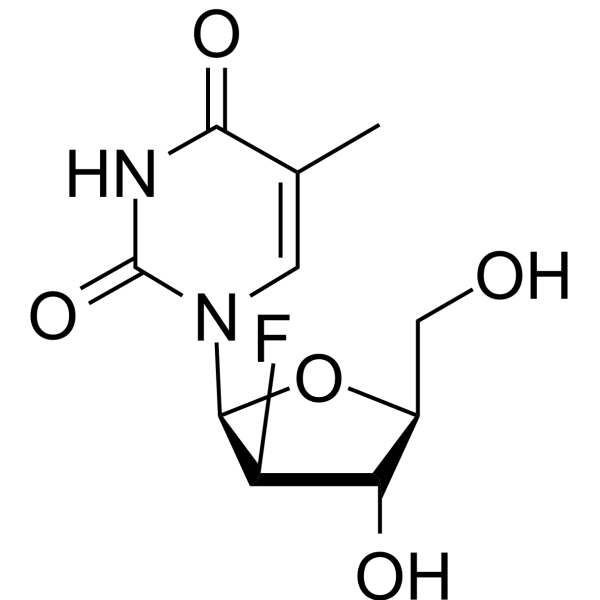
    Clevudine (L-FMAU), a nucleoside analog of the unnatural L-configuration, has potent anti-HBV activity with long half-life, low toxicity. Clevudine is a non-competitive inhibitor that is not incorporated into the viral DNA but rather binds to the polymerase. Clevudine is active against cowpox virus respiratory infection in mice .
    Clevudine
  • HY-W259767

    Amino Acid Derivatives
    3-Iodo-L-phenylalanine is an unnatural amino acid that can be used for partial codon redistribution. 3-Iodo-L-phenylalanine has a high efficiency in Ser AGU codon reassignment, and also has a certain effect in Ser UCG codon reassignment. 3-Iodo-L-phenylalanine can be used in the study of genetic code expansion and protein engineering .
    3-Iodo-L-phenylalanine
  • HY-148835

    Fluorescent Dye Others
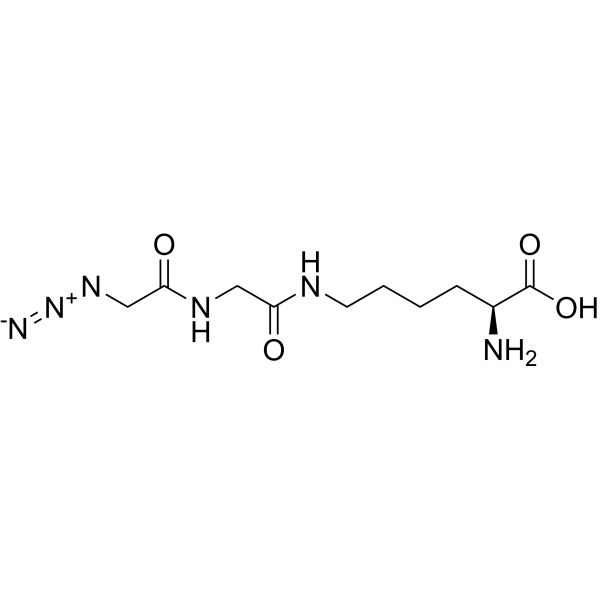
    AzGGK is an unnatural amino acid. AzGGK is site-specifically incorporated into proteins via genetic-code expansion. AzGGK can be used as site-specific probe for ubiquitylation and SUMOylation . AzGGK is a click chemistry reagent, it contains an Azide group and can undergo copper-catalyzed azide-alkyne cycloaddition reaction (CuAAc) with molecules containing Alkyne groups. It can also undergo strain-promoted alkyne-azide cycloaddition (SPAAC) reactions with molecules containing DBCO or BCN groups.
    AzGGK
  • HY-101937

    Fluorescent Dye Others
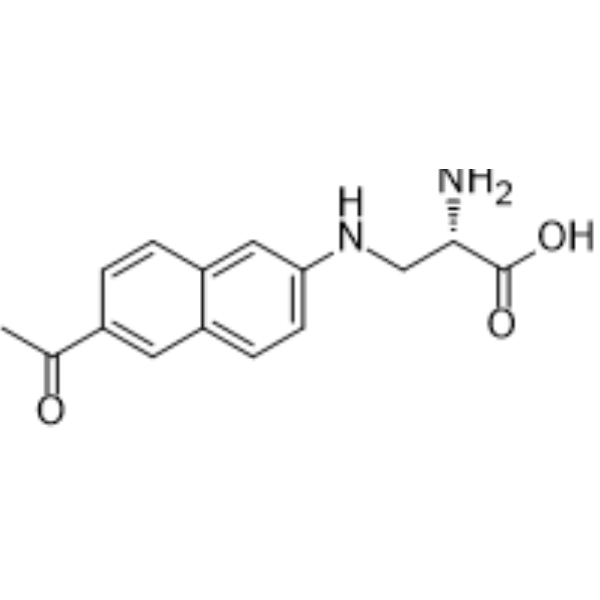
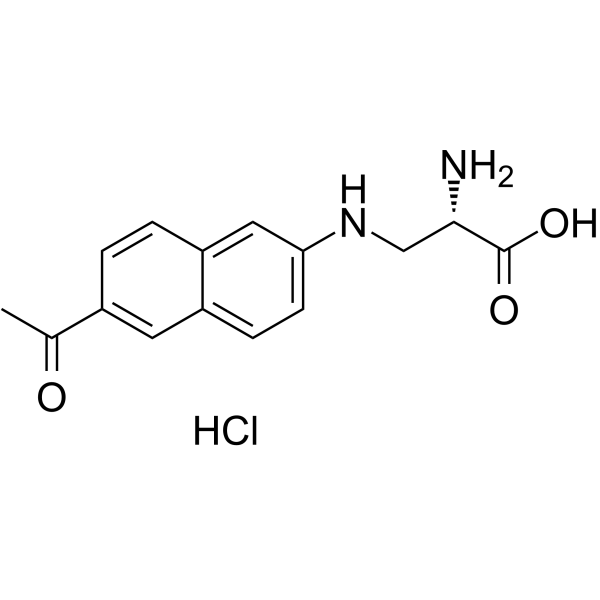
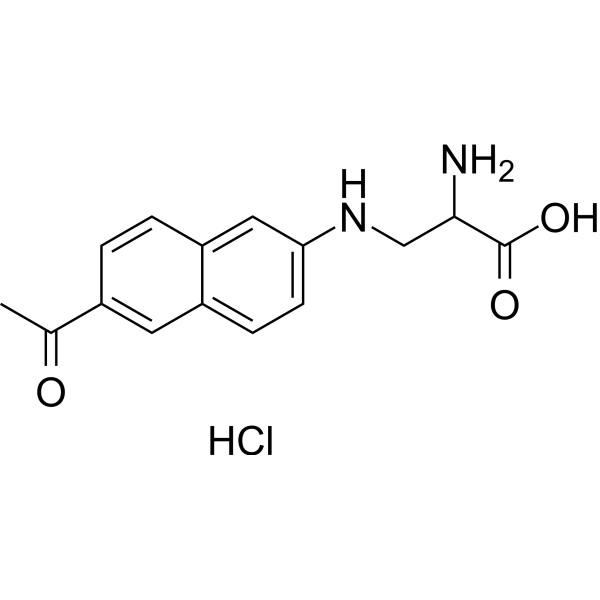
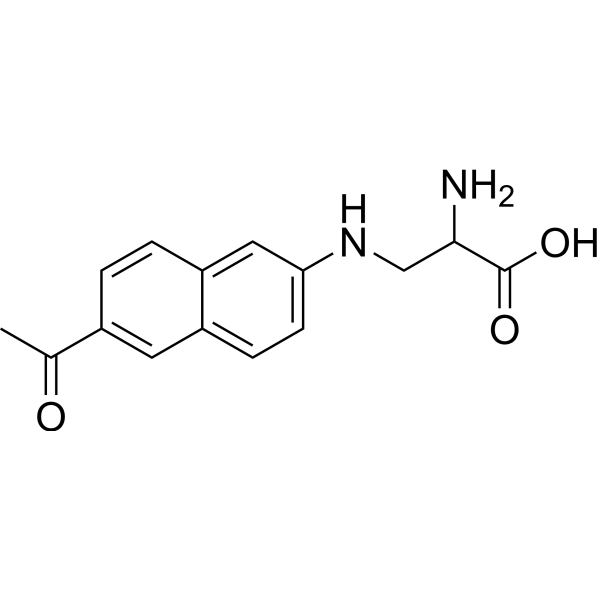
    L-ANAP is a genetically encodable and polarity-sensitive fluorescent unnatural amino acid (Uaa) .
    L-ANAP
  • HY-W002272

    Nucleoside Antimetabolite/Analog Others
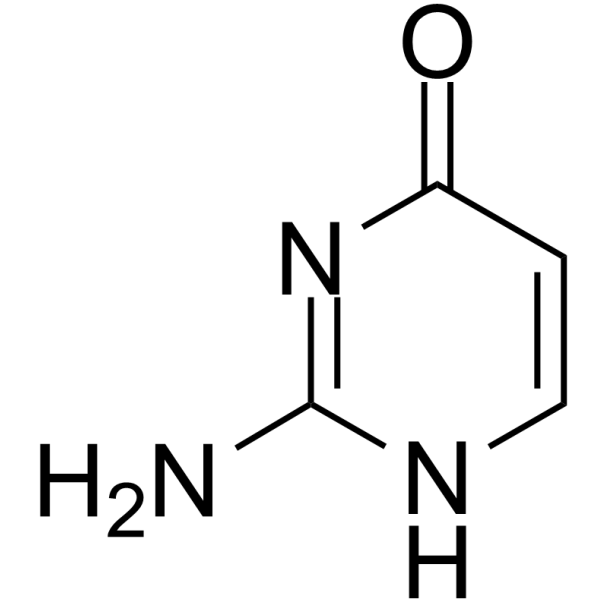
    Isocytosine is a non-natural nucleobase and an isomer of cytosine. It is used in combination with Isoguanine in studies of unnatural nucleic acid analogues of the normal base pairs in DNA and used as a nucleobase of hachimoji RNA .
    Isocytosine
  • HY-W016443

    Amino Acid Derivatives Neurological Disease Inflammation/Immunology Endocrinology
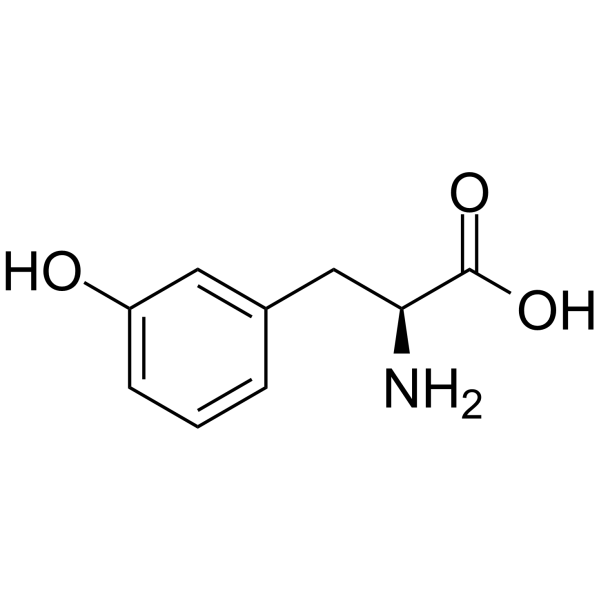
    L-m-Tyrosine is an unnatural amino acid. L-m-Tyrosine reduces dopamine, norepinephrine and serotonin in rats. L-m-Tyrosine has potential in the research of Parkinsons disease, Alzheimers disease, and arthritis .
    L-m-Tyrosine
  • HY-W012874

    H-D-Thr-OH

    Fructose-1,6-bisphosphate aldolase Endogenous Metabolite Drug Intermediate Metabolic Disease
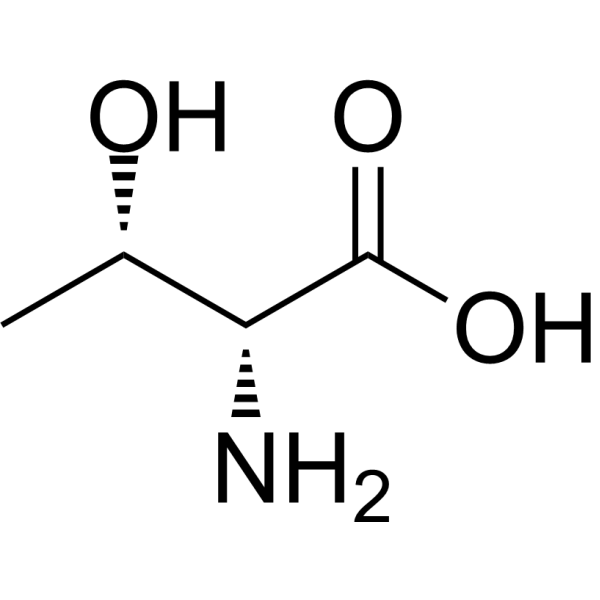
    D-Threonine (H-D-Thr-OH) is one of the important unnatural amino acids used as chiral building blocks in pharmaceutical drugs. D-Threonine is a metabolite of Saccharomyces cerevisiae. D-Threonine is cleaved into glycine and acetaldehyde by the catalytic action of D-threonine aldolase .
    D-Threonine
  • HY-101937B

    Fluorescent Dye Others
    L-ANAP hydrochloride is a genetically encodable and polarity-sensitive fluorescent unnatural amino acid (Uaa).
    L-ANAP hydrochloride
  • HY-W414799

    Amino Acid Derivatives Endogenous Metabolite
    Nε,Nε-Dimethyl-L-lysine monohydrochloride is an unnatural amino acid with the activity of regulating protein post-translational modification. Nε,Nε-Dimethyl-L-lysine monohydrochloride can be used as a tool for epigenetic research to promote the research process of acetylation and methylation. Nε,Nε-Dimethyl-L-lysine monohydrochloride is also widely used in compound development and biochemical research.
    Nε,Nε-Dimethyl-L-lysine monohydrochloride
  • HY-139014
    N-ε-propargyloxycarbonyl-L-lysine
    1 Publications Verification

    H-​L-​Lys(Poc)​-​OH

    Fluorescent Dye Cancer
    N-ε-propargyloxycarbonyl-L-lysine (H-L-Lys(Poc)-OH) is a lysine-based unnatural amino acid (UAA). N-ε-propargyloxycarbonyl-L-lysine is widely used for bio-conjugation of fluorescent probes in diverse organisms from E. coli to mammalian cells even in animals . N-ε-propargyloxycarbonyl-L-lysine is a click chemistry reagent, it contains an Alkyne group and can undergo copper-catalyzed azide-alkyne cycloaddition (CuAAc) with molecules containing Azide groups.
    N-ε-propargyloxycarbonyl-L-lysine
  • HY-W006886

    Amino Acid Derivatives Others
    Fmoc-(R)-2-(7-octenyl) Ala-OH is an unnatural Fmoc-protected amino acid and modification module. Fmoc-(R)-2-(7-octenyl) Ala-OH serves as a key building block for all-hydrocarbon cross-linking modification of antimicrobial peptides, and facilitates the generation of stapled peptide derivatives. When introduced into specific sites of the parent peptide, Fmoc-(R)-2-(7-octenyl) Ala-OH effectively increases the α-helix content of the peptide chain, thereby significantly enhancing its antimicrobial activity and proteolytic stability. Fmoc-(R)-2-(7-octenyl) Ala-OH is widely used in research on bacterial infections and the development of related antimicrobial agents . Stapled peptide is a specially chemically modified polypeptide. It locks the peptide chain into a stable α-helical structure by introducing a "staple"-like chemical bridge (usually an all-carbon backbone) at specific positions of the peptide chain.
    Fmoc-(R)-2-(7-octenyl)Ala-OH
  • HY-101937C
    (±)-ANAP hydrochloride
    1 Publications Verification

    Fluorescent Dye Others
    (±)-ANAP hydrochloride is the unnatural amino acid analog of prodan, acts as a fluorescent probes, and enhances environmental sensitivity.
    (±)-ANAP hydrochloride
  • HY-151693

    ADC Linker Others
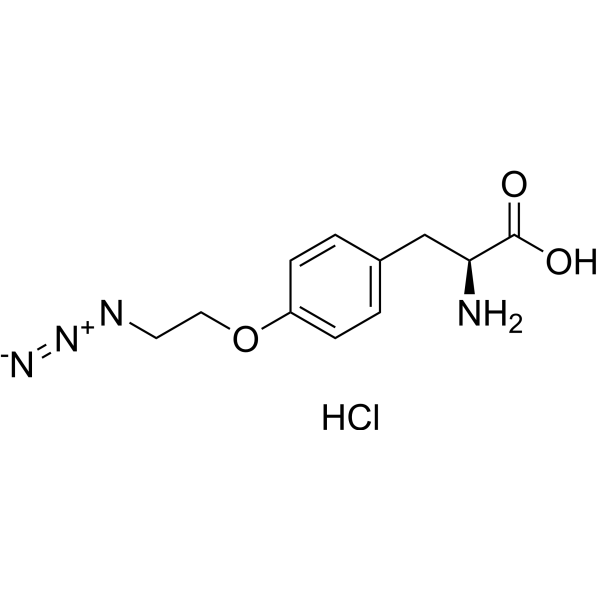
    H-L-Tyr(2-azidoethyl)-OH hydrochloride is a unnatural Tyrosine derivative. H-L-Tyr(2-azidoethyl)-OH hydrochloride is a click chemistry reagent containing an azide group . It contains an azide group and can undergo copper-catalyzed azide-alkyne cycloaddition (CuAAc) with molecules containing alkyne groups. It can also undergo ring strain-promoted alkyne-azide cycloaddition (SPAAC) with molecules containing DBCO or BCN groups.
    H-L-Tyr(2-azidoethyl)-OH hydrochloride
  • HY-101937A

    Fluorescent Dye Others
    (±)-ANAP is the unnatural amino acid analog of prodan, acts as a fluorescent probes, and enhances environmental sensitivity.
    (±)-ANAP
  • HY-164431

    Amino Acid Derivatives Others
    4-(Azidomethyl)-L-phenylalanine is an unnatural amino acid with an azidomethyl group at position 4 of L-phenylalanine. 4-(Azidomethyl)-L-phenylalanine can be used as a reporter for probing protein hydration through addition of an azide group .
    4-(Azidomethyl)-L-phenylalanine
  • HY-W002299

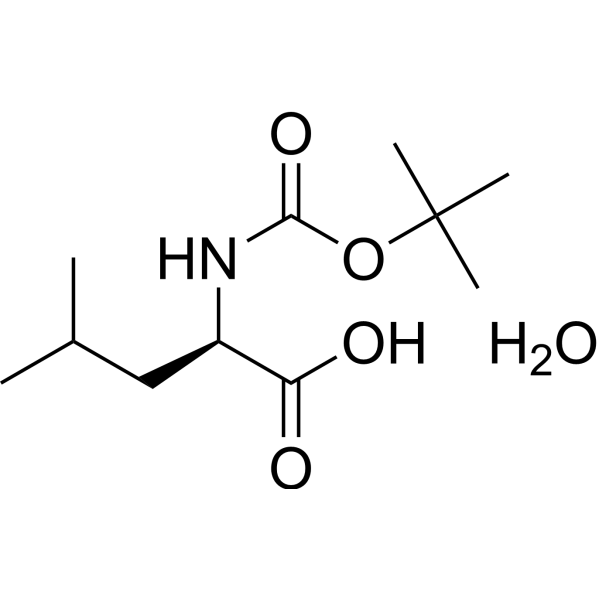
    Boc-D-Leu-OH hydrate

    Amino Acid Derivatives Neurological Disease
    Boc-D-Leucine monohydrate (Boc-D-Leu-OH hydrate) is an N-Boc-protected form of D-Leucine. D-Leucine is an unnatural isomer of L-Leucine that acts as an auto-inhibitor of lactic streptococci. D-Leucine shows potent anti-seizure effect .
    Boc-D-Leucine monohydrate
  • HY-151693A

    ADC Linker Others
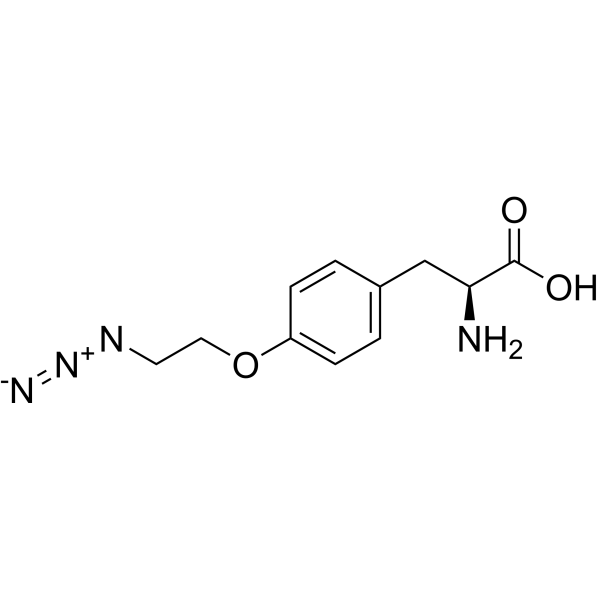
    H-L-Tyr(2-azidoethyl)-OH is a unnatural Tyrosine derivative. H-L-Tyr(2-azidoethyl)-OH is a click chemistry reagent containing an azide group . It contains an azide group and can undergo copper-catalyzed azide-alkyne cycloaddition (CuAAc) with molecules containing alkyne groups. It can also undergo ring strain-promoted alkyne-azide cycloaddition (SPAAC) with molecules containing DBCO or BCN groups.
    H-L-Tyr(2-azidoethyl)-OH
  • HY-126069

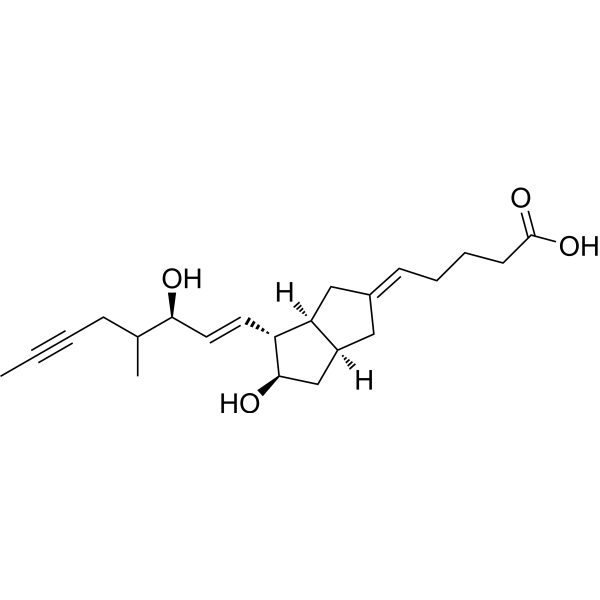
    15(R)-Ciloprost; 15(R)-ZK 36374

    Drug Isomer Others
    15(R)-Iloprost is the unnatural or inverted C-15 epimer of lloprost (HY-A0096) .
    15(R)-Iloprost
  • HY-151687

    ADC Linker Others
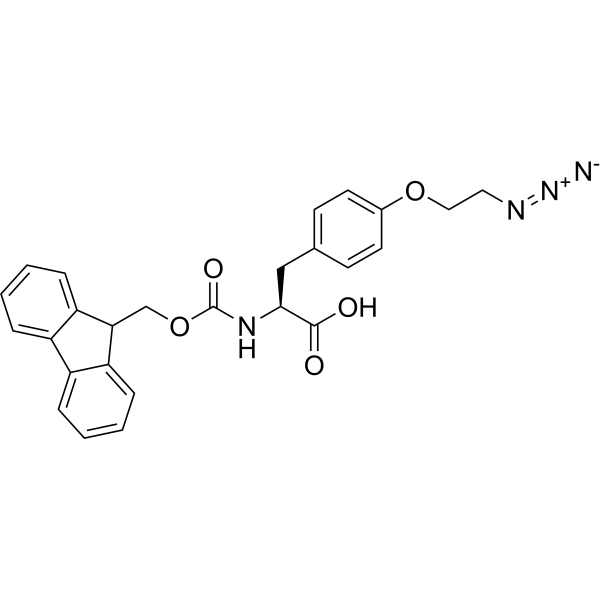
    Fmoc-L-Tyr(2-azidoethyl)-OH is a click chemistry reagent containing an azide group. Fmoc-L-Tyr(2-azidoethyl)-OH is unnatural Fmoc-protected Tyrosine derivative bears an azidoethyl substitution as reactive handle e.g. for biorthogonal conjugations, via a Cu(I)-catalyzed 1,3-dipolar Click cycloaddition with alkynes. And azido-UAAs can be employed as IR reporters . It contains an azide group and can undergo copper-catalyzed azide-alkyne cycloaddition (CuAAc) with molecules containing alkyne groups. It can also undergo ring strain-promoted alkyne-azide cycloaddition (SPAAC) with molecules containing DBCO or BCN groups.
    Fmoc-L-Tyr(2-azidoethyl)-OH
  • HY-101937D

    Fluorescent Dye Others
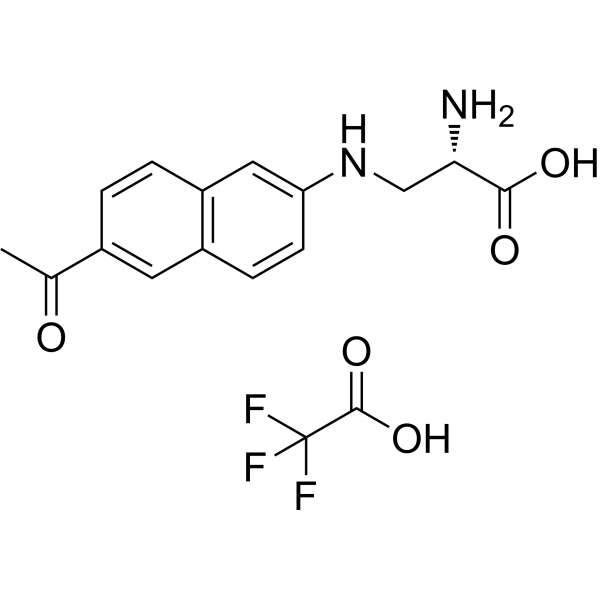
    L-ANAP TFA is a genetically encodable and polarity-sensitive fluorescent unnatural amino acid (Uaa) .
    L-ANAP TFA
  • HY-125409A

    Amino Acid Derivatives Others
    (S,R)-Lysinoalanine is an unnatural amino acid that can be formed in food submitted to thermal treatment, especially in alkaline conditions .
    (S,R)-Lysinoalanine
  • HY-163485

    Androgen Receptor Endocrinology
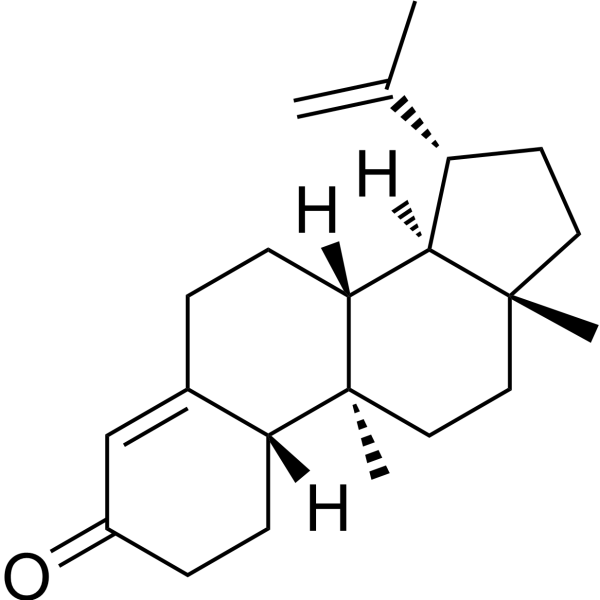
    AR antagonist 8 (compound 16), an unnatural entestrane, is a potent Lupeol-inspired androgen receptor (AR) antagonist with an IC50 of 0.76 μM .
    AR antagonist 8
  • HY-B1258R

    Aminomethylbenzoic acid (Standard); α-Amino-p-toluic acid (Standard)

    Amino Acid Derivatives Reference Standards Others
    4-(Aminomethyl)benzoic acid (Standard) is the analytical standard of 4-(Aminomethyl)benzoic acid. This product is intended for research and analytical applications. 4-(Aminomethyl)benzoic acid is an unnatural amino acid derivative and an antifibrinolytic drug.
    4-(Aminomethyl)benzoic acid (Standard)
  • HY-114862

    13,14-dihydro-15(R)-PGE1

    Endogenous Metabolite Others
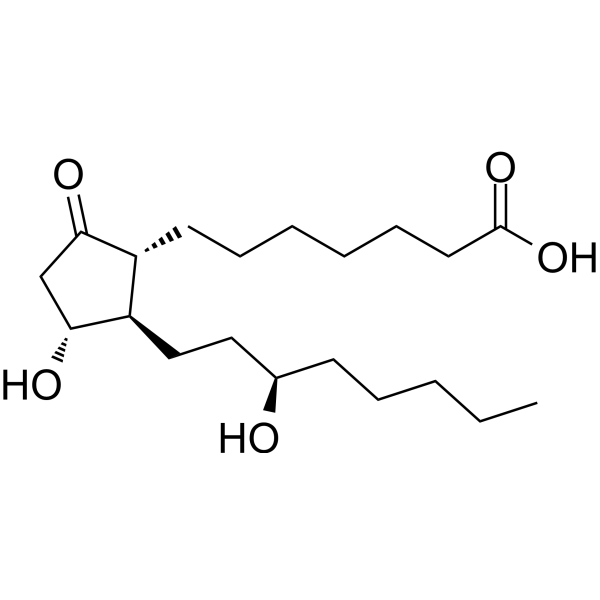
    13,14-dihydro-15(R)-Prostaglandin E1 (13,14-dihydro-15(R)- PGE1) is an analog of 13,14-dihydro- PGE1 which has the hydroxyl group at C-15 in the unnatural R configuration .
    13,14-dihydro-15(R)-Prostaglandin E1
  • HY-W074978

    3-Fluorovaline

    Bacterial
    3-Fluoro-DL-valine (3-Fluorovaline) is an unnatural amino acid that has the activity of inhibiting the growth of certain bacteria. 3-Fluoro-DL-valine can also be used in peptide synthesis, providing a variety of options for the synthesis of specific bioactive peptides. The unique structure of 3-Fluoro-DL-valine makes it a potential application prospect in compound research and development.
    3-Fluoro-DL-valine
  • HY-W012874S

    H-D-Thr-OH-d2

    Isotope-Labeled Compounds Fructose-1,6-bisphosphate aldolase Endogenous Metabolite Drug Intermediate Metabolic Disease
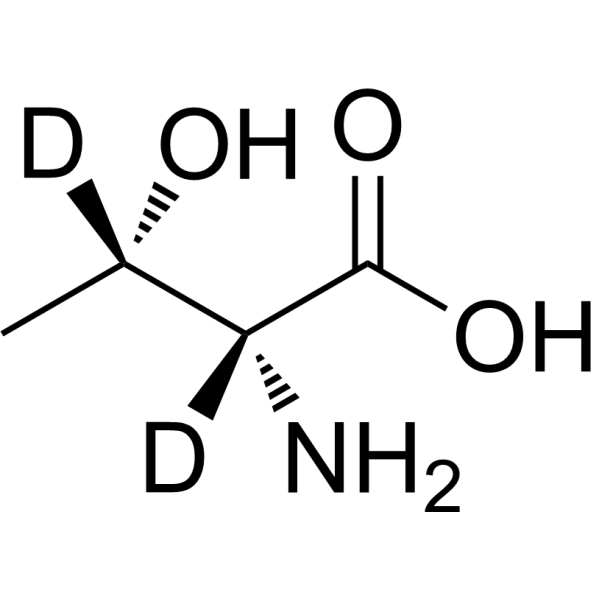
    D-Threonine-d2 (H-D-Thr-OH-d2) is the deuterium labeled D-Threonine (HY-W012874). D-Threonine is one of the important unnatural amino acids used as chiral building blocks in pharmaceutical drugs. D-Threonine is a metabolite of Saccharomyces cerevisiae. D-Threonine is cleaved into glycine and acetaldehyde by the catalytic action of D-threonine aldolase.
    D-Threonine-d2
  • HY-154835

    Biochemical Assay Reagents Others
    N6-[[(4-Azidophenyl)methoxy]carbonyl]-L-lysine is an unnatural amino acid . N6-[[(4-Azidophenyl)methoxy]carbonyl]-L-lysine is a click chemistry reagent, it contains an Azide group and can undergo copper-catalyzed azide-alkyne cycloaddition reaction (CuAAc) with molecules containing Alkyne groups. It can also undergo strain-promoted alkyne-azide cycloaddition (SPAAC) reactions with molecules containing DBCO or BCN groups.
    N6-[[(4-Azidophenyl)methoxy]carbonyl]-L-lysine
  • HY-148835A

    Fluorescent Dye Others
    AzGGK TFA is an unnatural amino acid. AzGGK TFA is site-specifically incorporated into proteins via genetic-code expansion. AzGGK TFA can be used as a site-specific probe for ubiquitylation and SUMOylation. AzGGK TFA is a click chemistry reagent, it contains an Azide group and can undergo copper-catalyzed azide-alkyne cycloaddition reaction (CuAAc) with molecules containing Alkyne groups. It can also undergo strain-promoted alkyne-azide cycloaddition (SPAAC) reactions with molecules containing DBCO or BCN groups .
    AzGGK TFA
  • HY-139121

    15-epi Bimatoprost free acid; 15(R)-Bimatoprost free acid; 15(R)-17-phenyl trinor PGF2α

    Prostaglandin Receptor Endocrinology
    15(R)-17-Phenyl trinor Prostaglandin F2α (15-epi Bimatoprost free acid) is a prostaglandin F (FP) analog that acts as an ocular hypotensive agent. The free acid 17-Phenyl trinor Prostaglandin F2α is a potent FP receptor agonist. 15(R)-17-Phenyl trinor Prostaglandin F2α is the 15-epi or "unnatural" isomer of this active free acid metabolite and has reduced FP receptor agonist activity.
    15(R)-17-Phenyl trinor Prostaglandin F2α
  • HY-P10490

    Drug Derivative GnRH Receptor Others Cancer
    (D-His(Bzl)6)-LHRH (1-7) free acid is a synthetic peptide compound that is a derivative of luteinizing hormone-releasing hormone (LHRH). (D-His(Bzl)6)-LHRH (1-7) free acid enhances its stability and biological activity by introducing unnatural amino acid residues at specific positions of the LHRH molecule. This modification can improve the drug's performance in the body half-life, reducing the rate at which it is rapidly metabolized and cleared, thereby enhancing its efficacy in inhibiting cell proliferation .
    (D-His(Bzl)6)-LHRH (1-7) free acid
  • HY-157263

    DNA/RNA Synthesis Nucleoside Antimetabolite/Analog Others
    dNaMTP is an unnatural nucleoside triphosphate. dNaMTP forms an unnatural base pair (UBP) and expands the genetic alphabet .
    dNaMTP
  • HY-173645

    Amino Acid Derivatives Others
    L-Anap methyl ester hydrochloride is the methyl ester form of the fluorescent unnatural amino acid L-ANAP (HY-101937). L-Anap methyl ester hydrochloride can be used effectively to generate UAA-containing proteins in a variety of eukaryotic expression systems .
    L-Anap methyl ester hydrochloride
  • HY-164903

    Biochemical Assay Reagents Others
    UDP-D-GalNAlk is an alkyne-modified UDP sugar and unnatural sugar nucleotide. UDP-D-GalNAlk allows in vitro synthesis via mutant AGX1 enzyme. UDP-D-GalNAlk serves as a substrate for engineered GalNAc-T enzymes, enabling the selective installation of alkyne-modified D-GalNAc derivatives in glycoproteomes. UDP-D-GalNAlk is a biochemical reagent used as a biological material or organic compound for life science research .
    UDP-D-GalNAlk
  • HY-164903A

    Biochemical Assay Reagents Others
    UDP-D-GalNAlk disodium is an alkyne-modified UDP sugar and unnatural sugar nucleotide. UDP-D-GalNAlk disodium allows in vitro synthesis via mutant AGX1 enzyme. UDP-D-GalNAlk disodium serves as a substrate for engineered GalNAc-T enzymes, enabling the selective installation of alkyne-modified D-GalNAc derivatives in glycoproteomes. UDP-D-GalNAlk disodium is a biochemical reagent used as a biological material or organic compound for life science research .
    UDP-D-GalNAlk disodium
  • HY-P11615

    Bacterial Infection
    FuK is a WK2-analog antimicrobial peptide modified with fluorinated unnatural amino acids. FuK has an LD50 of 72.34 mg/kg in mice, shows no hemolytic activity, with high stability against trypsin, chymotrypsin, and saline environments. FuK exerts bactericidal effects by enhancing the permeability of bacterial outer membranes, inducing depolarization of cytoplasmic membranes, and disrupting membrane potential balance against bacterias such as Staphylococcus aureus, Escherichia coli, Klebsiella pneumoniae, and MRSA. FuK exhibits synergistic antimicrobial activity with polymyxin B (HY-149179), vancomycin (HY-B0671), and ciprofloxacin (HY-B0356), and also inhibits Ciprofloxacin-induced bacterial drug resistance. FuK has in vivo safety, effectively reduces bacterial load and inflammatory cell infiltration in a mouse MRSA model, and promotes collagen fiber formation in skin wounds .
    FuK

Inquiry Online

Your information is safe with us. * Required Fields.

Salutation


Country or Region *

Applicant Name *


Organization Name *

Department *


Email Address *


Product Name *

Cat. No.


Requested quantity *

Phone Number *


Remarks

Inquiry Online

Inquiry Information

Product Name:
Cat. No.:
Quantity:
MCE Japan Authorized Agent: