Search Result
Results for "
4-methylumbelliferyl-
" in MedChemExpress (MCE) Product Catalog:
30
Biochemical Assay Reagents
2
Isotope-Labeled Compounds
| Cat. No. |
Product Name |
Target |
Research Areas |
Chemical Structure |
-
- HY-123633
-
|
|
Glycosidase
|
Others
|
|
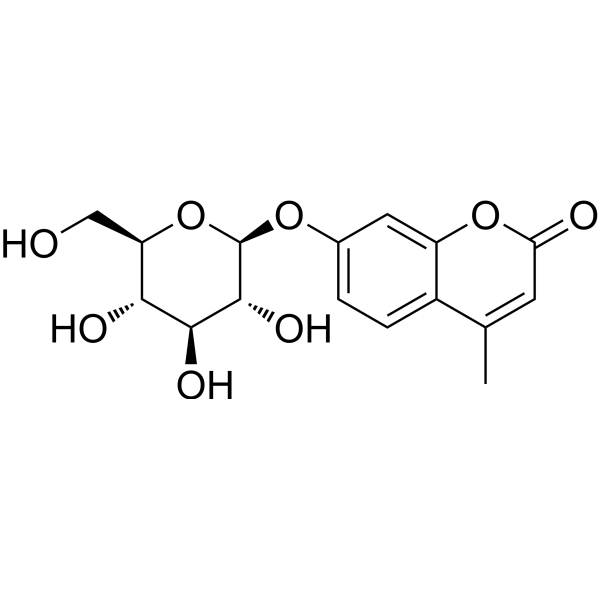
4-Methylumbelliferyl β-D-Glucopyranoside, a β-D-glucoside, is a fluorogenic substrate for β-glucosidase, utilizes to assay β-glucosidase activity . 4-Methylumbelliferyl β-D-Glucopyranoside releases the highly fluorescent 4-methylumbelliferyl (4-MU), which has an emission maximum at 445-454 nm. The excitation maximum for 4-MU is pH-dependent: 330, 370, and 385 nm at pH 4.6, 7.4, and 10.4, respectively .
|
-
-
- HY-D0994
-
|
4-MUP; MUP
|
Phosphatase
|
Others
|
|
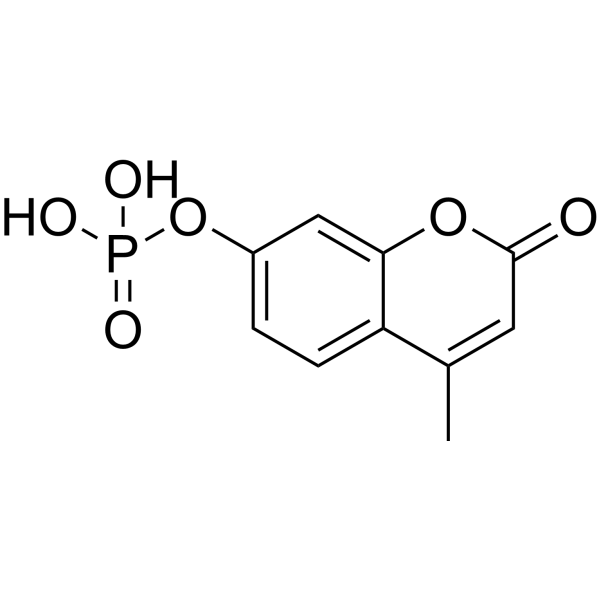
4-Methylumbelliferyl phosphate (4-MUP), an anionic organophosphate, is a acid and alkaline phosphatase fluorogenic substrate. 4-Methylumbelliferyl phosphate is also a nerve agent simulant .
|
-
-
- HY-120166
-
DiFMUP
1 Publications Verification
6,8-Difluoro-4-methylumbelliferyl phosphate
|
Phosphatase
|
Others
|
|
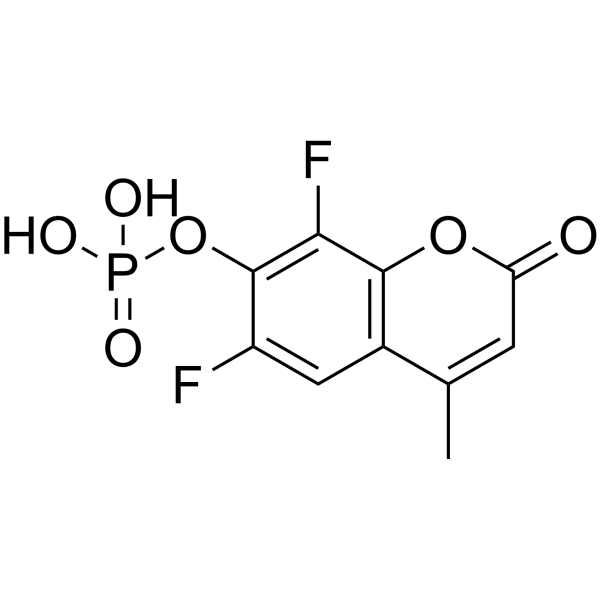
DiFMUP is a fluorogenic substrate, and has been widely used for the continuous detection of phosphatase activities. DiFMUP is hydrolysis by a phosphatase results in the release of Xuorescent DIFMU, which can be easily followed in continuous mode by a Xuorescence reader .
|
-
-
- HY-134124
-
|
|
Reactive Oxygen Species (ROS)
|
Metabolic Disease
|
|
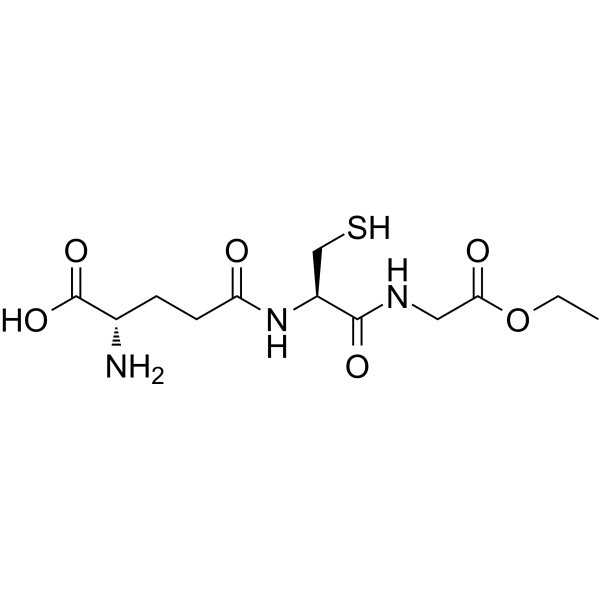
Glutathione ethyl ester is a cell-permeable GSH donor and provides an efficient supply of GSH to the oocyte. Glutathione ethyl ester shows positive effect on the in vitro production of embryos by enhancement of the antioxidative defense .
|
-
-
- HY-D0935A
-
|
MUG
|
β-glucuronidase
Fluorescent Dye
|
Others
|
|
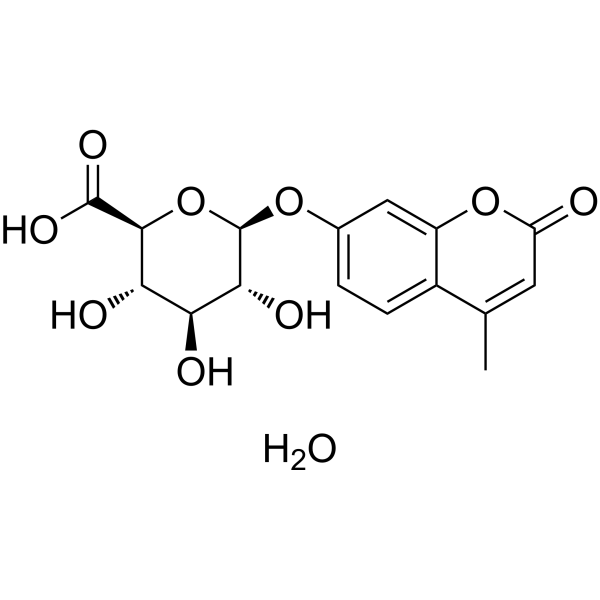
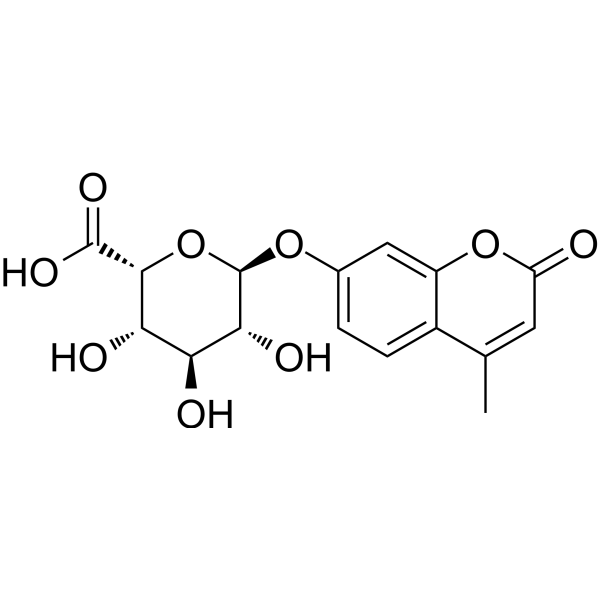
4-Methylumbelliferyl-β-D-glucuronide hydrate is a fluorogenic substrat (λex=362 nm, λem=445 nm). 4-Methylumbelliferyl-β-D-glucuronide hydrate has potential applications in detecting the activity of β-glucuronidase and the number of Escherichia coli .
|
-
-
- HY-137853
-
|
|
Fluorescent Dye
|
Others
|
|
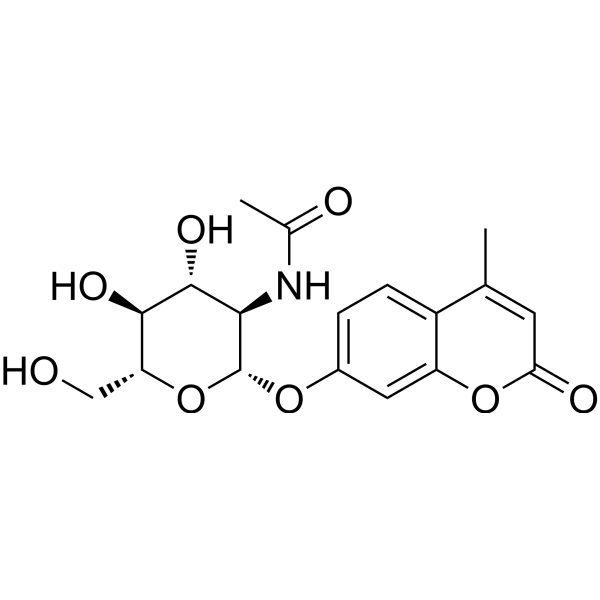
4-Methylumbelliferyl-2-acetamido-2-deoxy-β-D-Glucopyranoside is a fluorogenic substrate for N-acetyl-β-D-glucosaminidase .
|
-
-
- HY-118135
-
|
4MU-α-Gal
|
Fluorescent Dye
|
Others
|
|
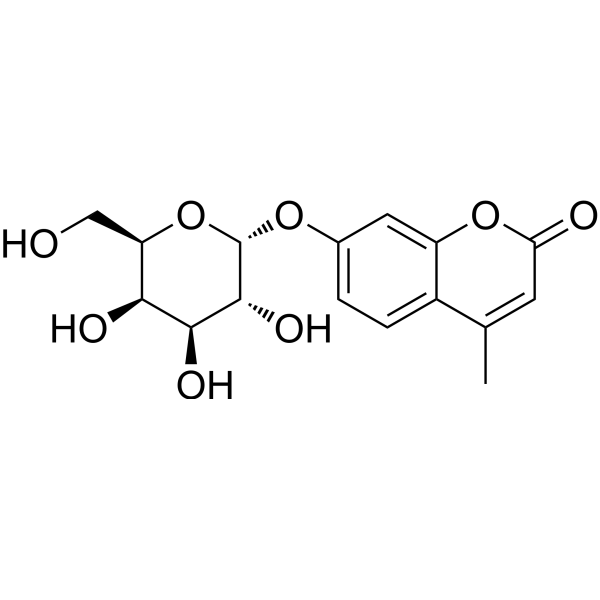
4-Methylumbelliferyl-α-D-galactopyranoside (4MU-α-Gal), a substrate for α-galactosidase A (GLA), is a blue pro-fluorogenic substrate. 4-Methylumbelliferyl-α-D-galactopyranoside forms two products, galactose and fluorescent 4MU, upon cleavage by GLA .
|
-
-
- HY-P10272
-
|
PTG-300
|
Ferroportin
|
Others
|
|
Rusfertide is a peptide mimetic of natural hepcidin, which targets and degrades ferroportin, reduces serum iron and transferrin-saturation, and thus regulates the production of red blood cells. Rusfertide ameliorates the polycythemia vera, β-thalassemia and hereditary hemochromatosis .
|
-

-
- HY-A0248A
-
|
|
Bacterial
|
Infection
|
|
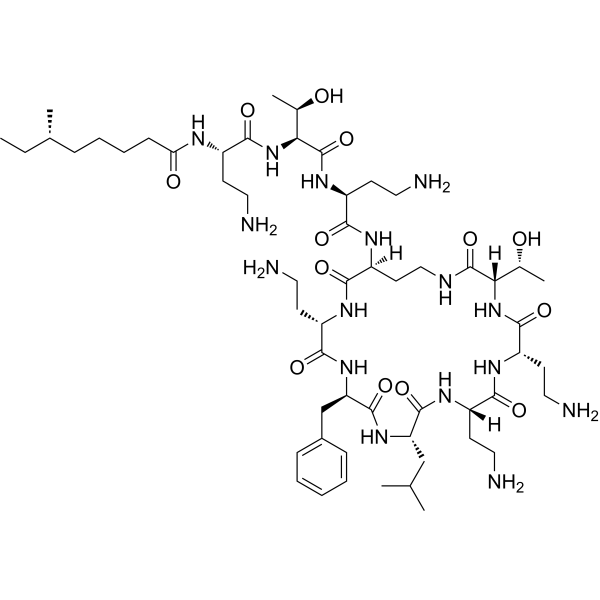
Polymyxin B1 is a potent antimicrobial lipopeptide first derived from Bacilus polymyxa. Polymyxin B1 is the major component in Polymyxin B (HY-A0248). Polymyxin B1 can induce lysis of bacterial cells through interaction with their membranes. Polymyxin B1 has the potential for multidrug-resistant Gram-negative bacterial infections treatment .
|
-
-
- HY-117095
-
|
|
Fluorescent Dye
|
Metabolic Disease
|
|
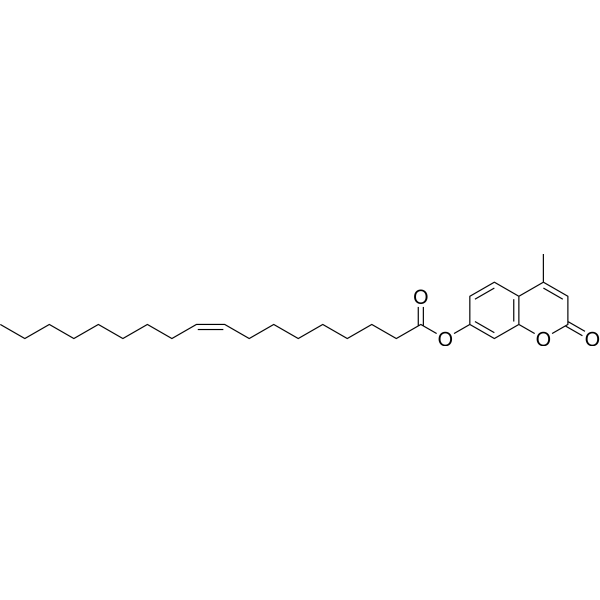
4-Methylumbelliferyl oleate is a fluorogenic substrate for acid and alkaline lipases. 4-Methylumbelliferyl oleate is cleaved by lipases, liberating 4-Methylumbelliferyl (Ex/Em=320/450 nm) .
|
-
-
- HY-137824
-
|
4-methylumbelliferyl-β-D-xyloside
|
Biochemical Assay Reagents
|
Others
|
|
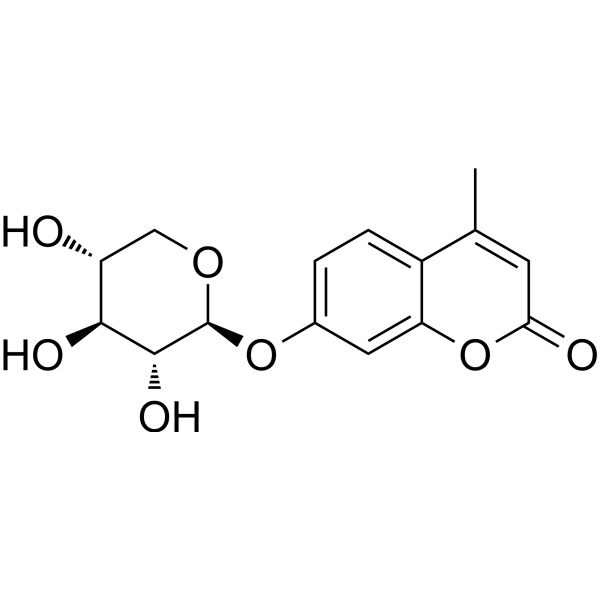
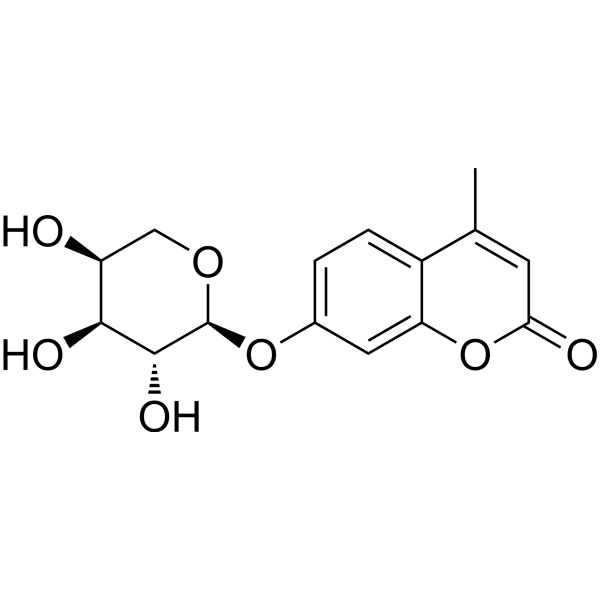
4-Methylumbelliferyl-β-D-xylopyranoside (4-Methylumbelliferyl-β-D-xyloside) is an enzymatically hydrolyzable β-D-xylopyranoside substrate. The enzymatic hydrolysis of 4-Methylumbelliferyl-β-D-xylopyranoside is mediated by the stereochemistry-retaining β-D-xylosidase GSXynB2 via a two-step catalytic process (xylosylation followed by dexylosidation). 4-Methylumbelliferyl-β-D-xylopyranoside serves as a substrate for the β-xylosidase of Trichoderma reesei QM 9414, and its enzymatic hydrolysis process is limited by the dexylosidation step.
|
-
-
- HY-137873
-
|
4-methylumbelliferyl-α-D-Glucose; 4-methylumbelliferyl-α-D-Glucoside; 4-MU-α-D-Glucopyranoside
|
Fluorescent Dye
Glycosidase
|
Others
|
|
4-Methylumbelliferyl-α-D-Glucopyranoside (4-Methylumbelliferyl-α-D-Glucose) is a fluorescent substrate for α-glucosidase, which releases the fluorescent moiety 4-methylumbelliferyl (4-MU) upon cleavage. 4-MU has pH-dependent fluorescence excitation activity, with excitation wavelengths of 320 nm at low pH (1.97-6.72) and 360 nm at high pH (7.12-10.3), respectively. The emission wavelength of 4-Methylumbelliferyl-α-D-Glucopyranoside increases with decreasing pH, ranging from 445-455 nm. 4-Methylumbelliferyl-α-D-Glucopyranoside can be used as a biomarker for Fabry and Pompe diseases to quantify α-glucosidase activity in infant blood spot samples.
|
-

-
- HY-137855
-
|
|
Biochemical Assay Reagents
|
Others
|
|
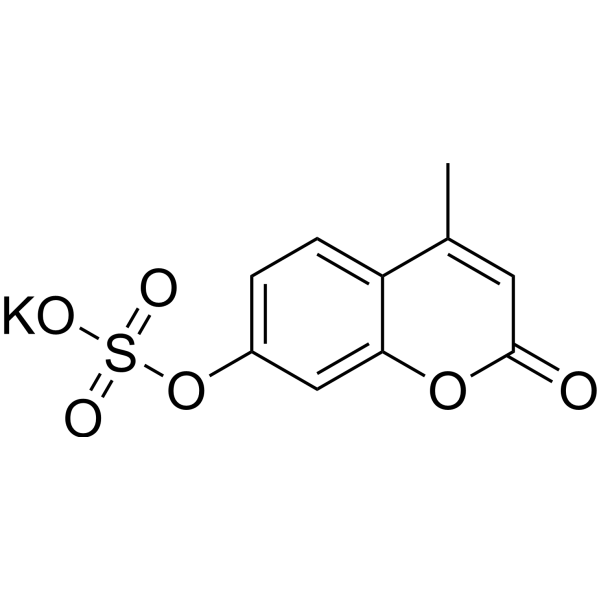
4-Methylumbelliferyl sulfate (potassium), a fluorescent substrate, is commonly used to detect sulfatase activity in biochemical and biomedical research. It consists of a sulfate group attached to a fluorescent molecule, which can be cleaved by sulfatase enzymes. Upon cleavage, 4-Methylumbelliferyl sulfate releases a highly fluorescent product that can be detected using fluorescence microscopy or spectroscopy. The use of 4-Methylumbelliferyl sulfate as a substrate for sulfatase enzymes allows accurate detection and quantification of these enzymes in a variety of biological samples.
|
-
-
- HY-137333
-
|
|
Fluorescent Dye
|
Others
|
|
4-Methylumbelliferyl β-D-cellobioside is a substrate of Cellulase (HY-B2220). 4-Methylumbelliferyl β-D-cellobioside can be hydrolyzed and produces fluorescent 4-methylumbelliferone, which can be used to study the kinetics of cellulases .
|
-

-
- HY-137845
-
|
|
Fluorescent Dye
|
Others
|
|
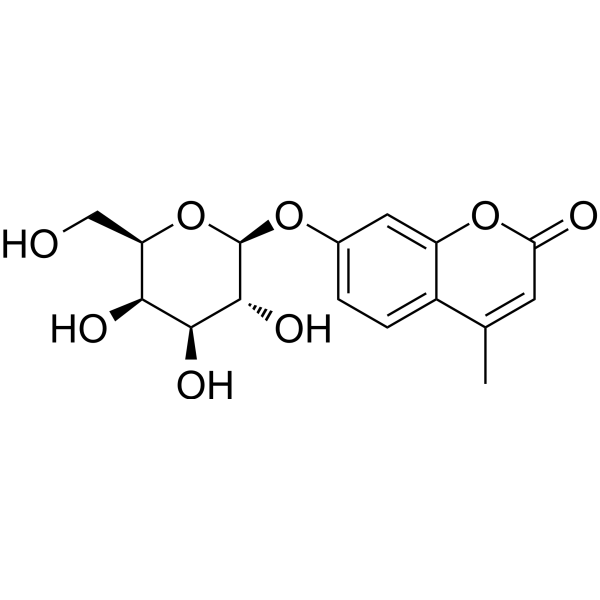
4-Methylumbelliferyl β-D-galactopyranoside is a fluorescent substrate for β-galactosidase which, when cleaved, produces a water-soluble blue fluorescent coumarin fluorophore that can be detected using a fluoroenzymeter or fluorometer .
|
-
-
- HY-W099648
-
|
|
Lipase
|
Others
|
|
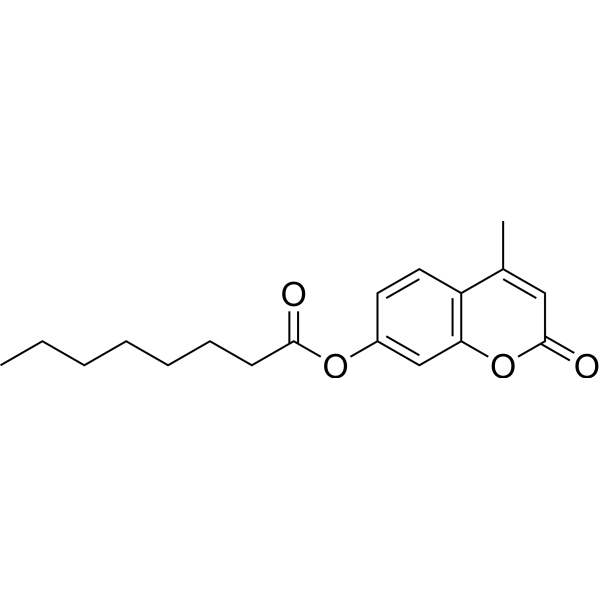
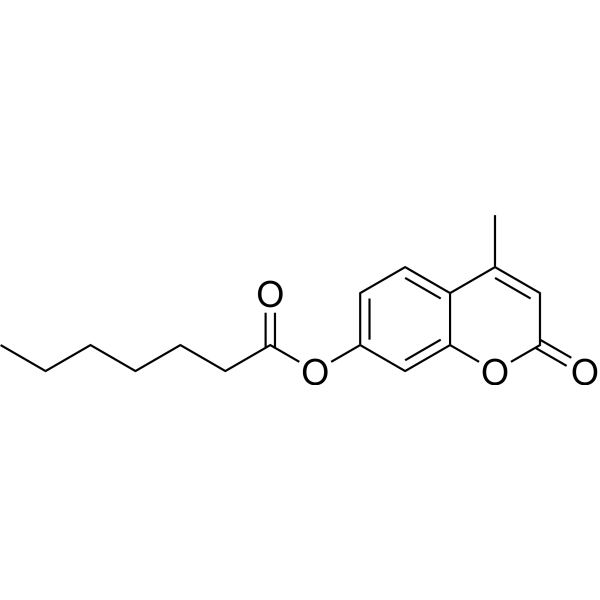
4-Methylumbelliferyl octanoate is a octoate. 4-Methylumbelliferyl octanoate can be used as a s ubstrate of hog pancreatic lipase .
|
-
-
- HY-135036
-
|
|
Fluorescent Dye
|
Others
|
|
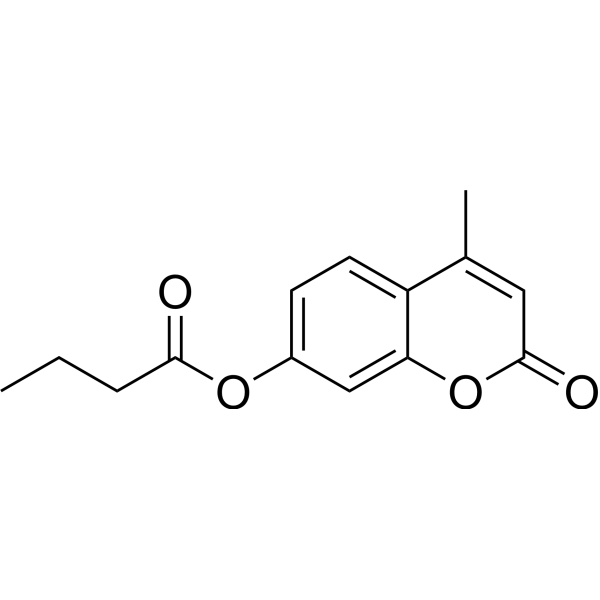
4-Methylumbelliferyl butyrate (4-MUB) is a coumarin-based fluorogenic substrate used for the identification of M. catarrhalis C4- esterase. 4-Methylumbelliferyl butyrate can converse to the blue-emissive 4-methylumbelliferone (4-MU; HY-N0187) .
|
-
-
- HY-137490
-
-
-
- HY-W127708
-
|
|
Biochemical Assay Reagents
|
Others
|
|
4-Methylumbelliferyl α-L-iduronide is a biochemical reagent that can be used as a biological material or organic compound for life science related research.
|
-
-
- HY-P1108A
-
|
|
CRFR
|
Neurological Disease
Inflammation/Immunology
|
Astressin 2B TFA is a blood-brain barrier-impermeable, highly selective CRFR2 antagonist (rCRFR2, IC50=0.57 nM). Astressin 2B TFA blocks the protective effects mediated by CRFR2, thereby exacerbating indomethacin (HY-14397)-induced hemorrhagic intestinal injury in rats. Astressin 2B TFA reverses the protective effects of Urocortin 1 against intestinal hypermotility, bacterial invasion and upregulation of inflammatory mediators. Astressin 2B TFA also blocks the anxiogenic effect of Urocortin 2 and attenuates stress-induced anxiety-related behaviors. In the Clostridioides difficile toxin A (C. difficile toxin A)-mediated enteritis model, Astressin 2B TFA mimics the phenotype of CRFR2-deficient mice, significantly exacerbating intestinal epithelial damage, edema, neutrophil migration and the expression of multiple proinflammatory cytokines. Astressin 2B TFA is an important tool molecule for investigating the intestinal protective mechanisms of CRFR2 [4] .
|
-

-
- HY-P1108
-
|
|
CRFR
|
Neurological Disease
Inflammation/Immunology
|
Astressin 2B is a blood-brain barrier-impermeable, highly selective CRFR2 antagonist (rCRFR2, IC50=0.57 nM). Astressin 2B blocks the protective effects mediated by CRFR2, thereby exacerbating indomethacin (HY-14397)-induced hemorrhagic intestinal injury in rats. Astressin 2B reverses the protective effects of Urocortin 1 against intestinal hypermotility, bacterial invasion and upregulation of inflammatory mediators. Astressin 2B also blocks the anxiogenic effect of Urocortin 2 and attenuates stress-induced anxiety-related behaviors. In the Clostridioides difficile toxin A (C. difficile toxin A)-mediated enteritis model, Astressin 2B mimics the phenotype of CRFR2-deficient mice, significantly exacerbating intestinal epithelial damage, edema, neutrophil migration and the expression of multiple proinflammatory cytokines. Astressin 2B is an important tool molecule for investigating the intestinal protective mechanisms of CRFR2 [4] .
|
-

-
- HY-D1530
-
|
|
Fluorescent Dye
|
Others
|
|
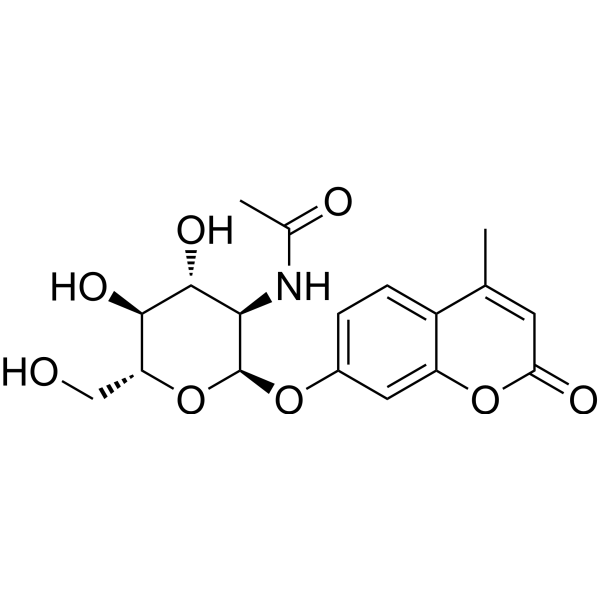
4-Methylumbelliferyl-N-acetyl-α-D-glucosaminide is a fluorogenic substrate for detecting α-N-acetylglucosaminidase .
|
-
-
- HY-137877
-
|
4-methylumbelliferyl acetate
|
Glutathione S-transferase
|
Others
|
|
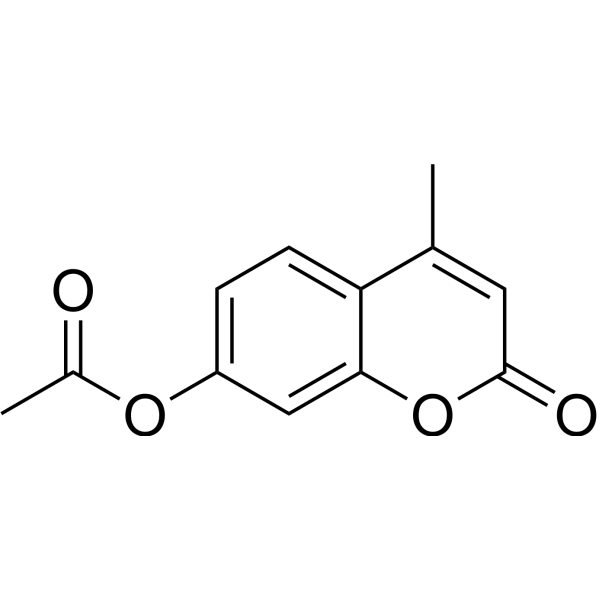
7-Acetoxy-4-methylcoumarin is an inhibitor of GST.7-Acetoxy-4-methylcoumarin inhibits AFB1-DNA binding in vitro with 36.7% inhibition .
|
-
-
- HY-W654272
-
|
4-MU-α-idoa 2-sulfate sodium
|
Fluorescent Dye
|
Metabolic Disease
|
|
4-Methylumbelliferyl-α-L-iduronide 2-sulfate (4-MU-α-idoa 2-sulfate) sodium is a fluorogenic substrate of iduronate-2-sulfatase (I2S). 4-Methylumbelliferyl-α-L-iduronide 2-sulfate sodium can be hydrolyzed by lysosomal enzyme α-l-iduronidase (IDUA) and release the fluorophore 4-Methylumbelliferone (HY-N0187). 4-Methylumbelliferyl-α-L-iduronide 2-sulfate sodium can be used to detect Hurler syndrome .
|
-

-
- HY-W010947
-
|
|
Fluorescent Dye
|
Inflammation/Immunology
|
|
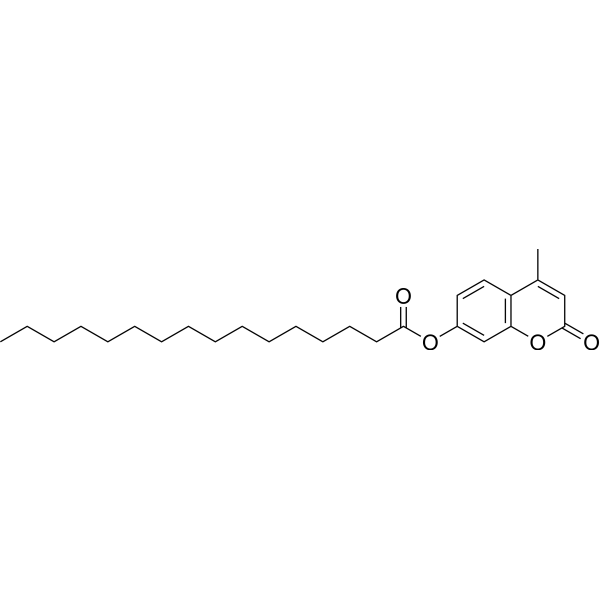
4-Methylumbelliferyl palmitate is an excellent fluorophore for measuring acid lipase in human leukocytes. Acidity and solvent have important influence on its fluorescence. 4-Methylumbelliferyl palmitate exists mainly as neutral molecular form which can be produced strong fluorescence at 445 nm in near neutral aqueous solutions, and exist mainly as anion form which can be produced stronger fluorescence at 445 nm in weak alkaline solutions .
|
-
-
- HY-D0935
-
|
|
β-glucuronidase
Fluorescent Dye
|
Others
|
|
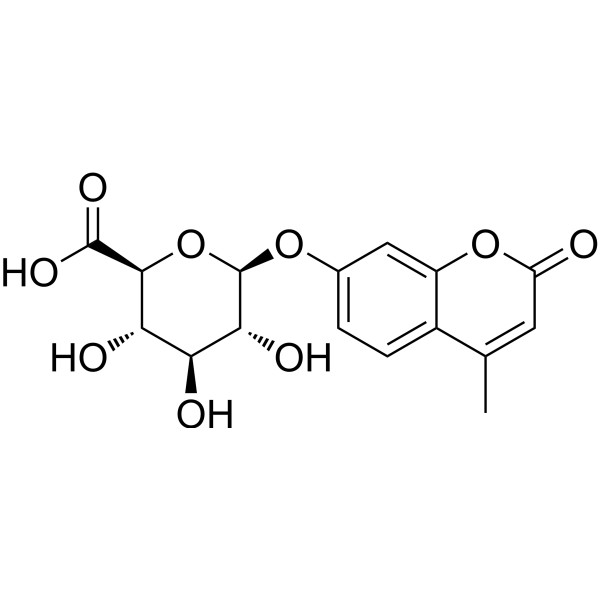
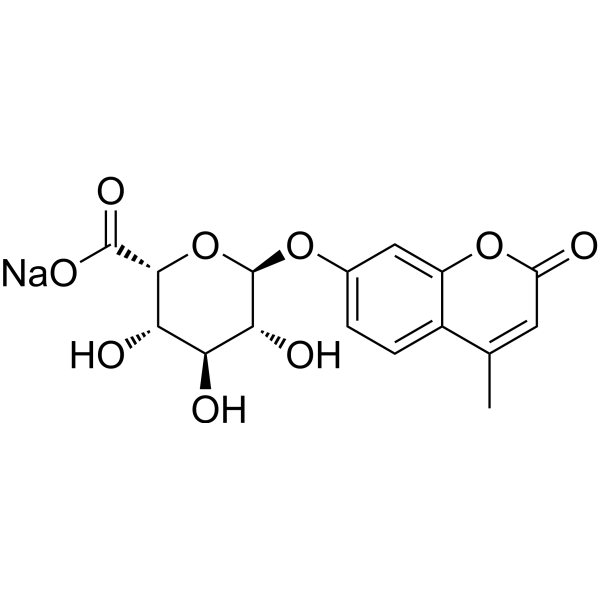
4-Methylumbelliferyl-β-D-glucuronide is a fluorogenic substrat (λex=362 nm, λem=445 nm). 4-Methylumbelliferyl-β-D-glucuronide has potential applications in detecting the activity of β-glucuronidase and the number of Escherichia coli .
|
-
-
- HY-W017657
-
-

-
- HY-123000
-
|
|
Biochemical Assay Reagents
|
|
|
4-Methylumbelliferyl 2-acetamido-2-deoxy-α-D-galactopyranoside is a fluorogenic substrate for studying the enzymatic activity of α-galactosidase. 4-Methylumbelliferyl 2-acetamido-2-deoxy-α-D-galactopyranoside is used to analyze enzyme activity in various biological samples, helping scientists gain insight into the function of the enzyme in vivo. 4-Methylumbelliferyl 2-acetamido-2-deoxy-α-D-galactopyranoside can also be used to screen potential compounds to inhibit or activate this enzyme.
|
-

-
- HY-W009122
-
-

-
- HY-P10143
-
|
Ac-Pro-Leu-Gly-[(S)-2-mercapto-4-methyl-pentanoyl]-Leu-Gly-OEt
|
MMP
|
Others
|
|
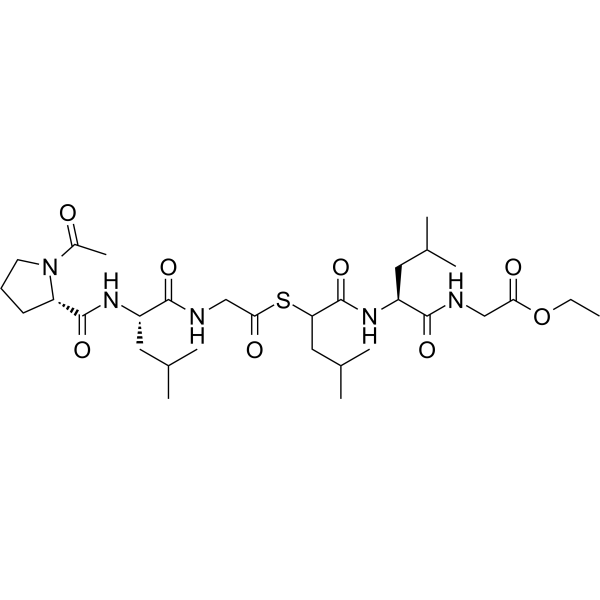
MMP-2/MMP-9 Substrate (Ac-Pro-Leu-Gly-[(S)-2-mercapto-4-methyl-pentanoyl]-Leu-Gly-OEt) is a synthetic chromogenic polypeptide substrate whose core structure mimics the cleavage sites of MMP-2 and MMP-9 (gelatinase A and B) in collagen. After being hydrolyzed by collagenase, MMP-2/MMP-9 Substrate reacts with 4,4'-dithiodipyridine or Ellman's Reagent via its thiol fragment to produce a product with ultraviolet absorption properties .
|
-
-
- HY-W040116
-
|
4-methylumbelliferyl N,N-diacetyl-β-D-chitobioside
|
Biochemical Assay Reagents
|
Others
|
|
MUF-diNAG (4-Methylumbelliferyl N,N-diacetyl-β-D-chitobioside) can be used as a fluorescent substrate. MUF-diNAG is a kind of biological materials or organic compounds that are widely used in life science research .
|
-

-
- HY-A0248AS
-
|
|
Isotope-Labeled Compounds
Bacterial
|
Infection
|
|
Polymyxin B1-d7 TFA is the deuterium labeled Polymyxin B1 TFA (HY-A0248A). Polymyxin B1 is a potent antimicrobial lipopeptide first derived from Bacilus polymyxa. Polymyxin B1 is the major component in Polymyxin B (HY-A0248). Polymyxin B1 can induce lysis of bacterial cells through interaction with their membranes. Polymyxin B1 has the potential for multidrug-resistant Gram-negative bacterial infections treatment .
|
-

-
- HY-D1633A
-
|
|
Fluorescent Dye
|
Others
|
|
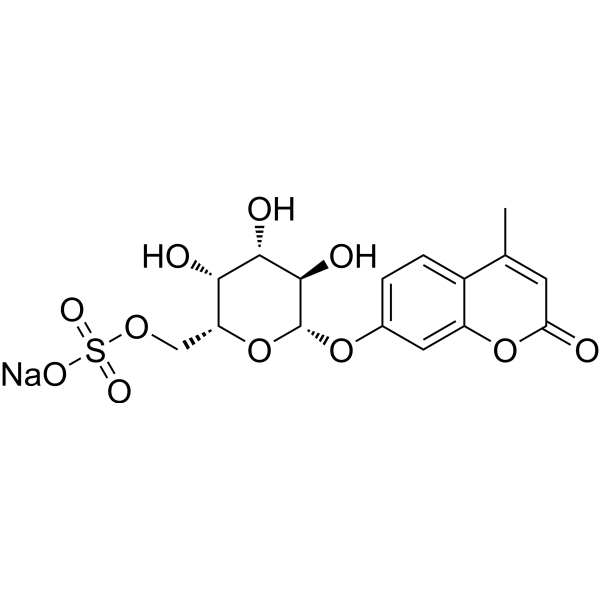
4-Methylumbelliferyl-β-D-galactopyranoside 6-sulfate sodium is a fluorescent dye. 4-Methylumbelliferyl-β-D-galactopyranoside 6-sulfate sodium undergoes desulphation by galactose-6-sulphate sulphatase to form 4-methylumbelliferyl-β-D-galactopyranoside, which is cleaved by β-galactosidase to release fluorescent 4-methylumbelliferone. 4-Methylumbelliferyl-β-D-galactopyranoside 6-sulfate sodium interacts with N-acetylgalactosamine-6-sulfate sulfatase (GALNS) via hydrogen bonds, electrostatic interactions, and steric interactions. 4-Methylumbelliferyl-β-D-galactopyranoside 6-sulfate sodium serves as a substrate in assays measuring galactose-6-sulphate sulphatase and GALNS activity. 4-Methylumbelliferyl-β-D-galactopyranoside 6-sulfate sodium can be used for the research of Morquio disease type A (mucopolysaccharidosis IV A) .
|
-
-
- HY-D1633
-
|
|
Fluorescent Dye
|
Metabolic Disease
|
|
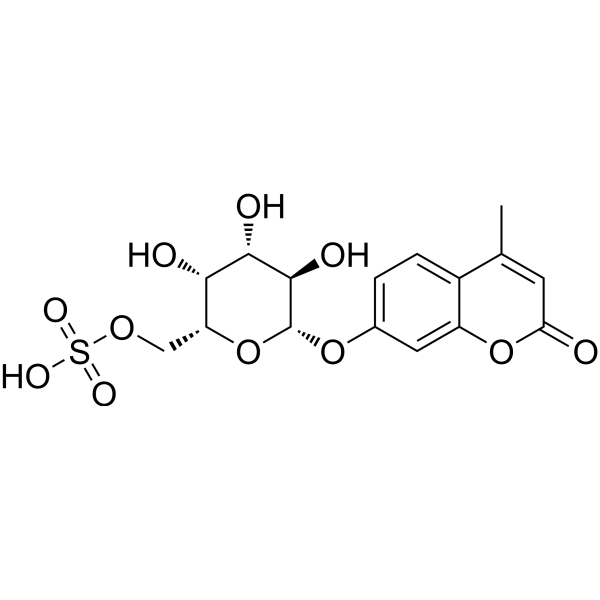
4-Methylumbelliferyl-β-D-galactopyranoside 6-sulfate is a fluorescent dye. 4-Methylumbelliferyl-β-D-galactopyranoside 6-sulfate undergoes desulphation by galactose-6-sulphate sulphatase to form 4-methylumbelliferyl-β-D-galactopyranoside, which is cleaved by β-galactosidase to release fluorescent 4-methylumbelliferone. 4-Methylumbelliferyl-β-D-galactopyranoside 6-sulfate interacts with N-acetylgalactosamine-6-sulfate sulfatase (GALNS) via hydrogen bonds, electrostatic interactions, and steric interactions. 4-Methylumbelliferyl-β-D-galactopyranoside 6-sulfate serves as a substrate in assays measuring galactose-6-sulphate sulphatase and GALNS activity. 4-Methylumbelliferyl-β-D-galactopyranoside 6-sulfate can be used for the research of Morquio disease type A (mucopolysaccharidosis IV A) .
|
-
-
- HY-P10563
-
|
BHV-1100
|
CD38
|
Cancer
|
|
Noraramtide (BHV-1100) is an antibody recruitment molecule. Noraramtide can specifically bind to CD38 molecules to recruit natural killer (NK) cells. Noraramtide enhances the ability of NK cells to kill tumor cells through antibody-dependent cellular cytotoxicity (ADCC). This mechanism allows NK cells to more effectively recognize and eliminate tumor cells while avoiding mutual killing between NK cells. Noraramtide can be used for the study of autologous cancer immunity .
|
-

-
- HY-W275616
-
|
|
Fluorescent Dye
|
Others
|
|
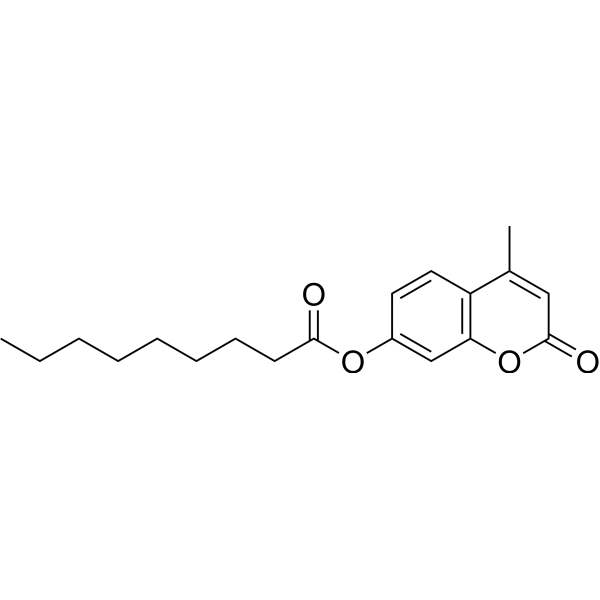
4-Methylumbelliferyl nonanoate is a fluorogenic substrate of esterases. 4-Methylumbelliferyl nonanoate can be hydrolyzed to 4-methylumbelliferone with bright blue fluorescence .
|
-
-
- HY-134163
-
|
4-methylumbelliferyl alpha-L-arabinopyranoside
|
Biochemical Assay Reagents
|
Others
|
|
4-Methylumbelliferyl α-L-arabinopyranoside (4-Methylumbelliferyl alpha-L-arabinopyranoside) is a substrate for enzymes that hydrolyze arabinose-containing substrates, such as α-L-arabinopyranoside .
|
-
-
- HY-126938
-
-
-
- HY-137496
-
|
|
Biochemical Assay Reagents
|
|
|
4-Methylumbelliferyl β-D-mannopyranoside is a substrate that exhibits β-mannosidase activity. 4-Methylumbelliferyl β-D-mannopyranoside can be used to study β-mannosidase deficiency. The reactivity of 4-Methylumbelliferyl β-D-mannopyranoside shows different inhibitory effects on various substrates.
|
-

-
- HY-W127556
-
|
|
Biochemical Assay Reagents
|
Others
|
|
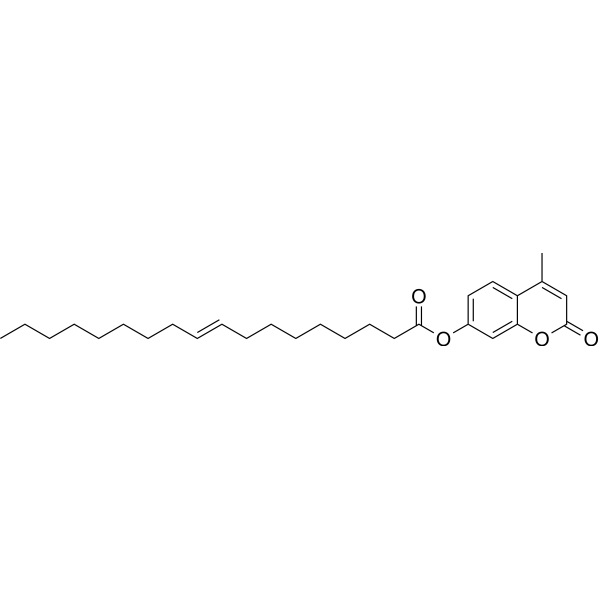
4-methylumbelliferyl elaidate is a biochemical reagent that can be used as a biological material or organic compound for life science related research.
|
-
-
- HY-W345103
-
-

-
- HY-137336
-
-

-
- HY-D0994A
-
|
4-MUP disodium; MUP disodium
|
Phosphatase
|
Others
|
|
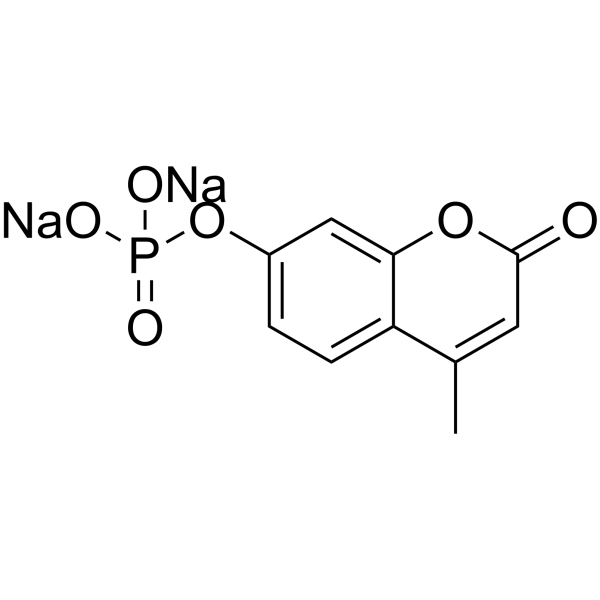
4-Methylumbelliferyl phosphate (4-MUP) disodium, an anionic organophosphate, is a acid and alkaline phosphatase fluorogenic substrate. 4-Methylumbelliferyl phosphate disodium is also a nerve agent simulant .
|
-
-
- HY-W345102
-
-
-
- HY-W283359
-
|
|
Fluorescent Dye
|
Others
|
|
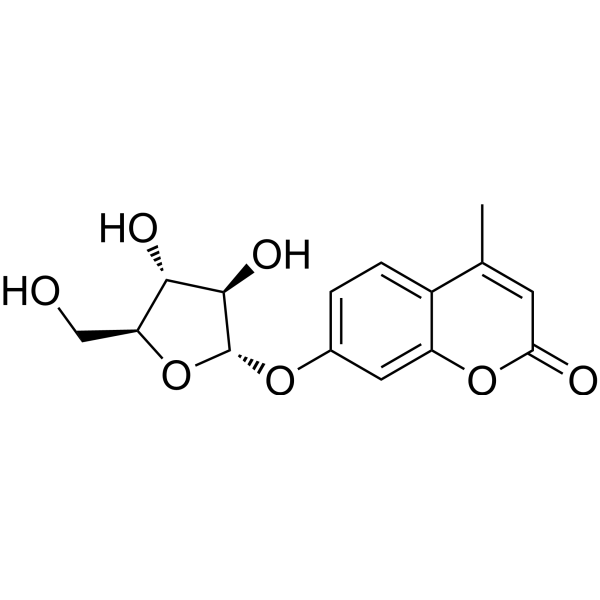
4-Methylumbelliferyl β-D-ribofuranoside is a fluorogenic substrate of β-ribosidase .
|
-

-
- HY-134460
-
|
|
Endogenous Metabolite
|
Others
|
|
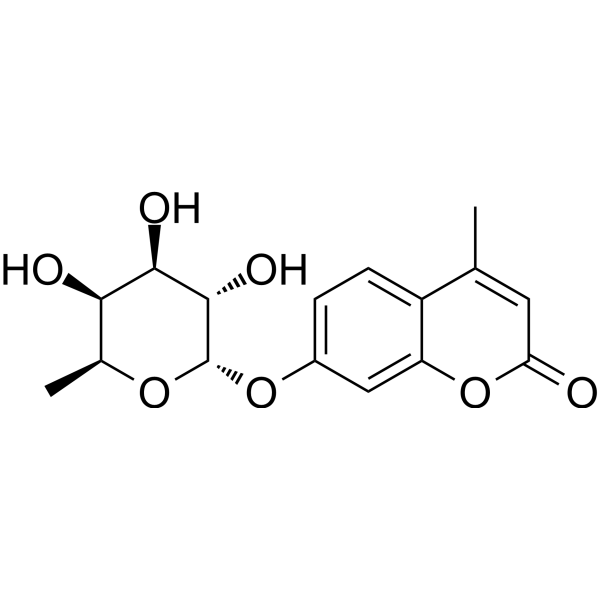
4-Methylumbelliferyl α-L-fucopyranoside is an α-L-fucosidase. α-L-fucosidase can enhance capacitation of porcine sperm and protect sperm from premature acrosome reaction. Compared with human liver α-L-fucosidase, 4-Methylumbelliferyl α-L-fucopyranoside has considerable hydrophobicity and isoelectric focusing properties .
|
-
-
- HY-W127706
-
|
|
Biochemical Assay Reagents
|
Others
|
|
4-Methylumbelliferyl α-L-iduronide sodium is a biochemical reagent that can be used as a biological material or organic compound for life science related research.
|
-
-
- HY-W776853
-
|
|
Biochemical Assay Reagents
|
|
|
4-Methylumbelliferyl β-DN,N',N'',N'''-tetraacetylchitotetraoside is a fluorogenic substrate with activity for lysozyme assays. 4-Methylumbelliferyl β-DN,N',N'',N'''-tetraacetylchitotetraoside can be used to study enzyme activity and its applications in biomedicine. 4-Methylumbelliferyl β-DN,N',N'',N'''-tetraacetylchitotetraoside exhibits high sensitivity in analyzing enzyme reactions in biological samples.
|
-

-
- HY-137403
-
|
|
Biochemical Assay Reagents
|
Others
|
|
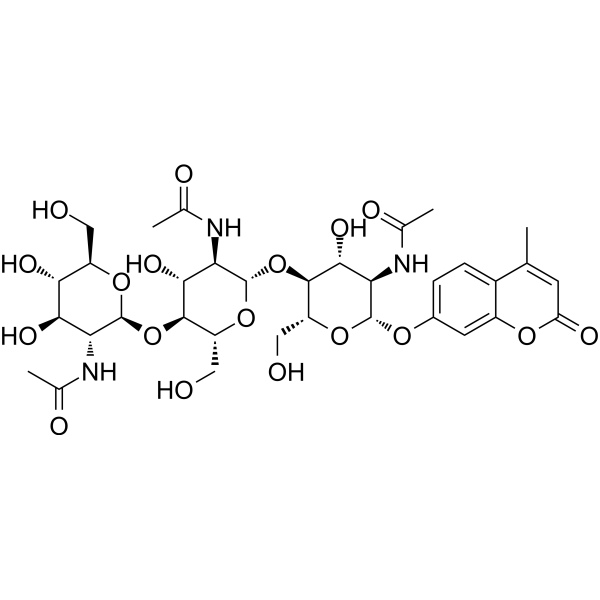
4-Methylumbelliferyl β-D-N,N′,N′′-triacetylchitotrioside is a biochemical reagent that can be used as a biological material or organic compound for life science related research.
|
-
-
- HY-D1529
-
|
|
Fluorescent Dye
|
Others
|
|
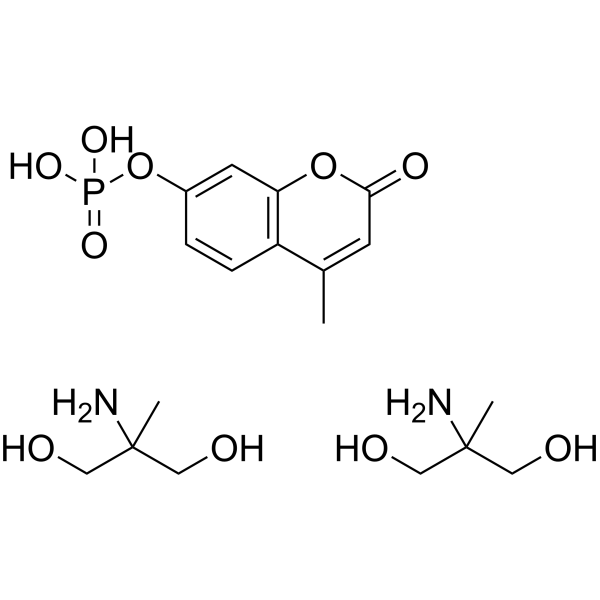
4-Methylumbelliferyl phosphate (2-amino-2-methyl-1,3-propanediol) is a fluorescent substrate, can be used as substrate buffer of enzyme assay .
|
-
- HY-P3066
-
|
d(CH2)5Tyr(Et)VAVP
|
Vasopressin Receptor
|
Metabolic Disease
|
|
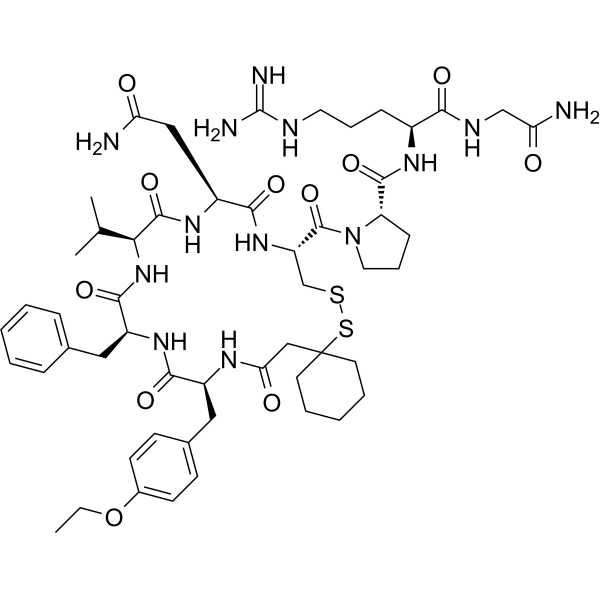
SKF 100398 (d(CH2)5Tyr(Et)VAVP), an arginine vasopressin (AVP) analogue, is a specific antagonist of the antidiuretic effect of exogenous and endogenous AVP .
|
-
- HY-W739550
-
-

- HY-W354821
-
|
4-MUD
|
Fluorescent Dye
|
Metabolic Disease
|
|
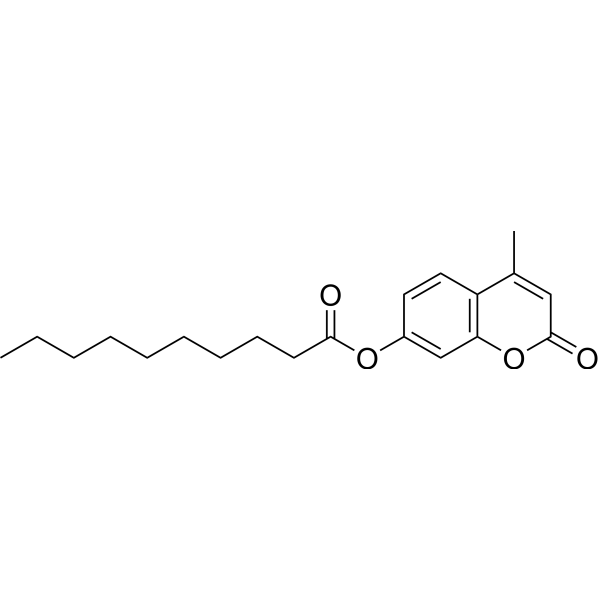
4-Methyl-2-oxo-2H-1-benzopyran-7-yl decanoate is a fluorogenic substrate used to follow the hydrolytic activity of carboxylesterases .
|
-
- HY-W739549
-
|
A-MUAA
|
Biochemical Assay Reagents
|
Others
|
|
4-Methylumbelliferyl 3,4,6-tri-O-acetyl-2-deoxy-2-trifluoroacetamido-α-D-glucopyranoside (A-MUAA) is a biochemical reagent.
|
-

- HY-W331971
-
-

- HY-W357154
-
|
4-methylumbelliferyl beta-L-fucopyranoside
|
Biochemical Assay Reagents
|
Others
|
|
Methylumbelliferyl β-L-fucoside (4-Methylumbelliferyl beta-L-fucopyranoside) is a derivative of fucose that can be used in glycobiology research.
|
-

- HY-W739438
-
-

- HY-W416240
-
-

- HY-P10828
-
|
|
Virus Protease
|
Infection
Inflammation/Immunology
|
|
MAPI is a polypeptide irreversible 3C cysteine protease (SV3CP) inhibitor. MAPI inhibits SV3CP by covalently binding its C-terminal Michael-acceptor extension to the active site thiol of SV3CP Cys 139. MAPI is promising for research of noroviruses infection .
|
-

- HY-W777640
-
|
|
Biochemical Assay Reagents
|
|
|
6-Hexadecanoylamino-4-methylumbelliferyl β-D-galactopyranoside is a specific fluorescent substrate with the function of detecting galactosidase activity. 6-Hexadecanoylamino-4-methylumbelliferyl β-D-galactopyranoside can be used in biomedical research to observe the efficiency of enzyme-catalyzed reactions. 6-Hexadecanoylamino-4-methylumbelliferyl β-D-galactopyranoside is also widely used in the analysis of polysaccharides and carbohydrate enzymology.
|
-

- HY-W739388
-
-

- HY-W416318
-
-

- HY-W787458
-
-

- HY-W739883
-
-

- HY-167736
-
|
|
Others
|
Others
|
|
(2R)-Naroparcil is an isomer of Naroparcil, a 4-methylumbelliferyl beta-D-xyloside analog that plays a role in promoting vascular smooth muscle cell proliferation and has been shown to inhibit thrombus formation in the Wessler slough model.
|
-

- HY-137382
-
-

- HY-W357153
-
|
|
Biochemical Assay Reagents
|
Others
|
|
4-Methylumbelliferyl-α-L-rhamnopyranoside is a class of biochemical reagents used in glycobiology research. Glycobiology studies the structure, synthesis, biology, and evolution of sugars. It involves carbohydrate chemistry, enzymology of glycan formation and degradation, protein-glycan recognition, and the role of glycans in biological systems. This field is closely related to basic research, biomedicine, and biotechnology .
|
-

- HY-D0132
-
|
|
Fluorescent Dye
|
Others
|
|
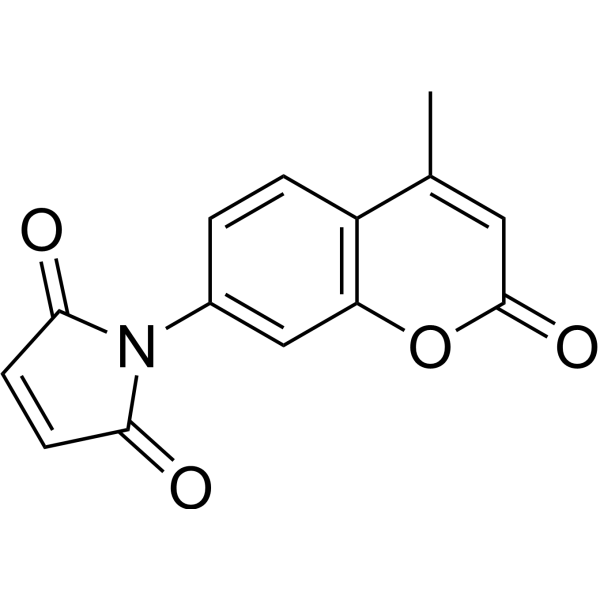
N-(4-Methylumbelliferyl)-maleinimid is a multifunctional dye. Dyes are important tools in biological experiments. They can help researchers observe and analyze cell structures, track biomolecules, evaluate cell functions, distinguish cell types, detect biomolecules, study tissue pathology and monitor microorganisms. Their applications range from basic scientific research to clinical A wide range of diagnostics. Dyes are also widely used in traditional fields such as textile dyeing, as well as in emerging fields such as functional textile processing, food pigments and dye-sensitized solar cells.
|
-
- HY-137321
-
|
Estriol 3-β-D-Glucuronide sodium salt
|
Endogenous Metabolite
|
Metabolic Disease
|
|
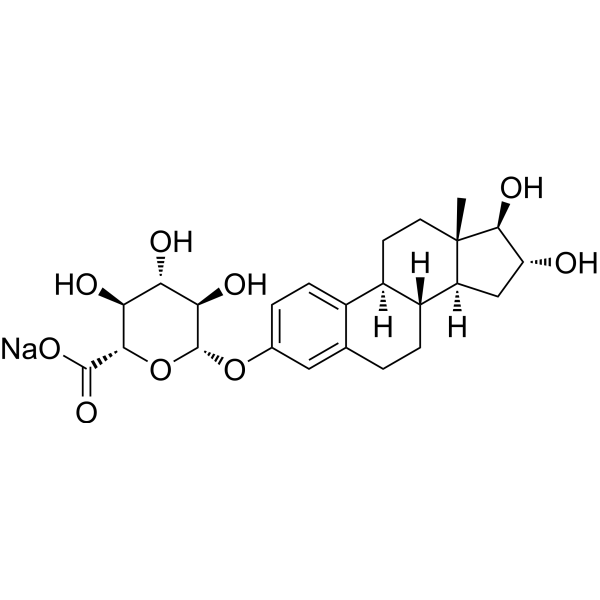
Estriol 3-glucuronide (Estriol 3-β-D-Glucuronide) sodium salt is a metabolite of Estriol. Estriol 3-glucuronide sodium salt competitively inhibits the hydrolysis of 4-methylumbelliferyl-β-D-glucuronide (4Mu-GlcU). Estriol 3-glucuronide sodium salt is a substrate for hydrolysis by Klotho-human IgG1 Fc protein (KLFc) .
|
-
- HY-P2592
-
-
- HY-137232
-
-

- HY-125628
-
|
|
Endogenous Metabolite
|
Infection
|
|
Kahalalide A is an anti-mycobacterial compound with antimicrobial activity. Kahalalide A is derived from the marine mollusk Elysia rufescens. Kahalalide A has attracted extensive attention in natural product research due to its potential medicinal value .
|
-

- HY-W750220
-
-

- HY-W740723
-
-

- HY-A0248AS1
-
|
|
Isotope-Labeled Compounds
Bacterial
|
Infection
|
|
Polymyxin B1-D-Leu-d7 TFA is the deuterium labeled Polymyxin B1 (HY-A0248A). Polymyxin B1 is a potent antimicrobial lipopeptide first derived from Bacilus polymyxa. Polymyxin B1 is the major component in Polymyxin B (HY-A0248). Polymyxin B1 can induce lysis of bacterial cells through interaction with their membranes. Polymyxin B1 has the potential for multidrug-resistant Gram-negative bacterial infections treatment .
|
-

| Cat. No. |
Product Name |
Type |
-
- HY-D0994
-
|
4-MUP; MUP
|
Fluorescent Dyes
|
|
4-Methylumbelliferyl phosphate (4-MUP), an anionic organophosphate, is a acid and alkaline phosphatase fluorogenic substrate. 4-Methylumbelliferyl phosphate is also a nerve agent simulant .
|
-
- HY-D0935A
-
|
MUG
|
Fluorescent Dyes
|
|
4-Methylumbelliferyl-β-D-glucuronide hydrate is a fluorogenic substrat (λex=362 nm, λem=445 nm). 4-Methylumbelliferyl-β-D-glucuronide hydrate has potential applications in detecting the activity of β-glucuronidase and the number of Escherichia coli .
|
-
- HY-137845
-
|
|
Fluorescent Dyes
|
|
4-Methylumbelliferyl β-D-galactopyranoside is a fluorescent substrate for β-galactosidase which, when cleaved, produces a water-soluble blue fluorescent coumarin fluorophore that can be detected using a fluoroenzymeter or fluorometer .
|
-
- HY-D1530
-
|
|
Fluorescent Dyes
|
|
4-Methylumbelliferyl-N-acetyl-α-D-glucosaminide is a fluorogenic substrate for detecting α-N-acetylglucosaminidase .
|
-
- HY-W010947
-
|
|
Fluorescent Dyes
|
|
4-Methylumbelliferyl palmitate is an excellent fluorophore for measuring acid lipase in human leukocytes. Acidity and solvent have important influence on its fluorescence. 4-Methylumbelliferyl palmitate exists mainly as neutral molecular form which can be produced strong fluorescence at 445 nm in near neutral aqueous solutions, and exist mainly as anion form which can be produced stronger fluorescence at 445 nm in weak alkaline solutions .
|
-
- HY-D1633A
-
|
|
Fluorescent Dyes
|
|
4-Methylumbelliferyl-β-D-galactopyranoside 6-sulfate sodium is a fluorescent dye. 4-Methylumbelliferyl-β-D-galactopyranoside 6-sulfate sodium undergoes desulphation by galactose-6-sulphate sulphatase to form 4-methylumbelliferyl-β-D-galactopyranoside, which is cleaved by β-galactosidase to release fluorescent 4-methylumbelliferone. 4-Methylumbelliferyl-β-D-galactopyranoside 6-sulfate sodium interacts with N-acetylgalactosamine-6-sulfate sulfatase (GALNS) via hydrogen bonds, electrostatic interactions, and steric interactions. 4-Methylumbelliferyl-β-D-galactopyranoside 6-sulfate sodium serves as a substrate in assays measuring galactose-6-sulphate sulphatase and GALNS activity. 4-Methylumbelliferyl-β-D-galactopyranoside 6-sulfate sodium can be used for the research of Morquio disease type A (mucopolysaccharidosis IV A) .
|
-
- HY-D1633
-
|
|
Fluorescent Dyes
|
|
4-Methylumbelliferyl-β-D-galactopyranoside 6-sulfate is a fluorescent dye. 4-Methylumbelliferyl-β-D-galactopyranoside 6-sulfate undergoes desulphation by galactose-6-sulphate sulphatase to form 4-methylumbelliferyl-β-D-galactopyranoside, which is cleaved by β-galactosidase to release fluorescent 4-methylumbelliferone. 4-Methylumbelliferyl-β-D-galactopyranoside 6-sulfate interacts with N-acetylgalactosamine-6-sulfate sulfatase (GALNS) via hydrogen bonds, electrostatic interactions, and steric interactions. 4-Methylumbelliferyl-β-D-galactopyranoside 6-sulfate serves as a substrate in assays measuring galactose-6-sulphate sulphatase and GALNS activity. 4-Methylumbelliferyl-β-D-galactopyranoside 6-sulfate can be used for the research of Morquio disease type A (mucopolysaccharidosis IV A) .
|
-
- HY-D0994A
-
|
4-MUP disodium; MUP disodium
|
Fluorescent Dyes
|
|
4-Methylumbelliferyl phosphate (4-MUP) disodium, an anionic organophosphate, is a acid and alkaline phosphatase fluorogenic substrate. 4-Methylumbelliferyl phosphate disodium is also a nerve agent simulant .
|
-
- HY-W345102
-
|
|
Fluorescent Dyes
|
|
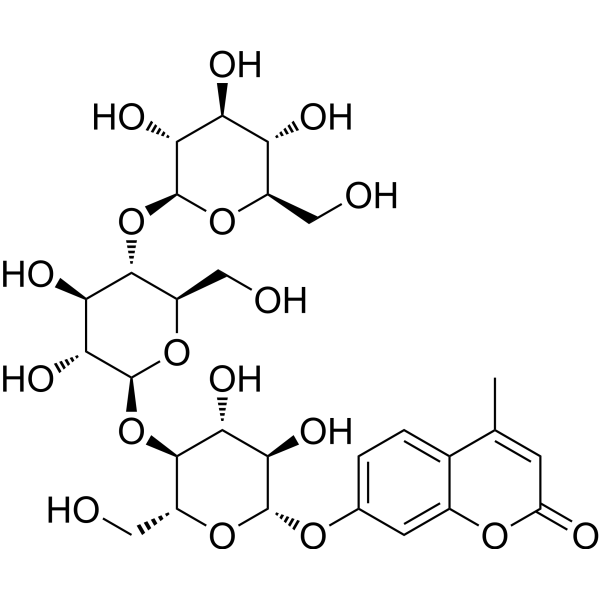
4-Methylumbelliferyl β-cellotrioside, a chromogenic substrate for β-glycosidases, is a cellulose fluorescent derivative .
|
-
- HY-D1529
-
|
|
Fluorescent Dyes
|
|
4-Methylumbelliferyl phosphate (2-amino-2-methyl-1,3-propanediol) is a fluorescent substrate, can be used as substrate buffer of enzyme assay .
|
-
- HY-W354821
-
|
4-MUD
|
Fluorescent Dyes
|
|
4-Methyl-2-oxo-2H-1-benzopyran-7-yl decanoate is a fluorogenic substrate used to follow the hydrolytic activity of carboxylesterases .
|
-
- HY-D0132
-
|
|
Fluorescent Dyes
|
|
N-(4-Methylumbelliferyl)-maleinimid is a multifunctional dye. Dyes are important tools in biological experiments. They can help researchers observe and analyze cell structures, track biomolecules, evaluate cell functions, distinguish cell types, detect biomolecules, study tissue pathology and monitor microorganisms. Their applications range from basic scientific research to clinical A wide range of diagnostics. Dyes are also widely used in traditional fields such as textile dyeing, as well as in emerging fields such as functional textile processing, food pigments and dye-sensitized solar cells.
|
-
- HY-W750220
-
| Cat. No. |
Product Name |
Type |
-
- HY-137855
-
|
|
Biochemical Assay Reagents
|
|
4-Methylumbelliferyl sulfate (potassium), a fluorescent substrate, is commonly used to detect sulfatase activity in biochemical and biomedical research. It consists of a sulfate group attached to a fluorescent molecule, which can be cleaved by sulfatase enzymes. Upon cleavage, 4-Methylumbelliferyl sulfate releases a highly fluorescent product that can be detected using fluorescence microscopy or spectroscopy. The use of 4-Methylumbelliferyl sulfate as a substrate for sulfatase enzymes allows accurate detection and quantification of these enzymes in a variety of biological samples.
|
-
- HY-W127708
-
|
|
Biochemical Assay Reagents
|
|
4-Methylumbelliferyl α-L-iduronide is a biochemical reagent that can be used as a biological material or organic compound for life science related research.
|
-
- HY-D0935
-
|
|
Biochemical Assay Reagents
|
|
4-Methylumbelliferyl-β-D-glucuronide is a fluorogenic substrat (λex=362 nm, λem=445 nm). 4-Methylumbelliferyl-β-D-glucuronide has potential applications in detecting the activity of β-glucuronidase and the number of Escherichia coli .
|
-
- HY-W017657
-
-
- HY-123000
-
|
|
Biochemical Assay Reagents
|
|
4-Methylumbelliferyl 2-acetamido-2-deoxy-α-D-galactopyranoside is a fluorogenic substrate for studying the enzymatic activity of α-galactosidase. 4-Methylumbelliferyl 2-acetamido-2-deoxy-α-D-galactopyranoside is used to analyze enzyme activity in various biological samples, helping scientists gain insight into the function of the enzyme in vivo. 4-Methylumbelliferyl 2-acetamido-2-deoxy-α-D-galactopyranoside can also be used to screen potential compounds to inhibit or activate this enzyme.
|
-
- HY-W009122
-
|
4-methylumbelliferyl-alpha-d-mannoside
|
Biochemical Assay Reagents
|
|
4-Methylumbelliferyl-α-d-mannoside is a fluorescent substrate for α-D-mannosidase.
|
-
- HY-W040116
-
|
4-methylumbelliferyl N,N-diacetyl-β-D-chitobioside
|
Biochemical Assay Reagents
|
|
MUF-diNAG (4-Methylumbelliferyl N,N-diacetyl-β-D-chitobioside) can be used as a fluorescent substrate. MUF-diNAG is a kind of biological materials or organic compounds that are widely used in life science research .
|
-
- HY-134163
-
|
4-methylumbelliferyl alpha-L-arabinopyranoside
|
Biochemical Assay Reagents
|
|
4-Methylumbelliferyl α-L-arabinopyranoside (4-Methylumbelliferyl alpha-L-arabinopyranoside) is a substrate for enzymes that hydrolyze arabinose-containing substrates, such as α-L-arabinopyranoside .
|
-
- HY-137496
-
|
|
Biochemical Assay Reagents
|
|
4-Methylumbelliferyl β-D-mannopyranoside is a substrate that exhibits β-mannosidase activity. 4-Methylumbelliferyl β-D-mannopyranoside can be used to study β-mannosidase deficiency. The reactivity of 4-Methylumbelliferyl β-D-mannopyranoside shows different inhibitory effects on various substrates.
|
-
- HY-W127556
-
|
|
Biochemical Assay Reagents
|
|
4-methylumbelliferyl elaidate is a biochemical reagent that can be used as a biological material or organic compound for life science related research.
|
-
- HY-W345103
-
-
- HY-137336
-
-
- HY-W283359
-
-
- HY-W776853
-
|
|
Biochemical Assay Reagents
|
|
4-Methylumbelliferyl β-DN,N',N'',N'''-tetraacetylchitotetraoside is a fluorogenic substrate with activity for lysozyme assays. 4-Methylumbelliferyl β-DN,N',N'',N'''-tetraacetylchitotetraoside can be used to study enzyme activity and its applications in biomedicine. 4-Methylumbelliferyl β-DN,N',N'',N'''-tetraacetylchitotetraoside exhibits high sensitivity in analyzing enzyme reactions in biological samples.
|
-
- HY-137403
-
|
|
Biochemical Assay Reagents
|
|
4-Methylumbelliferyl β-D-N,N′,N′′-triacetylchitotrioside is a biochemical reagent that can be used as a biological material or organic compound for life science related research.
|
-
- HY-W739550
-
|
|
Biochemical Assay Reagents
|
|
4-Methylumbelliferyl 2-trifluoroacetyl-3,4,6-O-triacetyl-2-deoxy-β-D-glucopyranoside is a biochemical reagent.
|
-
- HY-W739549
-
|
A-MUAA
|
Biochemical Assay Reagents
|
|
4-Methylumbelliferyl 3,4,6-tri-O-acetyl-2-deoxy-2-trifluoroacetamido-α-D-glucopyranoside (A-MUAA) is a biochemical reagent.
|
-
- HY-W331971
-
-
- HY-W357154
-
|
4-methylumbelliferyl beta-L-fucopyranoside
|
Biochemical Assay Reagents
|
|
Methylumbelliferyl β-L-fucoside (4-Methylumbelliferyl beta-L-fucopyranoside) is a derivative of fucose that can be used in glycobiology research.
|
-
- HY-W739438
-
-
- HY-W416240
-
-
- HY-W777640
-
|
|
Biochemical Assay Reagents
|
|
6-Hexadecanoylamino-4-methylumbelliferyl β-D-galactopyranoside is a specific fluorescent substrate with the function of detecting galactosidase activity. 6-Hexadecanoylamino-4-methylumbelliferyl β-D-galactopyranoside can be used in biomedical research to observe the efficiency of enzyme-catalyzed reactions. 6-Hexadecanoylamino-4-methylumbelliferyl β-D-galactopyranoside is also widely used in the analysis of polysaccharides and carbohydrate enzymology.
|
-
- HY-W739388
-
|
|
Biochemical Assay Reagents
|
|
4-Methylumbelliferyl 6-sulfo-2-acetamido-2-deoxy-α-D-glucopyranoside (potassium) is a biochemical reagent.
|
-
- HY-W416318
-
-
- HY-W787458
-
-
- HY-W739883
-
-
- HY-137382
-
|
|
Biochemical Assay Reagents
|
|
4-Methylumbelliferyl-N-acetyl-β-D-galactosaminide is a substrate for detecting β-galactosidase activity.
|
-
- HY-W357153
-
|
|
Biochemical Assay Reagents
|
|
4-Methylumbelliferyl-α-L-rhamnopyranoside is a class of biochemical reagents used in glycobiology research. Glycobiology studies the structure, synthesis, biology, and evolution of sugars. It involves carbohydrate chemistry, enzymology of glycan formation and degradation, protein-glycan recognition, and the role of glycans in biological systems. This field is closely related to basic research, biomedicine, and biotechnology .
|
-
- HY-137232
-
-
- HY-W740723
-
| Cat. No. |
Product Name |
Target |
Research Area |
-
- HY-134124
-
|
|
Reactive Oxygen Species (ROS)
|
Metabolic Disease
|
|
Glutathione ethyl ester is a cell-permeable GSH donor and provides an efficient supply of GSH to the oocyte. Glutathione ethyl ester shows positive effect on the in vitro production of embryos by enhancement of the antioxidative defense .
|
-
- HY-P10272
-
|
PTG-300
|
Ferroportin
|
Others
|
|
Rusfertide is a peptide mimetic of natural hepcidin, which targets and degrades ferroportin, reduces serum iron and transferrin-saturation, and thus regulates the production of red blood cells. Rusfertide ameliorates the polycythemia vera, β-thalassemia and hereditary hemochromatosis .
|
-
- HY-A0248A
-
|
|
Bacterial
|
Infection
|
|
Polymyxin B1 is a potent antimicrobial lipopeptide first derived from Bacilus polymyxa. Polymyxin B1 is the major component in Polymyxin B (HY-A0248). Polymyxin B1 can induce lysis of bacterial cells through interaction with their membranes. Polymyxin B1 has the potential for multidrug-resistant Gram-negative bacterial infections treatment .
|
-
- HY-P1108A
-
|
|
CRFR
|
Neurological Disease
Inflammation/Immunology
|
Astressin 2B TFA is a blood-brain barrier-impermeable, highly selective CRFR2 antagonist (rCRFR2, IC50=0.57 nM). Astressin 2B TFA blocks the protective effects mediated by CRFR2, thereby exacerbating indomethacin (HY-14397)-induced hemorrhagic intestinal injury in rats. Astressin 2B TFA reverses the protective effects of Urocortin 1 against intestinal hypermotility, bacterial invasion and upregulation of inflammatory mediators. Astressin 2B TFA also blocks the anxiogenic effect of Urocortin 2 and attenuates stress-induced anxiety-related behaviors. In the Clostridioides difficile toxin A (C. difficile toxin A)-mediated enteritis model, Astressin 2B TFA mimics the phenotype of CRFR2-deficient mice, significantly exacerbating intestinal epithelial damage, edema, neutrophil migration and the expression of multiple proinflammatory cytokines. Astressin 2B TFA is an important tool molecule for investigating the intestinal protective mechanisms of CRFR2 [4] .
|
-
- HY-P1108
-
|
|
CRFR
|
Neurological Disease
Inflammation/Immunology
|
Astressin 2B is a blood-brain barrier-impermeable, highly selective CRFR2 antagonist (rCRFR2, IC50=0.57 nM). Astressin 2B blocks the protective effects mediated by CRFR2, thereby exacerbating indomethacin (HY-14397)-induced hemorrhagic intestinal injury in rats. Astressin 2B reverses the protective effects of Urocortin 1 against intestinal hypermotility, bacterial invasion and upregulation of inflammatory mediators. Astressin 2B also blocks the anxiogenic effect of Urocortin 2 and attenuates stress-induced anxiety-related behaviors. In the Clostridioides difficile toxin A (C. difficile toxin A)-mediated enteritis model, Astressin 2B mimics the phenotype of CRFR2-deficient mice, significantly exacerbating intestinal epithelial damage, edema, neutrophil migration and the expression of multiple proinflammatory cytokines. Astressin 2B is an important tool molecule for investigating the intestinal protective mechanisms of CRFR2 [4] .
|
-
- HY-P10143
-
|
Ac-Pro-Leu-Gly-[(S)-2-mercapto-4-methyl-pentanoyl]-Leu-Gly-OEt
|
MMP
|
Others
|
|
MMP-2/MMP-9 Substrate (Ac-Pro-Leu-Gly-[(S)-2-mercapto-4-methyl-pentanoyl]-Leu-Gly-OEt) is a synthetic chromogenic polypeptide substrate whose core structure mimics the cleavage sites of MMP-2 and MMP-9 (gelatinase A and B) in collagen. After being hydrolyzed by collagenase, MMP-2/MMP-9 Substrate reacts with 4,4'-dithiodipyridine or Ellman's Reagent via its thiol fragment to produce a product with ultraviolet absorption properties .
|
-
- HY-A0248AS
-
|
|
Isotope-Labeled Compounds
Bacterial
|
Infection
|
|
Polymyxin B1-d7 TFA is the deuterium labeled Polymyxin B1 TFA (HY-A0248A). Polymyxin B1 is a potent antimicrobial lipopeptide first derived from Bacilus polymyxa. Polymyxin B1 is the major component in Polymyxin B (HY-A0248). Polymyxin B1 can induce lysis of bacterial cells through interaction with their membranes. Polymyxin B1 has the potential for multidrug-resistant Gram-negative bacterial infections treatment .
|
-
- HY-P10563
-
|
BHV-1100
|
CD38
|
Cancer
|
|
Noraramtide (BHV-1100) is an antibody recruitment molecule. Noraramtide can specifically bind to CD38 molecules to recruit natural killer (NK) cells. Noraramtide enhances the ability of NK cells to kill tumor cells through antibody-dependent cellular cytotoxicity (ADCC). This mechanism allows NK cells to more effectively recognize and eliminate tumor cells while avoiding mutual killing between NK cells. Noraramtide can be used for the study of autologous cancer immunity .
|
-
- HY-P3066
-
|
d(CH2)5Tyr(Et)VAVP
|
Vasopressin Receptor
|
Metabolic Disease
|
|
SKF 100398 (d(CH2)5Tyr(Et)VAVP), an arginine vasopressin (AVP) analogue, is a specific antagonist of the antidiuretic effect of exogenous and endogenous AVP .
|
-
- HY-P10828
-
|
|
Virus Protease
|
Infection
Inflammation/Immunology
|
|
MAPI is a polypeptide irreversible 3C cysteine protease (SV3CP) inhibitor. MAPI inhibits SV3CP by covalently binding its C-terminal Michael-acceptor extension to the active site thiol of SV3CP Cys 139. MAPI is promising for research of noroviruses infection .
|
-
- HY-P4756
-
|
|
Peptides
|
Others
|
|
N-(2-Carbamoyl-ethyl)-Val-Leu-anilide is a polypeptide that can be found by peptide screening. Peptide screening is a research tool that pools active peptides primarily by immunoassay. Peptide screening can be used for protein interaction, functional analysis, epitope screening, especially in the field of agent research and development .
|
-
- HY-P2592
-
-
- HY-125628
-
|
|
Endogenous Metabolite
|
Infection
|
|
Kahalalide A is an anti-mycobacterial compound with antimicrobial activity. Kahalalide A is derived from the marine mollusk Elysia rufescens. Kahalalide A has attracted extensive attention in natural product research due to its potential medicinal value .
|
-
- HY-A0248AS1
-
|
|
Isotope-Labeled Compounds
Bacterial
|
Infection
|
|
Polymyxin B1-D-Leu-d7 TFA is the deuterium labeled Polymyxin B1 (HY-A0248A). Polymyxin B1 is a potent antimicrobial lipopeptide first derived from Bacilus polymyxa. Polymyxin B1 is the major component in Polymyxin B (HY-A0248). Polymyxin B1 can induce lysis of bacterial cells through interaction with their membranes. Polymyxin B1 has the potential for multidrug-resistant Gram-negative bacterial infections treatment .
|
| Cat. No. |
Product Name |
Category |
Target |
Chemical Structure |
| Cat. No. |
Product Name |
Chemical Structure |
-
- HY-A0248AS
-
|
|
|
Polymyxin B1-d7 TFA is the deuterium labeled Polymyxin B1 TFA (HY-A0248A). Polymyxin B1 is a potent antimicrobial lipopeptide first derived from Bacilus polymyxa. Polymyxin B1 is the major component in Polymyxin B (HY-A0248). Polymyxin B1 can induce lysis of bacterial cells through interaction with their membranes. Polymyxin B1 has the potential for multidrug-resistant Gram-negative bacterial infections treatment .
|
-
-
- HY-A0248AS1
-
|
|
|
Polymyxin B1-D-Leu-d7 TFA is the deuterium labeled Polymyxin B1 (HY-A0248A). Polymyxin B1 is a potent antimicrobial lipopeptide first derived from Bacilus polymyxa. Polymyxin B1 is the major component in Polymyxin B (HY-A0248). Polymyxin B1 can induce lysis of bacterial cells through interaction with their membranes. Polymyxin B1 has the potential for multidrug-resistant Gram-negative bacterial infections treatment .
|
-
| Cat. No. |
Product Name |
|
Classification |
-
- HY-W010947
-
|
|
|
Fluorescent Lipids
|
|
4-Methylumbelliferyl palmitate is an excellent fluorophore for measuring acid lipase in human leukocytes. Acidity and solvent have important influence on its fluorescence. 4-Methylumbelliferyl palmitate exists mainly as neutral molecular form which can be produced strong fluorescence at 445 nm in near neutral aqueous solutions, and exist mainly as anion form which can be produced stronger fluorescence at 445 nm in weak alkaline solutions .
|
-
- HY-W127556
-
|
|
|
Fluorescent Lipids
|
|
4-methylumbelliferyl elaidate is a biochemical reagent that can be used as a biological material or organic compound for life science related research.
|
Your information is safe with us. * Required Fields.
Inquiry Information
- Product Name:
- Cat. No.:
- Quantity:
- MCE Japan Authorized Agent:








