Infection
-
Infection Related Products (18904)
Related Products (18904)

-
Antibodies (22)
-
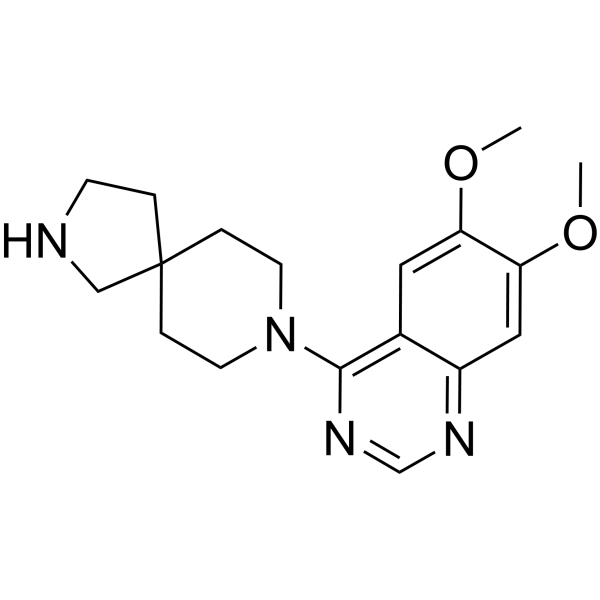
Enpp-1-IN-17
 0 Images
Enpp-1-IN-17 (example 274) is a potent ENPP1 inhibitor, with the inhibition constants (Ki values) toward cGAMP and ATP hydrolysis of 100 nM-1 μM and > 1 μM, respectively. The selectivity ratio for inhibition of cGAMP hydrolysis versus ATP hydrolysis is >6.4.
-
(Rac)-Moxifloxacin
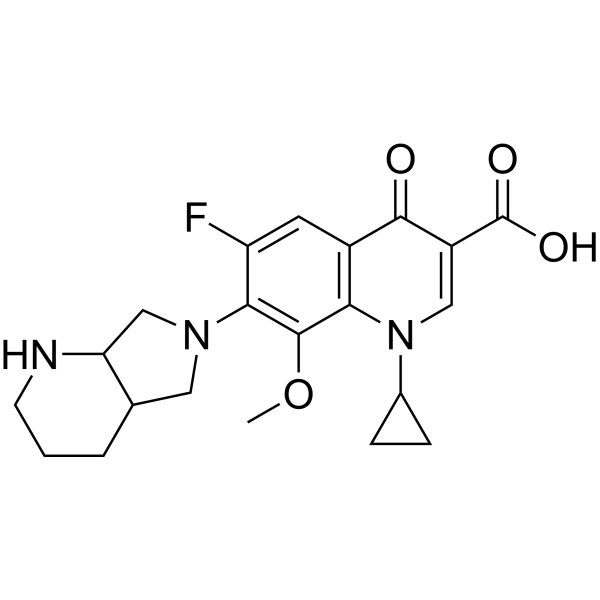 0 ImagesSynonyms: (Rac)-BAY 12-8039 free base
(Rac)-Moxifloxacin ((Rac)-BAY 12-8039 free base) is the isoform of Moxifloxacin Hydrochloride (HY-66011), which is an oral 8-methoxyquinolone antimicrobial for use in the treatment of acute bacterial sinusitis, acute bacterial exacerbations of chronic bronchitis, and community-acquired pneumonia.
-
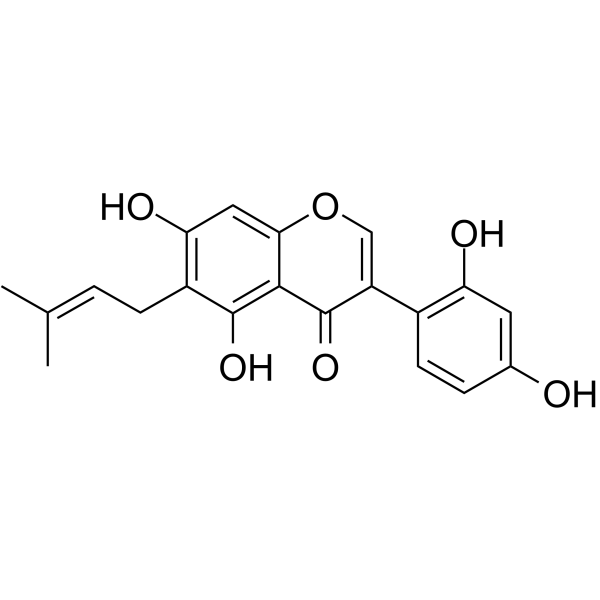
Luteone
 0 Images
Luteone is a natural isoflavone, with antioxidant, antibacterial and antifung activities.
-
Cephalosporinase,bacillus
 0 ImagesCat. No.: HY-W764182CAS No.: 9012-26-4
Cephalosporinase, bacillus are enzymes produced by bacillus, inactivated and degrade the ability of the cephalosporin class of antibiotics. Cephalosporins are a class of β-lactam antibiotics that are widely used to study bacterial infections.
-
1-Oleoyl-2-hydroxy-sn-glycero-3-phosphoethanolamine-d31
 0 ImagesCat. No.: HY-W355700S
1-Oleoyl-2-hydroxy-sn-glycero-3-phosphoethanolamine-d31 is the deuterium labeled 1-Oleoyl-2-hydroxy-sn-glycero-3-phosphoethanolamine (HY-W355700). 1-oleoyl-sn-glycero-3-phosphoethanolamine (LysoPE 18:1) is a lysophosphatidylethanolamine molecule involved in phospholipid metabolism, targeting cell membrane receptors (such as G protein-coupled receptors) to regulate cell signaling pathways. 1-oleoyl-sn-glycero-3-phosphoethanolamine may activate mitogen-activated protein kinase (MAPK) signaling, promote cell migration, regulate inflammatory responses and lipid metabolism, and has both pro-inflammatory and anti-inflammatory activities. 1-oleoyl-sn-glycero-3-phosphoethanolamine is mainly used in the screening of biomarkers for metabolic diseases (such as non-alcoholic fatty liver disease and obesity), as well as the study of the mechanism of lysophospholipids in cell membrane homeostasis and signal transduction.
-
TP0586532
 0 Images
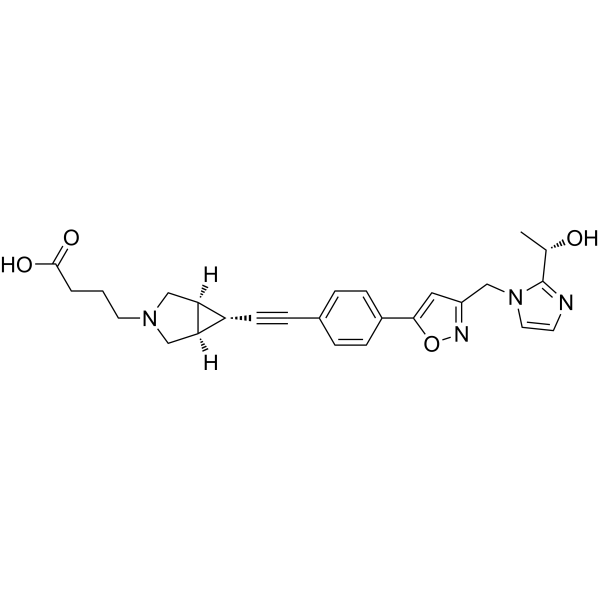
TP0586532 is a non-hydroxamate LpxC inhibitor (IC50=0.101 μM). TP0586532 as a compound with a low cardiovascular risk that is effective against K. pneumoniae, including resistant strains. TP0586532 is a click chemistry reagent, it contains an Alkyne group and can undergo copper-catalyzed azide-alkyne cycloaddition (CuAAc) with molecules containing Azide groups.
-
MCB-3681
 0 Images
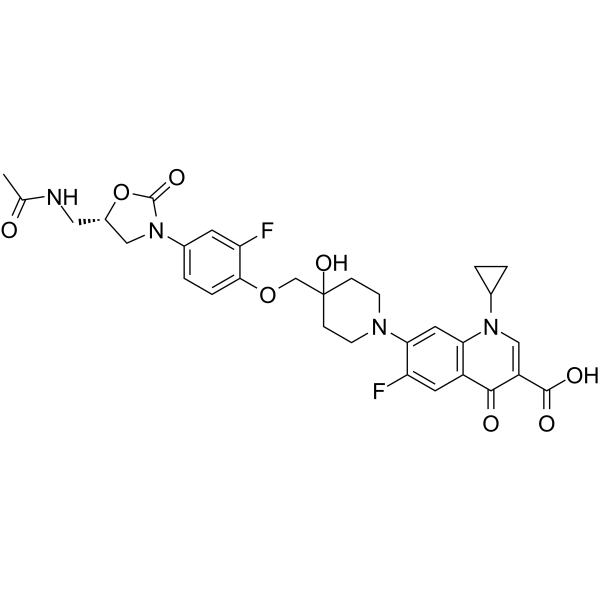
MCB-3681 is the antibacterial Oxaquin's active substance, active against gram-positive bacterium.
-
Ginsenoside Rg4
 0 Images
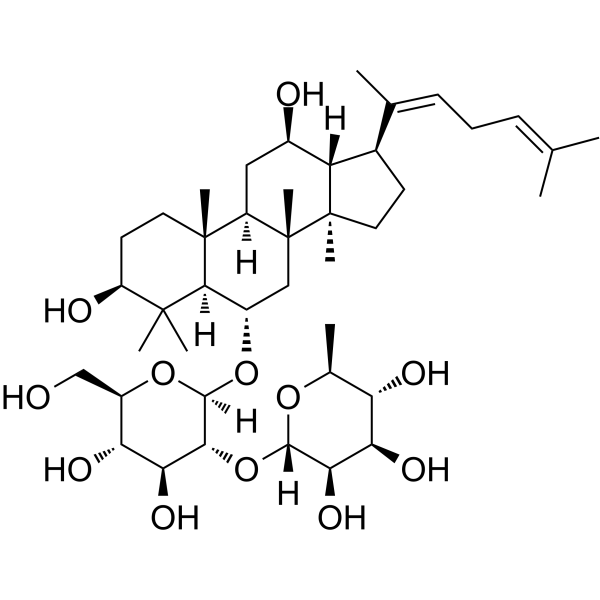
Ginsenoside Rg4 is an orally active protopanaxatriol type ginsenoside. Ginsenoside Rg4 can activate PI3K, AKT and GSK-3β signaling. Ginsenoside Rg4 can inhibit ROS and inflammatory cytokine levels. Ginsenoside Rg4 can be used for the researches of inflammation, infection and metabolic disease, such as sepsis and lung inflammation.
-
(S,S)-Valifenalate
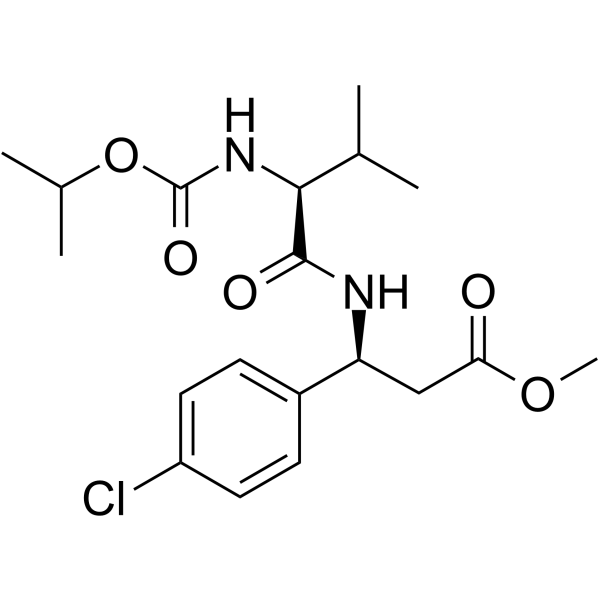 0 ImagesSynonyms: (S,S)-IR5885; (S,S)-Valiphenal
(S,S)-Valifenalate ((S,S)-IR5885) is an acylamino acid fungicide and is used to control a wide range of fungi belonging to the class of Oomycetes. (S,S)-Valifenalate ((S,S)-IR5885) interferes with the cell-wall synthesis thus affecting the growth stages of the pathogens controlled, both outside (on the spores) or inside the plant (on the mycelium).
-
Di(zanamivir-amide(N-Me)-PEG1)-N-PEG4-alkyne
 0 ImagesCat. No.: HY-176962CAS No.: 2413091-97-9
-
NDM-1 inhibitor-3
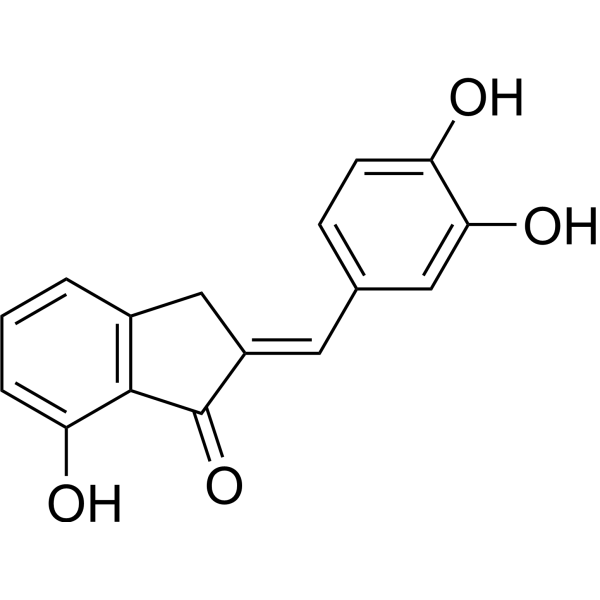 0 Images
NDM-1 inhibitor-3 (Compound 89) is a New Delhi Metallo-β-lactamase-1 (NDM-1) inhibitor with a Ki of 4 μM.
-
Alamifovir
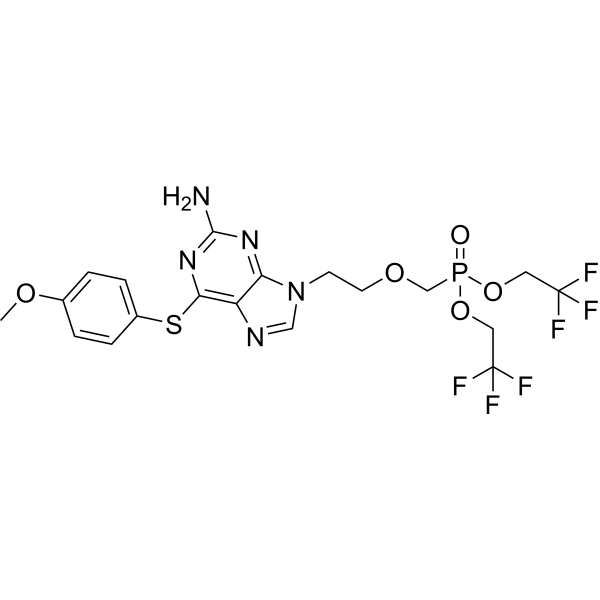 0 ImagesCat. No.: HY-119691CAS No.: 193681-12-8Synonyms: LY582563; MCC-478
-
SMU-CX1
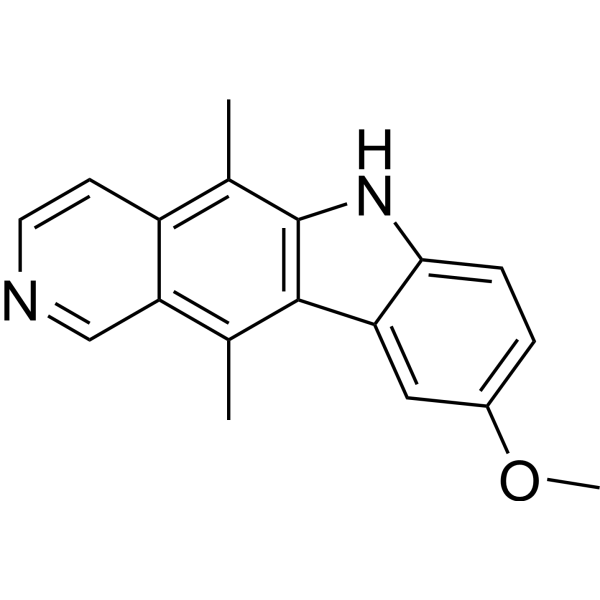 0 Images
SMU-CX1 is a specific TLR3 inhibitor (IC50: 0.11 μM) with IC50 ranging from 0.14-0.33 μM against multiple influenza A virus subtypes. SMU-CX1 inhibits the viral PB2 and NP proteins with an IC50 of 0.43 μM for SARS-CoV-2 activity. SMU-CX1 also inhibits inflammatory factors in host cells, including IFN-β, IP-10, and CCL-5.
-
Colistin A sulfate hydrate
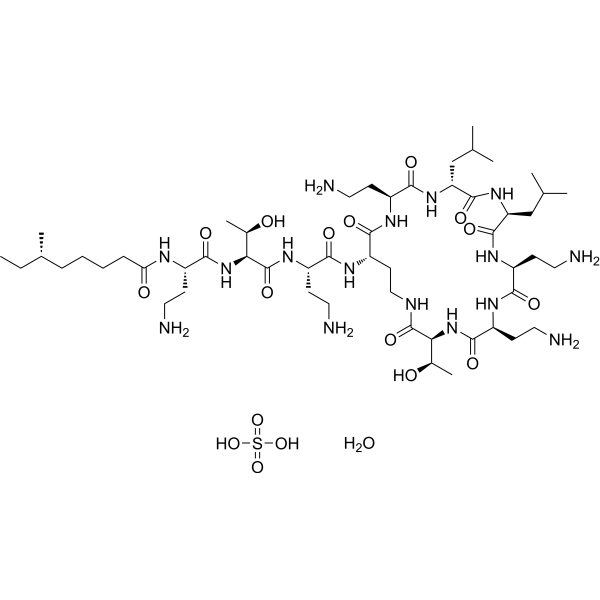 0 ImagesCat. No.: HY-P2123APurity: 99.58%
Colistin A sulfate hydrate is a major component of Colistin. Colistin is a polymyxin antibiotic and can be used to combat infections caused by problematic gram-negative bacteria.
-
Pentadecane-d32
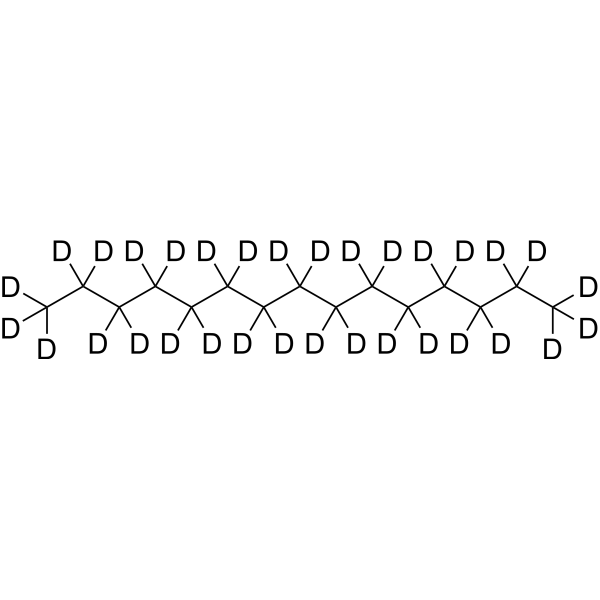 0 Images
Pentadecane-d32 is the deuterium labeled Pentadecane (HY-N7926). Pentadecane is an orally active natural plant volatile alkane with anti-inflammatory, analgesic, antipyretic and anti-leishmanial activities. Pentadecane presents IC50 values of 65.3 μM, 60.5 μM and 194.8 μM against Leishmania infantum promastigotes, amastigotes and intracellular amastigotes, respectively. Pentadecane downregulates the mRNA expression of TNF-α and IL-12 and inhibits the release of inflammatory mediators. Pentadecane arrests the cell cycle of Leishmania infantum and induces apoptosis. Pentadecane can be applied to the research of inflammation and leishmaniasis.
-
Potassium sorbate (Standard)
 0 ImagesSynonyms: Sorbic acid potassium (Standard)
Potassium sorbate (Standard) is the analytical standard of Potassium sorbate. This product is intended for research and analytical applications. Potassium sorbate (Sorbic acid potassium) is an antibacterial preservative effective against most molds, yeasts, and some bacterial species. Potassium sorbate inhibits microbial growth. Potassium sorbate suppresses the activity of intestinal microorganisms in zebrafish, alters the composition of intestinal flora, and reduces the levels of intestinal immune biomarkers, including IgG, IL-1β, and TNF-α. Potassium sorbate can be used in research on the prevention and treatment of mold, yeast, and bacterial infections.
-
Rose Bengal Chloramphenicol Agar
 0 ImagesCat. No.: HY-158190Synonyms: Rose Bengal Medium
Rose-Bengal Chloramphenicol Agar is a selective medium for the enumeration of yeasts and moulds from a wide variety of foodstuffs. The medium has a neutral pH and chloramphenicol is used as a selective agent to suppress the growth of bacteria.
-
(E/Z)-4,4'-Dicyanostilbene
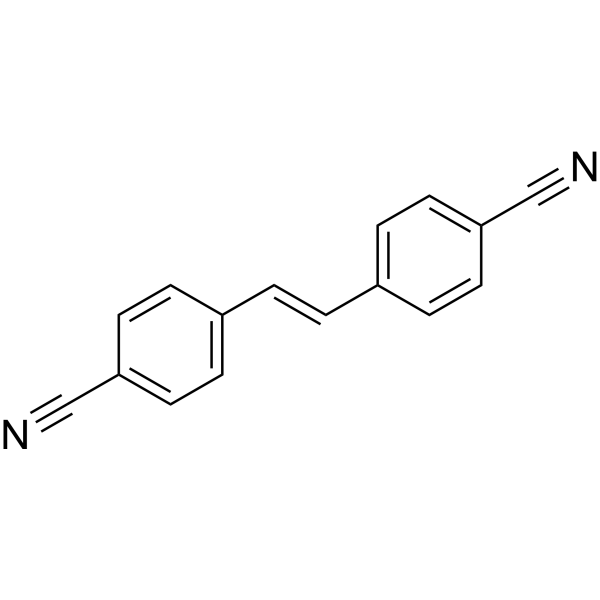 0 ImagesCat. No.: HY-W112166CAS No.: 6292-62-2
(E/Z)-4,4'-Dicyanostilbene is the isomer of 4,4'-Dicyanostilbene (HY-W112166A), and can be used as an experimental control. 4,4'-Dicyanostilbene (compound 43) is a potent antimalarial agent against the Dd2 strain, with an EC50 of 27 nM. 4,4'-Dicyanostilbene exhibits in vivo efficacy against methicillin-resistant Staphylococcus aureus (MRSA).
-
Anhydrochlortetracycline hydrochloride
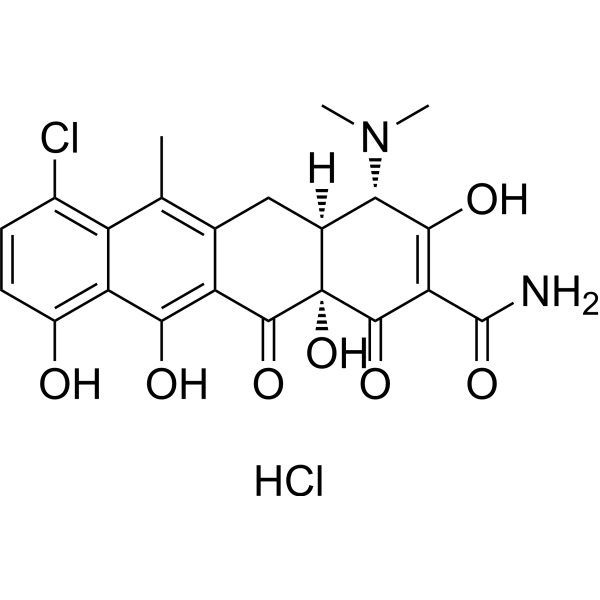 0 ImagesCat. No.: HY-137196CAS No.: 65490-24-6
Anhydrochlortetracycline hydrochloride is a degradation product of chlortetracycline (HY-B1327A). Anhydrochlortetracycline hydrochloride inhibits the growth of actinomycetes.